


shutterstock

5 Worst Rated European Mustards

Last updated on May 21, 2026
01

Turun sinappi

2.9 ·

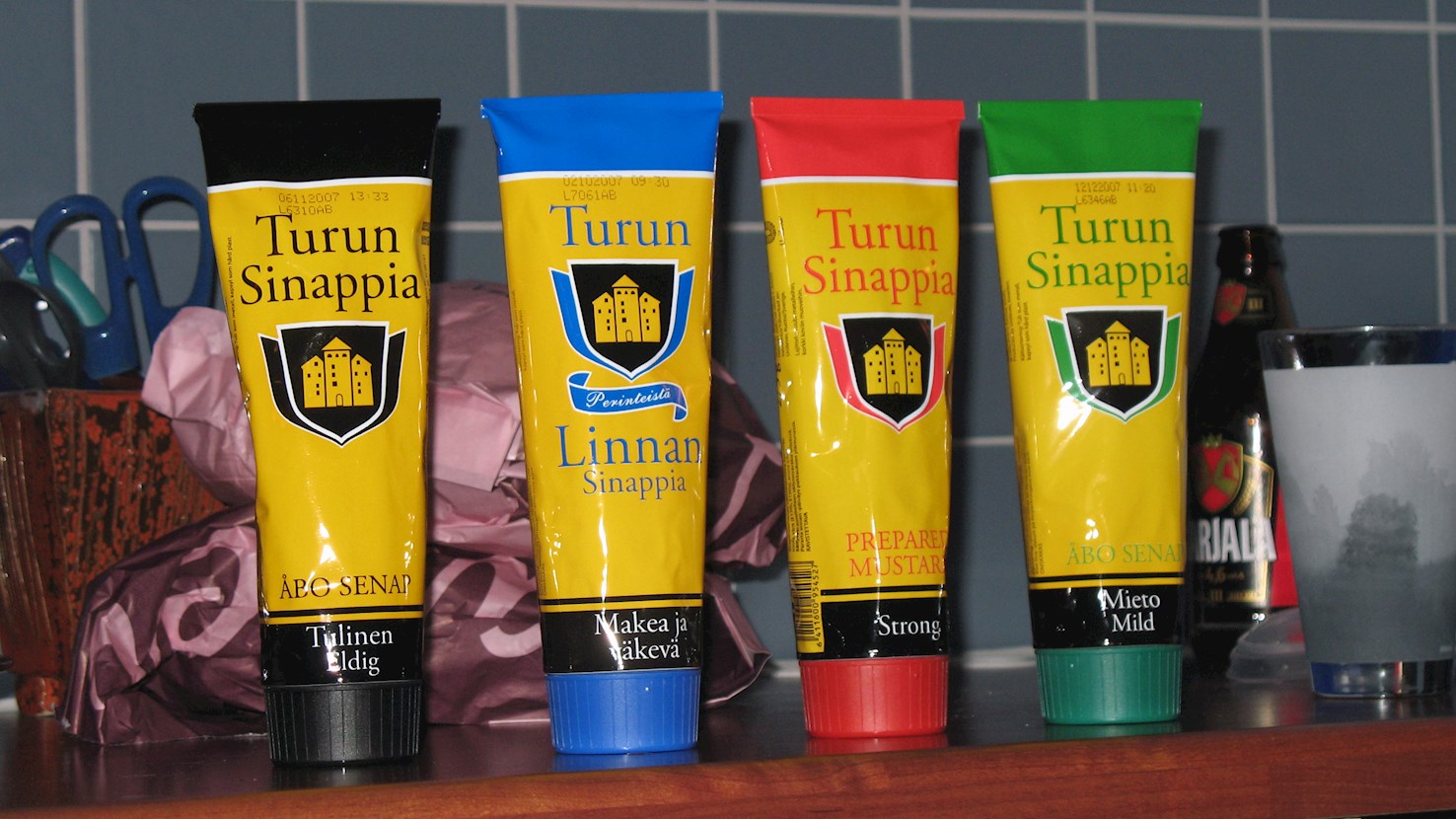
Turun sinappi is a traditional mustard. The production of this mustard started in Turku in 1926, hence the name. It consists of finely ground mustard that's dark yellow in color, along with a variety of spices. There are four main types of the mustard – väkevä (strong), mieto (mild), tulinen (fiery), and linnan sinappi (mustard of the castle), with väkevä being the most popular type in the country. In the early 2000s, the brand was bought by Unilever, but in 2014, the production of turun sinappi was moved back to Finland. The mustard is usually served as an accompaniment to sausages.

02

English mustard

3.6 ·

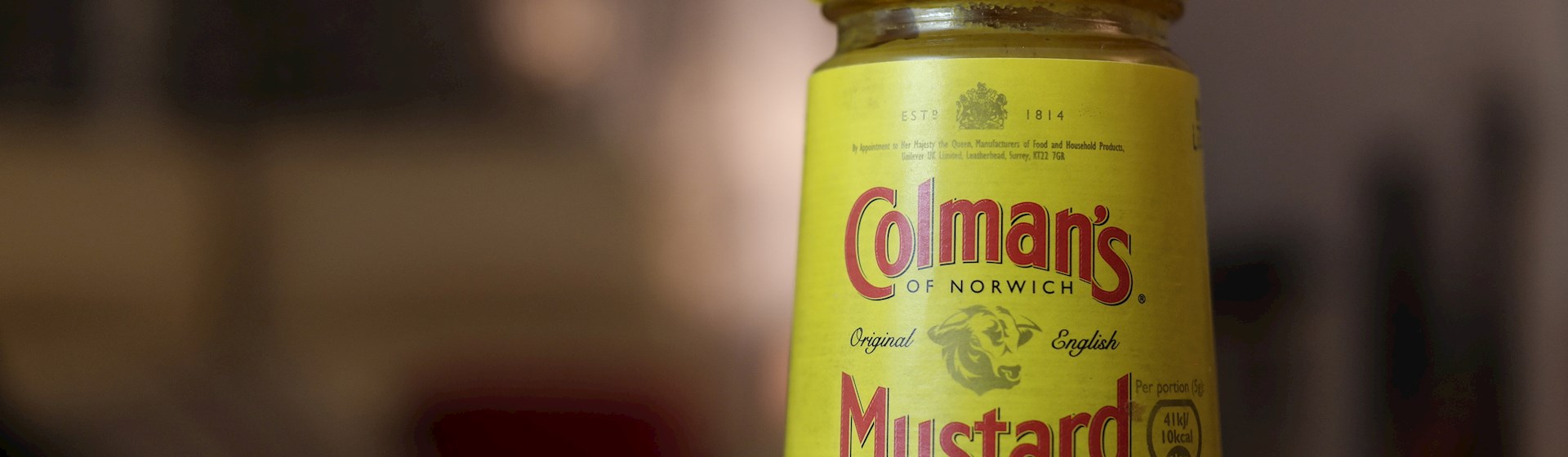
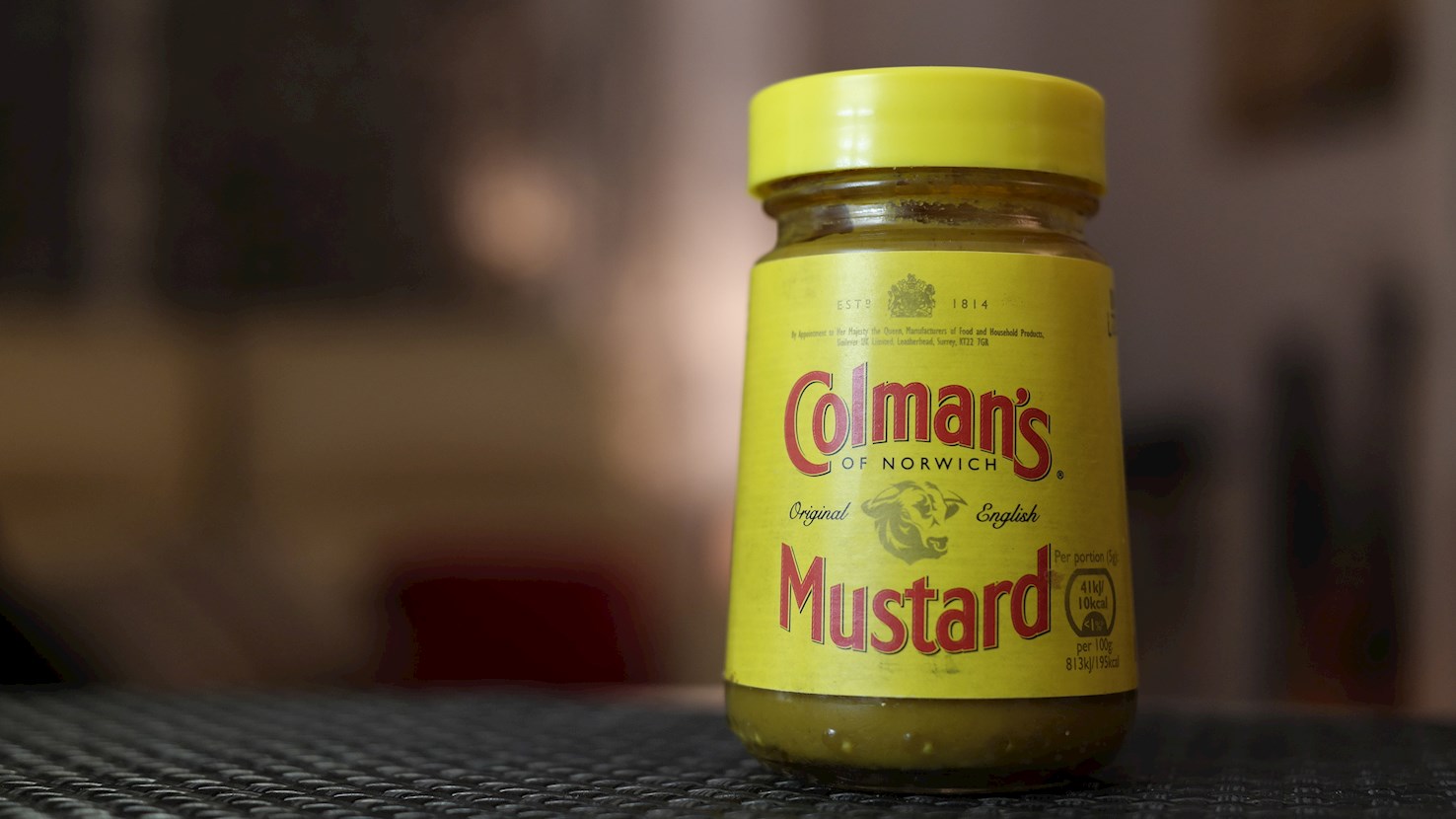
English mustard is a traditional mustard variety originating from England. This type of mustard is characterized by its bright yellow color and thick texture. Although it’s often enjoyed as a condiment that’s used with cold or hot meat dishes, English mustard is most commonly used as a flavoring or cooking ingredient due to its strong flavor. There are many bottled versions containing this mix of yellow and brown mustard seeds, but there’s also the powdered form which is mixed with cold water before use to unleash its full range of heat and flavors. For a milder flavor, mix it with milk instead of water. It’s recommended to use it with roast beef and ham, sauces, mature hard cheese, and sandwiches for a kick of heat. The most popular brand of English mustard is Colman’s, dating back to 1814.

03

Hausmachersenf

3.6 ·

Hausmachersenf (translated from German as "homemade mustard") refers to a style of mustard that is traditionally made at home in small batches, using recipes that often date back generations. Unlike commercial mustards that might be more uniform in taste and texture, Hausmachersenf can vary greatly depending on the specific recipe used. Ingredients typically include mustard seeds, vinegar, water, and a variety of spices and herbs. The texture can range from smooth to coarse, and the flavor profile can be anything from sweet to spicy. Hausmachersenf is a popular accompaniment to meats, sausages, and cheese in German cuisine, adding a unique and robust flavor to traditional dishes.

04

Skånsk senap

3.7 ·

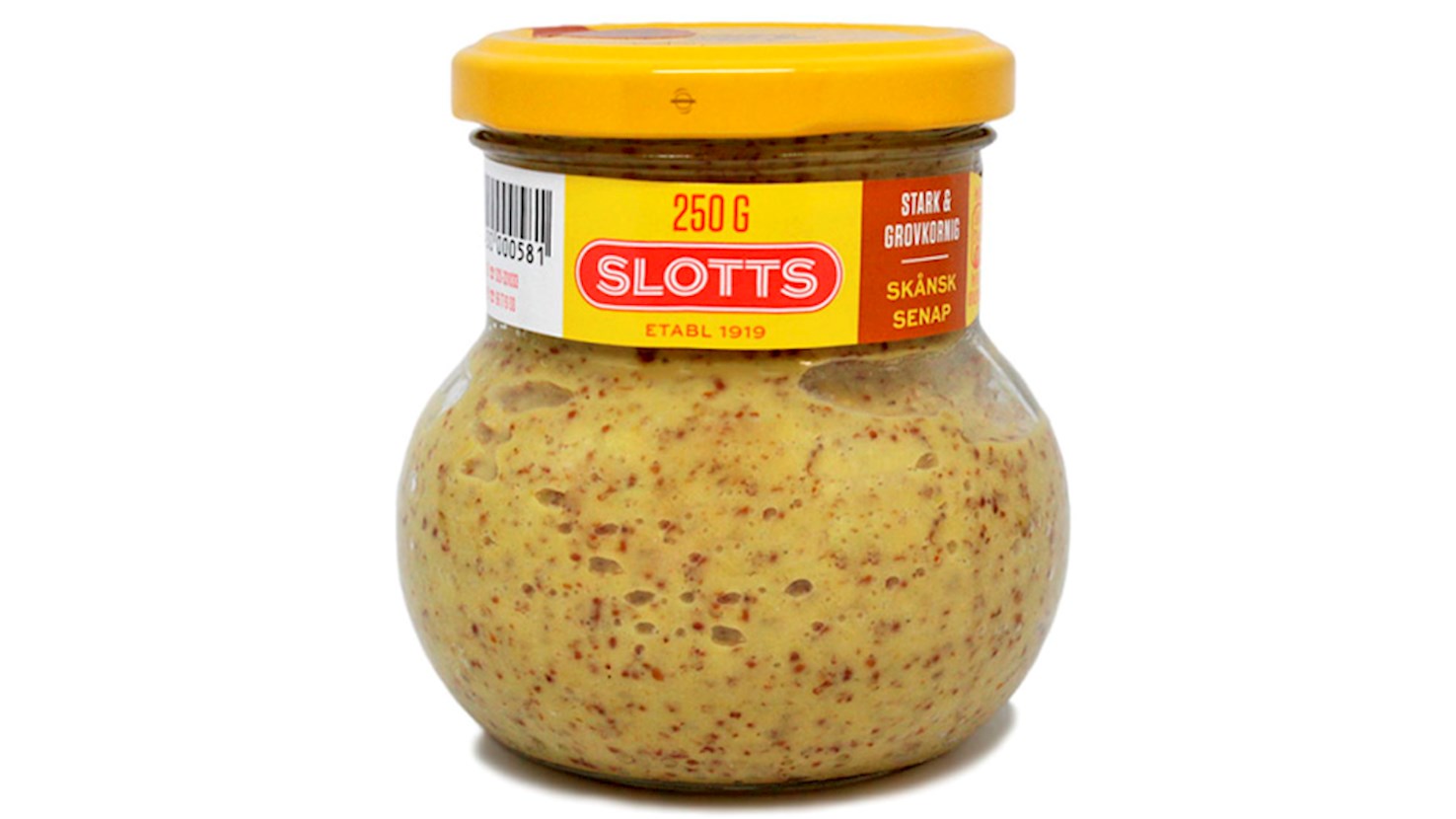
A variety of mustard hailing from the Skåne County, skånsk senap consists of a blend of ground white or yellow mustard seeds and dark mustard seeds, vinegar, salt, sugar, and water. This Swedish condiment is characterized by a rather coarse and somewhat dry consistency with a sharp and spicy flavor coming from the black mustard seeds used in its preparation. Skånsk senap often accompanies traditional Swedish dishes such as Thursday’s pea soup or ärtsoppa på tordaga, and it is the typical condiment used for coating the traditional Swedish Christmas ham (julskinka). This mustard variety is prepared in other parts of Sweden as well, and some variants use brown mustard seeds instead of black mustard seeds, thus reducing the condiment’s spiciness.

05

Moutarde de Bourgogne

3.9 ·

Moutarde de Bourgogne is a unique mustard made from mustard seeds in the French region of Burgundy. It comes in only two varieties - strong or extra strong, and both of the varieties must contain white wine. Its color is pale yellow and the texture is creamy and very thick. The smell of this mustard is characterized by the intense smell of white Burgundy wine, and the taste is strong and sharp. The flavors later fade to a mellow heat, and then to rich savouriness. In addition to mustard seeds, water and wine, only sugar, spices and authorized additives may be added to form the final product. Use it on sandwiches, with sausages, in sauces, fondues or added to a vinaigrette for a great salad dressing.

Read more
View all
View map
About this ranking

TasteAtlas food rankings are based on the ratings of the TasteAtlas audience, with a series of mechanisms that recognize real users and that ignore bot, nationalist or local patriotic ratings, and give additional value to the ratings of users that the system recognizes as knowledgeable. For the “5 Worst Rated European Mustards” list until May 21, 2026, 588 ratings were recorded, of which 530 were recognized by the system as legitimate. TasteAtlas Rankings should not be seen as the final global conclusion about food. Their purpose is to promote excellent local foods, instill pride in traditional dishes, and arouse curiosity about dishes you haven’t tried.

Similar lists