Although it is often labeled as tea, sobacha is an infusion or a tisane made with roasted barley. The blend can include grains, leaves, or flowers. Apart from Japan, the drink is popular in several Asian countries, including China (kuqiaocha) and South Korea (memil-cha). To prepare it, roasted kernels are simply steeped in hot or cold water. Alternatively, it can be made with teabags. The resulting drink has a yellow or a light brown hue, with an earthy and nutty flavor, subtle bitterness, and hints of sweetness. Buckwheat tea is a nutritious drink, and many believe that it has numerous health benefits.
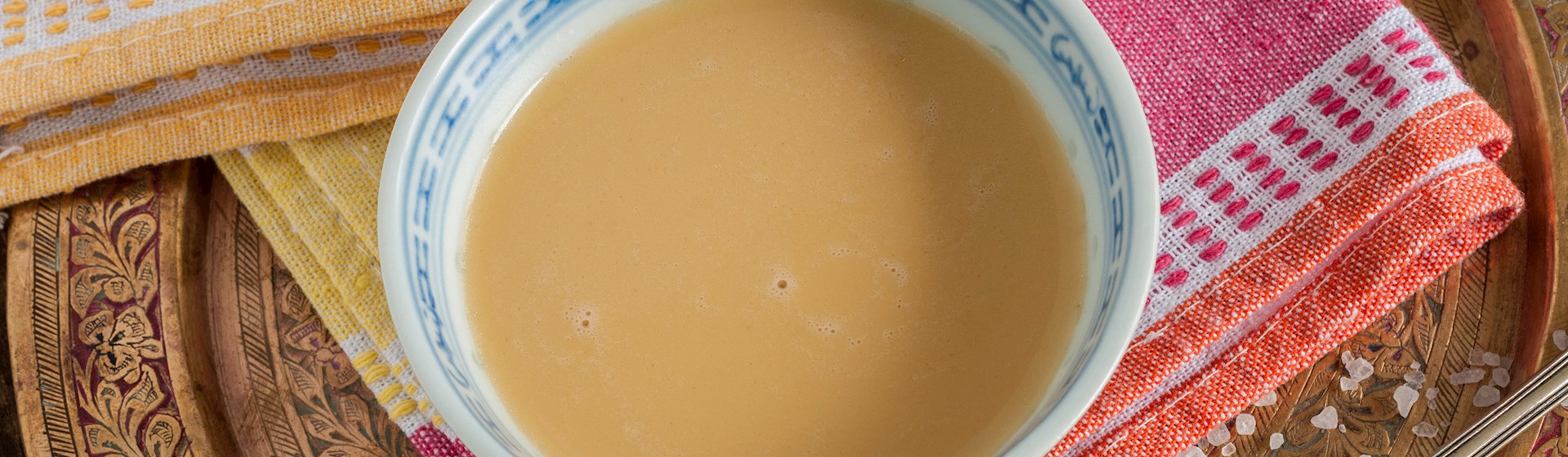
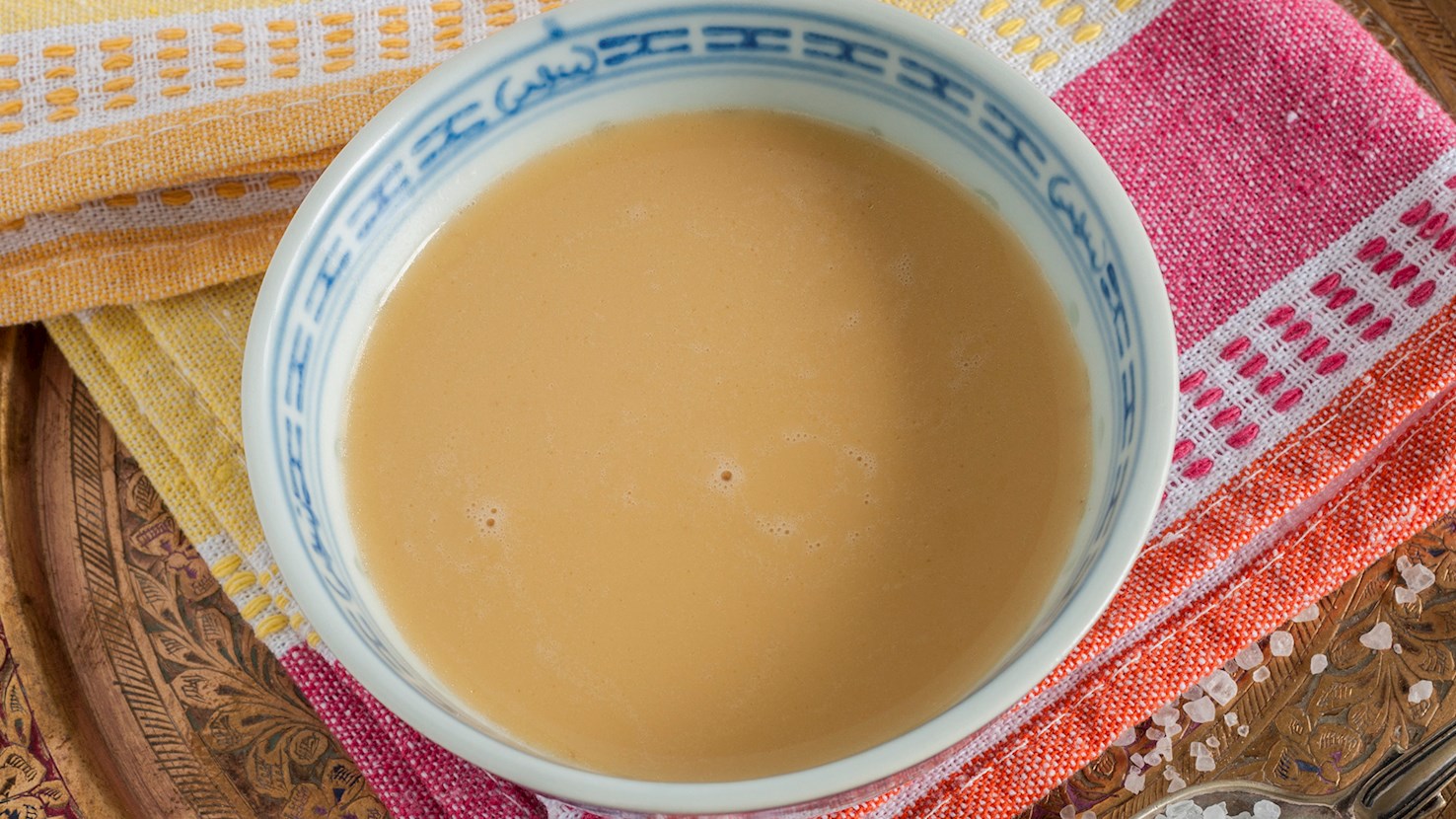
Butter tea originated in the 7th century in Tibet, but nowadays it is also widely consumed by the people in the Himalayan regions of Nepal, India, and Buthan. The drink, also known as churned tea, ja srub ma, sūyóu chá and gur gur, is traditionally made with tea leaves, water, salt, and yak butter, although cow butter usage increased in modern times due to its lower cost. The process of preparation is very long and consists of boiling tea leaves for hours until they provide the liquid with a dark brown color, which is then shaken with butter and salt. Traditionally served in a ceramic bowl, butter tea plays a big part in Tibetan life - it is typically consumed in the morning, before work, or served to guests as a sign of hospitality, when it is consumed in small, separate sips.
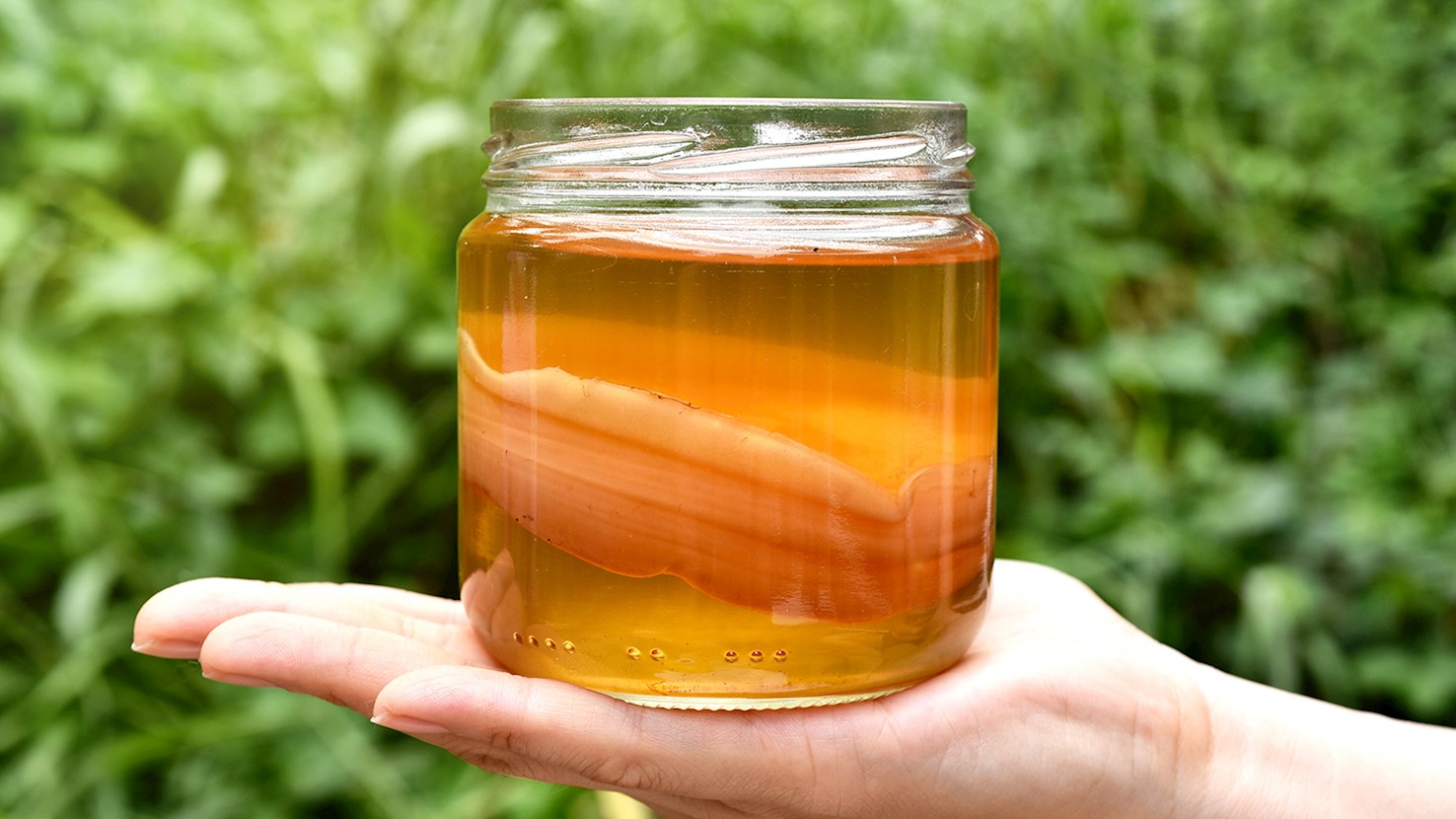
Kombucha is an effervescent fermented drink usually made with black or green tea. The process of brewing kombucha starts with sweetened tea and SCOBY—a symbiotic culture of bacteria and yeast—often called a mushroom or mother. The combination is left to ferment for a couple of weeks before it undergoes the second fermentation in the bottle. Kombucha is then usually refrigerated to slow down the fermentation and carbonation process. During the second fermentation, the brew can be flavored with fruit, fruit juices, spices, or herbs. The resulting drink is fizzy and typically has a distinctive tangy and subtly sweet flavor. It is filled with vitamins and nutrients and is often praised for its alleged beneficial properties. The origin of kombucha is often associated with China, more specifically the historical region of Manchuria, but there is little concrete evidence to support this claim. It probably spread with the tea trade, primarily to Korea and Japan. The word kombucha is possibly a Japanese loan (kombu stands for kelp, while cha translates as tea), but it is still not certain how it originated. Kombucha has been homebrewed for centuries, but it became a household name in Western civilizations in the 1990s, which went along with a massive upsurge in popularity. It is still brewed at home, but it is also widely available as a bottled, commercially produced drink. Kombucha is generally marketed as a non-alcoholic drink, with an alcohol content less than 0.5% ABV. However, since kombucha continues to ferment in the bottle, this percentage can be exceeded, sometimes intentionally, and these varieties need to be labeled accordingly. The latter has also influenced the birth of kombucha beer (hard kombucha).
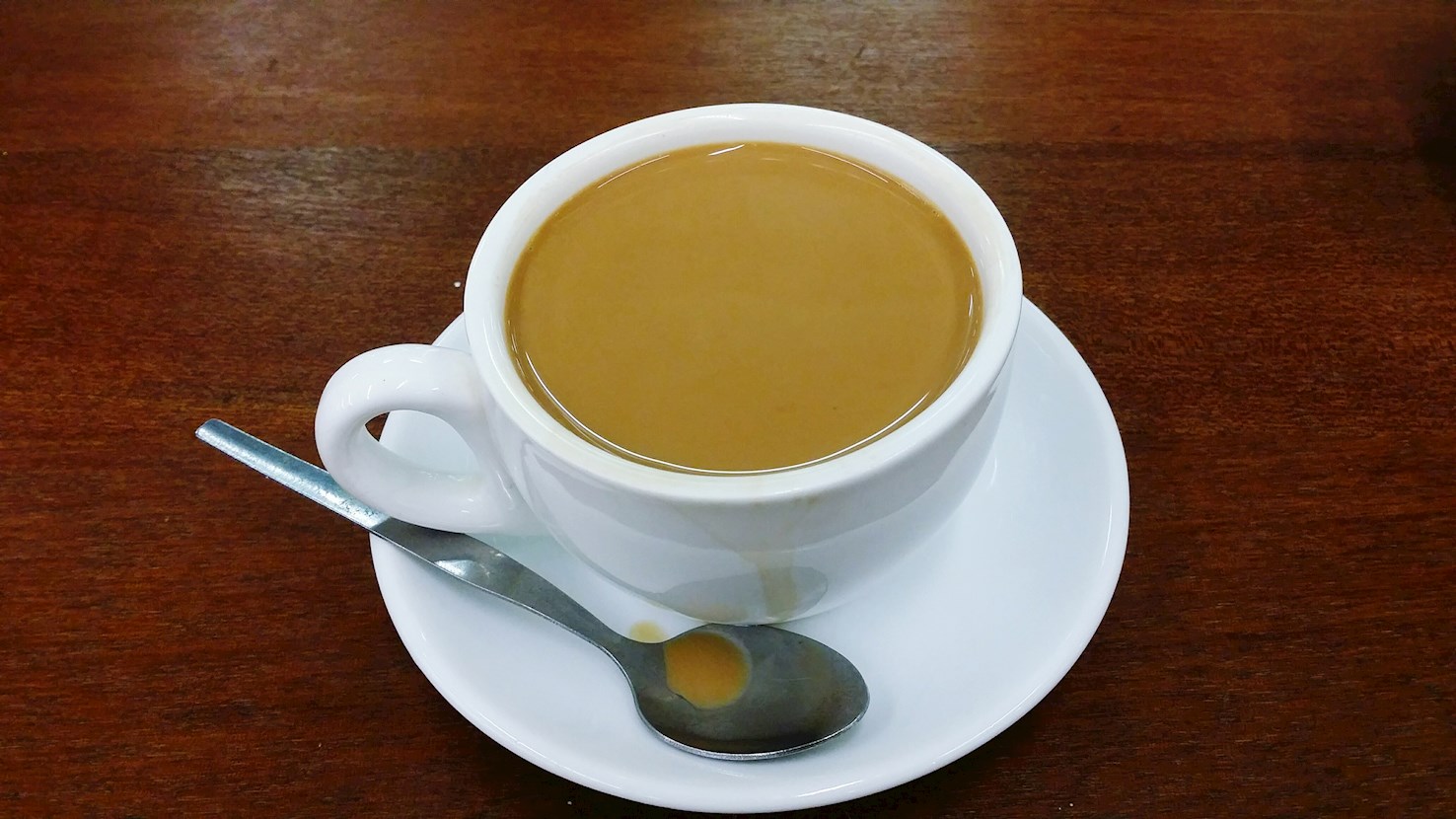
Yuanyang is a drink that combines coffee and tea. It typically consists of three parts coffee and seven parts black milk tea—a combination of water, black tea leaves, and either sweetened condensed milk or evaporated milk and sugar. This coffee-tea combination originated in Hong Kong, where it is commonly sold by street vendors. Each vendor usually has a signature recipe that may differ in the choice of coffee and the proportions of both beverages. The name yuanyang (which refers to mandarin ducks) was given as a poetic reference because the ducks represent a symbol of conjugal love in which opposites attract. It is said that this particular name was coined because it also shows how opposites, in this case, coffee and tea, attract and can function well together. The drink can be enjoyed hot or iced.
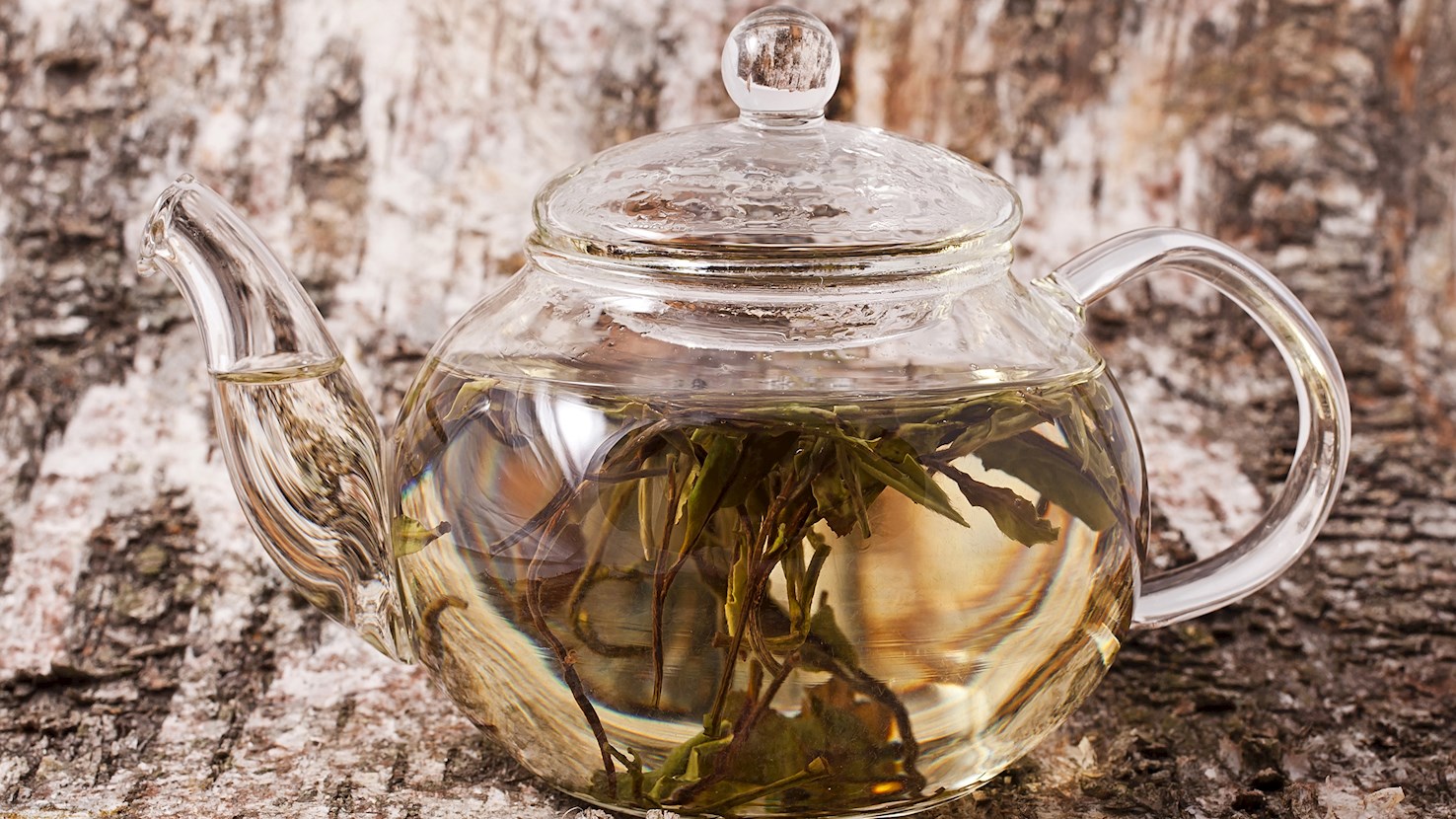
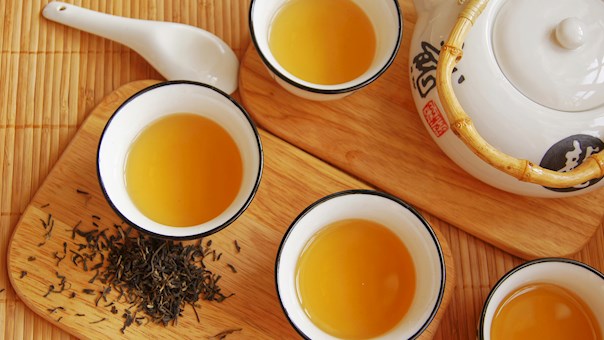
Bai mudan is a type of Chinese white tea that translates as white peony. The tea comes from Fujian, and it is usually hand-picked in spring. Traditionally, one or two leaves and a bud are plucked, and the tea undergoes minimal processing, which typically only includes air-drying. White peony is mostly divided into two varieties: lighter and less fermented version from Fuding and a variety from Zhenghe that usually has a slightly fuller body. Both of these teas praised for their subtle sweetness, refreshing flavor, and typical herbaceous and earthy notes. They also have a light floral and fruity nuances. Bai mudan is slightly stronger than silver needle tea.
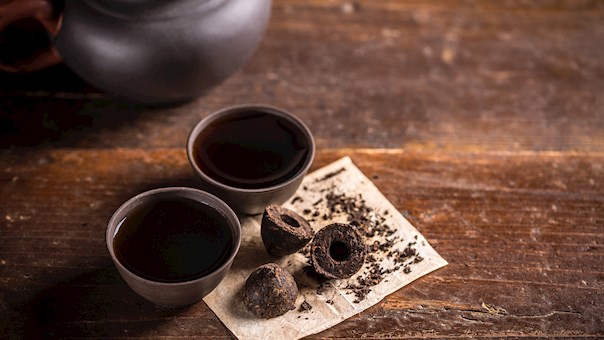
Da hong pao is an esteemed variety of Chinese oolong tea and one of the most expensive teas in the world. It is cultivated and harvested in the Wuyi Mountains of northern Fujian from the plants that mostly grow on cliffs and ledges. This tea is usually heavily-oxidized and typically has an earthy and mineral character with complex aromas and a sweet finish. Da hong pao has a centuries-old tradition and holds a somewhat mythical status in China. The most expensive varieties came from six mother trees, which are considered the only authentic type of da hong pao. These mother trees are no longer used for harvesting and have been protected and insured. In 1998, 20g of da hong pao harvested from mother trees was sold for a remarkable $28,000. Some amount of da hong pao is produced from the mother tree cultivars, but it is mostly available as da hong pao blend, which is made by master tea blenders.
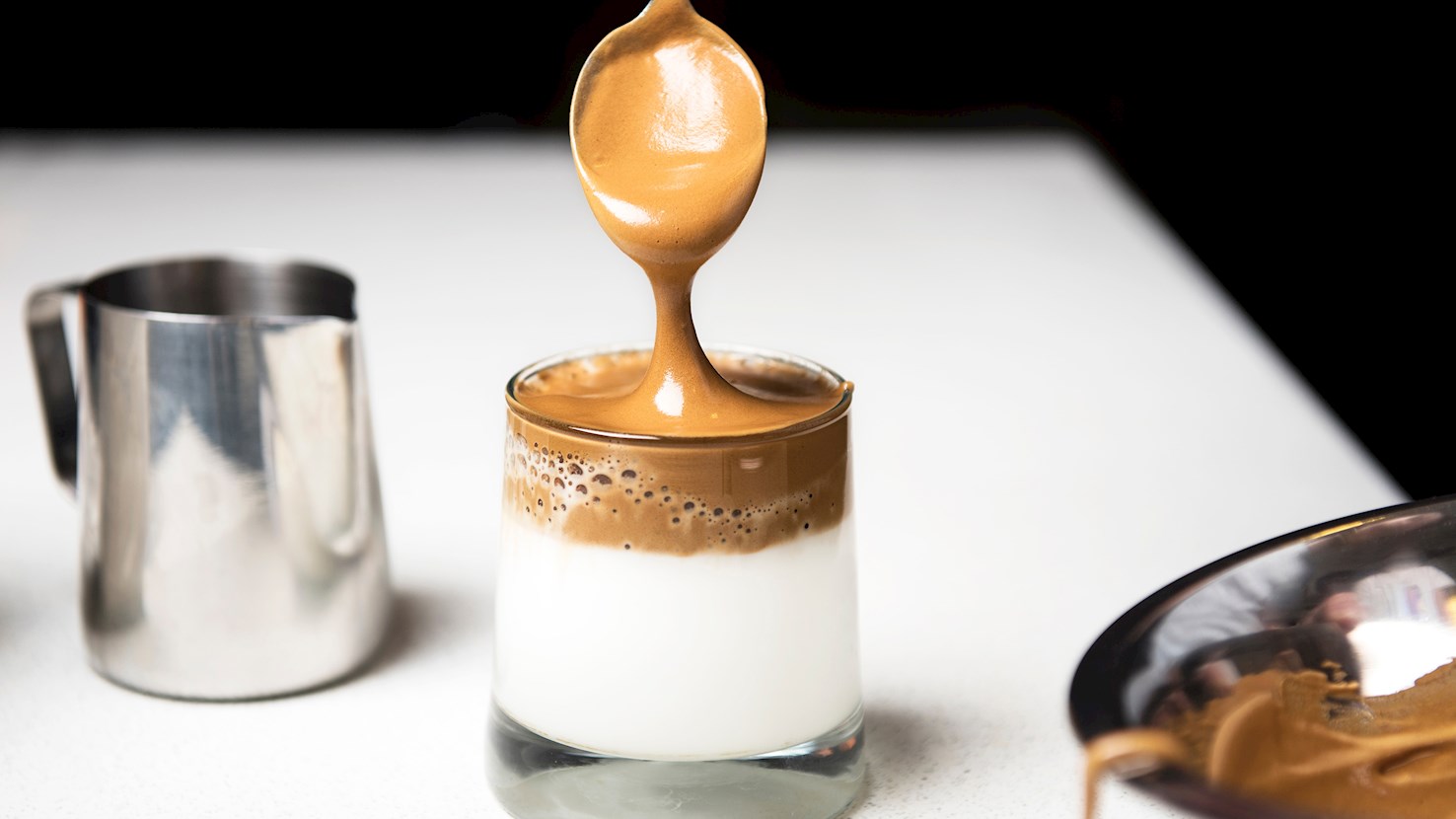
Dalgona is a frothy whipped coffee that is served on top of milk. Although it became internationally known as a South Korean beverage, similar versions are common in other Asian countries. The basic version of this coffee is made with equal parts of instant coffee, sugar, and water. The combination is then whipped until it achieves caramel-like color and foamy texture. It is then traditionally ladled on top of milk. In South Korea, the drink was introduced by an actor Jung Il-woo who first had it in Macau. The flavor and the appearance reminded him of a popular Korean street snack, named dalgona, which is made with melted sugar and baking soda. Eventually, Jung popularized the drink and gave it its current name, but this coffee-based beverage gained international success during the coronavirus pandemic in 2020. When social distancing and quarantine measures were introduced, numerous videos with do-it-yourself versions of dalgona started to appear online, primarily on YouTube and then on other platforms. Soon, the videos went viral, and dalgona became the latest food trend in the world. Although it was popularized as a South Korean creation, similar frothy coffee styles exist in other parts of the world, and they appear under various names. The version from Macau is usually associated with Hon Kee, an establishment owned by a Leong Kam Hon, and a place where Jung first encountered it. After the videos went viral, many suggested that the new coffee craze is essentially phenti hui, known as beaten or whipped coffee, which is a staple in India and Pakistan. The only difference is that phenti is prepared by pouring milk on top of frothed coffee. This alleged novel coffee style was even compared to the popular Greek frappe. Despite its dubious origin and various names, this beverage is now mostly associated with South Korea, and it will probably be remembered as the most popular drink during the coronavirus pandemic.
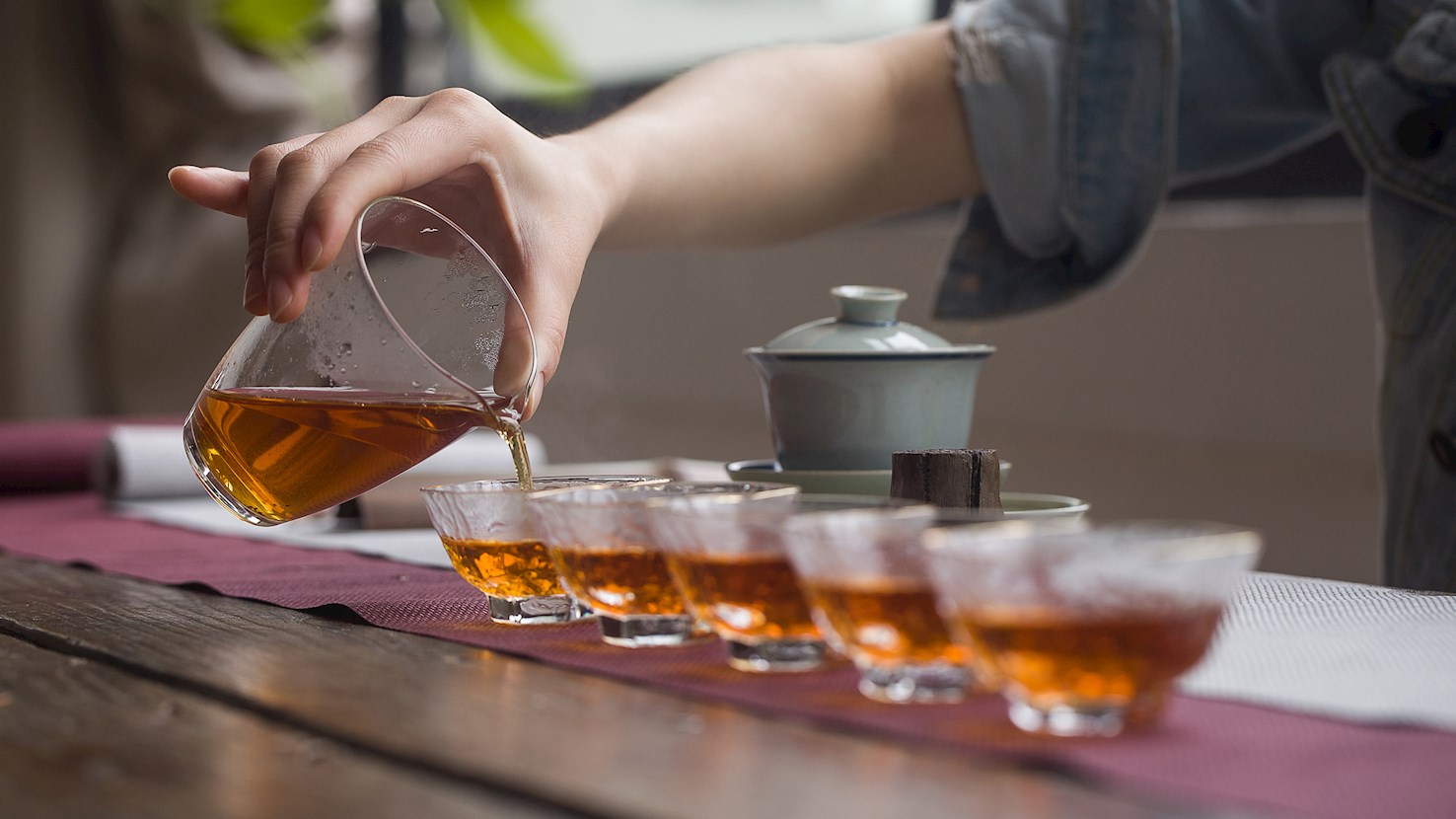
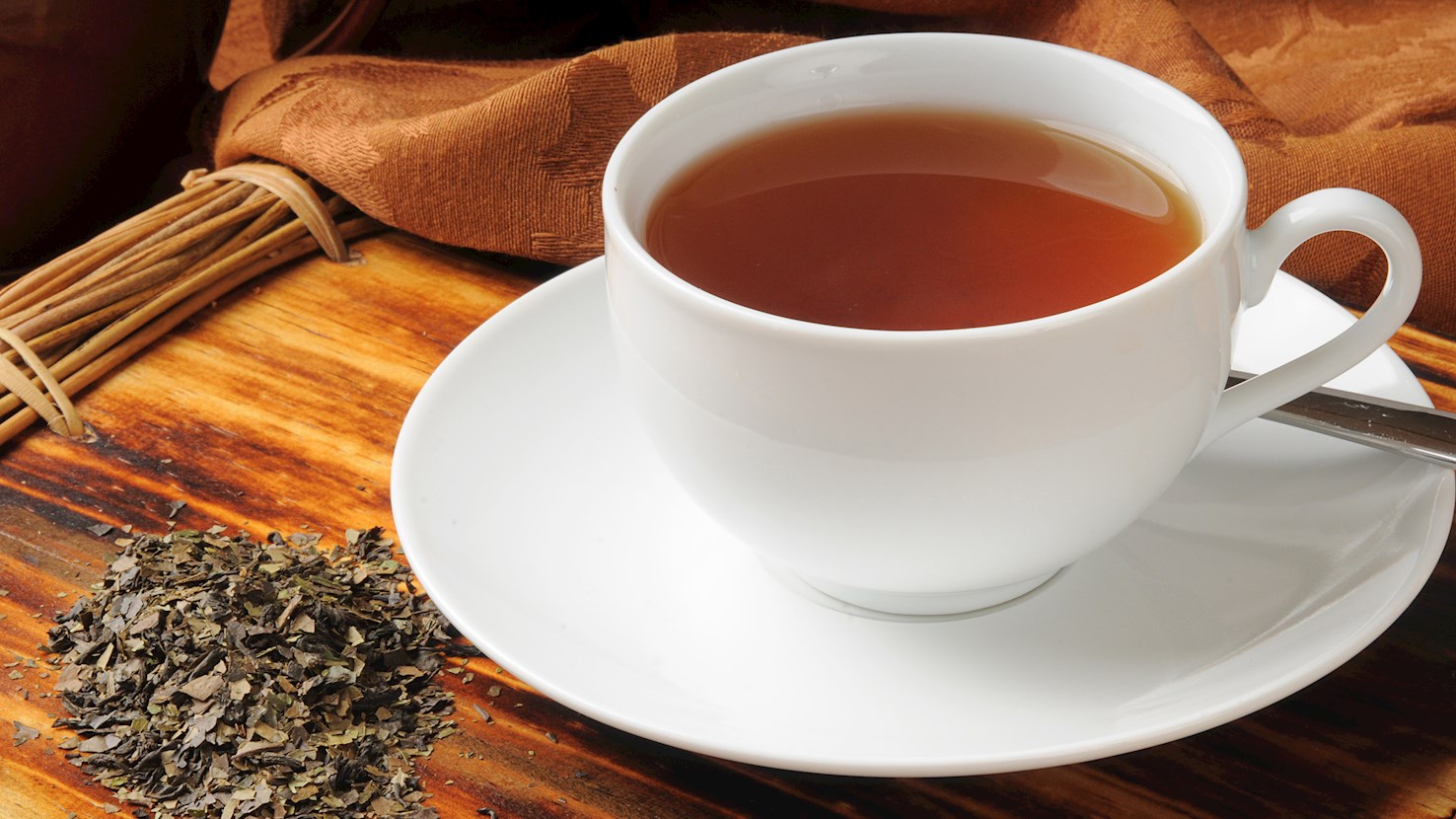
Keemun hails from Qimen County in the Anhui Province, and it is one of the most popular Chinese black teas. Often dubbed as the Burgundy of teas, it is a fragrant and complex tea with a layered flavor profile. Standard Keemun tea is known for its earthy character, which is often accompanied by spice and cocoa hints. The best expressions will be rounded, mellow, subtly floral and fruity, with a full body and hints of sweetness. When brewed, it has a distinctive red copper hue and is typically low in tannins. Although Keemun is now best known for its black tea, regional production was initially oriented towards green tea. Black tea was introduced in 1875, and since then, it has dominated the entire region. Keemun black is also known as one of the types of black tea commonly used in blends, such as Earl Grey and English Breakfast. Earthier varieties of Keemun would pair well with vanilla or chocolate-based desserts, but generally, Keemun black would pair well with breakfast, meat dishes, cheese, spicy dishes, and eggs. There are several classifications among Keemun teas, but Maofeng Keemun is considered the most refined variety.
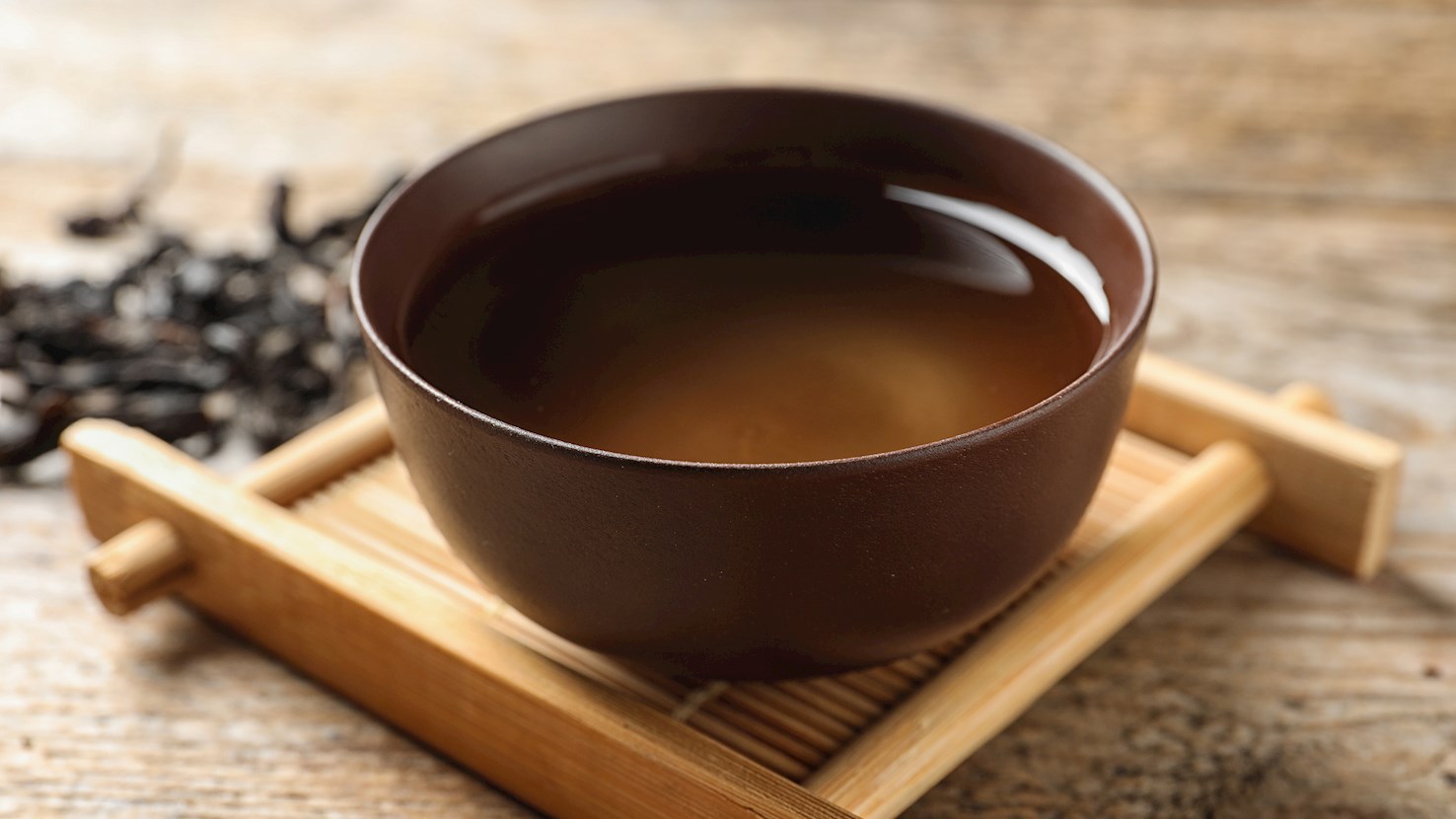
Mugicha is a Japanese name for barley tea—an infusion made by steeping roasted barley grains in hot or cold water. Technically, barley tea is a tisane, and nowadays, it is often made by using teabags consisting of roasted and ground barley. The drink has ancient origins and is enjoyed in many Asian countries. When brewed, barley tea has a light brown color and a savor, nutty and earthy flavor. It can be sweetened to preference, while the chilled, summer version is often served over ice. In China, barley tea is called dàmài-chá, and in Korea, it goes by the name boricha.
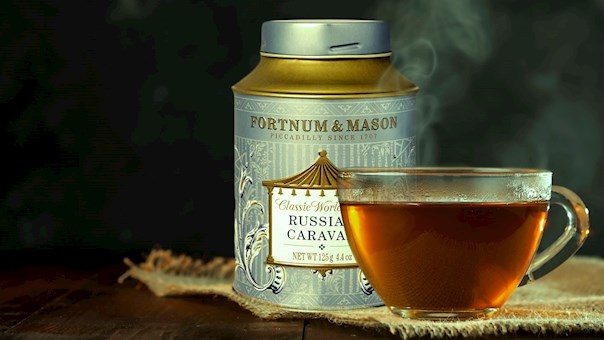
Lapsang souchong is a type of smoky black tea that is traditionally smoke-dried over pinewood. The production process is similar to standard black tea production, with the additional smoking step in which the leaves are dried over a pinewood fire. The smokiness level can vary, but it should never be overpowering. It typically remains even after several infusions. Apart from smokiness, this tea is usually described as malty, subtly sweet, and mellow. It is traditionally enjoyed without any additions, but milk and sugar can be added depending on preference. This distinctive tea originated in Fujian's Wuyi Mountains, and it is traditionally produced from the Bohea cultivar, which is native to the area. Its origin is mainly associated with Tongmu Guan—which is still considered the best and the ideal location for the cultivation and production of authentic version. This tea would pair well with savory dishes, especially meat-based dishes such as pork and lamb. It can also be a good pairing with cheese, game meat, tuna, and breakfast or brunch dishes. Lapsang can also be used in cooking to impart a subtle smoky flavor, and it is sometimes used in blends, particularly breakfast blend and Russian Caravan. Similar tea is also produced in Taiwan.
TasteAtlas food rankings are based on the ratings of the TasteAtlas audience, with a series of mechanisms that recognize real users and that ignore bot,
nationalist or local patriotic ratings, and give additional value to the ratings of users that the system recognizes as knowledgeable.
For the “15 Worst Rated Chinese Non-alcoholic Beverages” list until June 16, 2026, 2,002 ratings were recorded, of which 1,829 were recognized by the system as legitimate.
TasteAtlas Rankings should not be seen as the final global conclusion about food. Their purpose is to promote excellent local foods,
instill pride in traditional dishes, and arouse curiosity about dishes you haven’t tried.