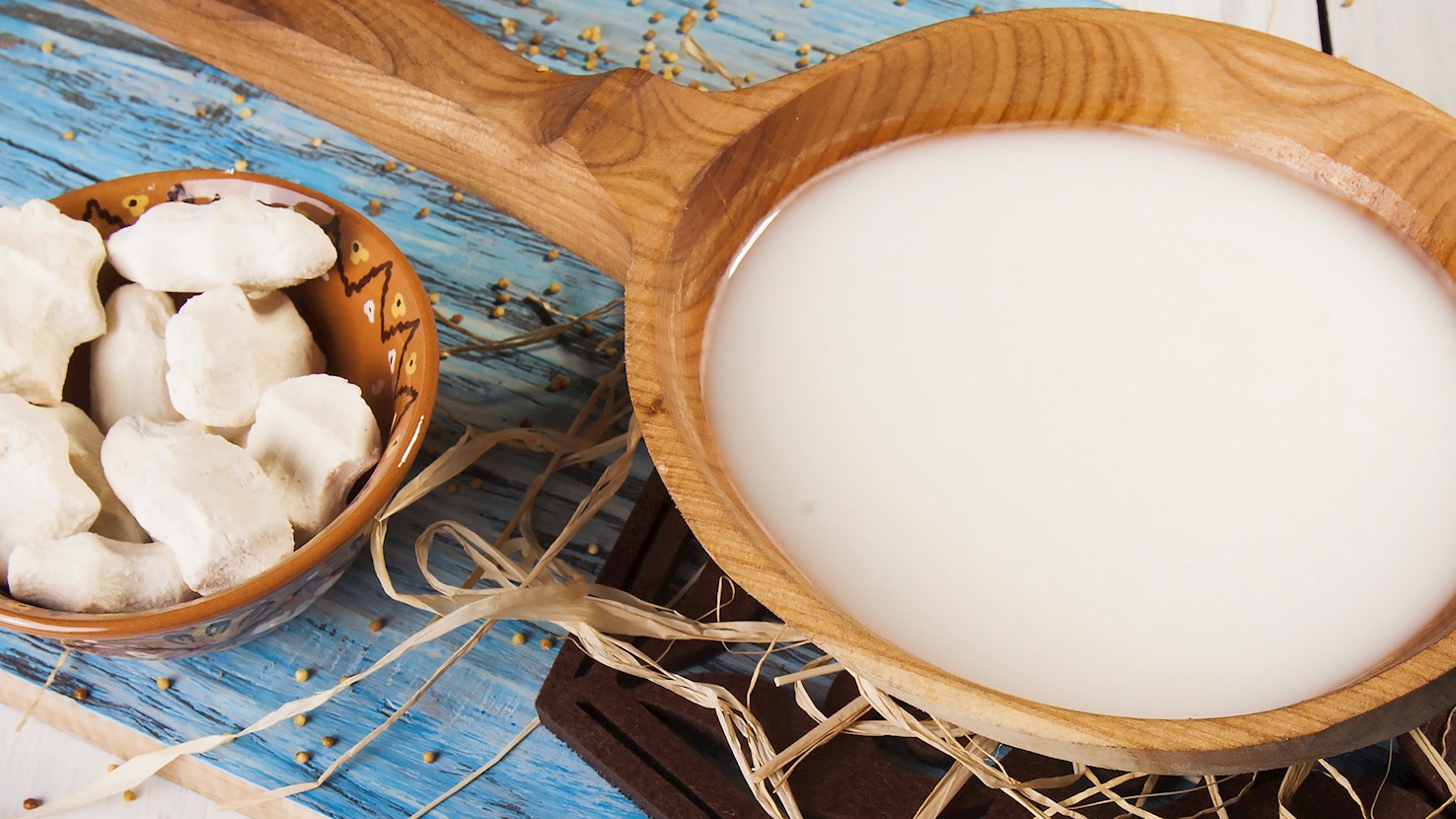
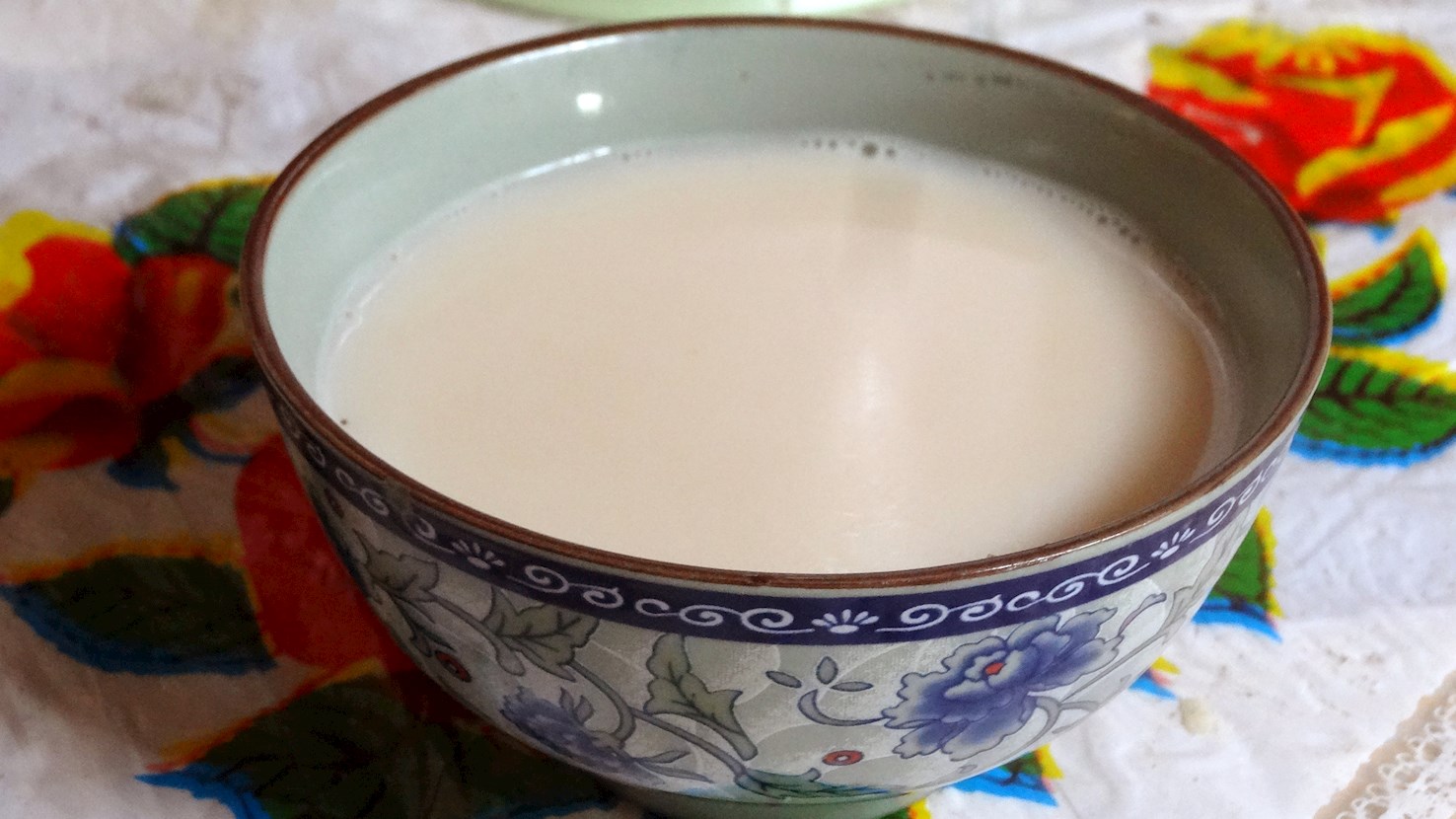
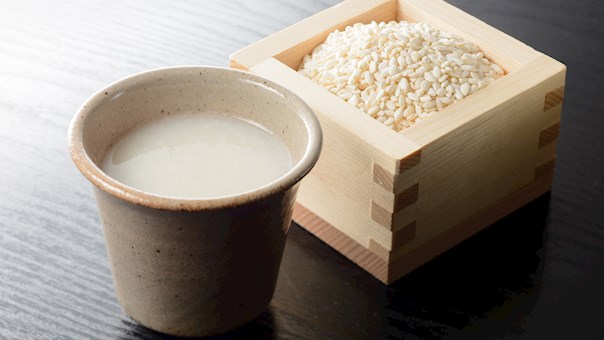
Kumis is a fermented dairy product that originated in ancient Mongolia, but over time it has spread throughout Central Asia. The drink is similar to kefir, but is traditionally produced from mare’s raw milk, which contains more sugar than goat’s or cow’s milk, and it is also rich in proteins and vitamin C. Due to the amount of sugar in mare’s milk, kumis has a higher level of alcohol than kefir when fermented. If distilled into the spirit, kumis becomes araka or arkhi. This light-bodied dairy drink has a slightly sour flavor and an aftertaste reminiscent of almonds. In Kyrgyzstan and Mongolia, it is traditionally served chilled in small cups known as piyala. Kumis is typically sipped, like a medicine, which is the reputatition the beverage has gained through history due to its health benefits.
Sungnyung is a South Korean drink that is made by pouring water or tea over nurungji—a crispy layer of rice that is left on the bottom of the pan after the rice is cooked. During cooking, the water will attain a slightly nutty flavor and a light brown color. This ancient drink is said to have many health benefits, and it is usually enjoyed after a meal since many believe it aids digestion.
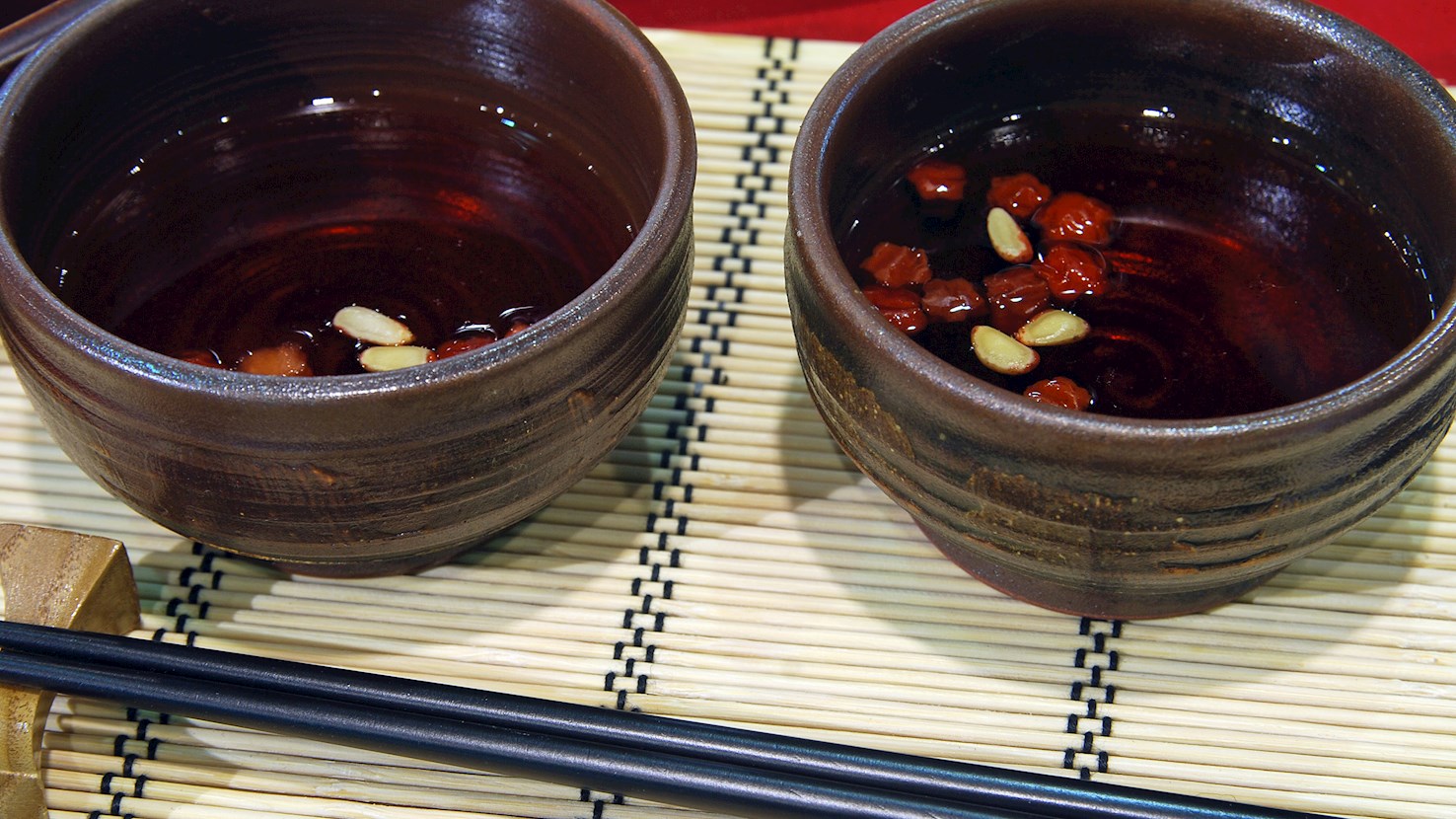
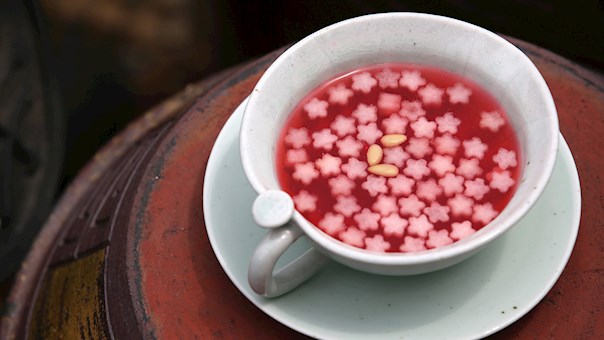
Daechu-cha is a South Korean tea made from jujubes. This tea can be made from dried jujubes, which are boiled in water, or with a jujube preserve, which is diluted in warm water. The tea is usually dark red or brown and is often praised for its health properties. When served, daechu-cha is usually garnished with pine nuts.
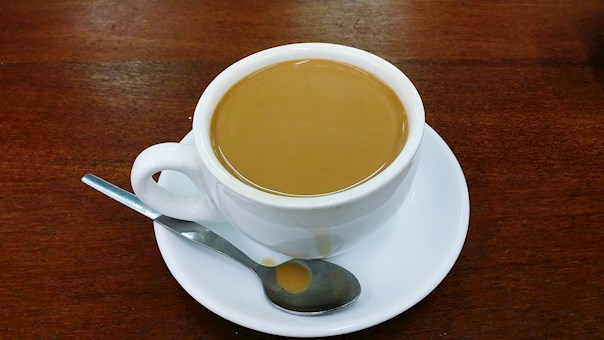
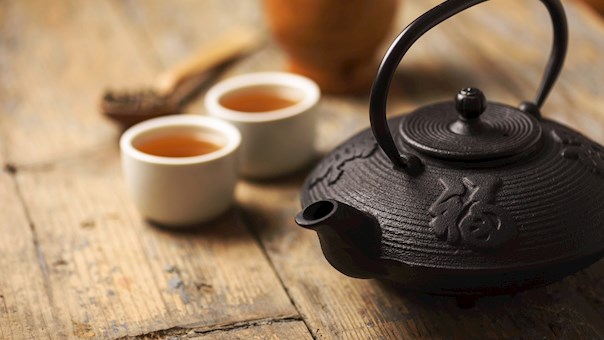
Suutei tsai is a traditional tea made with tea leaves, milk, salt, and water. It is prepared by boiling water and milk and then adding tea leaves. While it brews, the tea is mixed with a ladle, which is also used to continuously pour the tea back to the pot. The tea is seasoned with salt, and it is then strained and served in small bowls. Suutei tsai is an everyday drink, which can be enjoyed throughout the day. It is often offered to guests as a welcome drink. The variations sometimes include millet flour.
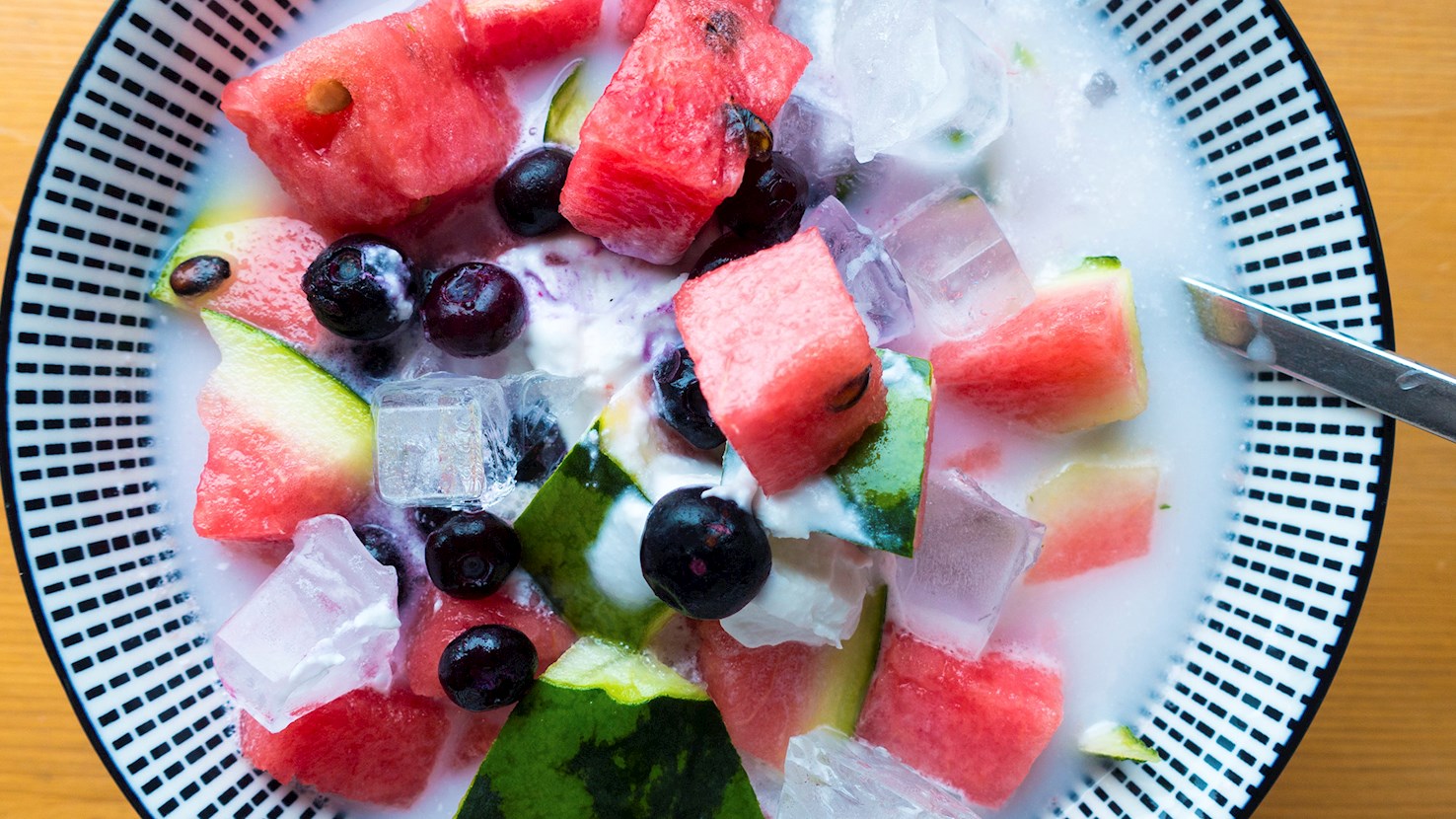
Hwachae is a general term used to refer to Korean non-alcoholic punches made from various fruits and edible flowers which have been soaked in honeyed water or honeyed magnolia berry juice. The most popular version of the fruit punch is Subak-Hwachae; made with slices or scoops of watermelon, bits of other fruits, ice, and honeyed watermelon juice. That variety is a popular refreshment during hot summer months. It is believed that there are over thirty varieties of hwachae all using honeyed water or sweet carbonated drinks as a base with different kinds of fruit added to it.
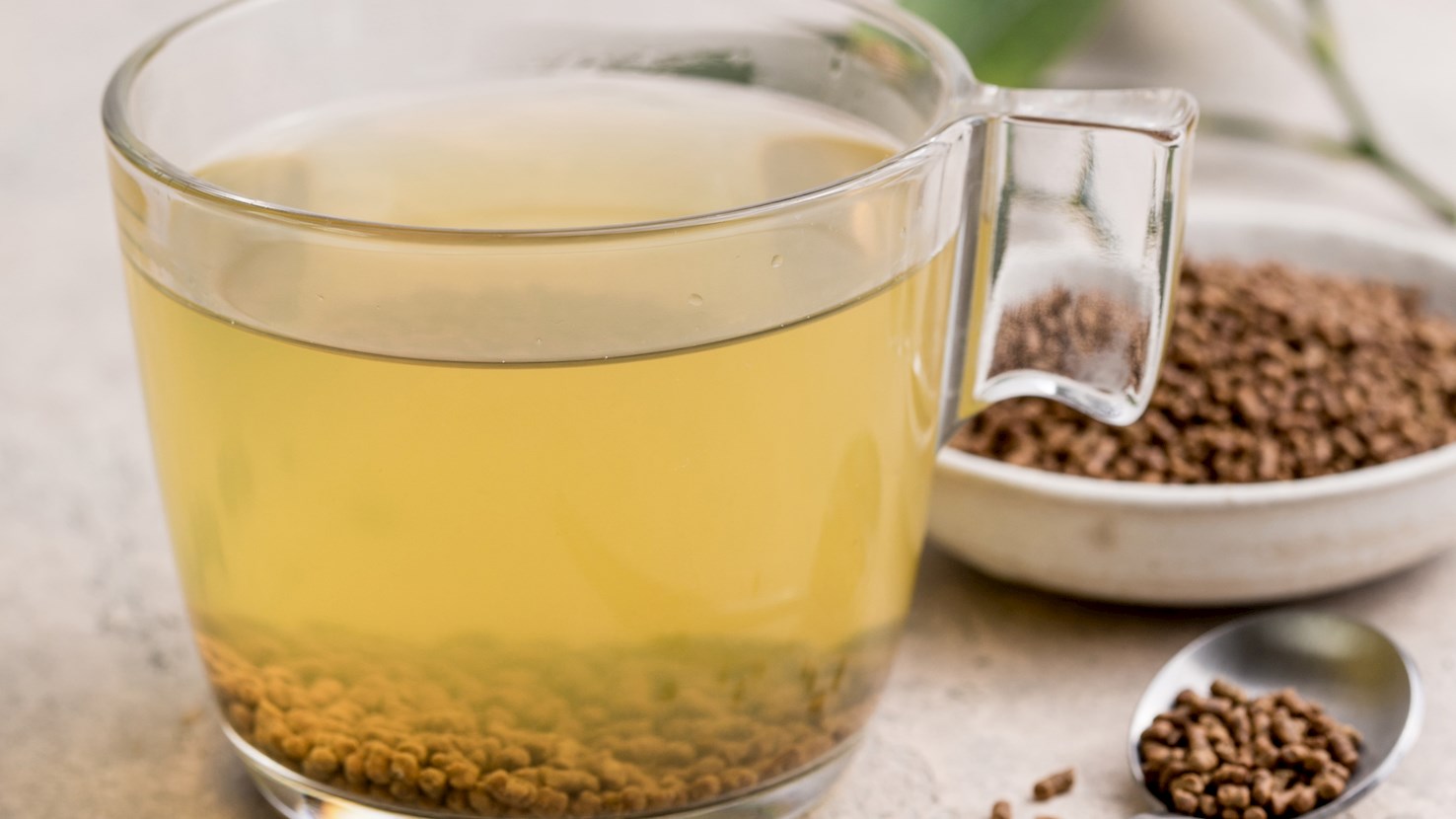
Although it is often labeled as tea, sobacha is an infusion or a tisane made with roasted barley. The blend can include grains, leaves, or flowers. Apart from Japan, the drink is popular in several Asian countries, including China (kuqiaocha) and South Korea (memil-cha). To prepare it, roasted kernels are simply steeped in hot or cold water. Alternatively, it can be made with teabags. The resulting drink has a yellow or a light brown hue, with an earthy and nutty flavor, subtle bitterness, and hints of sweetness. Buckwheat tea is a nutritious drink, and many believe that it has numerous health benefits.
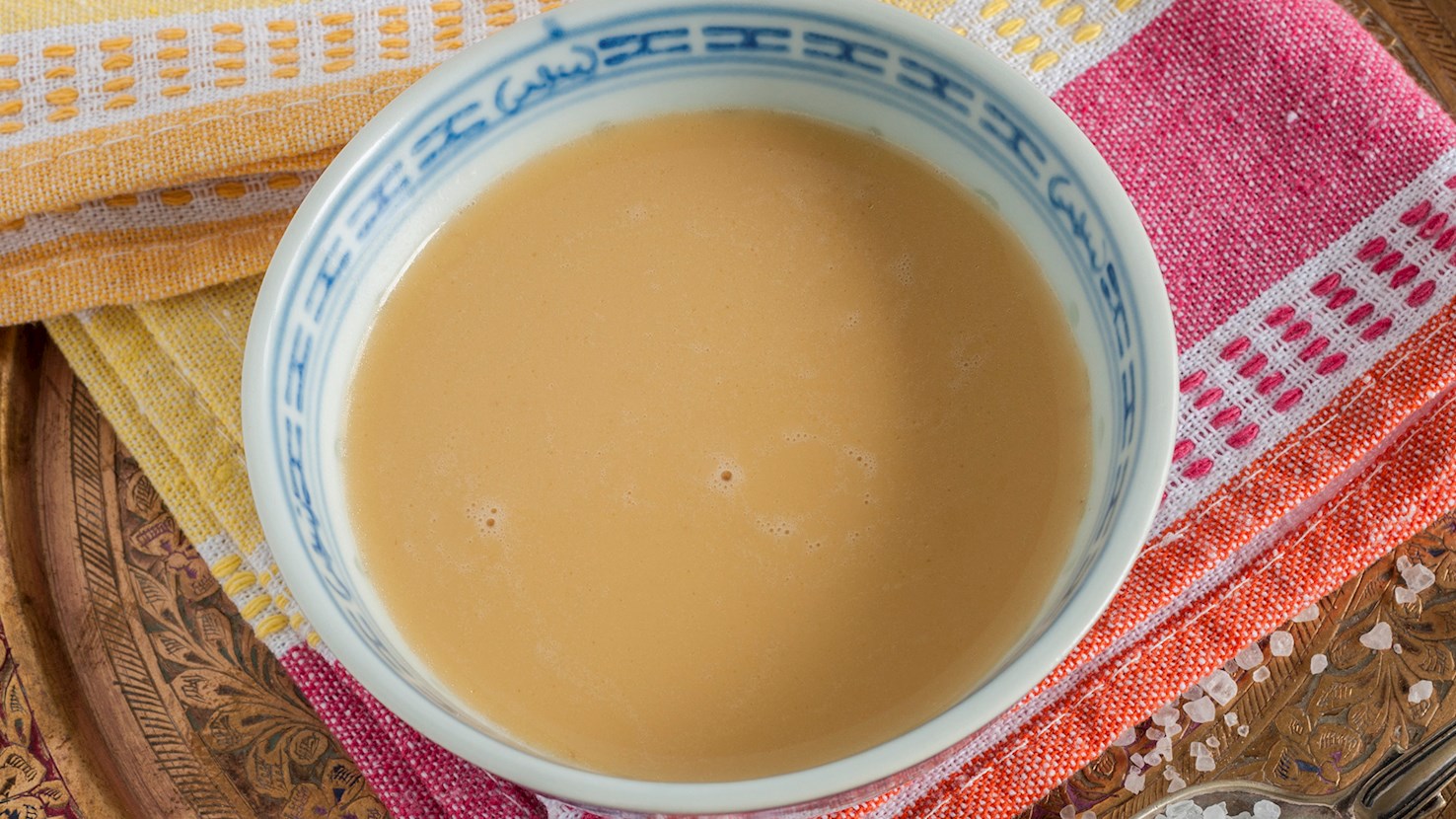
Butter tea originated in the 7th century in Tibet, but nowadays it is also widely consumed by the people in the Himalayan regions of Nepal, India, and Buthan. The drink, also known as churned tea, ja srub ma, sūyóu chá and gur gur, is traditionally made with tea leaves, water, salt, and yak butter, although cow butter usage increased in modern times due to its lower cost. The process of preparation is very long and consists of boiling tea leaves for hours until they provide the liquid with a dark brown color, which is then shaken with butter and salt. Traditionally served in a ceramic bowl, butter tea plays a big part in Tibetan life - it is typically consumed in the morning, before work, or served to guests as a sign of hospitality, when it is consumed in small, separate sips.
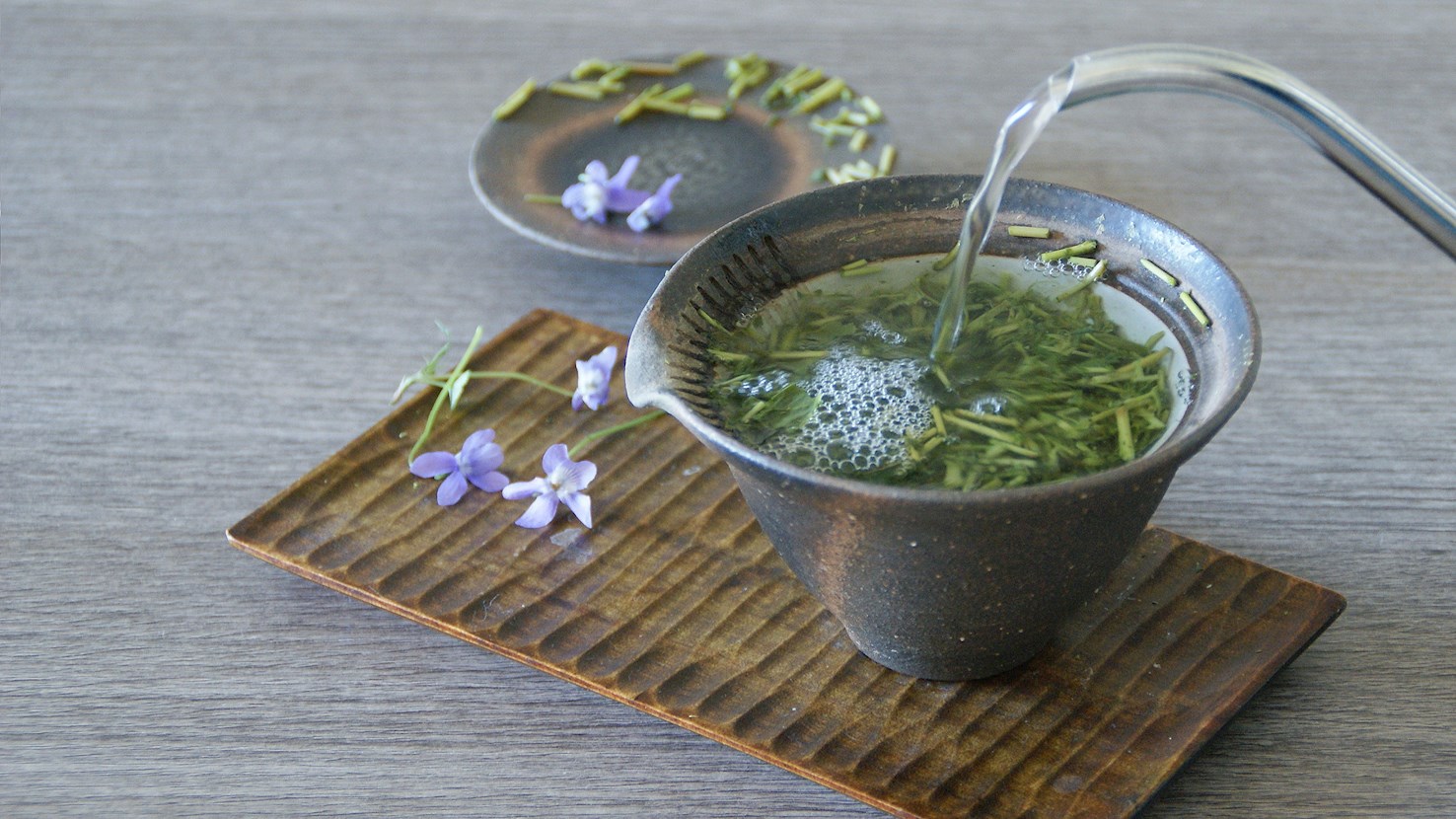
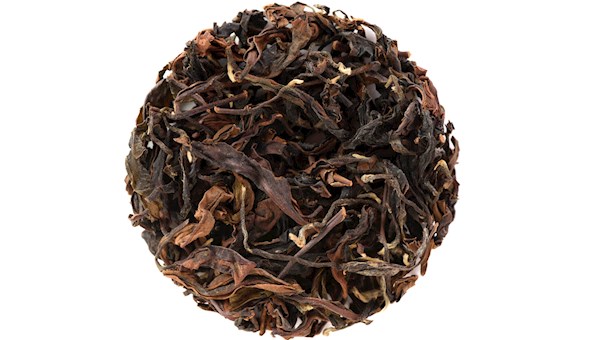
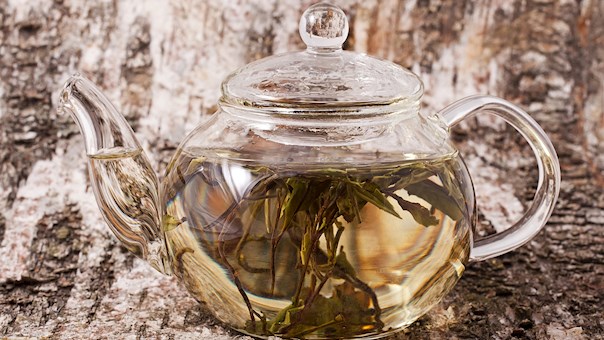
Kukicha is a unique type of Japanese tea that is made with twigs and stems of Camellia sinensis. It typically comes in the form of green tea, though more oxidized varieties are also available. When brewed, the tea has a subtly sweet, vegetal flavor and a pleasant aroma. It has low astringency and makes for an excellent, everyday tea. Karigane is a type of high-quality kukicha. It is produced from stems and stalks of the leaves used in the production of Gyokuro—a type of shaded Japanese tea. Kukicha would pair well with light dishes, poultry, cheese, and desserts.
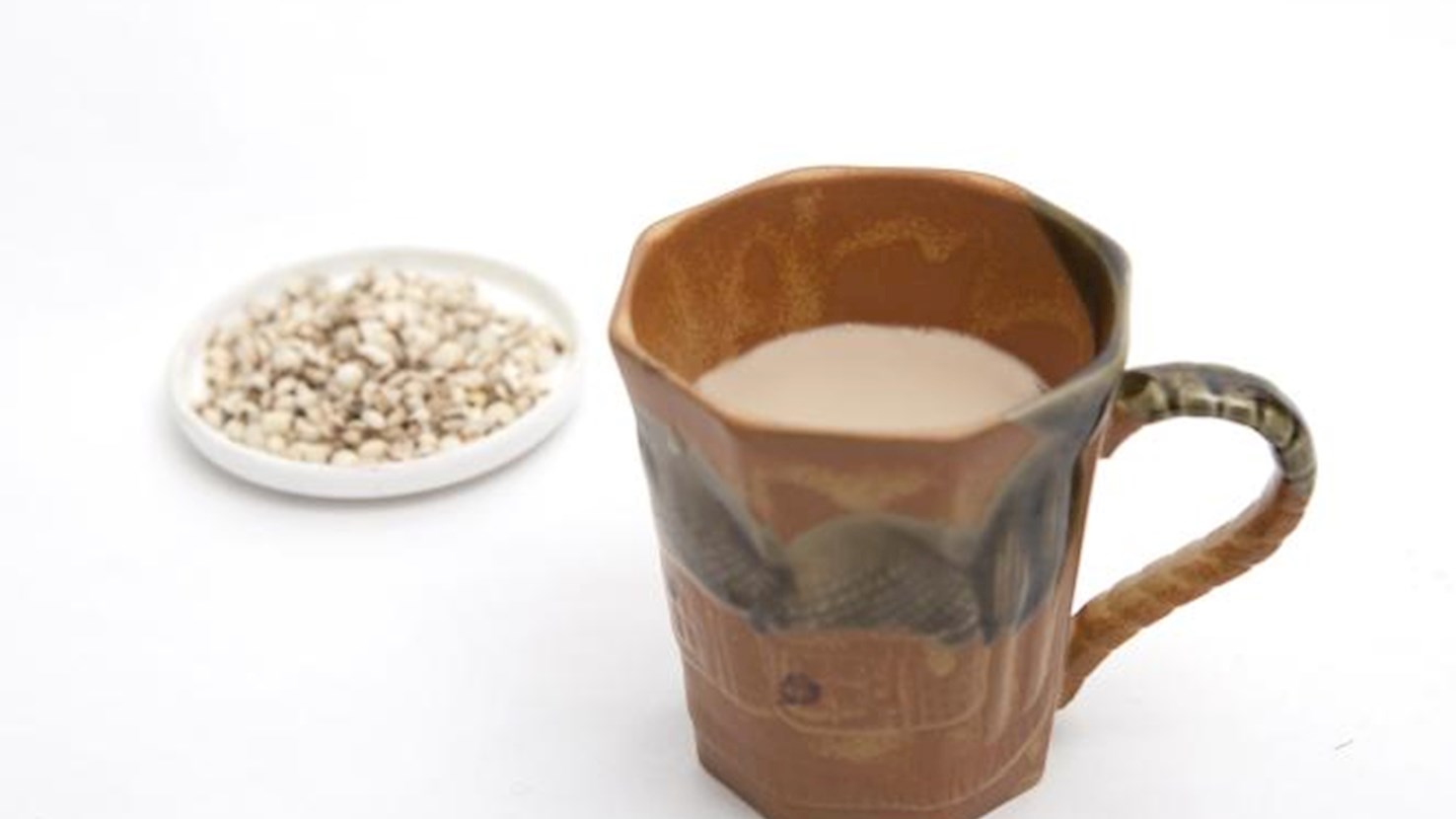
Yulmu-cha is a Korean tea that is made with yulmu—the seeds that are gathered from yulmu plant (also known as Job’s tears). The seeds are roasted and ground into a powder, which is then dissolved in warm water to make the tea. Optionally, yulmu powder can also incorporate other seeds, grains, or nuts. The tea is opaque and creamy with a distinctive nutty flavor. It is usually available as a pre-packed powdered mix, and it is sometimes sold from vending machines.
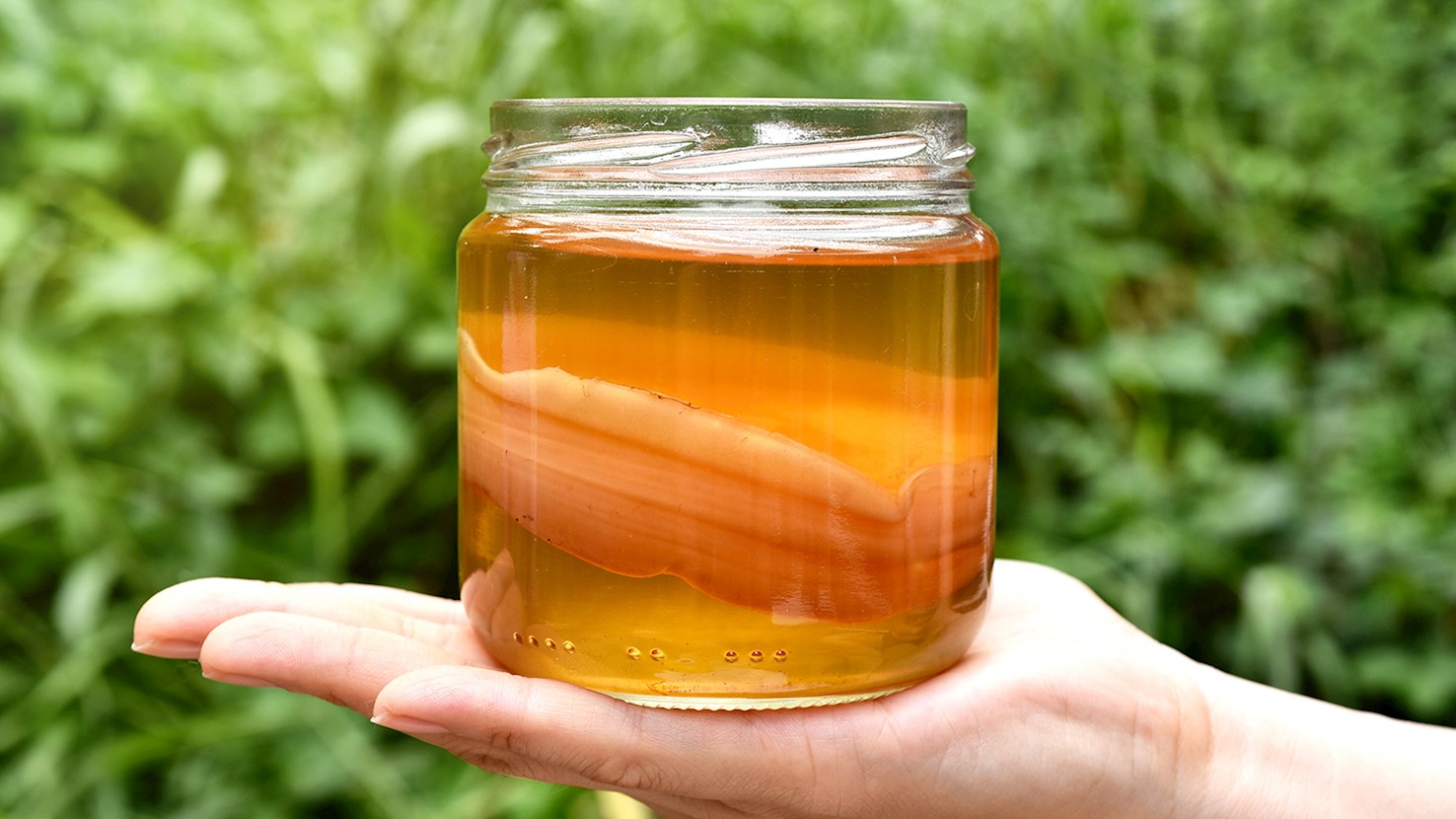
Kombucha is an effervescent fermented drink usually made with black or green tea. The process of brewing kombucha starts with sweetened tea and SCOBY—a symbiotic culture of bacteria and yeast—often called a mushroom or mother. The combination is left to ferment for a couple of weeks before it undergoes the second fermentation in the bottle. Kombucha is then usually refrigerated to slow down the fermentation and carbonation process. During the second fermentation, the brew can be flavored with fruit, fruit juices, spices, or herbs. The resulting drink is fizzy and typically has a distinctive tangy and subtly sweet flavor. It is filled with vitamins and nutrients and is often praised for its alleged beneficial properties. The origin of kombucha is often associated with China, more specifically the historical region of Manchuria, but there is little concrete evidence to support this claim. It probably spread with the tea trade, primarily to Korea and Japan. The word kombucha is possibly a Japanese loan (kombu stands for kelp, while cha translates as tea), but it is still not certain how it originated. Kombucha has been homebrewed for centuries, but it became a household name in Western civilizations in the 1990s, which went along with a massive upsurge in popularity. It is still brewed at home, but it is also widely available as a bottled, commercially produced drink. Kombucha is generally marketed as a non-alcoholic drink, with an alcohol content less than 0.5% ABV. However, since kombucha continues to ferment in the bottle, this percentage can be exceeded, sometimes intentionally, and these varieties need to be labeled accordingly. The latter has also influenced the birth of kombucha beer (hard kombucha).
TasteAtlas food rankings are based on the ratings of the TasteAtlas audience, with a series of mechanisms that recognize real users and that ignore bot,
nationalist or local patriotic ratings, and give additional value to the ratings of users that the system recognizes as knowledgeable.
For the “33 Worst Rated Non-alcoholic Beverages in East Asia” list until June 16, 2026, 2,861 ratings were recorded, of which 2,588 were recognized by the system as legitimate.
TasteAtlas Rankings should not be seen as the final global conclusion about food. Their purpose is to promote excellent local foods,
instill pride in traditional dishes, and arouse curiosity about dishes you haven’t tried.