


shutterstock

18 Worst Rated Central European Offal Dishes

Last updated on May 21, 2026
01

Żymlok

2.1 ·

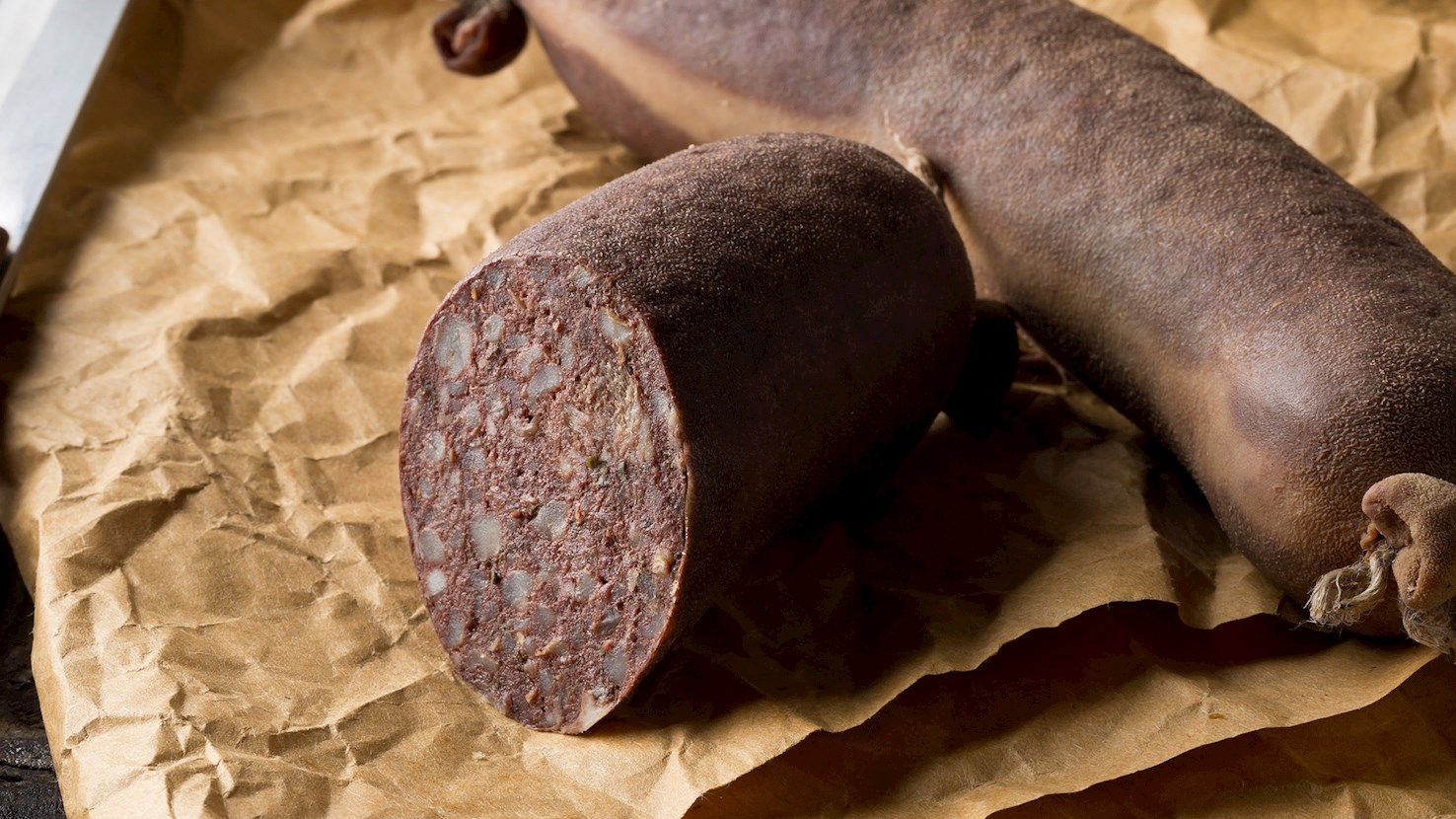
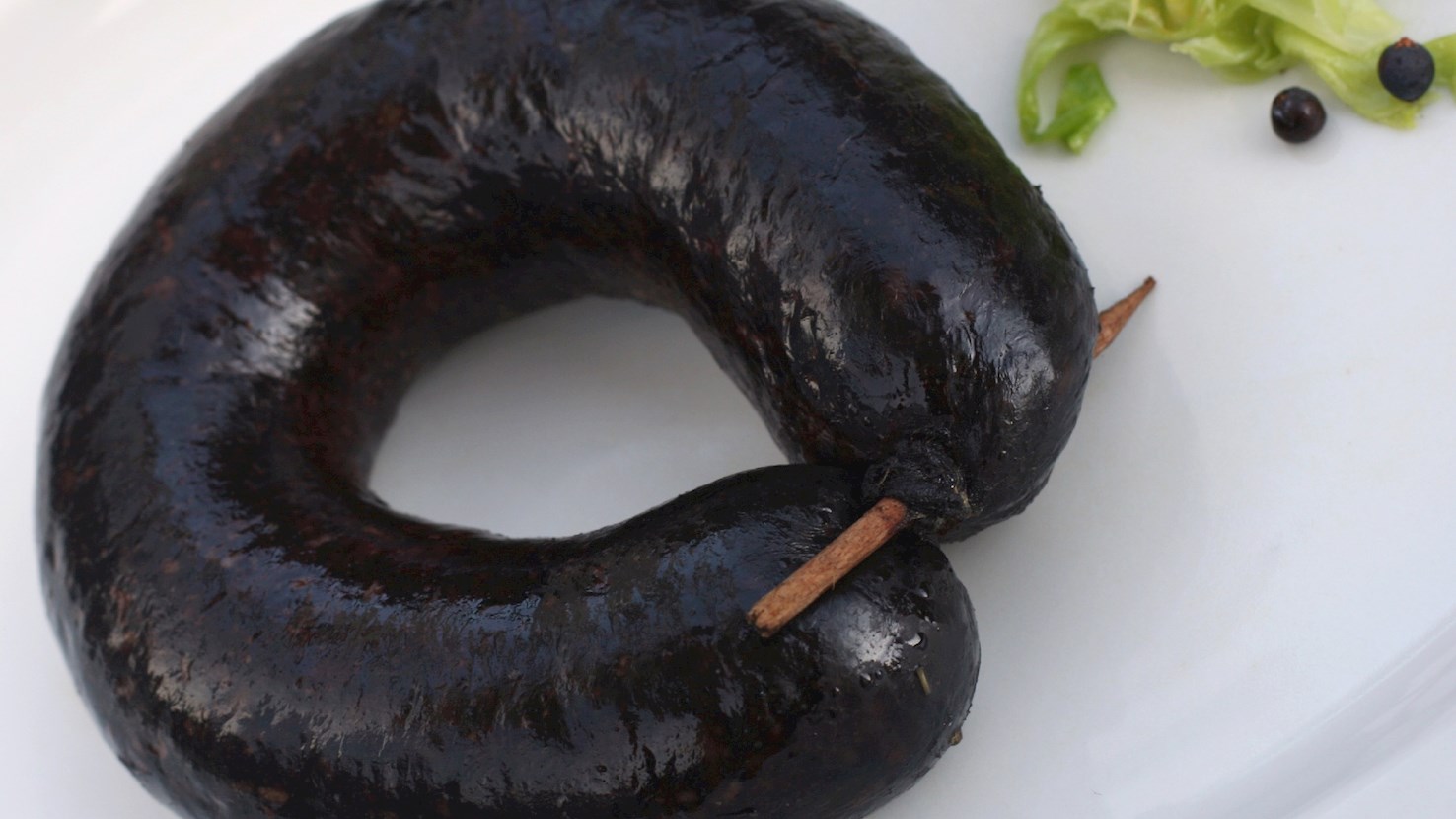
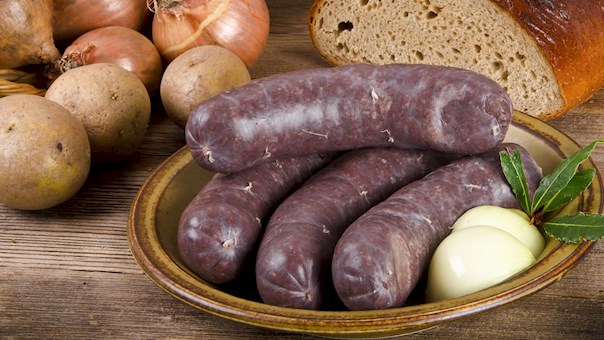
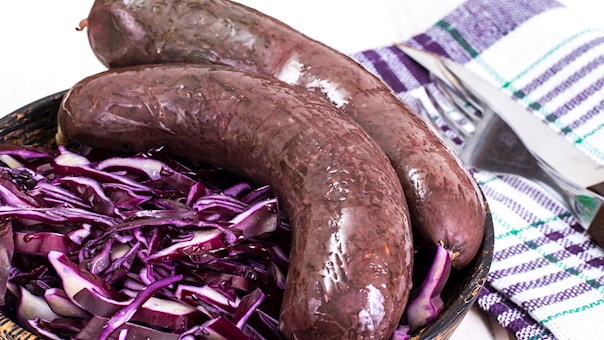
Żymlok is a traditional Silesian blood sausage consisting of a mixture of pork blood, bread rolls, ground pork offal, onions, spices, and seasonings stuffed into intestines. The ground meat is cooked in meat broth and the bread rolls are soaked in the same broth before they are combined and added to the intestines. Bread rolls are called żymła in Silesian and bułka in Polish, hence the name of this sausage. Żymlok is usually flavored with aromatic spices such as marjoram, nutmeg, black pepper, bay leaves, allspice, and juniper berries. Although it appears to be a regular sausage, its consistency is similar to black pudding. It used to be traditionally prepared after St. Martin’s Day, when pigs were slaughtered, and it was then served at various festivities. Not as popular as it once used to be, the sausage can be consumed hot or chilled, typically accompanied by caramelized onions and slices of bread.

02

Czernina

2.5 ·

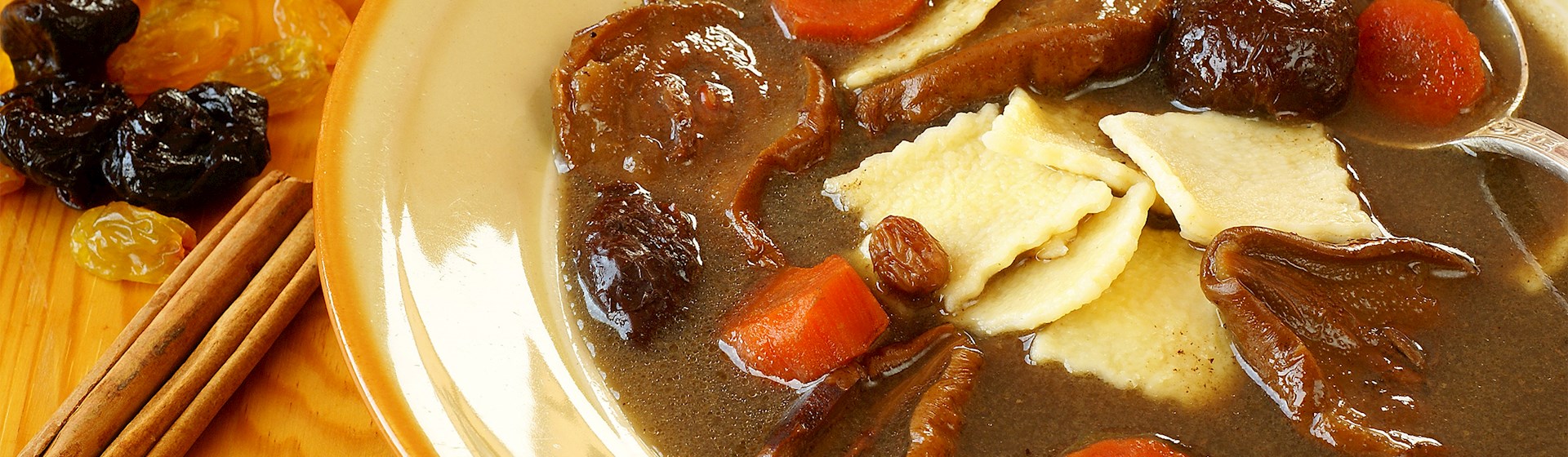
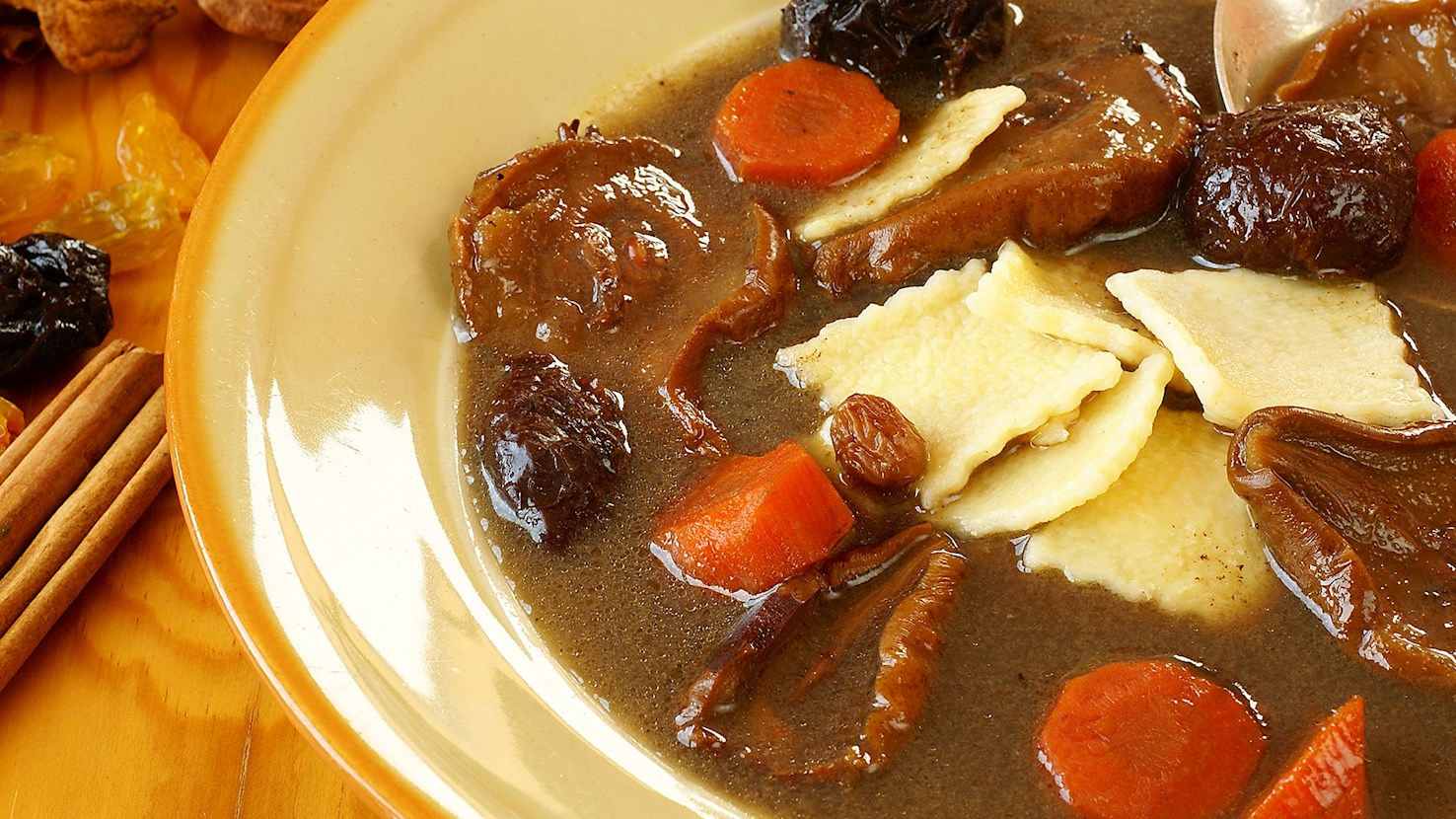
Czernina is a traditional soup prepared with duck or goose blood, which is preserved in vinegar so it would not coagulate. The soup is made with a flavorful duck broth, while the typical additions include dried fruits and a variety of spices such as cloves and allspice. The name of the soups stems from the word czarny, which translates as black and refers to the dark color of the soup. Even though some modern versions occasionally omit the blood and employ other types of meat, czernina should always be tangy, slightly sweet, and dark in color. This hearty soup is traditionally served with pasta or potato dumplings.

03

Balkenbrij

2.7 ·

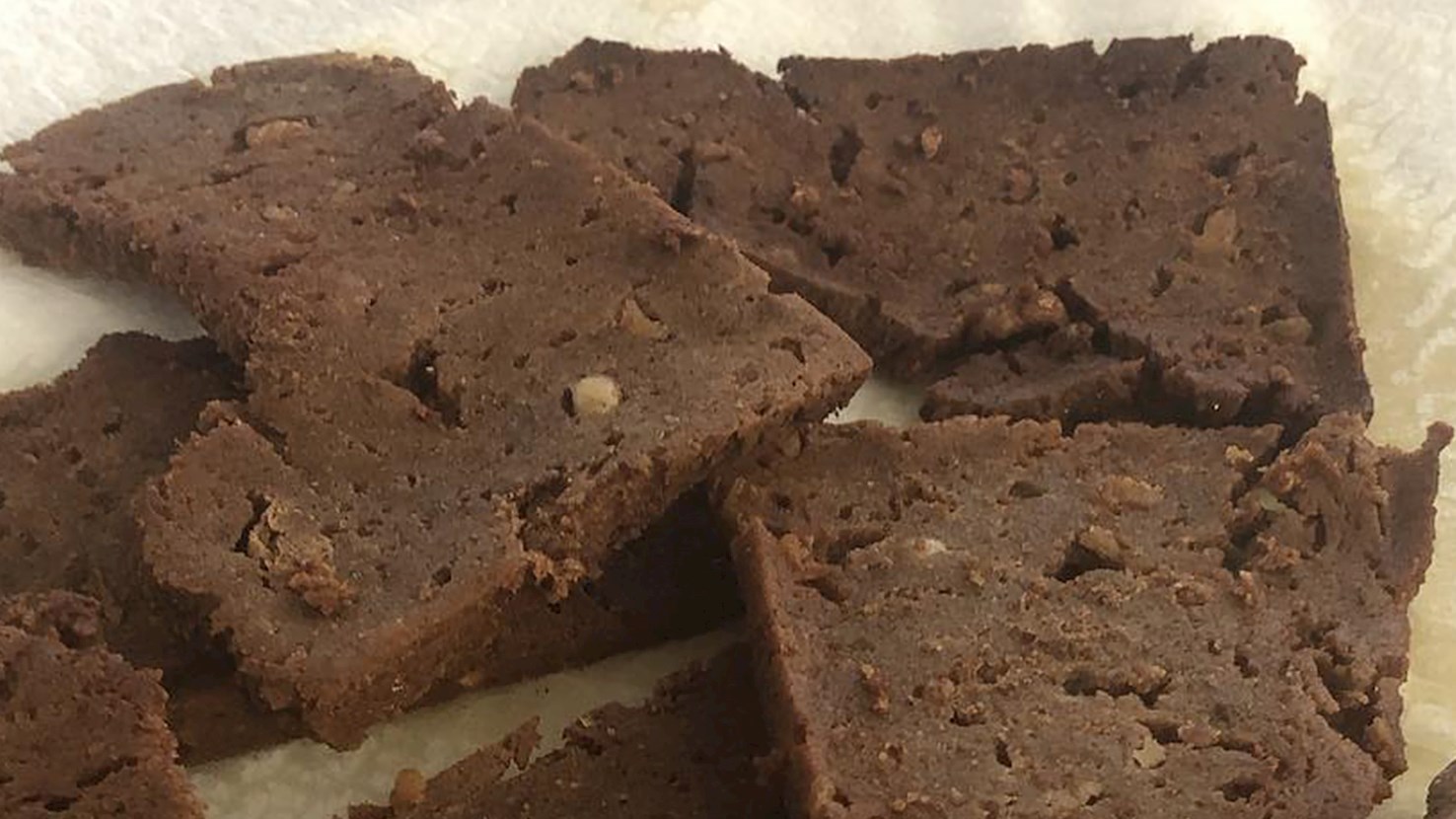
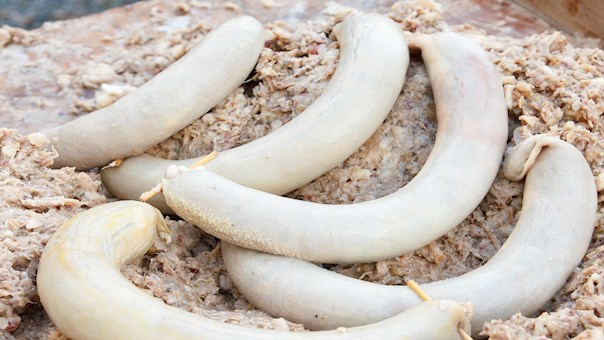
Balkenbrij is a traditional dish made from pork scraps (organs, leftover sausage stock), blood, flour, and spices such as ginger, pepper, licorice, anise, sugar, and cinnamon. The mixture is slowly cooked and left to cool. Once it is cooled, balkenbrij is usually sliced and baked in the pan. It can be placed on bread and consumed as a snack or it can be paired with potatoes and consumed as a main dish. The name balkenbrij is derived from balk, meaning intestines, and brij, meaning porridge or mush.

04

Blutwurst

2.9 ·

Belonging to the category of cooked sausages, blutwurst is a famous German blood sausage with many regional varieties. It is predominantly made with pork and incorporates animal blood, fat, and meat, next to a wide variety of seasonings such as marjoram, allspice, and thyme. Blutwurst comes in various sizes, and many regional versions include barley, oats, or bread, while some varieties may even consist of diced bacon or innards. Since this blood sausage is typically cooked, it has a firm consistency and is commonly enjoyed as an appetizer alongside other cold cuts. It is usually shortly boiled or fried and served warm, often complemented by mashed potatoes or sauerkraut on the side.

05

Krvavice

3 ·

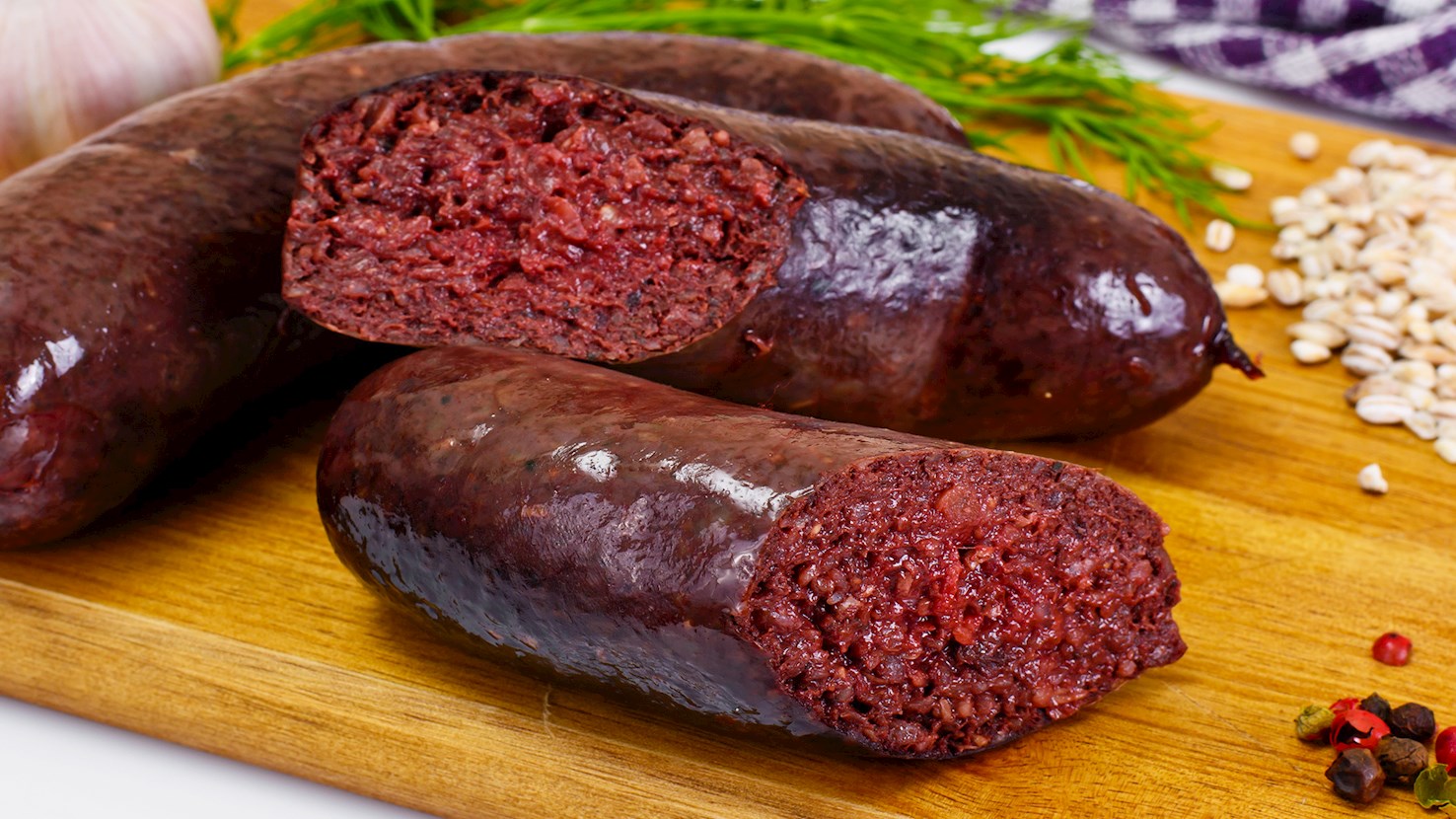
Krvavice are blood sausages produced mostly throughout continental Croatia, especially in the regions of Zagorje, Istria, Dalmatia, and Slavonija-Baranja. Apart from Croatia, the sausages are also commonly consumed in Slovenia and Serbia. They're made by cooking pork blood, skin, and offal with rice and either buckwheat, barley, or cornflour, unlike most other European blood sausages that use oats or oatmeal as fillers. However, there are numerous varieties of krvavice and every cook has his own recipe, so the ingredients may vary. The names also vary, and they're also called divenice, devenice, or kulenice. These sausages are traditionally consumed during winter when they are often accompanied by sauerkraut and a combination of boiled potatoes and sautéed onions known as restani krumpir.

06

Pacalpörkölt

3 ·

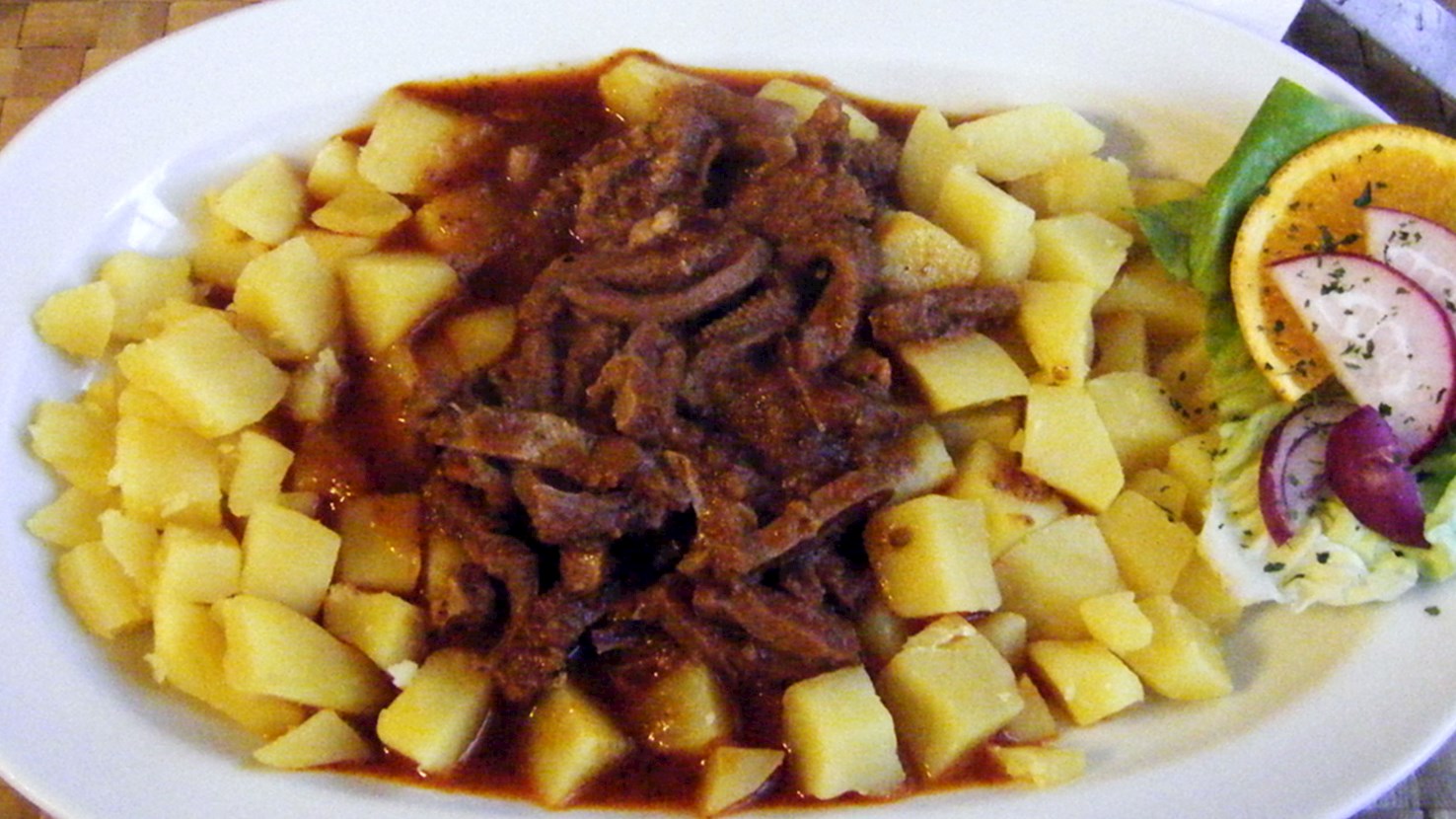
Pacalpörkölt is a traditional tripe stew. It is typically prepared in a cauldron hanging over an open fire, but it can also be prepared at home. The dish consists of tripe, onions, garlic, paprika powder, and hot peppers. When the stew is ready to be served, it is recommended to pair it with fresh bread, pickles, and boiled potatoes.

07

Flaki po warszawsku

3 ·

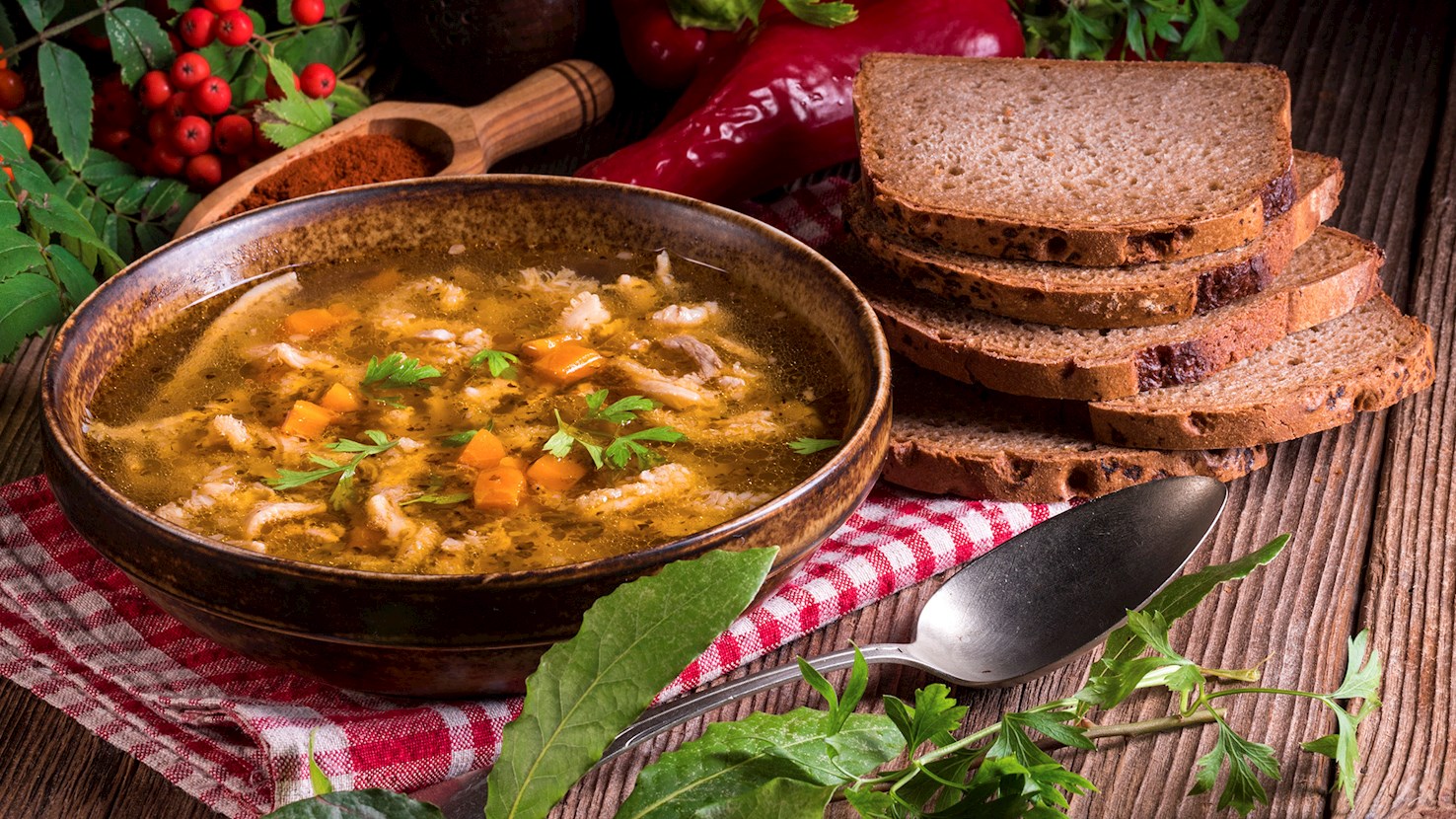
Flaczki z pulpetami, also known as flaczki po warszawsku, is a regional variant of the authentic Polish tripe soup that calls for pulpetami, or beef tallow meatballs, to be served with the soup. It is based on flaczki, literally translated to guts in Polish, which are thin strips of cleaned tripe, cooked in a spicy broth with vegetables and roux. Apart from meatballs, the soup is usually accompanied by slices of rye bread or bread rolls. Traditional beef tripe soup is quite pungent and seasoned with aromatic spices such as marjoram, ginger, nutmeg, allspice, bay leaves, paprika powder, pepper, and parsley. It reflects the influences of other cuisines intertwined with traditional Polish food in its use of ginger and nutmeg, and the addition of meatballs, typical of German cuisine. Said to be an excellent hangover cure, the dish can be traced back to the 14th century and is widely believed to have been one of King Władysław II Jagiełło’s most beloved dishes.

08

Flaki

3.1 ·

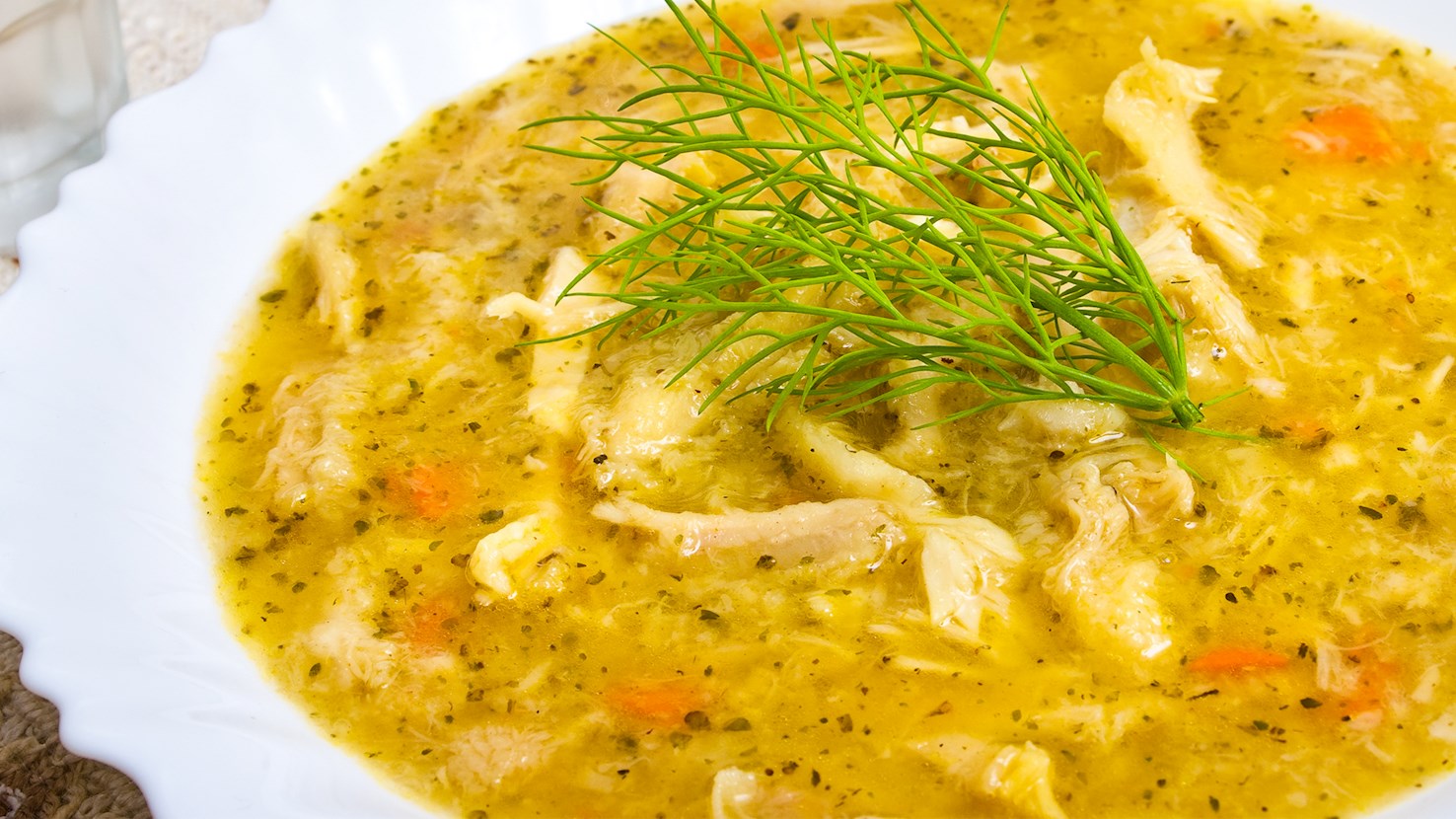
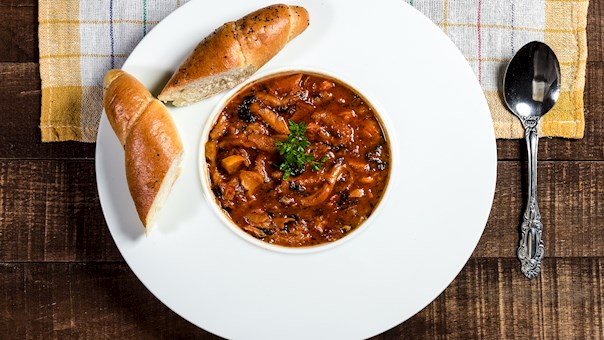
Flaki or flaczki is a traditional tripe soup. Dense and meaty, the soup is traditionally served during Polish weddings as a part of the hot courses of the festivity. The dish is often served with a fresh bread roll on the side. The name flaki refers to its main ingredient–strips of beef tripe. Flaki was known since the 14th century in Poland, and it was one of the favorite dishes of King Wladyslaw Jagiello. Today, some cooks like to add smoked bacon to the dish, as well as additional seasonings such as pepper, ginger, or nutmeg. If meatballs are added to the soup, the dish is then known as flaki po warszawsku (Warsaw-style flaki).

09

Beuschel

3.1 ·

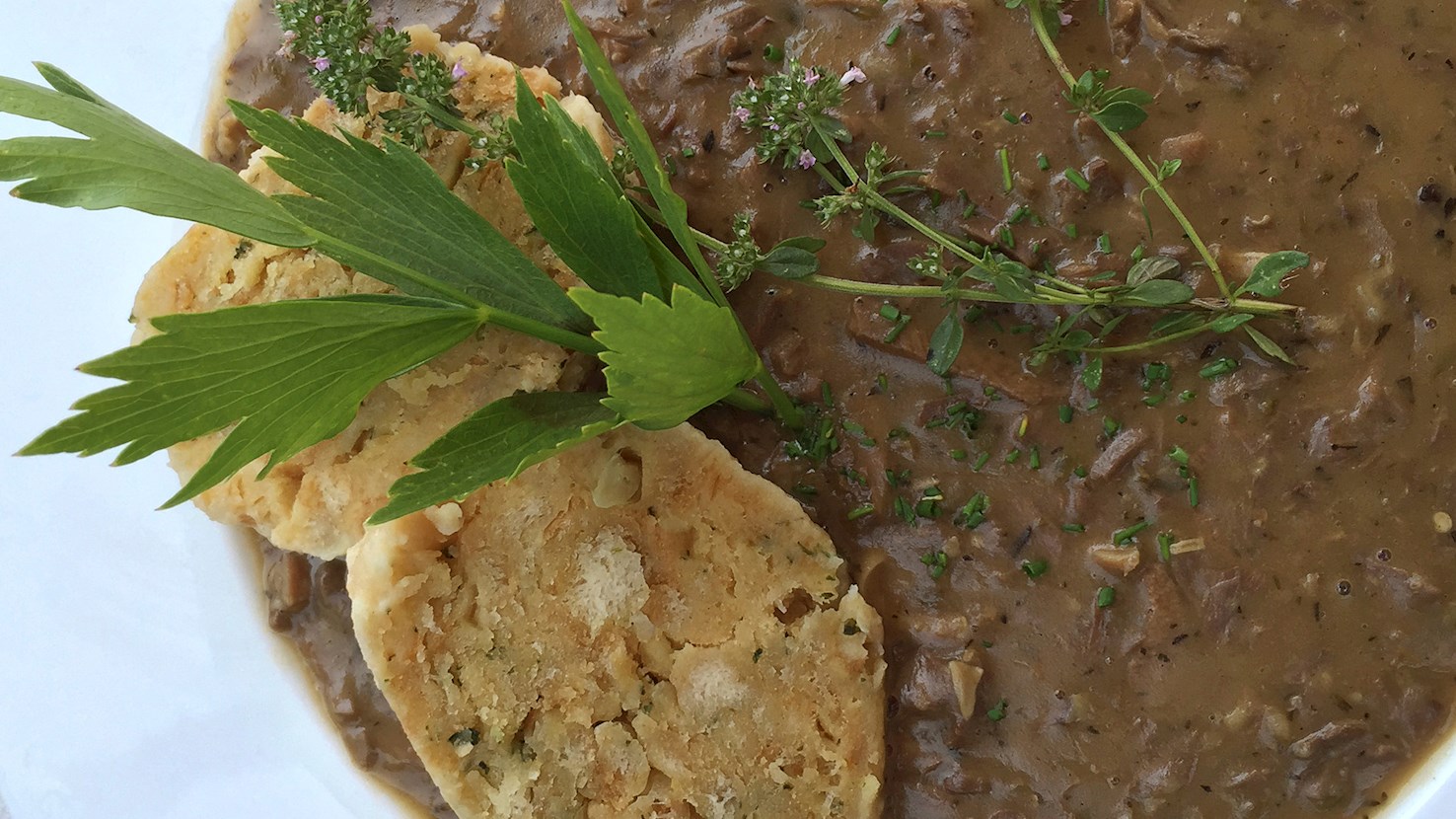
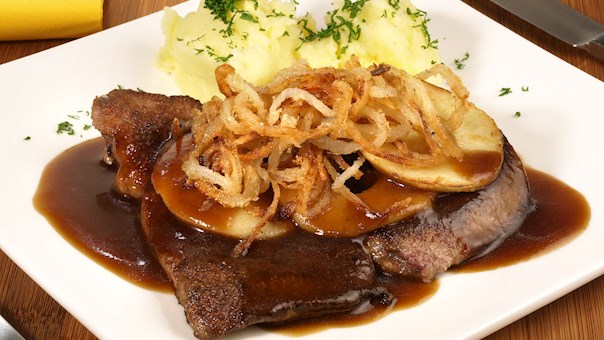
Beuschel is one of the classics of Austrian cuisine. Often compared to a ragout, this hearty dish is made with offal, usually heart and lungs, and it is served in a delicious, dark brown sauce. Usually, calf offal is used in the dish, but other animals or organs can also be utilized. Due to the consistency of the offal, beuschel is a time-consuming dish found only in traditional and notable Austrian restaurants. Even though it can be found in all parts of Austria, it is usually associated with Vienna and represents a real example of the old Viennese cuisine. It became popular in the 19th century, during the Austrian Empire, when animal offal was introduced on the menus of numerous high-end Viennese restaurants. Its importance has recently slightly faded, but for true experts, it is still regarded as a delicious heritage of the Austrian Empire. To achieve the creamy and mild consistency, the dish is usually finished with cream, and is most commonly served with traditional, aromatic bread dumplings.

10

Kaszanka

3.2 ·

Even though there are numerous regional varieties of this famous Polish blood sausage, it typically consists of pork offal, animal’s blood, barley or buckwheat, and a variety of spices and fresh herbs. Kaszanka was probably created under the influence of German and Danish culinary traditions and was primarily enjoyed by the noblemen. The modern variety of kaszanka appeared later, and today, it is one of the most commonly consumed Polish sausages. Whether grilled, fried, or cooked, it is usually served alongside caramelized onions, potatoes, or sauerkraut.

Read more
View all
View map
About this ranking

TasteAtlas food rankings are based on the ratings of the TasteAtlas audience, with a series of mechanisms that recognize real users and that ignore bot, nationalist or local patriotic ratings, and give additional value to the ratings of users that the system recognizes as knowledgeable. For the “18 Worst Rated Central European Offal Dishes” list until May 21, 2026, 1,442 ratings were recorded, of which 1,001 were recognized by the system as legitimate. TasteAtlas Rankings should not be seen as the final global conclusion about food. Their purpose is to promote excellent local foods, instill pride in traditional dishes, and arouse curiosity about dishes you haven’t tried.

Similar lists