

Shutterstock

7 Worst Rated North American Offal Dishes

Last updated on May 21, 2026
01

Rocky Mountain Oysters

3 ·

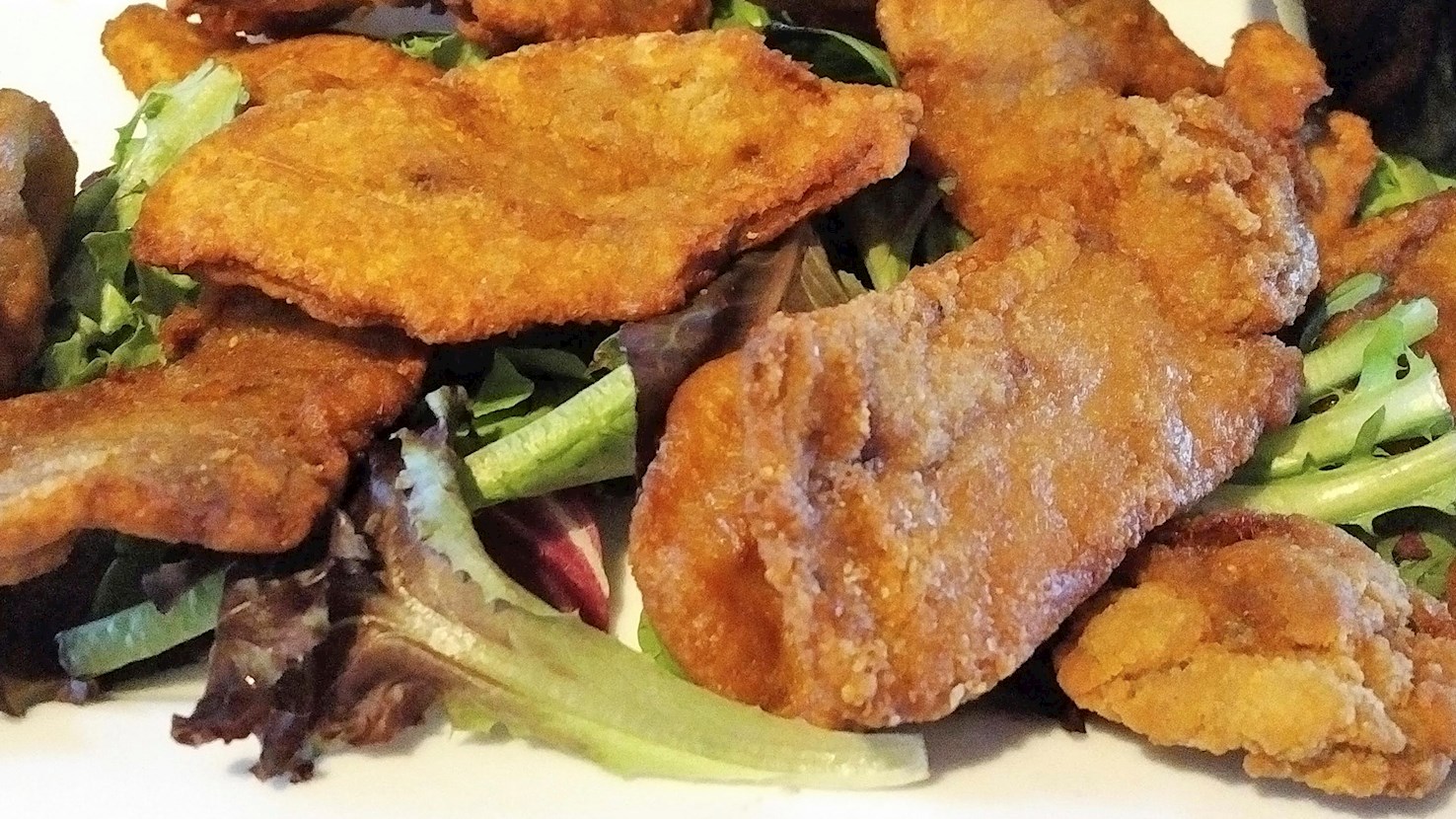
Despite their misleading name, Rocky Mountain oysters are actually bulls' testicles that are peeled, pounded, coated in flour, salt, and pepper, then fried. This unusual appetizer can be found in the American West and western Canada, and it is believed that the dish was invented by some of the first ranchers who had inhabited the West. Because they were in need of cheap sources of food, the ranchers began to cook animal testicles with branding coals. Nowadays, Rocky Mountain oysters are a true delicacy that is usually served with demi-glace sauce in Canada, while in America they are typically served with cocktail sauce on the side.

02

Livermush

3 ·

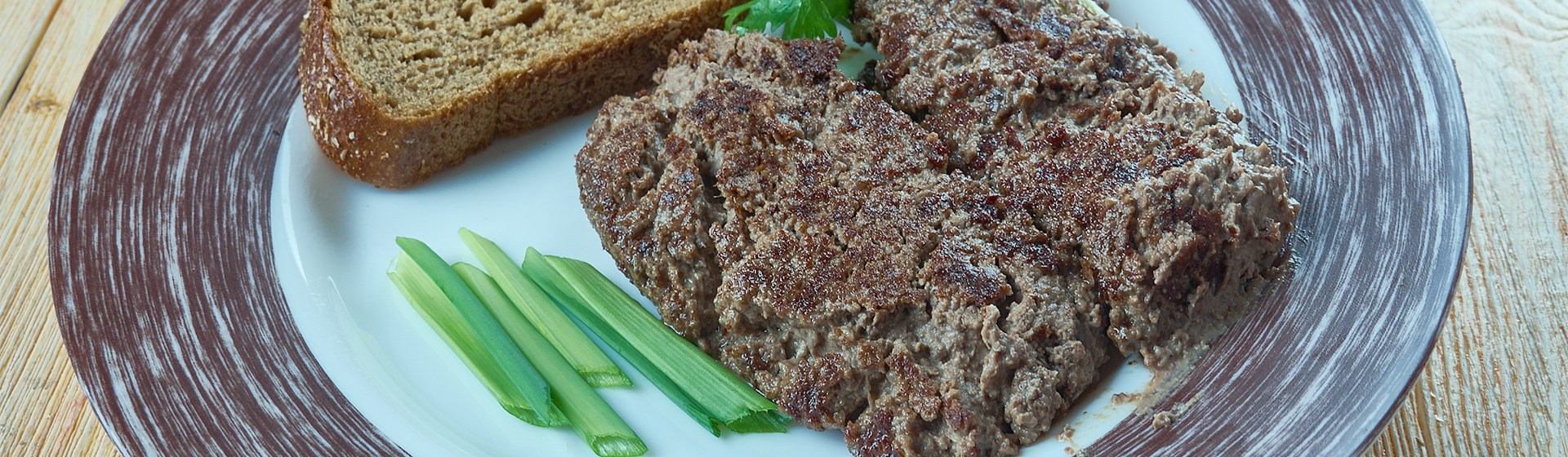
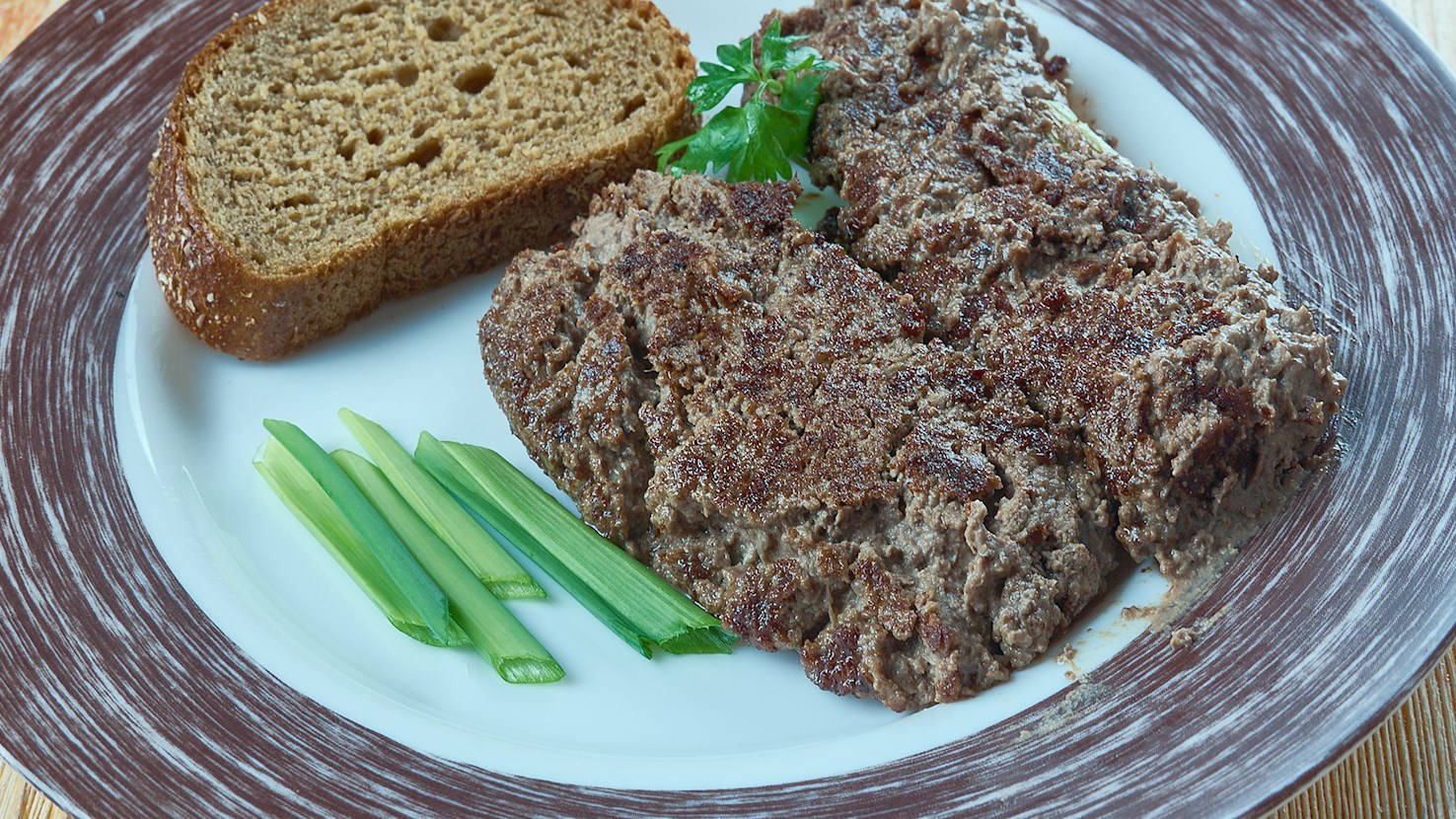
Livermush is an American dish that's believed to originate from North Carolina. It consists of slices of livermush (a product made with pig liver, head, and cornmeal, spiced with sage and pepper) that are fried until golden brown. When served for breakfast, livermush is often accompanied by eggs and grits, but it can also be served for lunch or dinner. And although some people might think that livermush is the same as scrapple, think again: scrapple has a bit less cornmeal and can have less, more, or no liver at all. Nowadays, the popularity of livermush is on the rise, so it can sometimes be added to omelets or it can be used as a pizza topping.

03

Cow Heel Soup

3.2 ·

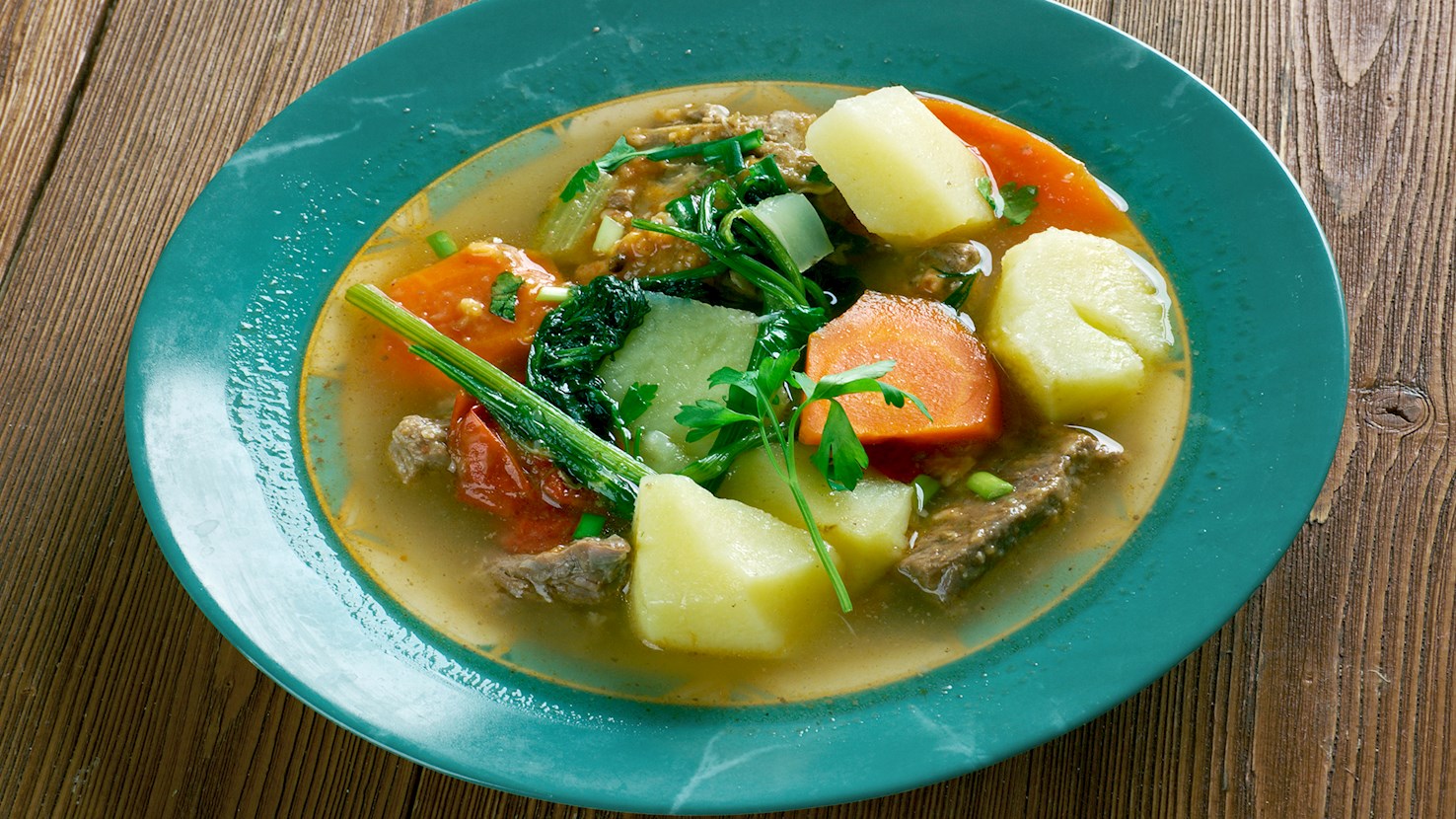
This hearty Trini soup is made with cow heel as the key ingredient. Everyone on the island has their own variation of the soup, so different vegetables might be added to the pot, and some people like to add dumplings, while others opt out of them, according to personal preferences. Typically, the soup contains ingredients such as onions, split peas, okra, and carrots. Before serving, cow heel soup is additionally seasoned with salt and pepper, then served hot in large bowls or plates.

04

Menudo

3.5 ·

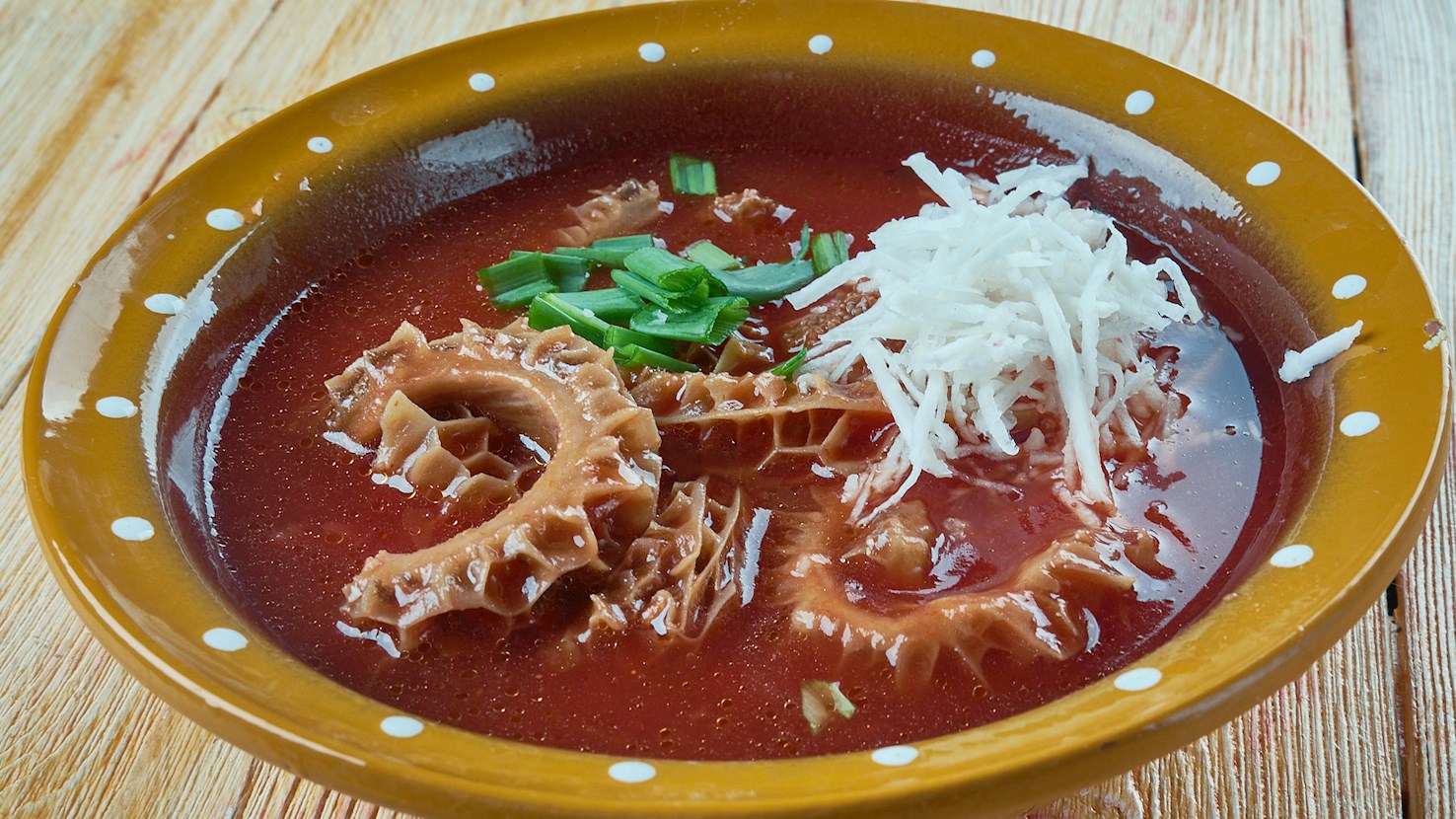
Menudo is a traditional offal soup, and the main ingredient in it is beef tripe. It is often seasoned with chili peppers, garlic, onion, lime, and oregano, creating a rich and hearty flavor profile. Although menudo is undoubtedly a Mexican dish, it is still unknown in which part of the country it was invented. The northern area claims it came from their farmers who made the dish from leftover parts of their cows. Others claim that it was invented in central Mexico. Regardless of the geographical point of origin, the fact remains that there are two versions of this soup; menudo rojo and menudo blanco. Menudo rojo is mostly popular in northern Mexico and Guadalajara, while the white version is popular in Sinaloa and central Mexico. Commonly found in most Mexican restaurants, the soup is also often made for special occasions, since it takes from 7 to 10 hours for the soup to cook properly. It has been around since at least the 1930s, when menudo parties were held on Christmas, New Year, and similar festive occasions. Menudo is often referred to as a cure for all hangovers, which is unsurprising considering its hearty, rustic, and spicy flavors. It is common to accompany the soup with some corn tortillas for dipping, garnish it with lime wedges, and serve it hot, preferably in large bowls.

05

Tripas

3.5 ·

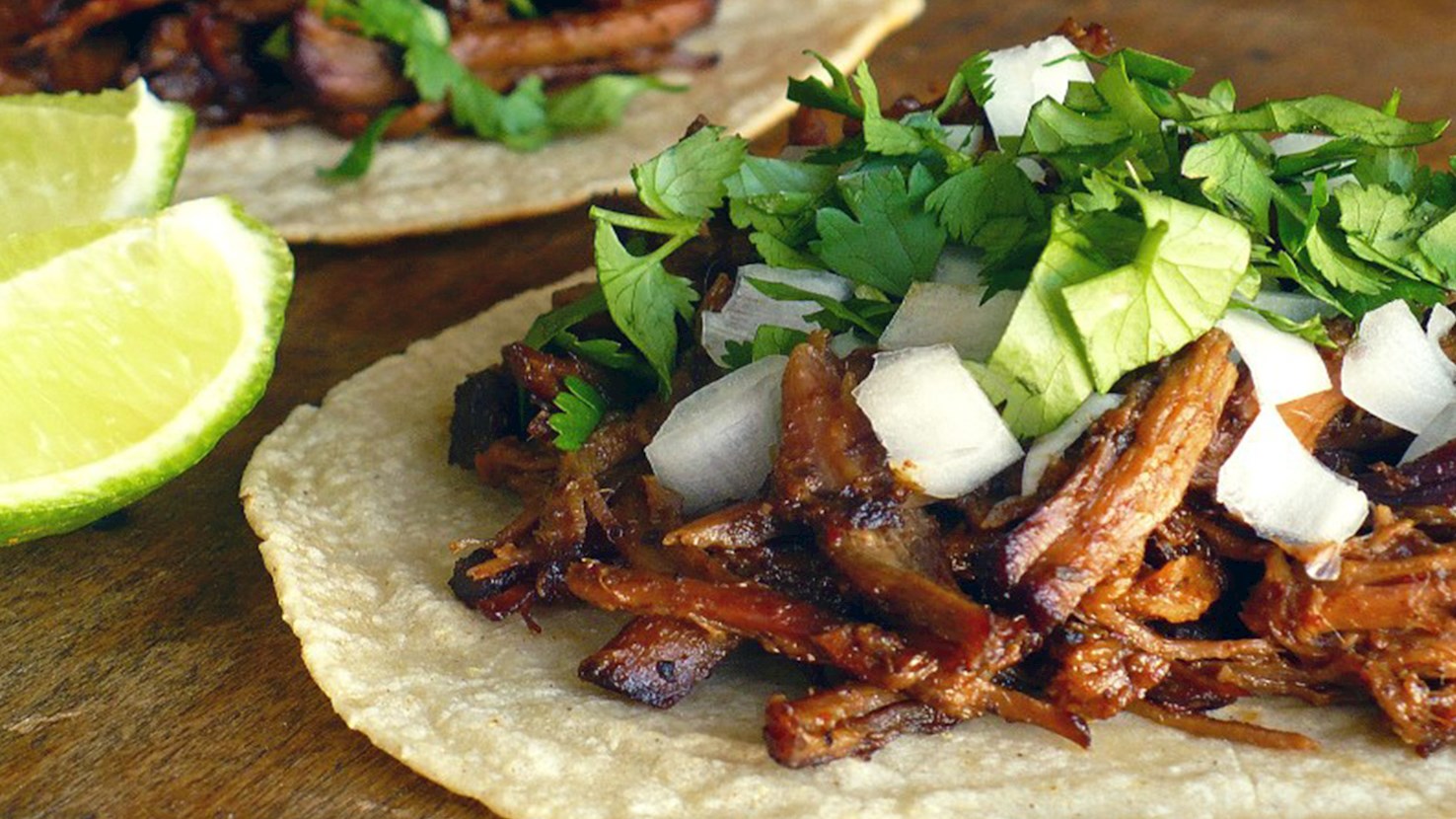
Tripas or machitos is a popular Mexican dish consisting of pig or cow intestines. It is mostly used as a filling for tacos, so tripas can be found throughout Mexico, usually at taco stands, and especially in open-air markets called tianguis. Boiled and grilled, tripe is commonly topped with chopped onions, coriander, and spicy chili sauces. The preparation of tripas requires a great deal of knowledge because they shouldn't be overcooked nor undercooked, as it makes them hard to chew.

06

Higado encebollado

3.6 ·

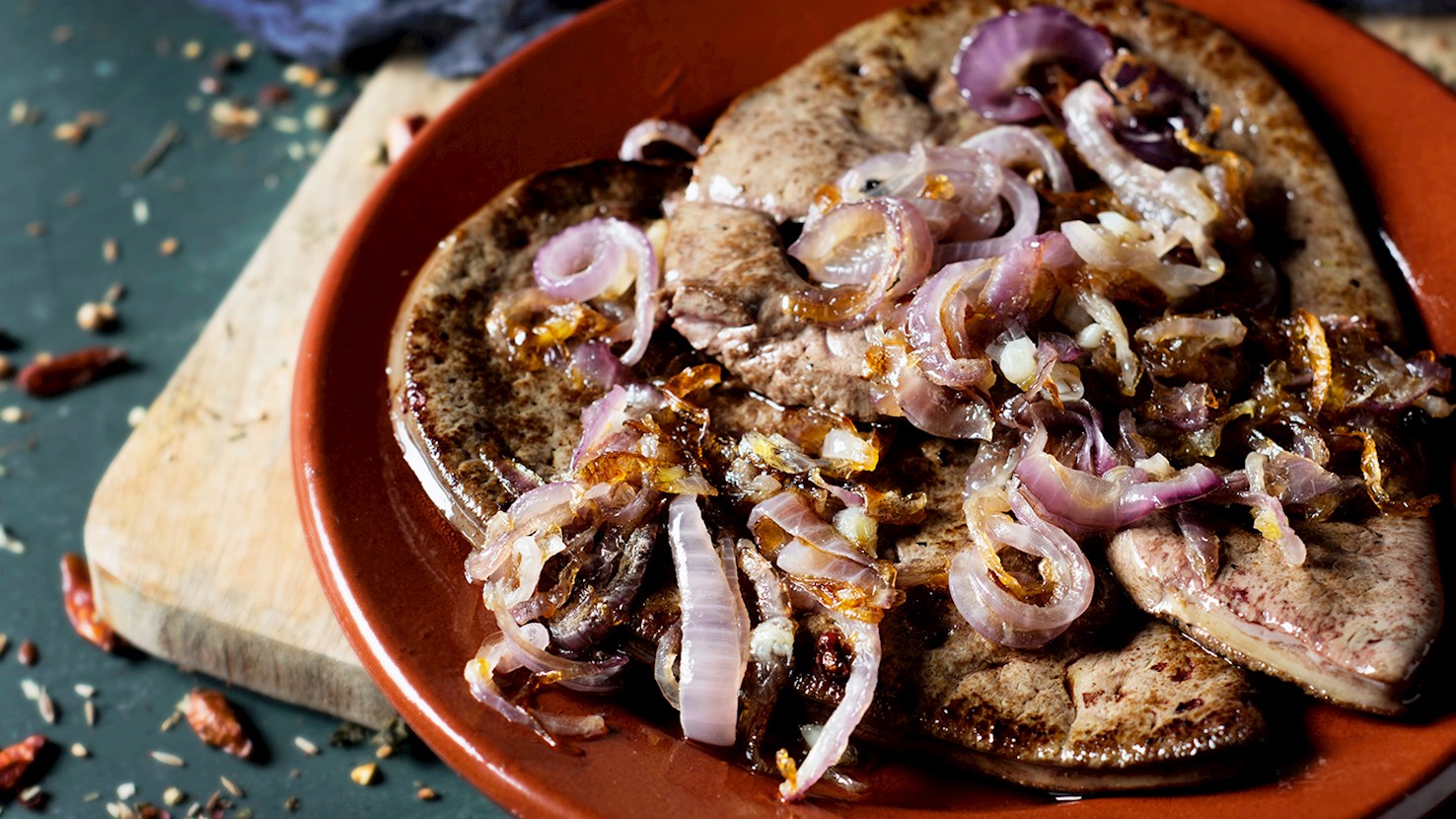
Higado encebollado is a traditional dish that's popular throughout South America, especially in Mexico and Peru. It consists of beef liver and onions as the key ingredients. The liver is cut into thin slices, then seasoned with salt and pepper before it's sautéed in oil with bell peppers, onions, and sometimes tomatoes. Once cooked, the dish is served hot, usually with rice or mashed potatoes on the side.

07

Sopa de mondongo

3.6 ·

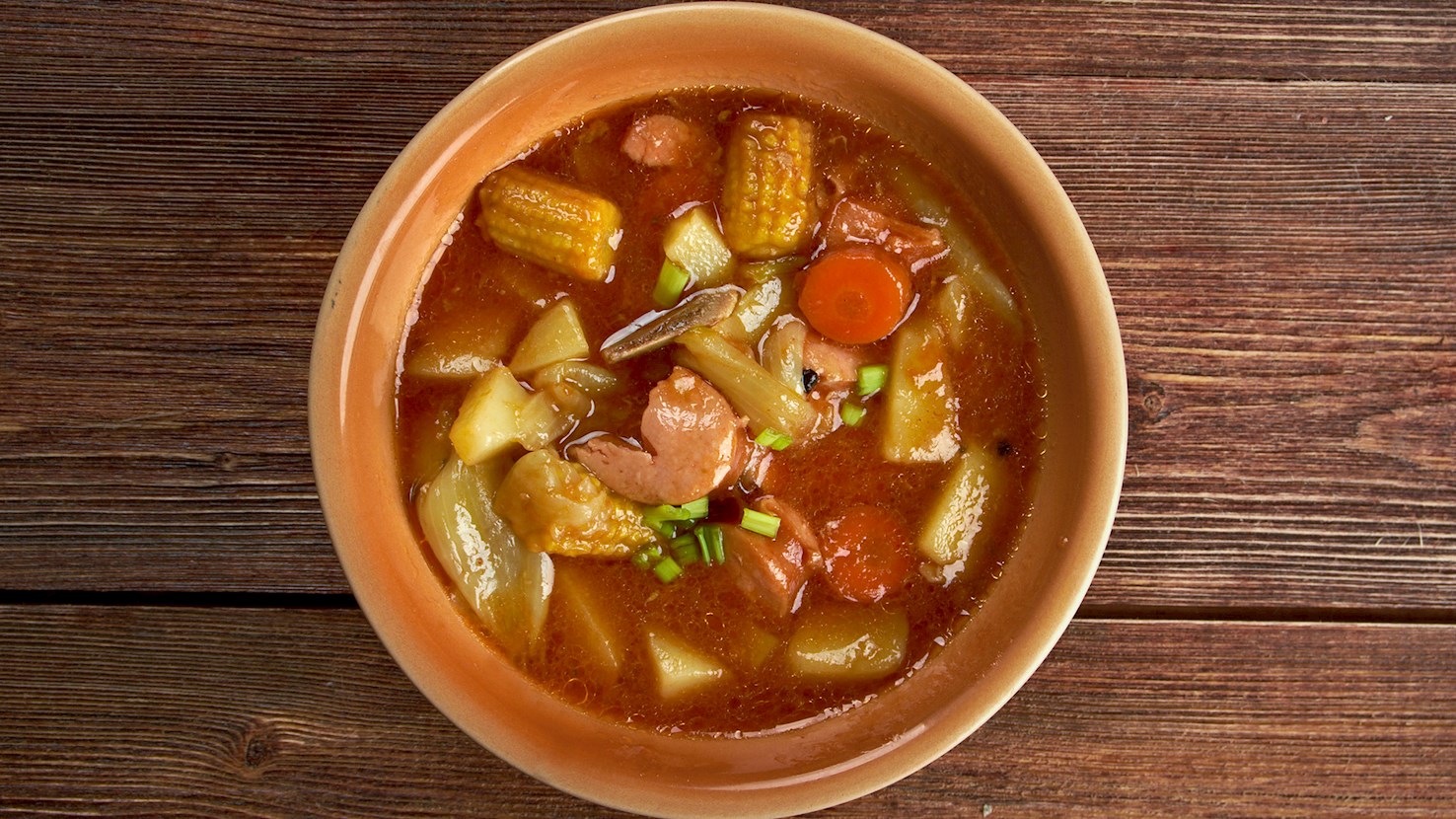
Sopa de mondongo is a term that is widely used all across Central and South America when referring to a hearty tripe and vegetable soup. The star of the dish is beef or pork tripe, the rather tough edible part of animal stomach which is cut into smaller pieces and cooked with other ingredients in a flavorful broth. Different versions of the soup are found all across Latin America, where it has been adapted with locally available ingredients and spices. Typically, sopa de mondongo employs plain and sweet potatoes, cassava, corn, cabbage, plantains, onions, sliced avocado, and generous amounts of chopped cilantro, which is used as a garnish. It is often spiced with cumin and the authentic Latin American spice called achiote. Local varieties commonly include additional ingredients such as lean pork meat, pork feet, Columbian chorizo sausage, and animal bone marrow. Because of its nutritious ingredients, it is usually regarded as a complete meal that is mainly served alongside white rice. Sliced lemon or lime wedges and local tortilla varieties such as arepa in Colombia are often served on the side. Unusual additions may include raisins or capers in Puerto Rican versions, or peanut sauce in the Ecuadorian version, popularly called guatica. In many Latin American countries, sopa de mondongo is believed to have healing properties, and it represents a traditional dish that is usually served for lunch or in the early hours after a night of clubbing.

Read more
View all
View map
About this ranking

TasteAtlas food rankings are based on the ratings of the TasteAtlas audience, with a series of mechanisms that recognize real users and that ignore bot, nationalist or local patriotic ratings, and give additional value to the ratings of users that the system recognizes as knowledgeable. For the “7 Worst Rated North American Offal Dishes” list until May 21, 2026, 974 ratings were recorded, of which 394 were recognized by the system as legitimate. TasteAtlas Rankings should not be seen as the final global conclusion about food. Their purpose is to promote excellent local foods, instill pride in traditional dishes, and arouse curiosity about dishes you haven’t tried.

Similar lists