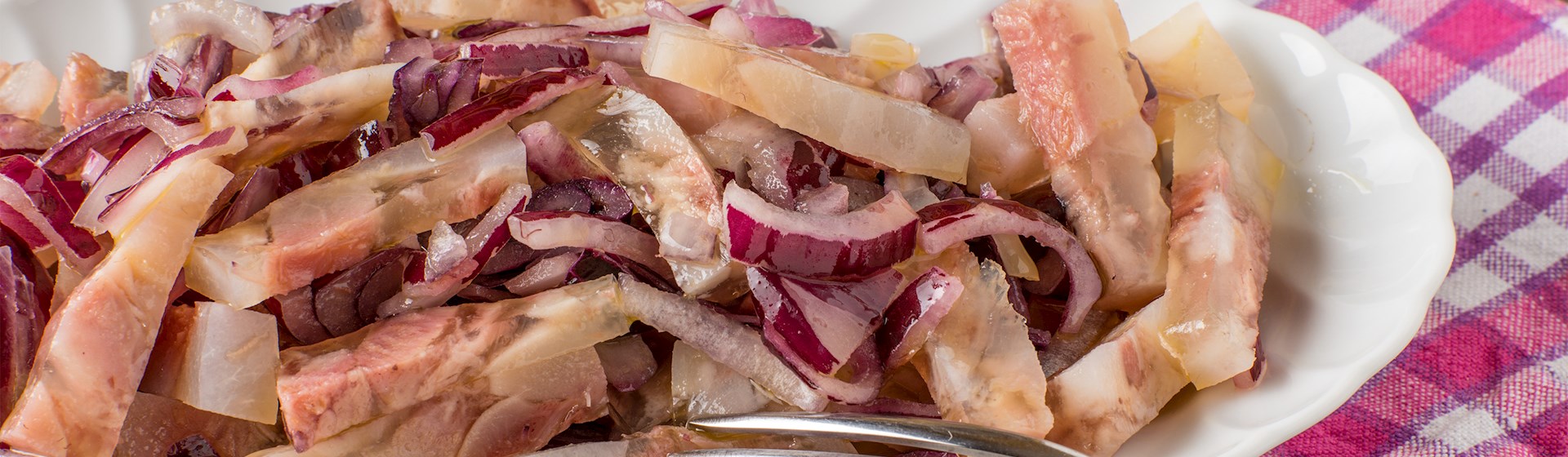
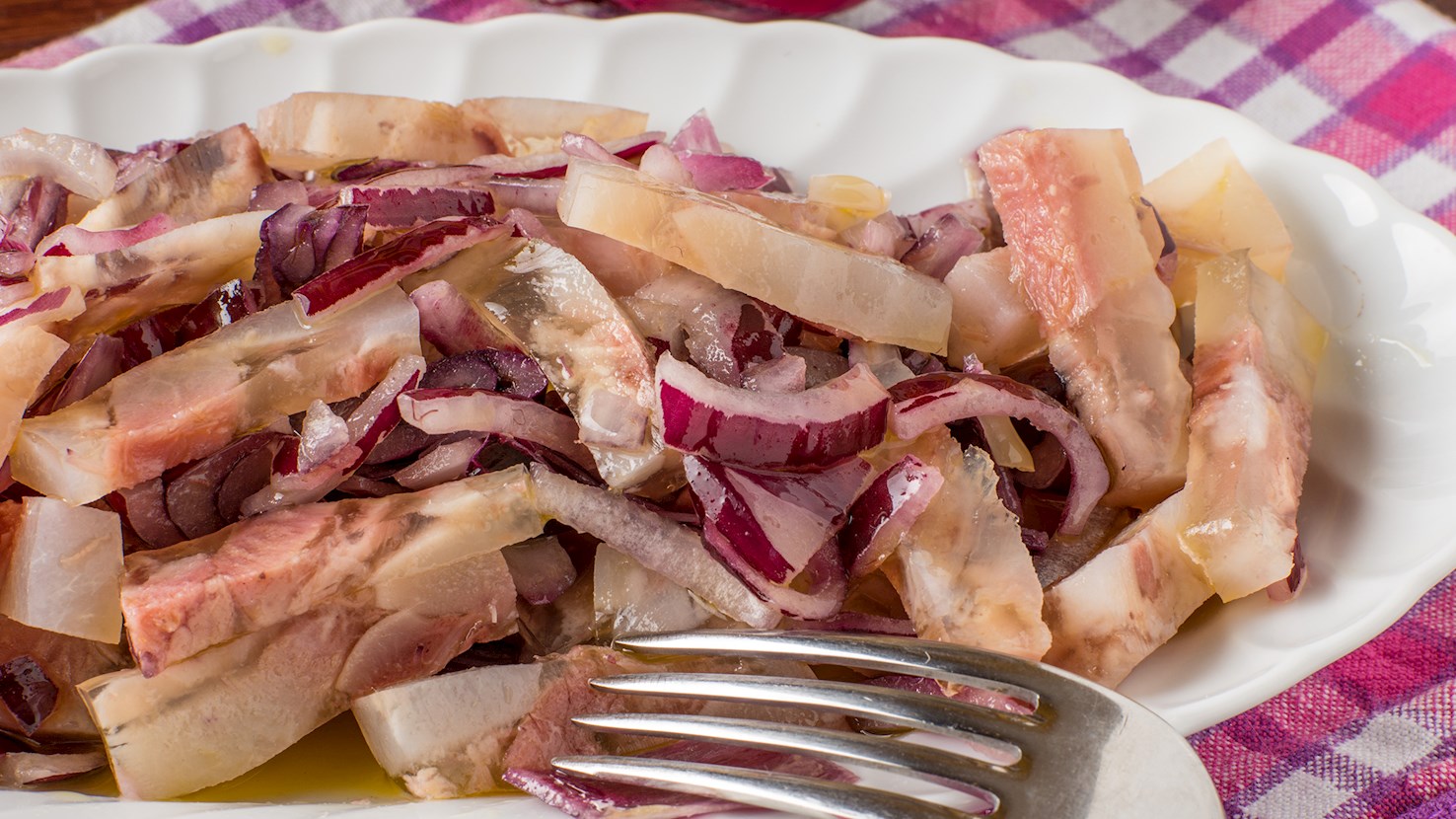
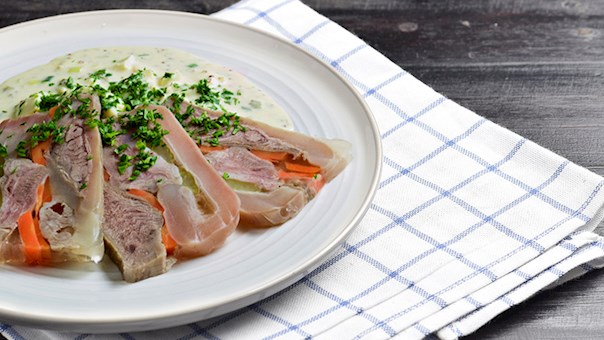
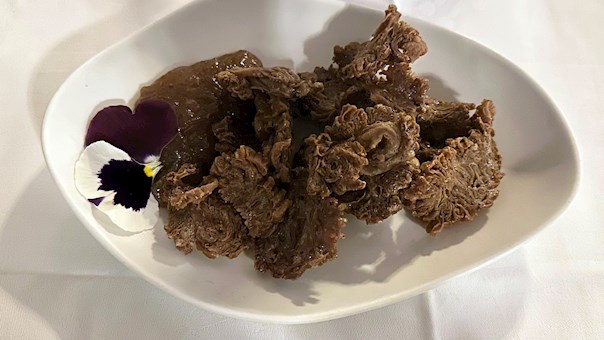
Often referred to as nervetti in insalata, this classic northern Italian dish consists of meat, cartilage, and tendons from beef shank that are cooked on the bone. When tender, all of the elements are removed from the bones and left to set, allowing the gelatinous properties to create a firm, jelly-like treat. Though it is often prepared plain, various ingredients such as olives, onions, or peppers are occasionally added to the mixture. Nervetti is always served well-chilled, thinly sliced, and is mainly combined with various vegetables. The whole combination is seasoned and served in the form of a salad that is usually enjoyed as a cold appetizer.
Żymlok is a traditional Silesian blood sausage consisting of a mixture of pork blood, bread rolls, ground pork offal, onions, spices, and seasonings stuffed into intestines. The ground meat is cooked in meat broth and the bread rolls are soaked in the same broth before they are combined and added to the intestines. Bread rolls are called żymła in Silesian and bułka in Polish, hence the name of this sausage. Żymlok is usually flavored with aromatic spices such as marjoram, nutmeg, black pepper, bay leaves, allspice, and juniper berries. Although it appears to be a regular sausage, its consistency is similar to black pudding. It used to be traditionally prepared after St. Martin’s Day, when pigs were slaughtered, and it was then served at various festivities. Not as popular as it once used to be, the sausage can be consumed hot or chilled, typically accompanied by caramelized onions and slices of bread.
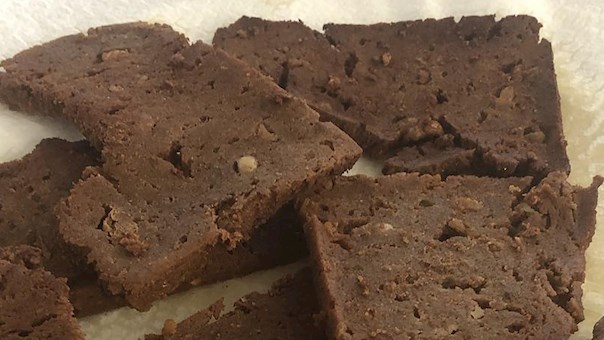
Sneem black pudding is a blood sausage produced in the village of Sneem in County Kerry, Ireland. It is made from fresh pig’s blood mixed with oatmeal, onions, suet, and seasonings, and is notable for being a set pudding rather than a cased one. The mixture is cooked and pressed into rectangular trays or blocks, then sliced for serving, giving it a distinct flat shape unlike the more common sausage-style puddings found elsewhere in Ireland. Sneem black pudding is a recognized regional specialty and has received Protected Geographical Indication (PGI) status from the European Union, acknowledging its local production methods and distinct character linked to the area. The production of blood pudding in Sneem dates back to small-scale farmhouse practices where pig slaughtering was a communal and seasonal activity. Local families used every part of the animal, and the blood was combined with available grains and fat to create a sustaining food that could be stored and cooked easily. Over time, the method became associated specifically with the Sneem area, where pudding was prepared in trays rather than casings, reflecting both convenience and resource use in domestic kitchens without access to butchery equipment. Local butchers and home producers maintained the same approach through the twentieth century, and Sneem’s pudding gained reputation through regional fairs and markets, eventually being sold commercially in the wider Kerry region. Preparation involves collecting fresh pig’s blood and mixing it with finely chopped onions, oatmeal, suet, salt, pepper, and sometimes a small amount of spice. The mixture is poured into baking trays and cooked slowly until set, then cooled and sliced. This process produces a dense but tender texture and allows the oatmeal to absorb the blood evenly, giving the pudding its dark, smooth consistency. The absence of a casing makes it easy to handle and portion, and the texture differs from sausage-style black pudding by being slightly crumbly but cohesive. Some producers still cook it in cast-iron trays, maintaining a specific flavor profile influenced by the method and the balance of salt and grain. Sneem black pudding is usually eaten fried or grilled as part of a breakfast plate, often alongside white pudding, bacon, and eggs. It can also appear in starters, salads, or as an element in more elaborate dishes in Kerry restaurants. The pudding’s mild, clean flavor allows it to pair well with both savory and sweet accompaniments, such as apple compote, mustard, or soft goat’s cheese. It is eaten across Ireland but remains closely tied to its village of origin, where it continues to be made by a few producers using local ingredients and long-established recipes. Beverages that suit Sneem black pudding include Irish stout, which complements its earthy richness, or a dry cider, whose acidity offsets its smooth and slightly nutty texture.
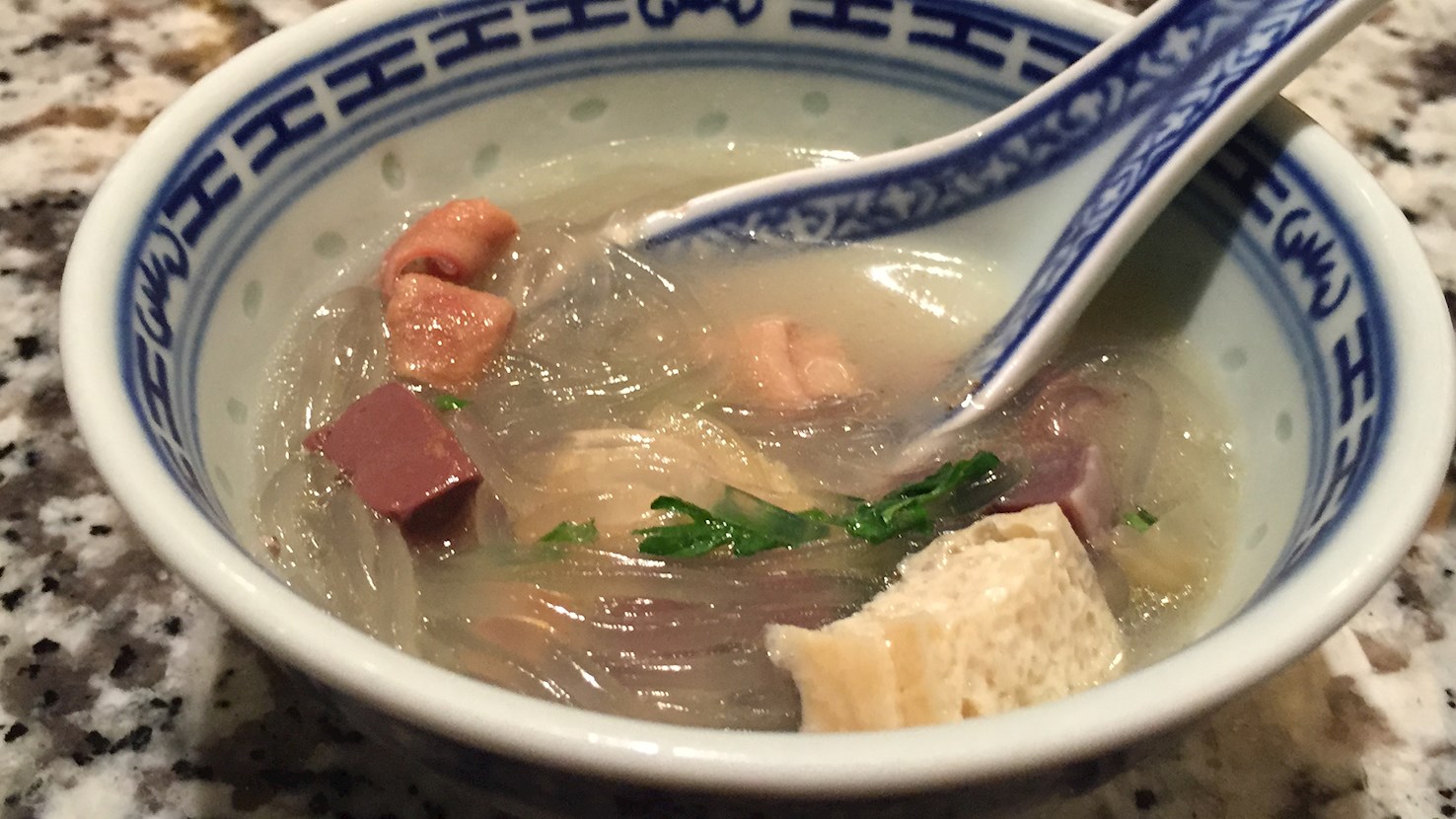
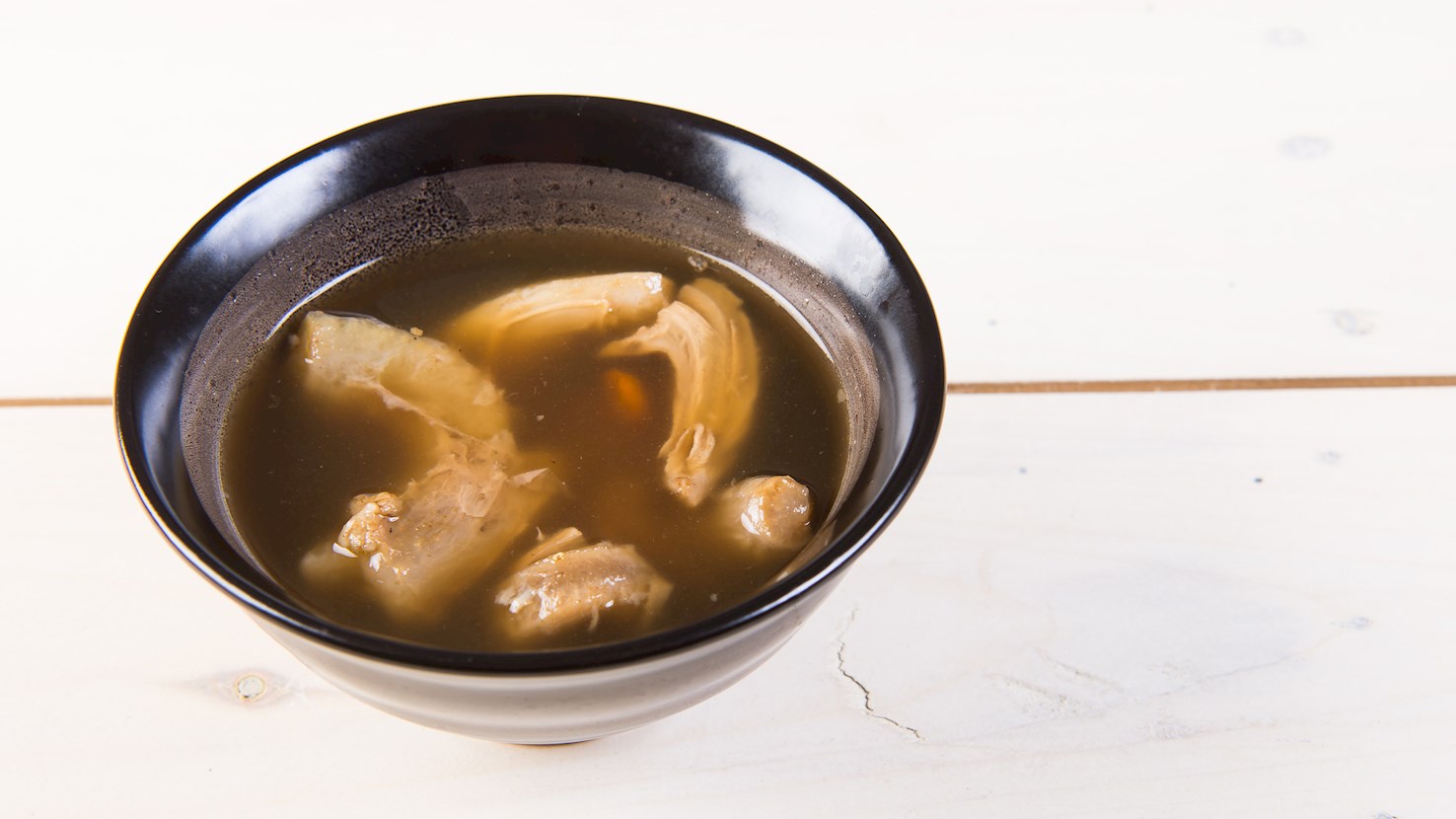
Duck blood and vermicelli soup is a traditional delicacy made by cooking vermicelli, duck liver, blood, and intestines with dried tofu, dried shrimp, ginger, sesame oil, and caraway seeds. Although the dish is consumed in many Chinese regions, it is a specialty of Nanjing, famous throughout the world for its duck dishes, which is why it is sometimes referred to as the capital of duck. According to a popular story, a poor man in Nanjing had killed a duck and used a bowl to hold its blood. While cleaning the duck, he accidentally dropped some vermicelli into the bowl and cooked the stew afterwards. When he tasted the stew, he found it quite flavorful, and a wealthy man heard about the newly created dish, thus employing the poor man as a cook for his family. Today, duck blood and vermicelli soup hold the status of a Nanjing favorite, while some cooks add 20 different Chinese herbs in the soup, believing that their ingredients help with blood circulation, removal of toxins from the body, and the maintenance of one's beauty.
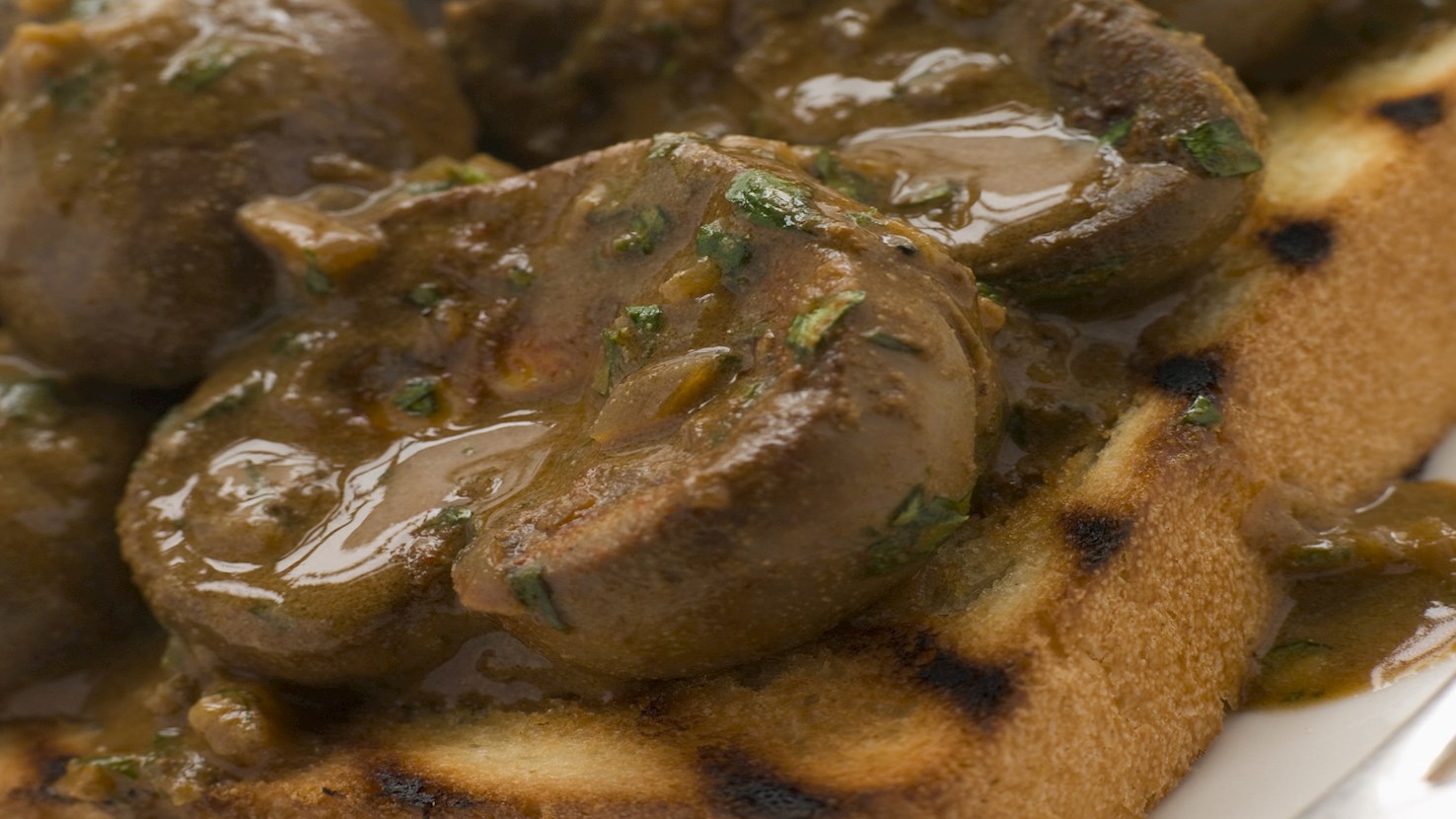
What was once a popular Victorian breakfast is nowadays a light lunch or a flavorful appetizer: the dish is called devilled kidneys, made by frying lamb kidneys in a rich, spicy sauce made with vinegar, mustard, Worcestershire sauce, a pinch of cayenne pepper, and sometimes a bit of fruit jelly. It is usually garnished with freshly chopped parsley and served with fried white or sourdough bread. The dish first appeared during the 18th century, but it grew in popularity during the 19th and the 20th century.
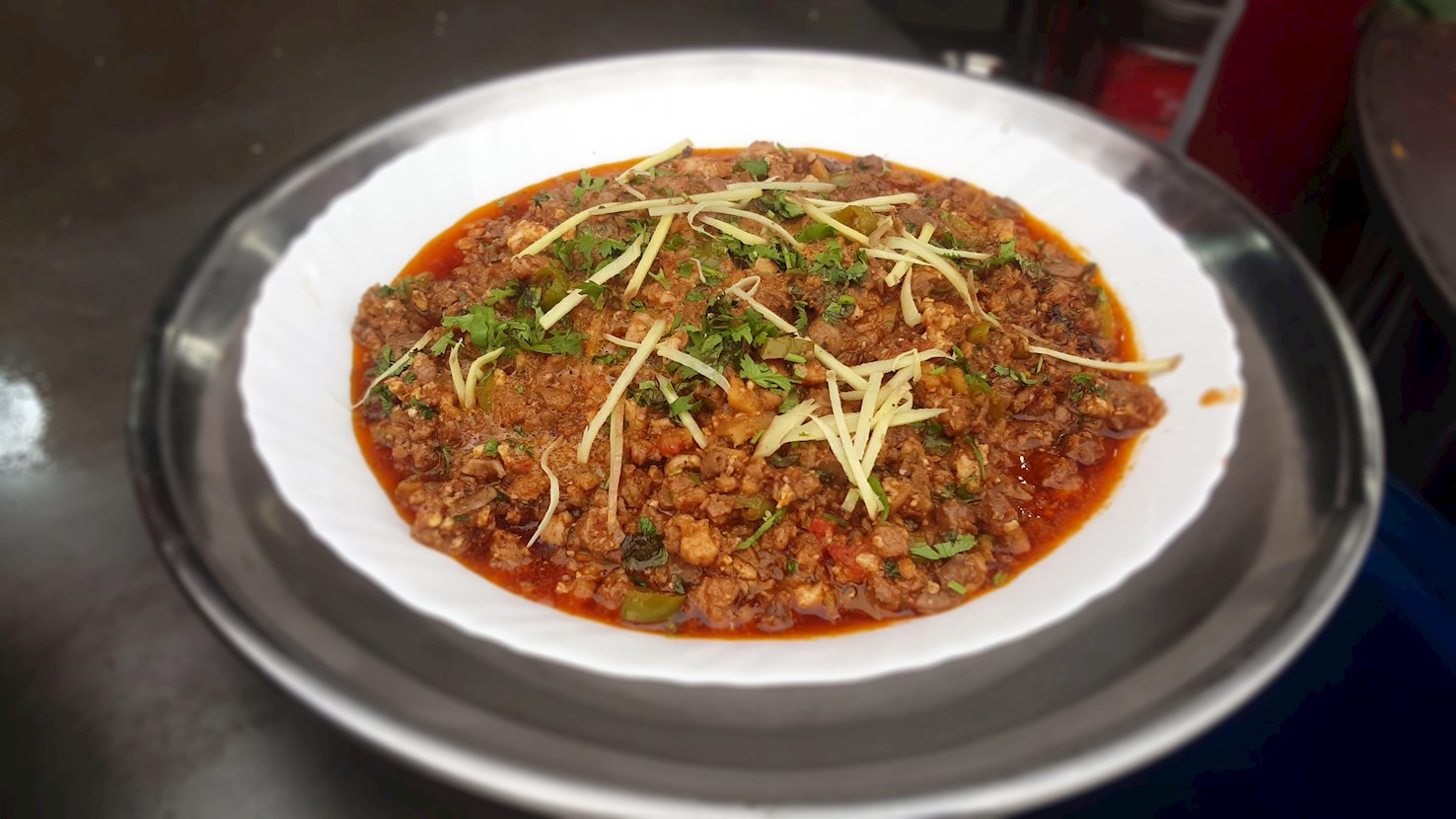
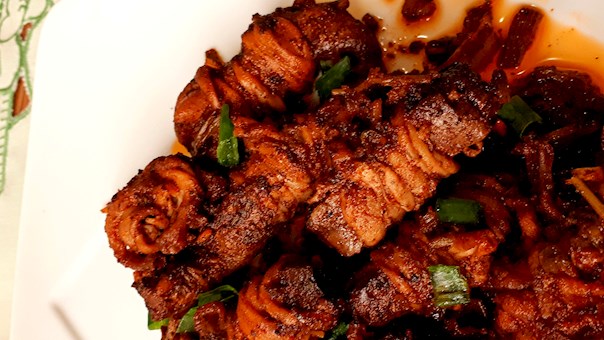
Originating from the Pakistani city of Karachi, kata-kat is a traditional dish made with a combination of different parts of meat, typically offal, such as kidneys, brain, testicles, hearts, liver, and lungs. The meat is combined with various spices such as coriander, ginger, mint, chilis, and garam masala, along with tomatoes, garlic, and onions. It is then cooked on a griddle and served with paratha or roti bread on the side.
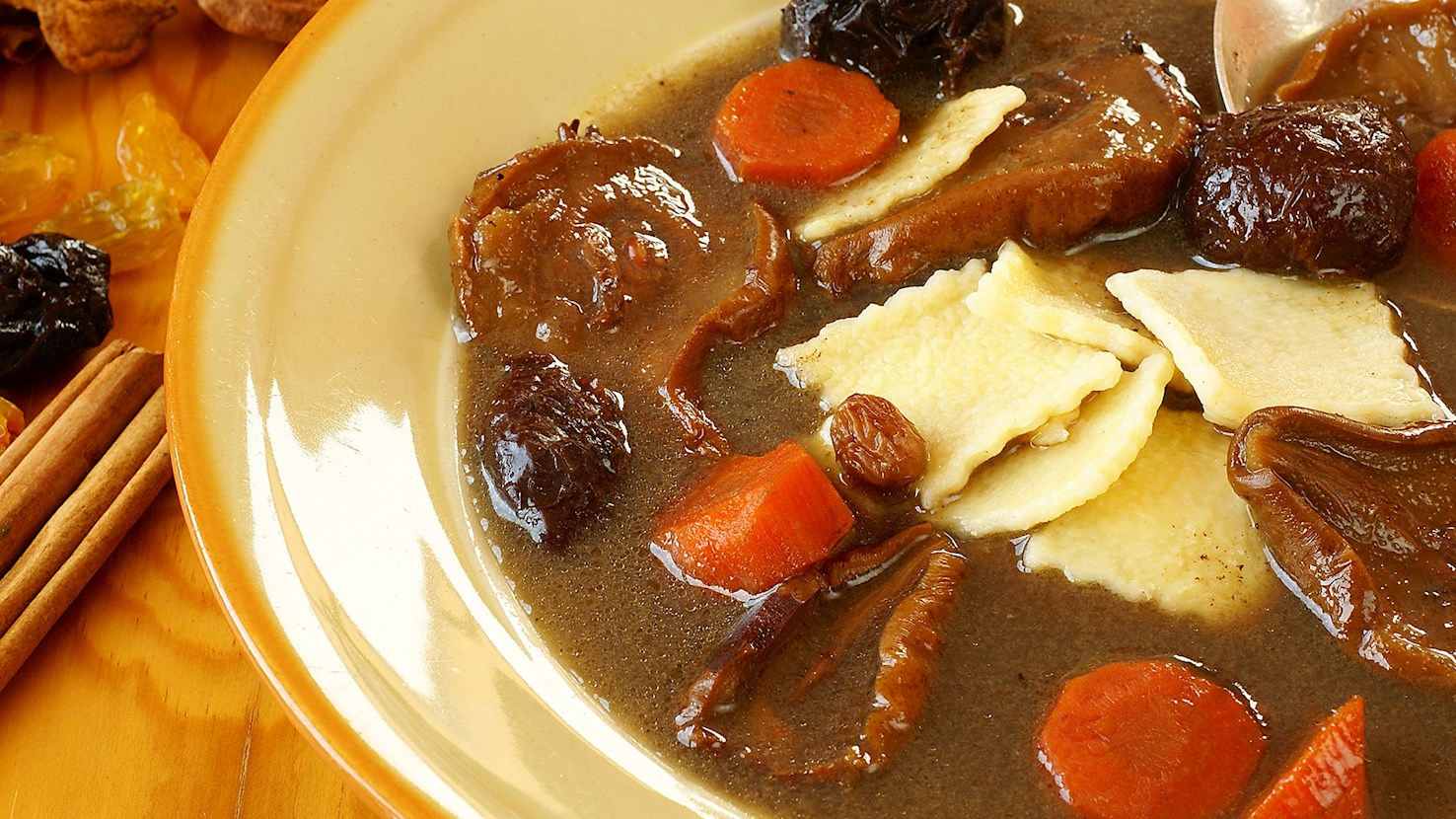
Czernina is a traditional soup prepared with duck or goose blood, which is preserved in vinegar so it would not coagulate. The soup is made with a flavorful duck broth, while the typical additions include dried fruits and a variety of spices such as cloves and allspice. The name of the soups stems from the word czarny, which translates as black and refers to the dark color of the soup. Even though some modern versions occasionally omit the blood and employ other types of meat, czernina should always be tangy, slightly sweet, and dark in color. This hearty soup is traditionally served with pasta or potato dumplings.
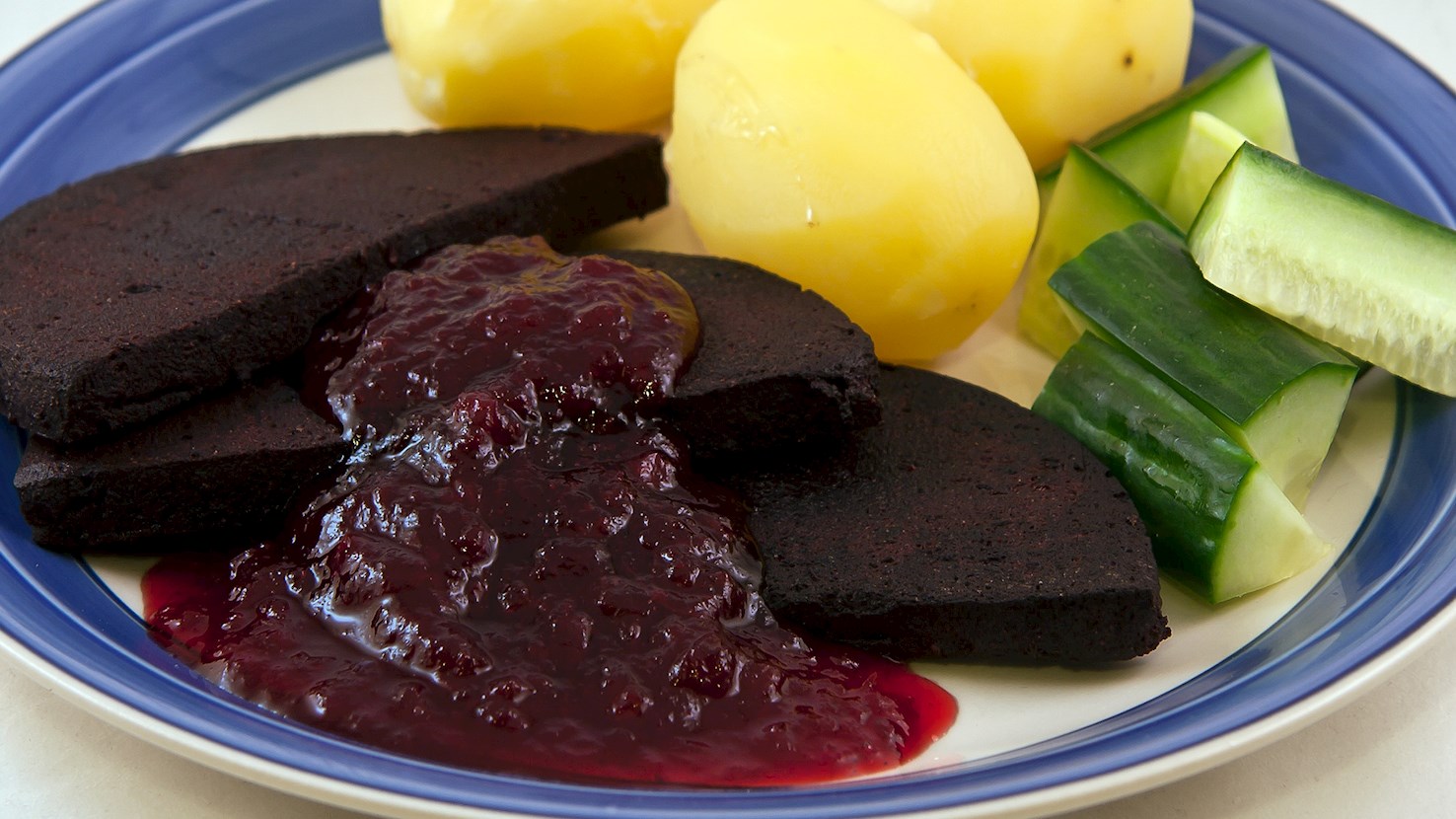
Blodpudding is one of traditional Swedish dishes made with animal blood. It is typically prepared with pig blood that is mixed with flour, beer or svagdricka, butter, and seasonings, then cooked in the oven. Once prepared, it is thinly sliced and fried with a little butter or oil until slightly crispy on the surface. The traditional way of serving it is with lingonberry jam, crispy bacon, and Swedish snaps. A variant of this dish is blodkorv (blood sausage), to which pork fat, raisins, and spices are added besides the usual ingredients. As intriguing as this dish might seem to a foreigner, blood pudding is a very popular and common food eaten for lunch or dinner in most Swedish households. In fact, the Swedes have not abandoned their habit of eating food made with animal blood since they consider this ingredient very nutritious and healthy. Children commonly have it at school, served with potato cakes (potatisbullar) and lingonberries. Premade blood pudding can be bought from any Swedish supermarket, making it a convenient and nutritious meal for students and busy individuals alike.
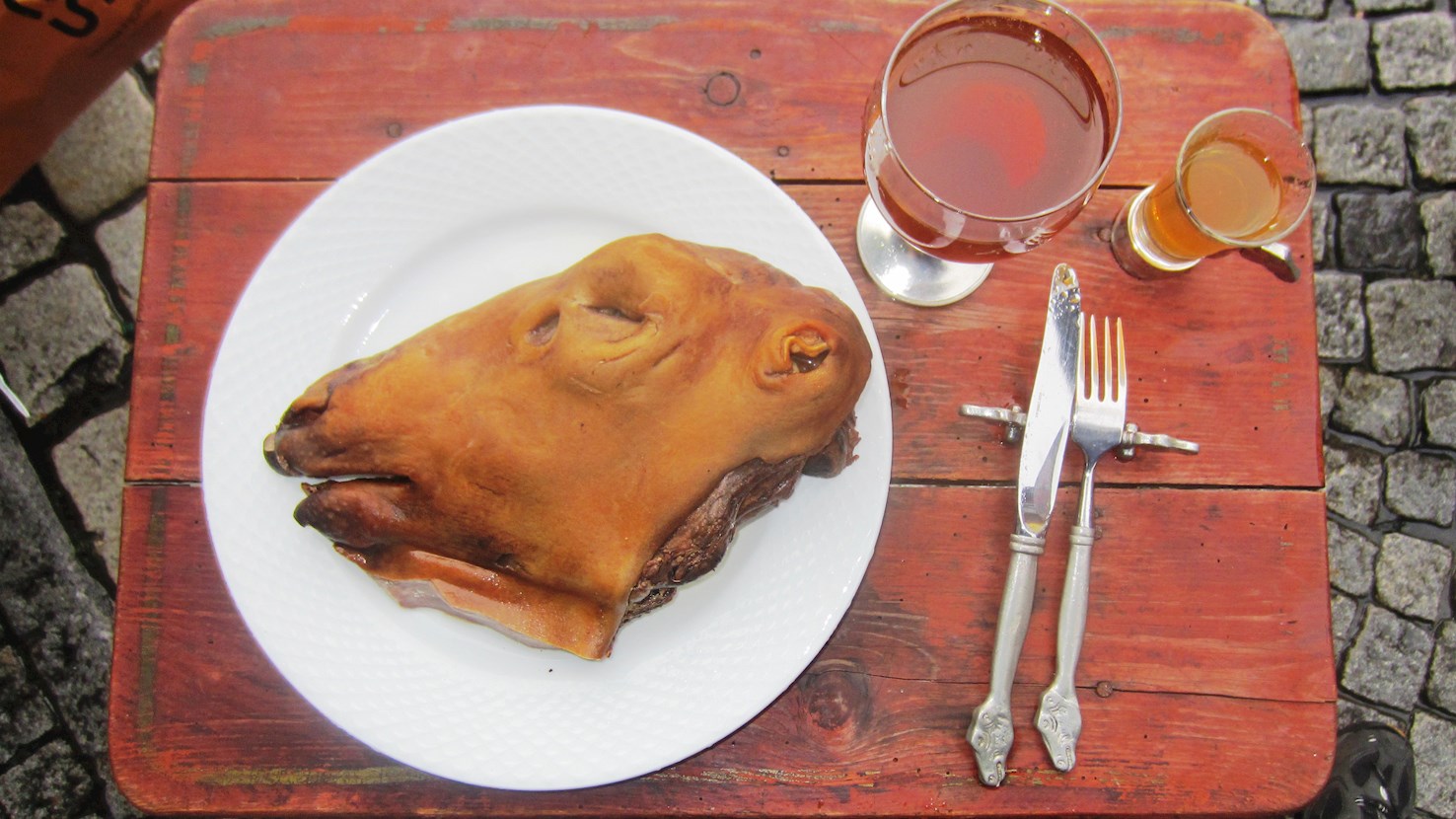
Smalahove is a traditional dish made with sheep's head as the main ingredient. The head is first left to soak in water for 24 hours. After the brine has been created (salt, sugar, saltpetre), the head is left to soak for another 24 hours, and it's then finally boiled. This delicacy is usually prepared and eaten on the Sunday before Christmas. It's most commonly served with a combination of mashed rutabaga and potatoes, white pepper, nutmeg, butter, and cream. Smalahove dates back to the times when food was scarce, but today it's a festive specialty. Serve it with a glass of strong beer or Akvavit, a Scandinavian schnapps-like spirit.
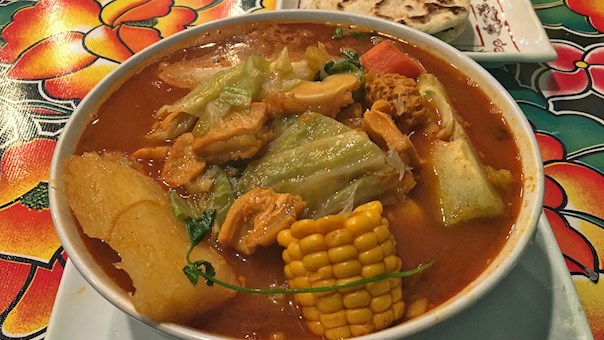
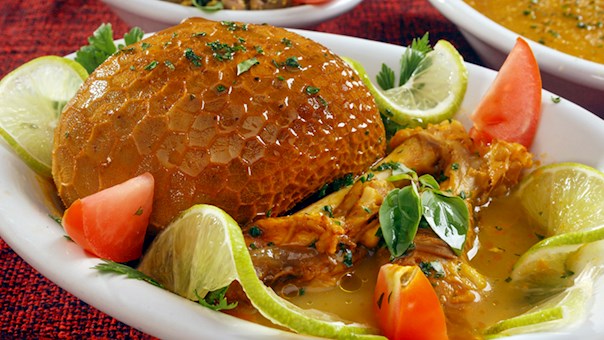
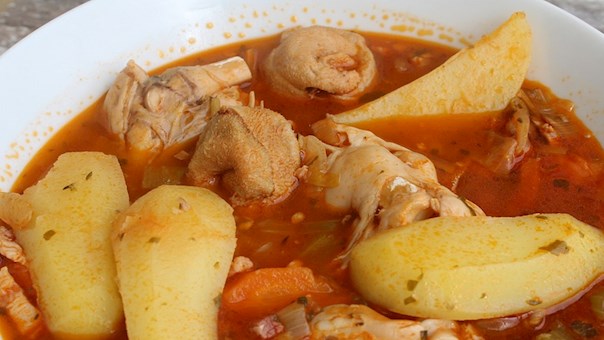
Caldo de cardán is a Bolivian soup prepared with bull's penis as the key ingredient. The soup needs to be cooked for a very long time over low flames, but the results are magnificent, and locals consider it an aphrodisiac and a great hangover cure. The soup is enriched with ingredients such as beef, beef tendon, lamb ribs, chicken breasts, potatoes, rice, hard-boiled eggs, and Bolivian beef jerky. The resulting broth is sharp and opaque, accentuated with a hint of cream or llajua – a spicy sauce made with tomatoes, onions, and chili peppers. Caldo de cardán is always served piping hot and it is especially popular on weekends, due to its long cooking time.
TasteAtlas food rankings are based on the ratings of the TasteAtlas audience, with a series of mechanisms that recognize real users and that ignore bot,
nationalist or local patriotic ratings, and give additional value to the ratings of users that the system recognizes as knowledgeable.
For the “100 Worst Rated Offal Dishes in the World” list until July 16, 2026, 10,073 ratings were recorded, of which 5,523 were recognized by the system as legitimate.
TasteAtlas Rankings should not be seen as the final global conclusion about food. Their purpose is to promote excellent local foods,
instill pride in traditional dishes, and arouse curiosity about dishes you haven’t tried.










What People Say