

3 Worst Rated Greek Oils and Animal Fats

Last updated on June 16, 2026
01

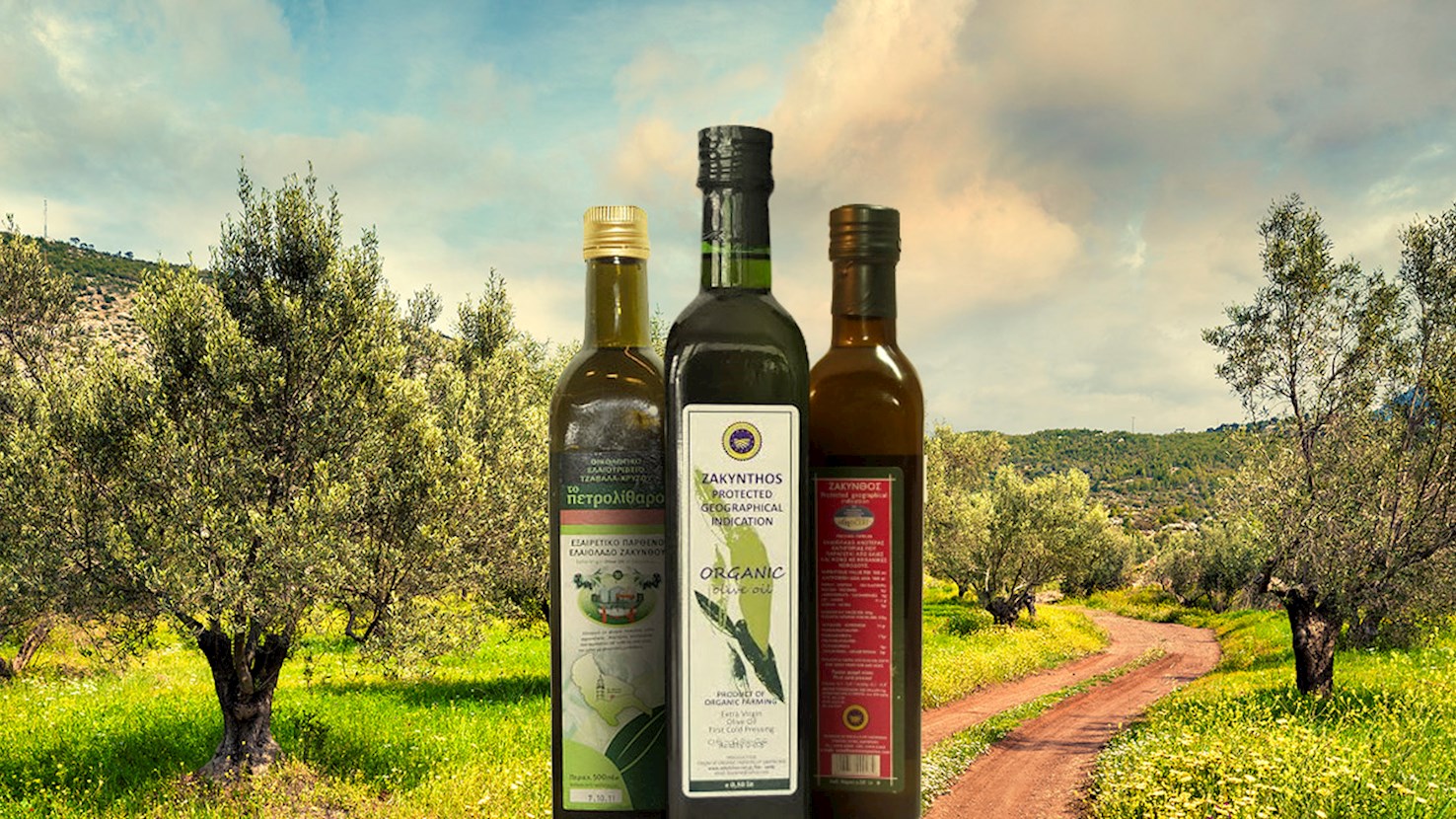
Zakynthos

3.8 ·

Zakynthos or Zante, a Greek island in the Ionian Sea, is one of the few places in the world where the number of olive trees has doubled in recent years. A significant portion of the local income is derived exclusively from the sale of the island's olive oil, which is of excellent quality due to the island's excellent weather and soil quality. Local families and workers usually harvest the olives around November and work hard to preserve the oil's organoleptic characteristics by using traditional or centrifugal olive mills to pressing and processing it. Zakynthos is an extra virgin olive oil made from the Koroneiki and Dopia Lianolia varieties of olive that are cultivated on the island. This oil is a deep green color and has a robust, fruity flavor. It is also made in a limited edition from the best hand-picked unripe olives. Due to its fantastic taste, Zakynthian olive oil is quite popular in Greece and abroad.

02

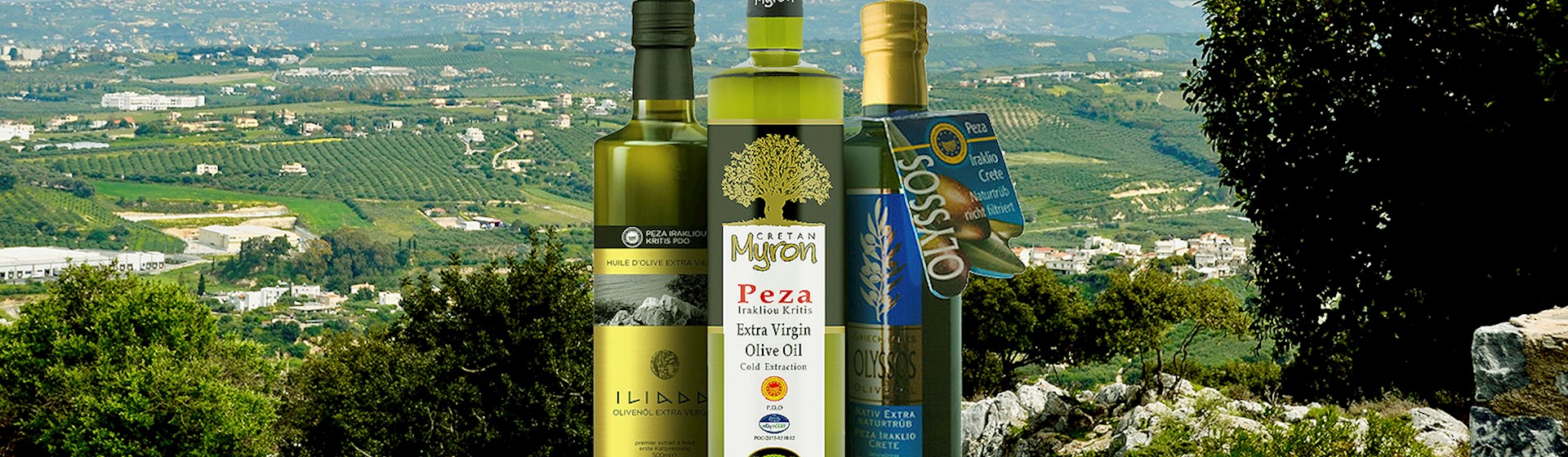
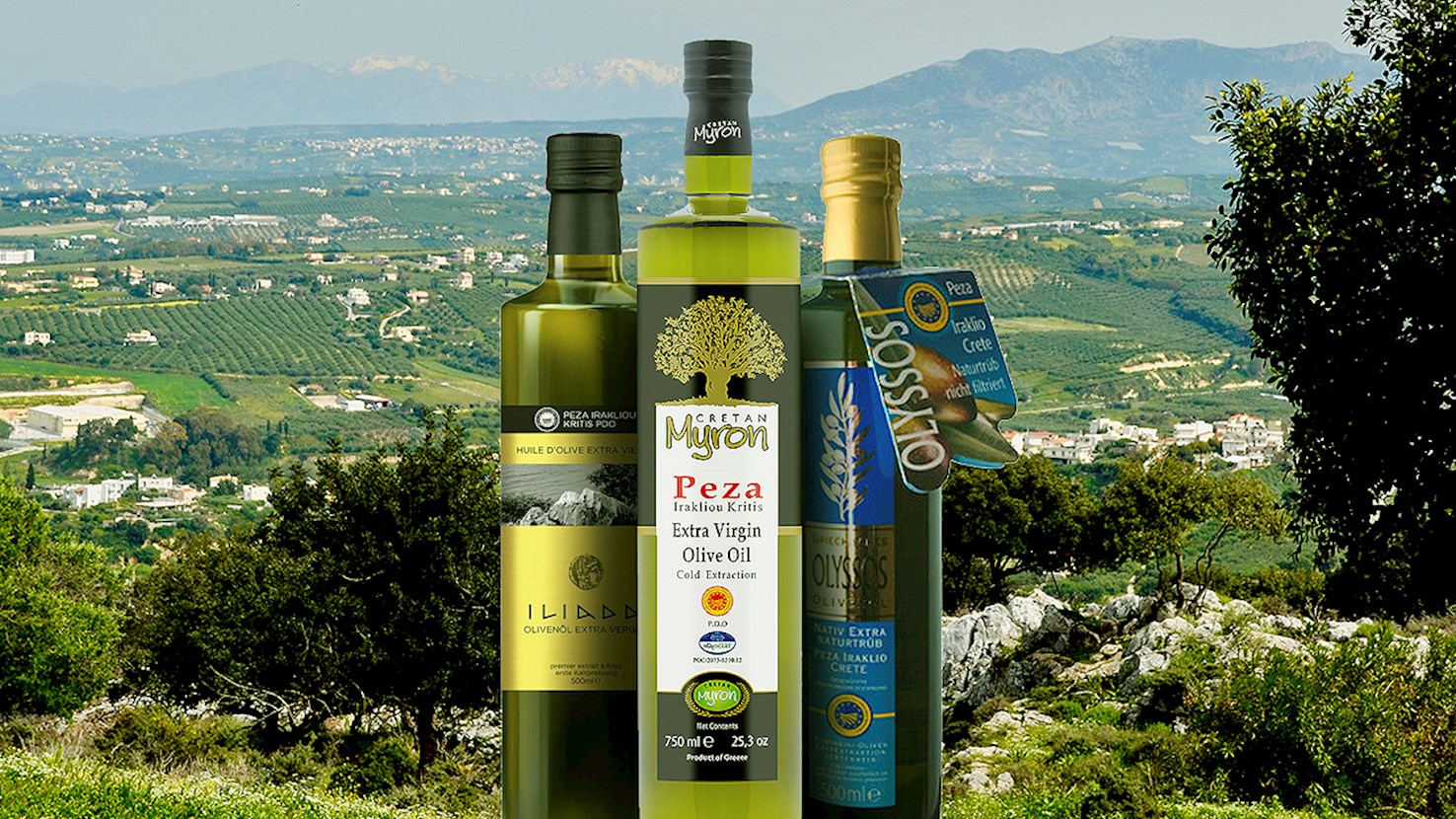
Peza Irakliou Kritis

3.9 ·

This extra virgin olive oil is obtained from Koroneiki olives grown in the area surrounding the city of Heraklion on the island of Crete. The olives are harvested when the fruit is ripe, and the trees are either beaten with small wooden sticks or shaken with machines to free the olives from their stems. The harvested olives are cleaned and processed the same day in classic or centrifuging mills. The pressing is monitored in order to keep the temperature low and preserve Peza Irakliou Kritis's exceptional organoleptic properties. This oil has a golden-green color and its flavor is best described as piquant and fruity.

03

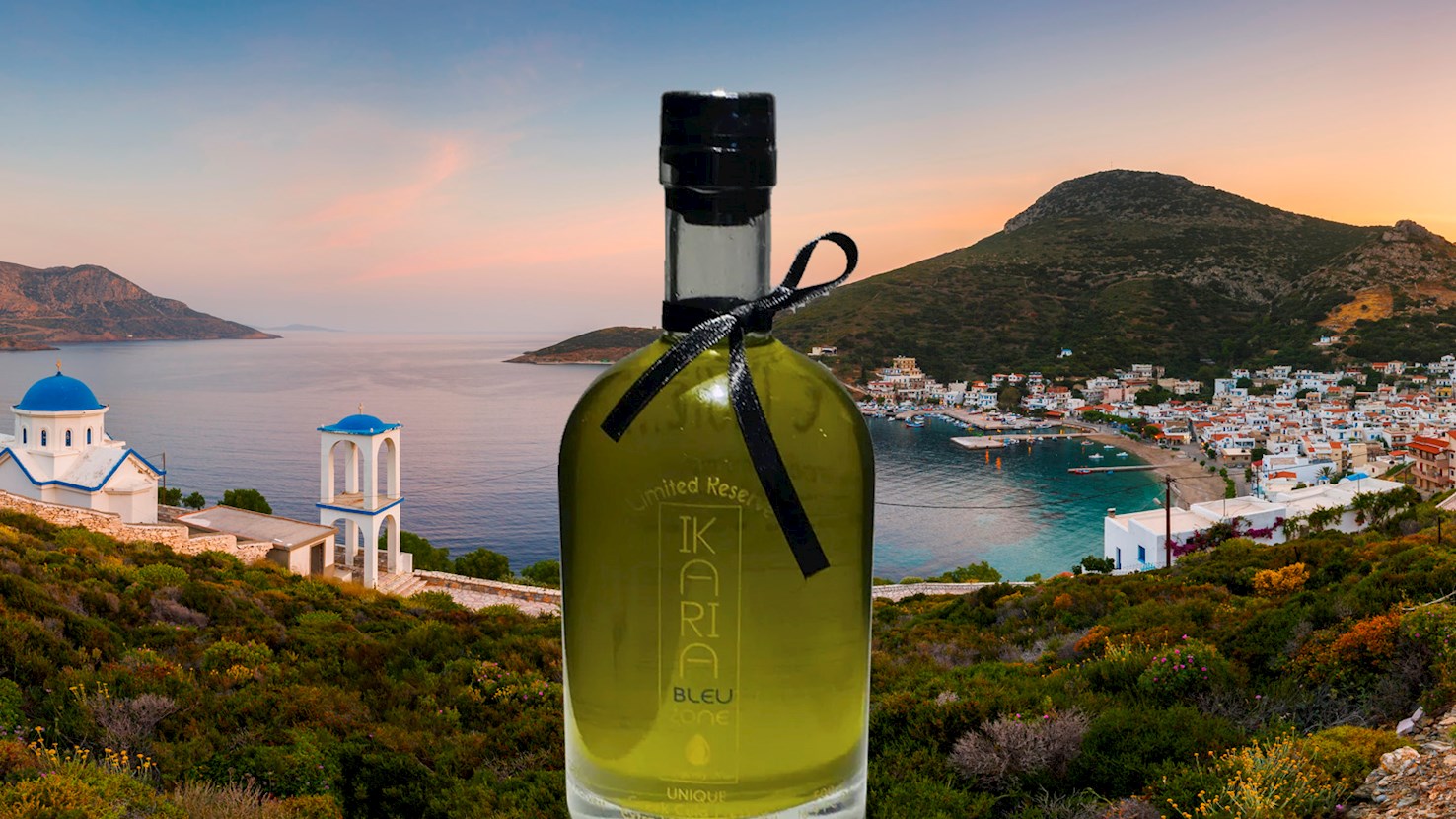
Ikariotiko elaiolado

3.9 ·

One of the culinary delights of the Greek island of Ikaria is the island's olive oil. Unlike most Greek olive oils which use the koroneiki olive variety, this one is made from a local variety of olives known as hondroelia or fat olives. The olive oil season typically begins at the end of October and lasts until February, and all of the olives that are being harvested for oil production come from family-owned olive groves. Traditionally, people carry their olive harvests to the local olive press in the village of Chrysostomos, which is considered the island's main area of olive growing and olive oil production. With a recognizable color, somewhere between dark green and yellow, Ikarian olive oil is distinguished by a slightly heavier and denser flavor, and has a more solid consistency than the ones produced from koroneiki olives. The oil's flavor depends on the olives' ripeness, and it usually ranges from fruity, peppery, and pungent when the olives are unripe, to slightly more acidic when they're ripe. Olive oil is at the core of the Ikarian people's diet, and it is used in nearly every dish, be it sweet or savory. The oil is mostly consumed unheated, which allows it to retain its beneficial properties. Ikarian olive oil is produced only for local consumption, and its abundant use is often associated with the remarkable longevity of Ikarian people.

Read more
View all
View map
About this ranking

TasteAtlas food rankings are based on the ratings of the TasteAtlas audience, with a series of mechanisms that recognize real users and that ignore bot, nationalist or local patriotic ratings, and give additional value to the ratings of users that the system recognizes as knowledgeable. For the “3 Worst Rated Greek Oils and Animal Fats” list until June 16, 2026, 1,412 ratings were recorded, of which 522 were recognized by the system as legitimate. TasteAtlas Rankings should not be seen as the final global conclusion about food. Their purpose is to promote excellent local foods, instill pride in traditional dishes, and arouse curiosity about dishes you haven’t tried.

Similar lists