

shutterstock

51 Worst Rated Pancakes
in the World

Last updated on June 16, 2026
01

Blodplättar

1.8 ·

Blood pancakes are enjoyed throughout Sweden, Finland, and Norway. They are prepared with a regular pancake batter that is elevated with the addition of animal blood. Whether they are formed as thinner, crêpe-like pancakes or as smaller, chewier types, the pancakes will always develop a typical dark-brown hue. They are often enriched with onions and spices, and come topped with fresh lingonberries or lingonberry jam. Blood pancakes are sold as a ready-made product across Finland and Sweden.

02

Milcao

1.9 ·

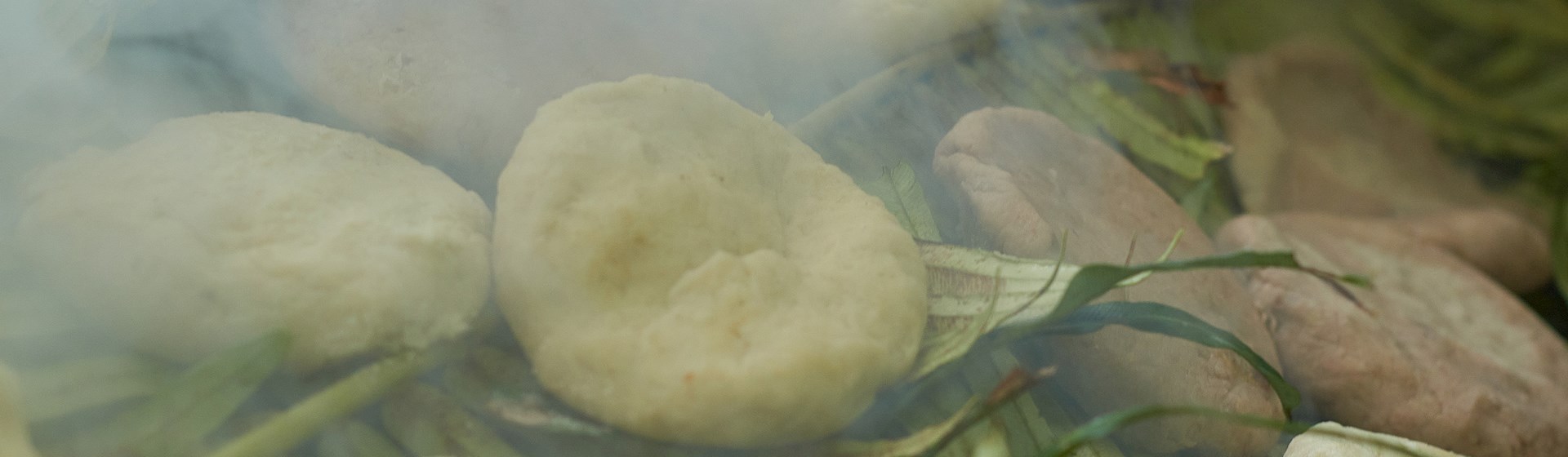
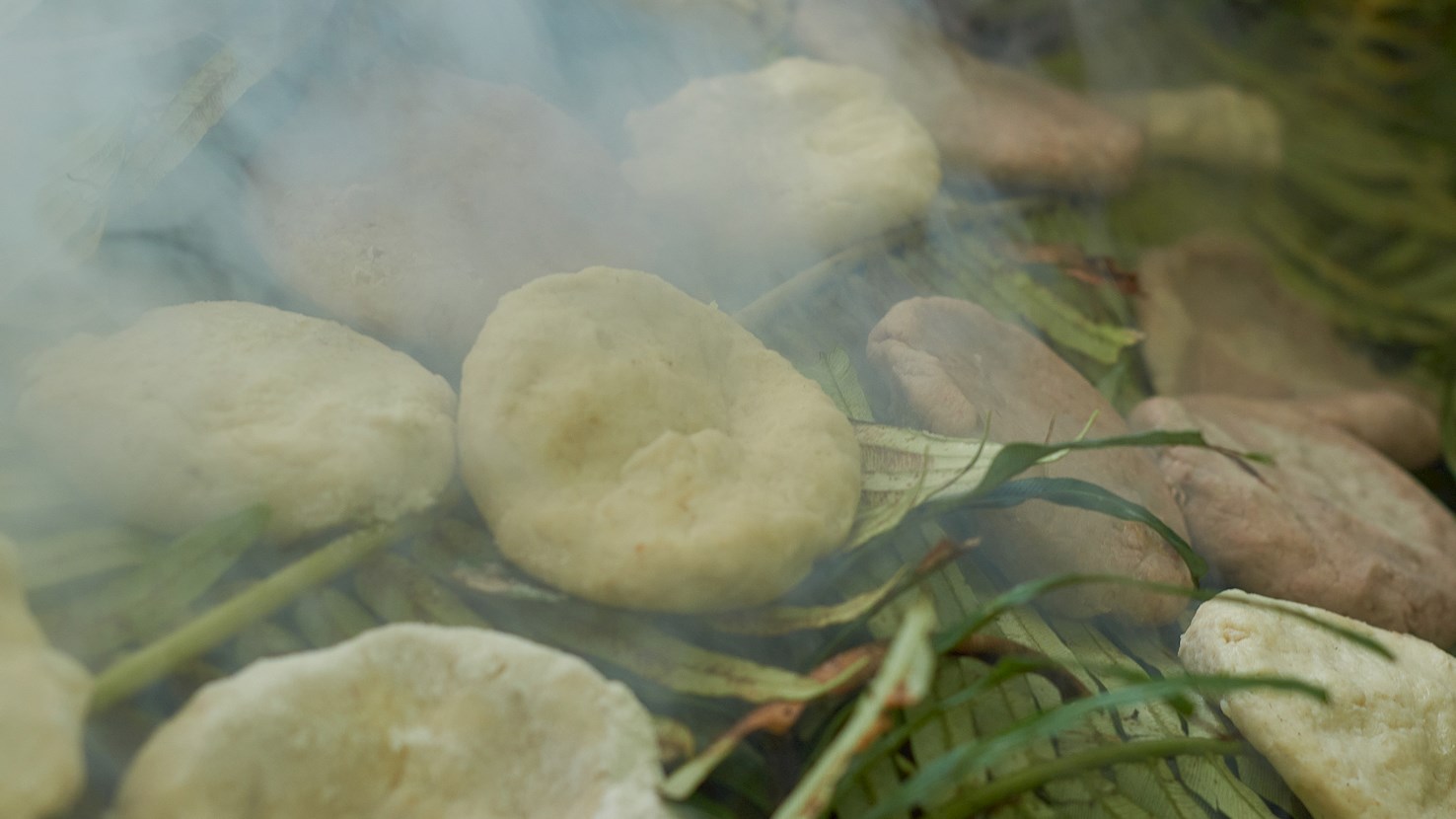
Milcao is a traditional dish originating from the Chiloé Archipelago. It consists of grated potatoes, mashed potatoes, and usually lard and seasonings, resulting in a type of potato pancake. Traditionally, only Chilotan potatoes should be used in the preparation of milcao. These potato pancakes are used as an important part of dishes reitimiento and curanto. Nowadays, there are many variations of milcaos – fried, oven-baked, steamed, boiled, sweetened, or enriched with chicharrones.

03

Ficelle picarde

2.5 ·

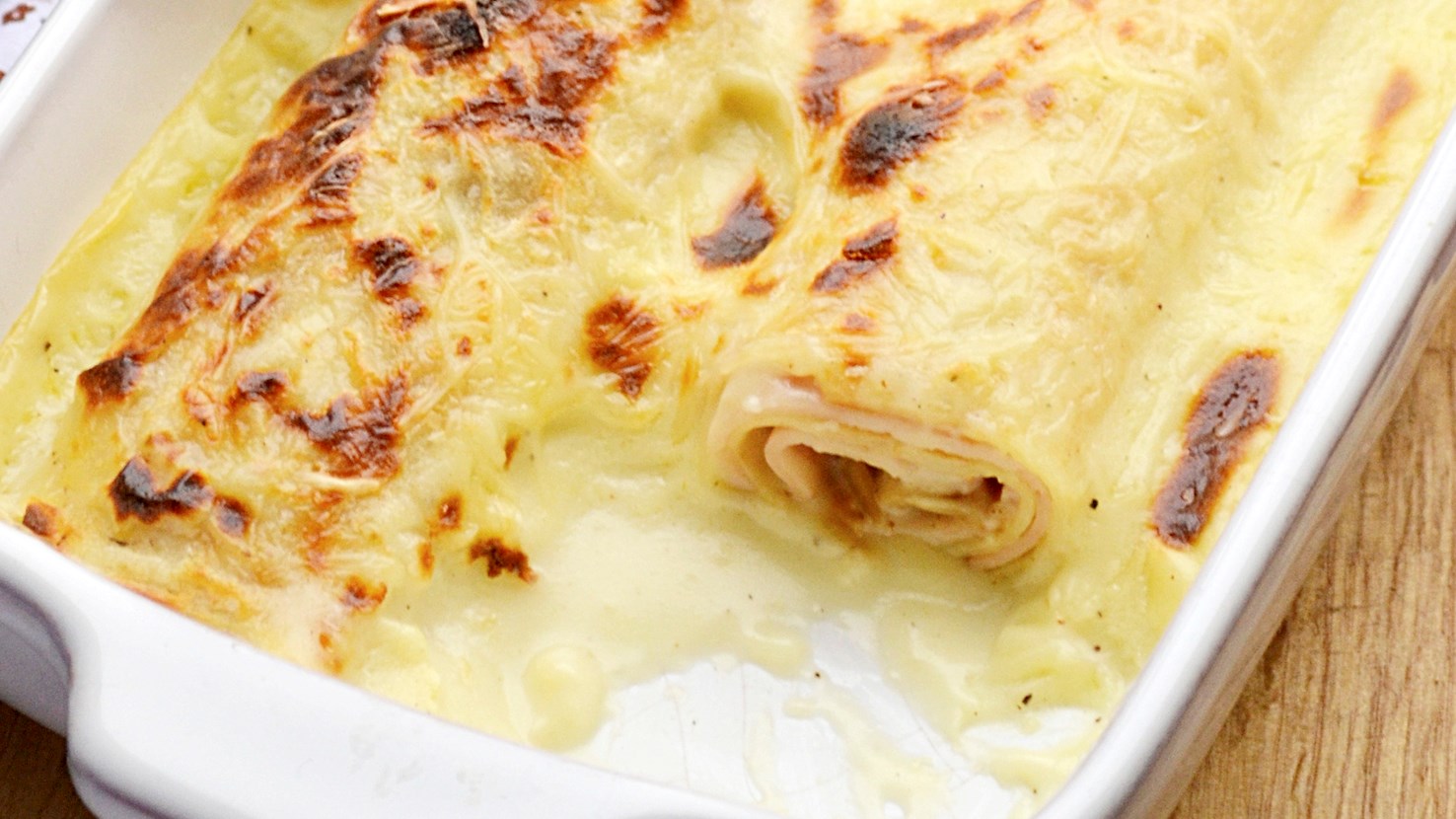
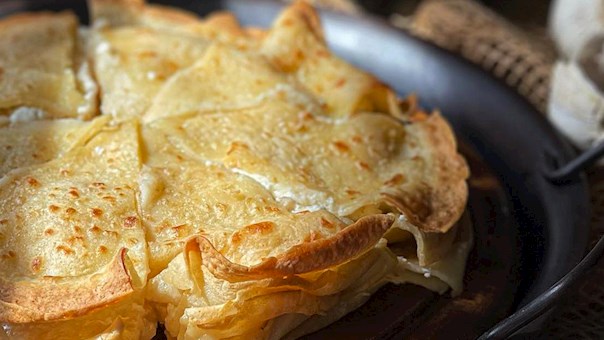
Ficelle picarde or Picardy string is a traditional dish from the French region of Picardy, a simple and easy entrée that can be found on the menus of numerous restaurants across northern France. The dish consists of a savory pancake that is filled with ham, cheese, and mushrooms. The pancake is often topped with grated cheese, and it is sometimes baked in the oven. Although it is a representative of the Picardy region, it was actually invented in the city of Amiens in the 1950s, when it was served to notable locals attending the Hotoie Exhibition. Amiens' leading chefs had to invent new, imaginative dishes for the event, and as a result, a chef named Marcel Lefévre created the ficelle picarde.

04

Khanom Tokyo

2.8 ·

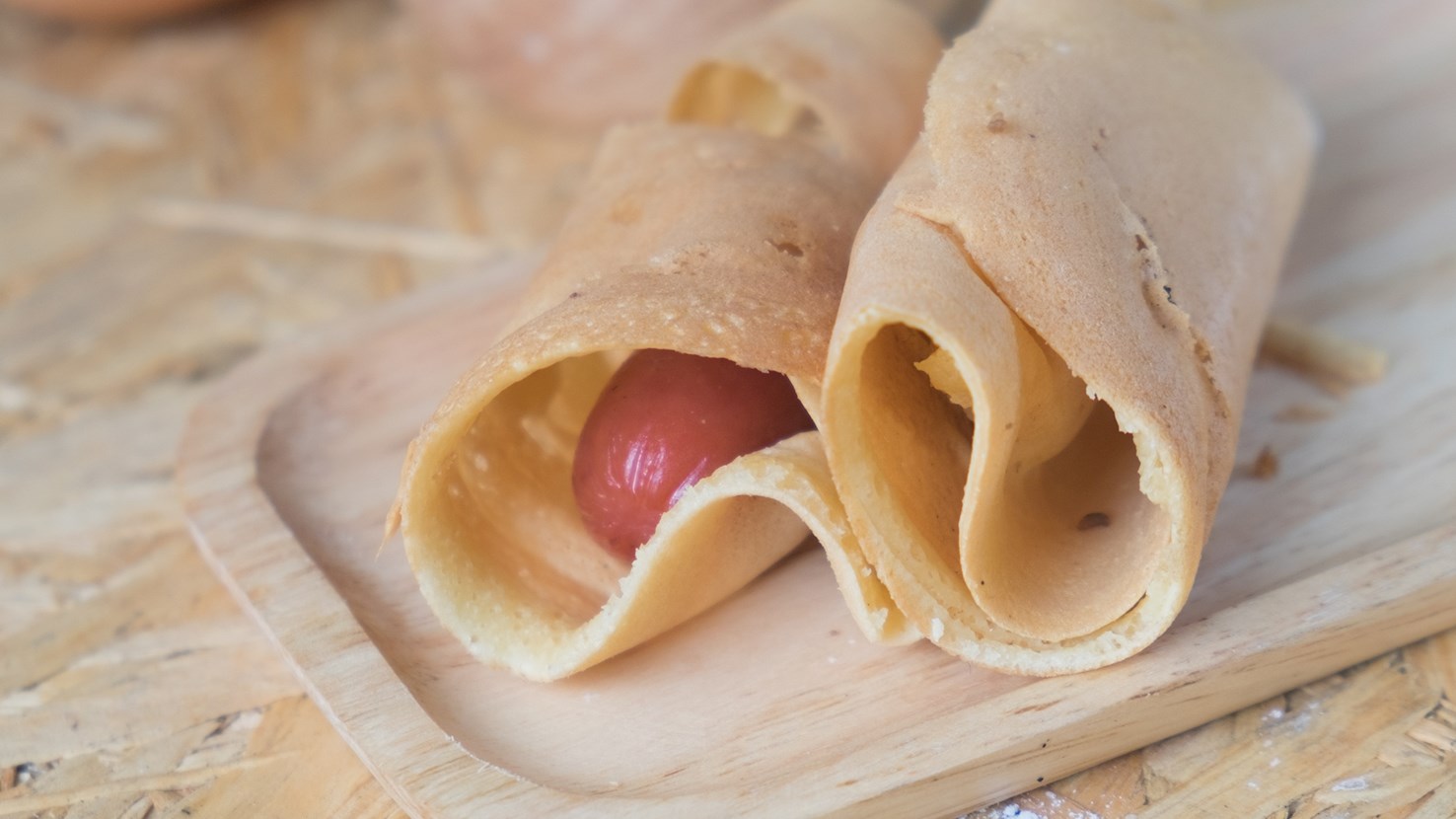
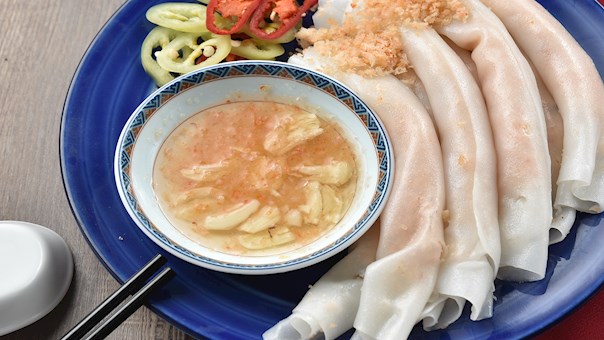
Even though it has Tokyo in its name, this pancake variety is an authentic Thai invention that is prepared with leavened egg batter. The fillings may include sweet options such as various creamy spreads and custards or savory ingredients such as sausages, quail eggs, or ground pork. The dish is usually made at street stalls, and the pancakes are typically small in size and served rolled. There's also a version called the phiset, which means special, and it consists of a larger crêpe that's filled with crumbled sausage, beaten eggs, Maggi seasoning sauce, and powdered white pepper. The origin of khanom Tokyo is often associated with Thai-Daimaru department store in Bangkok, and the dish is said to be a variation of dorayaki, a Japanese pancake that's stuffed with red bean paste.

05

Pan bati

2.8 ·

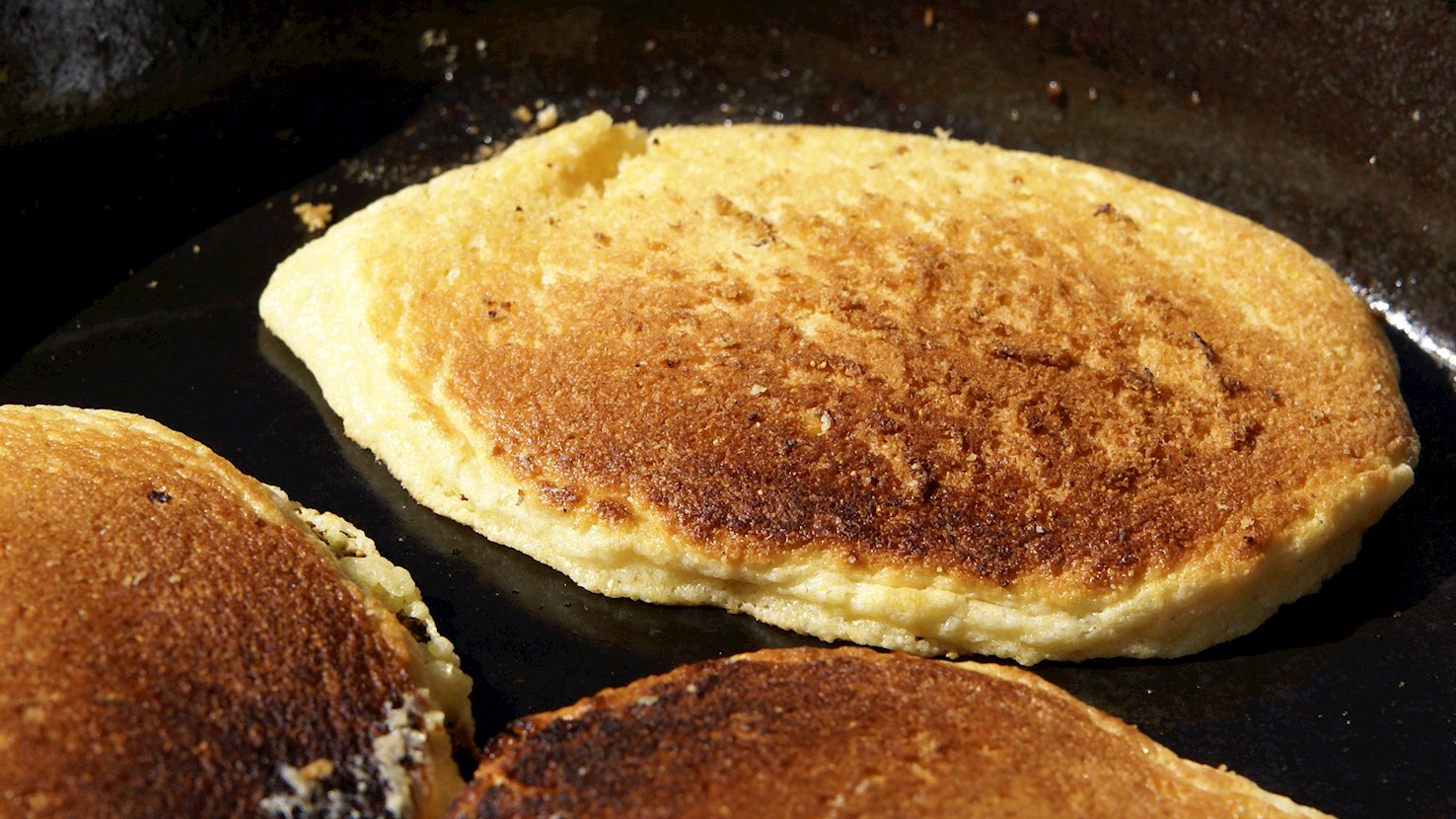
Pan bati is a lightly sweetened cornmeal and flour pancake from Aruba. It is a staple side dish accompanying many Aruban meals. The name of the dish, pan bati, means beaten bread, referring to its flat shape. Although it is most commonly consumed as a breakfast side dish, it can also be prepared in a sweet version with sugar and various sweet fillings. It is said that the biggest influence in the invention of pan bati came from the Creole culture, even though it is not known exactly who first created this popular pancake.

06

Fläskpannkaka

2.9 ·

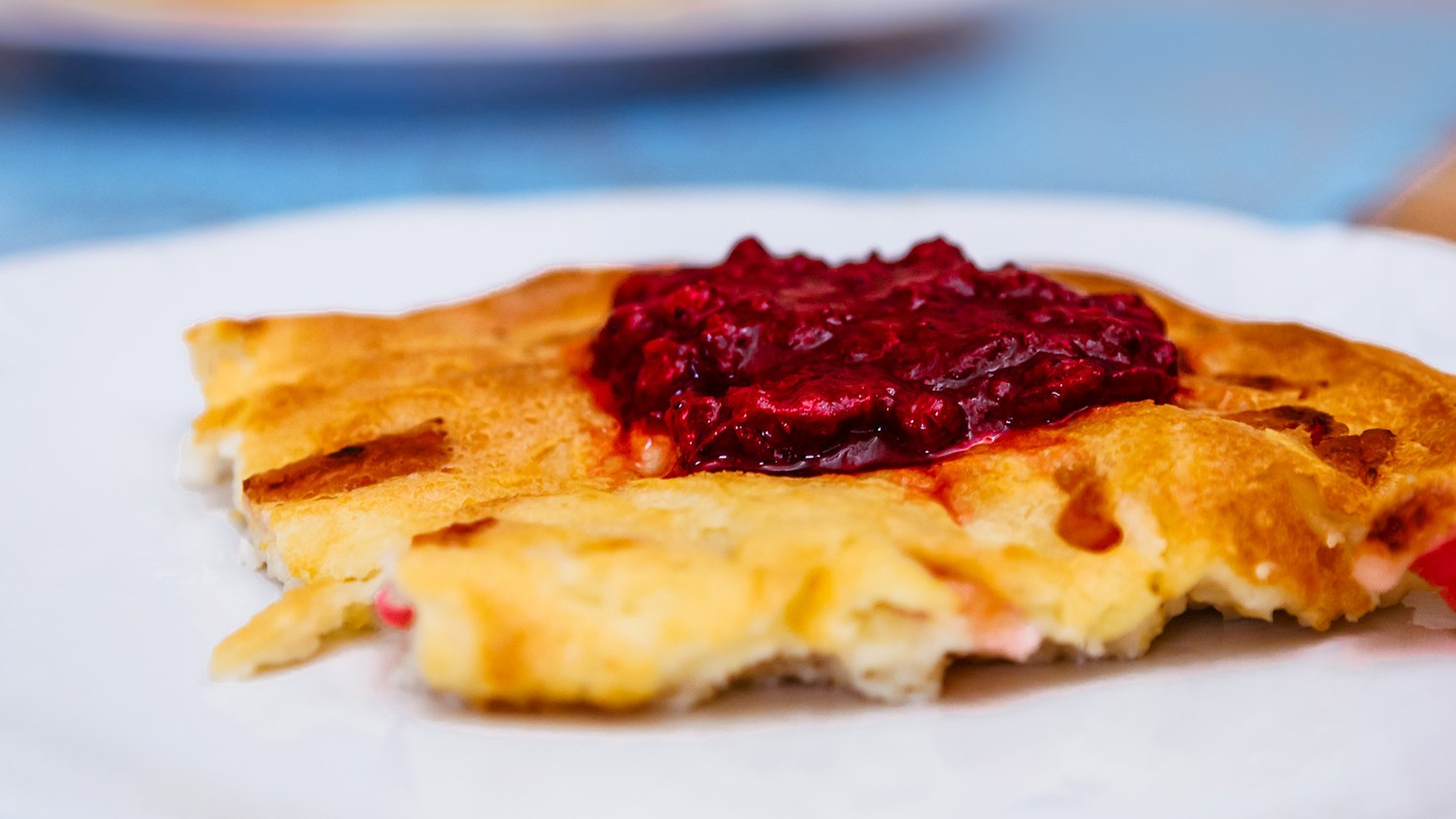
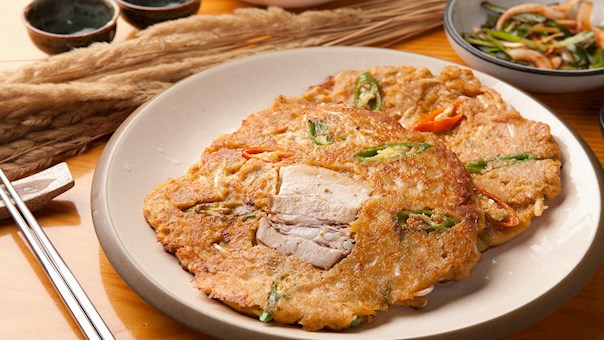
A beloved Swedish classic called fläskpannkaka is a thick and fluffy pork pancake. The pancake batter is made with flour, eggs, milk, salt, and butter. It is evenly distributed over crispy pork or bacon in a pan, then baked until golden. This scrumptious pancake is traditionally served drizzled with lingonberry jam and accompanied by shredded carrots or cabbage. In Sweden, it is usually served as a main dish.

07

Hwajeon

3 ·

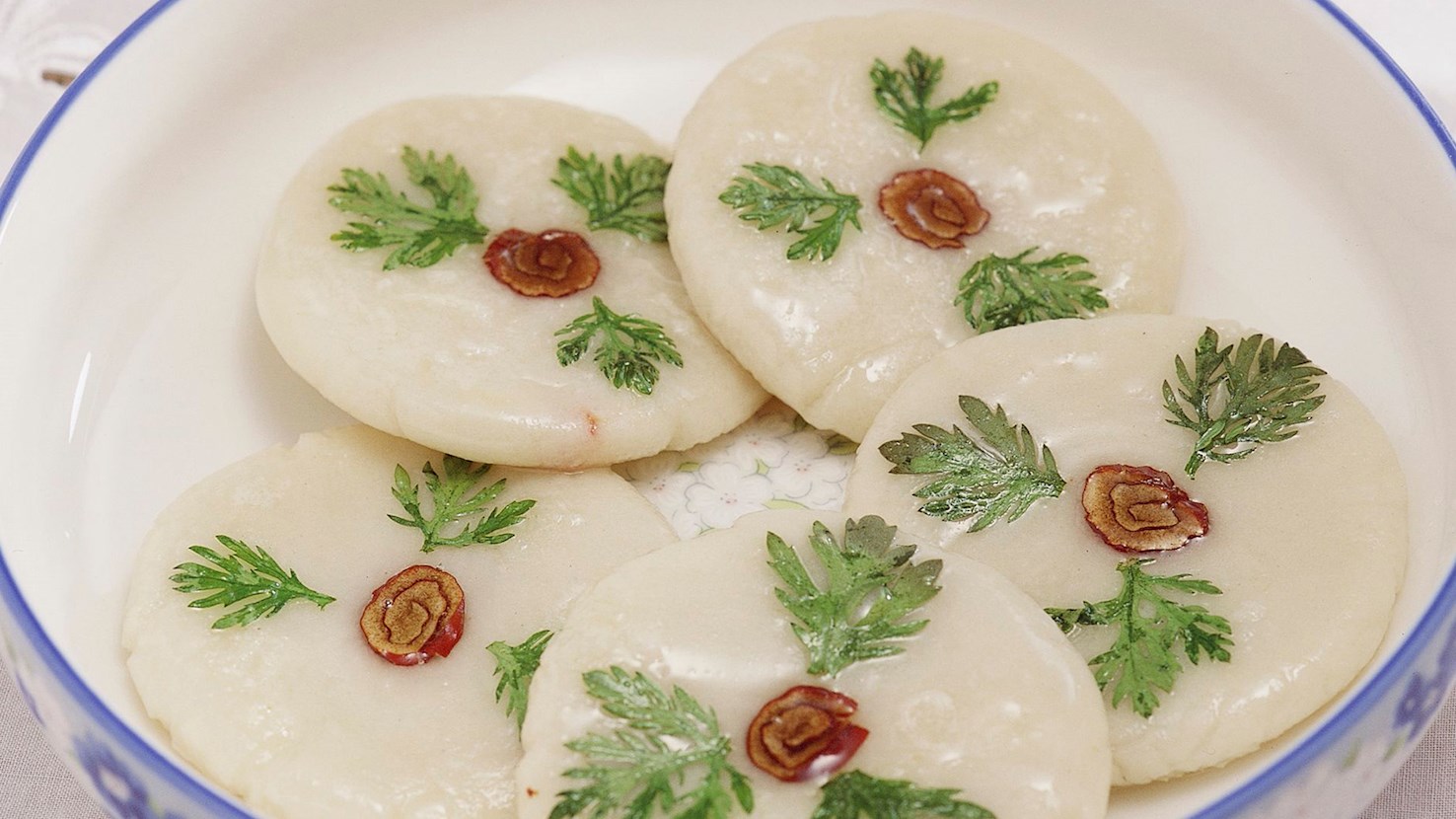
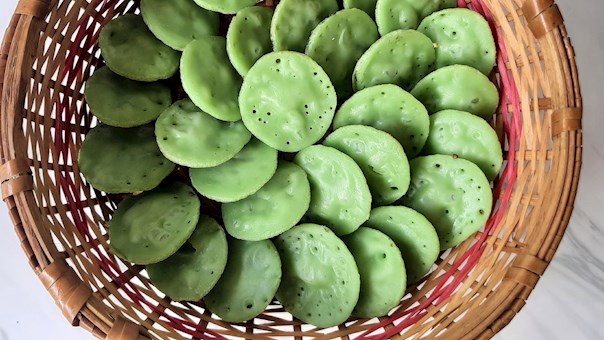
Hwajeon is a unique South Korean rice pancake topped with edible flowers. It is traditionally prepared in spring with either Korean azaleas, pear blossoms, rose petals, or wild chrysanthemums. It is believed that hwajeon has origins in the Koryo Dynasty, when it was consumed at a traditional picnic called Hwajeon Nori. The women used to make hwajeon and socialize, dance, or write poetry at the picnic. The name of this sweet dish means flower cake in Sino-Korean, and along with being a flavorful treat, hwajeon can also be considered a true work of art.

08

Pitha

3.1 ·

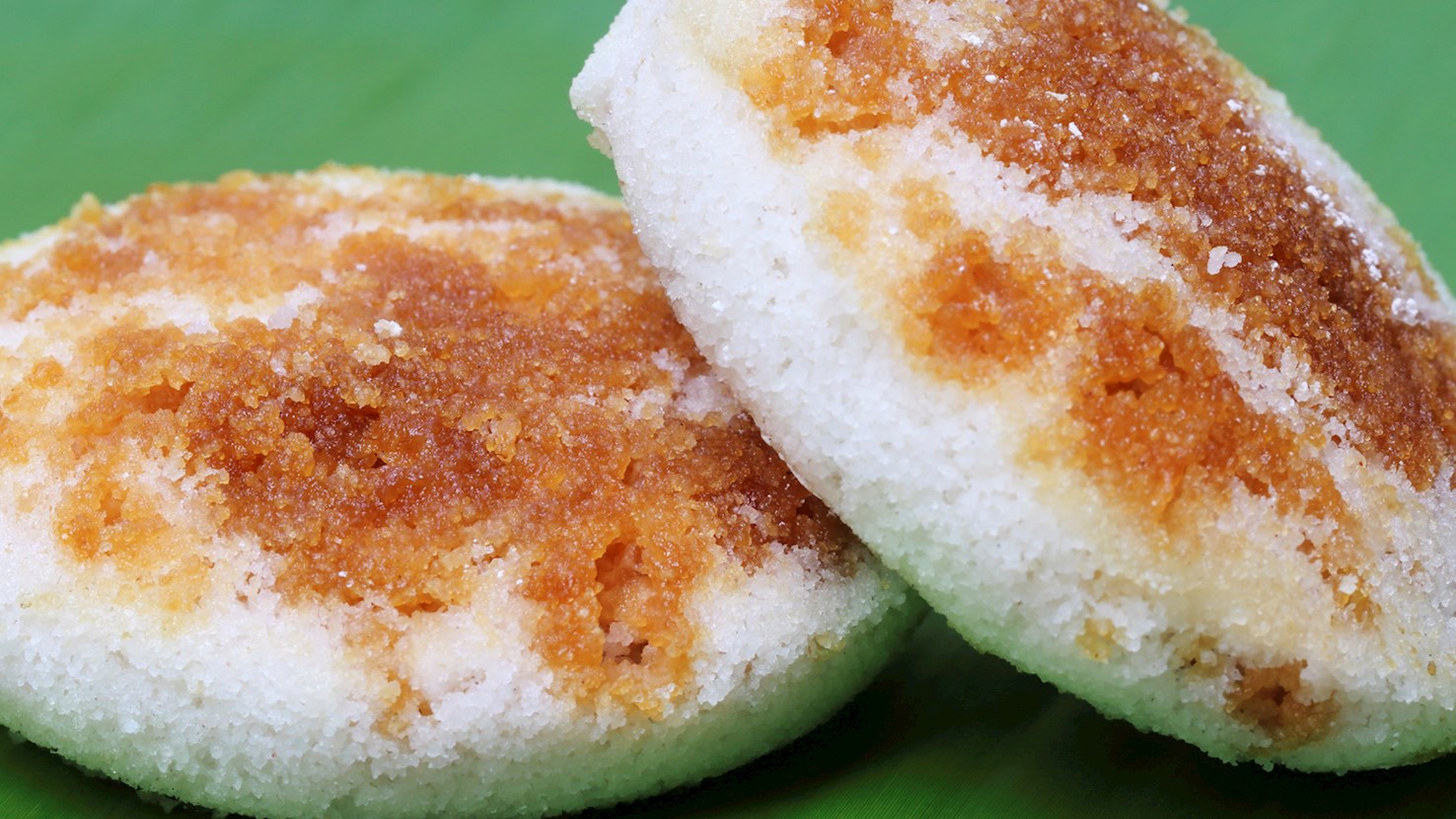
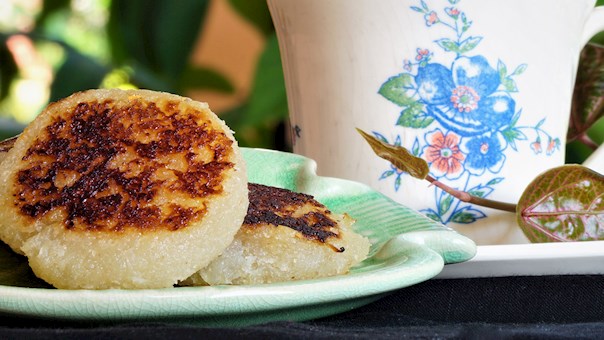
Pitha is a large group of bread and cakes that are popular throughout Bangladesh and India. The most common base for pitha is rice flour, although wheat or corn flour can also be used. Most varieties of pitha are prepared as small cookies or dumplings that are filled with spices, nuts, or different vegetables, in either sweet or savory versions. The simplest versions of pitha are filled with jaggery and coconut, while the more complex ones usually include cheese, lentils, and vegetables in the filling. In Bangladesh, pithas are usually reserved for special occasions - family celebrations, weddings, and harvest festivals such as Nabanna and Poush Parban. They are also often consumed as an afternoon snack, paired with a cup of tea.

09

Rava dosa

3.2 ·

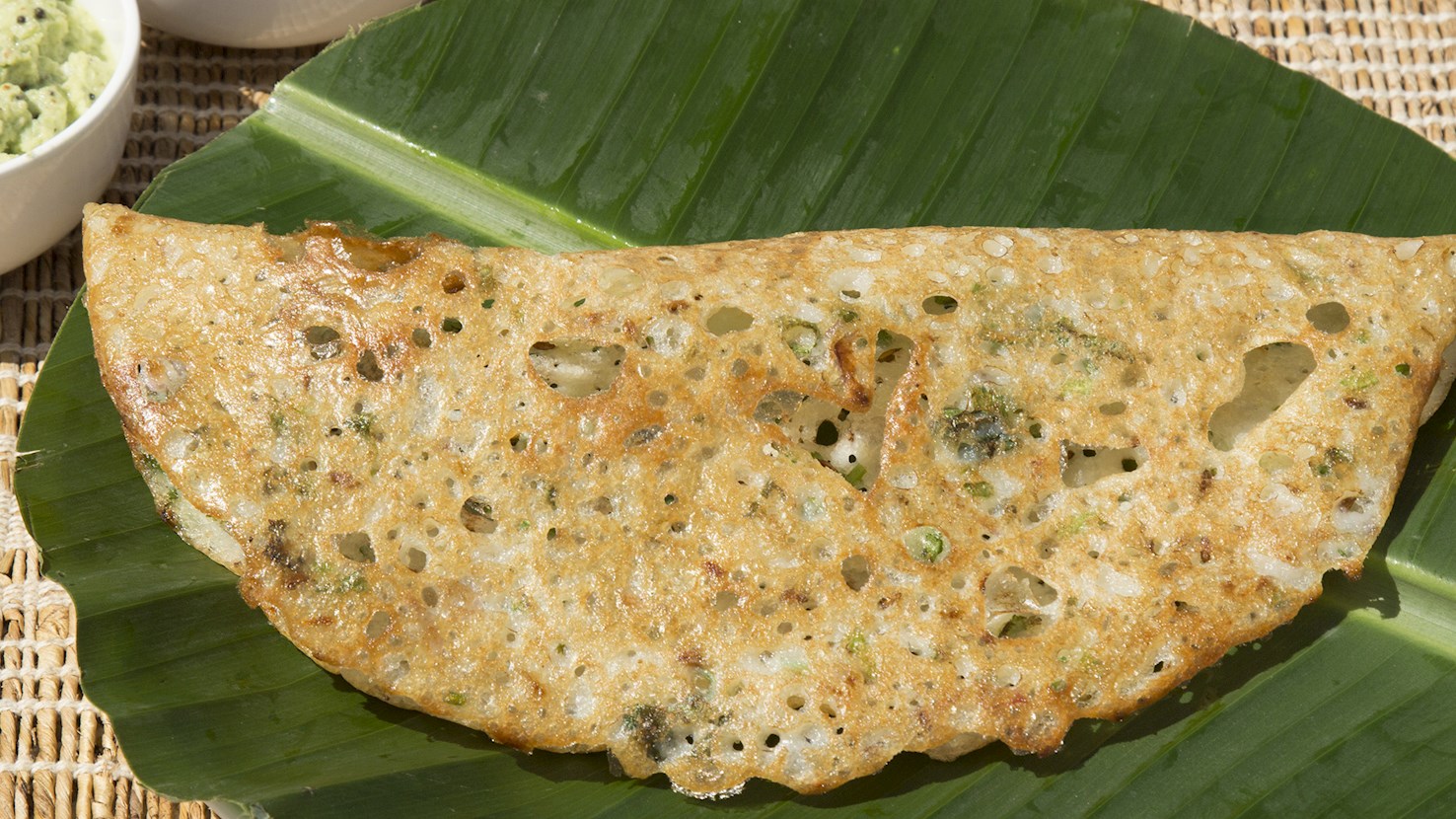
Rava dosa is one of the most popular variations of dosa - the South Indian pancake. Rava denotes the semolina batter used to make this variety of dosa and it can be identified by its crisp and netted texture. The only consistent factor in a rava dosa is the pancake, as the fillings vary in different regions. More than a dozen different fillings can be found within a single city. The most preferred rava dosa filling are semi-fried onions, served with a choice of coconut chutney and sambar. Dosa has been a breakfast choice in South India for more than 2000 years and has evolved as a readily available meal choice for the entire Indian subcontinent.

10

Bánh căn (Vietnamese Mini Pancakes)

3.2 ·

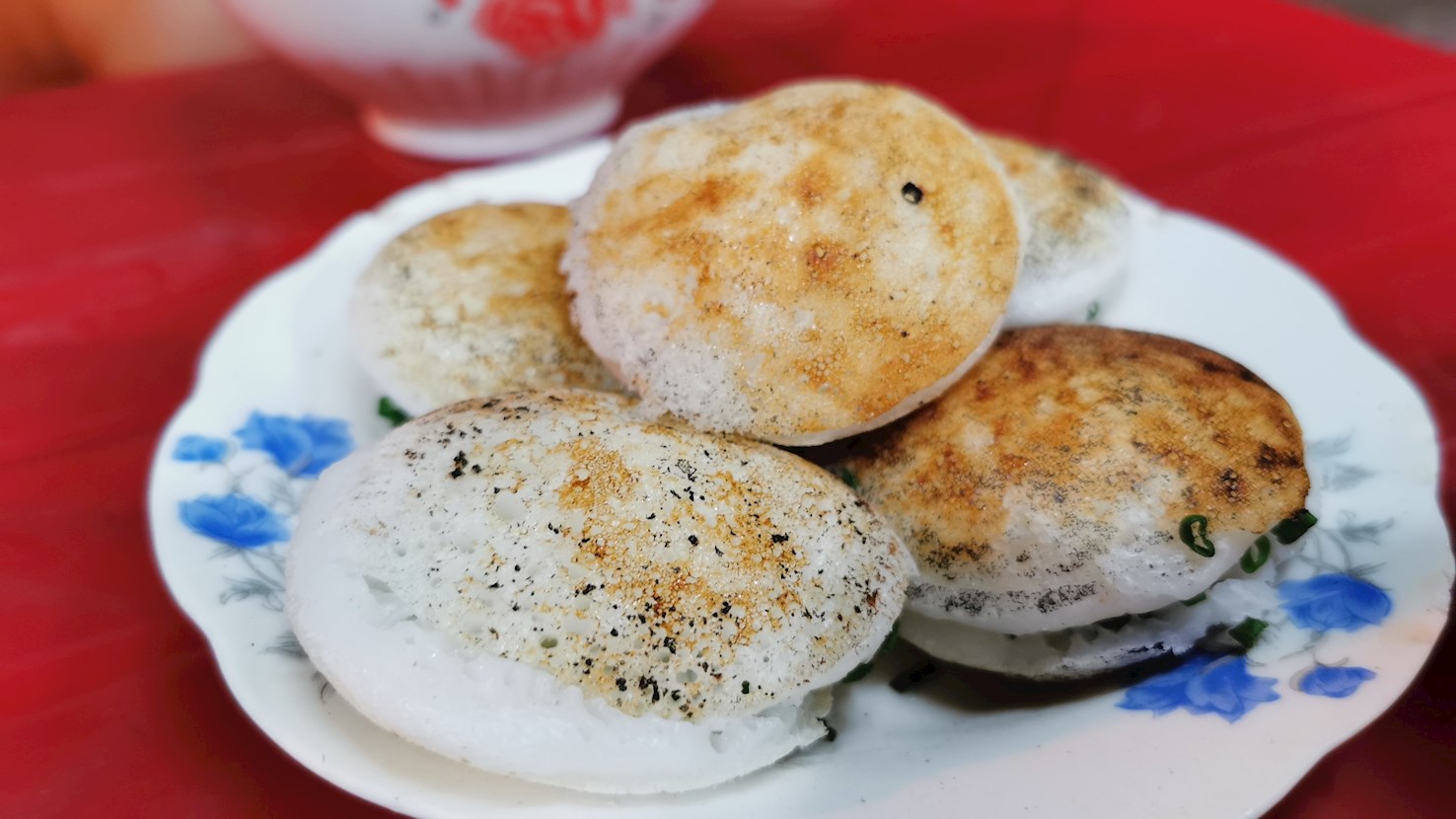
These savory Vietnamese pancakes are made with a thin rice flour batter. They are cooked on outdoor grills which are equipped with a specialized terracotta bánh căn mold. The mixture is poured into the mold, and the pancake is then topped with a whole shrimp and scallions, or optionally pork or quail eggs. The pancakes are usually served with a fish sauce on the side and various fresh herbs and leafy vegetables which are meant to be used as wrappers. It is not clear when these pancakes first appeared, but their origin is often attributed to Ninh Thuận province, although they are enjoyed throughout South Central region. People often confuse bánh căn and bánh khọt. Although the two are very similar, the difference lies in the fact that bánh căn (as it's called in Central Vietnam) is cooked with a bit of oil and it remains soft, while bánh khọt (as it's called in South Vietnam) is fried in oil until crunchy and contains turmeric.

About this ranking

TasteAtlas food rankings are based on the ratings of the TasteAtlas audience, with a series of mechanisms that recognize real users and that ignore bot, nationalist or local patriotic ratings, and give additional value to the ratings of users that the system recognizes as knowledgeable. For the “51 Worst Rated Pancakes in the World” list until June 16, 2026, 12,991 ratings were recorded, of which 9,052 were recognized by the system as legitimate. TasteAtlas Rankings should not be seen as the final global conclusion about food. Their purpose is to promote excellent local foods, instill pride in traditional dishes, and arouse curiosity about dishes you haven’t tried.

Similar lists