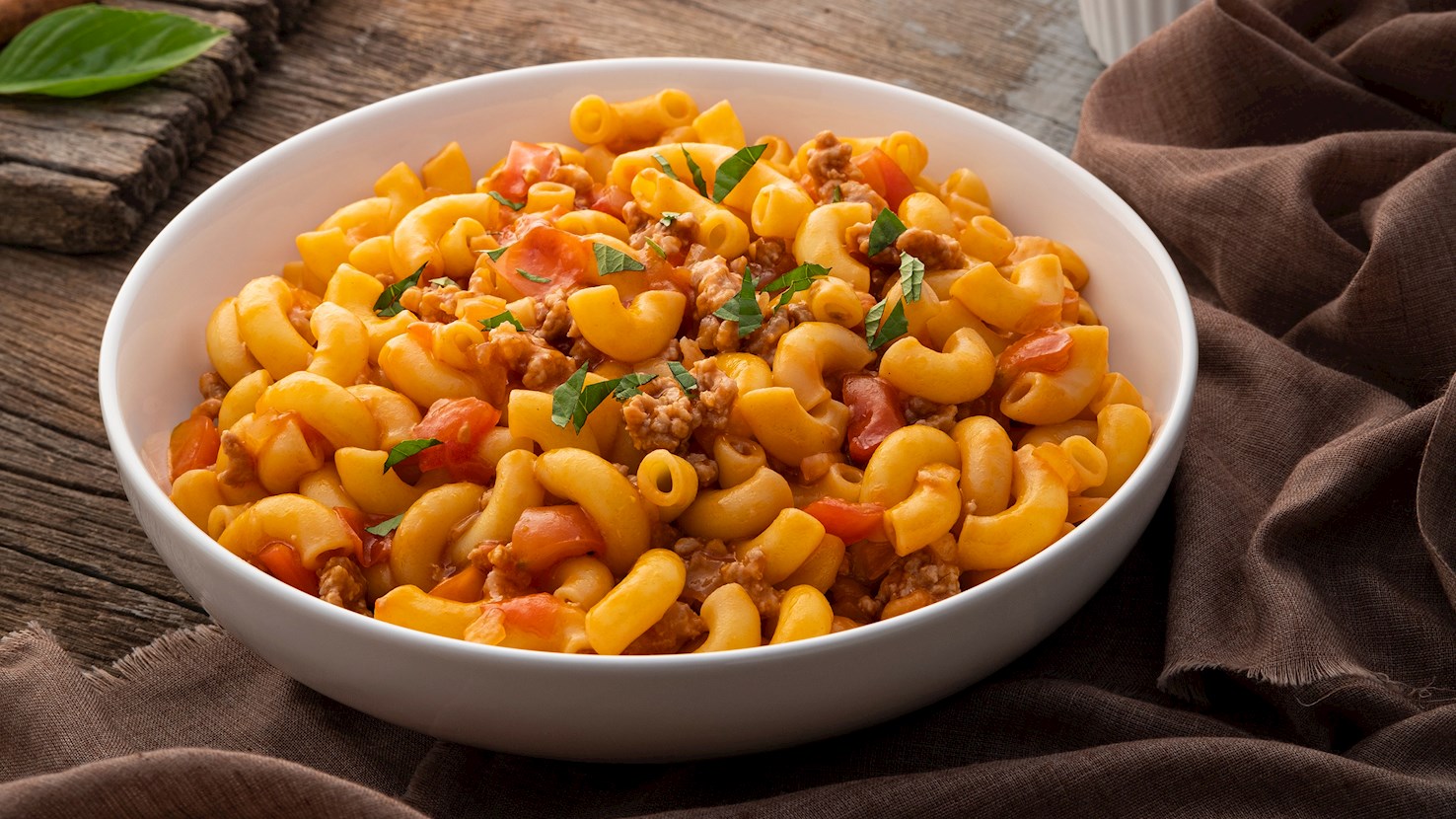
Dutch macaroni is a classic pasta dish originating from the Netherlands. Although it might seem weird, the Dutch absolutely adore macaroni, especially the children. This comforting, easy-to-make dish is usually prepared with a combination of elbow macaroni or fusilli, ground beef, leeks, red bell peppers, tomato sauce, optional pickles, oil, and spices such as smoked paprika, oregano, basil, salt, and black pepper. If desired, mustard and Worcestershire sauce can also be added for even more flavor. In order to make the dish, ground beef is browned in oil, mixed with red peppers, sliced leeks, tomato sauce, and spices. The mixture is simmered for a few minutes, and it’s then mixed with cooked pasta. Dutch macaroni are served warm, usually as a comforting dinner.
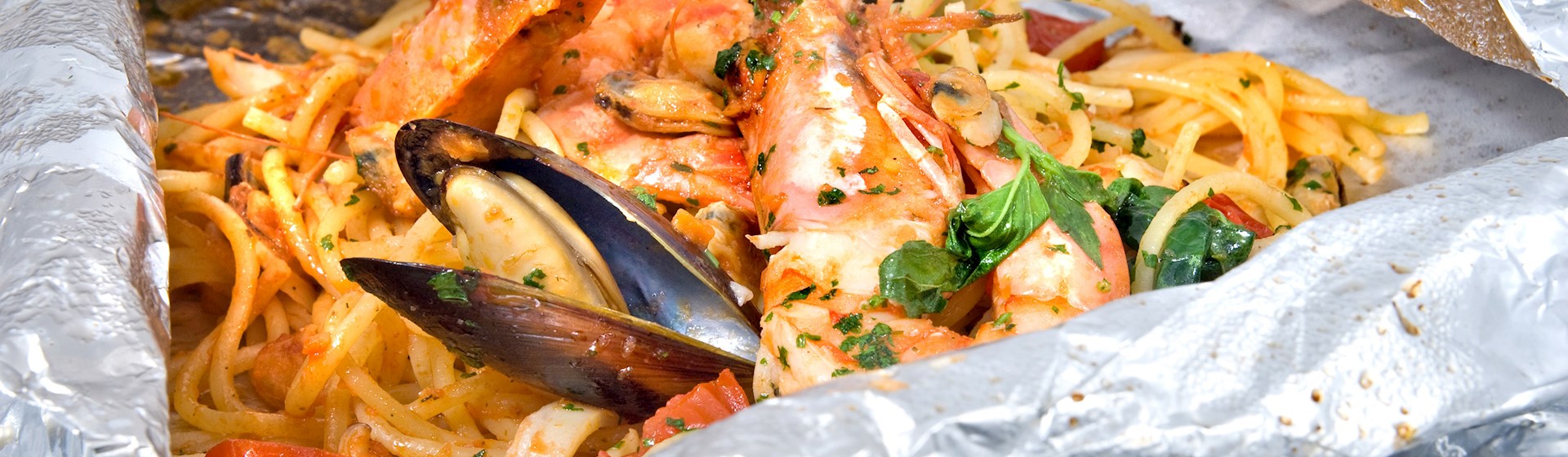
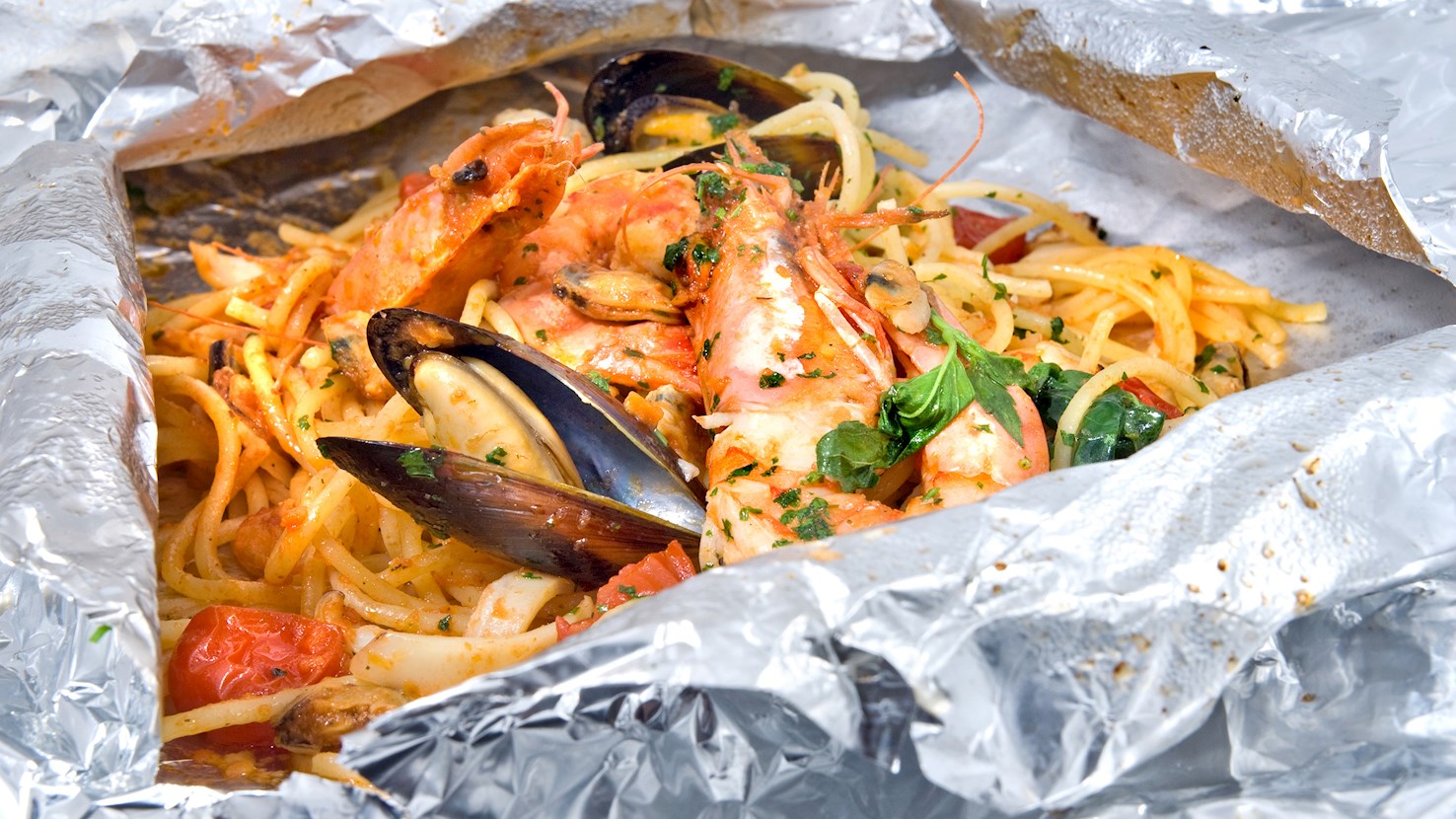
Spaghetti al cartoccio is a traditional dish hailing from Abruzzo. The dish is typical of Chieti, and it's made with a special method called al cartoccio, where the ingredients are wrapped and baked in foil. It's made with olive oil, garlic, clams, squid, shrimp, prawns, tomatoes, white wine, parsley, and spaghetti. The wine used in the dish should, ideally, be Trebbiano d'Abruzzo. The seafood is cooked with garlic, and the rest of the ingredients are added when the liquid from the seafood has evaporated. The pasta is tossed with the sauce, and the combination is wrapped in foil, then baked until the pasta is al dente.
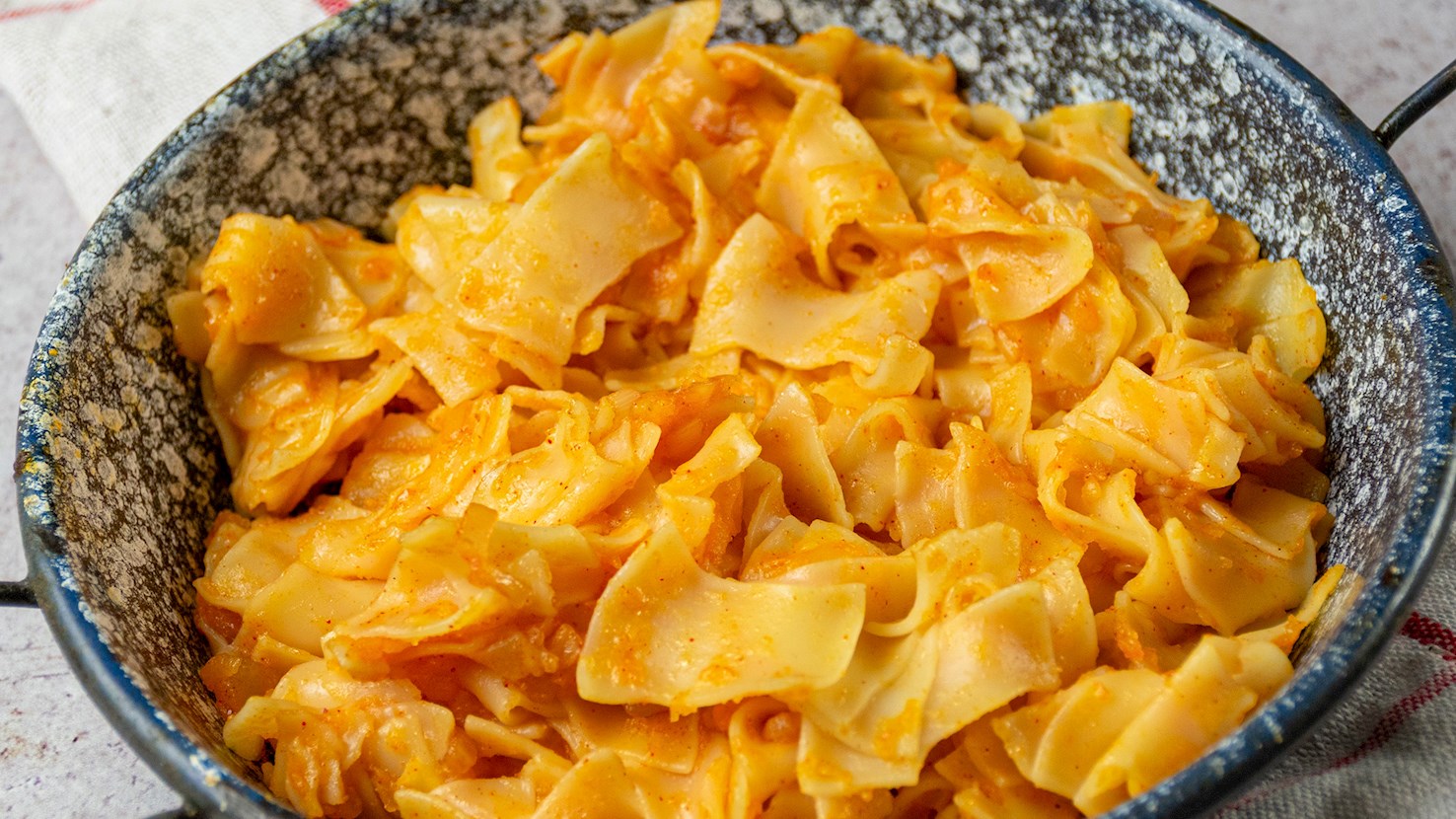
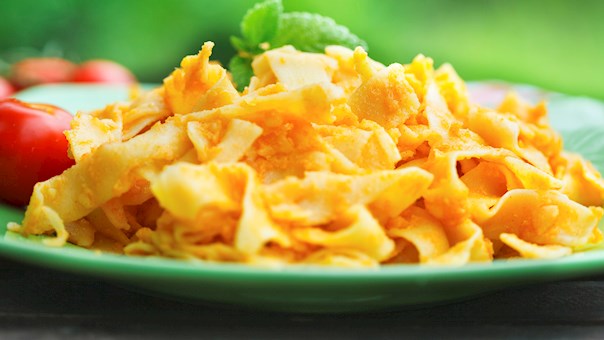
Krumplis tészta is a Hungarian pasta dish made with cooked potatoes, onions, and paprika, combined with broad egg noodles for a simple yet satisfying meal. It is part of the everyday cuisine of Hungary and has long been valued for being inexpensive, filling, and easy to prepare. Its origins lie in rural households where staple ingredients such as potatoes, onions, flour, and lard or oil were readily available and could be turned into a hearty dish without the need for costly additions. Over time, it became a familiar sight in urban kitchens as well, served in homes, school canteens, and casual eateries. Preparation begins with boiling peeled and diced potatoes until soft, while onions are slowly sautéed in fat until golden. Sweet Hungarian paprika is then stirred into the onions to release its color and aroma, followed by the drained potatoes, which are mashed or broken into small pieces in the pan. Separately, wide egg noodles are cooked until just tender and mixed with the potato-onion mixture so the flavors coat the pasta evenly. It is typically served plain, but some enjoy it with pickles or a dollop of sour cream on the side. One aspect that sets it apart is how the starch from the potatoes binds with the pasta, giving it a thick, cohesive texture rather than leaving separate components. Krumplis tészta remains common in Hungary today, eaten at home for lunch or dinner, offered in simple self-service restaurants, and sometimes packed in containers to be taken to work or school as a convenient, reheated meal.
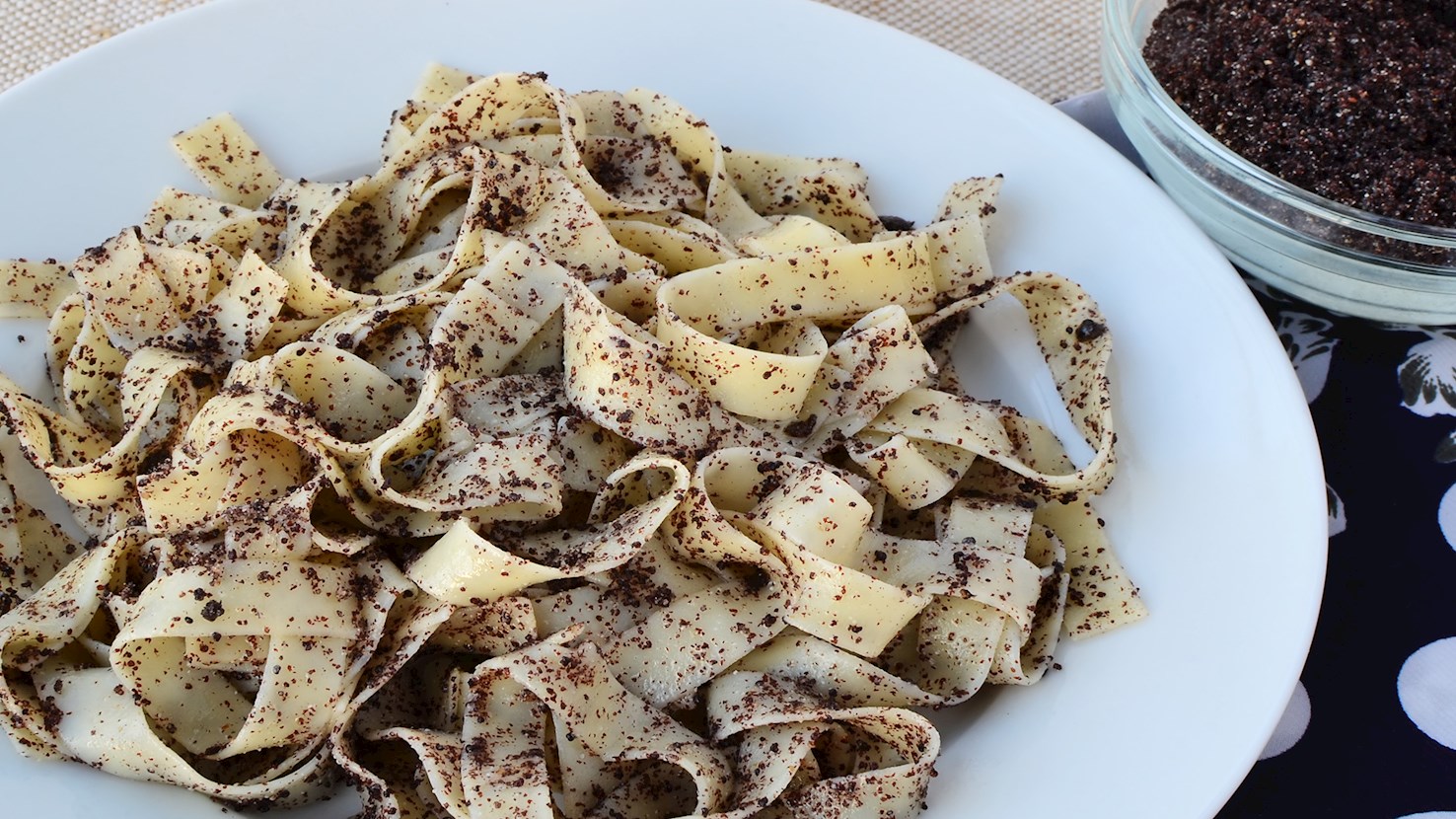
The simple and nutritious nudle s mákem is a dish consisting of wide, thin wheat pasta that is doused in copious amounts of melted butter, and then dusted with poppy seeds and sugar. Once considered a rich and luscious meal, today it represents a frugal, but a beloved dish that is enjoyed as a sweet main course or a filling dessert. Even though it is usually associated with the Czech Republic, the exact origin of the dish is still unknown, while similar varieties are found in many Central and Eastern European countries under various names. In Austria, a similar dish is known as mohnnudeln, prepared with thick and short potato noodles, while the Serbian version from Vojvodina is called rezanci s makom.
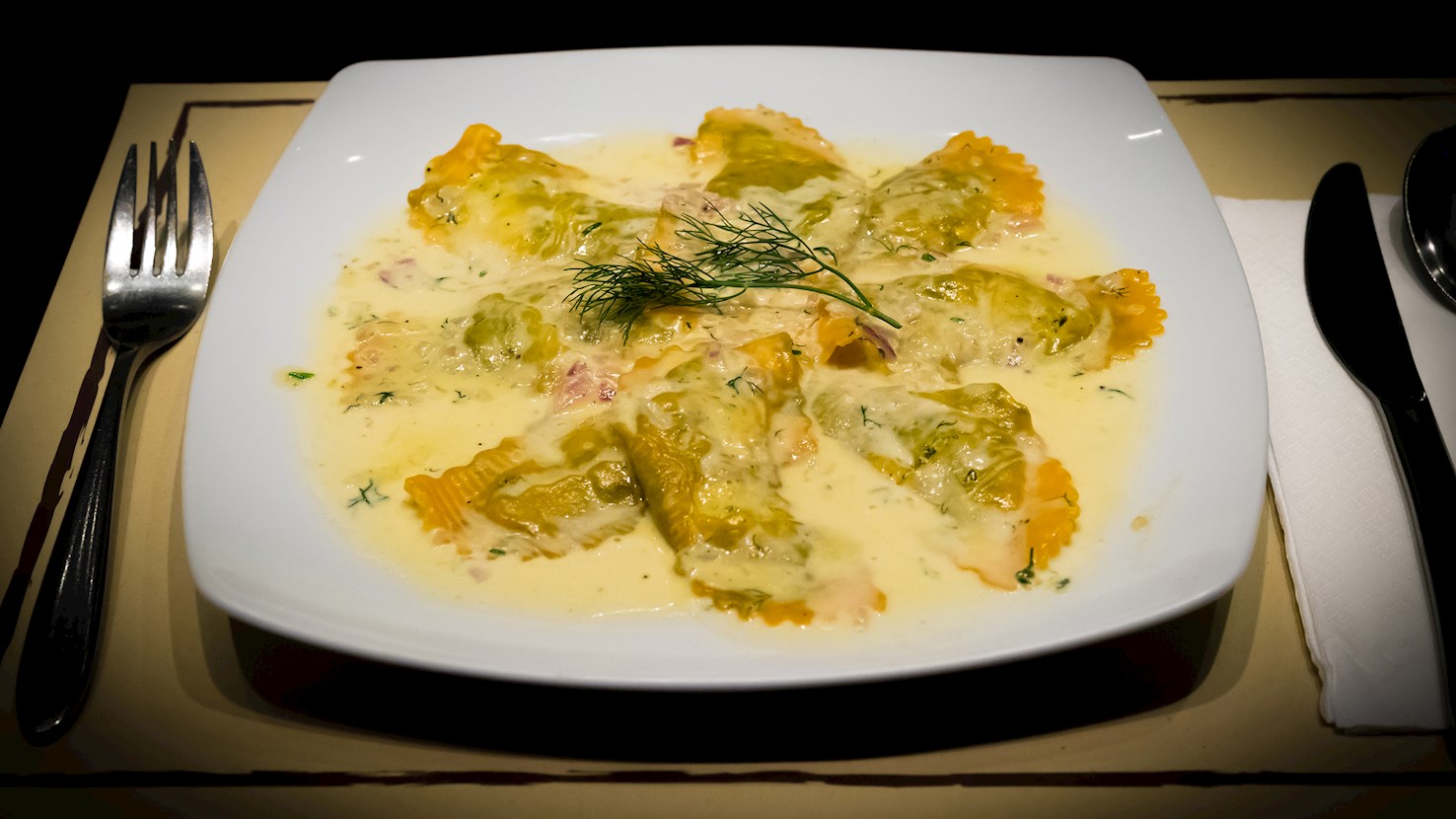
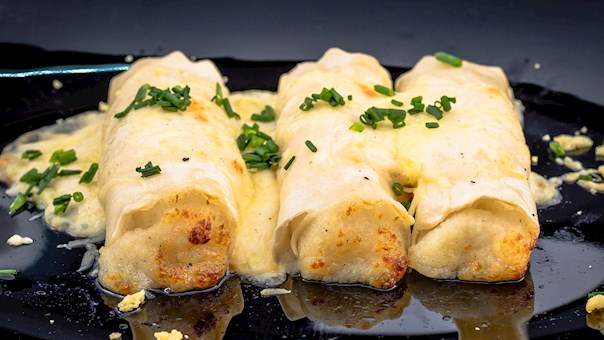
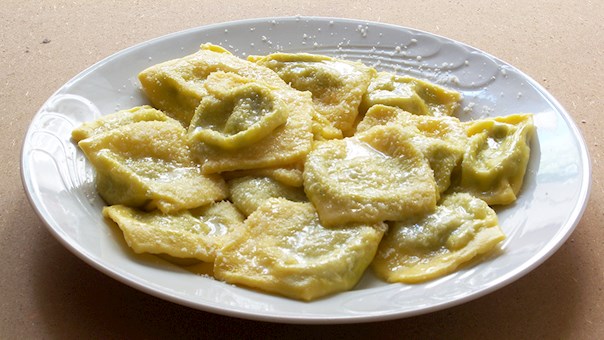
Ravioli al salmone is a traditional dish and a type of ravioli filled with salmon and a mixture of other ingredients. Although there are numerous variations, the ravioli pasta is usually made with a combination of flour, eggs, and water, while the filling often contains smoked salmon pieces, ricotta, and chives. The dough is rolled out into a thin sheet, and it's then cut into strips which are topped with the creamy filling. Another layer of dough goes on top, and it's sealed with water. The ravioli are then cut with a special tool, boiled in salted water, and often served in a thin sauce consisting of olive oil, lemon juice, nutmeg, salt, and pepper. One should be careful with the amount of added salt because the salmon is already salty.
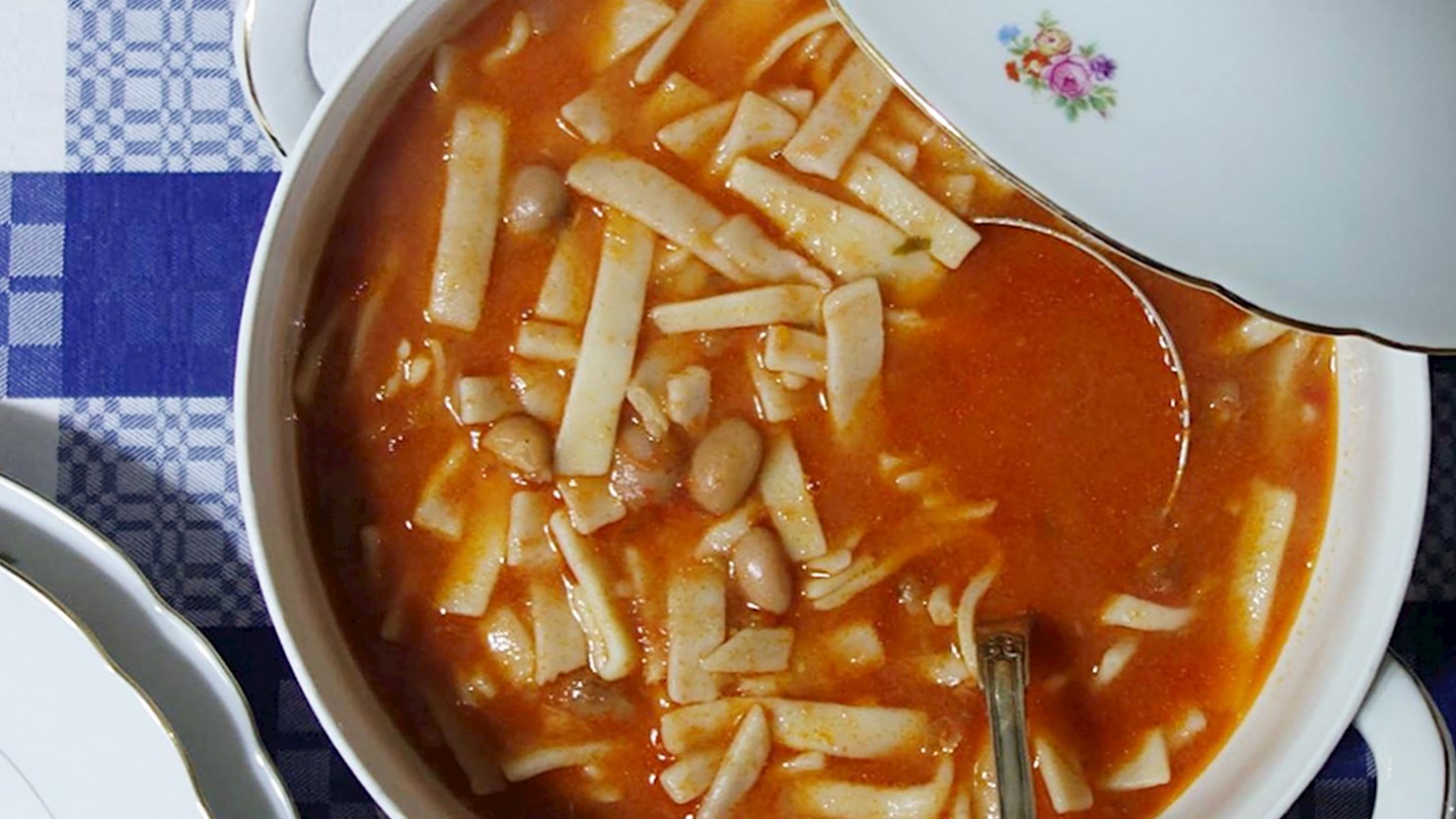
Sagne e fagioli is a rustic Italian dish that's often enjoyed in Abruzzo and Molise. It's made by cooking beans in tomato sauce, while strips of homemade pasta are added to the pot near the end of cooking. The homemade pasta noodles are made with flour and water, while the sauce is usually made with tomatoes, celery, carrots, onions, chili peppers, and olive oil. If desired, the dish can be enriched with pancetta or pork rinds. It's recommended to serve sagne e fagioli with a glass of Montepulciano d'Abruzzo wine.
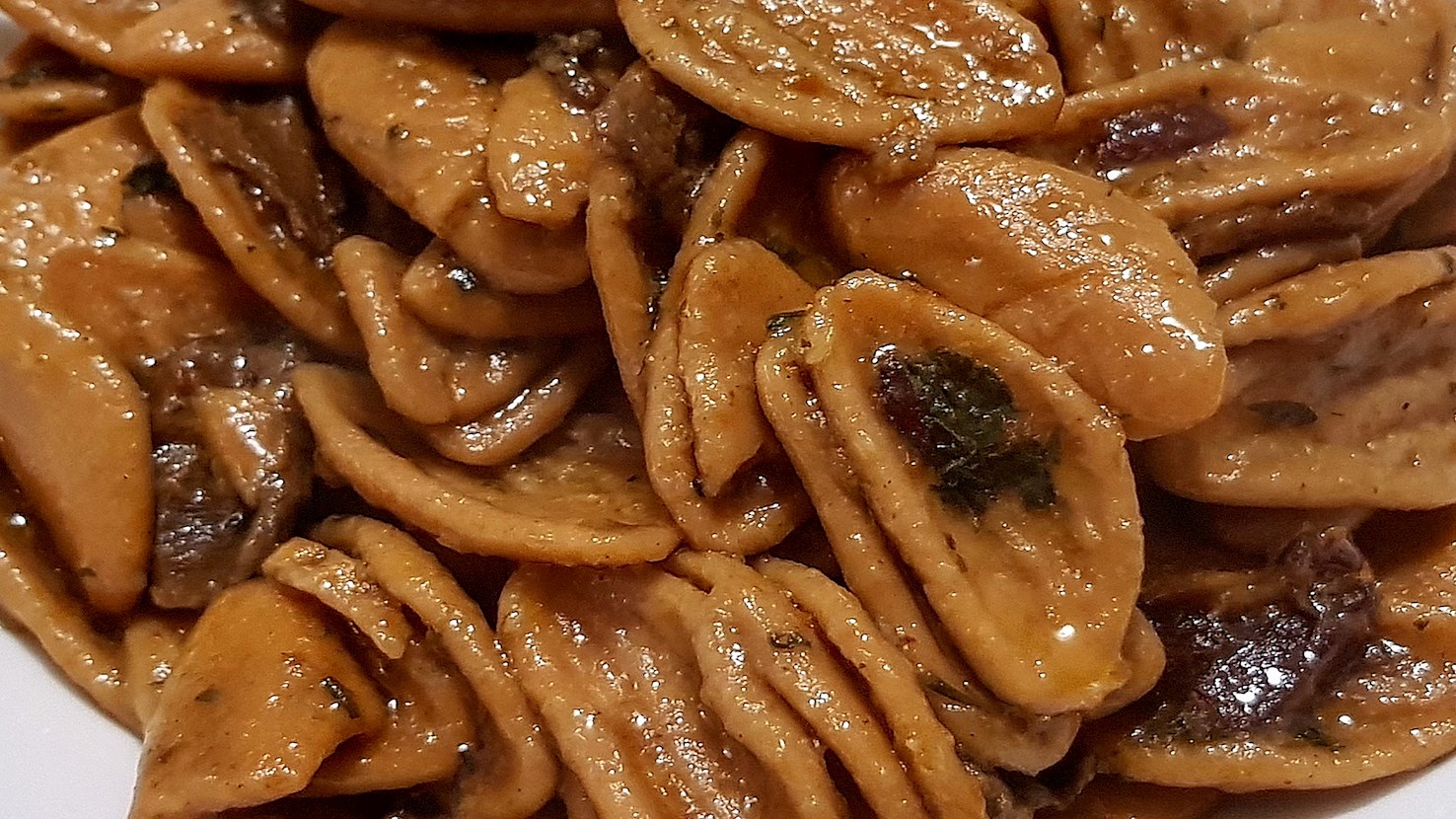
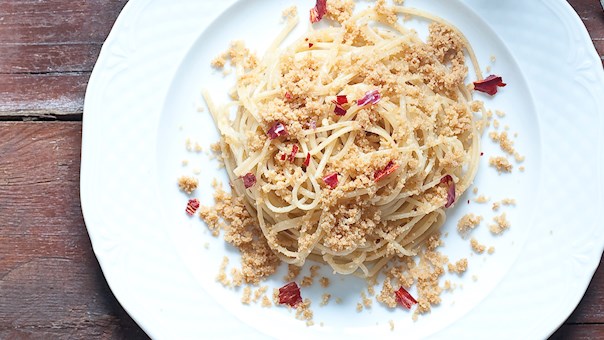
Strascinati con mollica e peperoni cruschi is a simple pasta dish from the Italian region of Basilicata, prepared with two popular local products: strascinati pasta and crispy flakes of crumbled, locally-grown heirloom red peppers, known as peperoni cruschi. Strascinati is a pasta variety typical for southern Italy that is made by pressing small chunks of dough over wooden boards until the pieces attain their distinctive olive leaf shape. The pasta is then paired with simple ingredients such as olive oil, anchovies, garlic, breadcrumbs, peperoncini, salt, and sweet peperoni cruschi. This rustic dish is a true representative of cucina povera—a culinary concept that is based on the usage of cheap, locally sourced ingredients to create flavorful and filling dishes. It is recommended to serve strascinati with a glass of fruity local white wine on the side and to (optionally) top the dish with grated caciocavallo cheese.
Makarounes me sitaka is a traditional Kasian dish that combines local ingredients into a flavorful pasta specialty. It consists of boiled makarounes (a local variety of pasta) that are coated with a mixture of the cooking water for the pasta and sitaka (a creamy cheese made from sheep’s and goat’s milk), and finally sprinkled with caramelized onions on top. The pasta is traditionally prepared by local women at their homes, although nowadays it can also be found in store-bought versions. When made for festivals that are celebrated on the island, the pasta is poured into a large, deep metal pan, and then mixed with sitaka and fried onions.
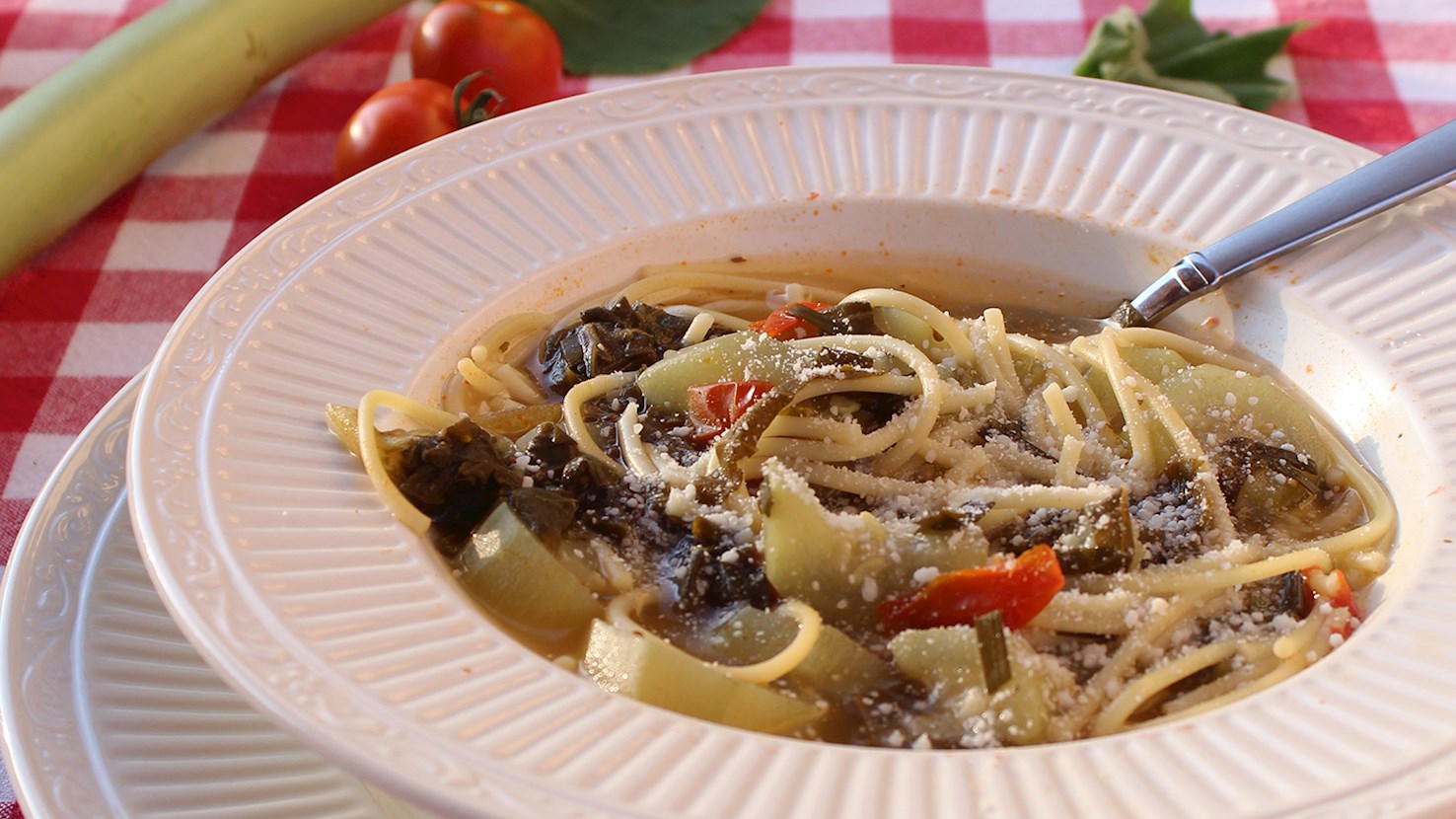
Pasta con tenerumi is a traditional Sicilian dish prepared with tenerumi - the tips, buds, and tender end leaves (tenere) of Sicilian summer squash (also known as zucchina or cucuzza in local dialect). The dish is typically prepared in the summer, and other ingredients include tomatoes, olive oil, garlic, salt, pepper, often zucchini, and pasta such as spaghetti or similar long and thin pasta that's often broken into smaller pieces while preparing this dish. When the sauce is ready, the tenerumi are simmered in water with the pasta, and the two are then mixed and seasoned depending on personal preferences. Pasta con tenerumi is usually garnished with lots of ground black pepper and drizzled with olive oil before serving, while a topping of grated Pecorino is always a welcome addition.
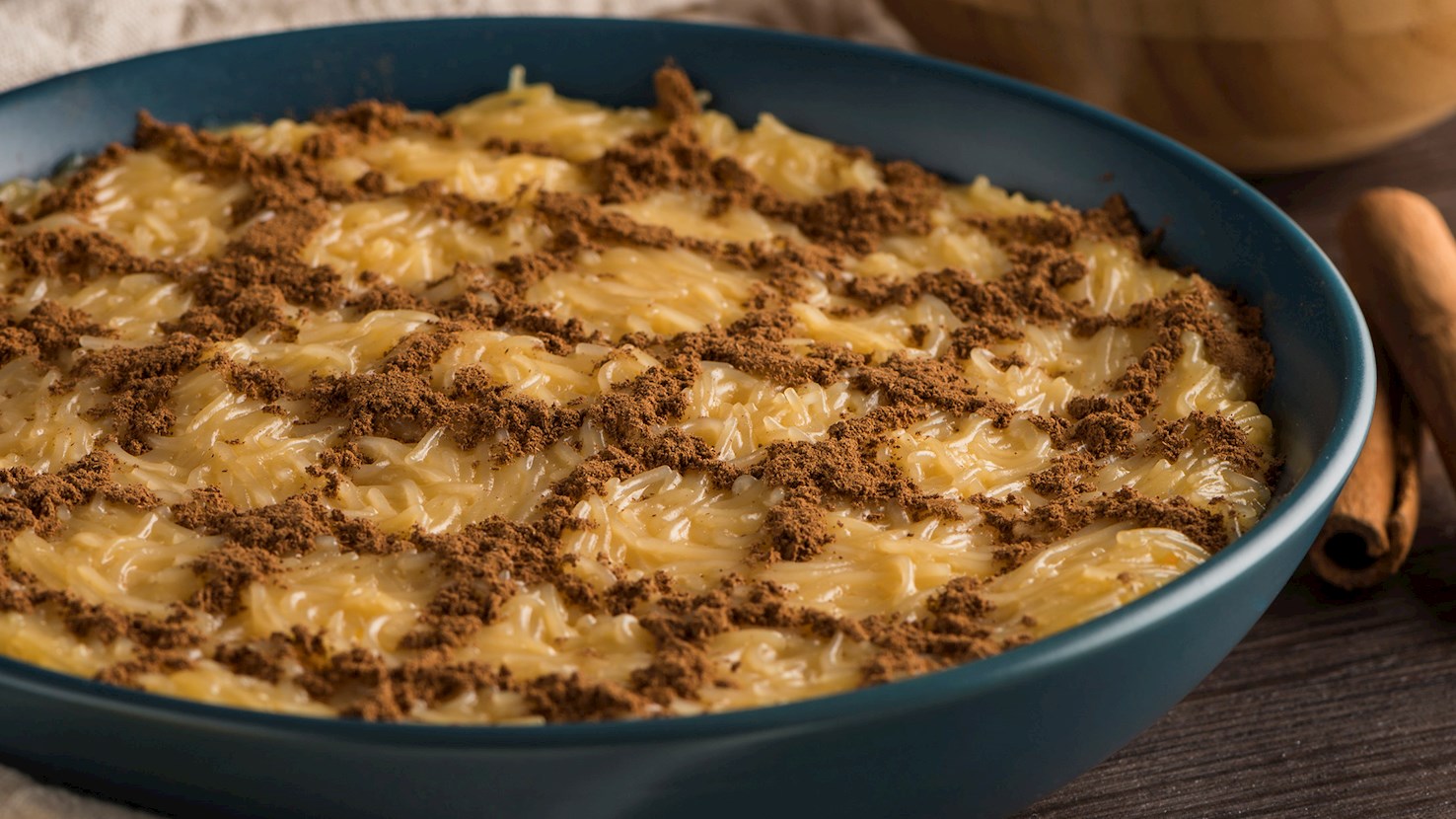
This traditional Portuguese dessert is prepared with pasta, typically of a thin variety such as angel hair or capellini, which are cooked in sweetened milk that is enriched with cinnamon and lemon. When cooked, the pasta is mixed with egg yolks and is then placed in a flat baking pan and left to set. Before serving, the top is decorated with cinnamon, usually in a crisscross pattern. Aletria is a Christmas staple that can be enjoyed warm or well-chilled.
TasteAtlas food rankings are based on the ratings of the TasteAtlas audience, with a series of mechanisms that recognize real users and that ignore bot,
nationalist or local patriotic ratings, and give additional value to the ratings of users that the system recognizes as knowledgeable.
For the “68 Worst Rated European Pasta” list until October 15, 2026, 19,879 ratings were recorded, of which 15,823 were recognized by the system as legitimate.
TasteAtlas Rankings should not be seen as the final global conclusion about food. Their purpose is to promote excellent local foods,
instill pride in traditional dishes, and arouse curiosity about dishes you haven’t tried.












What People Say