

shutterstock

44 Worst Rated Italian Pasta

Last updated on June 16, 2026
01

Spaghetti al cartoccio

3 ·

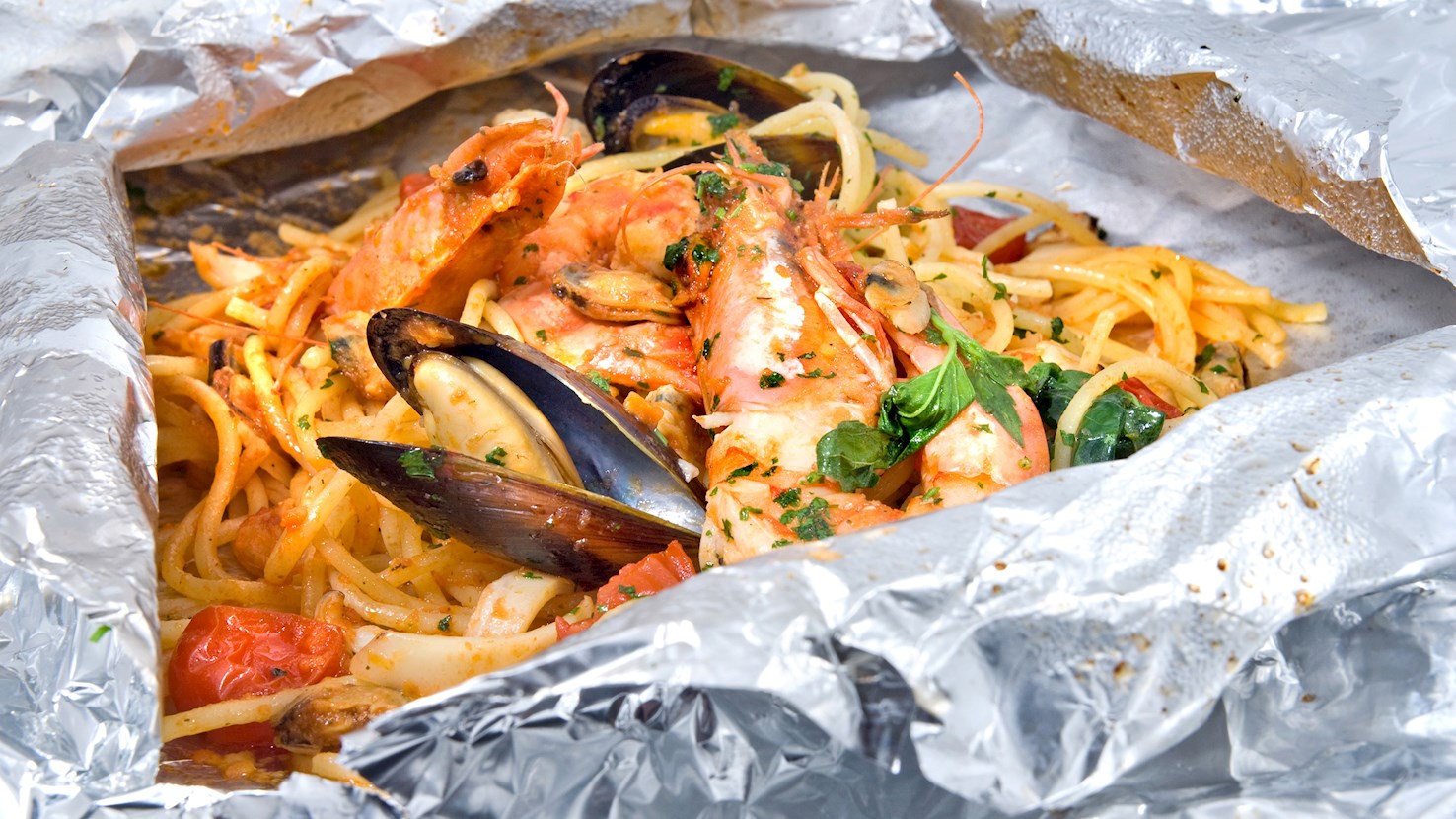
Spaghetti al cartoccio is a traditional dish hailing from Abruzzo. The dish is typical of Chieti, and it's made with a special method called al cartoccio, where the ingredients are wrapped and baked in foil. It's made with olive oil, garlic, clams, squid, shrimp, prawns, tomatoes, white wine, parsley, and spaghetti. The wine used in the dish should, ideally, be Trebbiano d'Abruzzo. The seafood is cooked with garlic, and the rest of the ingredients are added when the liquid from the seafood has evaporated. The pasta is tossed with the sauce, and the combination is wrapped in foil, then baked until the pasta is al dente.

02

Ravioli al salmone (Salmon Ravioli)

3.1 ·

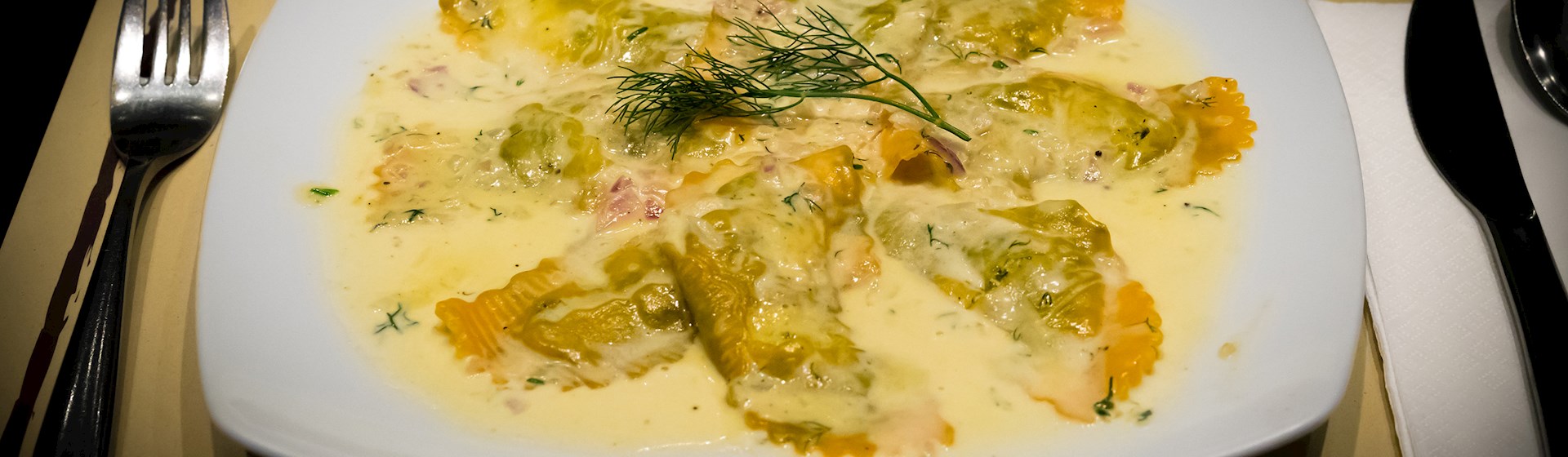
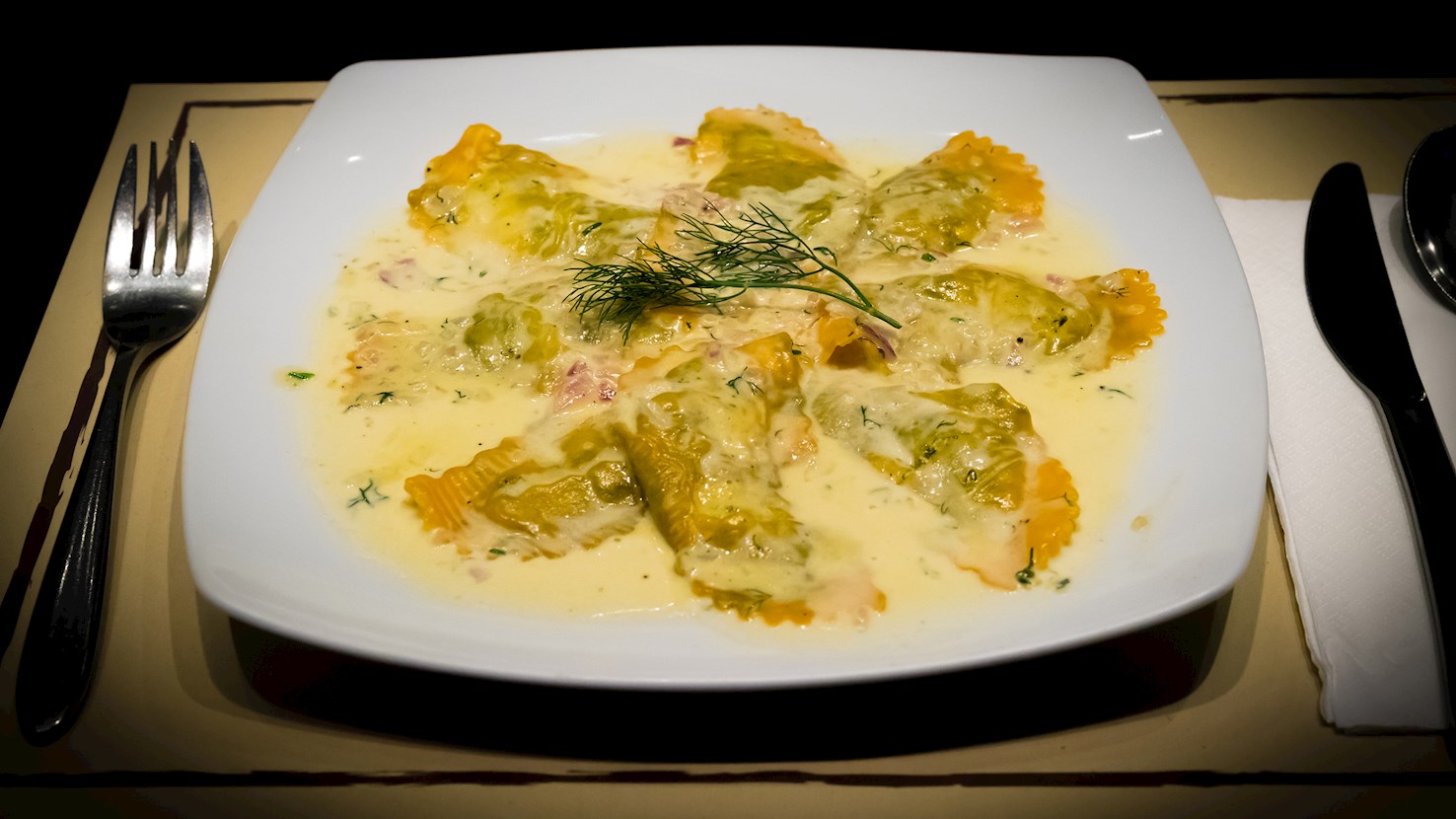
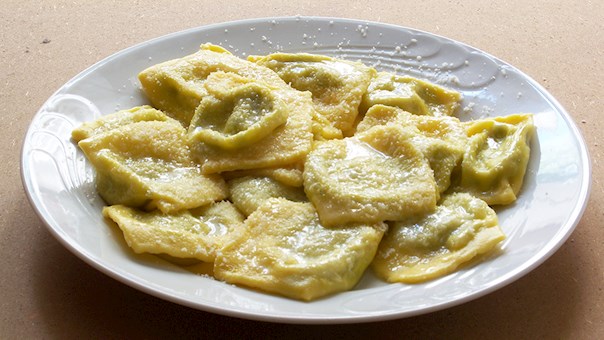
Ravioli al salmone is a traditional dish and a type of ravioli filled with salmon and a mixture of other ingredients. Although there are numerous variations, the ravioli pasta is usually made with a combination of flour, eggs, and water, while the filling often contains smoked salmon pieces, ricotta, and chives. The dough is rolled out into a thin sheet, and it's then cut into strips which are topped with the creamy filling. Another layer of dough goes on top, and it's sealed with water. The ravioli are then cut with a special tool, boiled in salted water, and often served in a thin sauce consisting of olive oil, lemon juice, nutmeg, salt, and pepper. One should be careful with the amount of added salt because the salmon is already salty.

03

Sagne e fagioli

3.1 ·

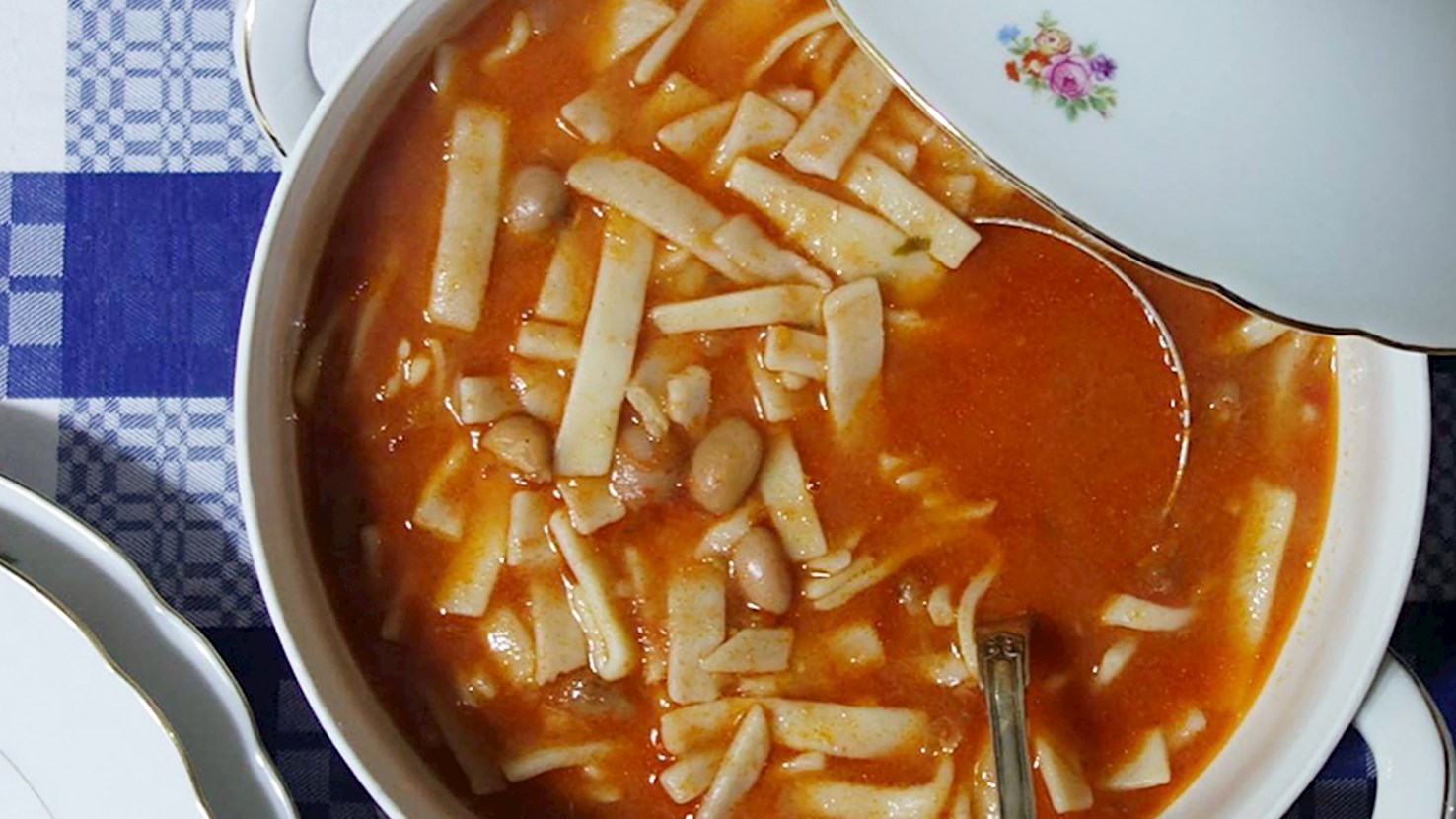
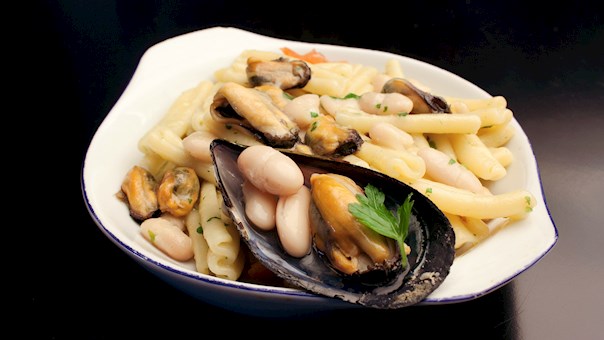
Sagne e fagioli is a rustic Italian dish that's often enjoyed in Abruzzo and Molise. It's made by cooking beans in tomato sauce, while strips of homemade pasta are added to the pot near the end of cooking. The homemade pasta noodles are made with flour and water, while the sauce is usually made with tomatoes, celery, carrots, onions, chili peppers, and olive oil. If desired, the dish can be enriched with pancetta or pork rinds. It's recommended to serve sagne e fagioli with a glass of Montepulciano d'Abruzzo wine.

04

Strascinati con mollica e peperoni cruschi

3.2 ·

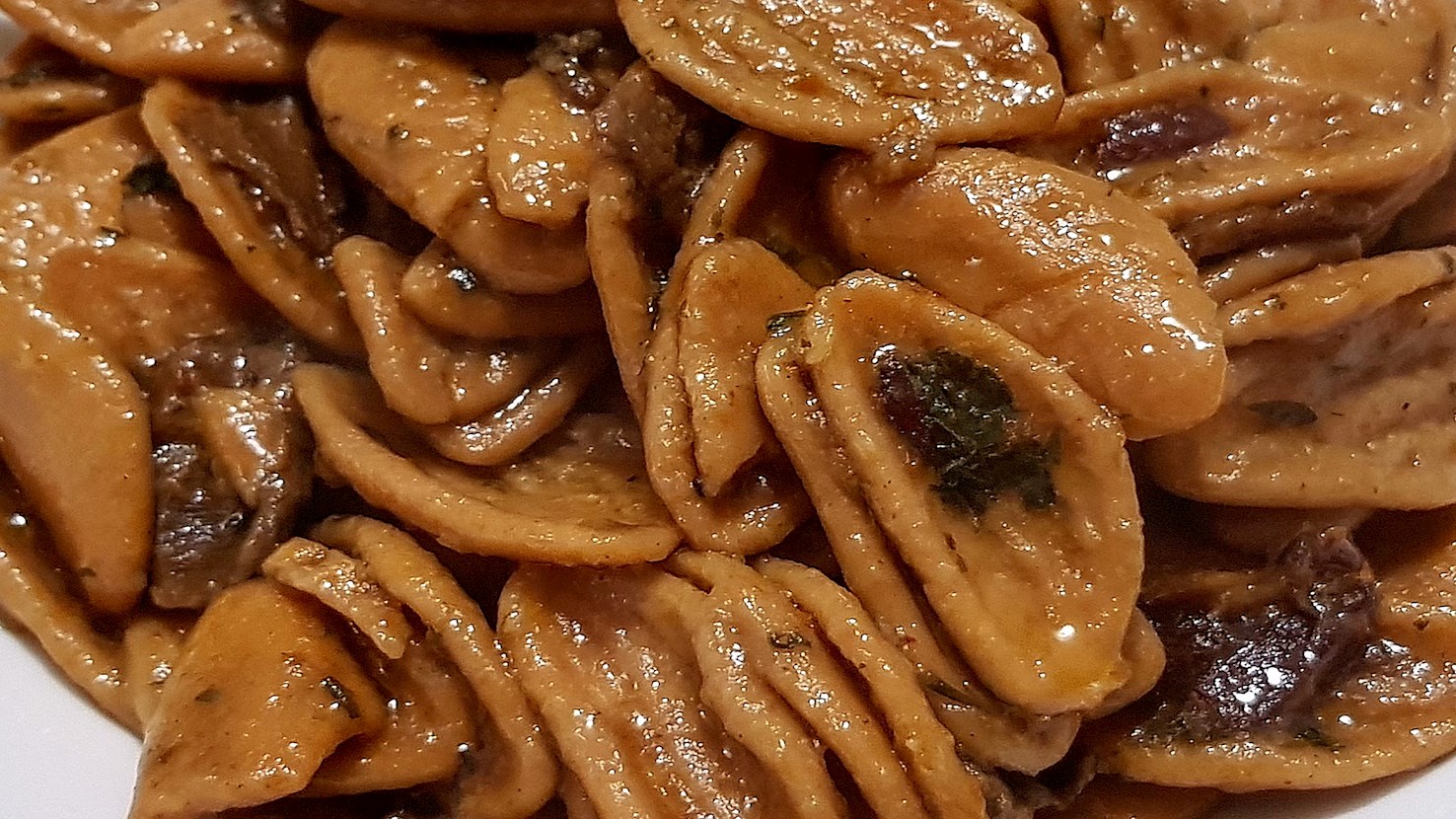
Strascinati con mollica e peperoni cruschi is a simple pasta dish from the Italian region of Basilicata, prepared with two popular local products: strascinati pasta and crispy flakes of crumbled, locally-grown heirloom red peppers, known as peperoni cruschi. Strascinati is a pasta variety typical for southern Italy that is made by pressing small chunks of dough over wooden boards until the pieces attain their distinctive olive leaf shape. The pasta is then paired with simple ingredients such as olive oil, anchovies, garlic, breadcrumbs, peperoncini, salt, and sweet peperoni cruschi. This rustic dish is a true representative of cucina povera—a culinary concept that is based on the usage of cheap, locally sourced ingredients to create flavorful and filling dishes. It is recommended to serve strascinati with a glass of fruity local white wine on the side and to (optionally) top the dish with grated caciocavallo cheese.

05

Pasta con tenerumi

3.2 ·

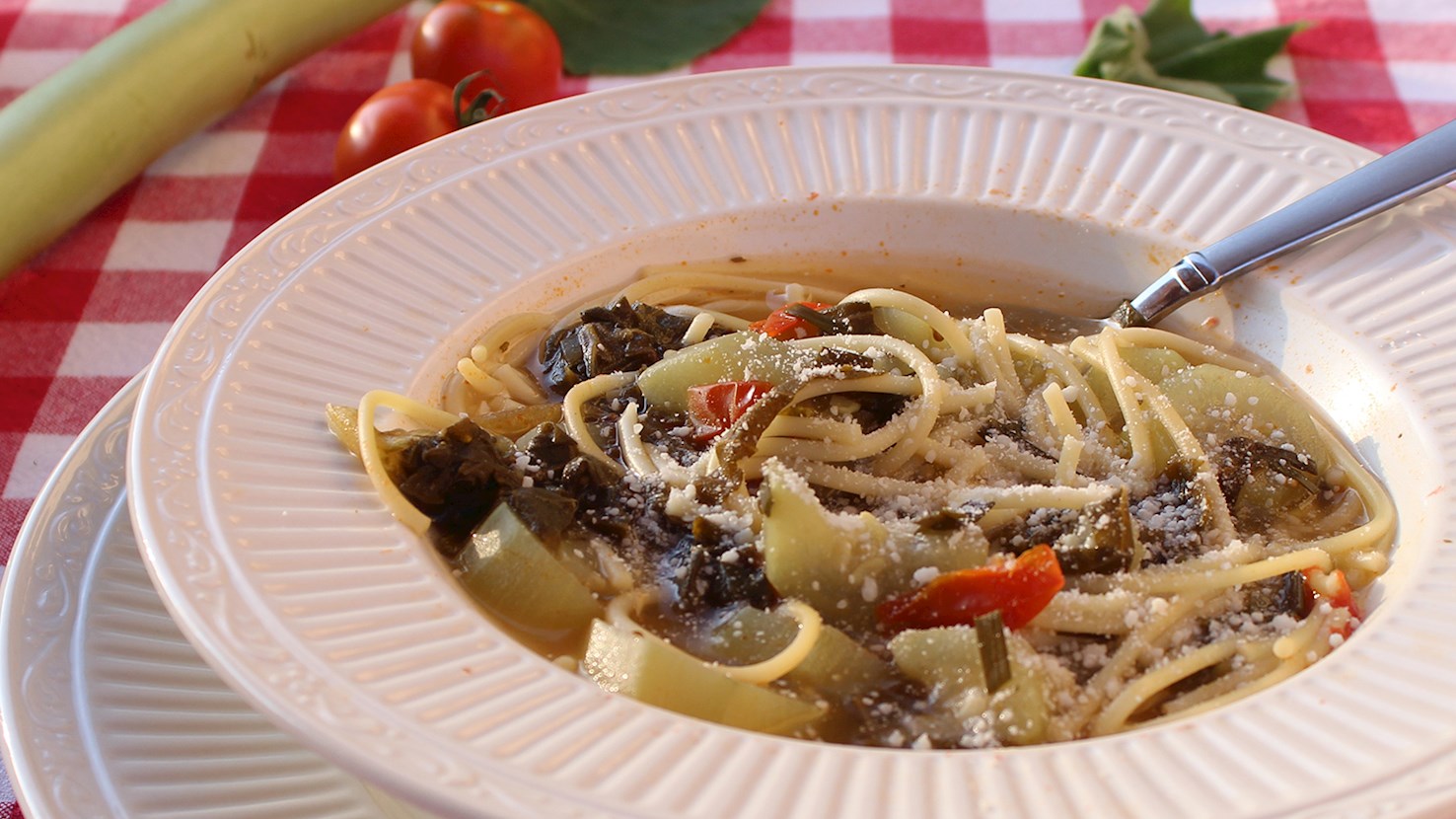
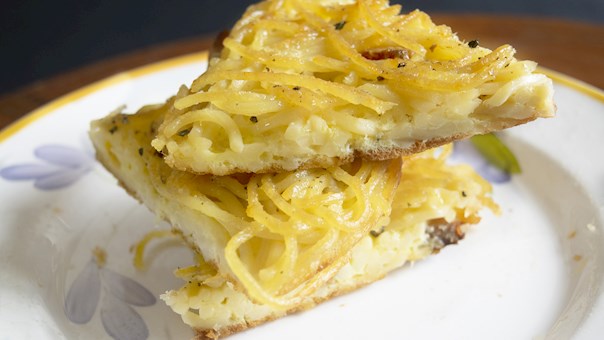
Pasta con tenerumi is a traditional Sicilian dish prepared with tenerumi - the tips, buds, and tender end leaves (tenere) of Sicilian summer squash (also known as zucchina or cucuzza in local dialect). The dish is typically prepared in the summer, and other ingredients include tomatoes, olive oil, garlic, salt, pepper, often zucchini, and pasta such as spaghetti or similar long and thin pasta that's often broken into smaller pieces while preparing this dish. When the sauce is ready, the tenerumi are simmered in water with the pasta, and the two are then mixed and seasoned depending on personal preferences. Pasta con tenerumi is usually garnished with lots of ground black pepper and drizzled with olive oil before serving, while a topping of grated Pecorino is always a welcome addition.

06

Lasagne al radicchio

3.3 ·

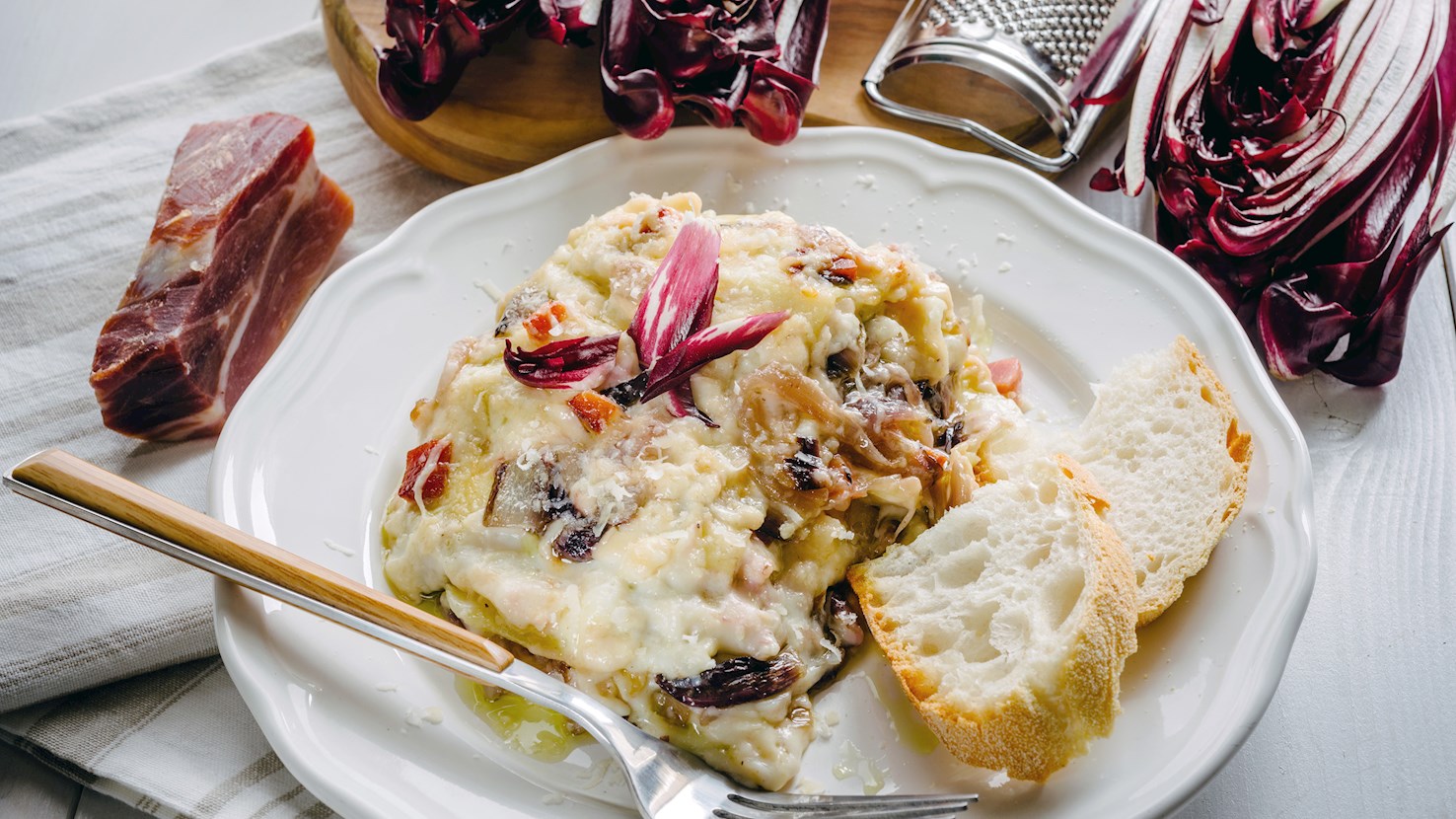
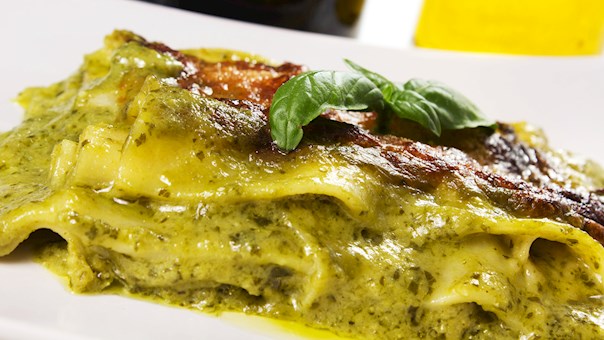
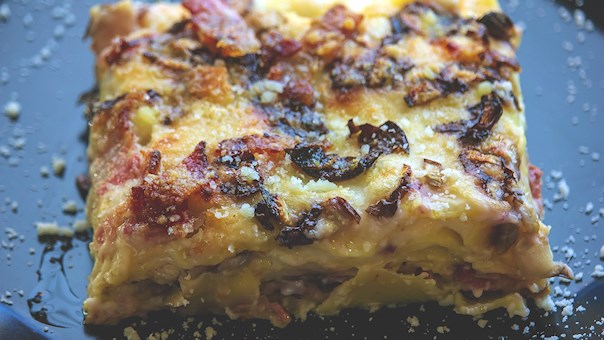
Lasagne al radicchio is a traditional variety of lasagne made with radicchio as the key ingredient. This type of lasagna is associated with northeastern Italy, and radicchio di Treviso, with its long shape, is the most common type of radicchio used in this lasagna variety. In Veneto, the dish is also called pasticcio di radicchio. There are many variations on radicchio lasagne – besides the crucial ingredients to make the dish such as lasagna sheets, béchamel sauce, salt, pepper, and often some garlic and parmesan, there are varieties made with the addition of salsiccia sausage, walnuts, speck, and cheeses such as Piave, Gorgonzola, Scamorza, and Fontina. Once assembled, radicchio lasagne are baked in the oven until golden and bubbling, and the dish is then ready to be enjoyed.

07

Pasta patate e provola

3.3 ·

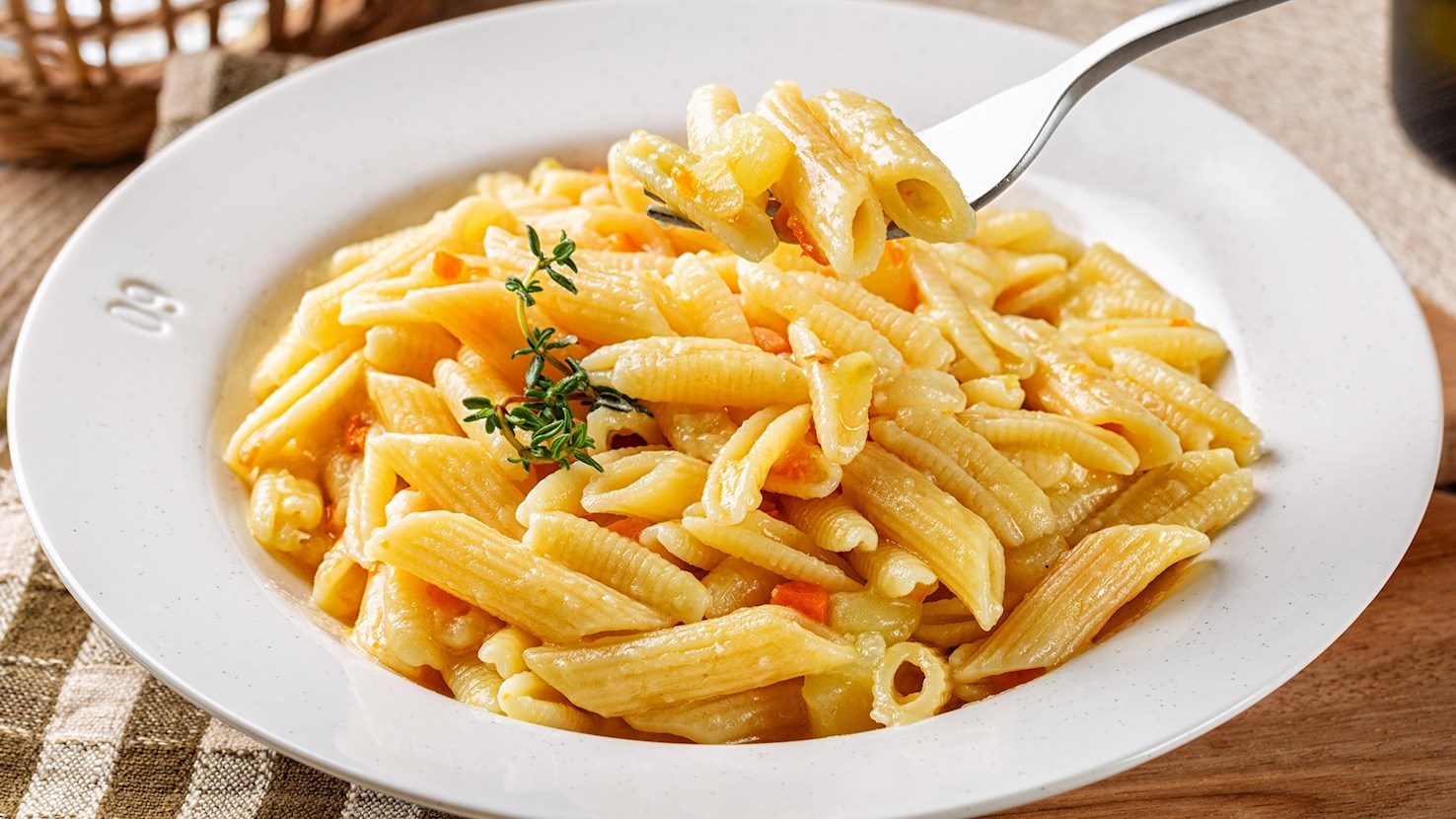
Pasta, patate e provola is a classic Neapolitan comfort dish that blends creamy, starchy potatoes with mixed short pasta and melty, smoked provola cheese. Traditionally cooked all in one pot, it’s a rich, rustic recipe that highlights the soul of southern Italian home cooking. The base begins with a sauté of onions and pancetta, deglazed with white wine, followed by cherry tomatoes added for color. Yellow potatoes are sliced thin and cooked with the pasta, releasing starch that thickens the dish into a naturally creamy sauce with an almost risotto-like consistency known in Naples as "azzeccata". The final flourish is cold cubed provola, stirred in off the heat to create luscious, smoky strands of melted cheese. The result is hearty, satisfying, and unmistakably Neapolitan—a warm embrace in a bowl. Pasta, patate e provola is a historic Neapolitan dish, first documented in 1773, born from the need to create rich, satisfying meals using affordable, readily available ingredients.

08

Scialatielli all’Amalfitana

3.3 ·

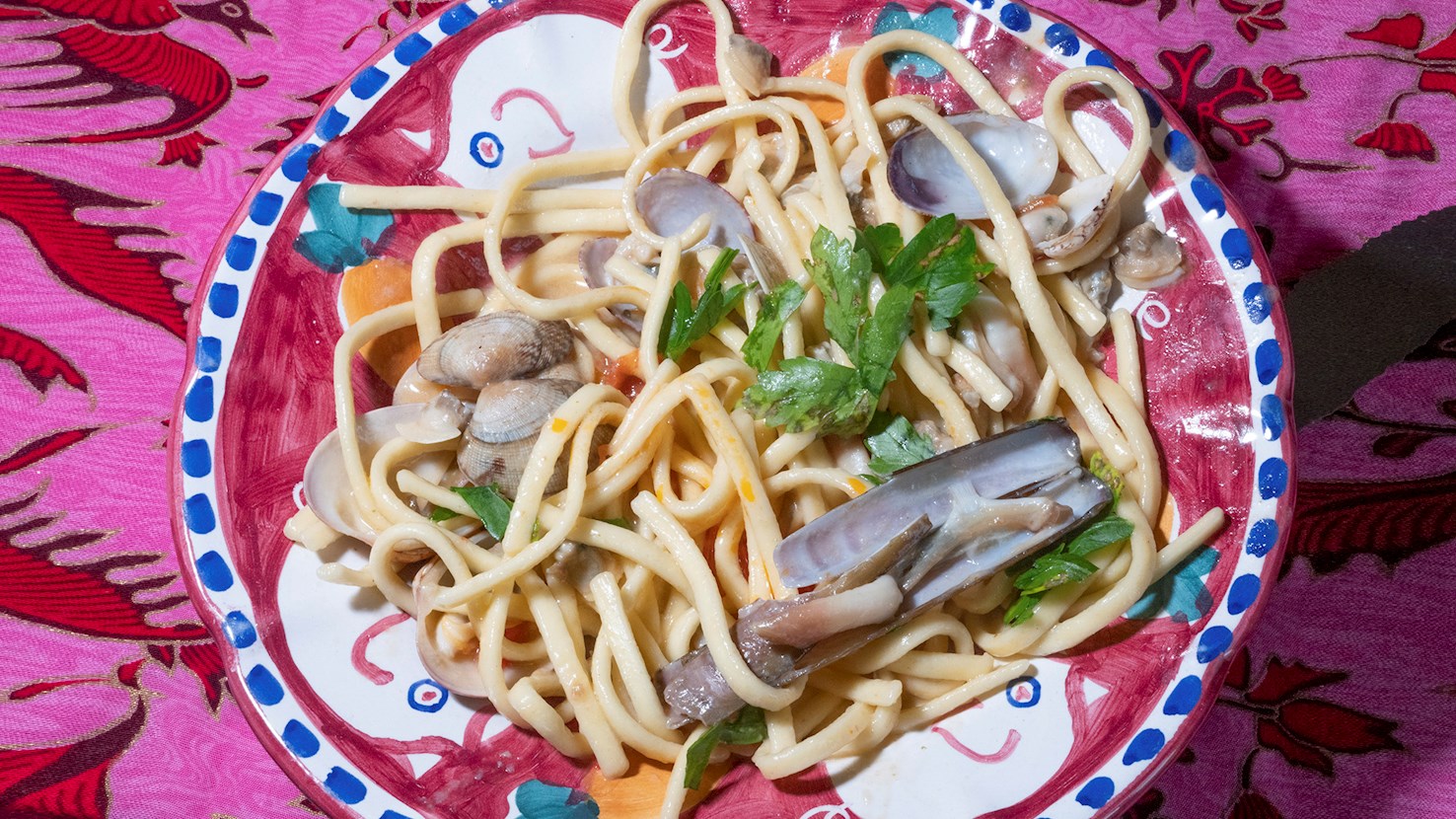
Scialatielli all'amalfitana is a seafood pasta dish prepared with scialatielli, a special pasta variety from the Amalfi region, nowadays popular throughout the coastal area of Campania. Compared to other Italian pasta shapes, scialatelli is a rather recent innovation, created in 1978 by the chef Enrico Cosentino, who has been developing his own pasta variety since the 1960s. He substituted a part of the eggs in the dough with milk, enriched his creation with basil leaves, extra virgin olive oil, and Parmigiano, then shaped the dough in thick, short, linguine-like pasta with a rectangular cross-section. The invention was an instant success and it was even recognized at a local culinary contest. Nowadays, one of the most popular way to enjoy scialatielli is all'amalfitana - served with typical seafood from the Amalfi coast – usually clams, mussels, prawns, and cuttlefish. The dish is best enjoyed warm, decorated with finely chopped parsley.

09

Pasta e alici

3.4 ·

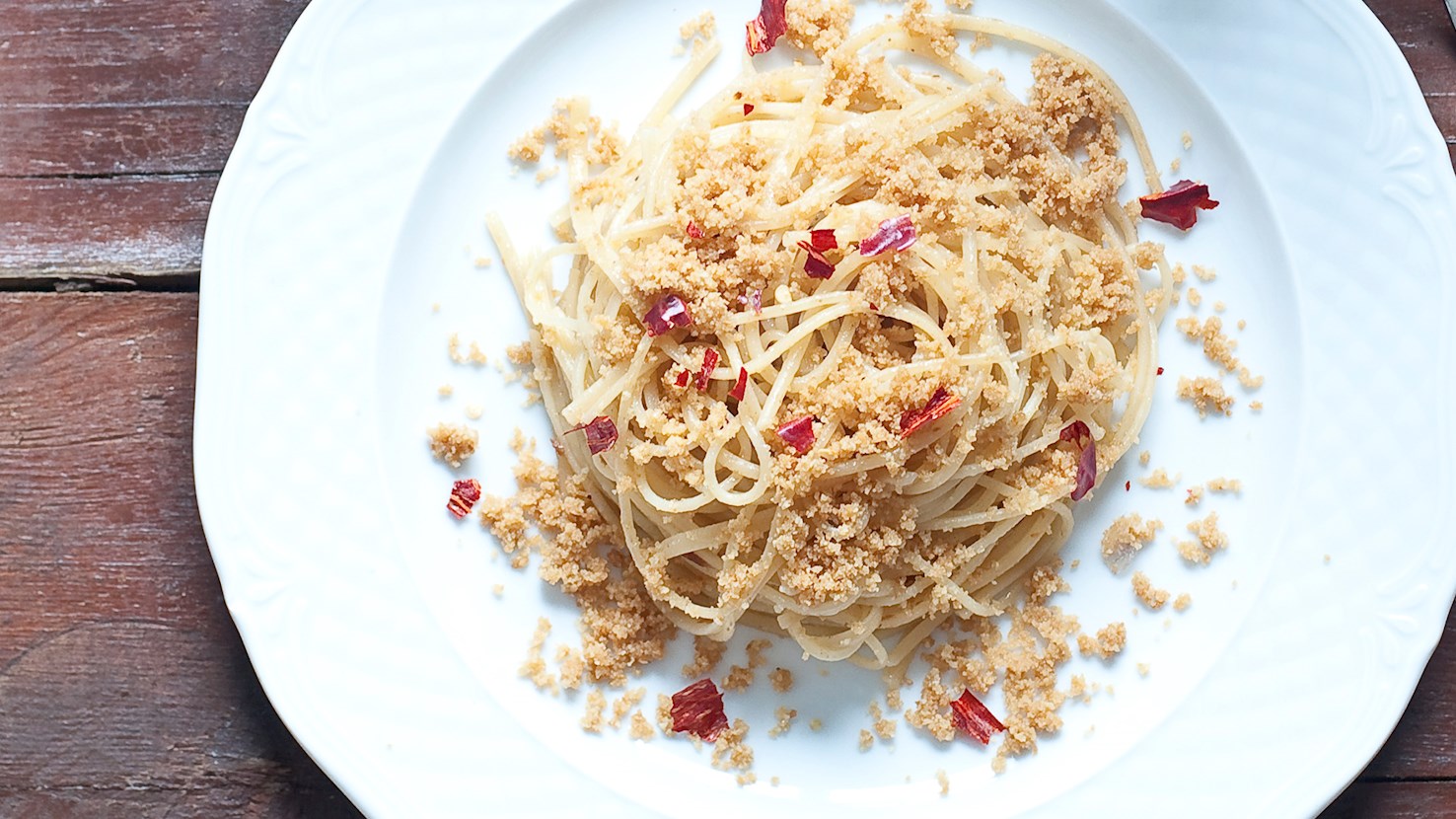
Also known as pasta con la mollica alla Calabrese, or in dialect, pasta ca muddicata, this traditional pasta dish called pasta e alici is made with anchovies and toasted breadcrumbs as one of the most traditional dishes of the region. Simple and quick to make, this is a typical cucina povera dish – extremely delicious and filling, although it consists of only a few basic ingredients. Crispy toasted breadcrumbs, pepperoncini, olive oil, chopped tomatoes, and anchovies, tossed over al dente cooked pasta create a dish full of strong, yet well-combined flavors - raisins, pine nuts, or a sprinkle of grated lemon zest can be added for an additional kick. In Calabria, this delicious dish was especially beloved around Christmas, when tradition requires eating di magro, meaning fish-based dishes. Those who couldn't afford the fish often prepared pasta e alici, respecting the tradition in the process, and enjoying a filling meal at the same time.

10

Rigatoni con la pajata

3.4 ·

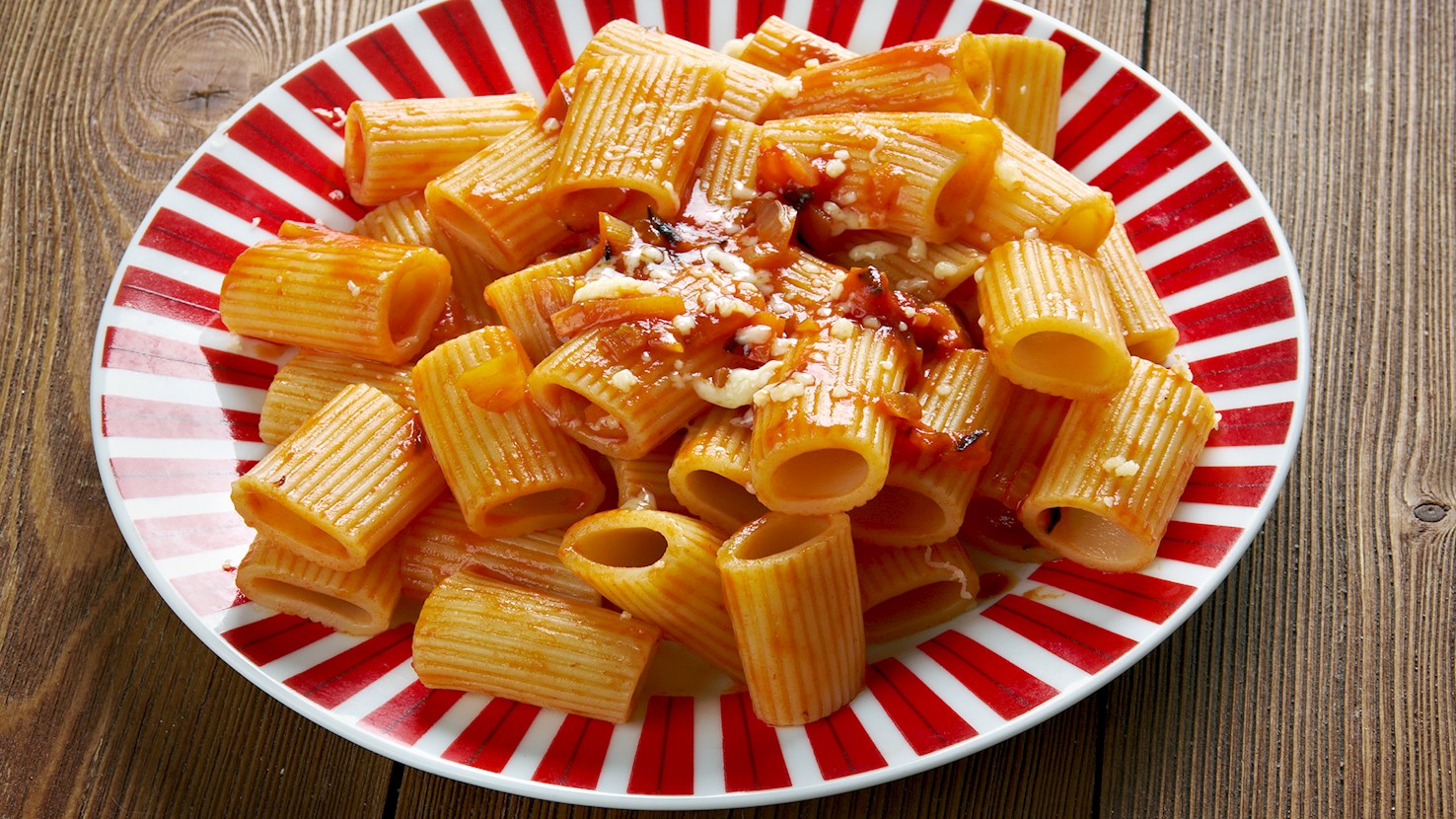
Rigatoni con la pajata is a classic dish of the Roman cucina povera. La pajata is a term referring to intestines of calves who were only fed with their mothers' milk and have never eaten grass. The intestines are cleaned and skinned, but the milk they drank is left inside - when cooked, the combination of the heat and the enzymes coagulates it, thus creating a thick, creamy, ricotta-like sauce. Nowadays there are not many places that keep this dish on their menus, but those who do have their devotees, claiming that the pajata cooked with onions, celery, carrots, tomatoes, white wine, lardo, and spices served over rigatoni is a true delicacy. Traditionally in the past, each person was served two portions of boiled rigatoni with the sauce and grated pecorino.

Read more
View all
View map
About this ranking

TasteAtlas food rankings are based on the ratings of the TasteAtlas audience, with a series of mechanisms that recognize real users and that ignore bot, nationalist or local patriotic ratings, and give additional value to the ratings of users that the system recognizes as knowledgeable. For the “44 Worst Rated Italian Pasta” list until June 16, 2026, 16,786 ratings were recorded, of which 13,638 were recognized by the system as legitimate. TasteAtlas Rankings should not be seen as the final global conclusion about food. Their purpose is to promote excellent local foods, instill pride in traditional dishes, and arouse curiosity about dishes you haven’t tried.

Similar lists