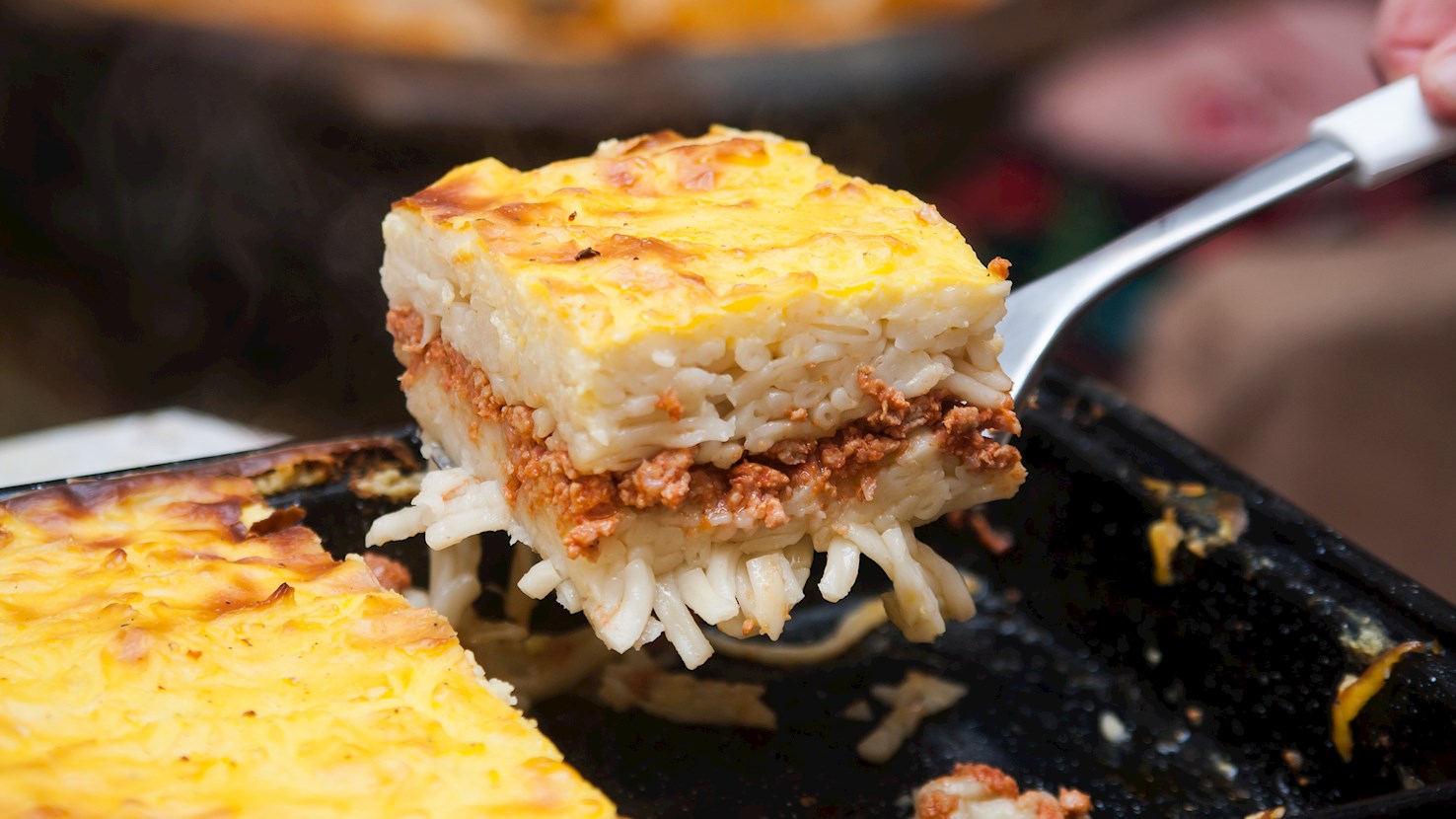
Spaghetti pie is a traditional pie originating from Colorado. Although it’s often dubbed the most iconic pie of Colorado, spaghetti pie is savory and not sweet, like most other iconic state pies. It’s made with a combination of spaghetti, ground beef, onions, tomatoes, bell peppers, butter, beaten eggs, and cheese such as mozzarella, ricotta, or parmesan. Parsley, basil, and oregano are often added to elevate the flavors. Once assembled, this savory pie is topped with cheese and baked in the oven until the cheese melts and the pasta becomes golden brown.
Amish pasta salad is a traditional dish originating from Pennsylvania Dutch Country, where the Amish people live and work. Although there are variations, the pasta salad is usually made with a combination of macaroni, scallions, bell peppers, hard-boiled eggs, and celery. The ingredients are mixed and dressed with a mixture of mayonnaise, crème fraîche, mustard, sugar, white wine vinegar, celery seeds, salt, and pepper. Once all the ingredients have been coated with the dressing, the pasta salad is placed in the fridge to cool before serving. Amish pasta salad is usually made for large gatherings and pot luck suppers in the area.
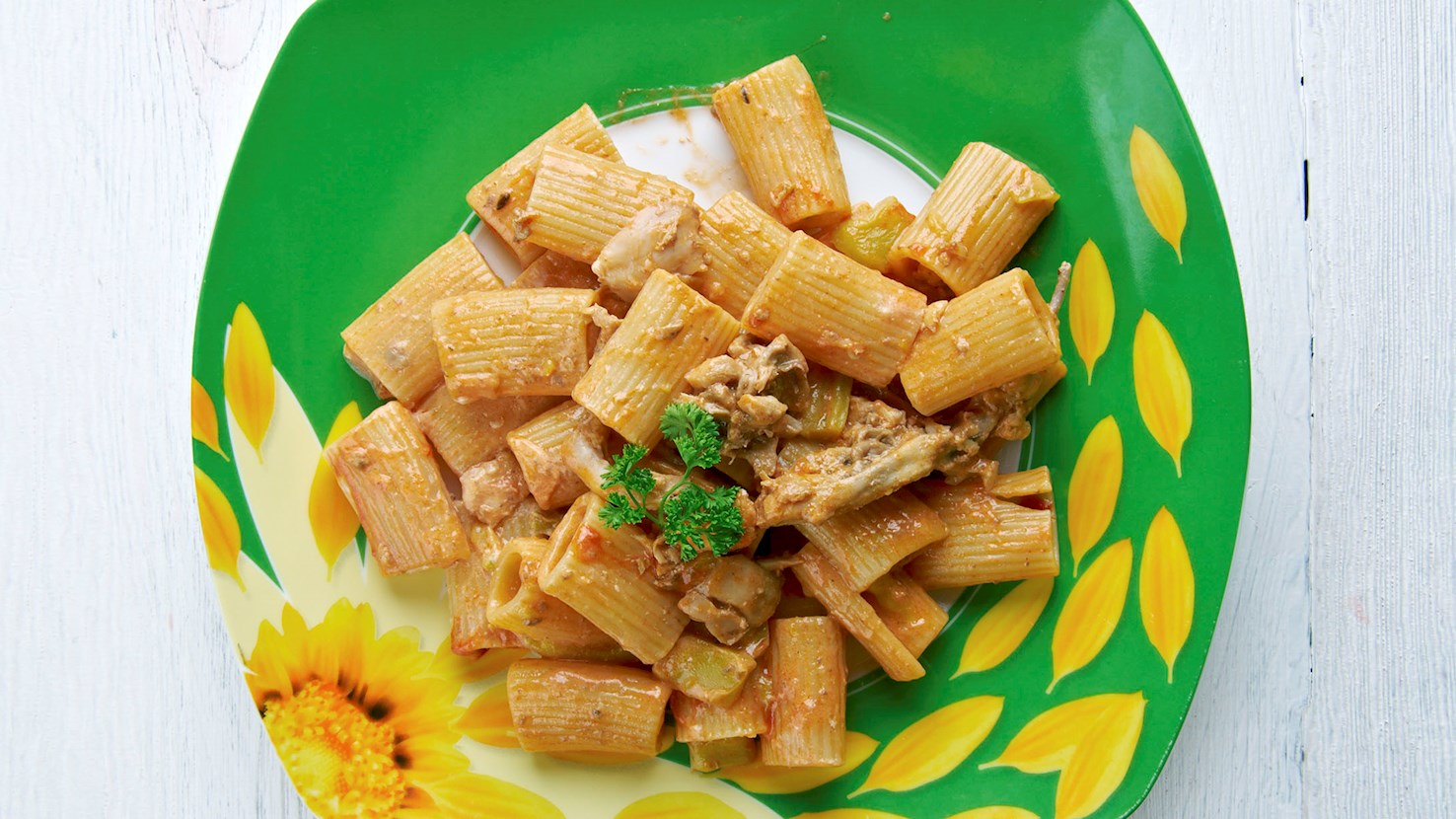
Chicken riggies is an Italian-American pasta dish from the Utica area of New York. Most often, it consists of rigatoni pasta, hot or sweet peppers, chicken, and a spicy, flavorful cream and tomato sauce. Almost every Italian restaurant in the Utica area serves the dish. Its story starts in the late 1970s at the Clinton House restaurant in Clinton, NY. The lawyers, doctors, and union workers would come in to play cards and eat the "riggie dish" with chicken, tomatoes, and cherry peppers, but without the sauce. Since they wanted the same dish every week, chicken riggies quickly gained popularity with other customers, and a new American classic was born. A simple dish that has yet to reach the peak of popularity, chicken riggies even has its own annual festival in the city, where the cooks change up the recipe by adding ingredients such as steak, shrimp, and heavy cream.
Ají de fideos is a spicy Bolivian dish originating from Cochabamba, prepared with a combination of pasta noodles, potatoes, ground chilis, ground meat, peas, carrot and fresh herbs such as cumin, oregano, and parsley. The dish is quite easy to prepare and it can be made in a single pot, which makes it quite popular at festivities and celebrations.
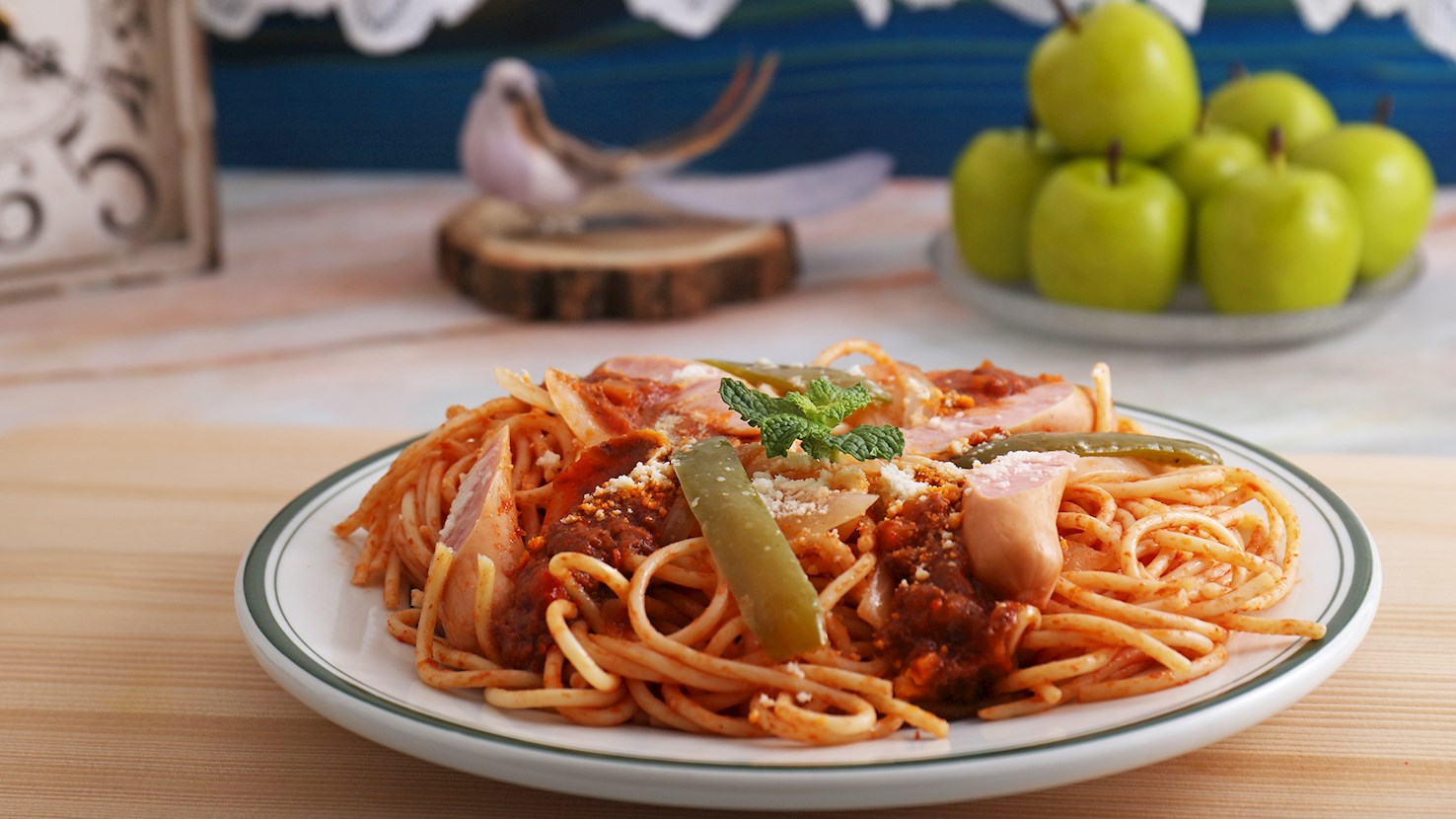
Naporitan is a Japanese dish made with a combination of overcooked spaghetti, ketchup, onions, green bell peppers, mushrooms, and sausage, ham, or bacon. The ingredients are sautéed and then tossed with the pasta and ketchup. The dish was created shortly after WWII by Shigetada Irie, the head chef at the New Grand Hotel in Yokohama. He was inspired by a similar dish of spaghetti and tomato sauce that the US soldiers were eating overseas, and it was named naporitan after Naples, Italy. This type of Japanese pasta dish is considered yoshoku - western cuisine with Japanese influences.
Originating from East Libya, makaruna imbaukha is a savory dish made with steamed pasta as the key ingredient. The pasta is combined with meat (usually lamb) and a rich sauce made with clarified butter, tomatoes, onions, chickpeas, potatoes, pumpkin, and raisins. The whole dish is typically flavored with cloves, bay leaves, ginger, black pepper, and shaiba leaves. For the final touch, makaruna imbaukha can be sprinkled with orange flower water and cinnamon. When served, the pasta is traditionally spread in the center of the plate and topped with everything else. It is recommended to serve the dish with Libyan pickles known as mseyer on the side.
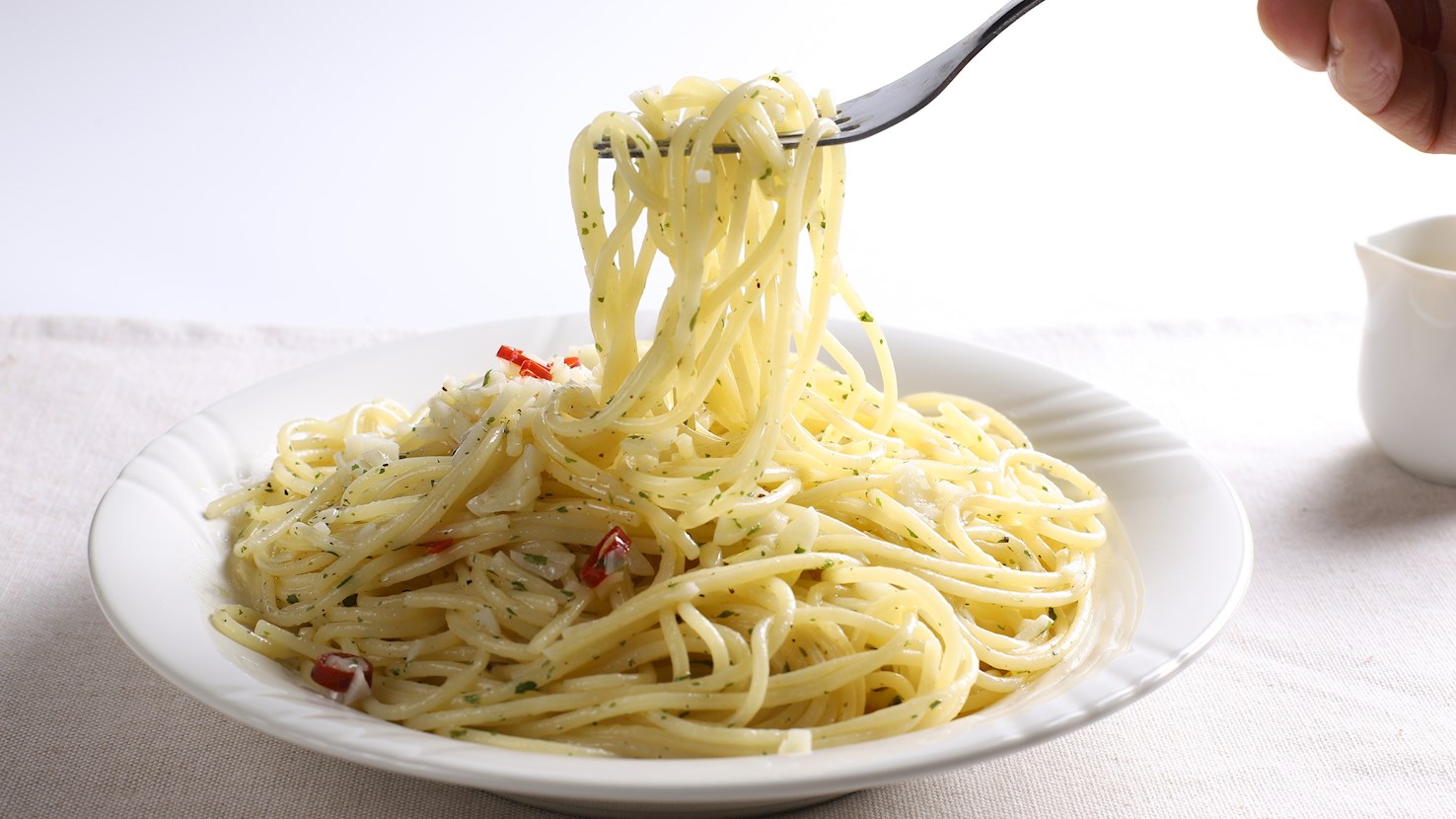
Spaghetti Bordelaise is an American dish originating from New Orleans. Basically, the dish is Italian spaghetti aglio e olio with the addition of butter and the removal of browned garlic. The French Creoles also add white pepper instead of black pepper, giving the dish a nice French twist. In order to prepare it, garlic is sautéed over olive oil and butter, and as it begins to take on a golden color, it's removed from the pan. White pepper and parsley are then added to the pan, and the sauce is tossed with cooked and drained spaghetti with a bit of the cooking water until everything is well coated. It's recommended to pair the dish with Pinot Grigio or Chardonnay. Spaghetti Bordelaise also make for a great side dish to oysters Mosca, which is also the most famous version of the dish served at Mosca's restaurant, just like this one.
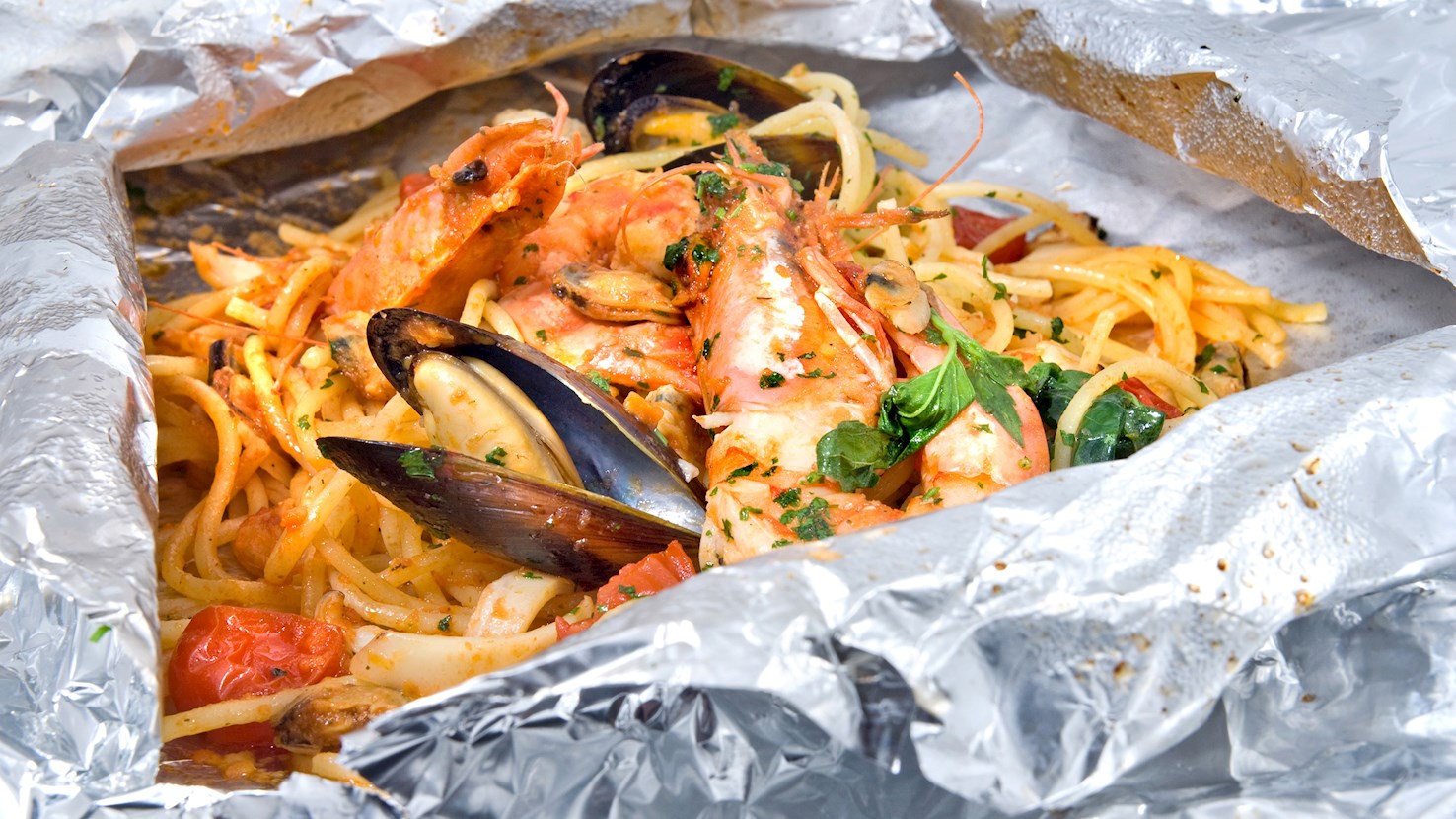
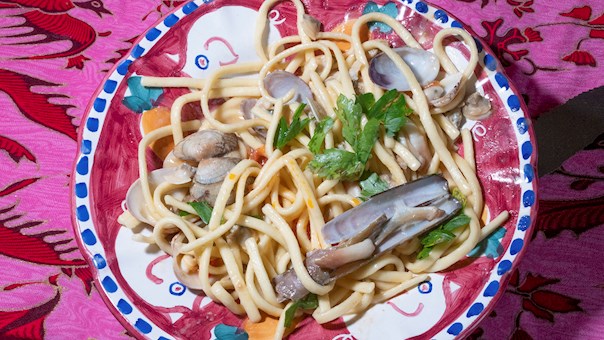
Spaghetti al cartoccio is a traditional dish hailing from Abruzzo. The dish is typical of Chieti, and it's made with a special method called al cartoccio, where the ingredients are wrapped and baked in foil. It's made with olive oil, garlic, clams, squid, shrimp, prawns, tomatoes, white wine, parsley, and spaghetti. The wine used in the dish should, ideally, be Trebbiano d'Abruzzo. The seafood is cooked with garlic, and the rest of the ingredients are added when the liquid from the seafood has evaporated. The pasta is tossed with the sauce, and the combination is wrapped in foil, then baked until the pasta is al dente.
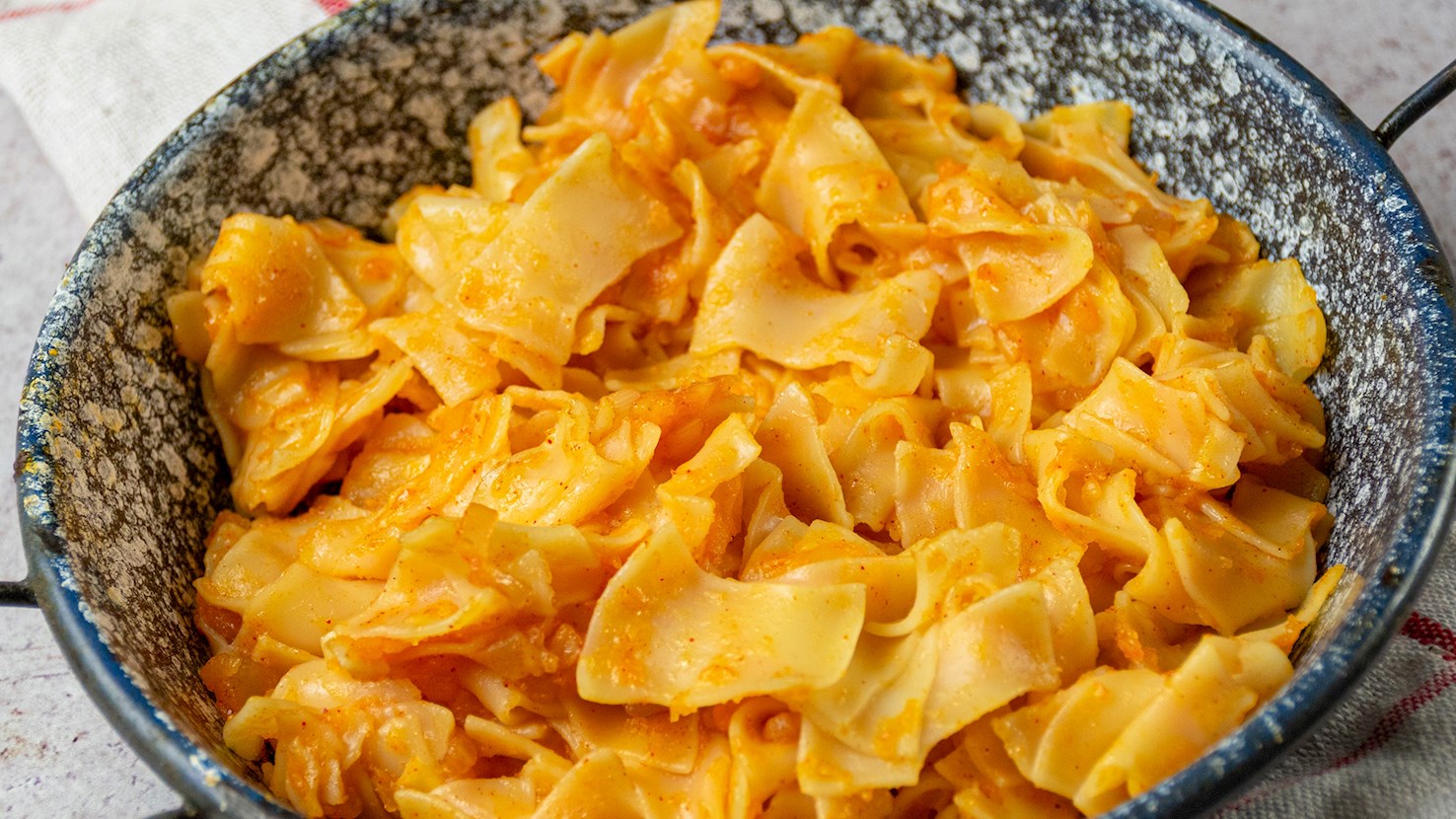
Krumplis tészta is a Hungarian pasta dish made with cooked potatoes, onions, and paprika, combined with broad egg noodles for a simple yet satisfying meal. It is part of the everyday cuisine of Hungary and has long been valued for being inexpensive, filling, and easy to prepare. Its origins lie in rural households where staple ingredients such as potatoes, onions, flour, and lard or oil were readily available and could be turned into a hearty dish without the need for costly additions. Over time, it became a familiar sight in urban kitchens as well, served in homes, school canteens, and casual eateries. Preparation begins with boiling peeled and diced potatoes until soft, while onions are slowly sautéed in fat until golden. Sweet Hungarian paprika is then stirred into the onions to release its color and aroma, followed by the drained potatoes, which are mashed or broken into small pieces in the pan. Separately, wide egg noodles are cooked until just tender and mixed with the potato-onion mixture so the flavors coat the pasta evenly. It is typically served plain, but some enjoy it with pickles or a dollop of sour cream on the side. One aspect that sets it apart is how the starch from the potatoes binds with the pasta, giving it a thick, cohesive texture rather than leaving separate components. Krumplis tészta remains common in Hungary today, eaten at home for lunch or dinner, offered in simple self-service restaurants, and sometimes packed in containers to be taken to work or school as a convenient, reheated meal.
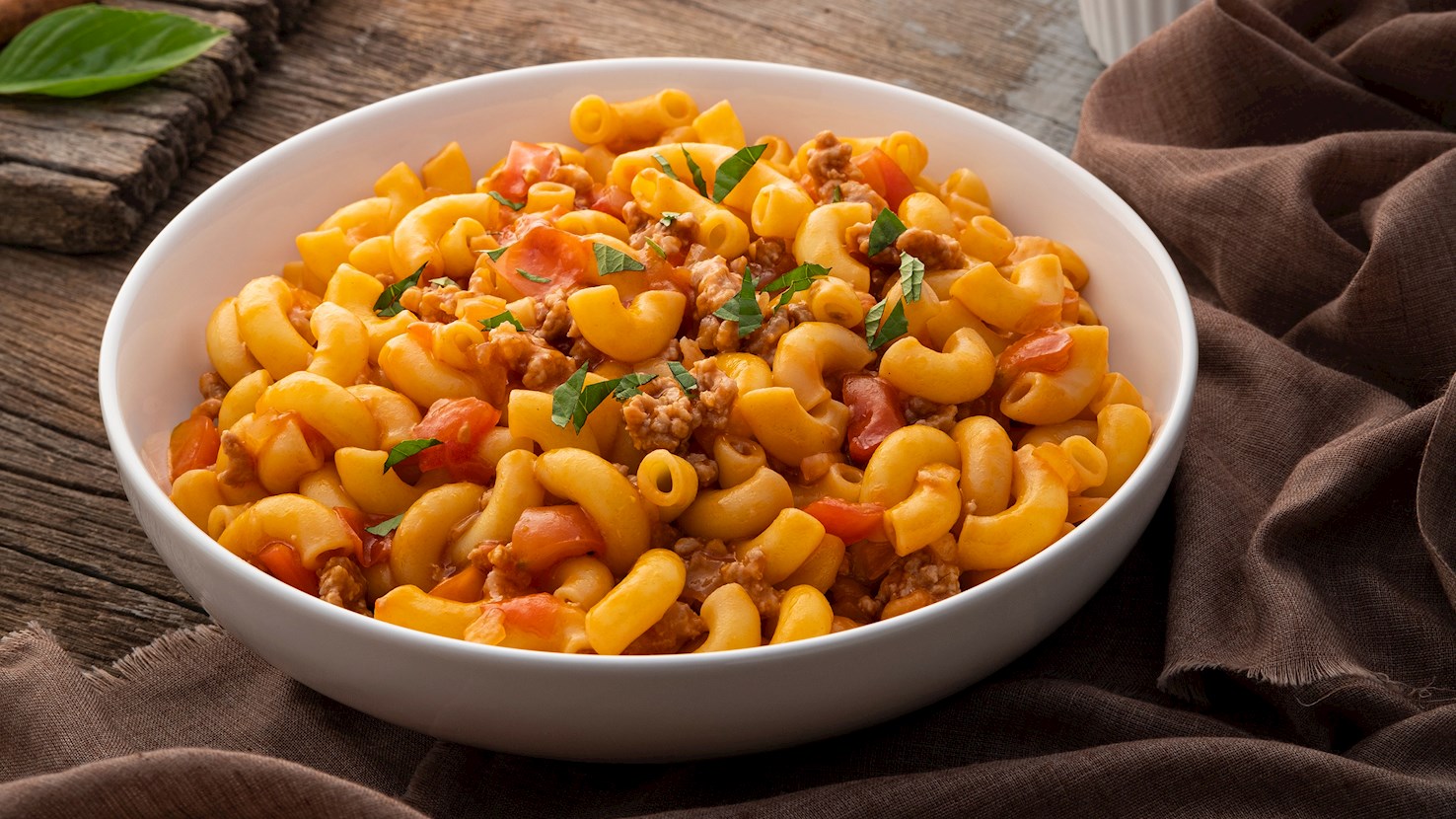
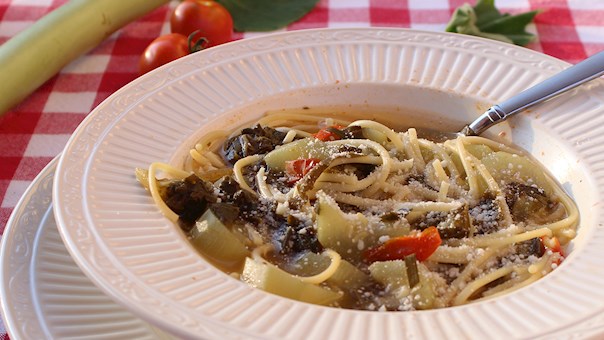
Dutch macaroni is a classic pasta dish originating from the Netherlands. Although it might seem weird, the Dutch absolutely adore macaroni, especially the children. This comforting, easy-to-make dish is usually prepared with a combination of elbow macaroni or fusilli, ground beef, leeks, red bell peppers, tomato sauce, optional pickles, oil, and spices such as smoked paprika, oregano, basil, salt, and black pepper. If desired, mustard and Worcestershire sauce can also be added for even more flavor. In order to make the dish, ground beef is browned in oil, mixed with red peppers, sliced leeks, tomato sauce, and spices. The mixture is simmered for a few minutes, and it’s then mixed with cooked pasta. Dutch macaroni are served warm, usually as a comforting dinner.
TasteAtlas food rankings are based on the ratings of the TasteAtlas audience, with a series of mechanisms that recognize real users and that ignore bot,
nationalist or local patriotic ratings, and give additional value to the ratings of users that the system recognizes as knowledgeable.
For the “93 Worst Rated Pasta in the World” list until September 15, 2026, 22,916 ratings were recorded, of which 18,196 were recognized by the system as legitimate.
TasteAtlas Rankings should not be seen as the final global conclusion about food. Their purpose is to promote excellent local foods,
instill pride in traditional dishes, and arouse curiosity about dishes you haven’t tried.











What People Say