


Maja B

7 Worst Rated Central European Pasta, Noodles and Dumplings

Last updated on June 16, 2026
01

Krpice

2.8 ·

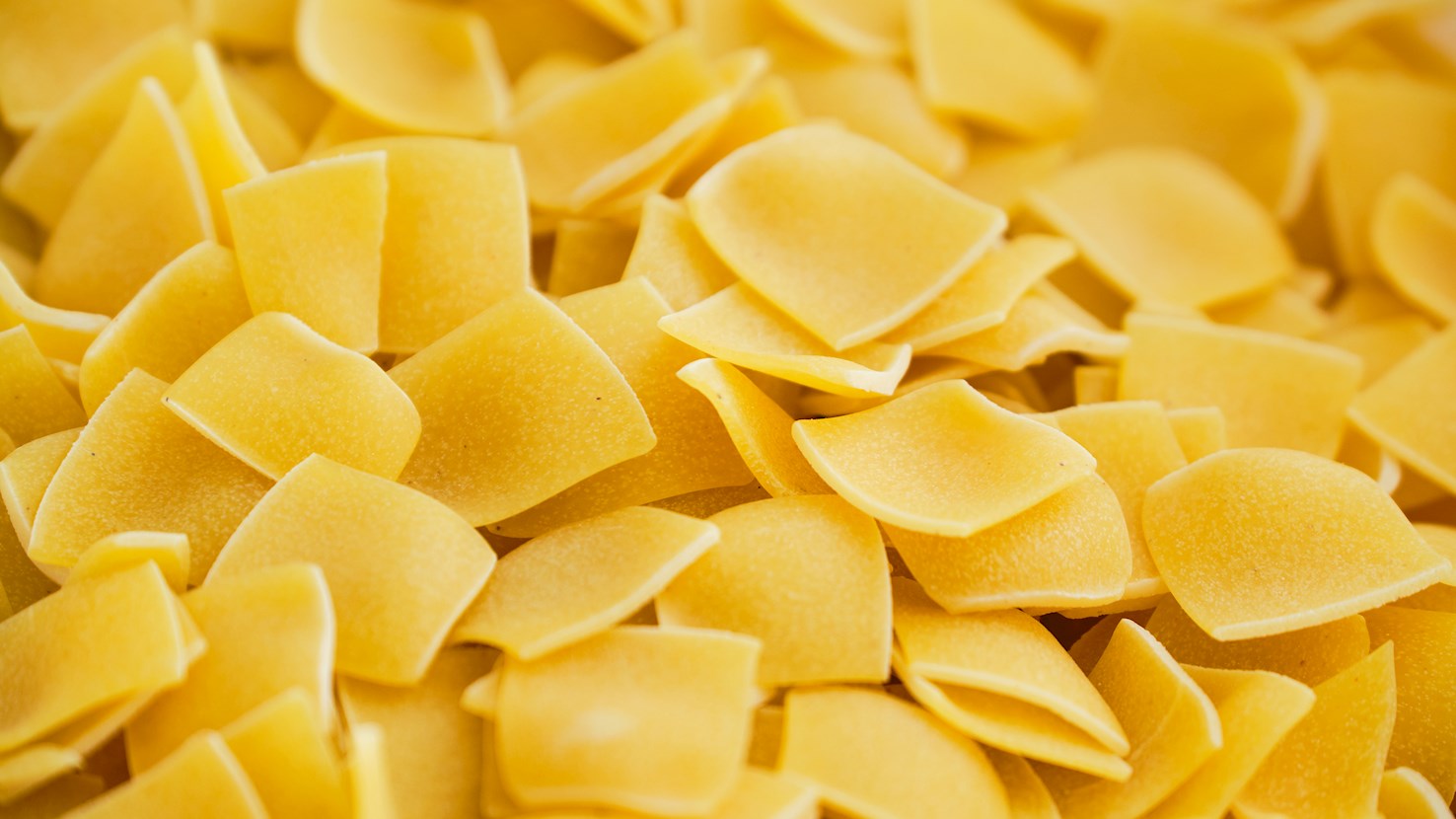
Krpice or flekice is a Croatian pasta variety that's shaped into small rectangles or squares. The pasta is made with a combination of eggs, salt, water, and flour. The dough is thinly rolled, then cut into squares or sometimes into irregular rectangles, similar to the Italian maltagliati. Krpice are traditionally used in the preparation of krpice sa zeljem, a dish that's popular in the northern parts of the country and includes cabbage, onions, and black pepper.

02

Žrnovski makaruni

3.1 ·

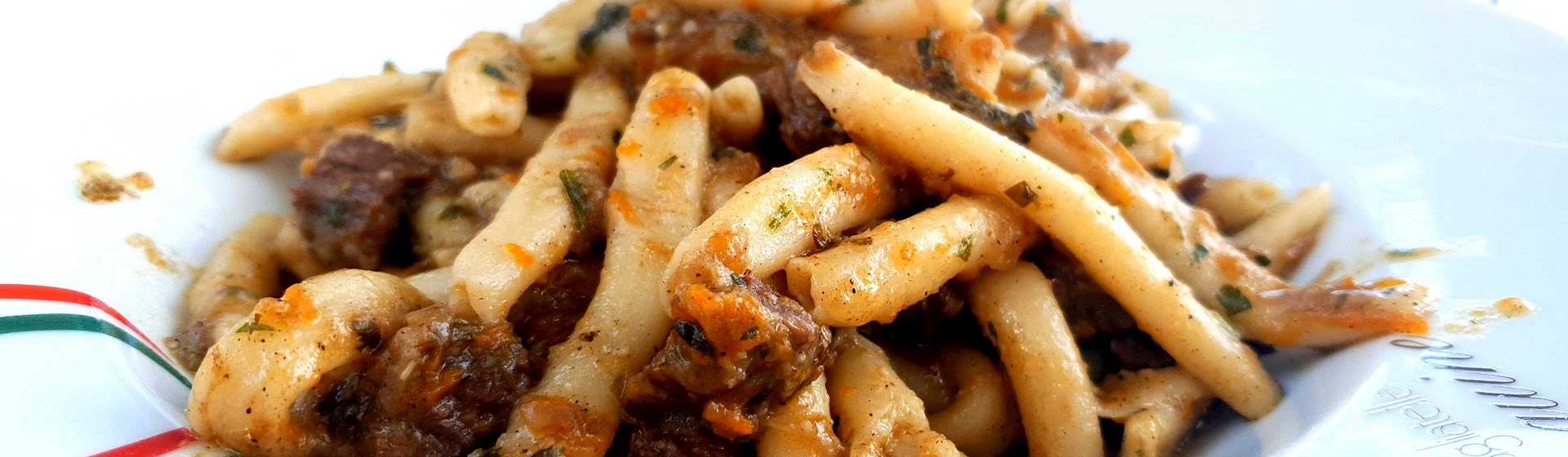
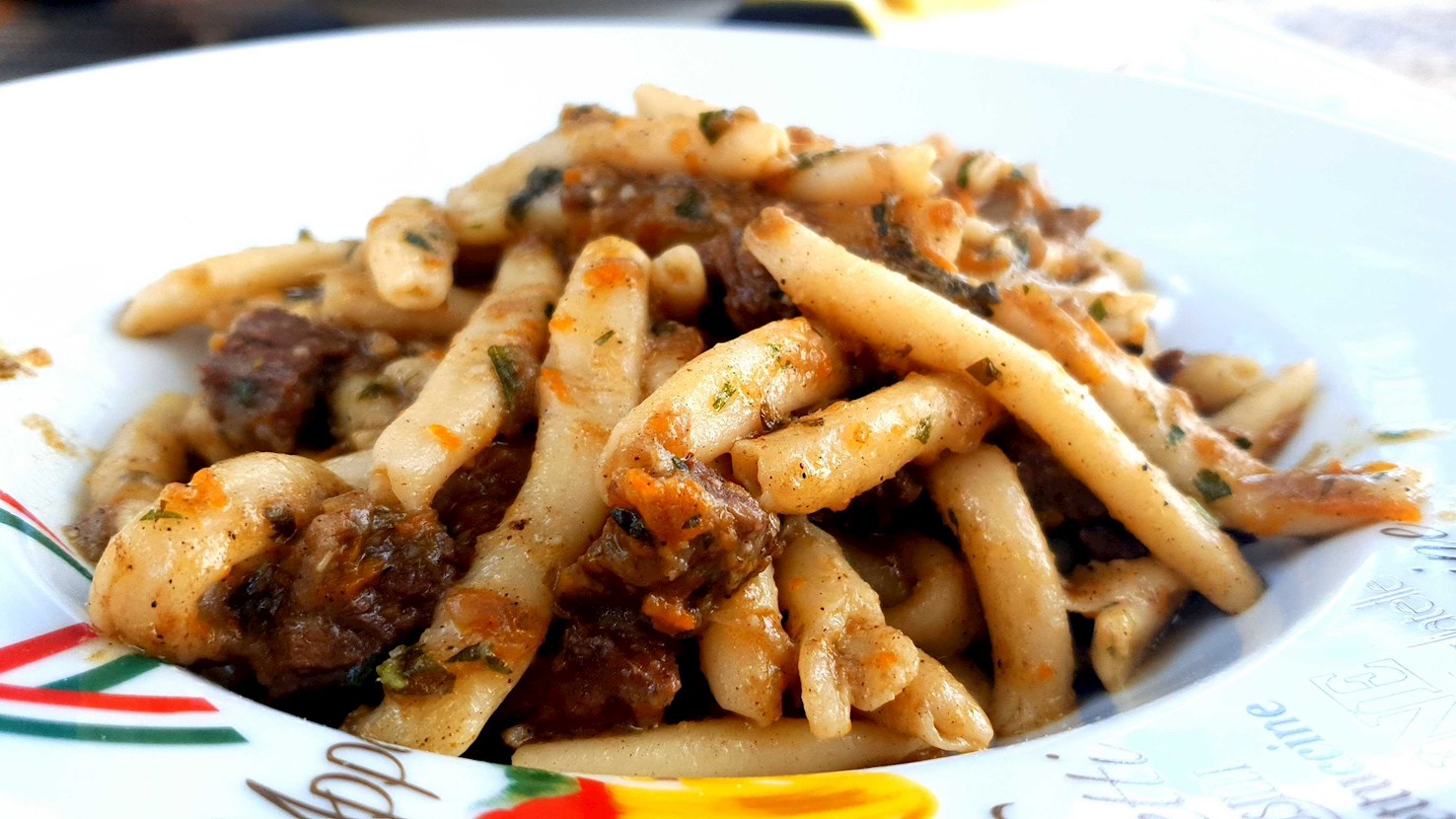
This handmade pasta variety hails from the island of Korčula and is mainly associated with the village of Žrnovo. It is prepared with a simple pasta dough that is flattened and then wrapped around a wooden stick in order to achieve its typical elongated, rolled form. Makaruni are an ancient tradition on the island, and in the past, they were mainly enjoyed on special occasions. They are traditionally combined with thick, rich meat sauces, but they also pair well with pesto or a simple tomato sauce (šalša).

03

Shlishkes

3.4 ·

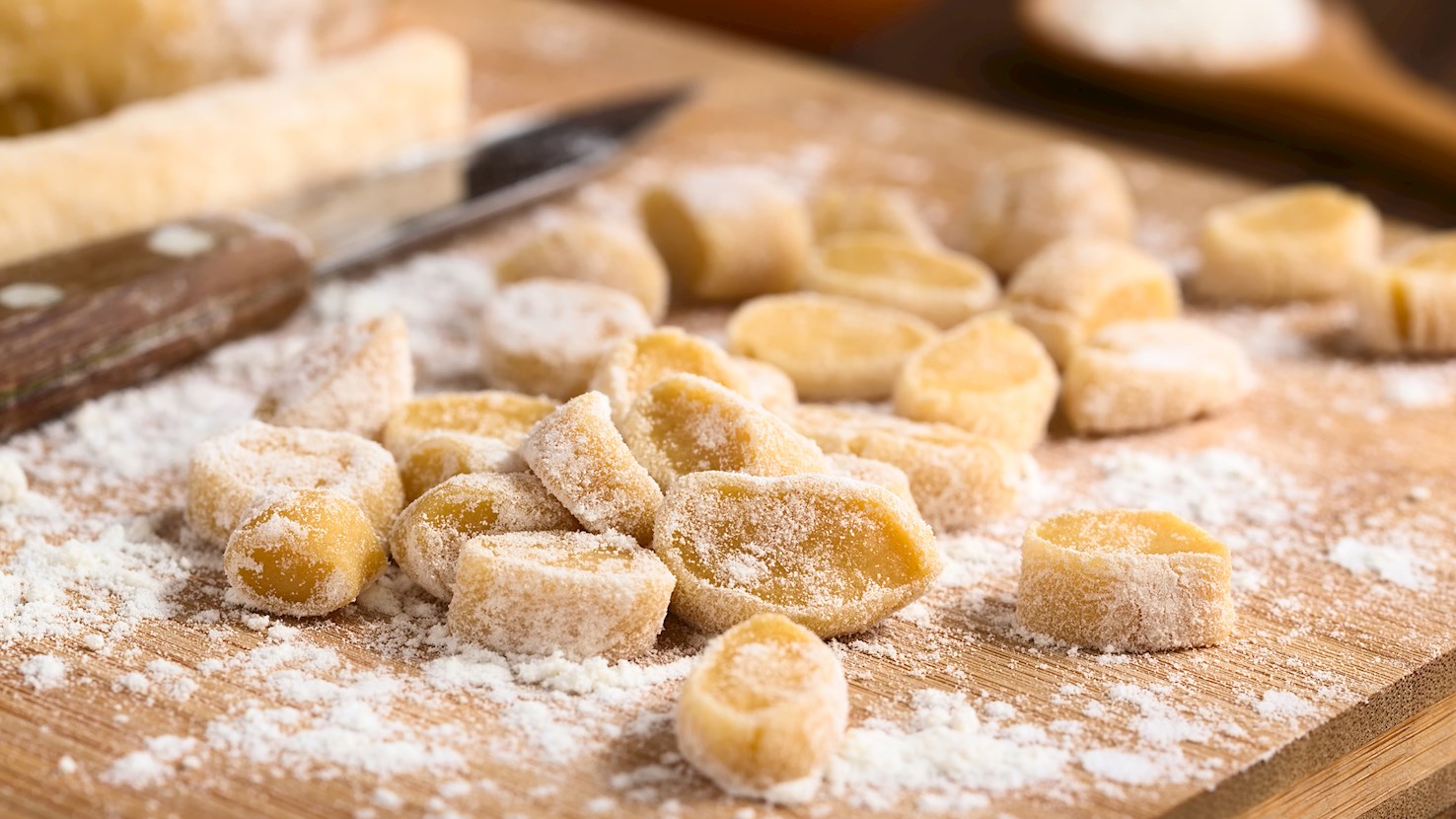
Shlishkes are potato-based dumplings that are especially beloved by the Hungarians and Ashkenazi Jews. The dough is usually made with leftover mashed potatoes, eggs, flour, and salt. It's rolled into a long strip which is then cut into smaller pieces. The dumplings are boiled until they rise to the surface, and they're then rolled in a mixture of buttered breadcrumbs. Although shlishkes look similar to gnocchi, they're actually firmer and don't have ridges. These Hungarian dumplings also aren't sprinkled with cheese or covered with sauces like gnocchi. The shlishkes are typically served as a side dish accompanying meat, but they can also be transformed into a dessert and eaten on their own if they're rolled in sugar.

04

Csipetke

3.6 ·

Csipetke are simple Hungarian pasta dumplings. They're made with a combination of flour, beaten eggs, and water. The dumplings are typically hand-shaped – pinched, then rolled into a ball that's flattened and dropped into salted boiling water. Once boiled, they're drained, rinsed, then added to soups, paprikash, or Hungarian goulash (gulyás). The name csipetke refers to the method of preparation – pinching the dough by hand.

05

Schupfnudeln

3.7 ·

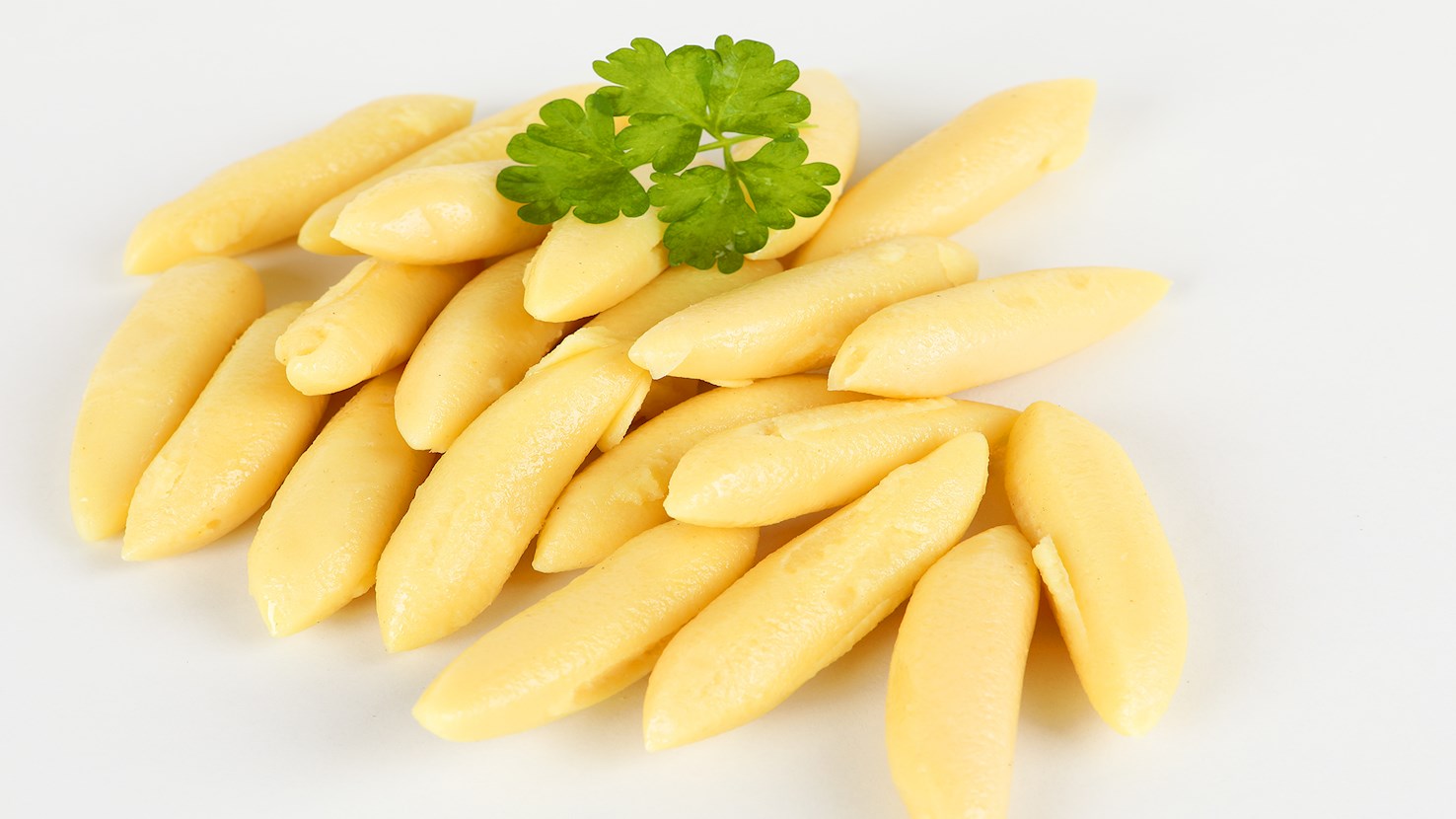
Even though schupfnudeln are often labeled as German potato dumplings, they are best described as a variety of fresh pasta made with a combination of mashed potatoes and flour. Characterized by their unusual cylindrical shape, they are either boiled or pan-fried until crispy. Schupfnudeln are eaten throughout the country, and they are used in a variety of savory and sweet dishes. They are best combined with sauerkraut, bacon, and creamy sauces, but they can also be enjoyed as an accompaniment to hearty German stews. If served as a dessert, they are usually given a light dusting of powdered sugar or coated in sweetened poppy seeds or breadcrumbs.

06

Kopytka

3.9 ·

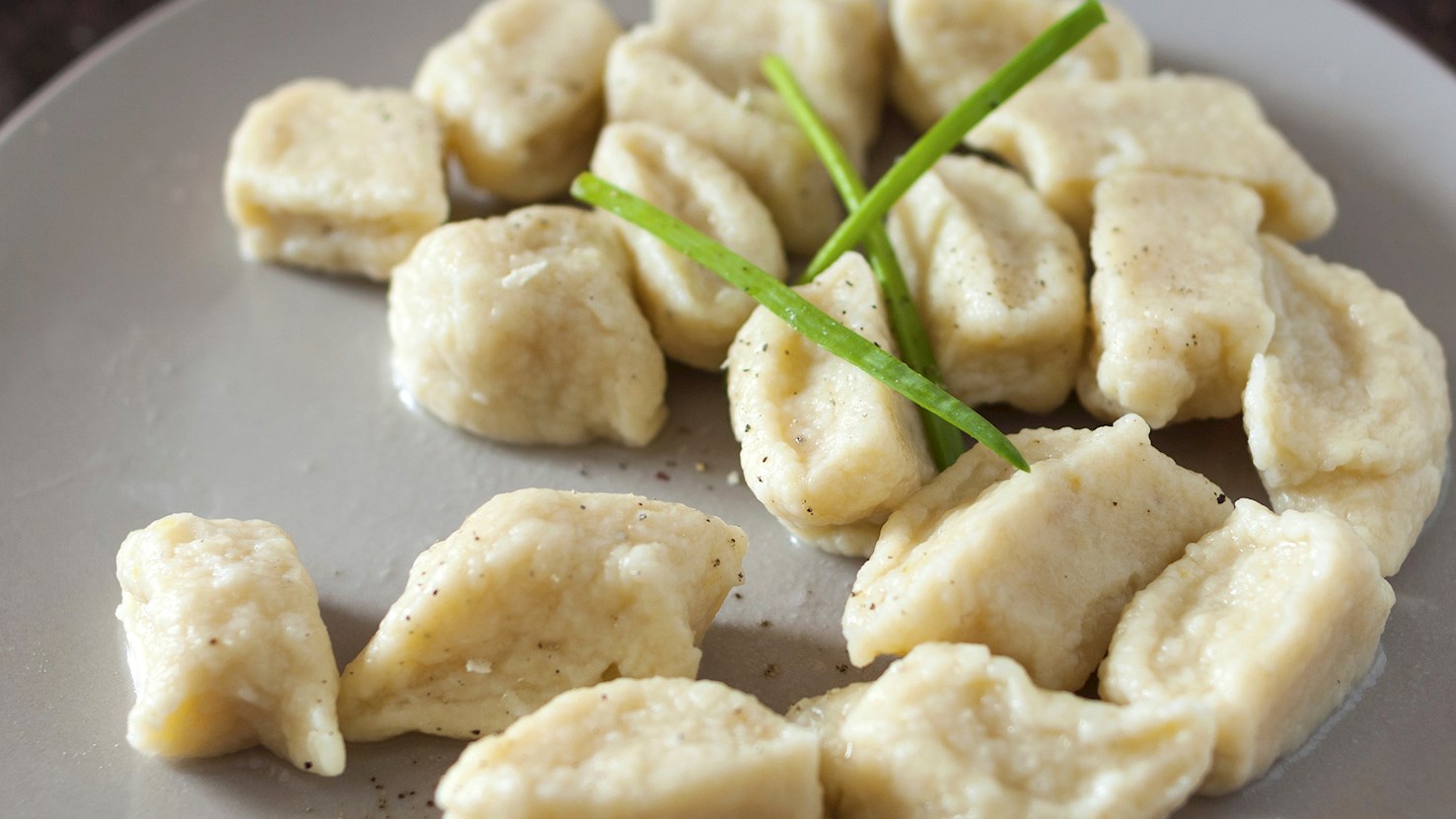
Kopytka are small potato dumplings from Poland that are similar in taste and appearance to the Italian gnocchi. They are made with boiled and mashed potatoes with the addition of flour. The name of the dish can be translated to little hooves, referring to the shape of the dumplings. It is said that the best kopytka should be light, soft, and fluffy in texture. Kopytka are usually consumed as the main course, topped with buttered breadcrumbs or a mushroom sauce, but they can also be served as a side dish combined with lard, pork, and fried onions.

07

Šurlice

3.9 ·

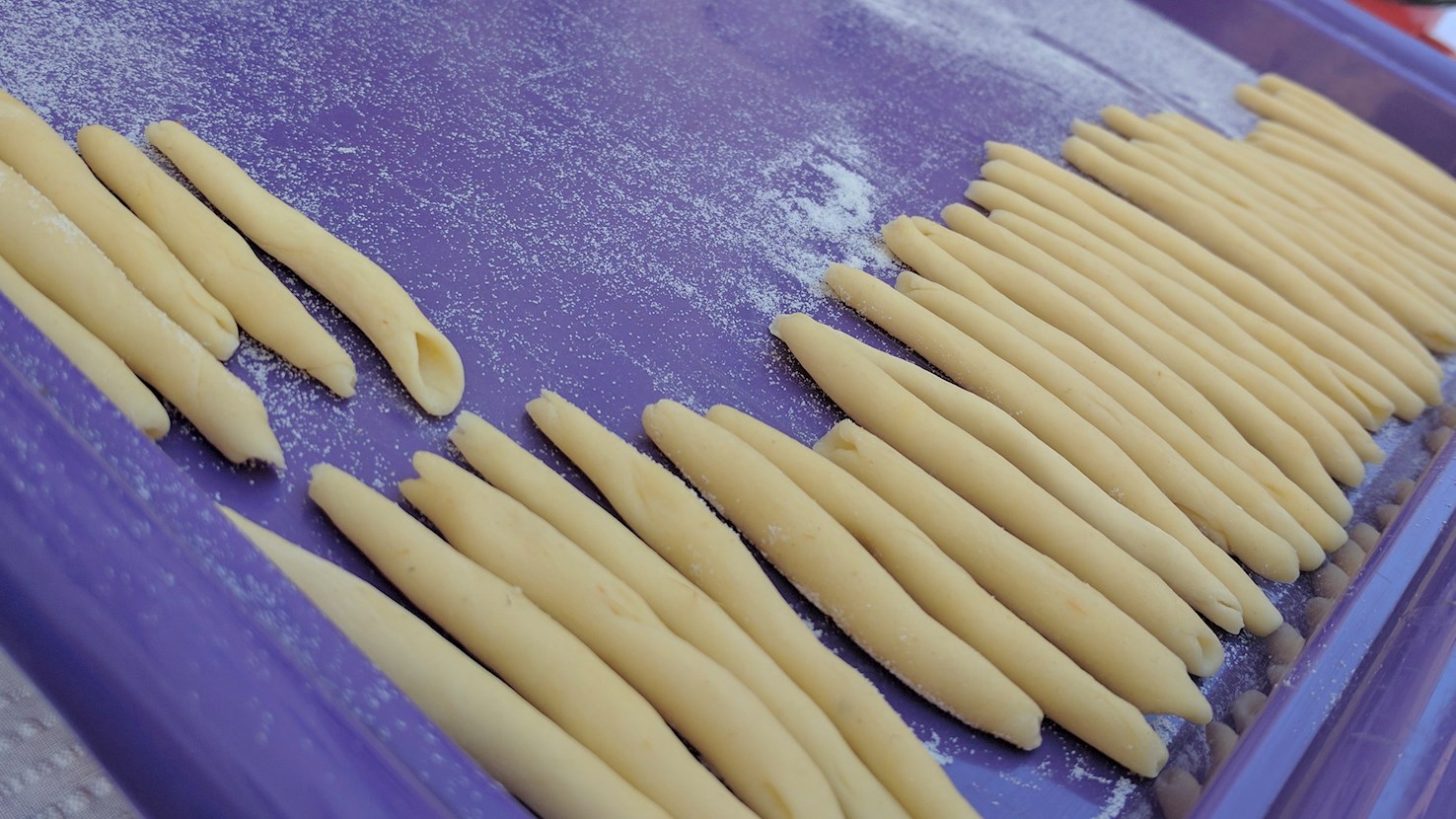
Šurlice is a specialty pasta coming from the Croatian island of Krk. The pasta is traditionally handmade by coiling the dough on small wooden sticks or knitting needles, which is why this pasta is sometimes also called needle macaroni. It consists of flour, water, and oil. The name šurlice is derived from surla or surlica, the Croatian word and its diminutive for elephant trunk. Originally, šurlice were prepared for festivities such as weddings, and they were paired with lamb stew, but today there are numerous combinations of this pasta variety and different sauces. It is recommended to serve šurlice with Vrbnik Žlahtina wine, which is another favorite from the island of Krk.

Read more
View all
View map
About this ranking

TasteAtlas food rankings are based on the ratings of the TasteAtlas audience, with a series of mechanisms that recognize real users and that ignore bot, nationalist or local patriotic ratings, and give additional value to the ratings of users that the system recognizes as knowledgeable. For the “7 Worst Rated Central European Pasta, Noodles and Dumplings” list until June 16, 2026, 1,653 ratings were recorded, of which 1,297 were recognized by the system as legitimate. TasteAtlas Rankings should not be seen as the final global conclusion about food. Their purpose is to promote excellent local foods, instill pride in traditional dishes, and arouse curiosity about dishes you haven’t tried.

Similar lists