

shutterstock

8 Worst Rated Chinese Pasta, Noodles and Dumplings

Last updated on June 16, 2026
01

Fen pi (Mung bean sheets)

2.9 ·

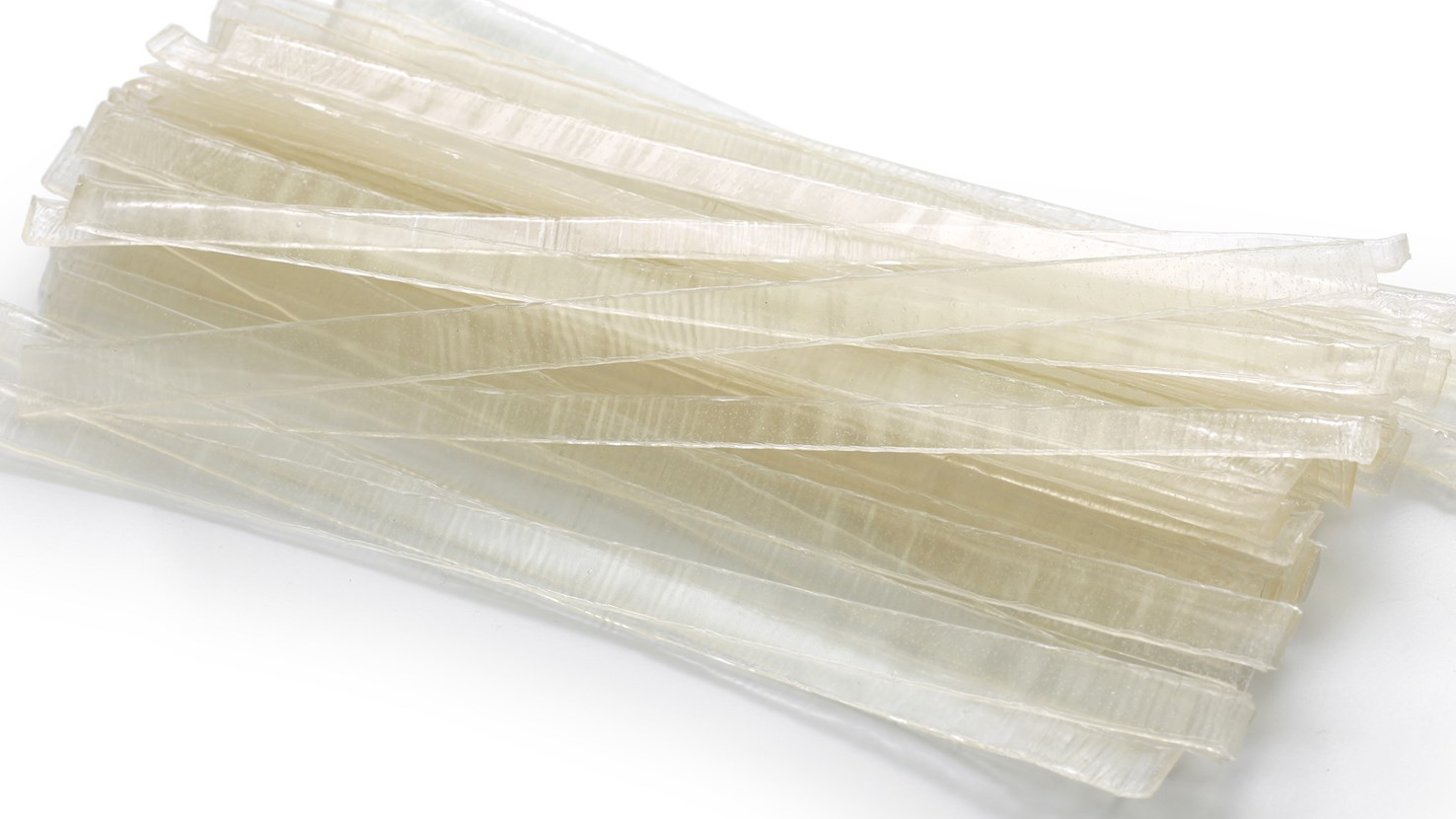
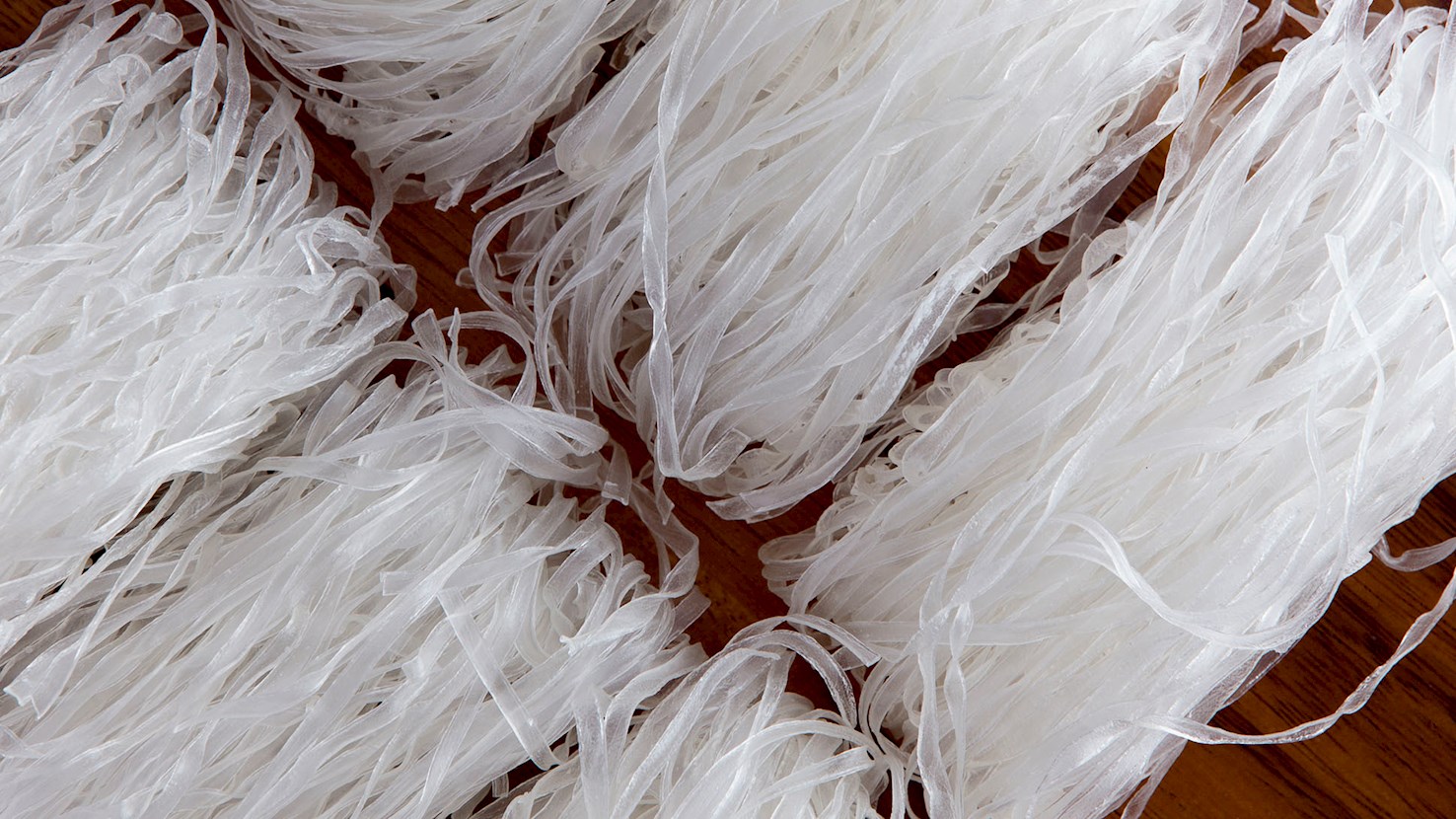
Mung bean sheets are Chinese noodles produced with the starchy flour of the mung bean legume. Even though their transparent and gelatinous texture resembles that of cellophane noodles, they are formed into wide, flat and thin sheets which are usually cut into strips and incorporated in numerous Asian dishes. With their neutral taste, they are easily combined with an array of ingredients and are a perfect addition to various hot or cold stews, stir-fries, and salads.

02

Misua (Wheat vermicelli)

3.4 ·

Misua are extremely thin wheat noodles originating from Fujian. The noodles cook very quickly, so they are sometimes added to the soup that has already been removed from the heat source. Misua noodles are a highly versatile ingredient, so they can be served as a side dish, fried with mushrooms, tofu, and vegetables, or used in salads and soups. Some of the most popular dishes with misua noodles include noodle and meatball soup and seafood noodle stew. These noodles are also very popular in Taiwan, Singapore, and the Philippines. Misua symbolizes long life, so the noodles are regarded as a traditional birthday food in China.

03

Mixian

3.5 ·

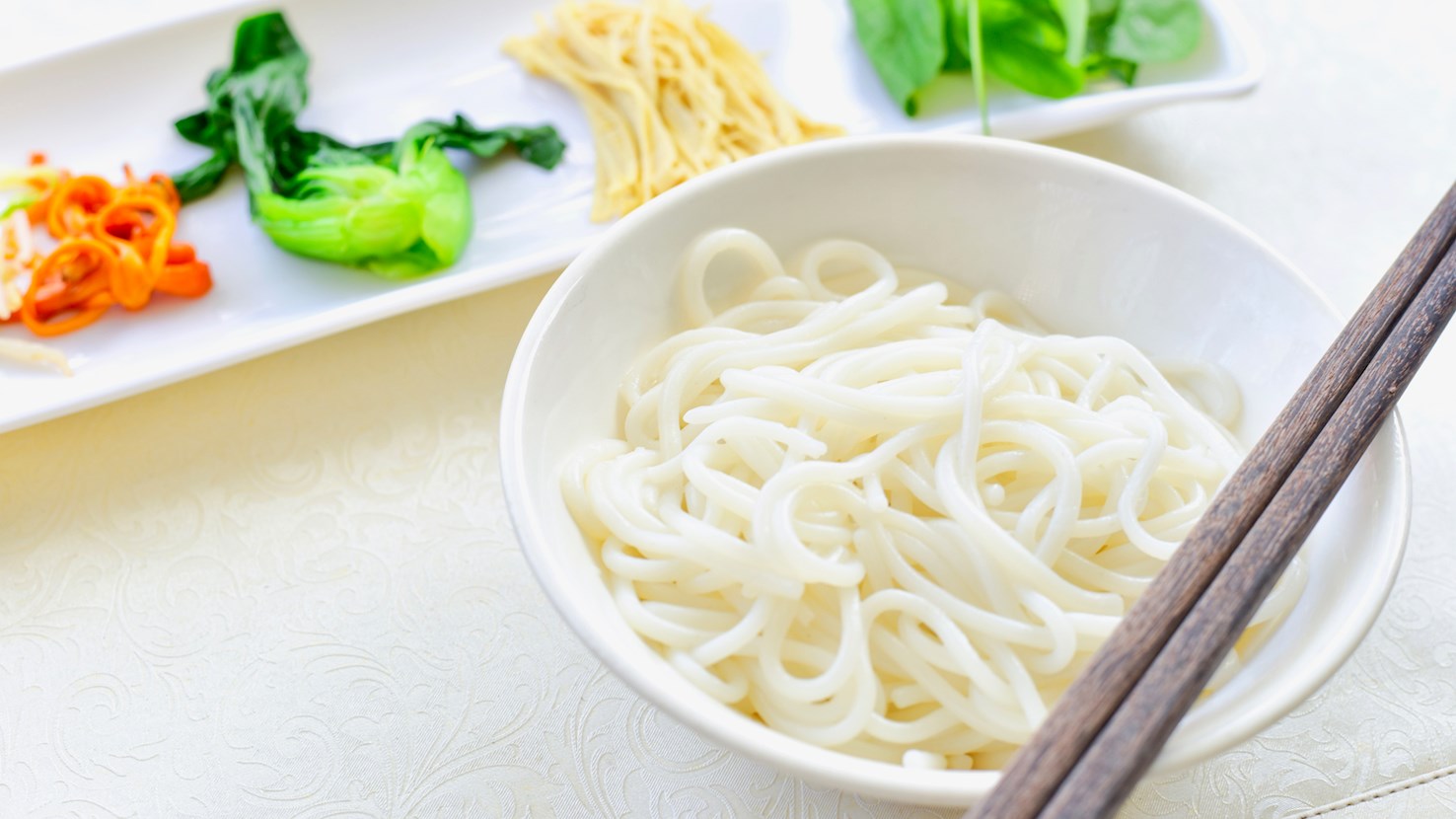
Mixian are traditional rice noodles from the Chinese Yunnan province. They are characterized by their round shape, medium thickness, silky texture, and a subtle, almost nutty flavor. The noodles are usually used fresh, and they are traditionally employed in stir-fry dishes and are often combined with flavorful broths and sauces. The most popular regional dish that incorporates mixian is a rice noodle soup known as over the bridge rice noodles (guo qiao mixian).

04

Longkou fen si (Longkou cellophane noodles)

3.6 ·

Longkou cellophane noodles are translucent, odourless and colourless noodles made from green beans and peas in the cities of Longkou, Zhaoyuan, Penglai, Laiyang and Laizhou in Northern Shandong Province in East China. The production of Longkou cellophane noodles involves a process of extracting starch from mung beans, shaping the starch into noodles, and then drying them. The noodles do not stick to each other when cooked and are characterised by their high starch content and high flexibility. Every noodle piece made from the bean threads is of the same thickness. Commonly used in stir-fries, they are slippery and almost weightless on the tongue, with just about two minutes needed to absorb the hearty flavours of soups and sauces. When fried, they become crisp and form crunchy nests, acting as a stage for a rich sauce or tasty finishes on top of soups and salads.

05

Fen si (Cellophane noodles)

3.7 ·

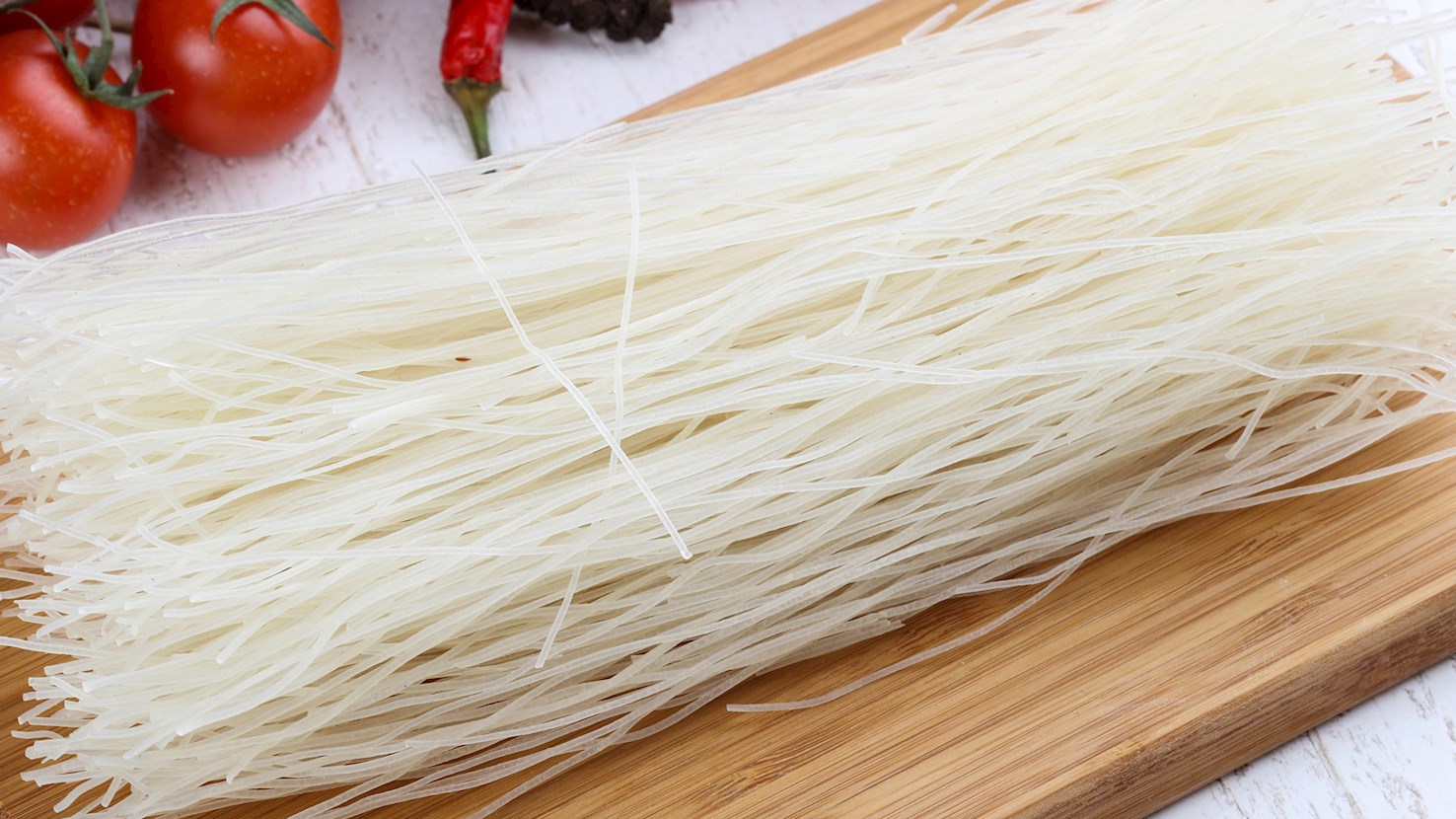
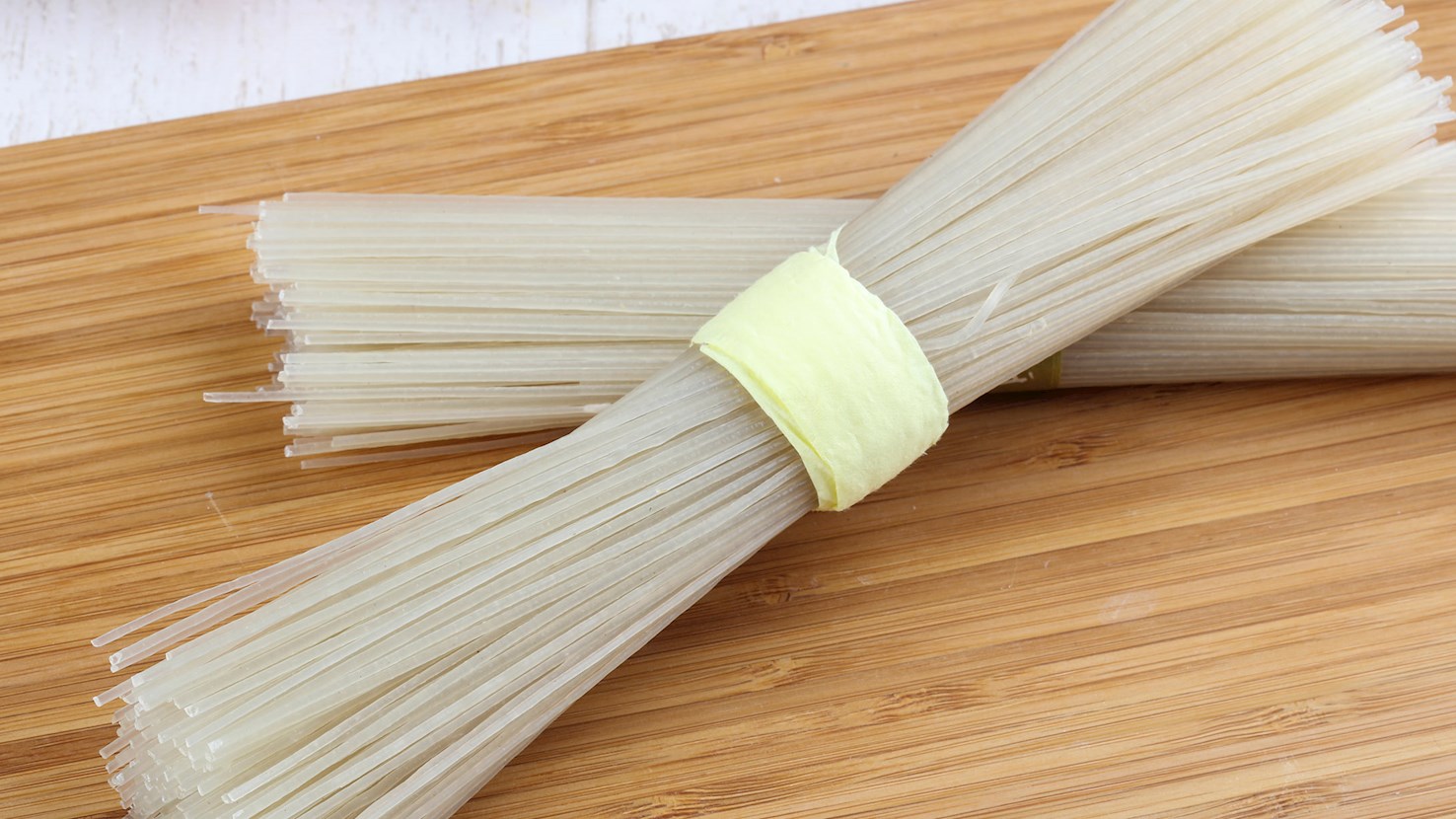
Also known as Chinese vermicelli and glass noodles, these thin noodles are made from water and starch extracted from mung beans, yams, cassava, or potato. They are characterized by their translucent appearance and extremely mild flavor. Cellophane noodles are often used in soups and stir-fries, but can also be served cold in salads. They tend to soften quickly when used in soups, while they remain al dente and soak up the flavors of other ingredients when used in stir-fries. The noodles are commonly flavored with vinegar, fish sauce, soy sauce, or chili oil. Apart from China, cellophane noodles are popular in numerous other countries such as Malaysia, Indonesia, the Philippines, Japan, Tibet, India, Pakistan, Korea, Vietnam, Thailand, and Hawaii.

06

Sùmiàn

3.8 ·

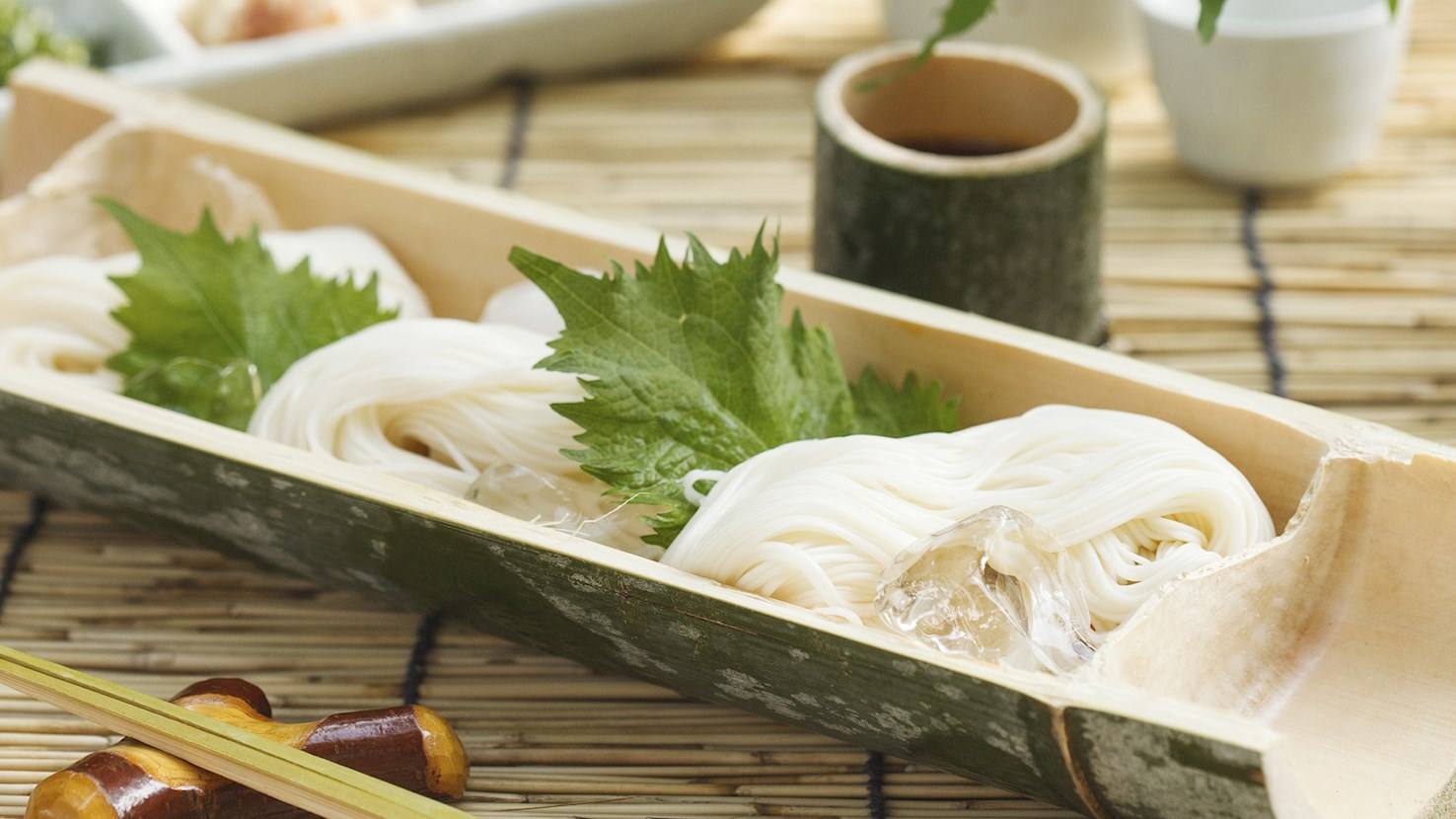
Sōmen are the thinnest Japanese dried noodles made from wheat flour. They are usually served cold, especially during summer, when they are consumed as comfort food, with a dipping sauce called men-tsuyu on the side. Other side dishes include ground ginger, chopped scallions, seaweed, wasabi, or sesame seeds. The noodles can also be stir-fried with vegetables and tofu. Sōmen dates back to the 8th century, when the Chinese brought them over to Japan. Originally, rice flour was used in its preparation, but over time, as its popularity spread, sōmen started to be made with wheat flour, especially in the western and southern regions of Japan, where wheat was abundant. In the past, sōmen noodles were often given as gifts among the wealthy, and they have also been associated with Buddhist ceremonies, particularly with the annual Tanabata festival, as it was believed that consuming sōmen on that day would prevent serious illness. In China, somen noodles are called sùmiàn, and in South Korea, they're called somyeon.

07

Huntun pi (Wonton wrappers)

3.8 ·

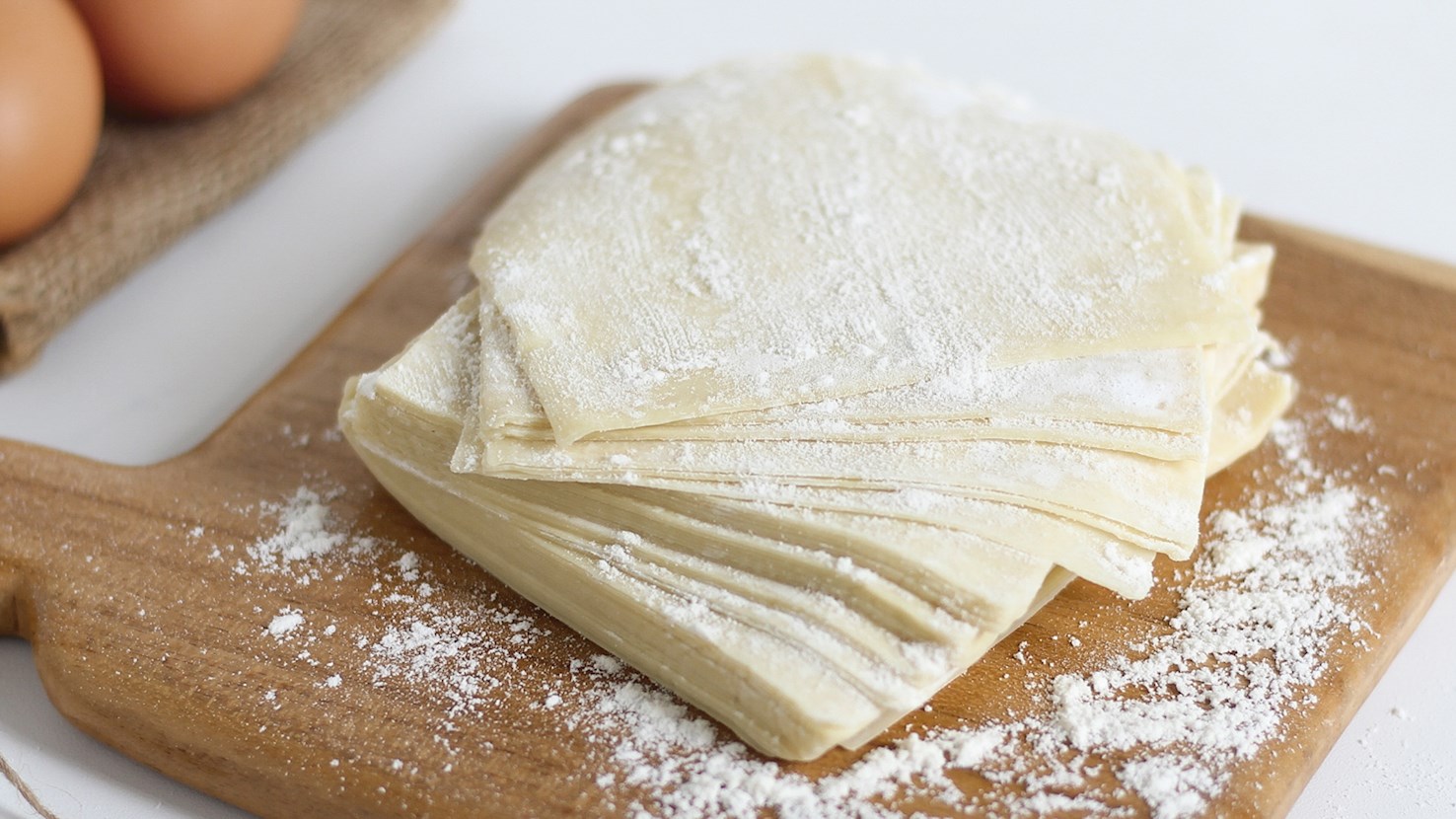
Wonton wrappers are thin sheets of dough used to make wontons, a type of Chinese dumpling. These wrappers encase various fillings, most commonly a mixture of minced meat (like pork or shrimp) and seasonings. The dough is made with all-purpose flour, eggs, salt, and water, mixed and kneaded until smooth, then rolled out very thin. It's cut into squares or circles, depending on preference and specific use. While they're primarily used for making wontons, creative cooks often use them for other dishes as well, such as ravioli, samosas, or other small pastries and dumplings.

08

Bi hun (Rice vermicelli)

3.9 ·

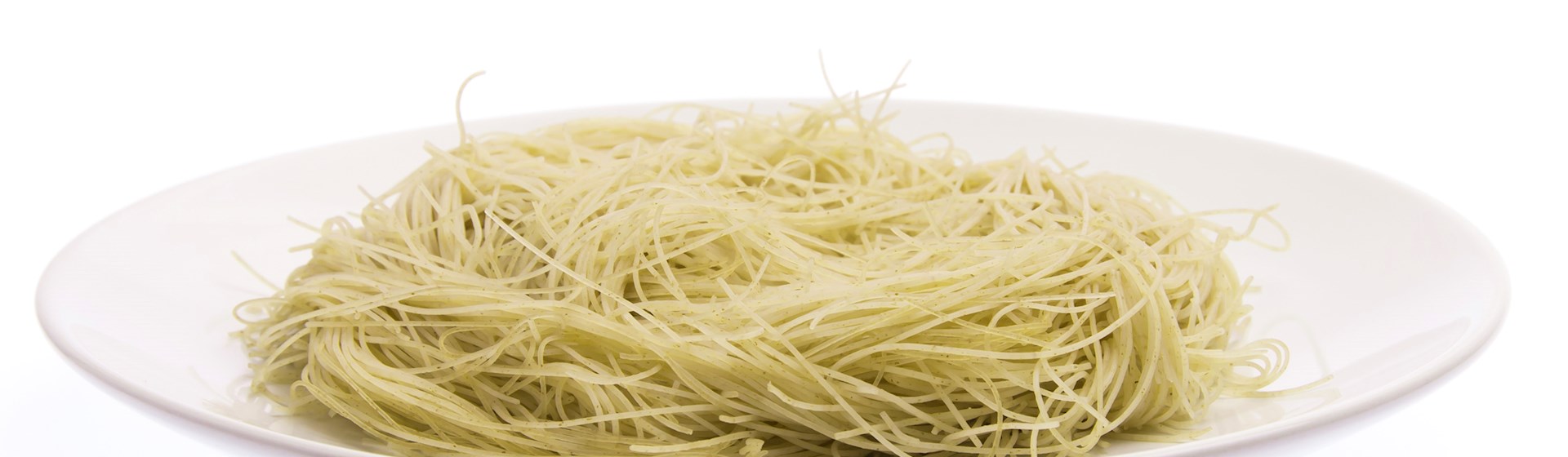
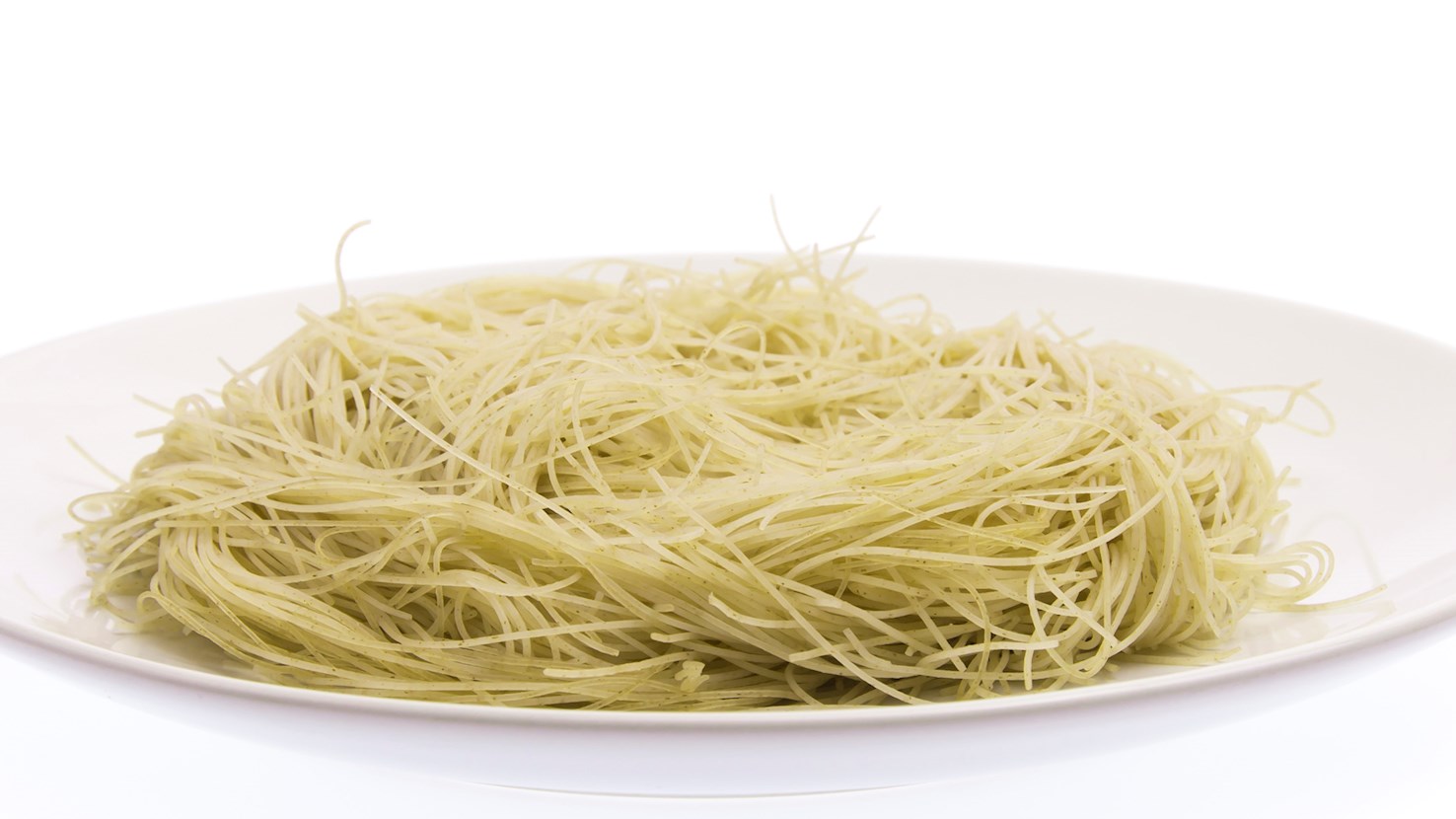
Rice vermicelli are thin noodles made from rice flour and water. They are often used in stir-fries, salads, or soups. The noodles are represented in a variety of notable dishes throughout various countries such as China, Hong Kong, India, Pakistan, Indonesia, Malaysia, Singapore, Myanmar, Taiwan, and Vietnam. Rice noodles are characterized by their shiny white color and their thin structure, reminiscent of silk threads. They originated during the Qin dynasty and had been consumed for more than 2000 years in China. Historical evidence implies that the people from northern China preferred wheat noodles because they were not used to eating rice. When they invaded the south, northern cooks made noodles using rice, inventing rice noodles in the process. Today, rice noodles are served both as a key ingredient and as a side dish. They can be combined with vegetables and meat to create a wide variety of dishes, such as soto, santhakai, bihun sup, and lumpia.

Read more
View all
View map
About this ranking

TasteAtlas food rankings are based on the ratings of the TasteAtlas audience, with a series of mechanisms that recognize real users and that ignore bot, nationalist or local patriotic ratings, and give additional value to the ratings of users that the system recognizes as knowledgeable. For the “8 Worst Rated Chinese Pasta, Noodles and Dumplings” list until June 16, 2026, 521 ratings were recorded, of which 443 were recognized by the system as legitimate. TasteAtlas Rankings should not be seen as the final global conclusion about food. Their purpose is to promote excellent local foods, instill pride in traditional dishes, and arouse curiosity about dishes you haven’t tried.

Similar lists