Matsata is a local variety of fresh homemade pasta from the island of Folegandros. It is typically made with flour, olive oil, salt, and water. The dough is cut into tagliatelle-like ribbons, which are usually consumed right after their preparation, although they can also be dried and stored for future use. Traditionally, the soft and thick pasta ribbons are boiled in salted water, then enjoyed alongside pieces of rooster, rabbit, or goat which have been cooked in a traditional Greek tomato sauce. The pasta dish is often topped with grated local hard cheeses such as ladotyri, kefalotyri, or myzithra.
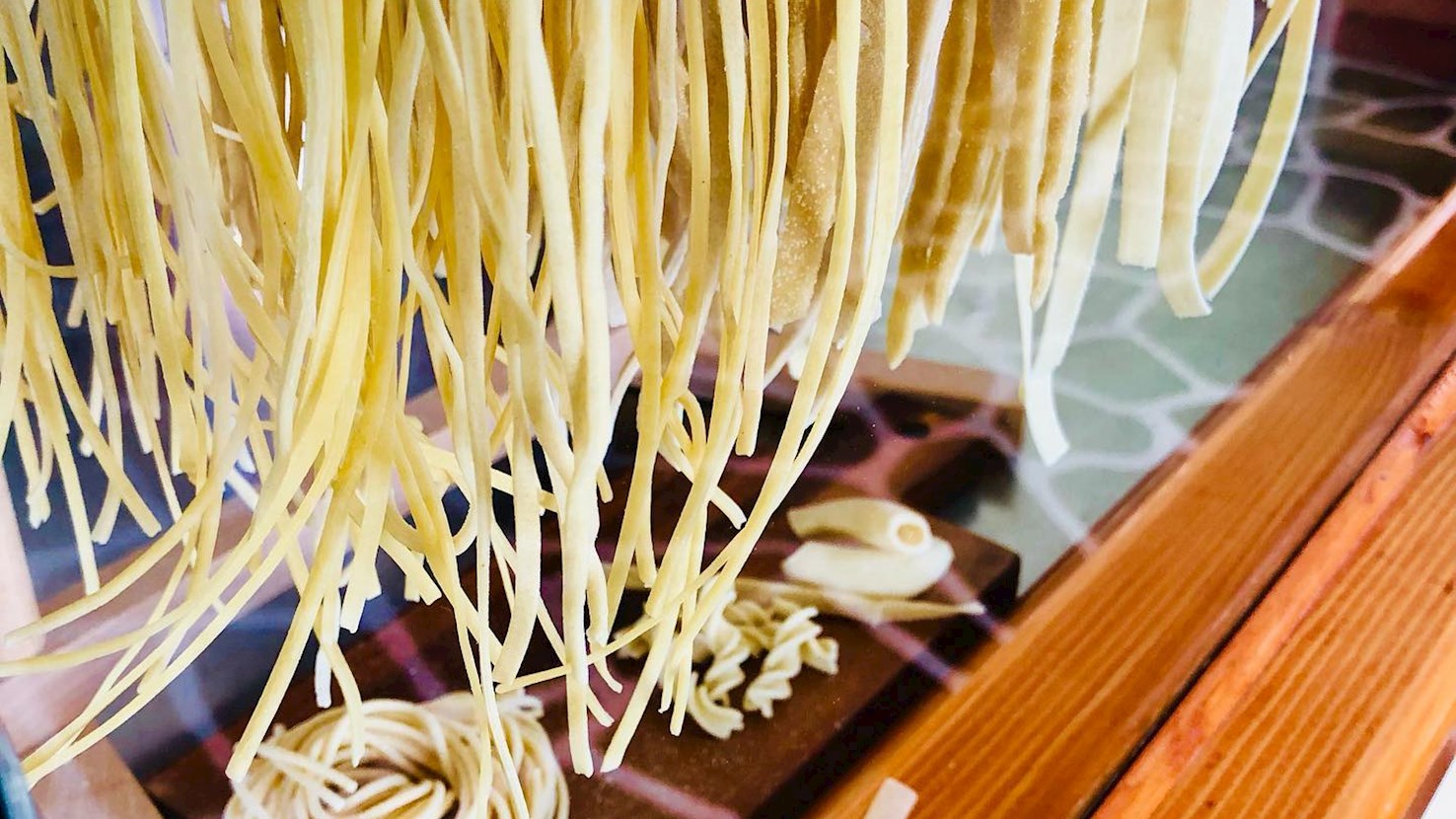
Flomaria is a variety of Greek pasta produced on the island of Lemnos in the northern Aegean Sea. It is made by combining a local variety of hard wheat flour (mavragani flour) with fresh eggs and sheep’s or goat’s milk. After drying, the pasta can be cut in two different shapes: short and thin string-like strands, resembling matches, or flat and narrow linguine-like strands. Traditionally, flomaria is prepared during the summer, and it is kept in cotton satchels for future use. In the past, local women used to gather at their houses to help each other make the pasta for their families, and the preparation of flomaria signified a time of great communal joy, celebration, and mutual work. That practice is less common nowadays, although there are still people that make the pasta at home. Flomaria is a versatile ingredient, and it is commonly paired with butter and cheese or served as an accompaniment to poultry, meat, game, or snails. It is often added to traditional Lemnian soups and specialties such as pseftopetino (eggplants with tomato sauce), rooster or partridge with tomato sauce, and vegetable gravies.
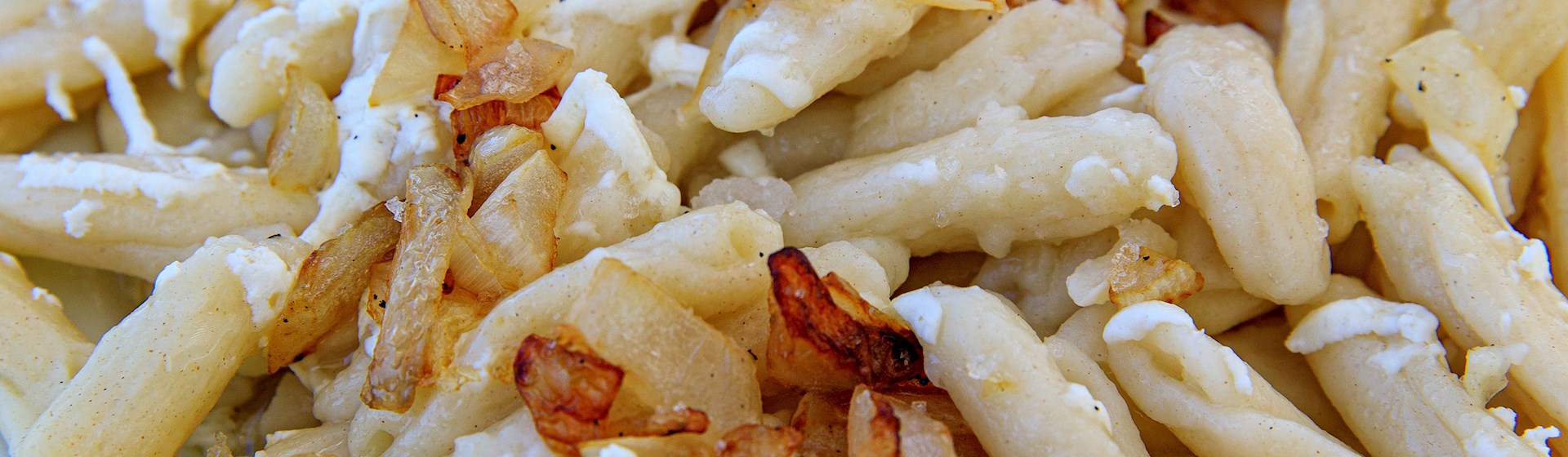
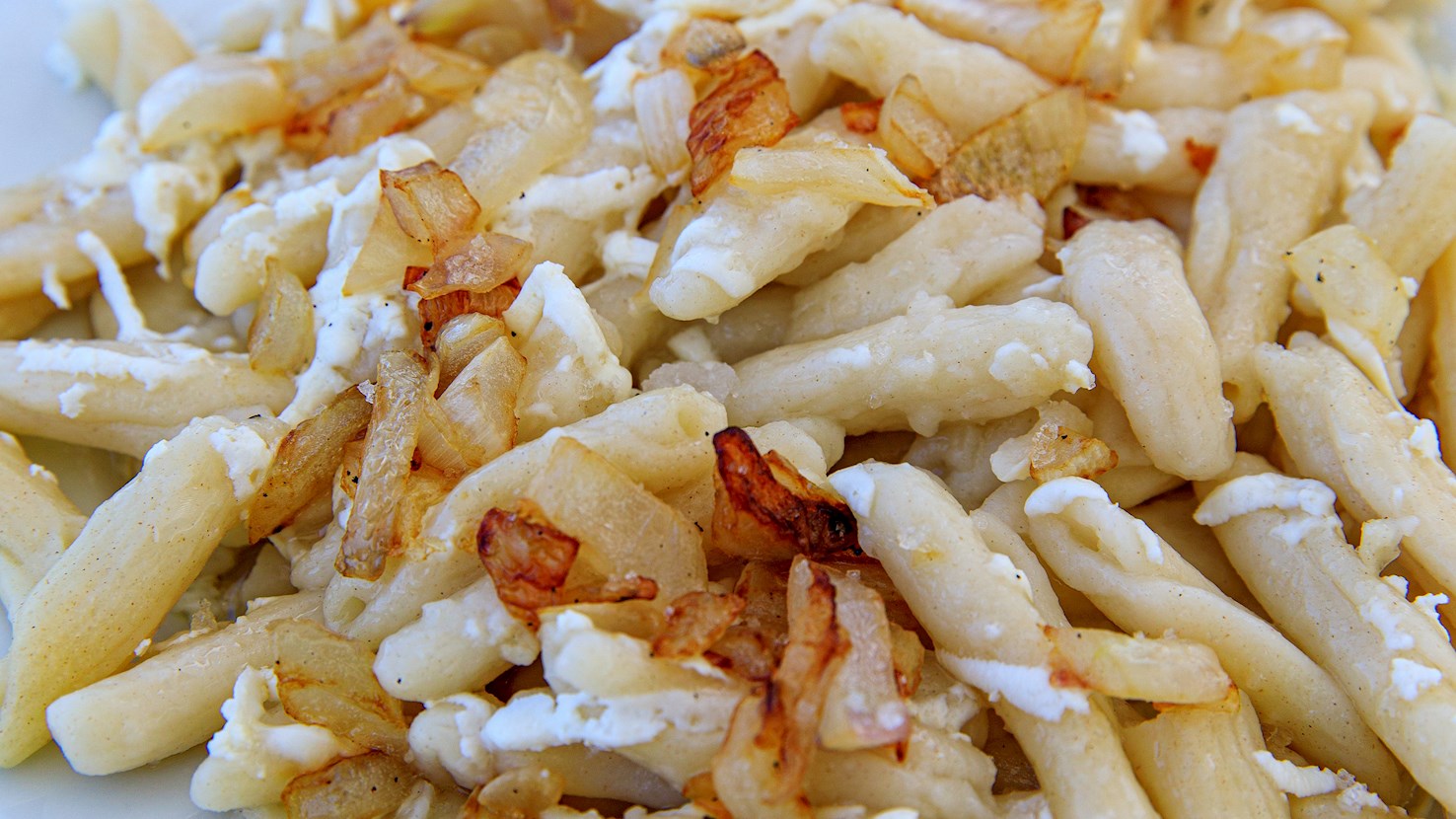
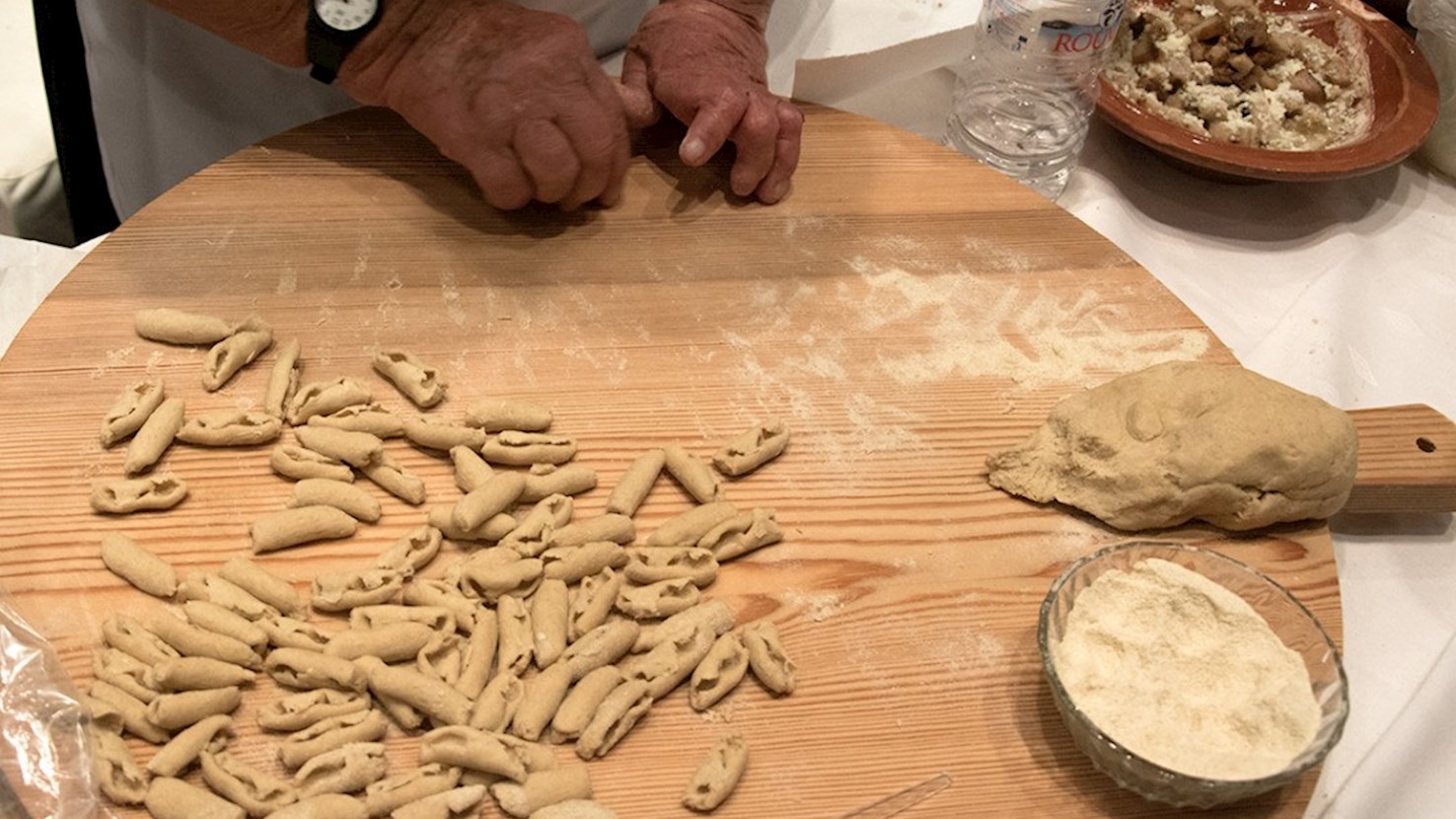
Makarounes is a variety of Greek pasta that is prepared throughout the islands of the northeast Aegean Sea. The pasta has a long tradition on the island of Karpathos. It's typically made with flour and water and without any eggs. There are no strict measurements of the ingredients, and even the process of making the pasta often varies from family to family. The pasta dough is first rolled out and cut into long and thin strands, then into smaller pieces which are rolled and shaped into small pasta shells using one’s fingers. Boiled makarounes are the key ingredient of a local pasta specialty that combines the pasta shells with sautéed onions, garlic, butter, and a generous amount of grated local sheep’s or goat’s cheese such as myzithra.
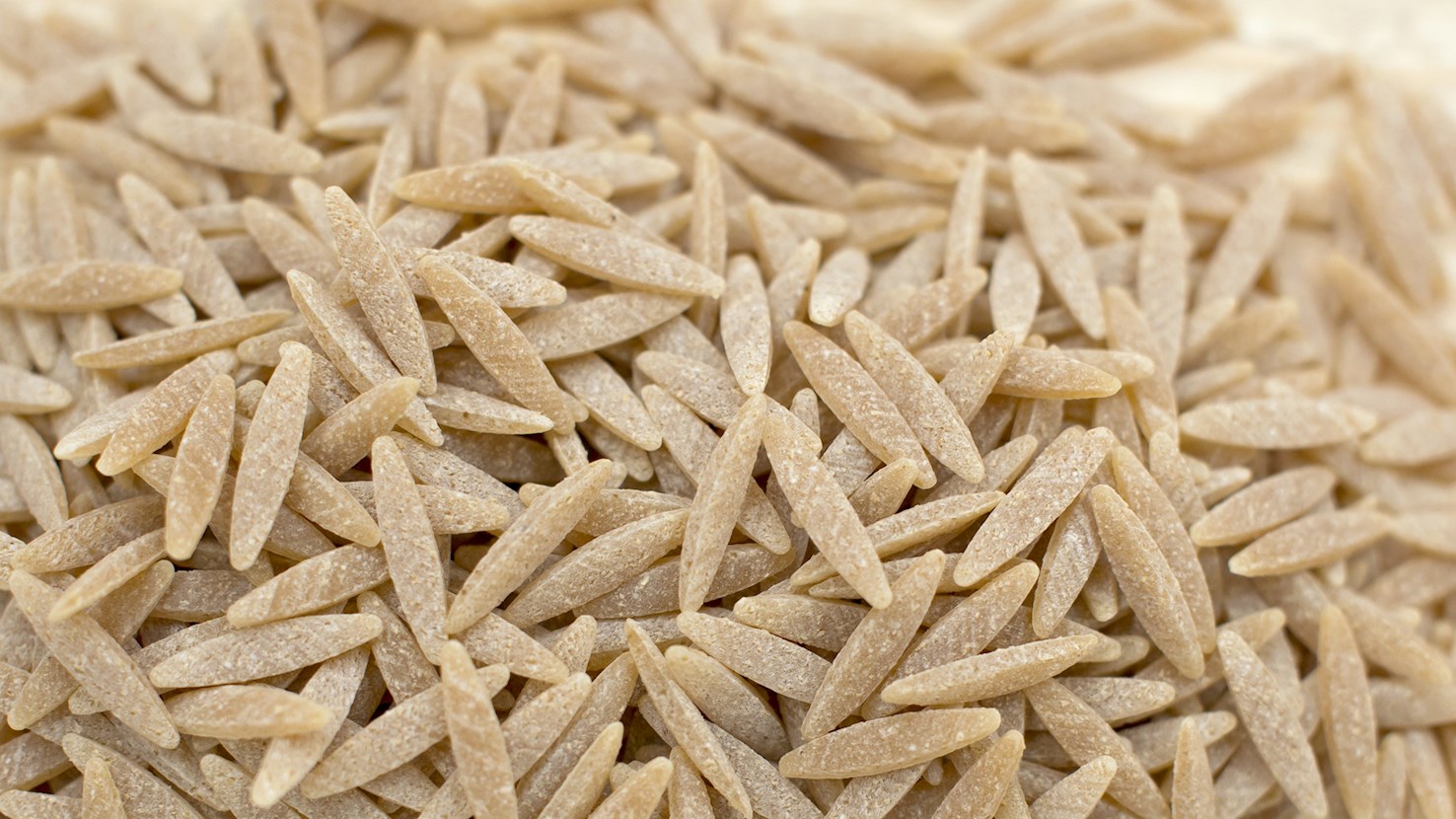
Not to be confused with the Italian word for barley (orzo), this Italian short cut pasta is similar in shape and size to a grain of rice. Like other traditional Italian pasta types, it is best when made with hard wheat, preferably durum wheat. The shape of orzo pasta is always similar, but the color and taste are occasionally altered with the addition of various vegetables. Orzo is a highly versatile pasta variety used in numerous dishes – its shape lends it particularly well to soups, and it is an irreplaceable part of the famous minestrone. Orzo pasta is also commonly used as an ingredient in cold salads, as a vegetable stuffing, and in a variety of casserole dishes. Naturally, it is prepared just like any other type of pasta, and can also be served with any number of flavorful Italian sauces. This versatile Italian pasta is also commonly eaten in Greece and other Mediterranean countries.
Skioufichta is a traditional handmade Cretan pasta. It's made from whole-wheat flour, salt, water, and olive oil or butter. The dough is rolled into thin strips, then cut into pieces that are pressed with a spiral movement of the fingers, resulting in the typical twisted shape of the pasta. The name of the pasta is derived from the word skioufizo, meaning to twist, referring to this method of production that requires experience and skill. Traditional recipes call for ''burning'' the pasta in butter, then topping it with large amounts of grated anthotyro or myzithra cheese.
TasteAtlas food rankings are based on the ratings of the TasteAtlas audience, with a series of mechanisms that recognize real users and that ignore bot,
nationalist or local patriotic ratings, and give additional value to the ratings of users that the system recognizes as knowledgeable.
TasteAtlas Rankings should not be seen as the final global conclusion about food. Their purpose is to promote excellent local foods,
instill pride in traditional dishes, and arouse curiosity about dishes you haven’t tried.




What People Say