

shutterstock

52 Worst Rated Italian Pasta Varieties

Last updated on June 16, 2026
01

Anellini

3.1 ·

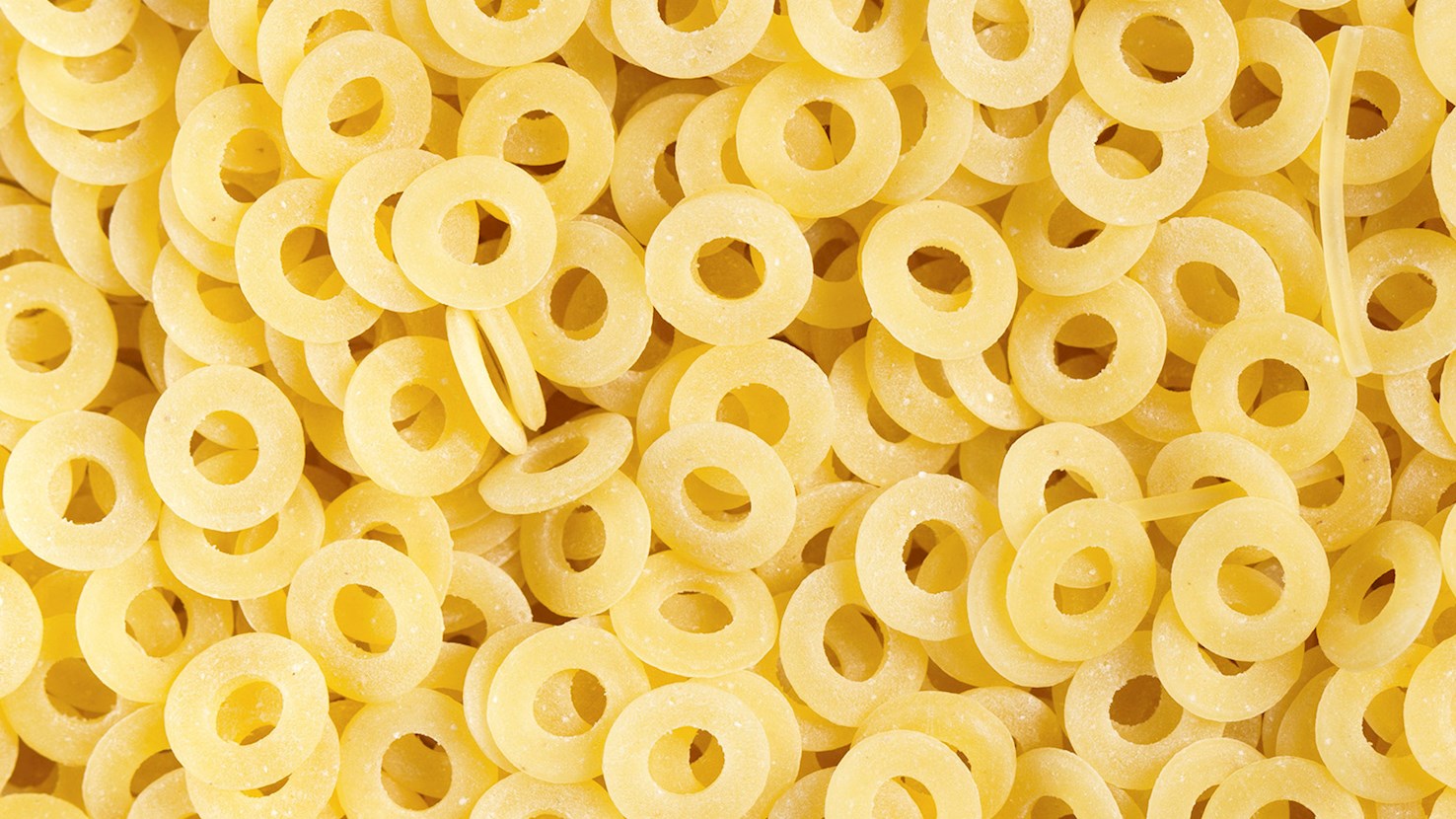
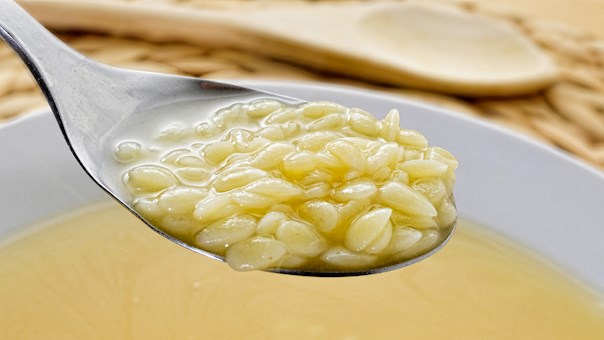
Anellini, literally meaning little rings, is a variety of Italian pasta that is essentially the smaller version of anelli. Made with durum wheat flour and water, these tiny rings of pasta are usually used in soups, or combined with meat and vegetables in cold salads. They can also be baked and used to prepare more festive dishes such as anellini al forno, a Sicilian pasta dish traditionally prepared for Christmas, where they are combined with meat ragu, peas, and cubes of scamorza cheese, then topped with a breadcrumb mixture and baked till the surface turns golden brown.

02

Ditali

3.1 ·

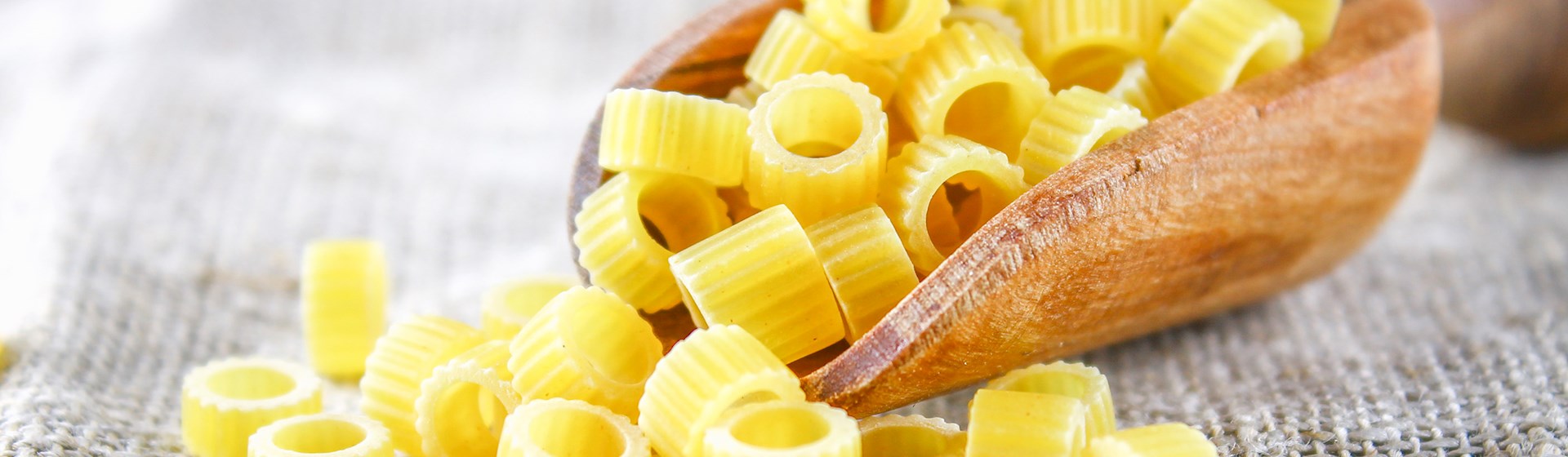
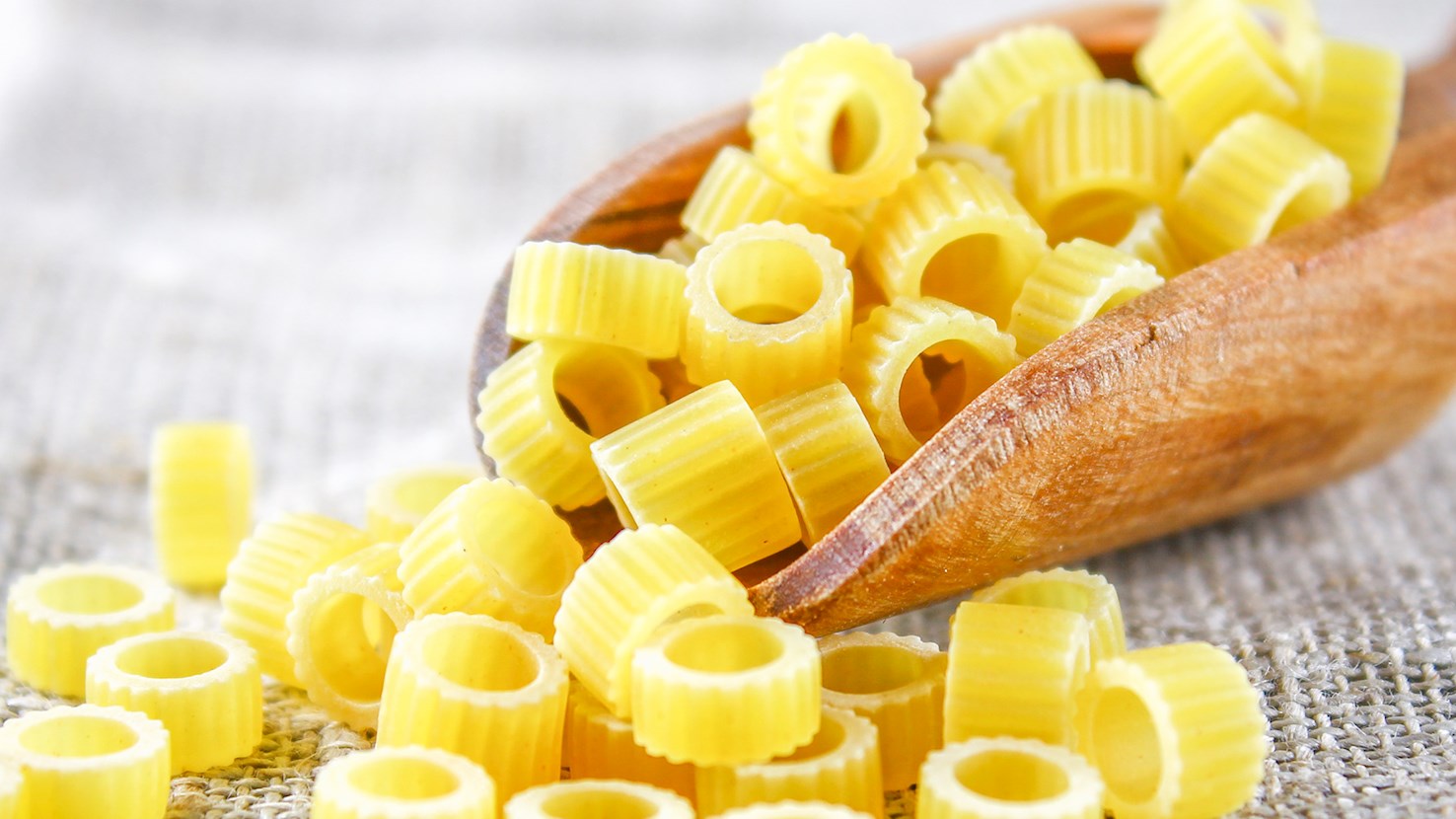
Ditali is a variety of Italian pasta that is small and short-cut with a tubular shape. The pasta is most often used in a variety of soups (such as minestrone), pasta salads, or baked dishes, and there is an even smaller version of this already-small pasta called ditalini.

03

Fiori

3.2 ·

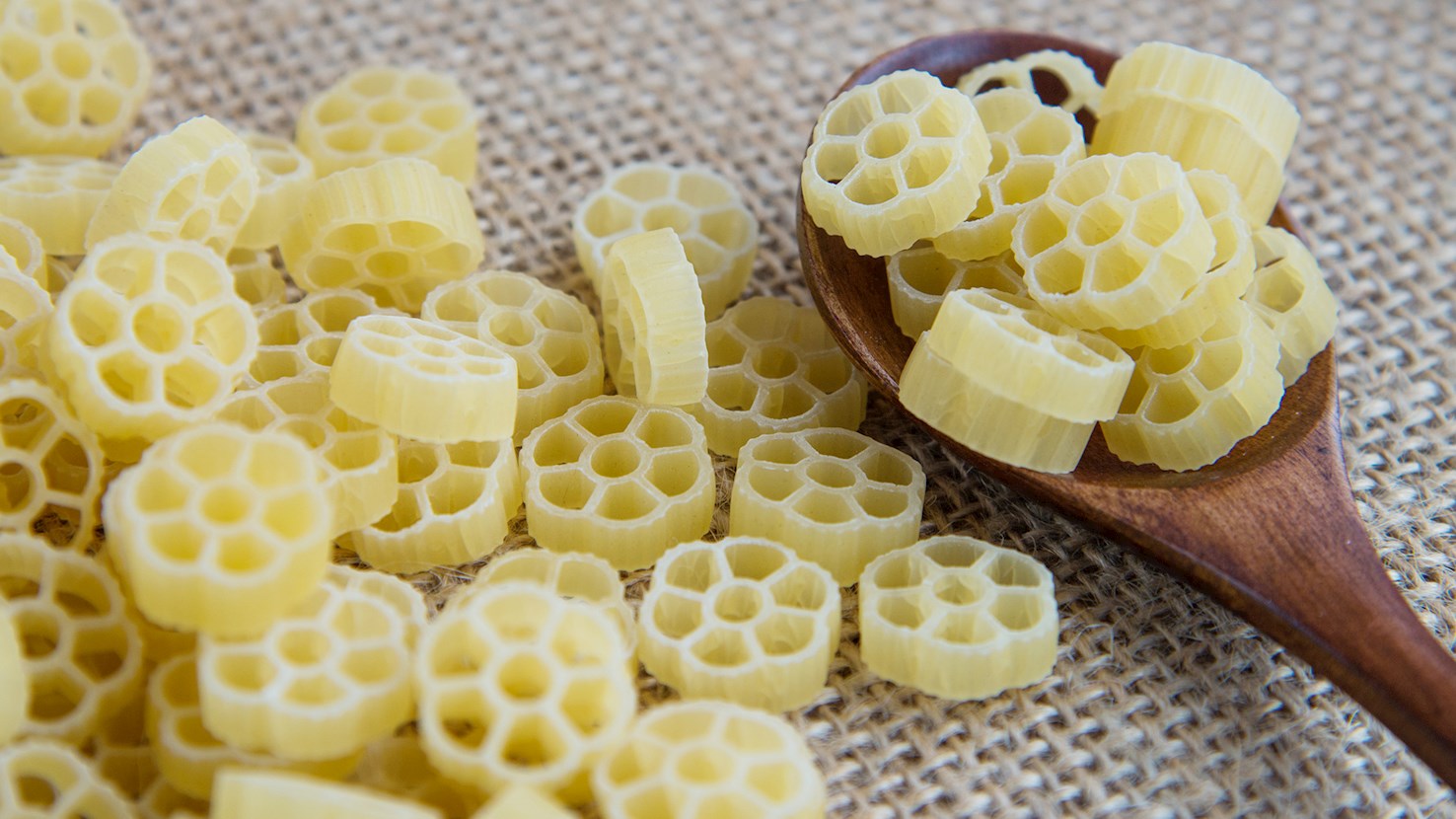
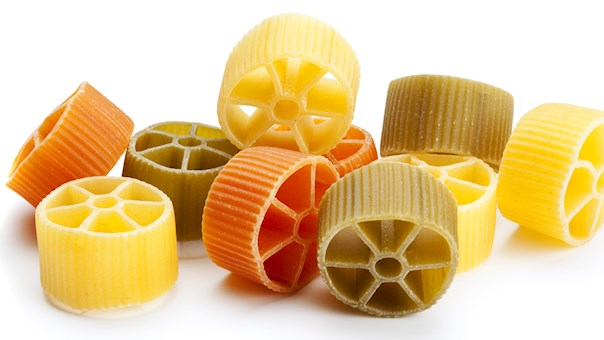
Fiori is a variety of Italian pasta that is decoratively shaped to resemble a flower with six petals. On its surface, fiori is extruded and ridged so that the sauces might cling to it more easily. This pasta variety is visually quite similar to another pasta type known as rotelle.

04

Acini di Pepe

3.2 ·

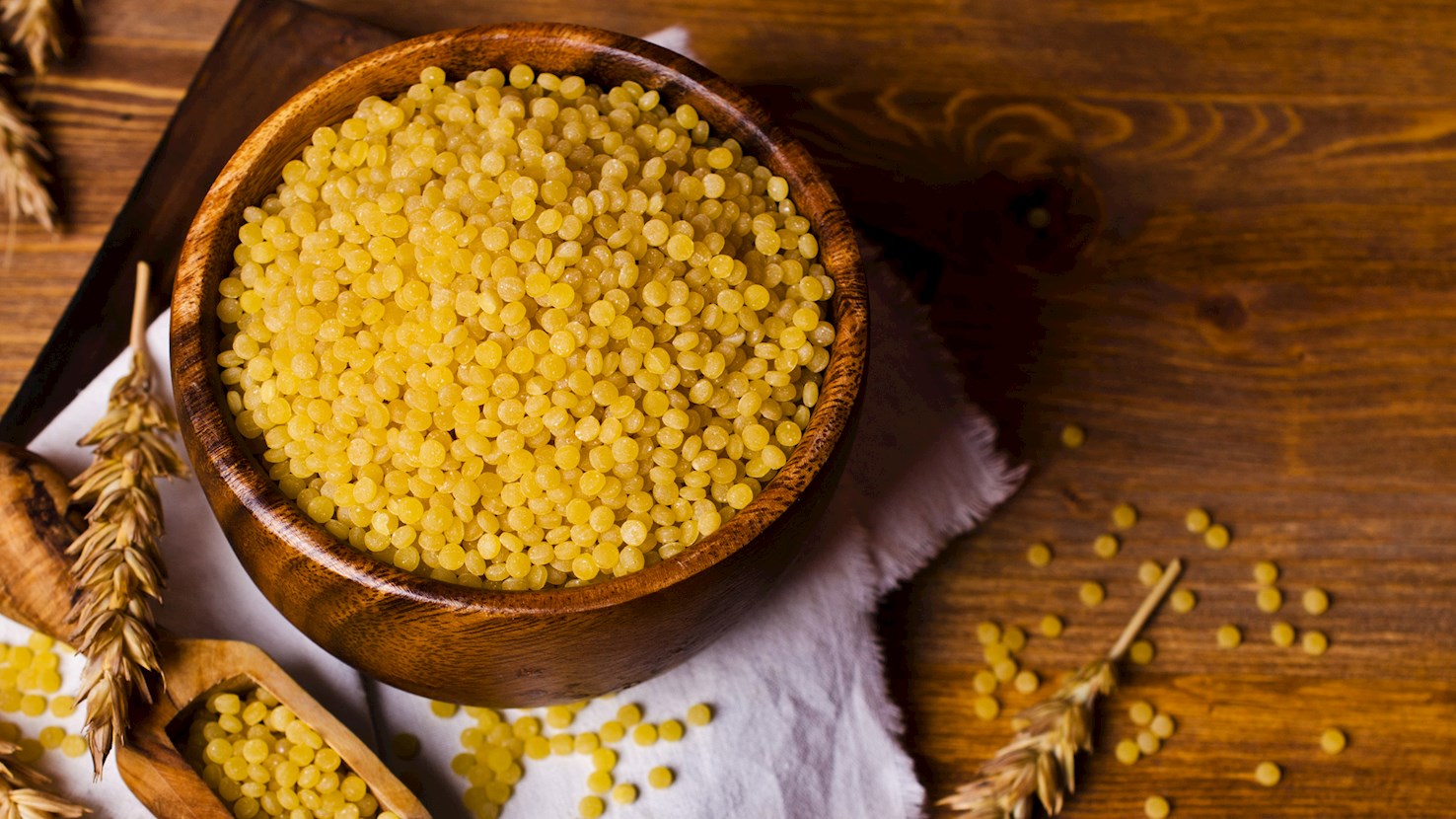
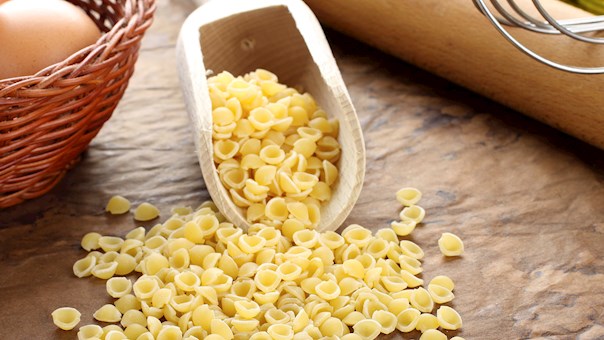
Acini di pepe is an Italian pasta variety that is characterized by its small size and round shape. It is most commonly used in soups, salads, and simple broths. The name acini di pepe means peppercorns, referring to the size and shape of this unique pasta.

05

Penne Lisce

3.3 ·

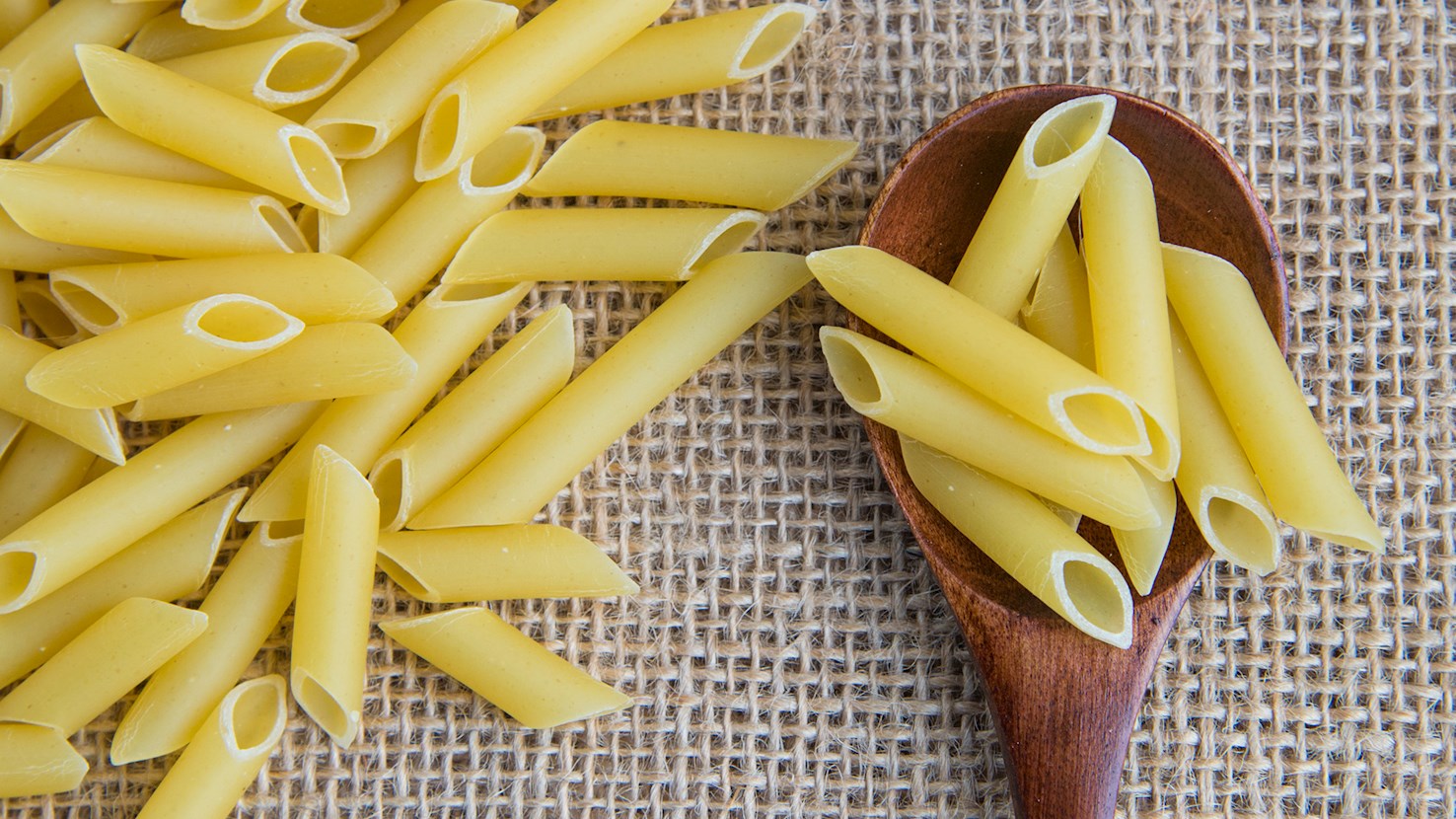
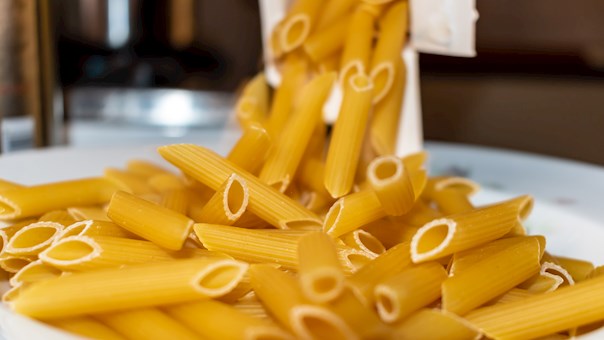
Penne lisce is a type of Italian pasta that is prepared in the same way as regular penne. The word lisce signifies a smooth exterior without any ridges. The smooth surface cannot hold the sauces well, but provides a different sensation to the consumer's palates. It is recommended to pair penne lisce with meat ragus or use it in casseroles.

06

Maltagliati

3.3 ·

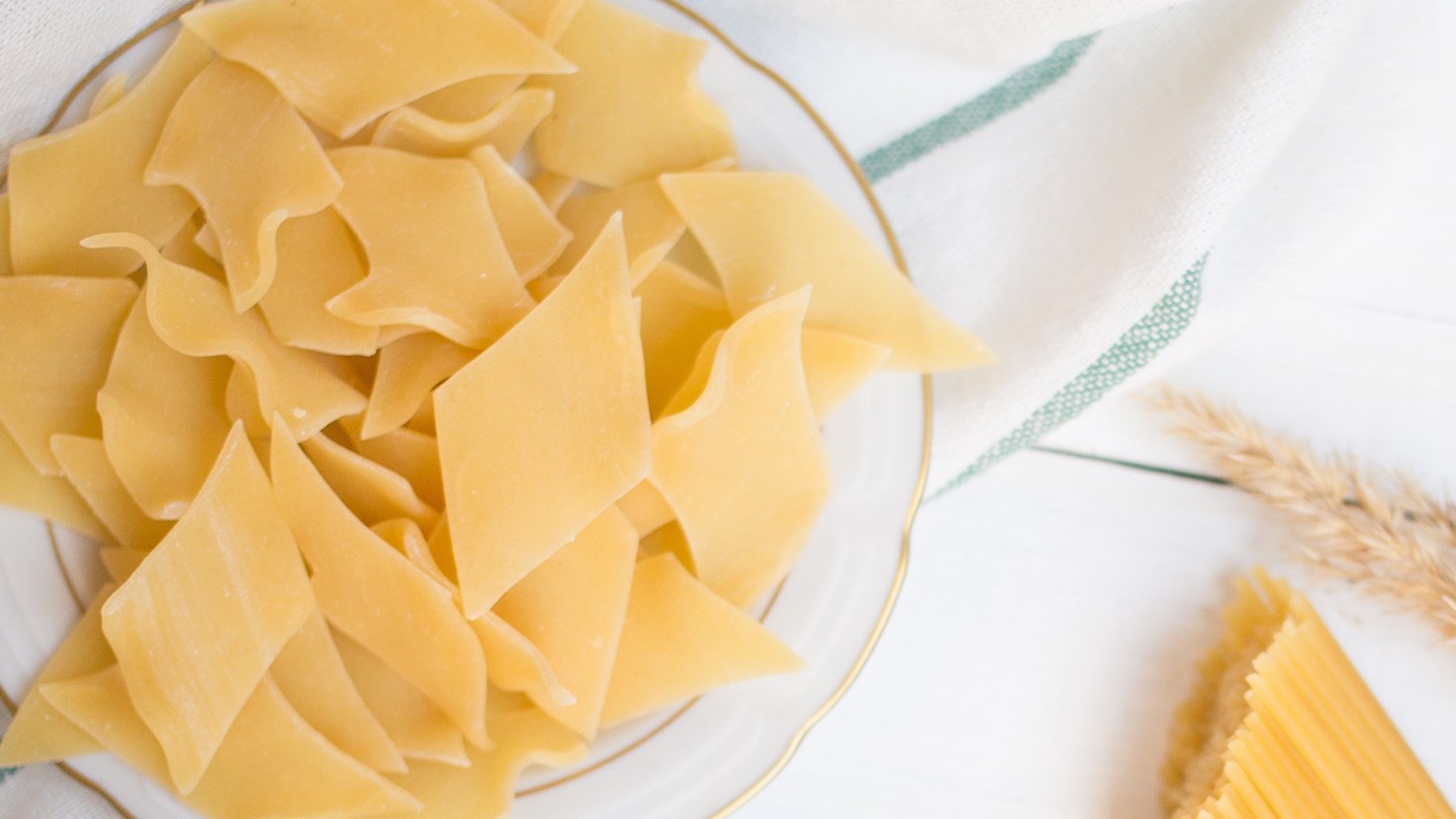
Maltagliati is an Italian pasta variety made with leftover dough from the production of tagliatelle or ravioli. The name maltagliati means badly cut, referring to the irregular shape of these flat pieces of pasta. Although maltagliati pasta is most often associated with the Emilia-Romagna region, nowadays it is produced throughout Italy. In Liguria, this pasta is also called martaliai and contains cheese in the dough. In Puglia, it is known as pizzelle. Maltagliati are most often used in bean soups in Emilia-Romagna, but in Puglia, the pasta is often served with chickpeas. In Marche, maltagliati are prepared with wild asparagus or with a lamb or duck sauce, while in Sicily they prepare the pasta in a sauce made with veal and onions.

07

Garganelli

3.4 ·

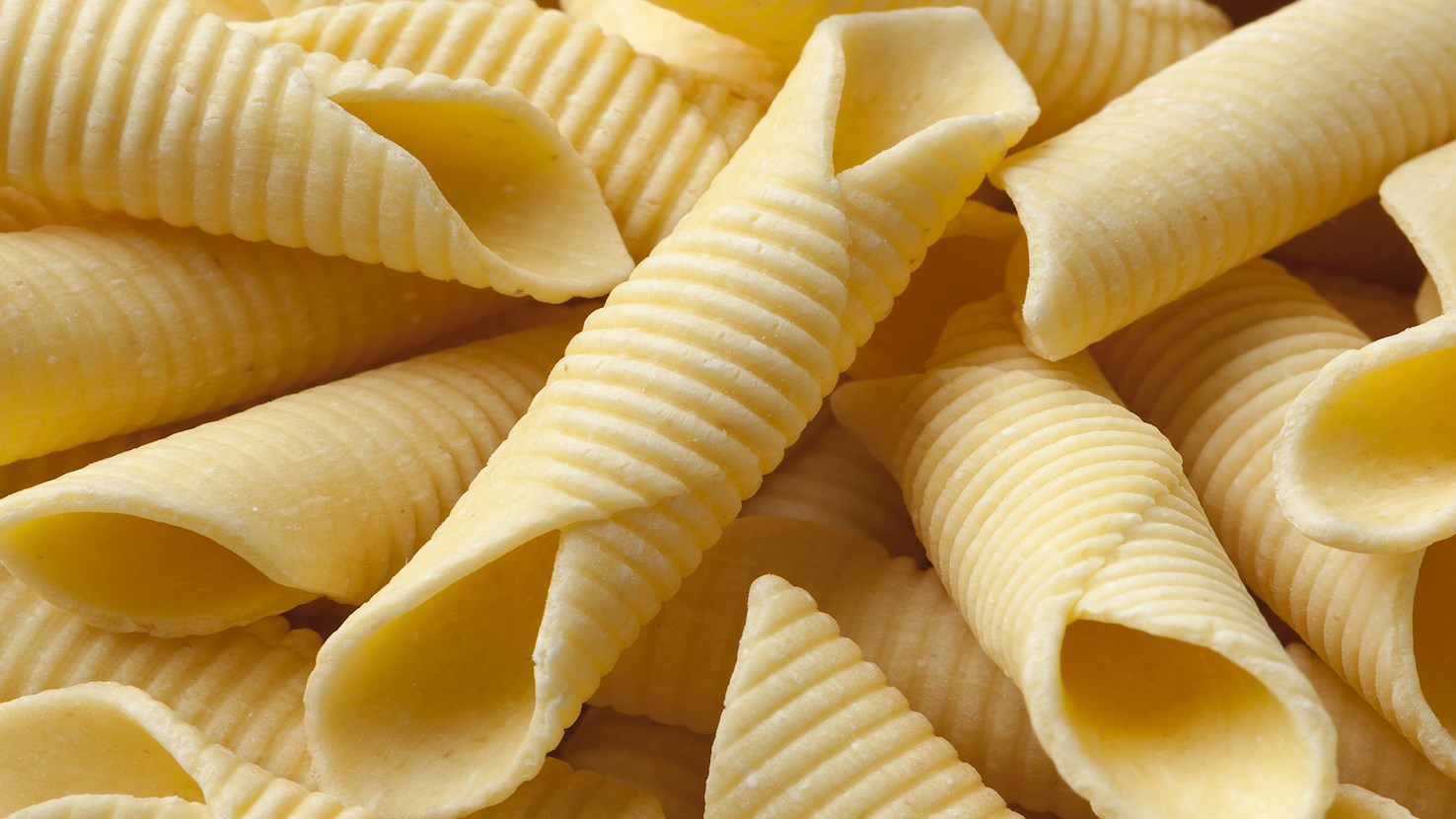
Garganelli is a unique Italian pasta variety made with flour, eggs, and water, characterized by the method of its preparation. The pasta is made by rolling a flat, square noodle into a tubular shape, usually with the aid of a pencil-sized wooden twig and a weaver, imprinting ridges on the exterior of the dough in the process. It is believed that garganelli were invented in 1725 in the Romagna region. Originally, the pasta was served in broths, but today it is usually paired with prosciutto and peas, creamy sauces, or rich meat ragùs.

08

Sedanini

3.4 ·

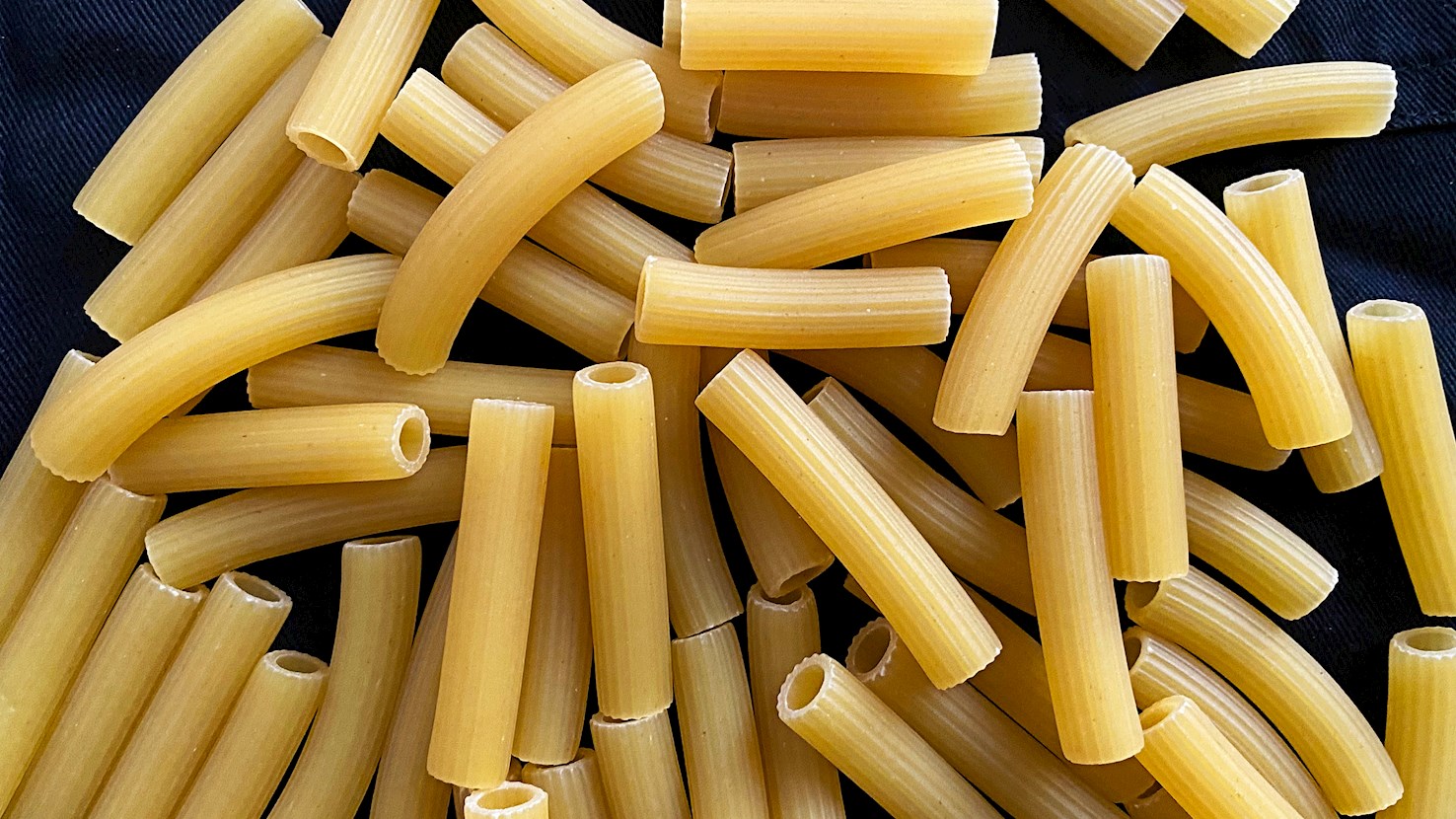
Sedanini is a traditional pasta variety originating from Italy. It's made with a combination of durum wheat and water. This type of pasta is somewhat larger than macaroni and it has a similar slight bend. Sedanini can be furrowed (rigati) or smooth (lisce). In the past, the pasta was called zanne d'elefante (elephant tusks) due to its elongated, narrow, and slightly curved shape, but it was renamed when ivory became taboo. The name sedanini means small celery stalks. It's recommended to use sedanini in macaroni salad or serve it with puttanesca sauce, sardines and fennel, speck, Fontina cheese, or sausages and cream.

09

Fettuce

3.4 ·

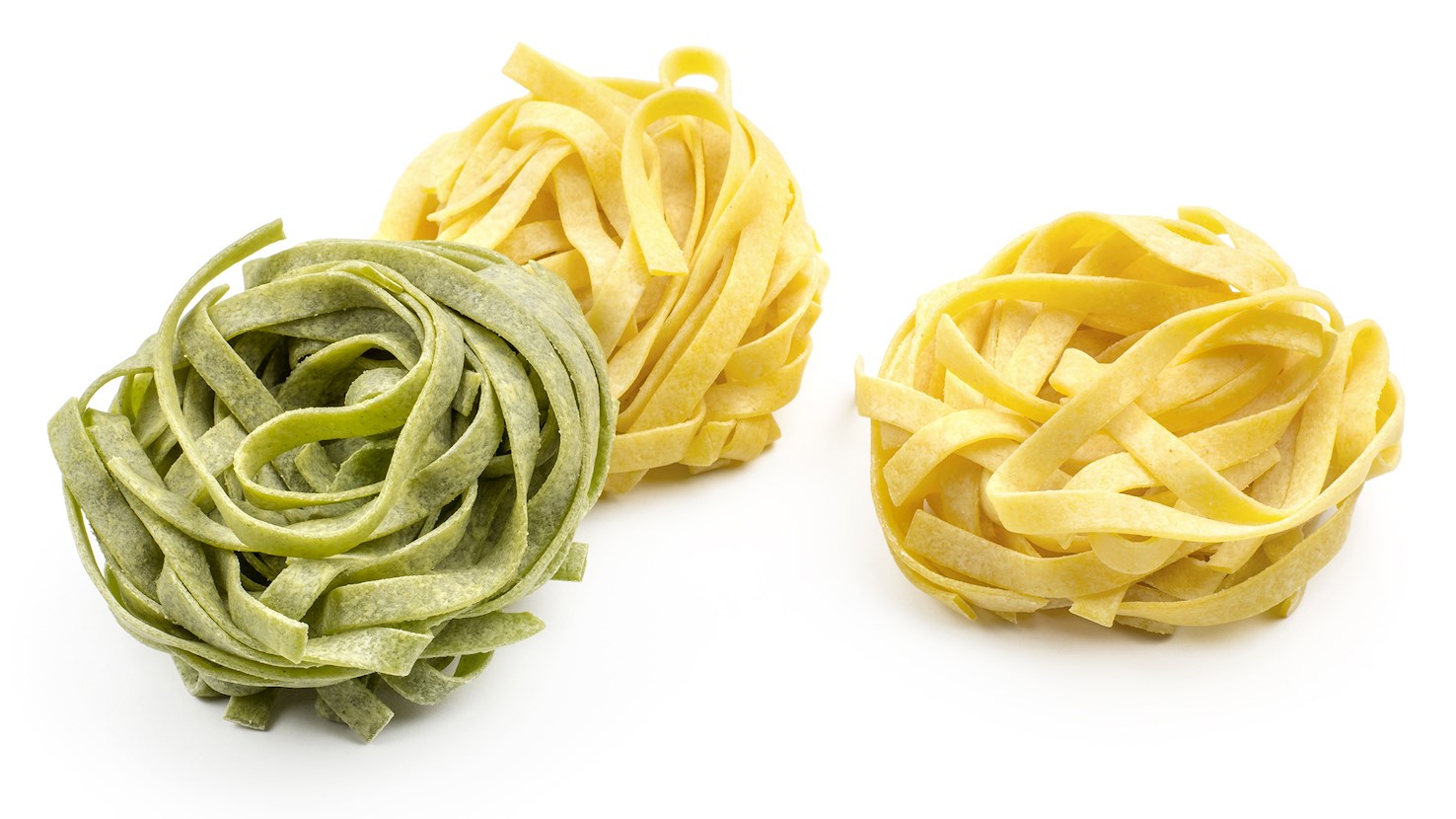
Fettuce is a variety of flat, thick Italian pasta, a slightly wider version of the more famous fettuccine, a ribbon style pasta made with wheat flour, salt, eggs, and water. Other ingredients such as spinach, mushrooms, garlic, or aromatic herbs can be added to the basic dough in order to make flavored or colored versions. This type of pasta is a speciality of Rome and Lazio region, but they are also very popular all over Italy and abroad. Fettuce are available both in fresh and dry version, sold in loosely coiled nests or as flat strands. Cooking time is from 8 to 10 minutes, and they are best enjoyed generously coated in heavier, oil or butter-based sauces whose creaminess keeps the strands of pasta separated.

10

Testaroli

3.4 ·

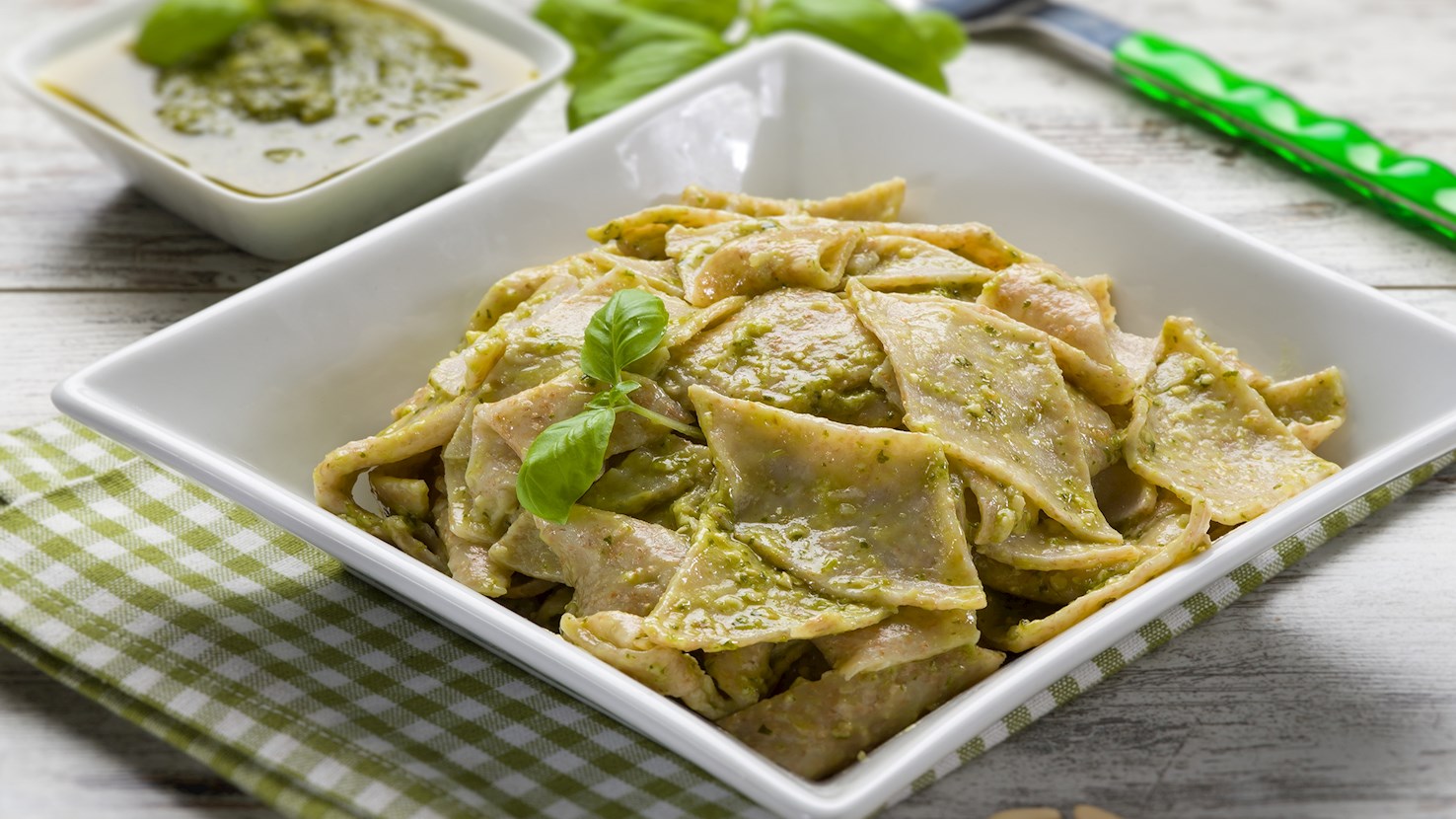
Testaroli is a unique variety of Italian pasta consisting of flour, water, and salt. This pasta is prepared in the shape of a big pancake which is then cut into smaller pieces, usually triangles, diamonds, or squares. After boiling the pasta in water, it is traditionally paired with pesto, although it can also be paired with other ingredients such as olive oil, cheese, and garlic. It is believed that testaroli is the first type of pasta ever produced, since it dates back to Ancient Rome.

11

Manicotti

3.5 ·
12

Conchigliette

3.5 ·
13

Pastina

3.6 ·
14

Rotelle

3.6 ·
15

Pennette

3.7 ·
16

Rigatoncini

3.6 ·
19

Vermicelli

3.7 ·
20

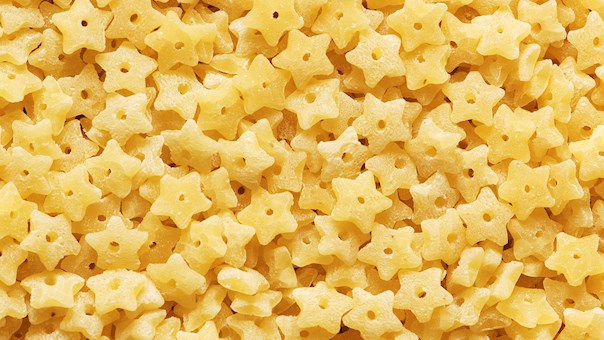
Stelline

3.7 ·
Read more
View all
View map
About this ranking

TasteAtlas food rankings are based on the ratings of the TasteAtlas audience, with a series of mechanisms that recognize real users and that ignore bot, nationalist or local patriotic ratings, and give additional value to the ratings of users that the system recognizes as knowledgeable. For the “52 Worst Rated Italian Pasta Varieties” list until June 16, 2026, 8,996 ratings were recorded, of which 7,669 were recognized by the system as legitimate. TasteAtlas Rankings should not be seen as the final global conclusion about food. Their purpose is to promote excellent local foods, instill pride in traditional dishes, and arouse curiosity about dishes you haven’t tried.

Similar lists