

shutterstock

6 Worst Rated Dutch Pasteurized Milk Cheeses

Last updated on May 21, 2026
01

Prima Donna

3.4 ·

Prima Donna is a Dutch parmesan-style cheese made from pasteurized or raw cow's milk. Underneath the natural rind, the texture is firm, crystalline, grainy, and crumbly. The flavors are full, sweet, and nutty. This cheese is aged until it reaches the pinnacle of flavor, meaning that it's not aged for a set period of time, but until it develops a particular flavor profile. Those stages are classified as fino, maturo, forte, and leggero. It's recommended to pair Prima Donna with Pinot Noir, Zinfandel, Syrah, or Cabernet Sauvignon.

02

Noord-Hollandse Edammer

3.5 ·

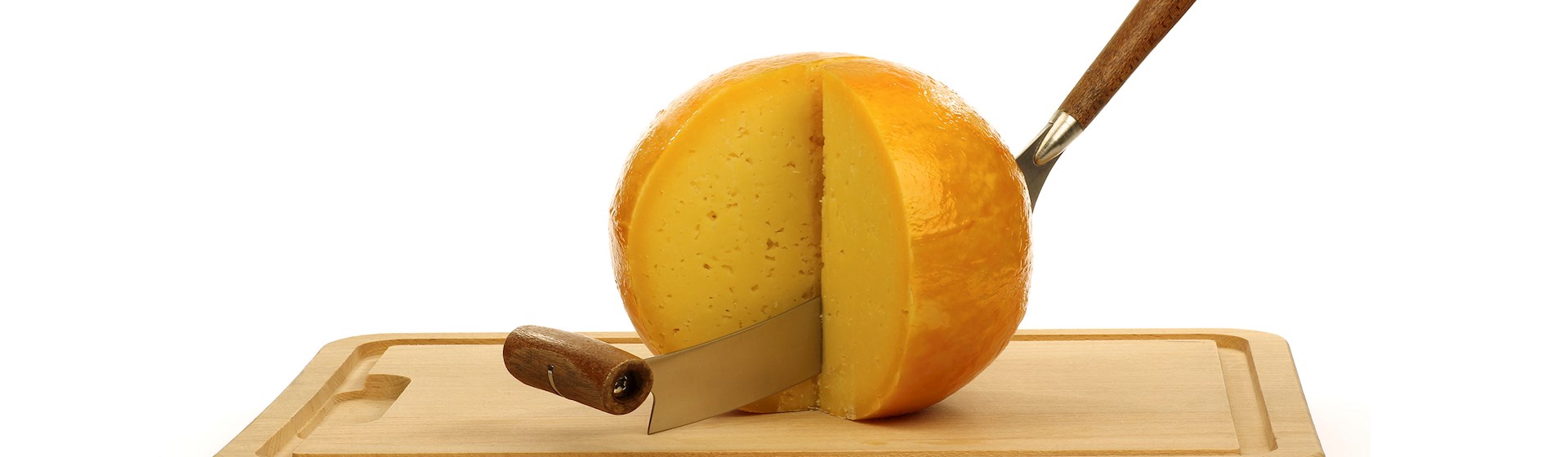
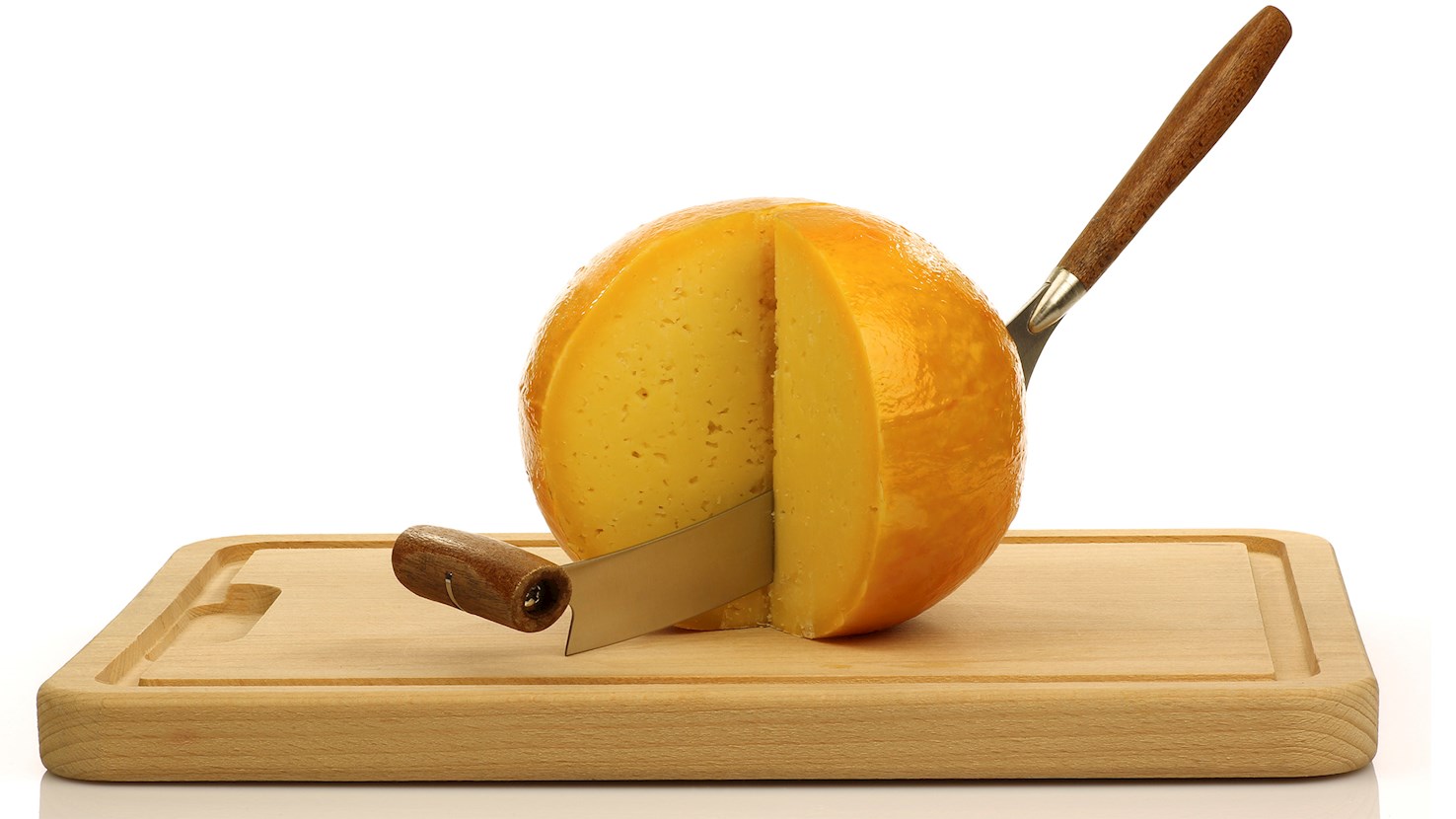
Noord-Hollandse Edammer is a soft, spherical cheese, with a flat top and bottom, made from cow's milk obtained exclusively from the pastures of North Holland, which gives it its unique taste. Its distinctive characteristics include a low salt content (its saltiness is significantly lower than that of other varieties of Edam cheese), high production quality, and a red, waxy outer coating. It comes from the town of Edam in North Holland, where it's prepared following the instructions from a traditional recipe and has a PDO certificate. As it ages, Noord-Hollandse Edammer becomes firmer. The cheese has been produced on farms since the Middle Ages, which is evident from the Edam cheese presses that are displayed in numerous museums in North Holland. The production of Edam later included areas around cities such as Amsterdam, Purmerend, Enkhuizen, Alkmaar, and Hoorn. Today, Edam cheese is largely produced in factories, where the quality of the product takes precedence over quantity. There are also Edam cheese markets, taking place every Wednesday from July 2 to August 20, where tourists can buy and taste various cheese delicacies.

03

Vlaskaas

3.5 ·

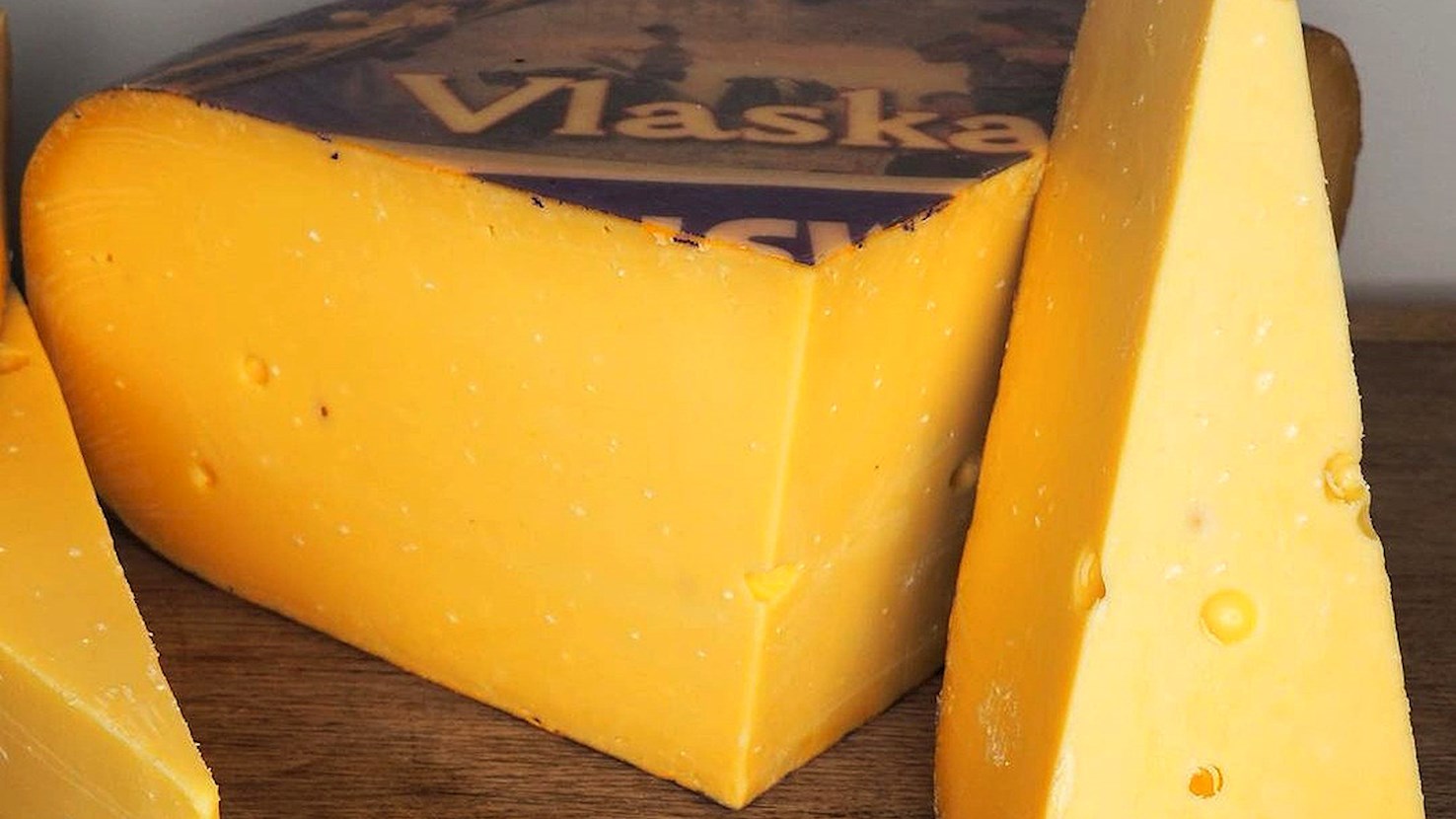
Vlaskaas is a traditional cheese made from cow's milk. It's aged for around 5 months, with variations. The texture is semi-soft and buttery, with some crunchy protein crystals here and there, while the flavors are sweet, milky, and nutty, with a touch of sharpness and hints of almonds. In the past, the cheese was made only once a year during the flax harvest festival, when people used to eat it it on thick slices of bread, but nowadays it's available throughout the year. It's recommended to serve Vlaskaas with walnuts, salami, fresh figs, and apples. Drink pairings include a glass of beer or wine such as Sauternes and Beaujolais.

04

Leerdammer

3.7 ·

Leerdammer is a Dutch cheese made from cow's milk. It was invented by Cees Boterkooper and Bastiaan Baars in 1977 in Schoonrewoerd, but nowadays the production takes place in Leerdam, hence the name. The cheese has a smooth, springy, open, and creamy texture, while the flavors are mild, sweet, and nutty. It's often described as a cross between Gouda and Emmental. Leerdammer is traditionally aged from 3 to 12 months. It is recommended to use it in sandwiches, salads, and various cooked dishes.

05

Kanterkaas

3.7 ·

Also known as Friesian, Dutch Kanterkaas is a hard, cylindrical cheese that can be additionally flavored with cloves; in which case it's called Kanternagelkaas, or with cumin in which case it's called Kanterkomijnekaas. The Dutch word kanter, meaning 'edge', gives the cheese its name, because there is a sharp corner at the bottom of the cheese, and it is rounded off at the top. The rinds of these cheeses differ from one another, so Kanterkaas and Kanternagelkaas have a transparent or yellow rind, while Kanterkomijnekaas may be either transparent, yellow, or red. It's made in two fat categories, 20+ and 40+, with minimum 20-25 and 40-44 percent fat content, respectively. The flavor of the cheeses changes a lot with aging. Kanterkaas tastes spicy to tangy, Kanterkomijnekaas tastes spicy, fragrant, mild to strong, and Kanternagelkaas varies in flavor from spicy, warm and spicy to tangy. As it ages, its texture becomes more suitable for grating, and the cloves and cumin are spread evenly throughout the cheese. Its orange color comes from added annatto (a natural dye), providing a great contrast to the dark cloves. Since it has a hot, spicy and aromatic taste, it should be used sparingly, and goes great with salads, hot dishes, and beer.

06

Maasdam

3.9 ·

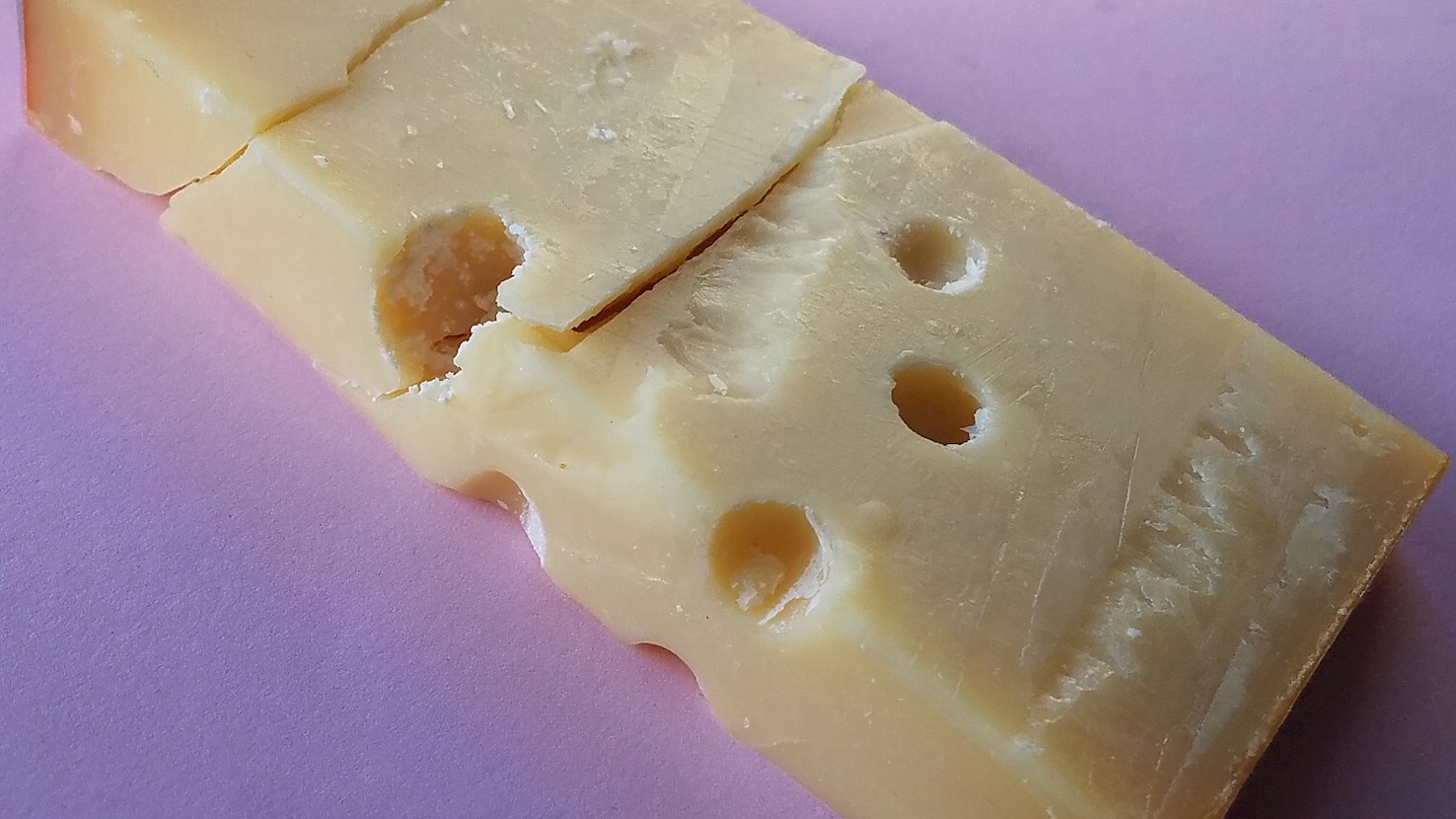
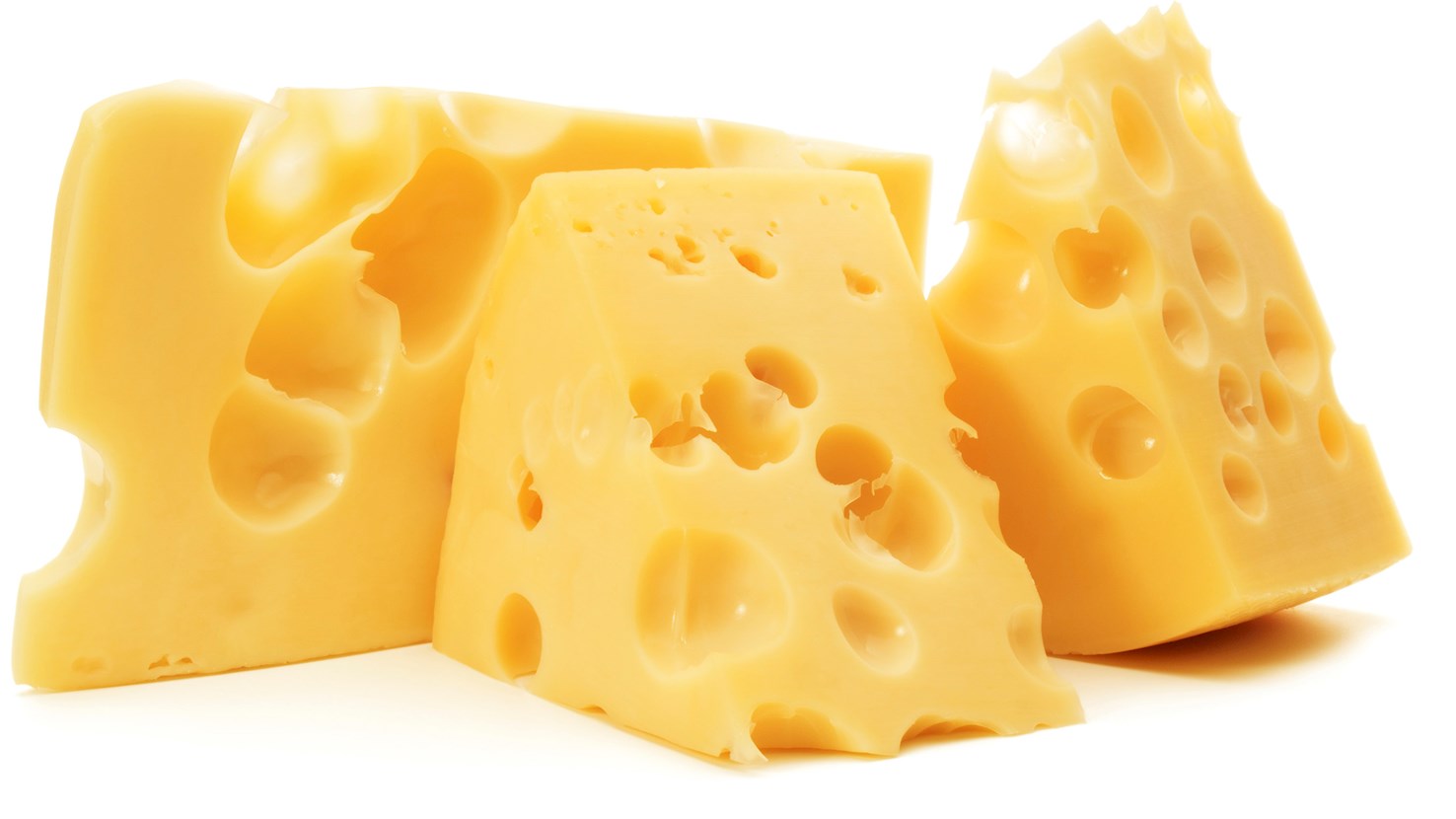
Maasdam is a traditional cheese made from cow's milk. This semi-hard cheese has a waxed rind that hides a creamy and supple texture specked with numerous large eyes. The aromas are fruity, while the flavors are mild, nutty, buttery, and sweet. Maasdam is high in fat, with a minimum of 45%. It was created in the early 1990s as a replacement for the expensive Swiss Emmental cheese. The cheese ages from 4 to 12 weeks. When young, it's usually eaten as a snack or it's used in sandwiches. Maasdam can also be melted in soups, fondues, and casseroles. It's recommended to pair it with Gewurztraminer, Merlot, Chianti, and IPA beer. The cheese is named after the village of Maasdam in Zuid-Holland.

Best producers
Read more
View all
View map
About this ranking

TasteAtlas food rankings are based on the ratings of the TasteAtlas audience, with a series of mechanisms that recognize real users and that ignore bot, nationalist or local patriotic ratings, and give additional value to the ratings of users that the system recognizes as knowledgeable. For the “6 Worst Rated Dutch Pasteurized Milk Cheeses” list until May 21, 2026, 1,580 ratings were recorded, of which 1,383 were recognized by the system as legitimate. TasteAtlas Rankings should not be seen as the final global conclusion about food. Their purpose is to promote excellent local foods, instill pride in traditional dishes, and arouse curiosity about dishes you haven’t tried.

Similar lists