

shutterstock

6 Worst Rated Dutch Pastries

Last updated on May 21, 2026
01

Moorkop

3.3 ·

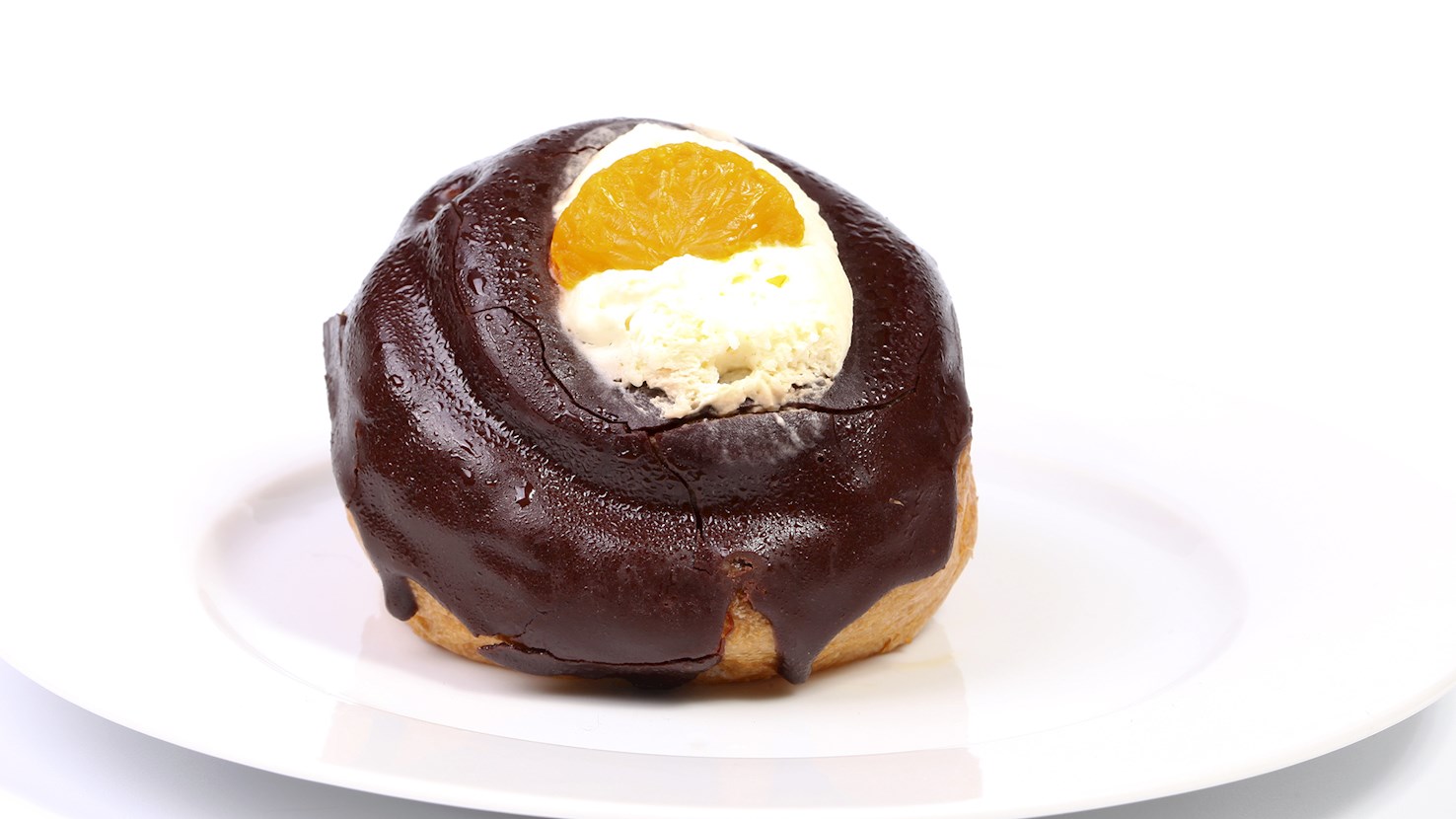
Moorkop is a decadent Dutch dessert consisting of a choux pastry that is filled with whipped cream and glazed with chocolate. The dessert is finished by topping it with some more whipped cream and, optionally, pieces of fruit such as pineapple or tangerine. The name moorkop means Moor's head, referring to the fact that the chocolate topping resembles his turban.

02

Frikandelbroodje

3.2 ·

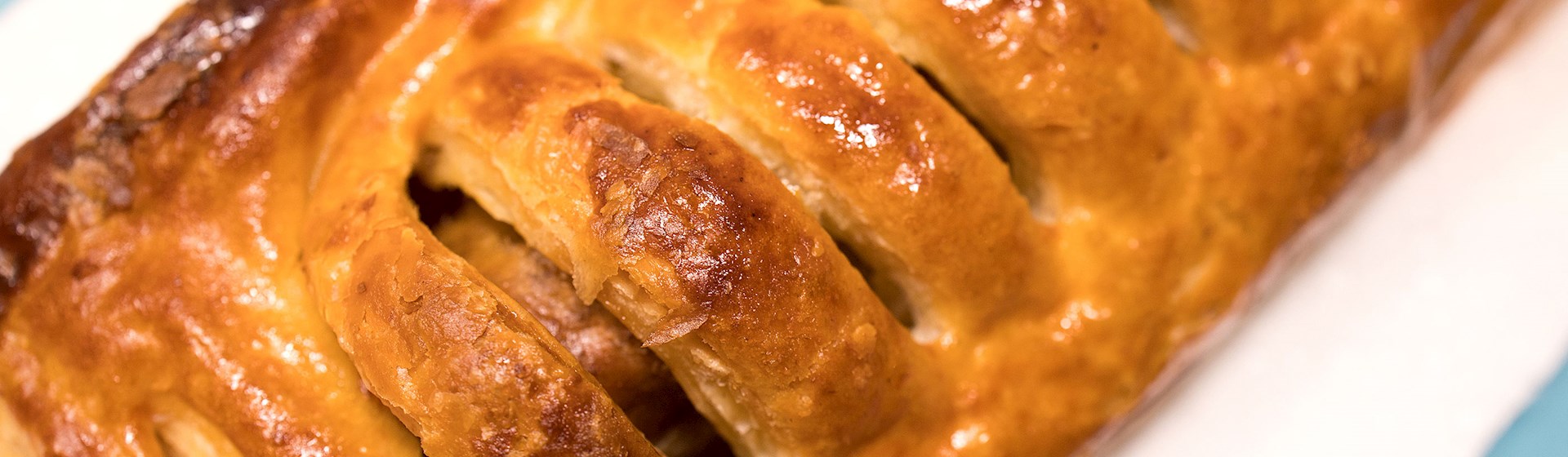
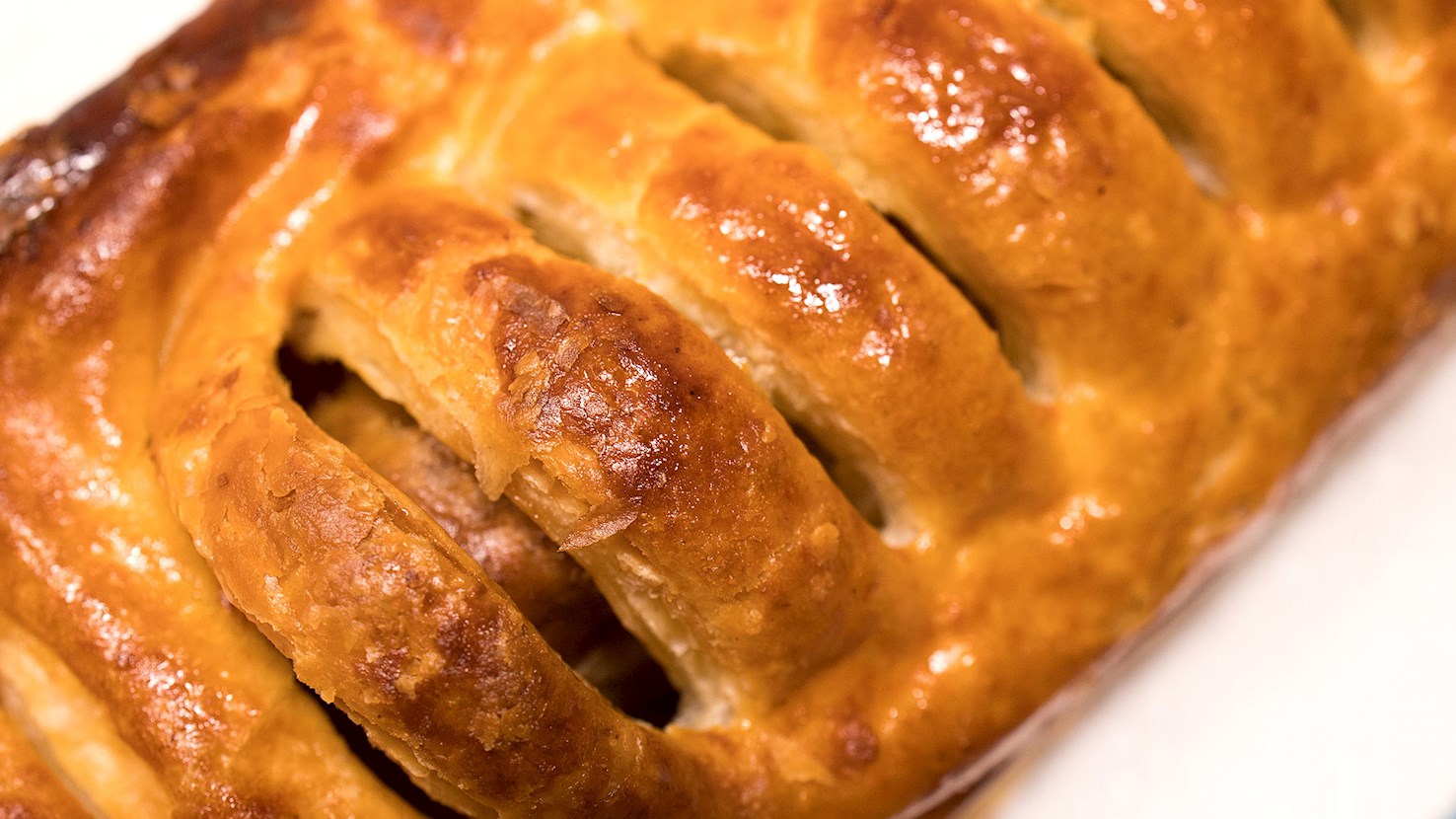
Frikandelbroodje is a savory Dutch snack consisting of a cooked frikandel (a skinless, spiced meat sausage) wrapped in puff pastry and baked until golden. It is commonly found in bakeries, supermarkets, train station kiosks, and vending machines throughout the Netherlands, where it is consumed as a convenient and filling snack or lunch item. The frikandel itself is a key part of Dutch snack bar cuisine, usually served deep-fried and optionally topped with curry ketchup, mayonnaise, and raw onions. In the case of the frikandelbroodje, the sausage is pre-cooked and placed inside a square or rectangular piece of puff pastry, sometimes with a small layer of ketchup or curry sauce, then folded or sealed and baked in the oven. The result is a snack that is portable, hot, and rich, with a soft, mildly seasoned meat center and a flaky, crispy exterior. Compared to other sausage-based pastries in Europe, the frikandelbroodje is unique for its use of frikandel as the filling. Unlike more coarsely textured sausages such as bratwurst or chorizo, frikandel has a very fine, almost pâté-like consistency due to its emulsified meat mixture. This smooth texture contrasts well with the crisp pastry shell.

03

Banket

3.4 ·

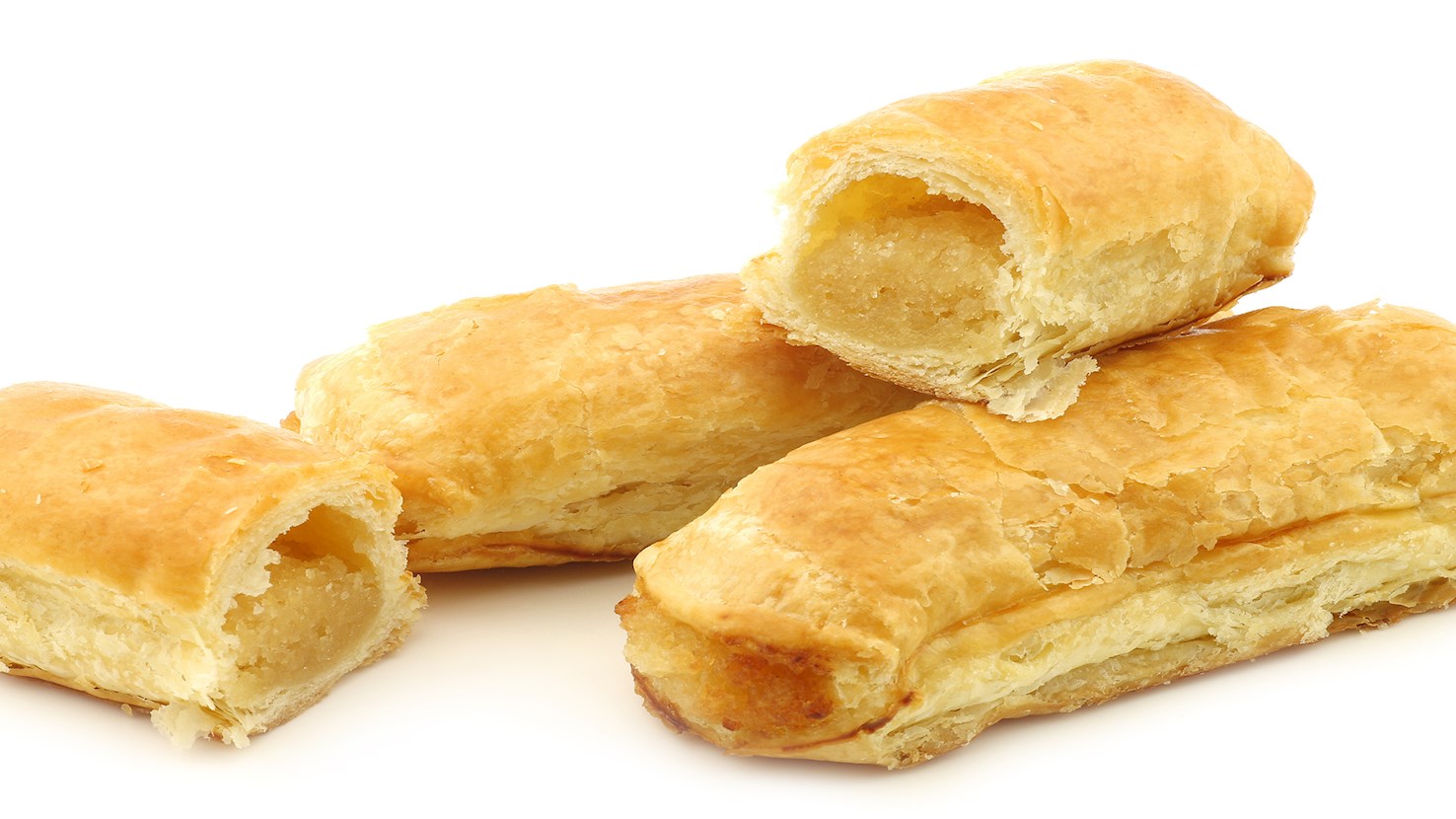
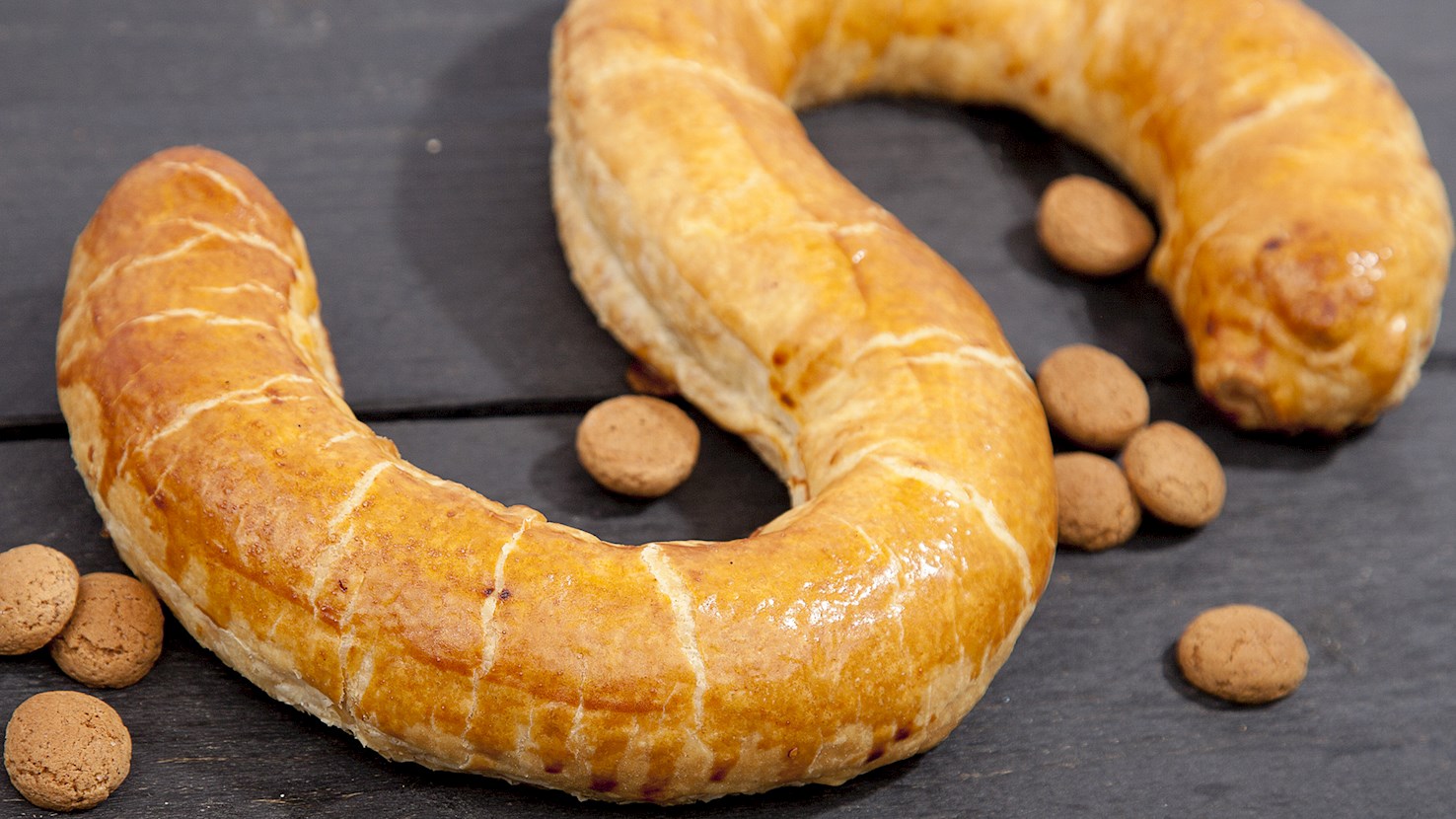
Banket or banketstaaf is a traditional pastry consisting of puff pastry that is filled with almond paste. It is sometimes additionally brushed with fruit jam and garnished with cherries or almonds on top. The pastry is usually prepared during the Christmas festivities, and it is recommended to dust banketstaaf with powdered sugar, serve it sliced, and pair it with a cup of coffee.

04

Letterbanket

3.6 ·

Letterbanket is a flaky Dutch pastry that is typically made with a combination of flour, butter, and eggs. The pastry is shaped into letters, filled with almond paste, and dusted with sugar. The letter is usually the first letter of the family’s last name, but sometimes each person gets a small letterbanket with the first letter of their name. These sweet treats are traditionally served on December 5, known as Sinterklaasavond. Letterbankets are also quite popular in the United States, particularly in Iowa and Michigan.

05

Oliebol

3.9 ·

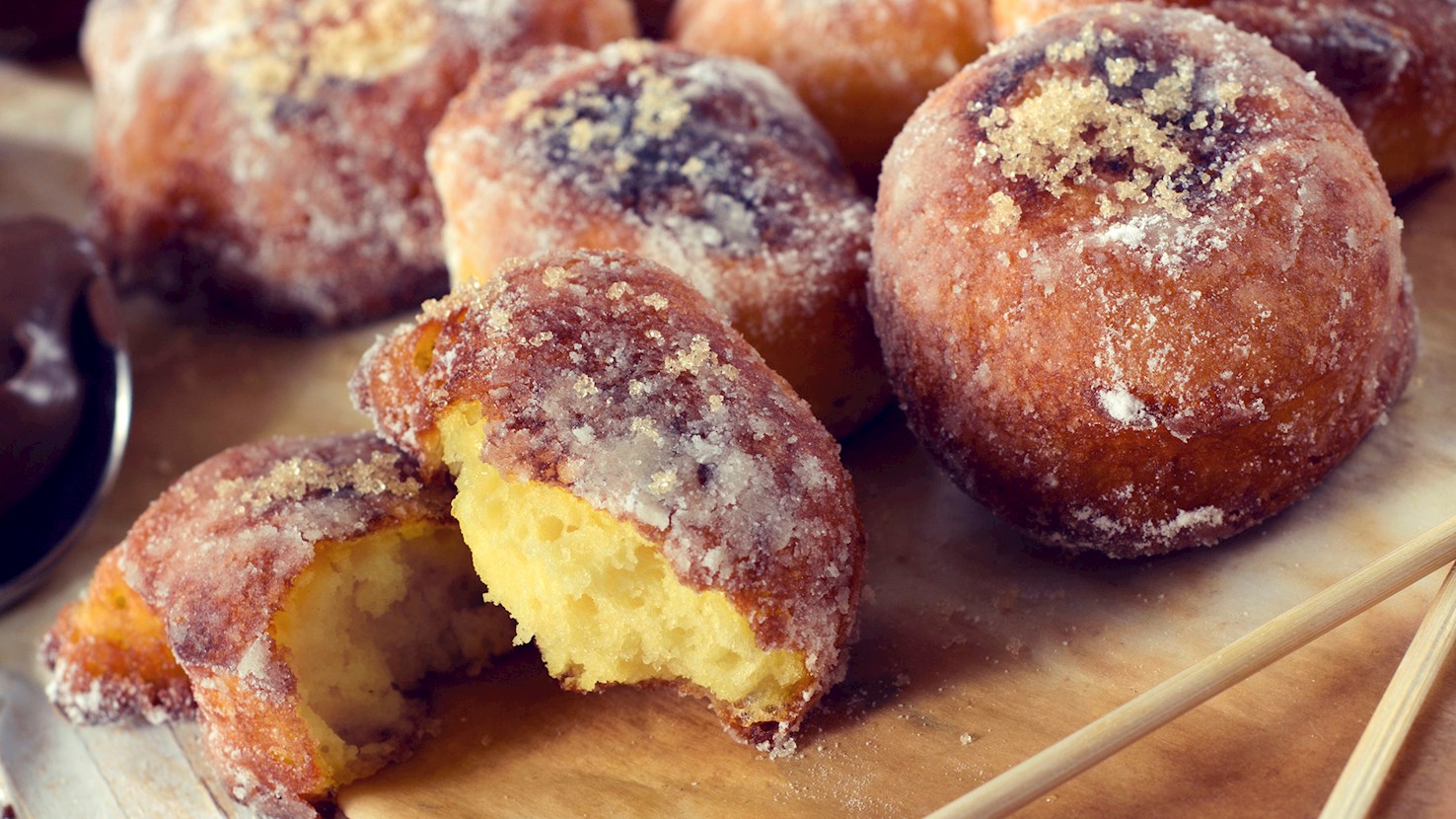
Oliebol is a traditional and Belgian snack that can be literally translated as oily ball. The dough, which is deep-fried in hot oil, is made with flour, eggs, yeast, milk, and baking powder. The exterior is crunchy, while the interior is chewy and soft, just like a true representative of comfort food at its best. Traditionally, the fritters are sprinkled with powdered sugar, while some varieties are filled with raisins or currants that were previously incorporated into the dough. Oliebollen are often prepared and consumed at numerous fairs, and they are especially popular during the Christmas and New Year period. In winter, these oily snacks can be bought at street stands throughout the Netherlands and Belgium. It is believed that oliebollen were first consumed by Germanic tribes during the Yule. The earliest recipe can be found in the 1667 book De verstandige kock, and in 1868 the word oliebol was added to Van Dale's Dutch dictionary. It is recommended to serve oliebollen with a hot cup of coffee and top them with powdered sugar before eating.

06

Bossche bol

3.8 ·

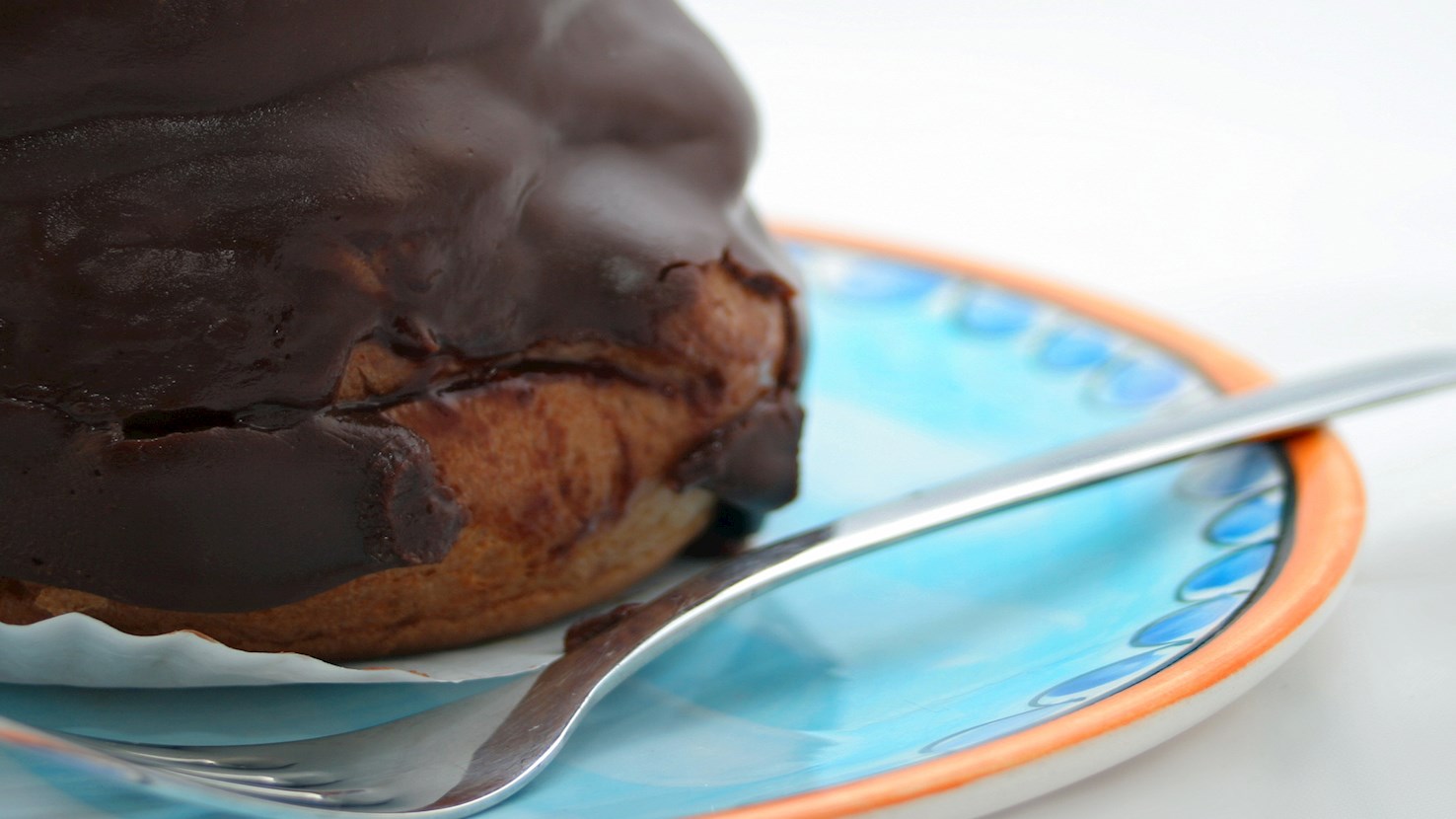
Bossche bol is a Dutch specialty from s'Hertogenbosch: a traditional, chocolate-coated, whipped cream-filled pastry. These pastry balls are characterized by their large size, which is why they are often served with forks, knives, and a number of napkins to clean the inevitable mess made while consuming them. It is believed that the sweet treat was invented by Henri van der Zijde in 1920. Today, bossche bollen are traditionally paired with a cup of coffee on the side. There is also a version of Bossche bol that is twice its size, called a reuzenbol, while moorkop is a similar pastry, but much smaller.

Read more
View all
View map
About this ranking

TasteAtlas food rankings are based on the ratings of the TasteAtlas audience, with a series of mechanisms that recognize real users and that ignore bot, nationalist or local patriotic ratings, and give additional value to the ratings of users that the system recognizes as knowledgeable. For the “6 Worst Rated Dutch Pastries” list until May 21, 2026, 540 ratings were recorded, of which 480 were recognized by the system as legitimate. TasteAtlas Rankings should not be seen as the final global conclusion about food. Their purpose is to promote excellent local foods, instill pride in traditional dishes, and arouse curiosity about dishes you haven’t tried.

Similar lists