


shutterstock

12 Worst Rated Portuguese Pastries

Last updated on October 16, 2026
01

Bolos de São Gonçalo

2.5 ·

Bolos de São Gonçalo are unusual Portuguese pastry cakes originating from the village of Amarante. Although there is no set recipe, and the sizes of these cakes vary from one street vendor to another, the cakes have one thing in common – they all have phallic shapes. Every year on January 10 and the first weekend in June, there's a local celebration of Saint Gonçalo de Amarante, and the penis-shaped cakes are usually sold from street carts, either covered in powdered sugar or filled with sweet cream. It is believed that the practice has its roots in pagan fertility rituals, but the claim hasn't yet been proven. Nowadays, the cakes and local dried figs are handed out to women to usher in a fertile and favorable year.

02

Tíbias de Braga

2.6 ·

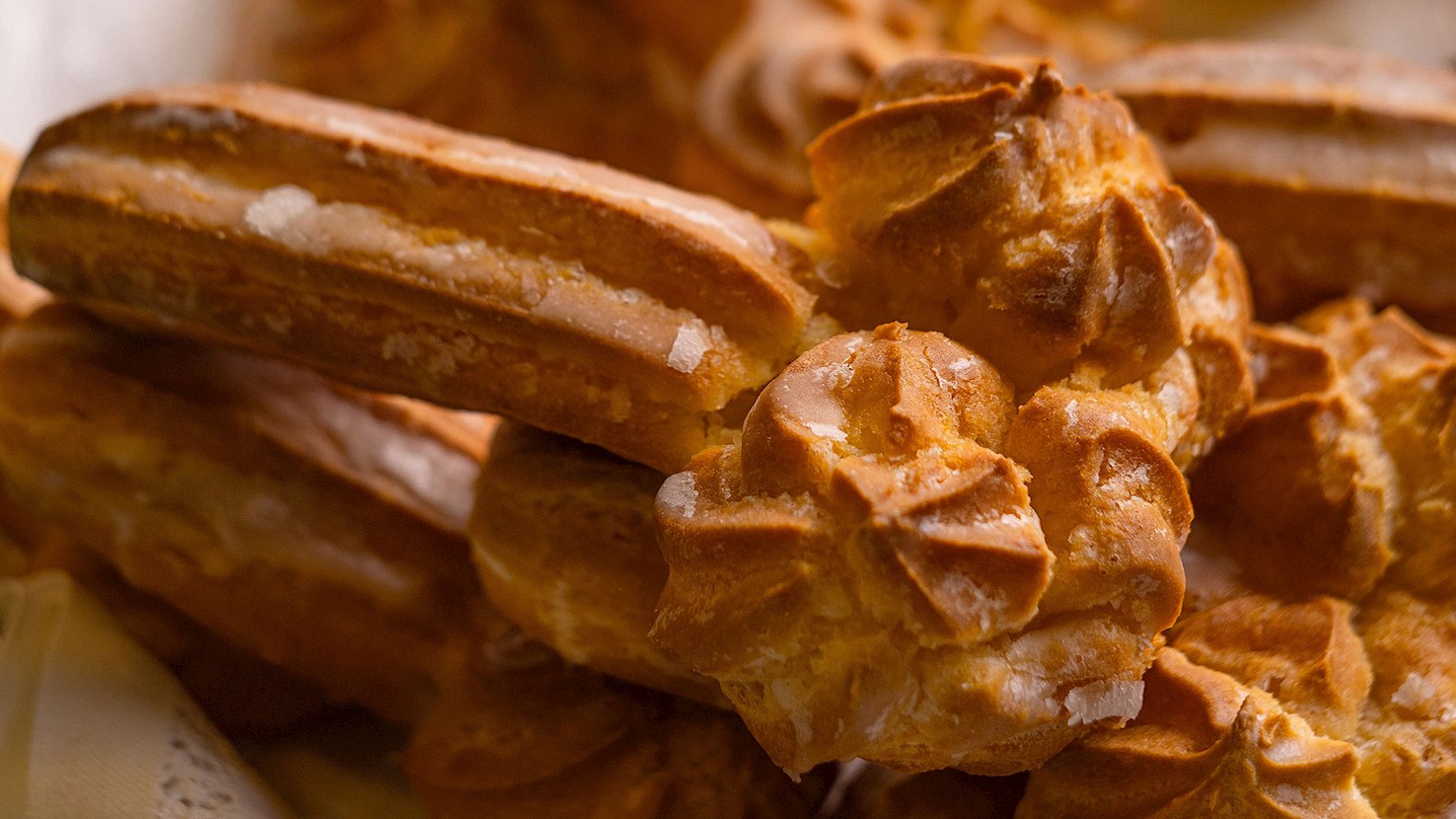
Tibias de Braga is a famous Portuguese sweet treat and one of the signature pastries of the city of Braga. They’re called tibias because of their shape, which is reminiscent of the tibia bone. This pastry consists of crunchy dough that's sprinkled with sugar and filled with sweet cream. The filling can be made from almost anything, including bananas, pineapple, raspberry, hazelnuts, caramel, or cappuccino. They go great with a warm cup of tea or coffee.

03

Cavacas

3.2 ·

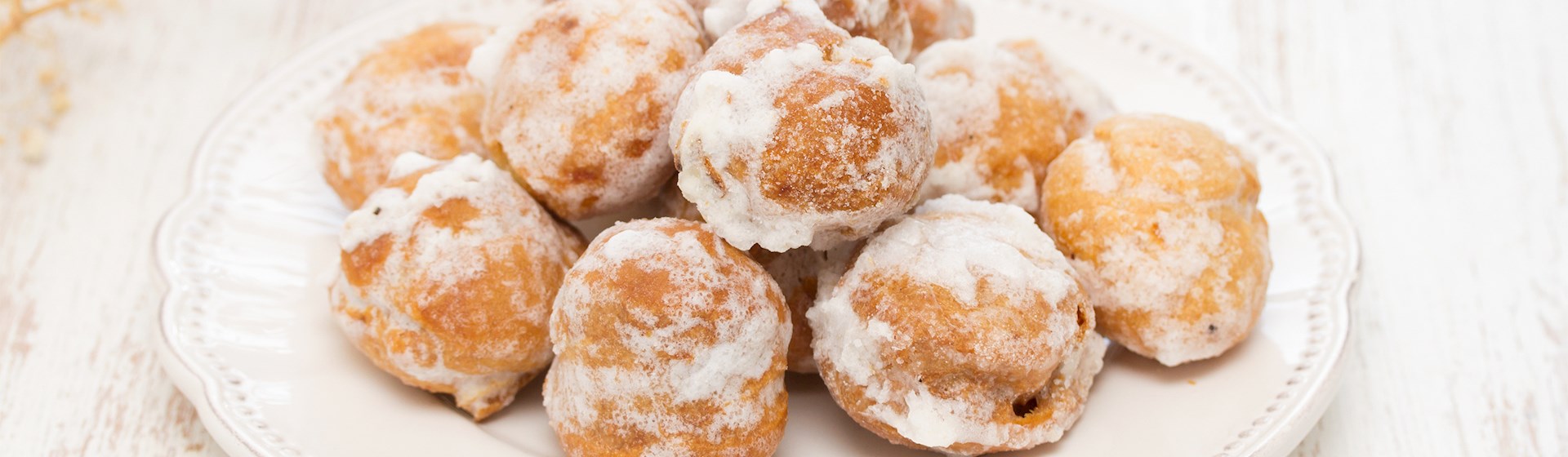
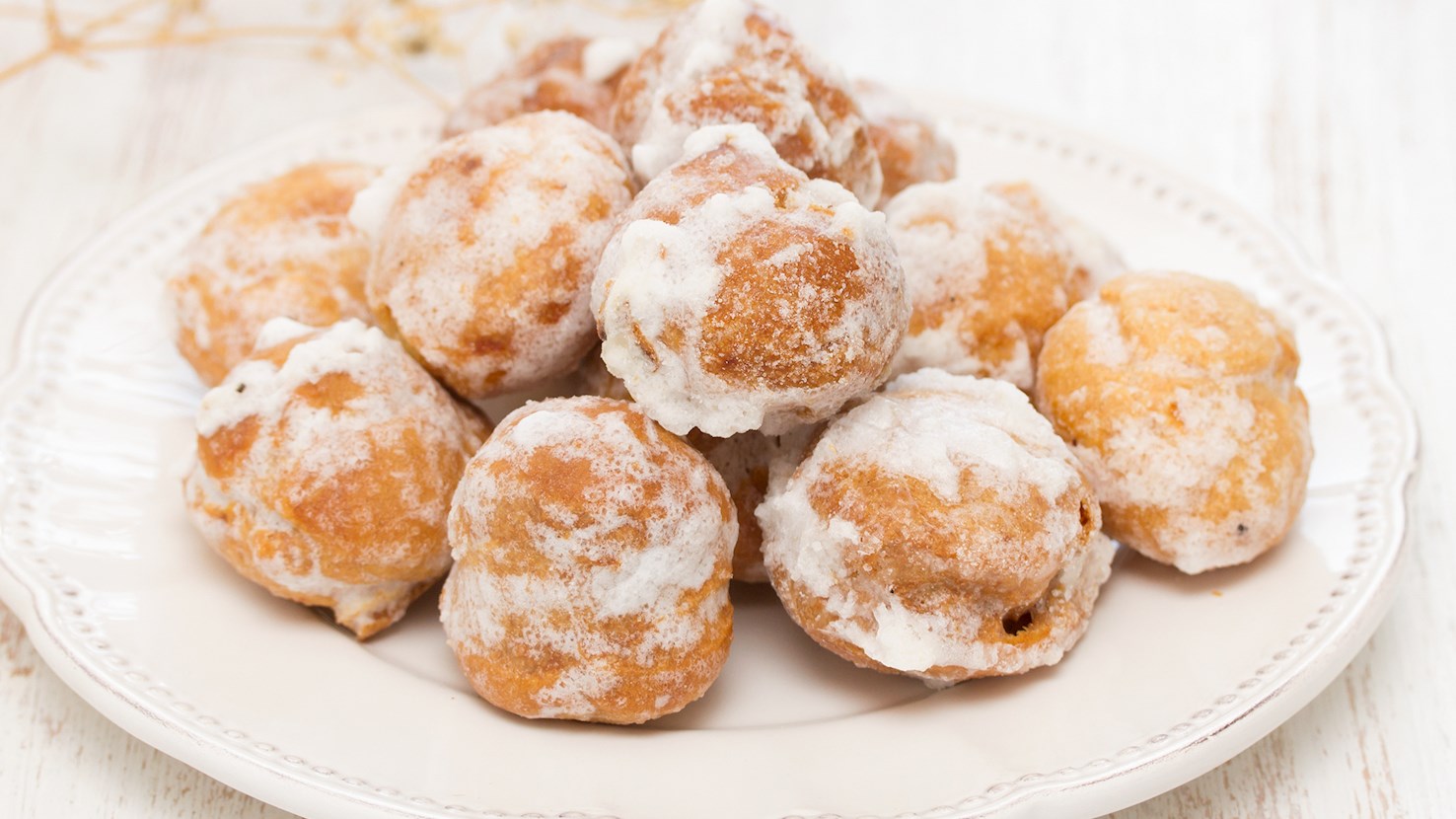
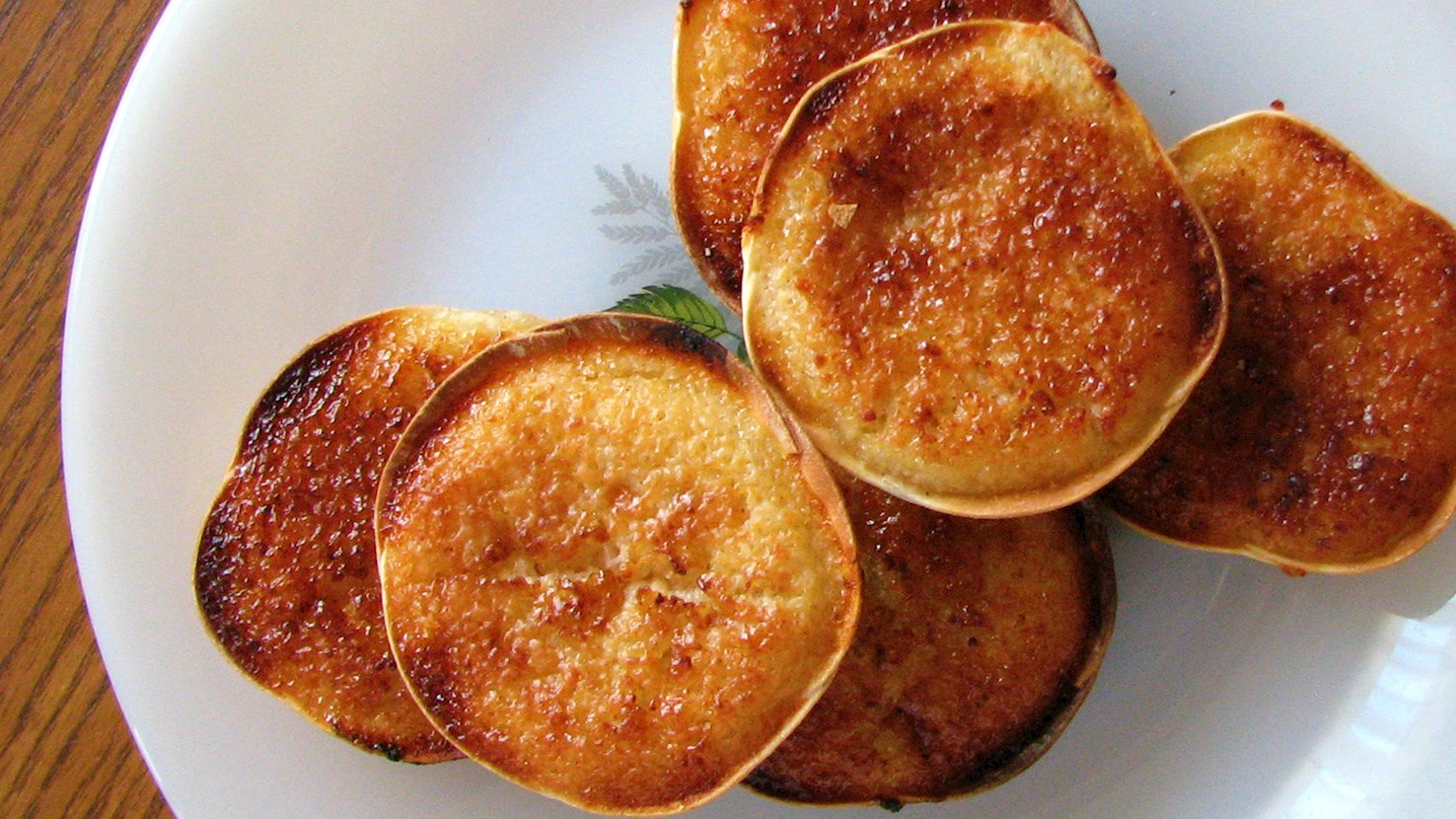
Light and airy cavacas are simple Portuguese desserts that usually consist of flour, oil, and eggs. They are baked in individual molds and result in puffed, hollowed pastries that resemble popovers. Each pastry is then generously glazed with sugar, which can occasionally be enriched with lemon. Although cavacas have been present in traditional Portuguese cuisine for centuries, not much is known about their origin.

04

Tortas de Guimarães

3.4 ·

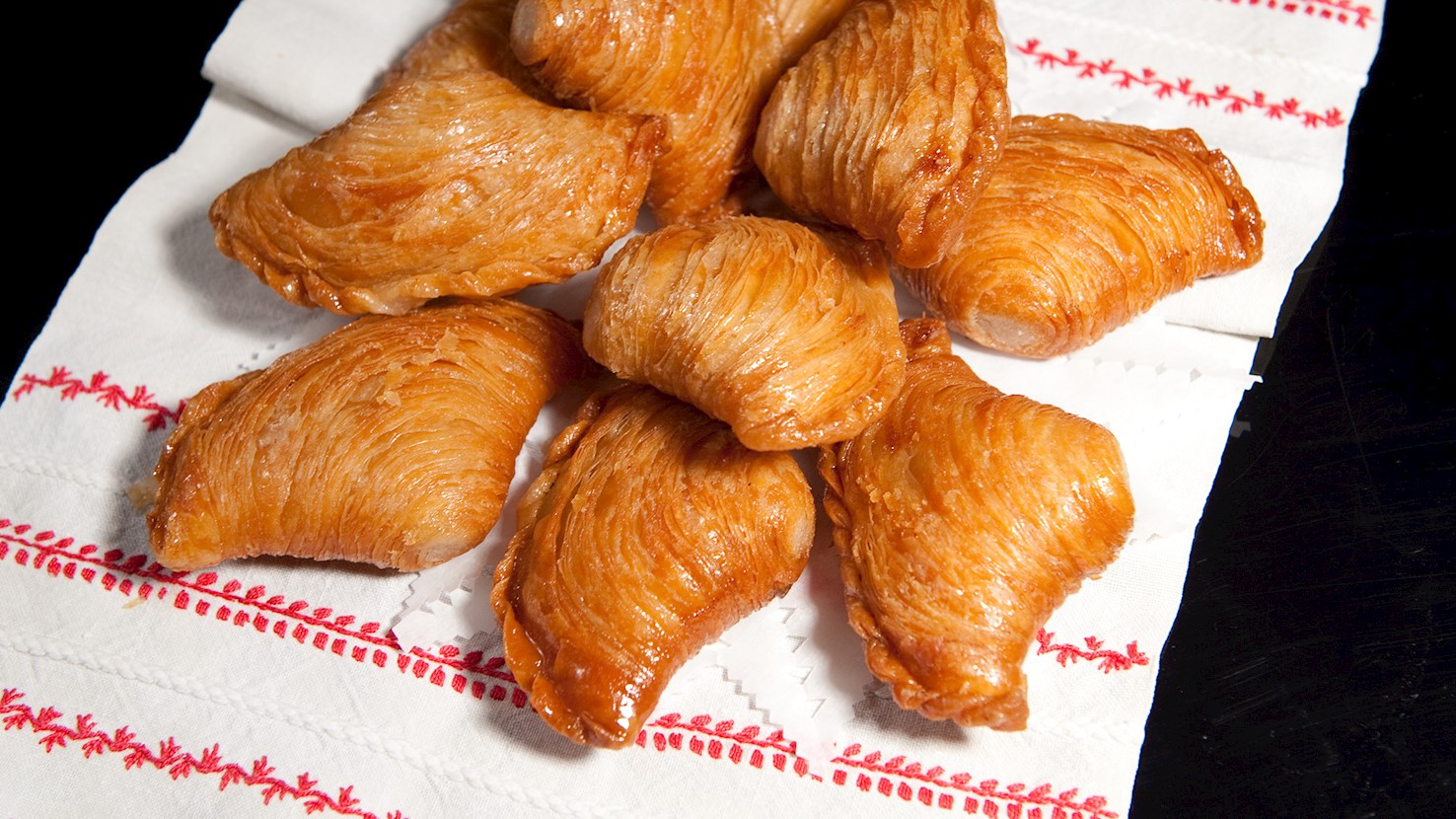
These crescent-shaped pastries consist of a thin, flaky dough that is filled with a sweet combination of sugar, egg yolks, ground almonds, and chila (gila) squash. After baking, they are shortly dipped in syrup, which provides the tortas with a crisp, glossy coating. As the name suggests, the pastries were invented in Guimarães, and they were originally prepared by nuns from the convent of Santa Clara. Nowadays, they are one of the most recognizable Guimarães desserts.

05

Filhós

3.6 ·

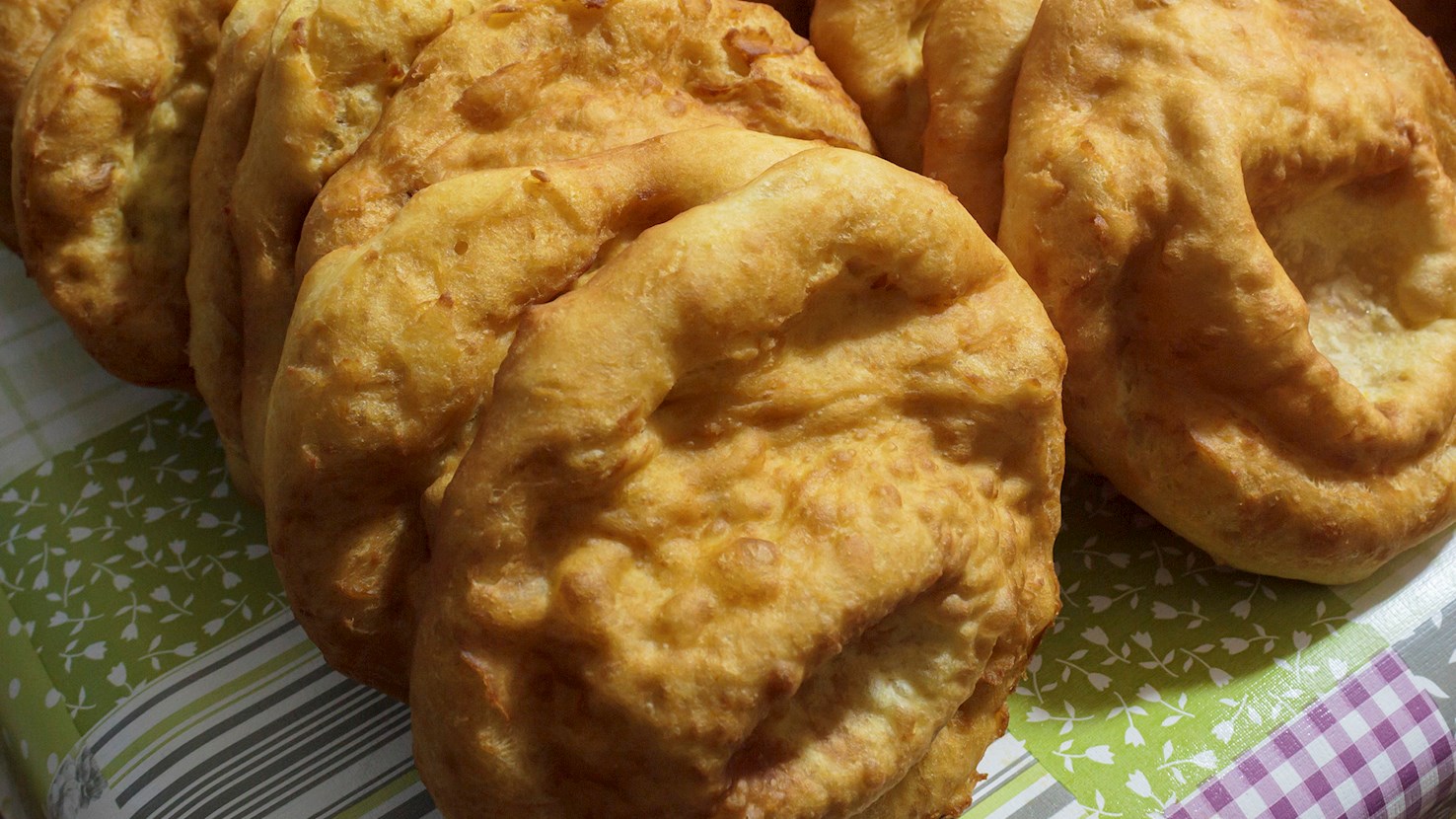
In their simplest form, filhós are traditional Portuguese deep-fried treats prepared with leavened dough. They come in numerous regional varieties that may differ in form and often incorporate different spices and additions such as pumpkin or orange juice. After frying, they are usually coated in cinnamon sugar, and in Algarve, they are occasionally dipped in brown sugar syrup. Although they are often associated with Christmas, filhós are enjoyed all year round. In some regions, the term filhós may refer to the round Portuguese-style doughnuts that are better known as malasadas.

06

Pastel de Santa Clara

3.6 ·

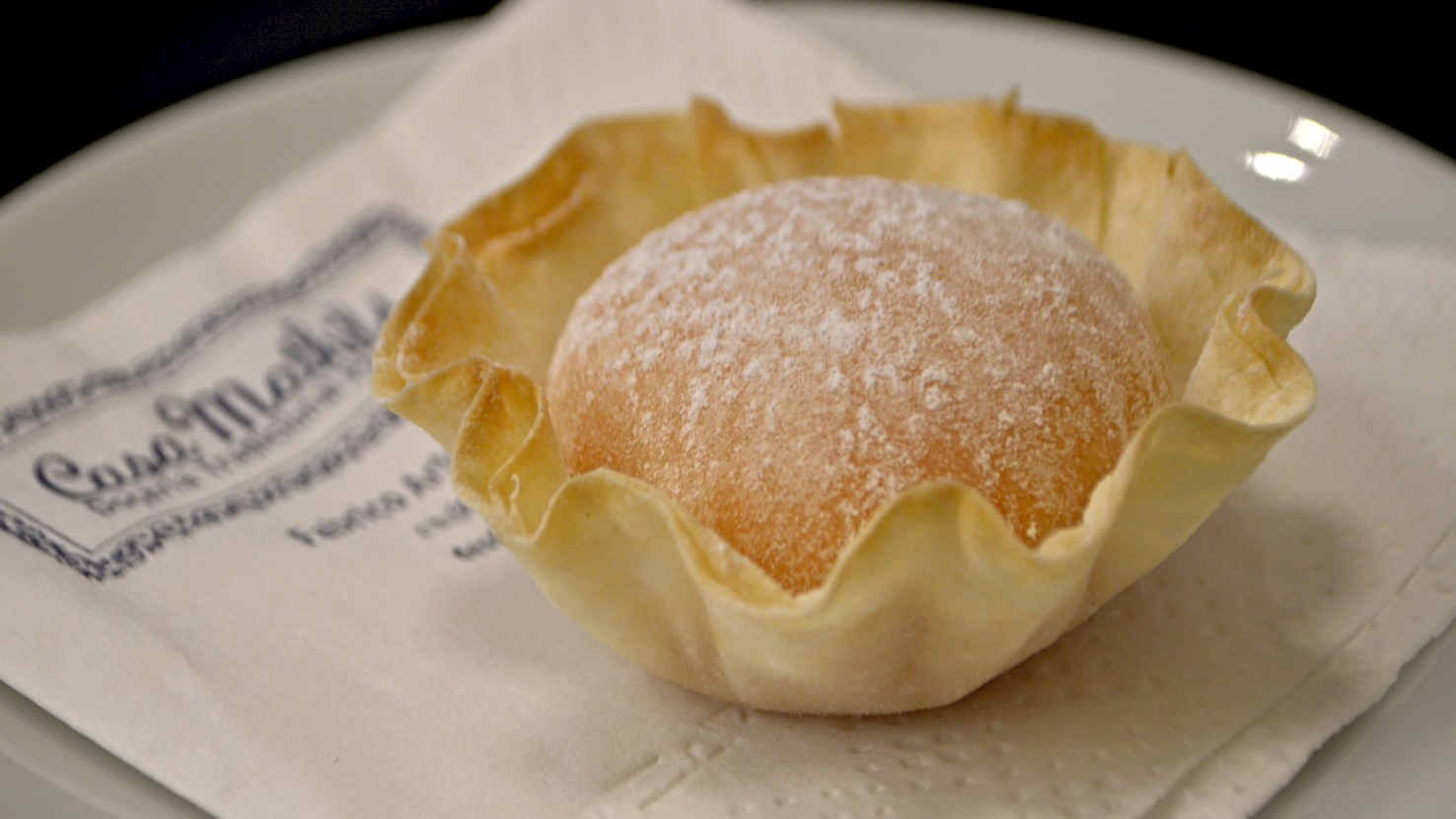
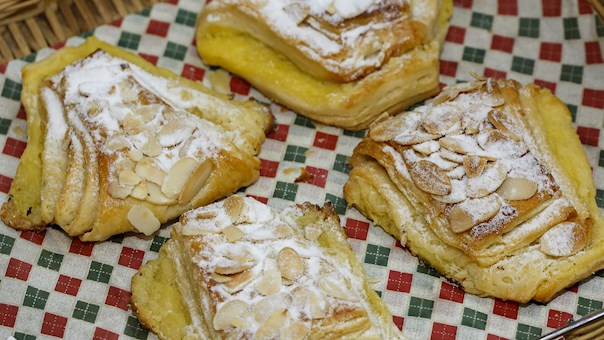
Though they come in various sizes and shapes, Santa Clara pastries always combine the thin and crispy dough with a sweet almond and egg yolk filling. The pastries were named after the Santa Clara convent in Coimbra, where they were invented and prepared by nuns. It is believed that the pastries were popularized in the 19th century when the nuns started selling them to numerous students in Coimbra. Due to migration, in the 20th century, pastéis de Santa Clara were introduced to Brazil, where they quickly became quite popular. Though they are a signature sweet of Coimbra, the pastries can be found in other Portuguese regions. They can be enjoyed warm, at room temperature, or chilled, and are always dusted with powdered sugar.

07

Pastel de Chaves

3.9 ·

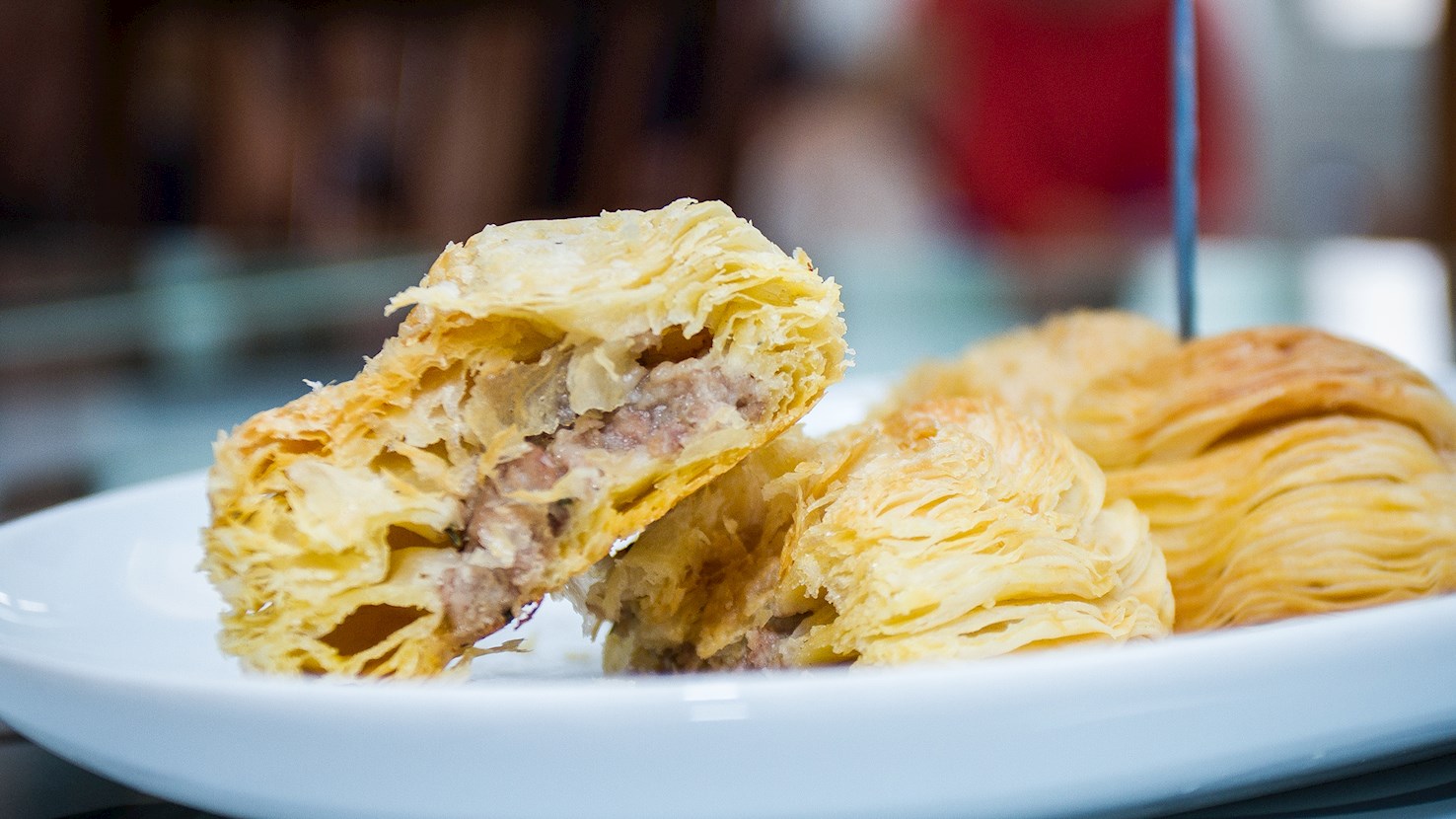
This clam-shaped Portuguese delicacy is made with a puff pastry shell that is filled with a unique mixture of minced veal, bread, and onions. The tradition of preparing pastel de Chaves dates back to 1862, and according to a popular legend, the first person to sell these unique pastries was Teresa Feliz Barreira, the founder of Casa do Antigo Pasteleiro, the first establishment where pastel de Chaves could be bought. The original recipe stayed in her possession for 75 years, until the 1940s, when other bakeries in Chaves started to manufacture and sell the same product. The Portuguese city of Chaves protected this famous pastry as their authentic product, which licensed them to be the only location where pastel de Chaves can be produced and sold. According to municipal records, the town of Chaves produces more than 25,000 of these delectable pastries daily. In recent history, numerous other varieties have appeared, including the sweet versions, but only the original, savory version is allowed to carry the name pastel de Chaves.

08

Queijada

3.9 ·

Queijada is a traditional pastry originating from Sintra. As mentioned in its name, queijada is prepared with a combination of queijo (cheese), eggs, milk, flour, and sugar. When properly baked, queijadas should have a fluffy crust on top. They can be bought at almost every pastry shop throughout Portugal. In medieval times, these small pies were used as a form of payment due to the fact that Sintra had great pastures and a surplus of fresh cheese which was used in the preparation of queijadas. Nowadays, there are many variations, such as the ones flavored with oranges (queijadas de laranja) and coconut (queijadas de coco). It is recommended to consume queijadas with a cup of espresso on the side.

09

Pastel de Tentúgal

3.9 ·

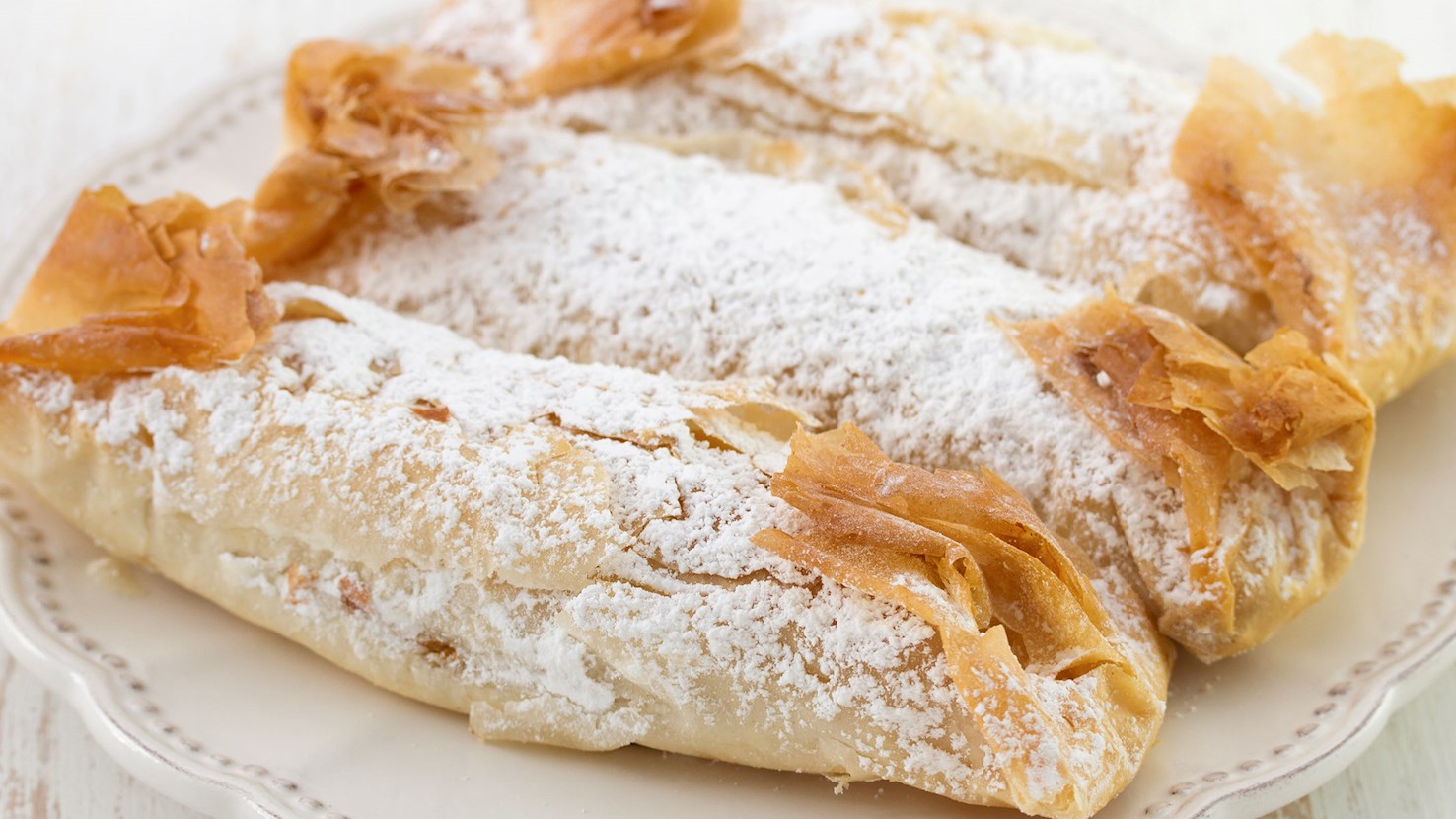
Regarded as one of the seven iconic dishes of Portuguese cuisine, pastel de Tentúgal is a traditional Portuguese pastry with an intriguing history dating back to the 16th century. It is made with doce de ovos, a traditional Portuguese egg custard that is wrapped in paper-thin dough, then baked until golden brown and crispy. The tradition of preparing pastel de Tentúgal was started by the Carmelite nuns, who used to stretch the dough in specialized rooms covered in white sheets. Interestingly, the dough was supposed to be extremely thin so that the Bible could be read through it. The nuns would then butter the whole surface of the dough and cut out rectangular shapes which were subsequently filled with the sweet filling. For centuries, the entire preparation of this sweet treat has been passed down orally, without any written records. It was only in 1898–when the last nun passed away–that the recipe was adopted by a guesthouse Dona Maria da Conceição Faria. Until the middle of the 20th century, this establishment remained the only exclusive location where pastel de Tentúgal could be manufactured and sold. Following their success, numerous other bakers in Tentúgal started to produce this authentic Portuguese pastry, and in 2013, the product and the city received a government certification allowing them to be the only location in the world licensed to produce the original pastel de Tentúgal. Usually dusted with powdered sugar, pastel de Tentúgal is often served alongside a cup of strong Portuguese coffee.

10

Bolinhos de chuva

3.9 ·

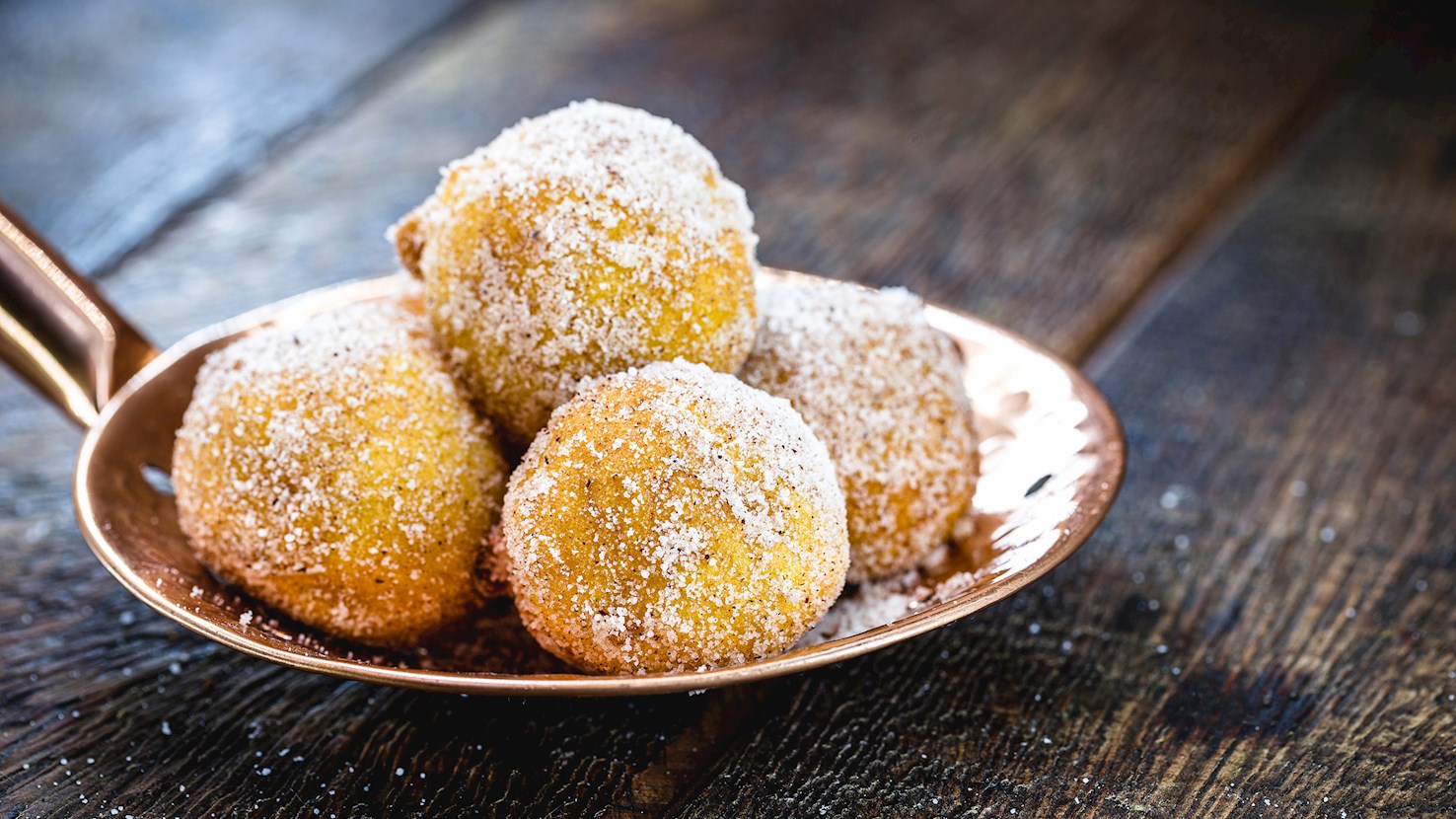
Bolinhos de chuva are traditional Portuguese and Brazilian sweet fritters. These easy-to-make pastries call for dough made of eggs, wheat flour, sugar, milk, baking powder, and salt, shaped into small balls and fried in vegetable oil until golden brown and crispy on the outside. When done, bolinhos de chuva are dusted with powdered sugar and cinnamon. The legend says that the name (which roughly translates to "rain cakes") originates from the times when the whole family used to gather in the kitchen during rain storms and prepare these delicious treats. To this day, bolinhos de chuva remain a beloved snack or dessert (especially among children), tasty on their own but also often dipped in dulce de leche or chocolate ganache.

About this Ranking

TasteAtlas food rankings are based on the ratings of the TasteAtlas audience, with a series of mechanisms that recognize real users and that ignore bot, nationalist or local patriotic ratings, and give additional value to the ratings of users that the system recognizes as knowledgeable. For the “12 Worst Rated Portuguese Pastries” list until October 16, 2026, 3,317 ratings were recorded, of which 2,456 were recognized by the system as legitimate.

TasteAtlas Rankings should not be seen as the final global conclusion about food. Their purpose is to promote excellent local foods, instill pride in traditional dishes, and arouse curiosity about dishes you haven’t tried.

What People Say

Similar Lists