


12 Worst Rated Scandinavian Pastries

Last updated on May 21, 2026
01

Klenät

2.7 ·

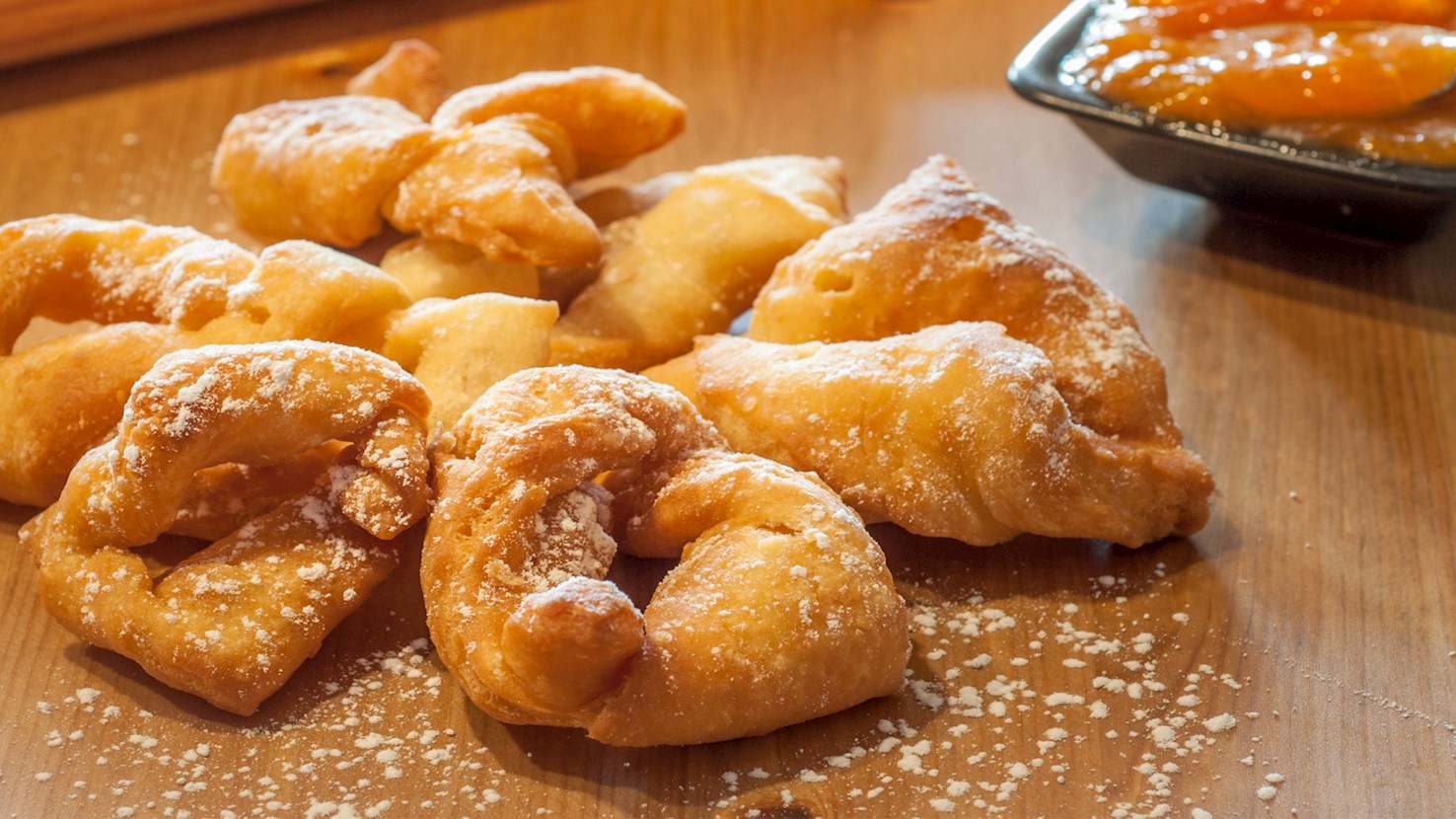
The rhomb-shaped, crispy klenät is a popular deep-fried pastry enjoyed in many Nordic countries. Made with the buttery yeasted dough, often enriched with various liqueurs, it is primarily rolled, shaped into a knotted trapezoid, and then fried until it turns into a light, crunchy, golden treat. Traditionally enjoyed during Christmastime, it is best served freshly prepared and lightly sprinkled with cinnamon and powdered sugar.

02

Mandelkubb

3.2 ·

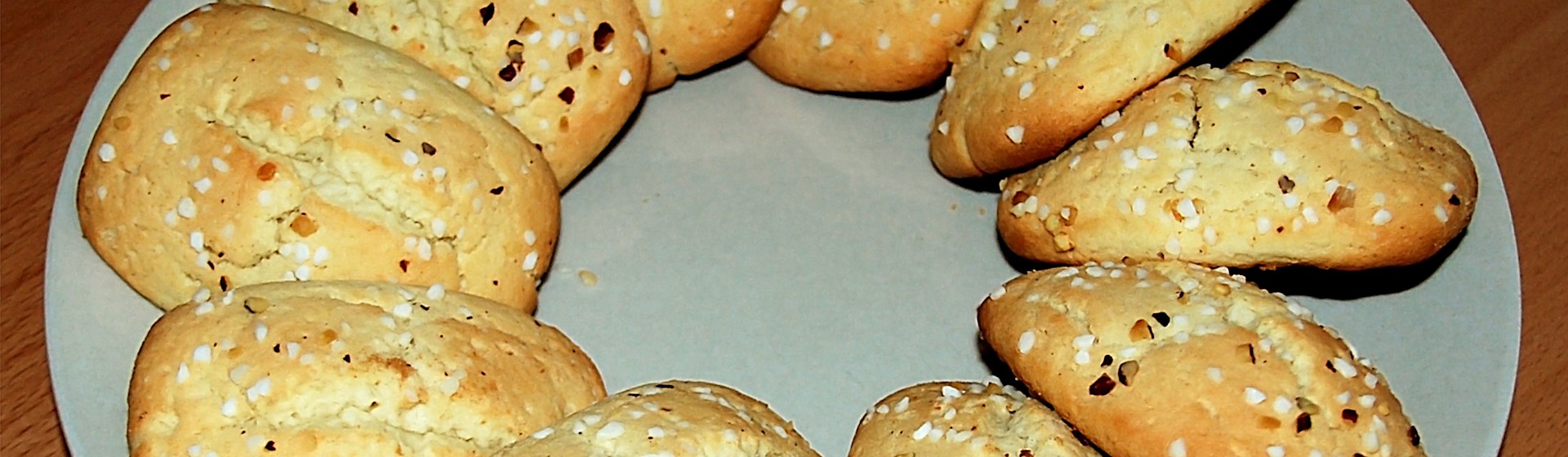
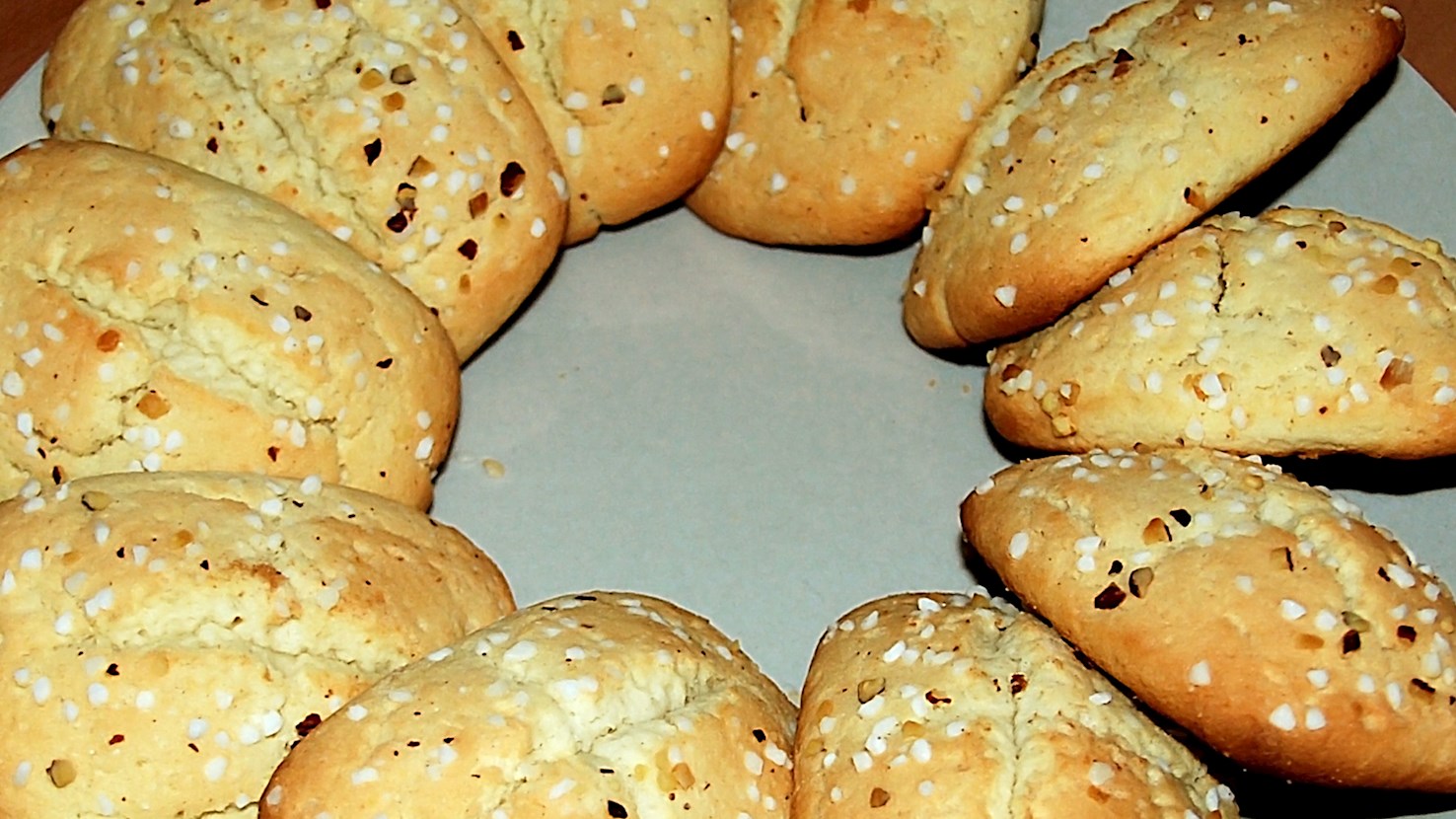
Mandelkubb is a traditional pastry characterized by its bittersweet flavor. It is best described as an almond bun. Its name and its distinct flavor are both derived from the main ingredient – bitter almonds. These are crushed and mixed with flour, sugar, eggs, and leavening agents. Some versions of mandelkubb replace the almonds with almond oil and include sour cream or milk. The buns are always sprinkled with pearl sugar before baking. They are very easy to make and almost every bakery and coffeehouse in Sweden sells them. Mandelkubbar are usually eaten fresh with a glass of cold milk or a cup of hot coffee on the side.

03

Gustaf Adolfsbakelse

3.2 ·

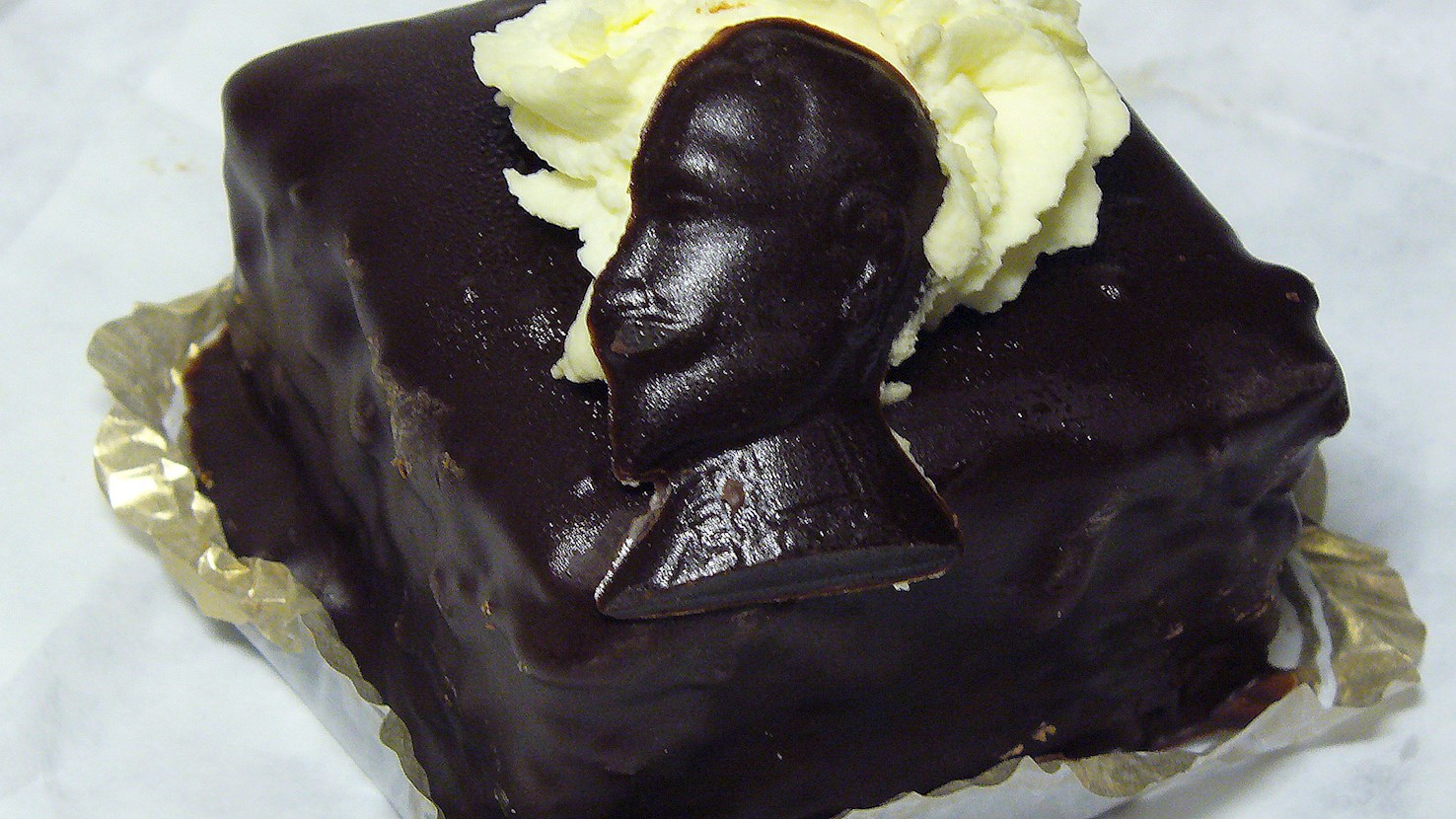
Gustaf Adolfsbakelse is a traditional pastry commemorating Gustav II Adolf, who died on November 6 in 1632. The pastry consists of a base, a filling, and a decoration, which is a silhouette of the king, made from chocolate or marzipan. The base consists of eggs, sugar, flour, and baking powder, while the filling contains vanilla cream, heavy cream, and blackcurrant jelly or jam. The vanilla cream is made with butter, sugar, vanilla extract, and vegetable shortening. The pastry was invented by Carl Bräutigam in 1909, and nowadays it is sold and consumed annually on November 6.

04

Smultring

3.3 ·

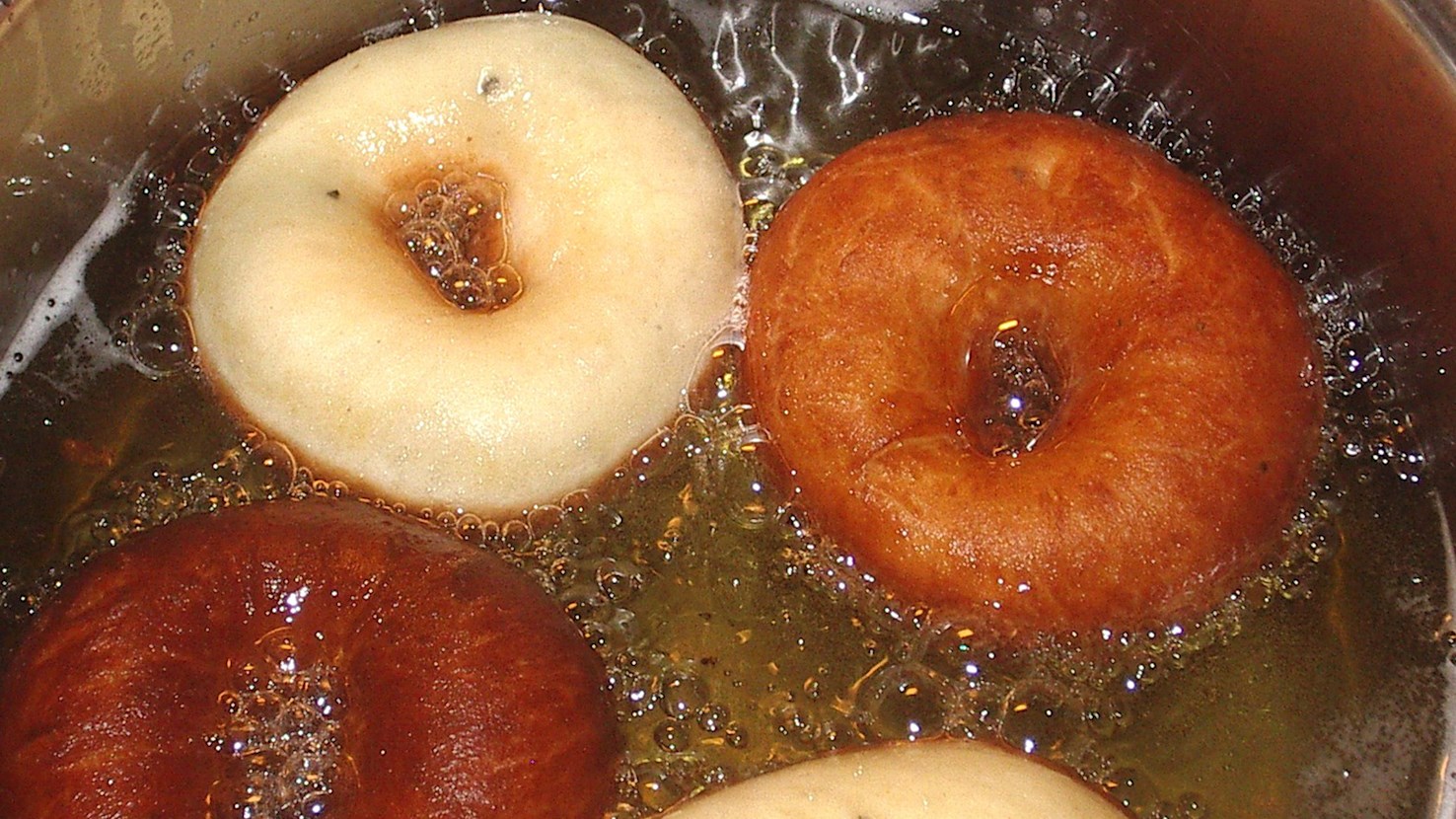
Traditionally associated with Christmastime, these popular Norwegian doughnuts called smultring are prepared with a dense dough that is usually spiced with cardamom, cinnamon, lemon or orange zest, as well as various liqueurs. They are typically small in size, ring-shaped, and fried in lard. Although they were traditionally enjoyed plain, today these crispy treats are often glazed or dusted with cinnamon and powdered sugar, and are mainly sold at various mobile stands throughout the country. The variety known as hjortetakk (deer antlers) is different in shape only - two notches are made along the edges of the dough before frying in order to visually represent the antlers.

05

Budapestbakelse

3.4 ·

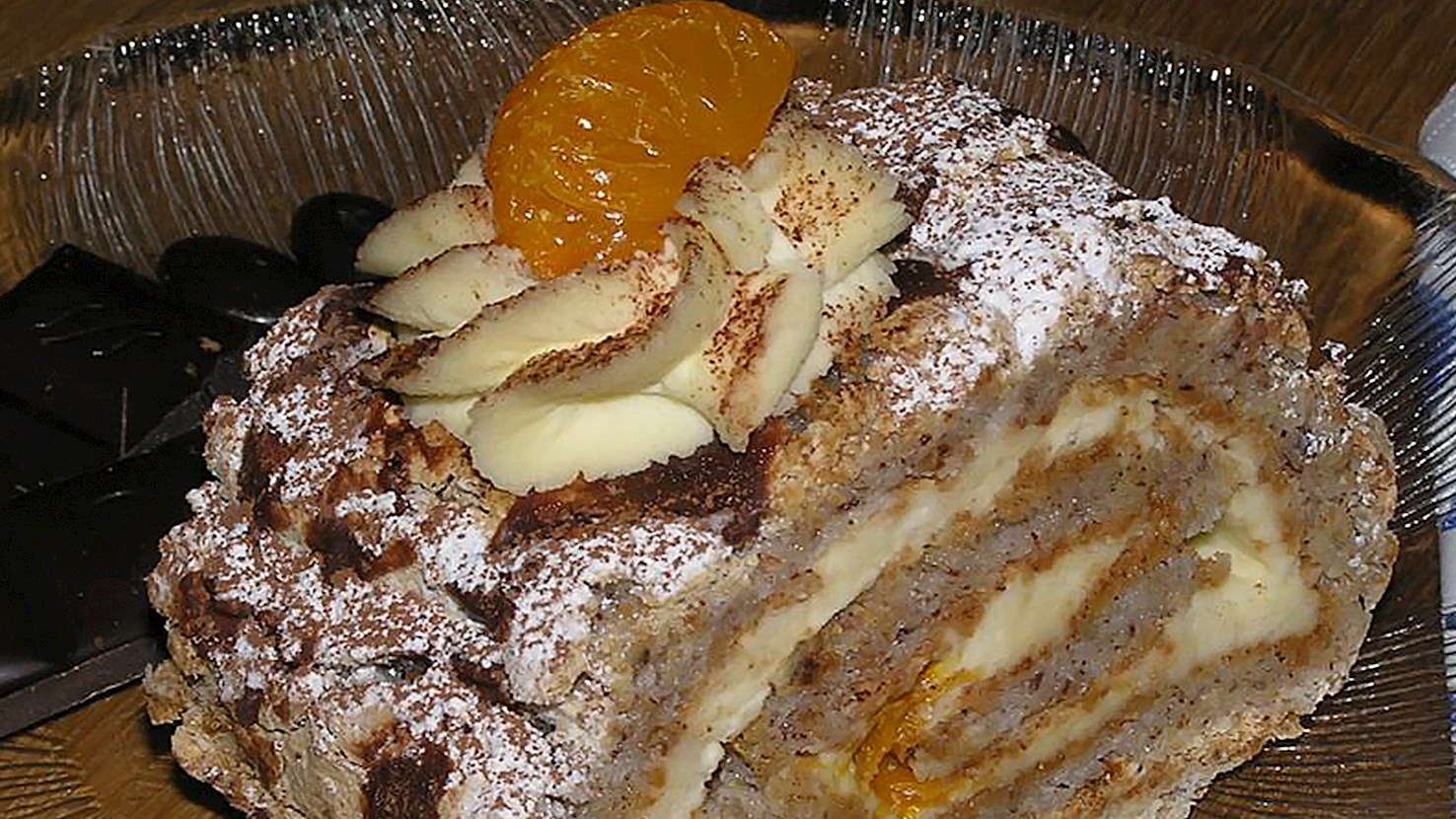
Despite its name, Budapestbakelse is not a specialty coming from Hungary’s capital, but Sweden. Often referred to as Budapest roll, this delicious dessert consists of a pastry made with creamy meringue and toasted hazelnuts, filled with whipped cream and slices of mandarin oranges. The pastry is then rolled and topped with melted dark chocolate, icing sugar, and dark cocoa powder. It was a Swedish pastry chef named Ingvar Strid who first introduced this scrumptious dessert to Sweden. There is a popular Finnish variation of this dessert, which calls for bananas and raspberries instead of mandarin oranges. In Sweden, May 1st is Budapestbakelsendag, the day when Budapestbakelse is celebrated.

06

Napoleonbakelse

3.5 ·

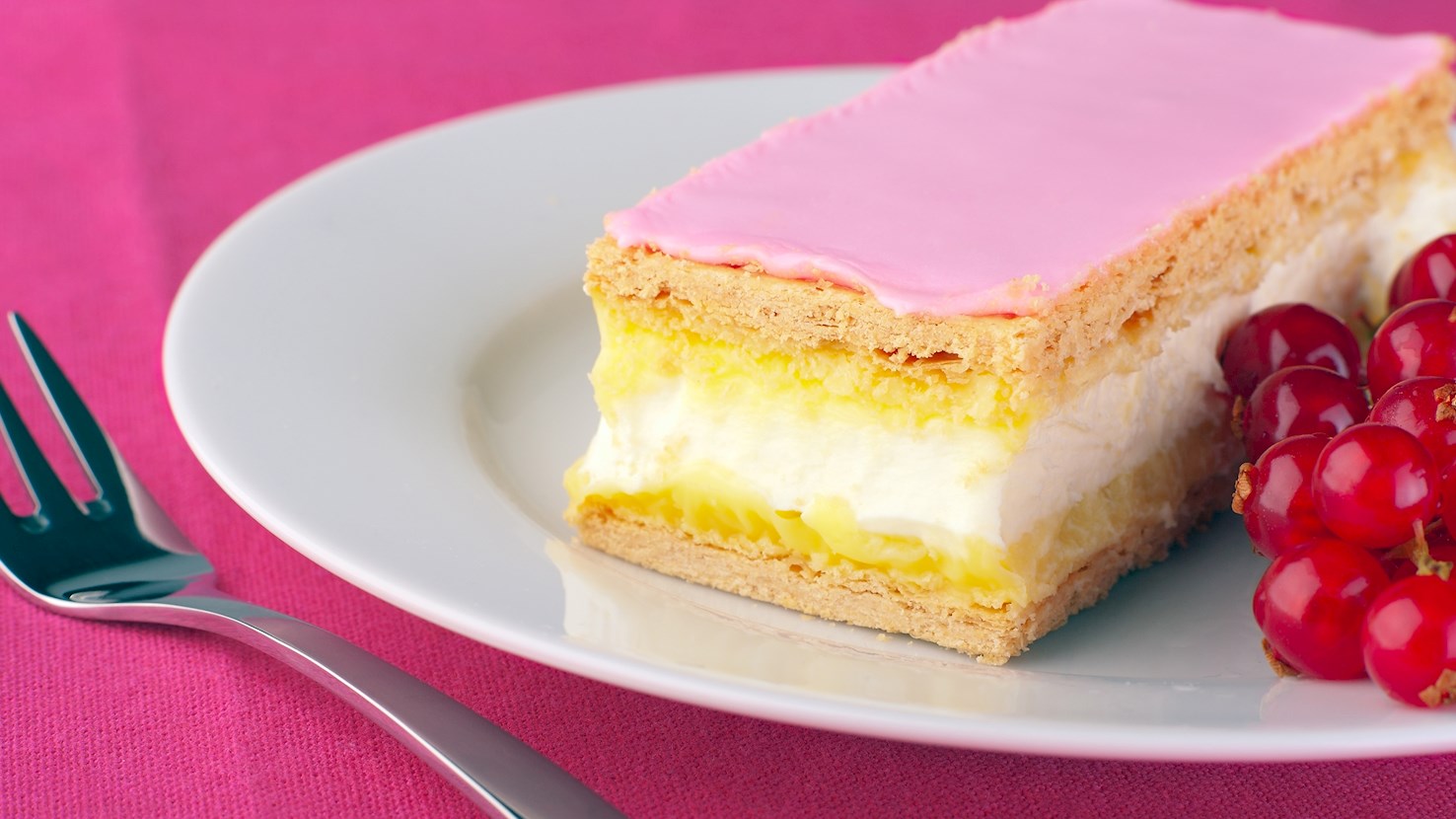
A layered pastry know as Napoleonbakelse is a Swedish version of the French mille-feuille. The flaky pastry is made with flour, butter, water, egg yolks, salt, and lemon juice or vinegar. Once baked, the pastry is cut into rectangles, which are arranged on top of each other and layered with vanilla custard and whipped cream. Raspberry jam is evenly distributed over the final pastry layer, and it is then drizzled with a mixture of powdered sugar, water, and raspberry jam. This scrumptious dessert is also popular in Finland.

07

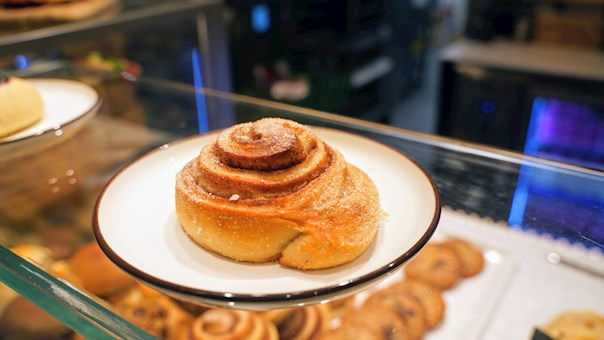
Onsdagssnegl

3.5 ·

Onsdagssnegl (roughly translated as "Wednesday snail") is a special cinnamon roll that is made and sold at bakeries in Copenhagen, with those at Sankt Peders bakery being the most iconic. Every Wednesday, bakeries make these large, delicious cinnamon rolls, and they have become a popular treat among locals and tourists alike. The tradition has become so well-loved that people often line up outside bakeries on Wednesdays to make sure they get one of these coveted pastries.

08

Kringle

3.7 ·

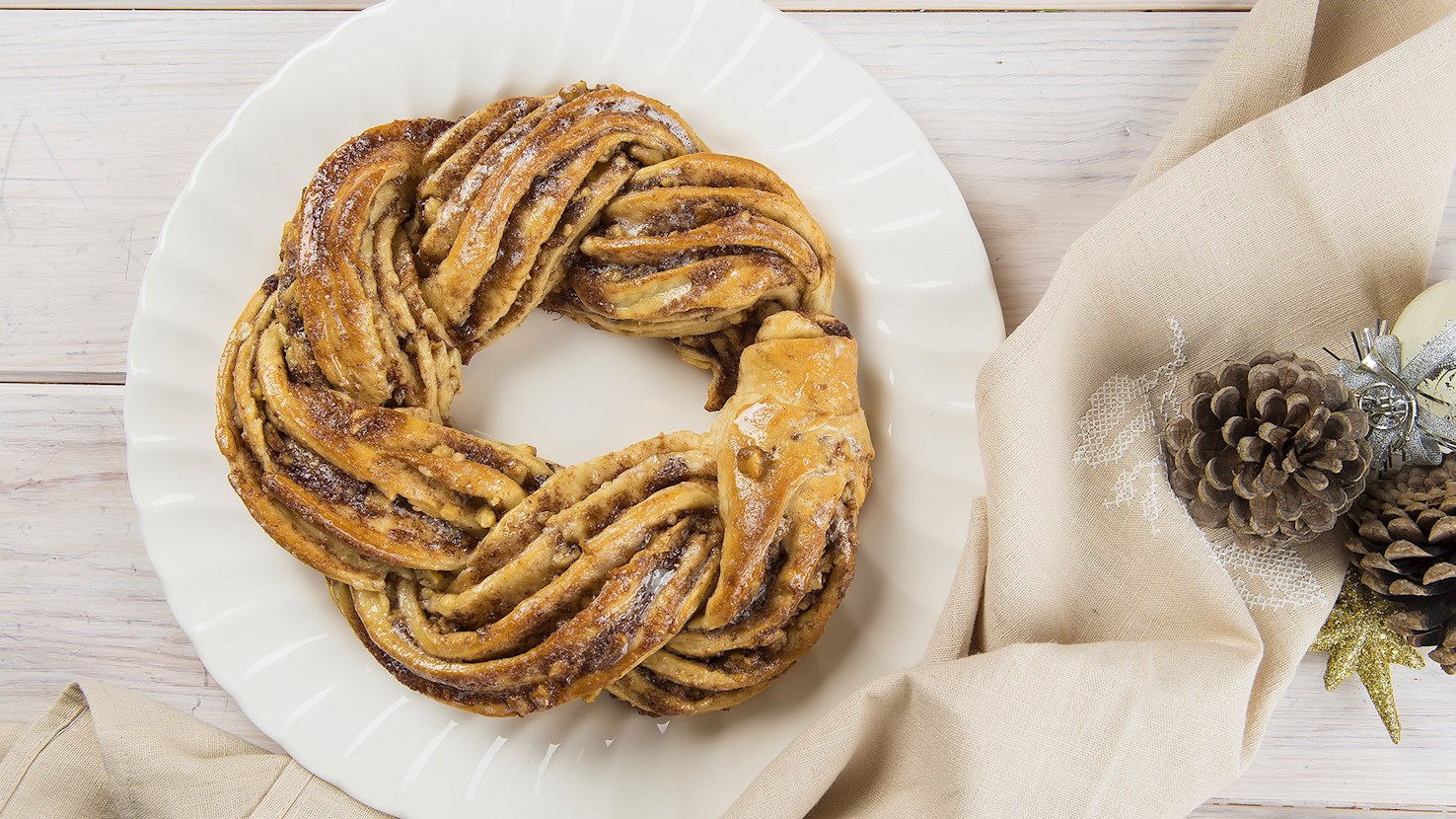
Originally a creation of Roman-Catholic monks, and now popular internationally, kringle is a delicious flaky pastry, usually shaped as a pretzel and filled with various ingredients. It was primarily introduced in Denmark, under the influence of Austrian bakers, and later it spread throughout Nordic countries and eventually to the United States, where it gained great success. Each region has created its distinct varieties, using local and seasonally available ingredients. In Denmark, kringle is usually made with either puff pastry or yeasted dough, filled with sweet concoctions that include butter and sugar, marzipan, and raisins. In the 19th century, Danish bakers introduced the tradition of preparing kringle to the United States, specifically Racine Wisconsin, where the pastry was slightly adapted to the now-famous oval shape. Kringle in Racine is always made with traditional Danish laminated dough, in which the pastry layers are generously spread with butter and filled with the lavish combination of fruits, nuts, or cream cheese. Both American and European kringle can be found in bakeries and grocery shops, but while the luscious American creations are usually enjoyed as desserts, the Danish prefer to eat their traditional pastry as an afternoon snack or a perfect accompaniment to coffee or tea.

Best restaurants
09

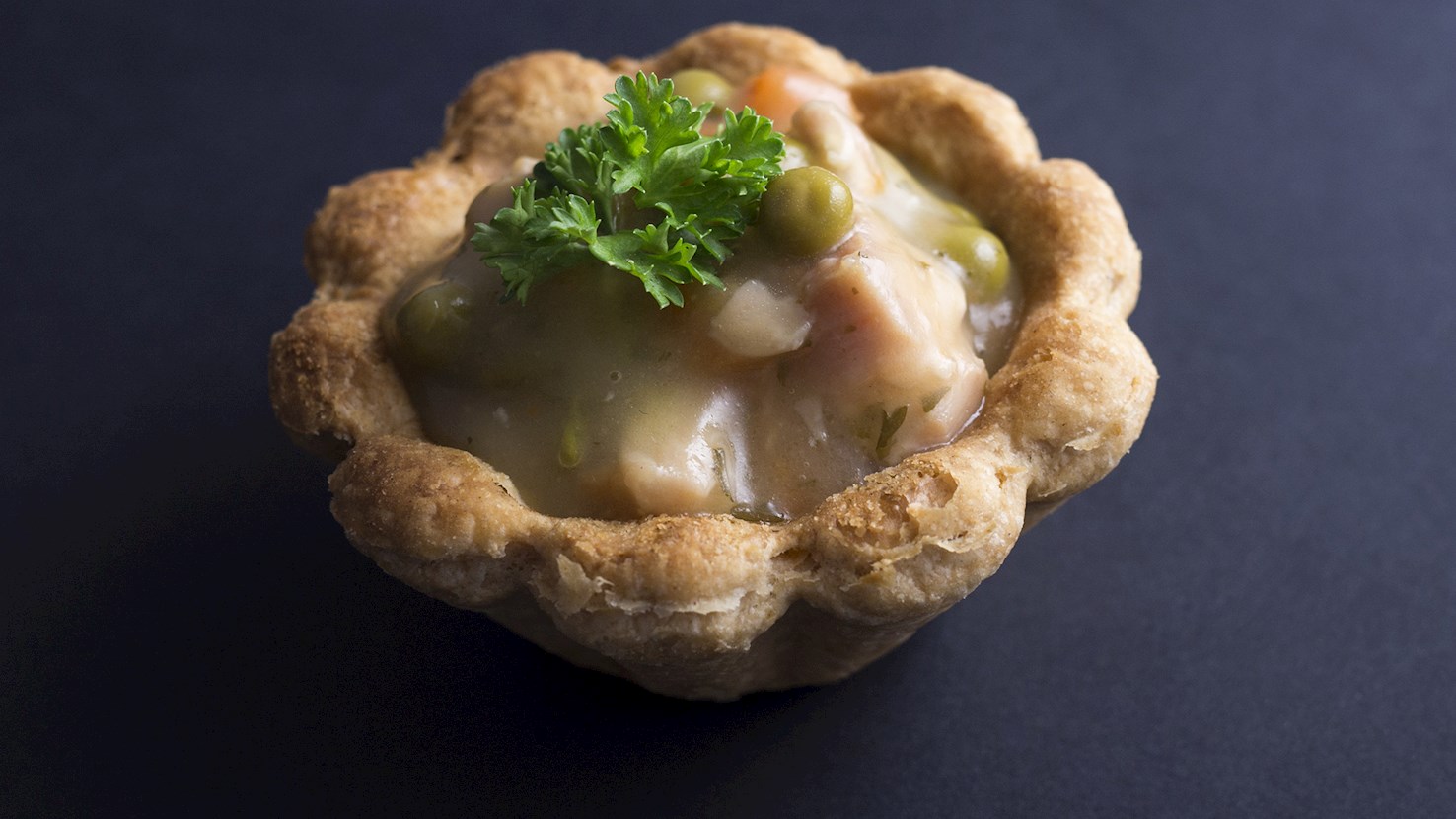
Høns i asparges (Tartlets with chicken and asparagus)

3.7 ·

These delicious mini-tarts consist of a puff pastry shell that is filled with a creamy combination of chicken and asparagus. Dating back to the beginning of the 20th century, this Danish classic is usually enjoyed as an appetizer, a light main course, or a part of a festive buffet table. These tartlets sometimes include various vegetables and can be served either lukewarm or well chilled.

10

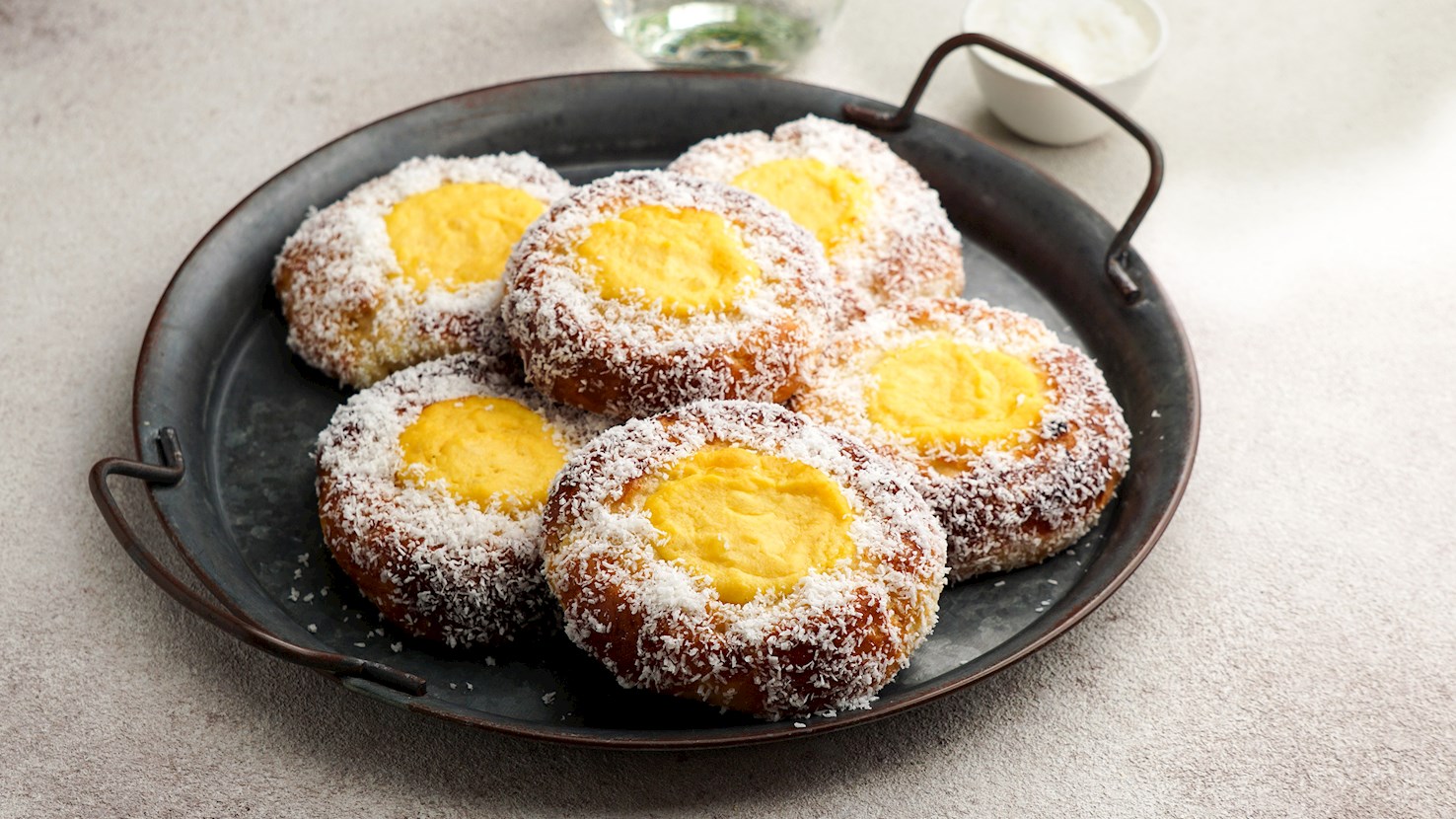
Skolebrød

3.8 ·

Skolebrød are traditional Norwegian custard buns. They're made with a combination of butter, milk, yeast, sugar, flour, and cardamom for flavoring. The custard is made with milk, cream, egg yolks, sugar, cornflour, and vanilla. The cardamom buns are stuffed with custard, then topped with desiccated coconut. These sweet rolls are typical children's treats in Norway, and the name is a reference to the fact that skolebrød was a part of school lunches.

11

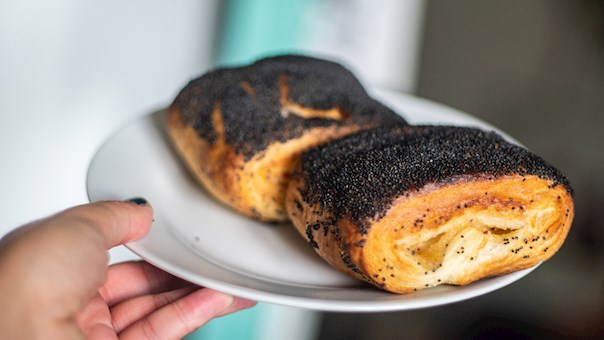
Tebirkes

3.8 ·
Read more
View all
View map
About this ranking

TasteAtlas food rankings are based on the ratings of the TasteAtlas audience, with a series of mechanisms that recognize real users and that ignore bot, nationalist or local patriotic ratings, and give additional value to the ratings of users that the system recognizes as knowledgeable. For the “12 Worst Rated Scandinavian Pastries” list until May 21, 2026, 1,302 ratings were recorded, of which 1,142 were recognized by the system as legitimate. TasteAtlas Rankings should not be seen as the final global conclusion about food. Their purpose is to promote excellent local foods, instill pride in traditional dishes, and arouse curiosity about dishes you haven’t tried.

Similar lists