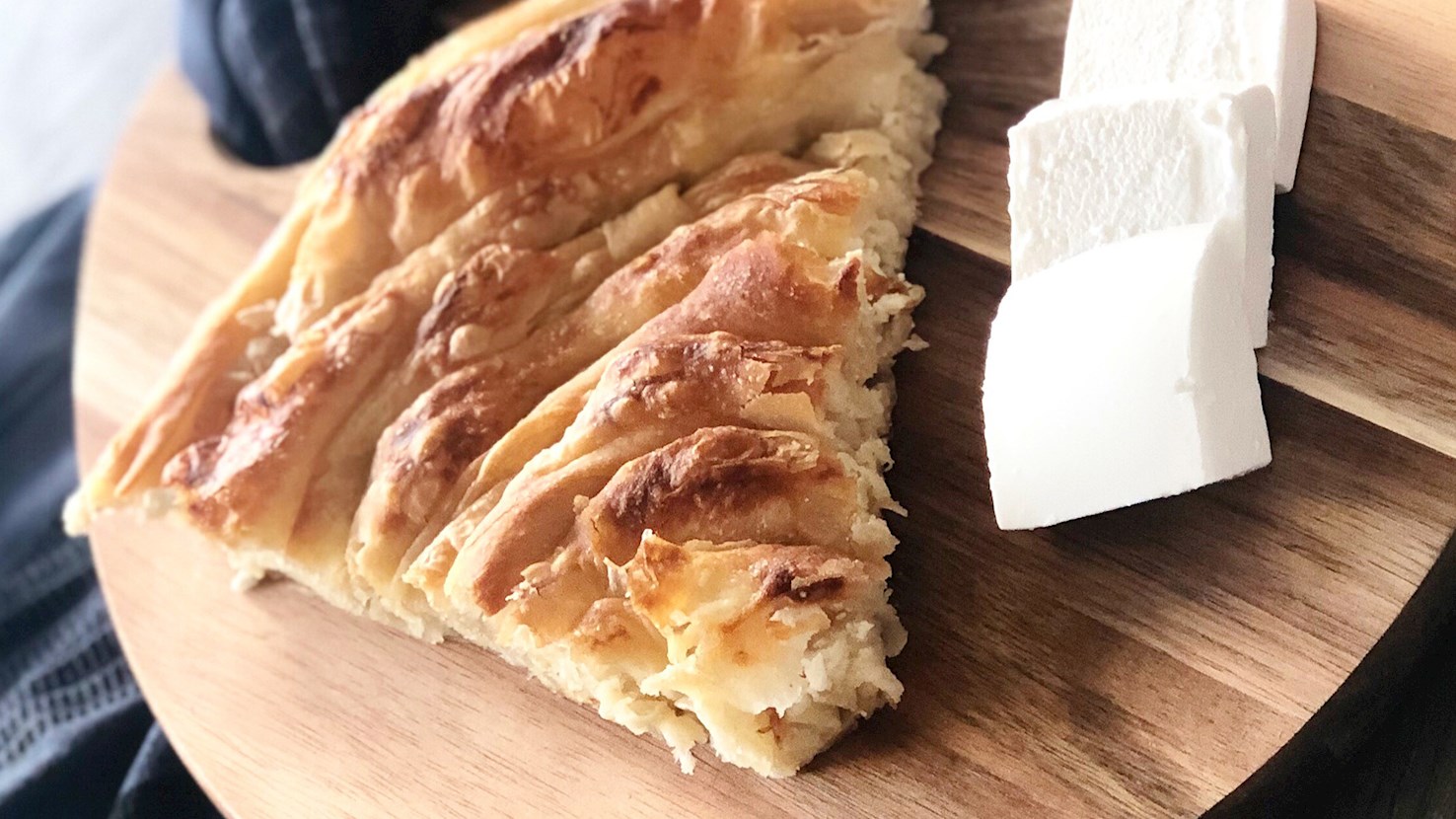
Kollpite is a baked pastry dish made with rolled layers of thin dough typically filled with cheese, meat, or vegetables, originating from the Kosovo. The emergence of this dish is a result of the regional evolution of phyllo-based pies across the Ottoman Empire, where the technique of stretching wheat-based dough into transparent sheets was standardized and localized. In the specific geographic context of the Sharr and Dukagjin regions, kollpite developed as a variation of the more common "pite," characterized by its distinct spiral or rolled architecture. Preparation begins with a dough made of wheat flour, water, and salt, which is kneaded extensively to develop the gluten network required for extreme elasticity. The dough is divided into small balls, rested, and then hand-stretched over a large circular table until it reaches a thickness of less than one millimeter. A filling, most frequently a mixture of Djath Sharri (Sharr cheese), eggs, and yogurt, is distributed along the edges of the dough sheet before it is rolled into a long, thin cylinder. Some versions of kollpite are filled with either sweet or savory fillings such as fried sour cabbage, mashed pumpkin, spinach, apples and walnuts, or minced meat and onions. This cylinder is then coiled into a spiral shape or arranged in parallel rows within a circular baking pan coated with rendered fat or oil. A specific property of kollpite is the high surface-area-to-volume ratio of the dough layers, which facilitates the rapid evaporation of moisture during baking at temperatures between 200°C and 220°C, resulting in a crisp, laminated exterior. The dish is served hot and is often cut into wedge-shaped slices or individual rolls directly from the pan. It is eaten as a primary meal during breakfast or lunch, commonly found in both domestic households and specialized bakeries known as burektore. It is functionally paired with fermented dairy products, specifically ayran or thick yogurt, which provides an acidic contrast to the lipid-heavy pastry. Vegetable accompaniments typically include pickled peppers or fresh salad, while beverage pairings include strong black tea or a domestic lager to cleanse the palate of the fats used in the dough lamination process.
Bolos de São Gonçalo are unusual Portuguese pastry cakes originating from the village of Amarante. Although there is no set recipe, and the sizes of these cakes vary from one street vendor to another, the cakes have one thing in common – they all have phallic shapes. Every year on January 10 and the first weekend in June, there's a local celebration of Saint Gonçalo de Amarante, and the penis-shaped cakes are usually sold from street carts, either covered in powdered sugar or filled with sweet cream. It is believed that the practice has its roots in pagan fertility rituals, but the claim hasn't yet been proven. Nowadays, the cakes and local dried figs are handed out to women to usher in a fertile and favorable year.
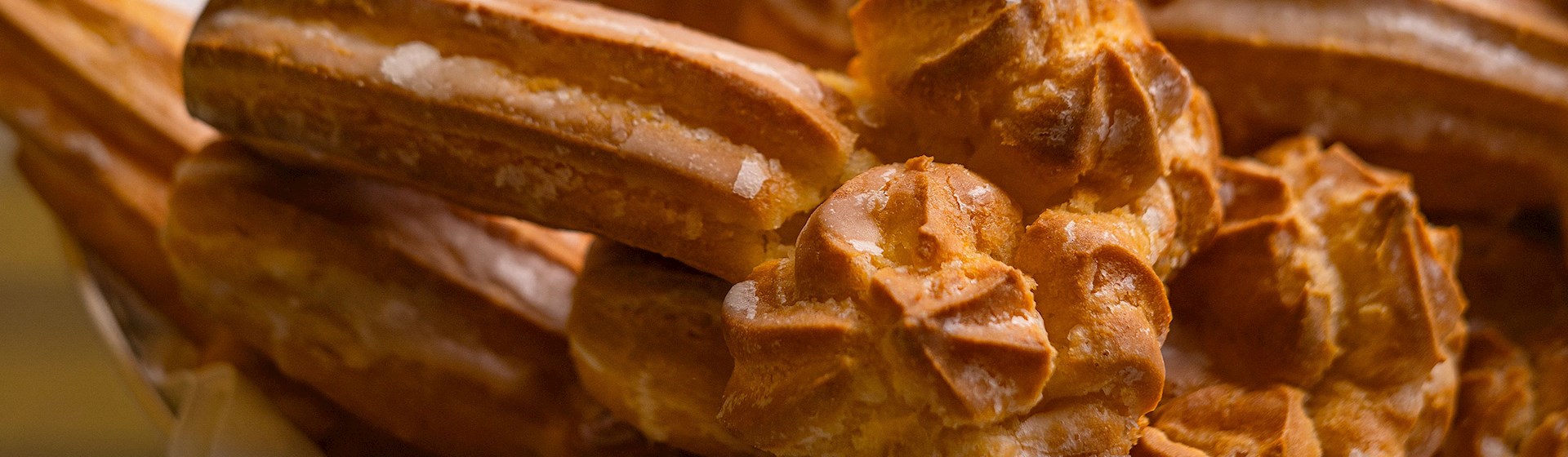
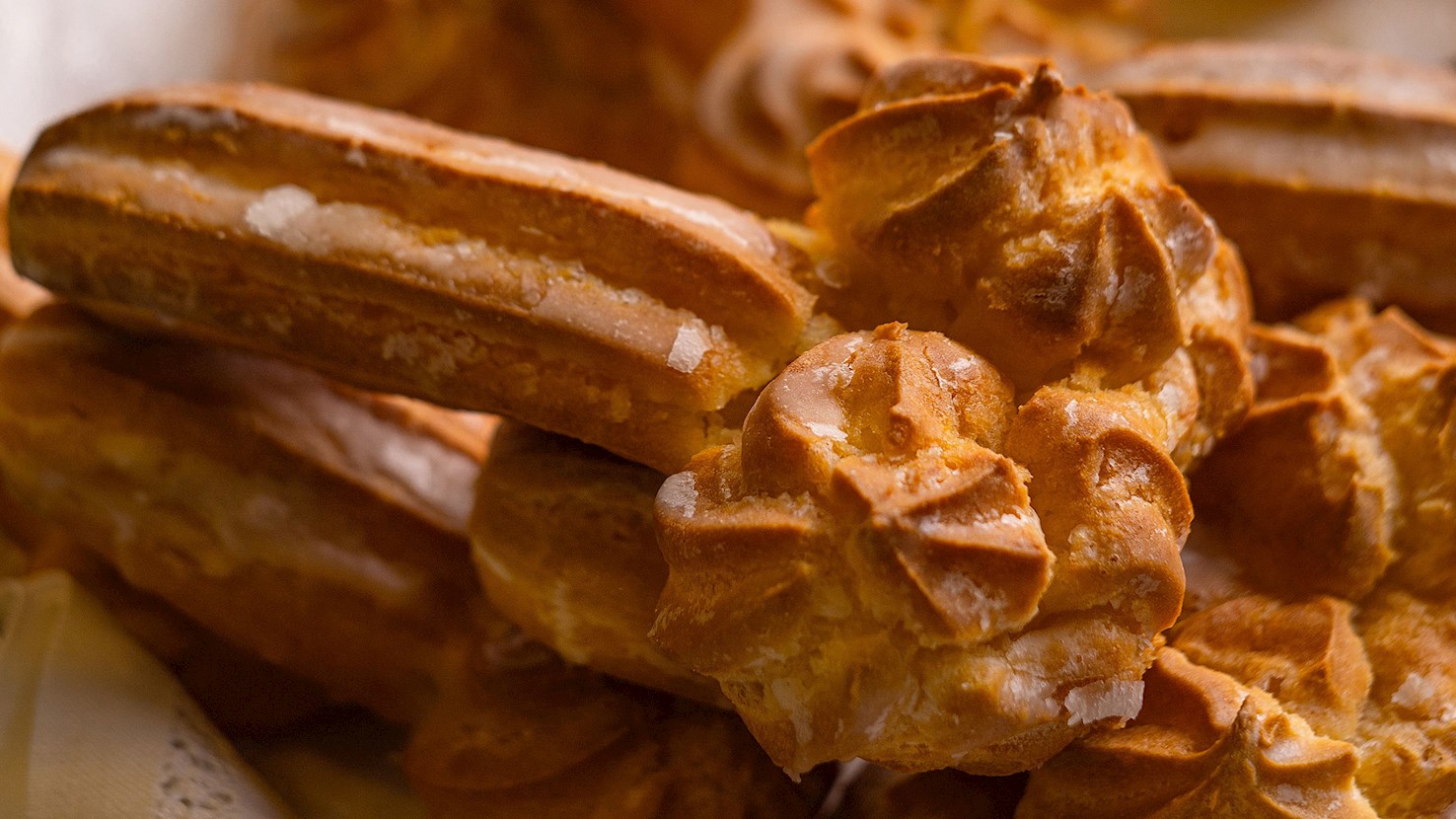
Tibias de Braga is a famous Portuguese sweet treat and one of the signature pastries of the city of Braga. They’re called tibias because of their shape, which is reminiscent of the tibia bone. This pastry consists of crunchy dough that's sprinkled with sugar and filled with sweet cream. The filling can be made from almost anything, including bananas, pineapple, raspberry, hazelnuts, caramel, or cappuccino. They go great with a warm cup of tea or coffee.
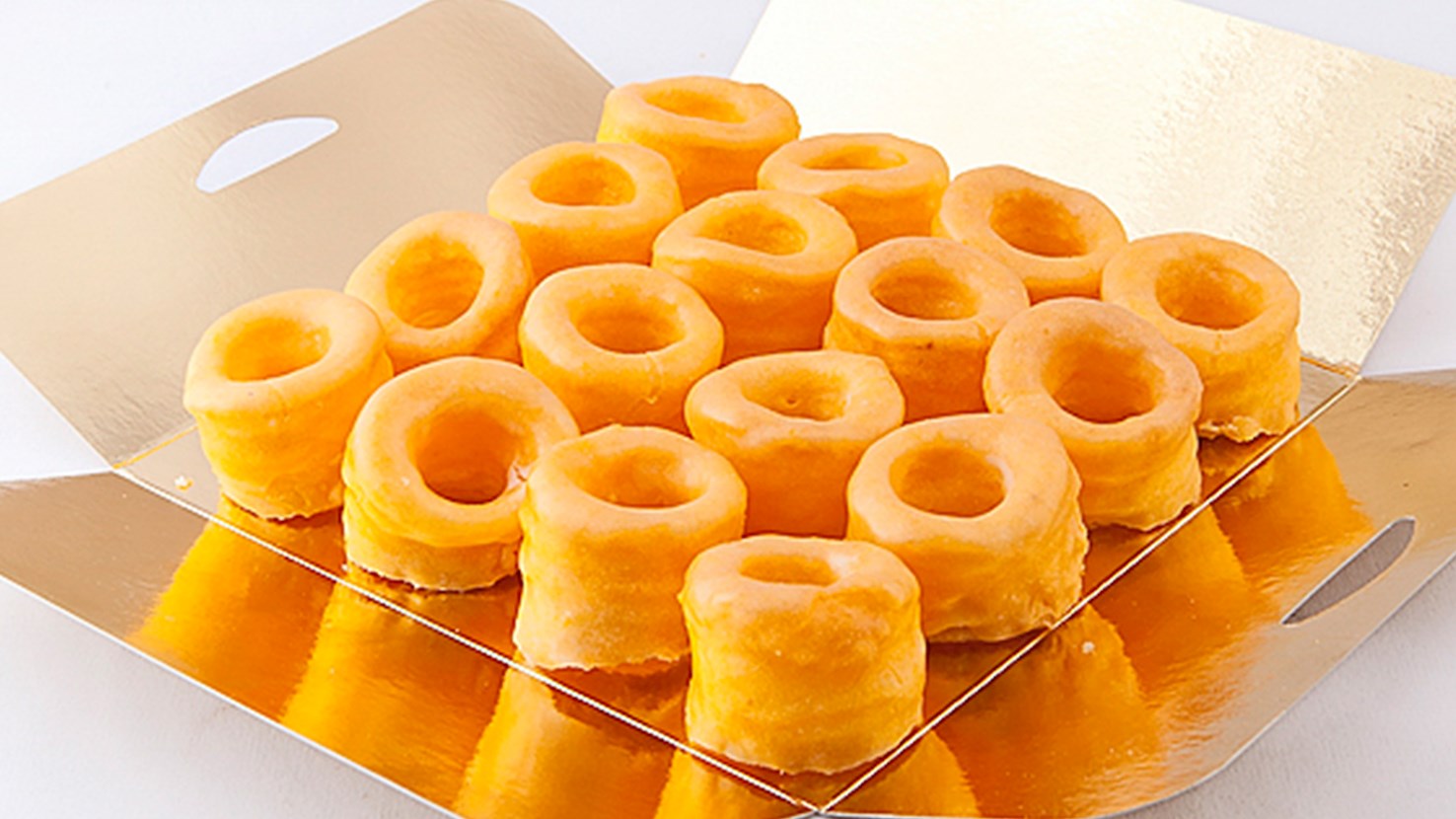
Rosquillas de Alcalá are traditional Spanish donut-shaped pastries originating from Alcalá de Henares. They're made from puff pastry (hojaldre) that's dunked into a creamy glaze consisting of egg yolks, water, and sugar. These sweet pastries are renowned and easily recognizable for their yellow coloring, and they're usually eaten at breakfast or merienda.
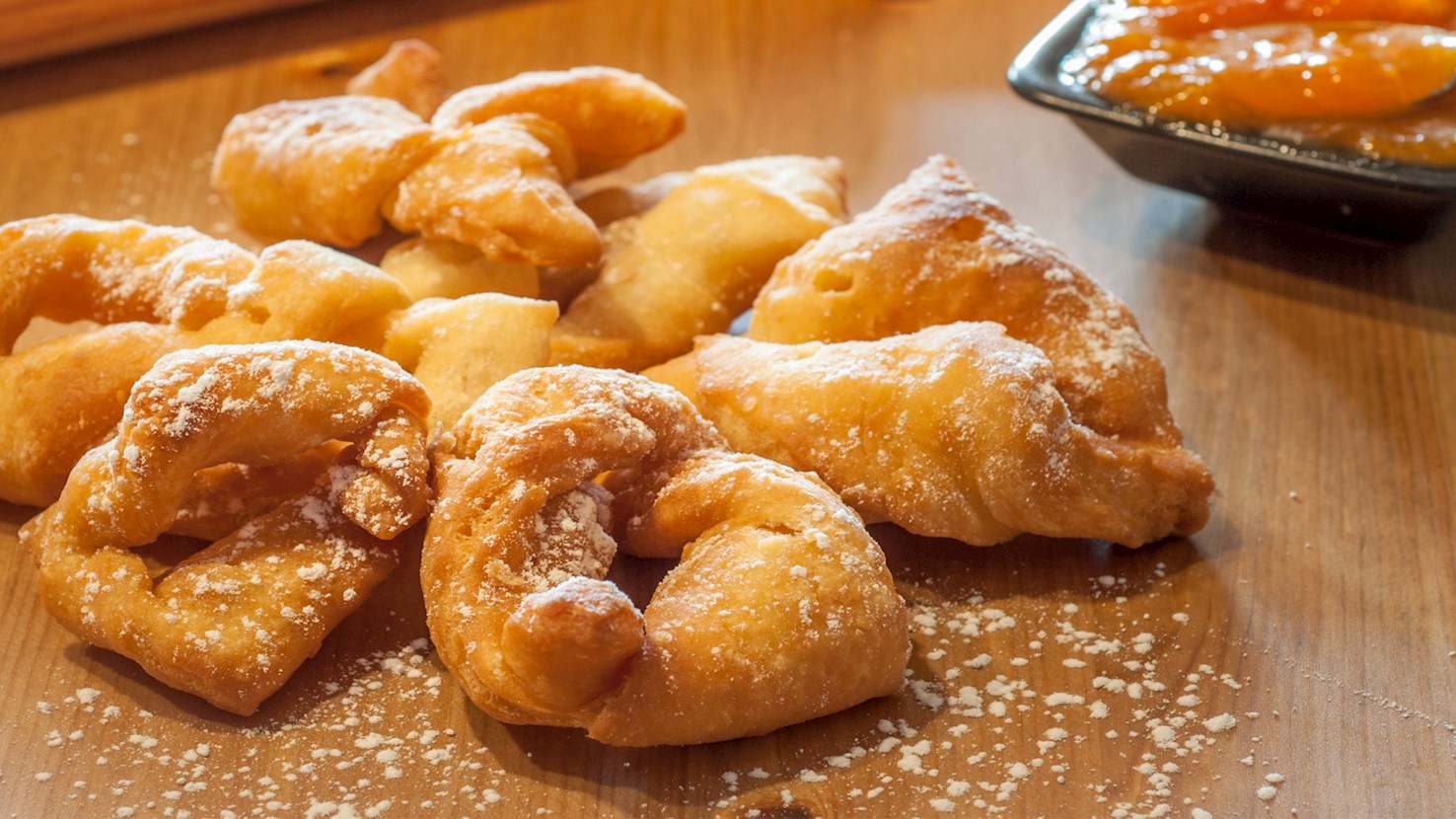
The rhomb-shaped, crispy klenät is a popular deep-fried pastry enjoyed in many Nordic countries. Made with the buttery yeasted dough, often enriched with various liqueurs, it is primarily rolled, shaped into a knotted trapezoid, and then fried until it turns into a light, crunchy, golden treat. Traditionally enjoyed during Christmastime, it is best served freshly prepared and lightly sprinkled with cinnamon and powdered sugar.
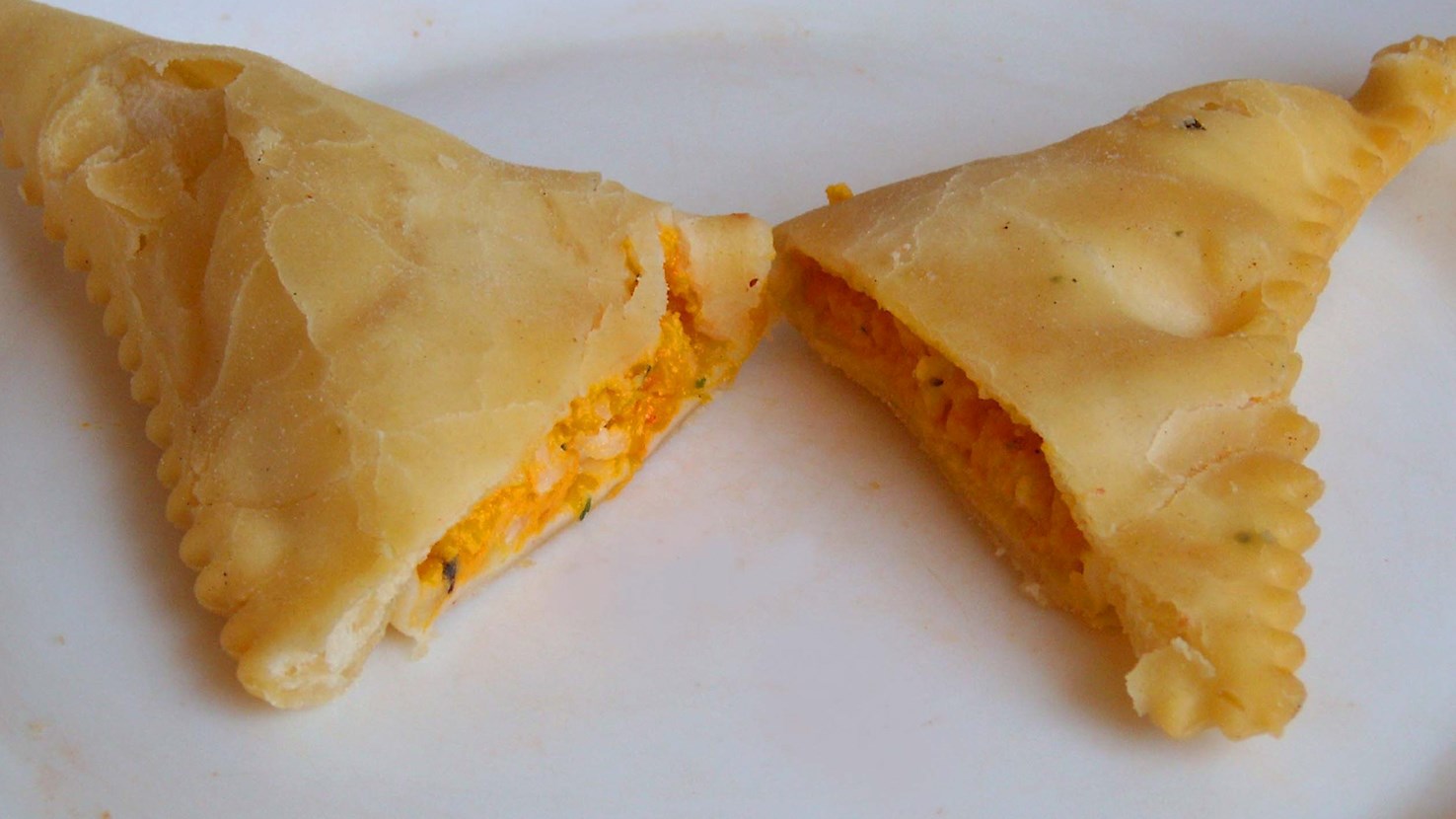
Barbagiuan is the national dish of Monaco, a deep-fried pastry fritter that is usually filled with Swiss chard, spinach, ricotta cheese, or pumpkin. It is traditionally served as an appetizer both in Monaco and parts of Northern Italy. The small, tasty snack is especially popular on 19th of November, the National Day of Monaco.
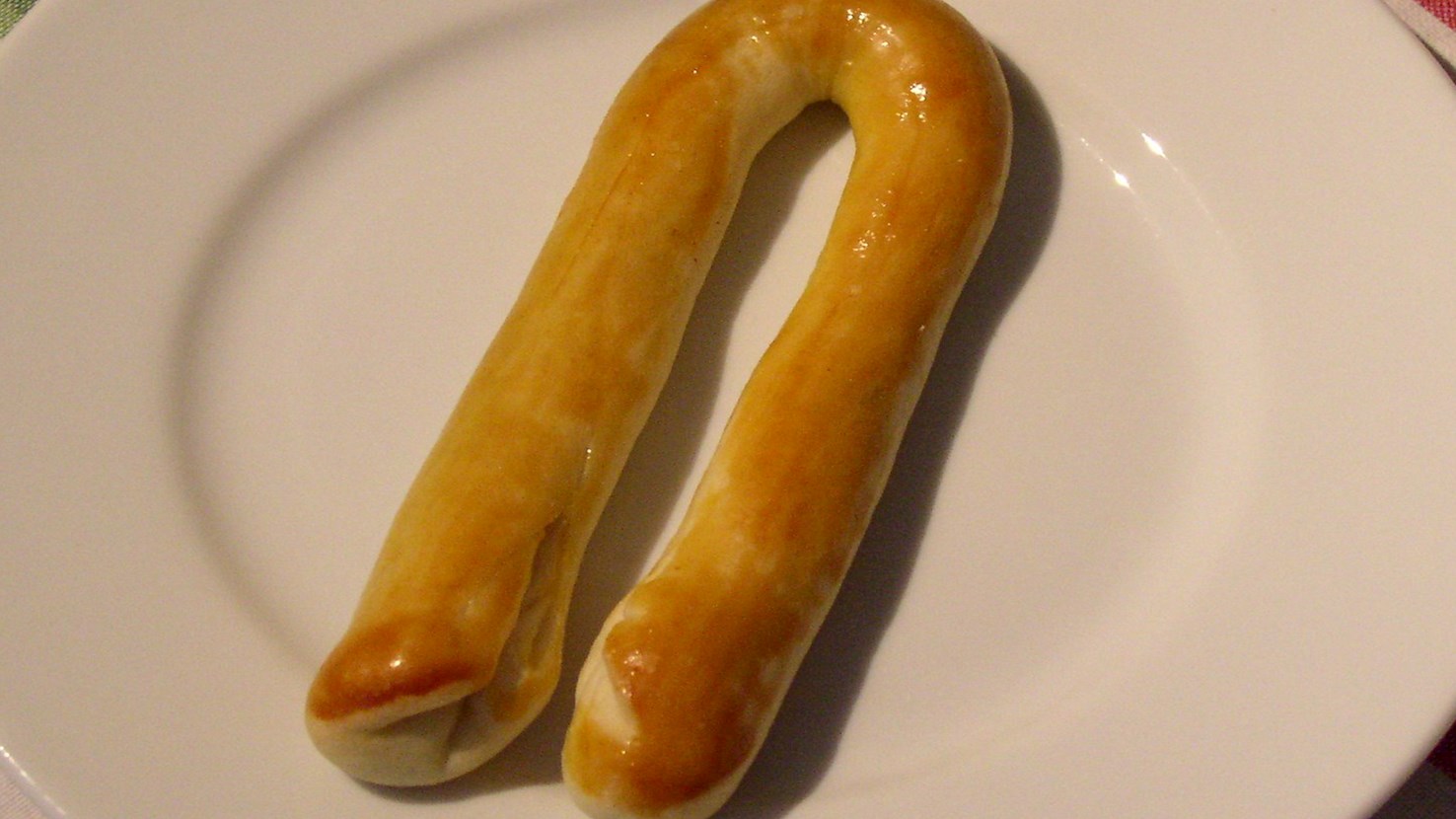
Meitschibei are finger-thick, horseshoe-shaped Bernese pastries filled with sweetened hazelnuts. Their name directly translates to girl’s legs and it comes from their characteristic shape. The dough is made with white flour, butter, milk, yeast, malt, sugar, salt, and eggs, while the filling is made with ground hazelnuts, orange peel, lemon zest, cinnamon, sugar, and a little water. Meitschibei can be easily found in bakeries throughout the German-speaking part of Switzerland. In the French-speaking parts of the country, the product is known as croissant viennois – Viennese croissant. The origins of meitschibei are lost to time, but they most likely originated in Bern at the beginning of the 20th century.
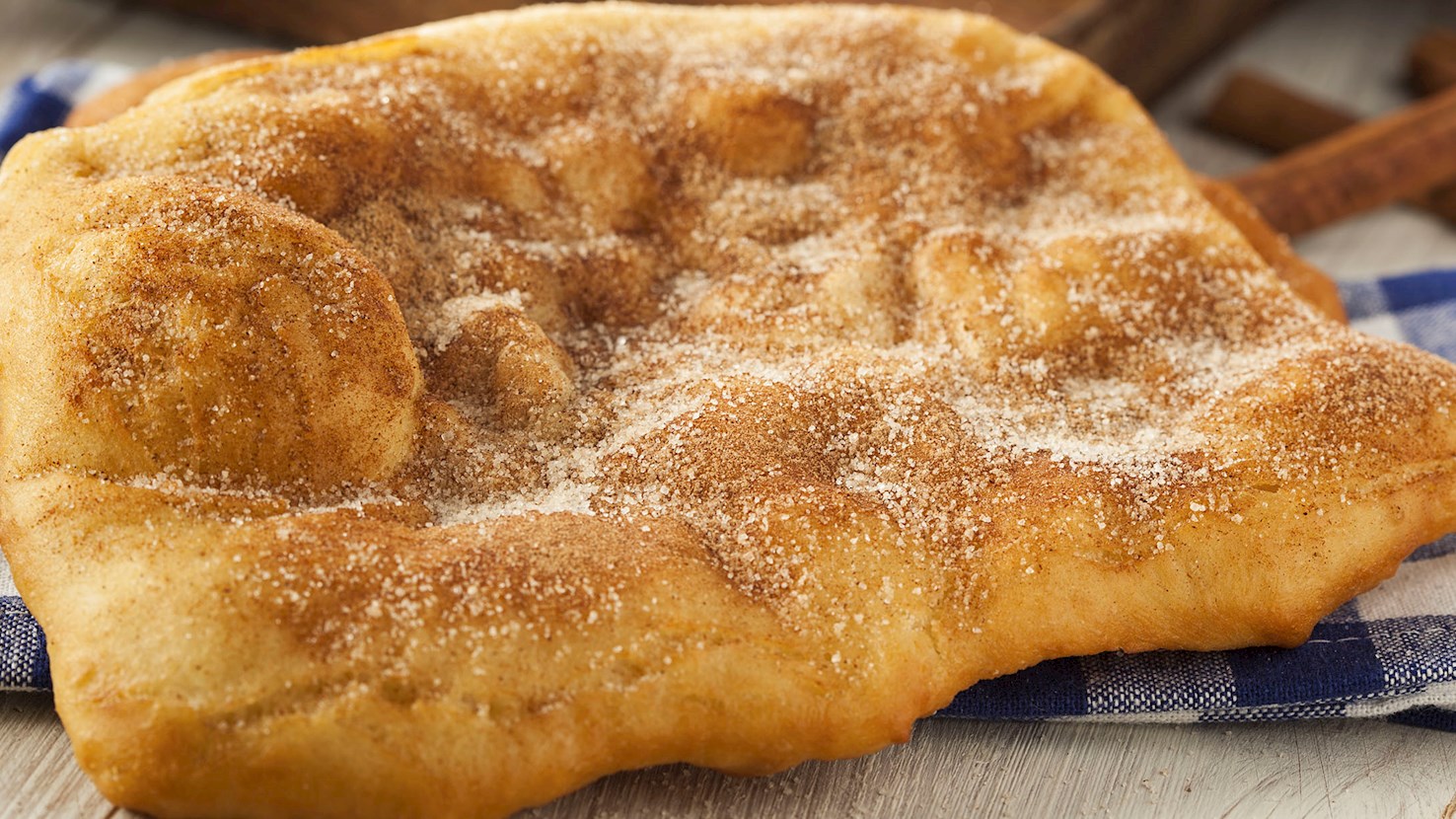
The Rhode Island doughboy is typically a large, flattened square of pizza dough that is deep-fried until golden brown, then dusted with a hefty dose of powdered sugar. It's always served piping hot. Some say that the taste of melting sugar against the warm, chewy dough can be addictive, so the treat is often found at carnivals throughout Rhode Island or in the neighbouring regions. The best doughboys are said to be sold at the oldest beach stand in the state, called Iggy's Doughboys and Chowder House, where one can choose between regular, powdered or cinnamon sugar toppings, served in a grease-stained paper bag and ready to be enjoyed.
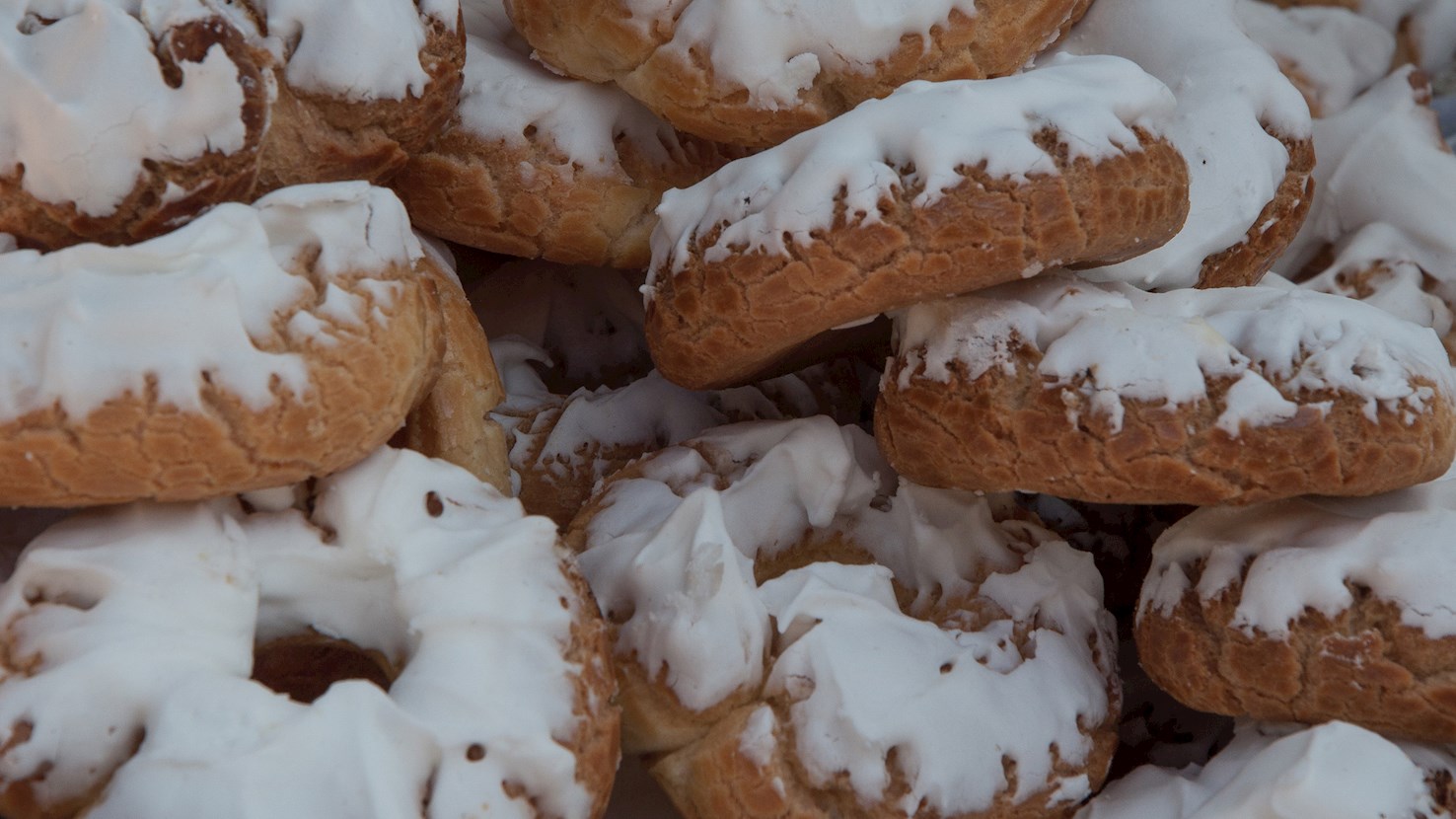
Rosquillas de Santa Clara are Spanish doughnuts traditionally prepared for the feast of San Isidor. They consist of a round-shaped, anise-flavored dough that is generously covered in a powdered sugar glaze. The dough is wrapped into a circle, leaving a hole in the middle. Rosquillas de Santa Clara are baked in the oven, and when chilled, they are coated in a thick glaze made with sugar and whipped egg whites. These doughnuts are traditionally associated with Madrid, and they are a staple on the feast of San Isidor, the city's patron saint.
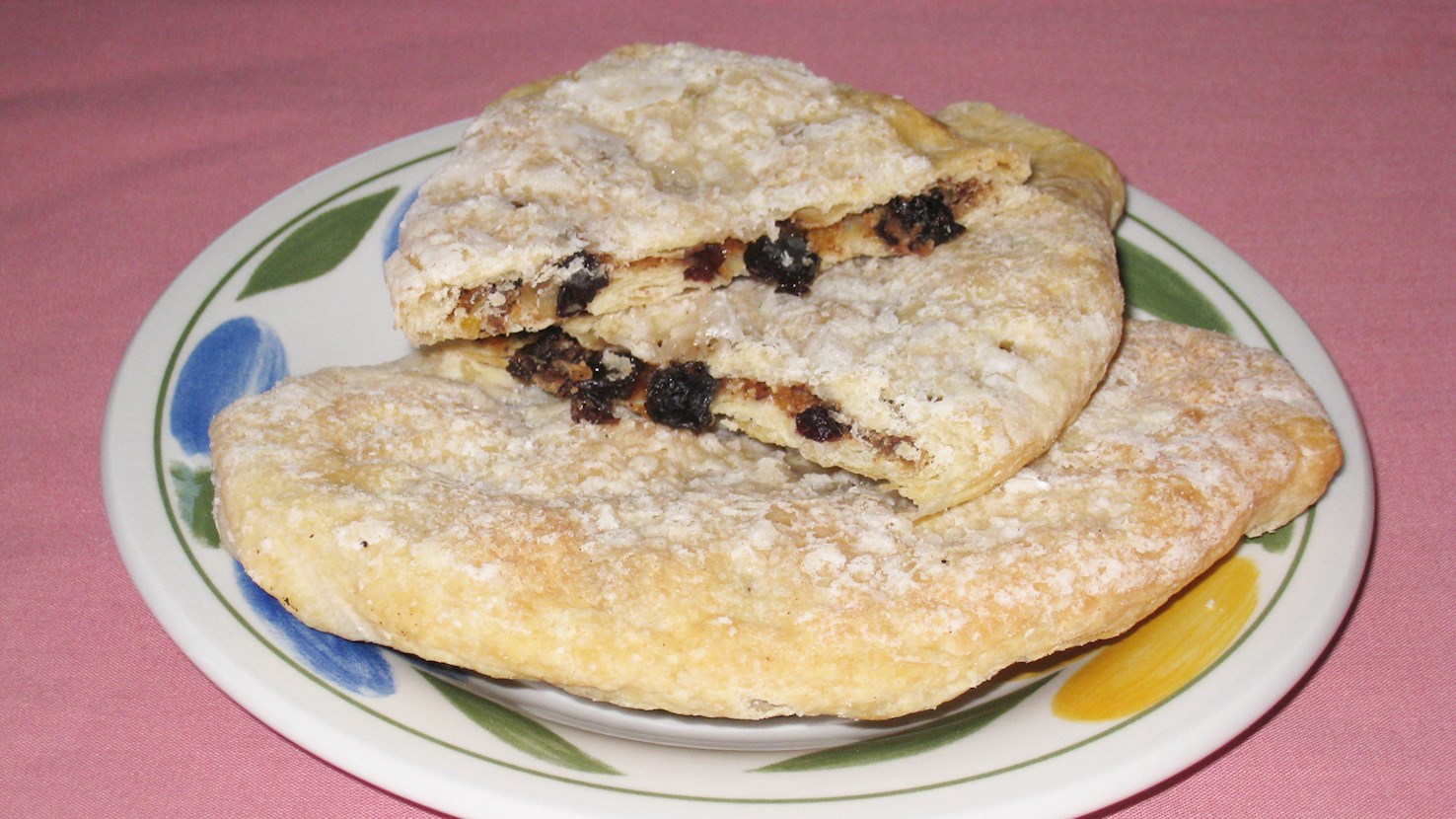
Banbury cake is a traditional thin pastry filled with fruit and spices, originating from the town of Banbury. The pastry is made with a combination of puff pastry, butter, currants, sugar, nutmeg, cinnamon, mace, ginger, rose water, beaten egg whites, and a splash of dark rum. Banbury cakes date back to at least the 17th century, when the Knights Templar returned from their crusades and brought over new foods rich in fruit and spices. Nowadays, currants or raisins are a staple of the Banbury cakes' filling, along with grated peel and various spices. These treats are often enjoyed as a part of afternoon tea, but it's also recommended to try them with coffee or ale. Banbury cakes are always oval and hand-sized, and they're often associated with the bakers Brown's.
TasteAtlas food rankings are based on the ratings of the TasteAtlas audience, with a series of mechanisms that recognize real users and that ignore bot,
nationalist or local patriotic ratings, and give additional value to the ratings of users that the system recognizes as knowledgeable.
For the “100 Worst Rated Pastries in the World” list until September 15, 2026, 56,216 ratings were recorded, of which 36,028 were recognized by the system as legitimate.
TasteAtlas Rankings should not be seen as the final global conclusion about food. Their purpose is to promote excellent local foods,
instill pride in traditional dishes, and arouse curiosity about dishes you haven’t tried.















What People Say