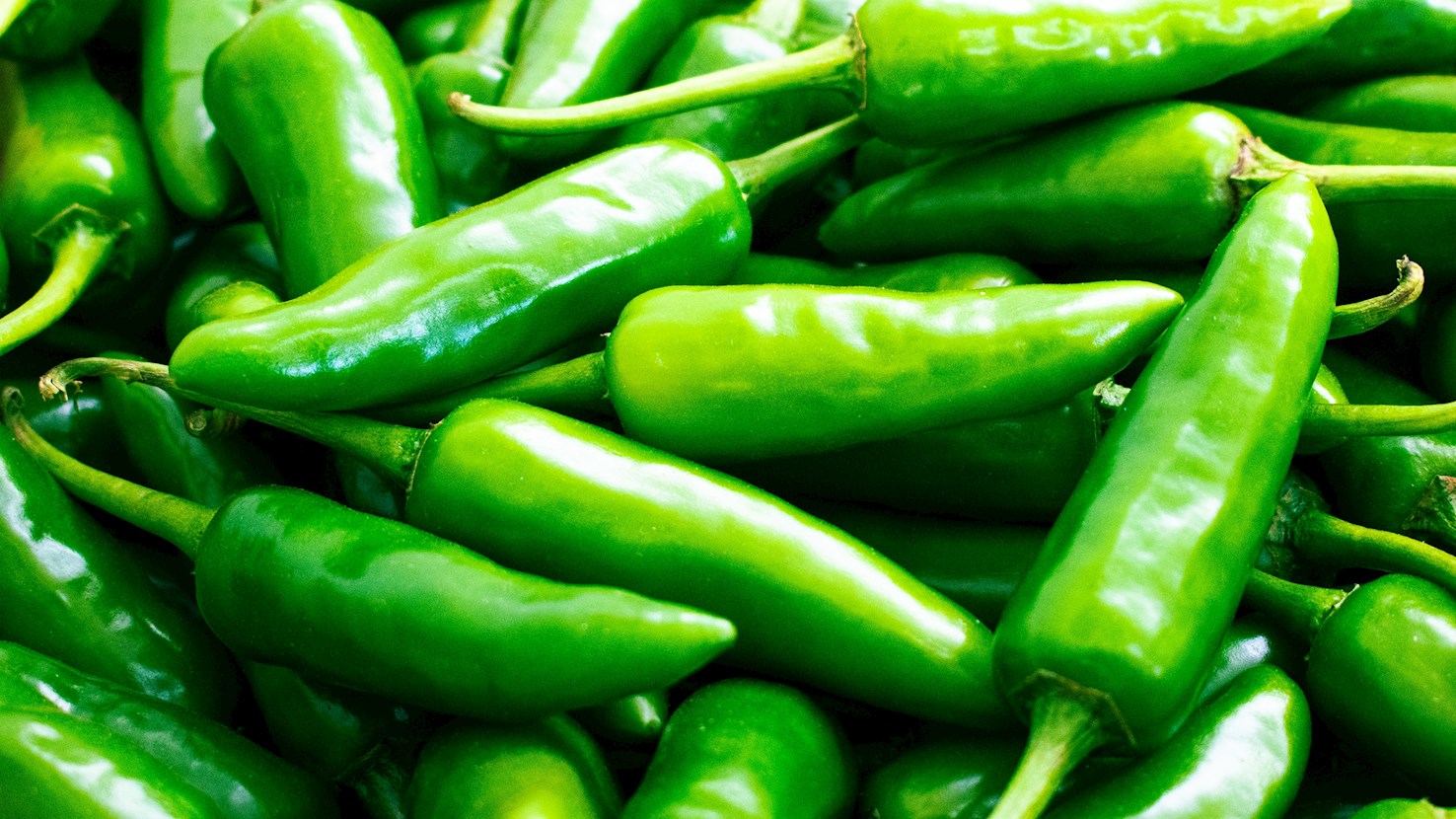
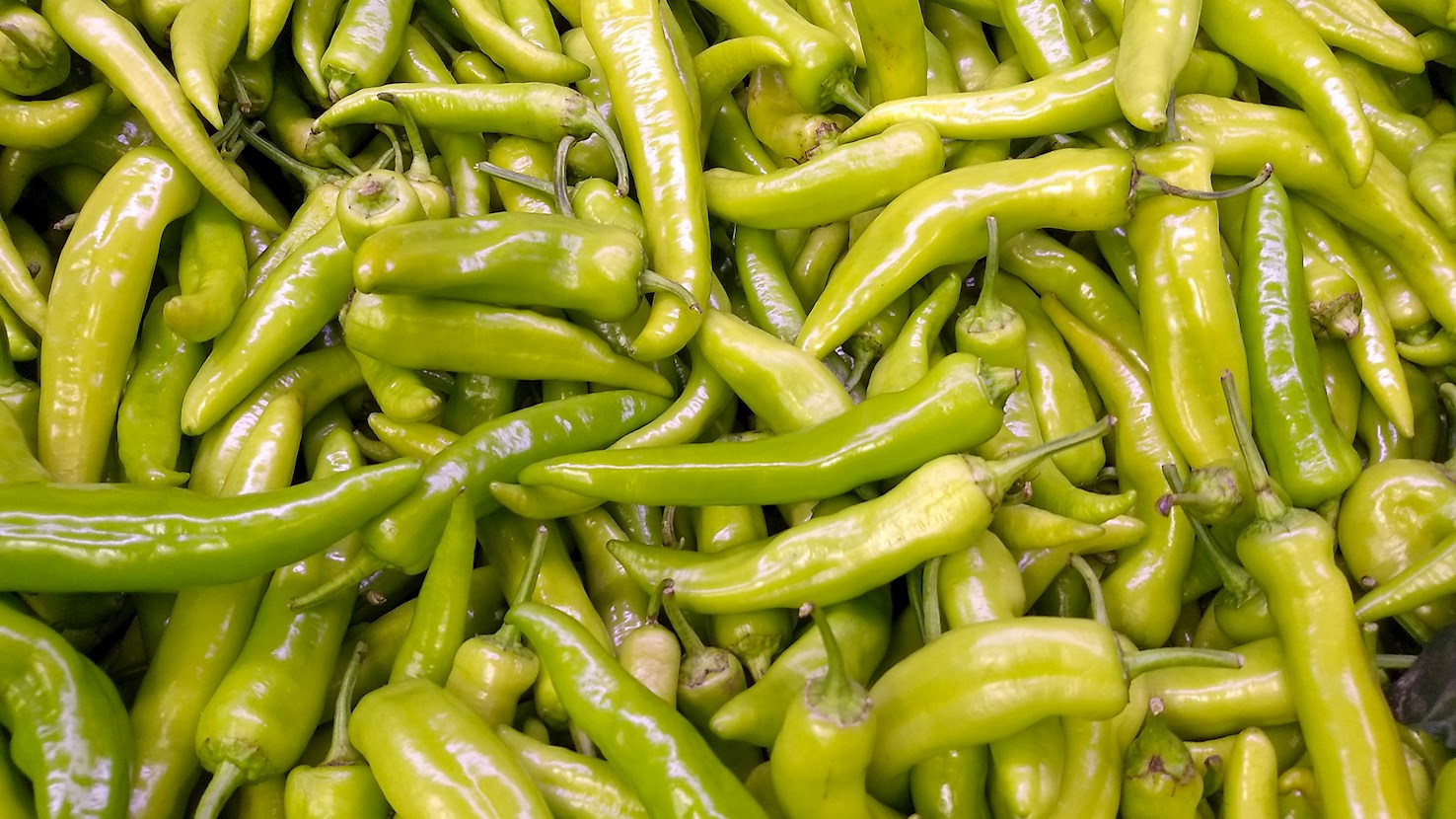
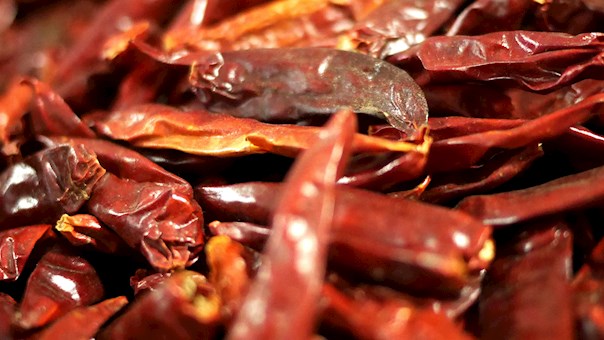
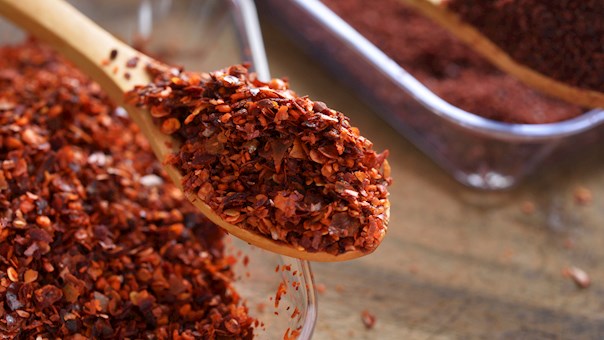
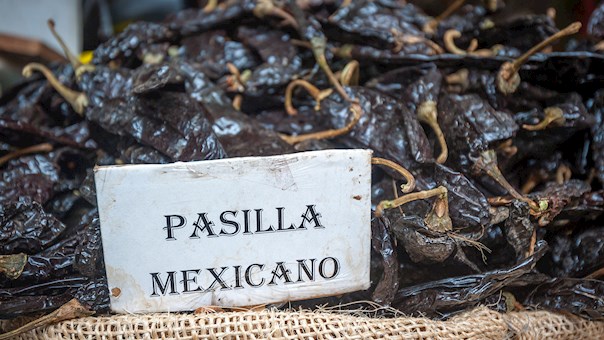
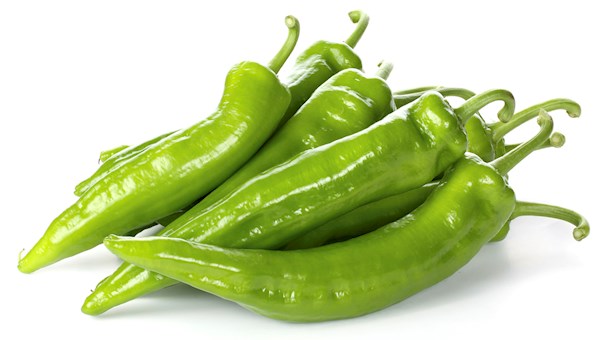
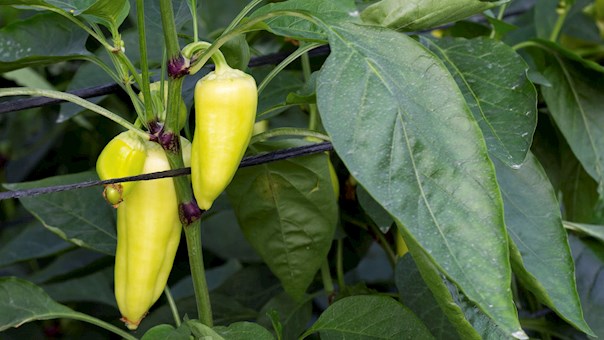
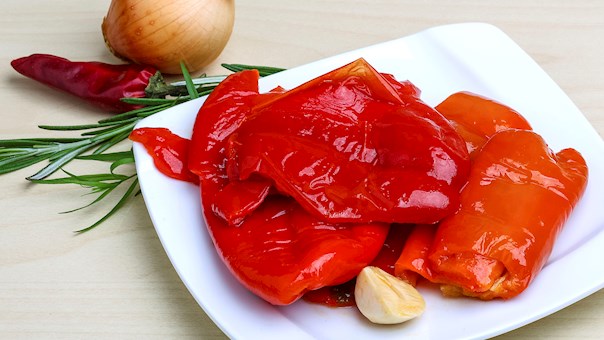
Anaheim is a mild green chili pepper that originated in New Mexico but gained its name after being cultivated and popularized in California, particularly in the city of Anaheim in the late nineteenth century. It belongs to the Capsicum annuum family and is closely related to New Mexican varieties, but over time it developed a distinct identity in local markets and kitchens of the American Southwest. Its spread beyond New Mexico came when Emilio Ortega introduced the seeds to California, where the pepper adapted well to the climate and soon became a common crop. Since then, it has been associated with both New Mexican and Californian cooking, bridging regional influences while remaining recognizable for its long, narrow shape and mild heat. Anaheim peppers are typically harvested when green, measuring about fifteen to twenty centimeters in length, and their heat ranges from about 500 to 2,500 Scoville units, making them considerably milder than jalapeños. They can also be left on the plant to ripen to red, at which stage they are often dried, producing a chile seco del norte with a slightly different flavor profile. In cooking, the fresh green form is favored for stuffing, roasting, or incorporating into sauces and sautés. When roasted, the skin loosens easily, and once peeled, the flesh becomes tender with a lightly sweet taste that balances its gentle spiciness. The pepper is versatile, appearing in dishes such as chile rellenos, where it is filled with cheese or meat before being battered and fried, or in stews and casseroles where it adds flavor without excessive heat. In New Mexico, similar varieties are roasted in bulk during harvest season and sold freshly charred, their aroma filling markets and streets. Anaheim peppers also dry well, and the red dried pods can be ground into powders or rehydrated for use in sauces. What sets Anaheim apart is its adaptability. Its mildness makes it suitable for people who prefer less heat, while still offering the characteristic flavor of New World chiles. It also represents a meeting point of regional identities, linked both to New Mexican agriculture and to Californian farming history. Today Anaheim peppers are eaten throughout the United States and Mexico, with a strong presence in Southwestern and Californian cuisine. They are sold fresh, canned, or dried, used in home kitchens as well as restaurants, and remain a staple in recipes that seek the balance of flavor and mild heat.
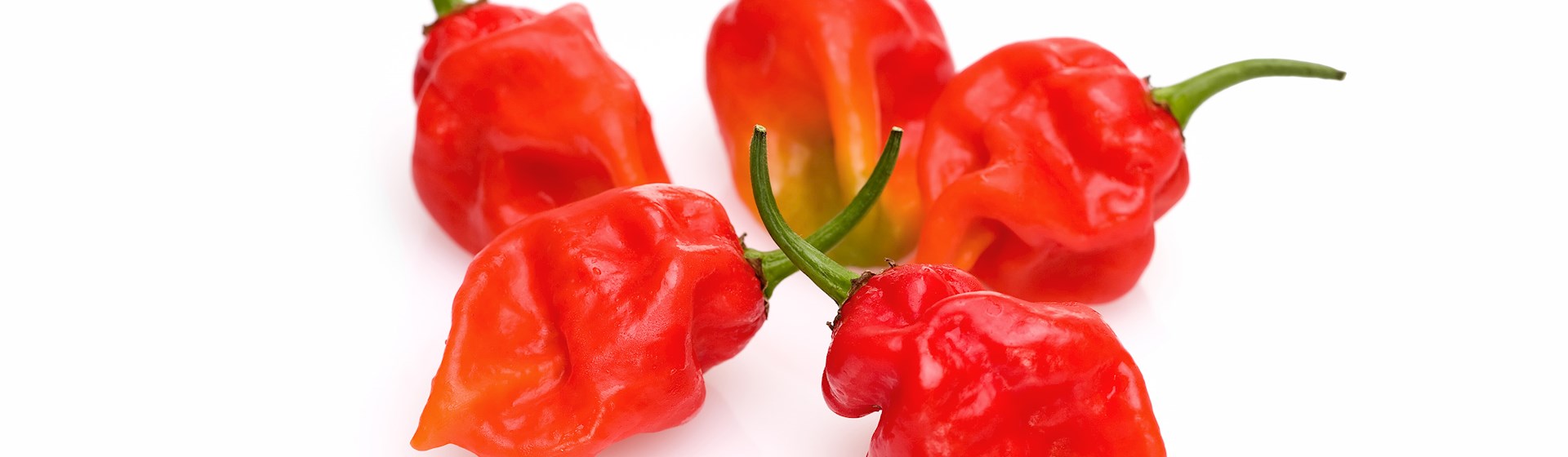
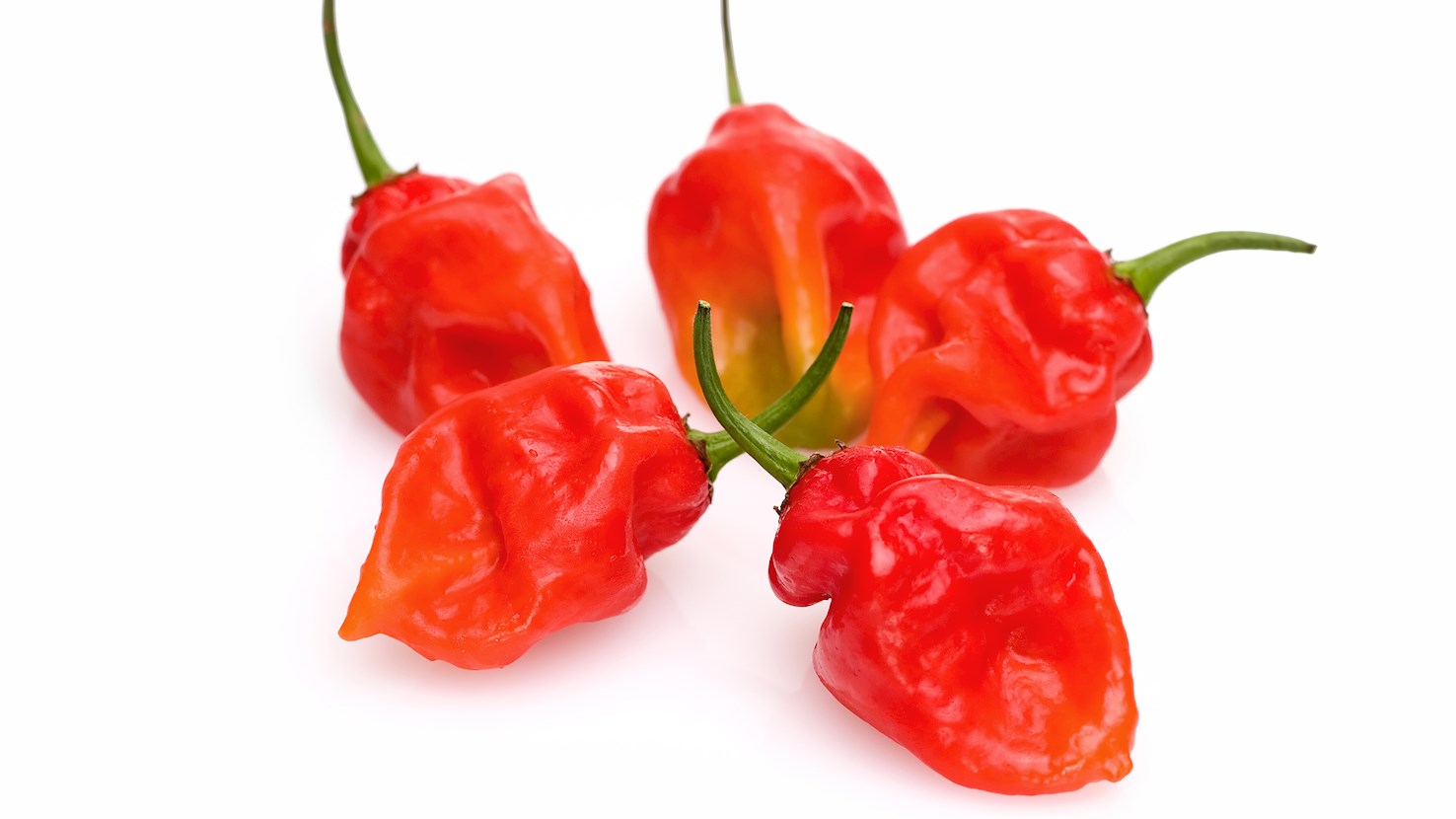
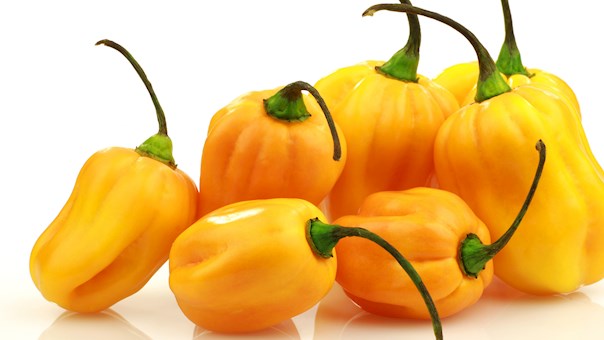
Datil is a type of hot pepper grown in the area of St. Augustine, bringing some serious Florida heat to the table. The pepper ranges from 100,000 to 300,000 Scoville heat units and it's from 12 to 120 times hotter than jalapeños. Visually, datil looks like a slightly elongated and thin habanero pepper. The flavors are sweet, tropical, and fruity, so datil pepper is often used in salsas, hot sauces, and barbecue marinades. It's also a key component of Minorcan clam chowder, another specialty of St. Augustine. Among many theories about its origin, the most popular one says that these peppers were brought over to Florida from Minorca, Spain in the late 1800s. Nowadays, there's even a datil pepper festival cookoff that's held each October in St. Augustine.
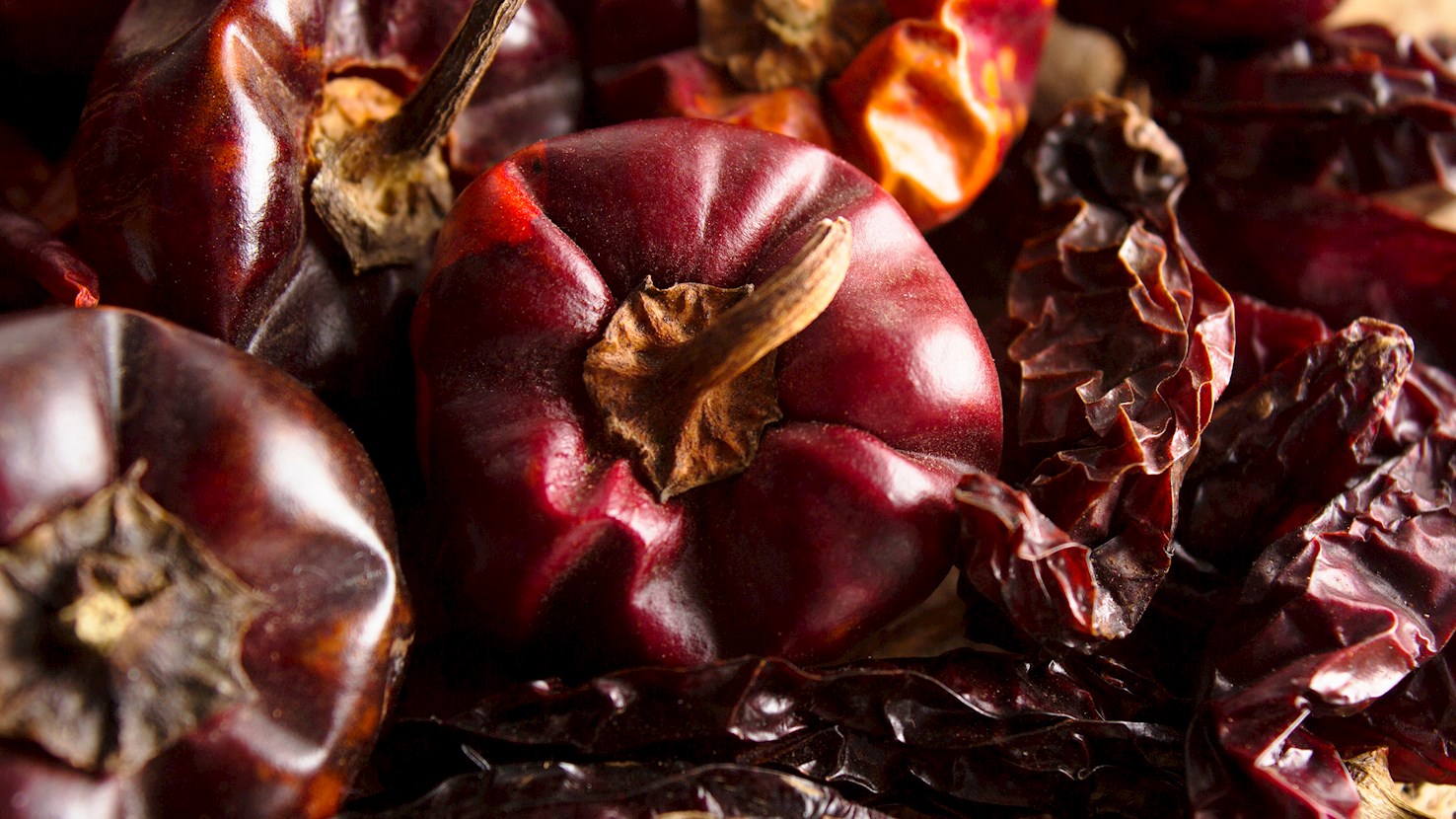
Cascabel chiles are dark red chiles that retain their round shape when dried. They are also known as rattlesnake chiles, referring to the fact that the loose seeds make a rattling sound when the chiles are shaken. These chiles are quite small and have a nutty and earthy flavor. Their heat level is low, ranging from 1,500 to 2,500 on the Scoville scale. Cascabels are often used in the preparation of tomato sauces and birria, a traditional Mexican meat stew. Fresh version of cascabel is called bola chile or chile bola and it has little to no heat
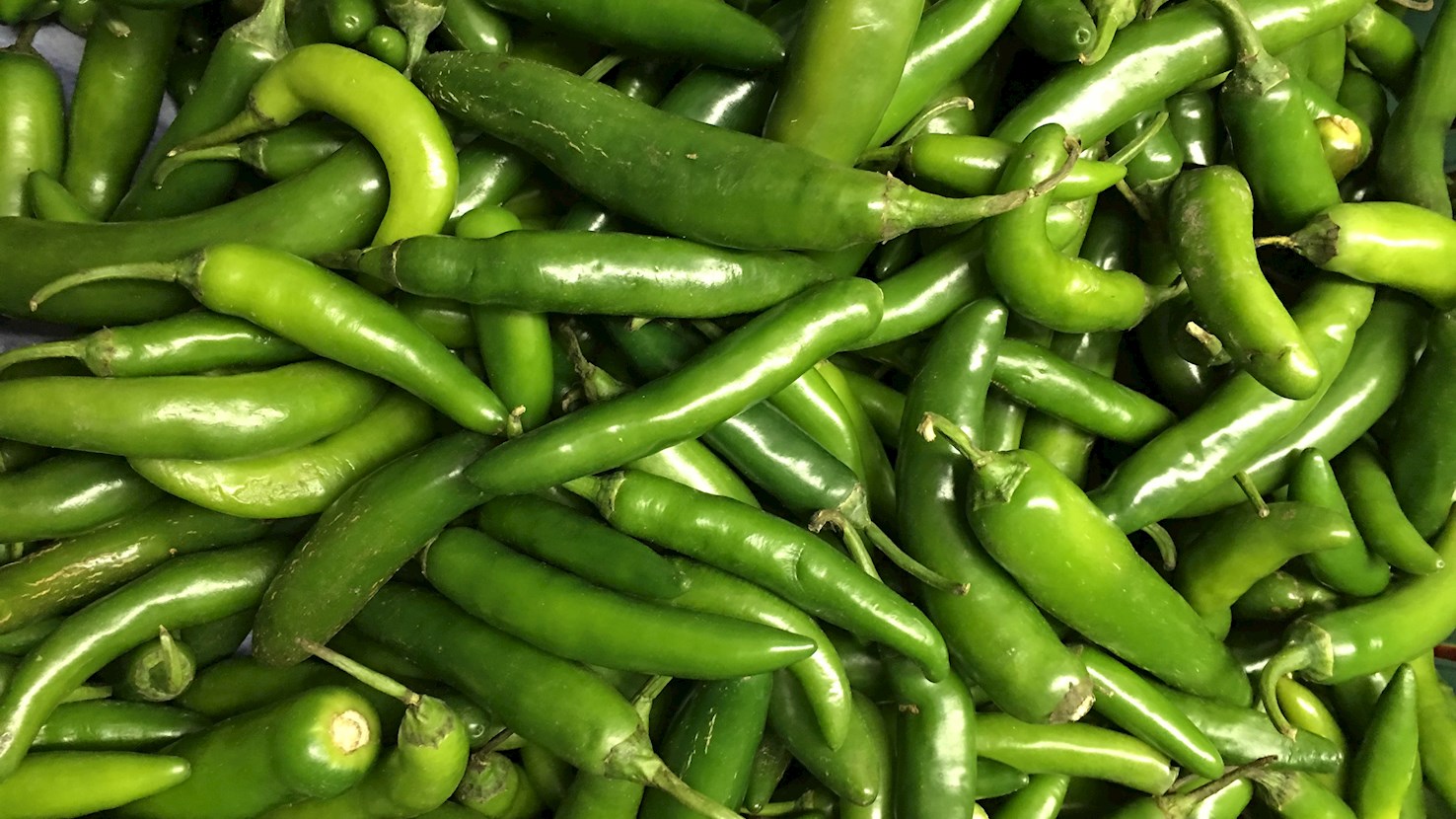
Serrano (meaning of the mountain) is a chili pepper native to Tlaola, located in the Mexican state of Puebla. It is cultivated by a group of women from the Nahua community who grow it on terraces, while a greenhouse is used to grow the seedlings. In an area where most land is owned by men, and women traditionally aren’t involved in commercial processes, these women are essentially restoring an ancient, disappearing native staple. Serrano is small, oblong and pointed in shape, and green in color. The seedlings are planted in the fields between December and January. In April, it is manually harvested – the green ones are immediately sold, while a small number of serranos are left to grow until June, when they turn red. After they have been picked, the peppers are dried in the sun, toasted, then used for consumption or the production of condiments. Serrano chili peppers are extremely spicy and characterized by a smoky flavor. They can be used to season salads, sauces, meat dishes, and savory snacks.
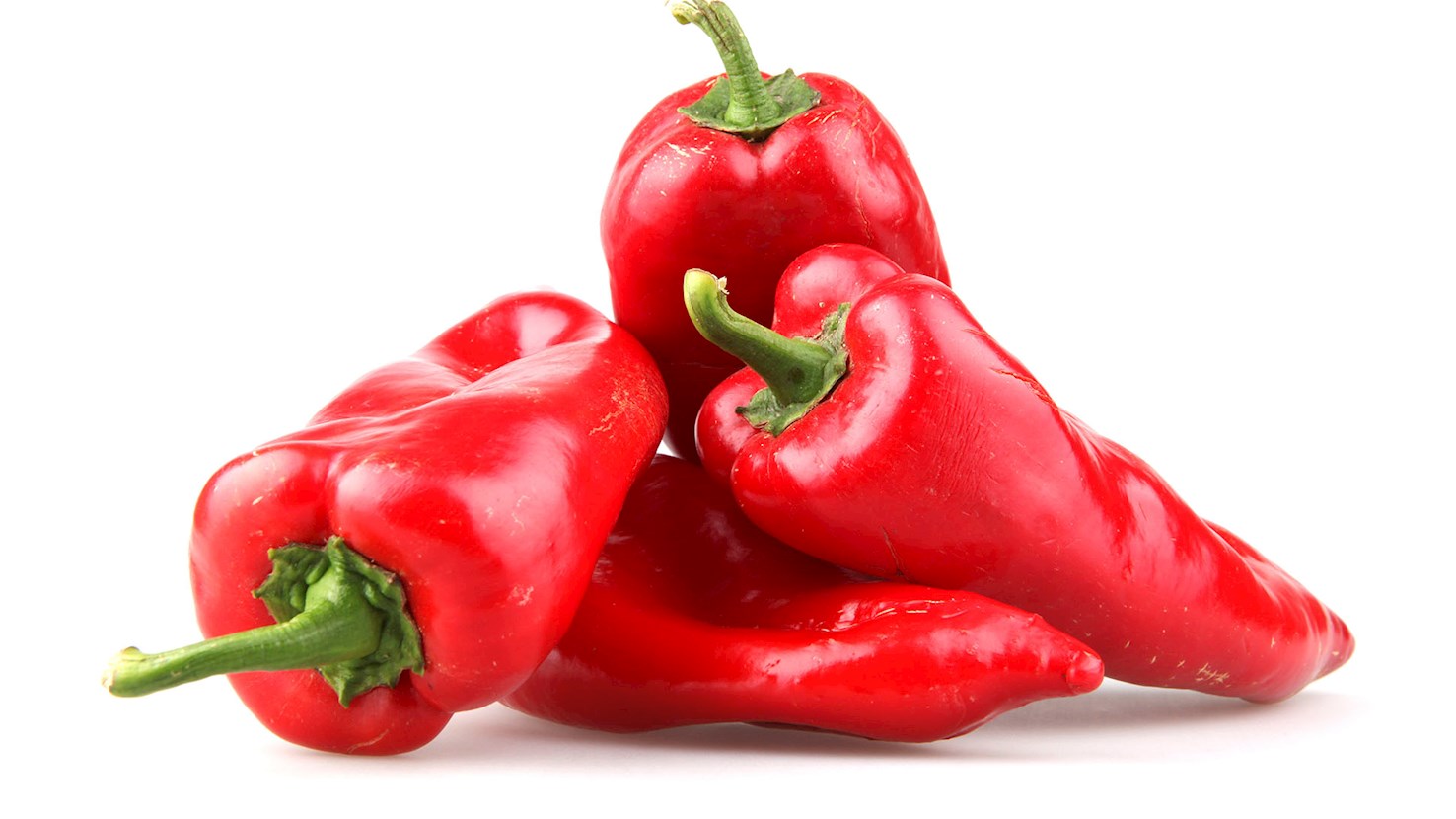
Pimiento Riojano is a pepper of the Najerano variety grown in the autonomous community of La Rioja. The area of production has a Mediterranean climate with relatively high levels of precipitation, which is crucial for the optimal development of this pepper variety. These peppers have a sweet and balanced flavor and crispy and juicy texture. The Pimiento Riojano is a large pepper, with a length of 16 to 18 cm, and can weigh up to 300g. They can be sold fresh, canned or roasted.
Friggitello is a southeastern Italian pepper variety (Capsicum annuum) that's also known as friarielli, puparulill, or sweet Italian peppers. These peppers are elongated and have a conical shape and thin waxy skin. The flesh is pale green and crisp, while the flavors are slightly sweet with a mild heat. As the pod matures, it turns scarlet red in color. Friggitello peppers are available from late summer through fall, and they're usually sautéed in oil with garlic, basil, and tomatoes. When fresh, these versatile peppers are often used in egg dishes, salads, stews, soups, and casseroles. They can also be stuffed, pickled, or dried.
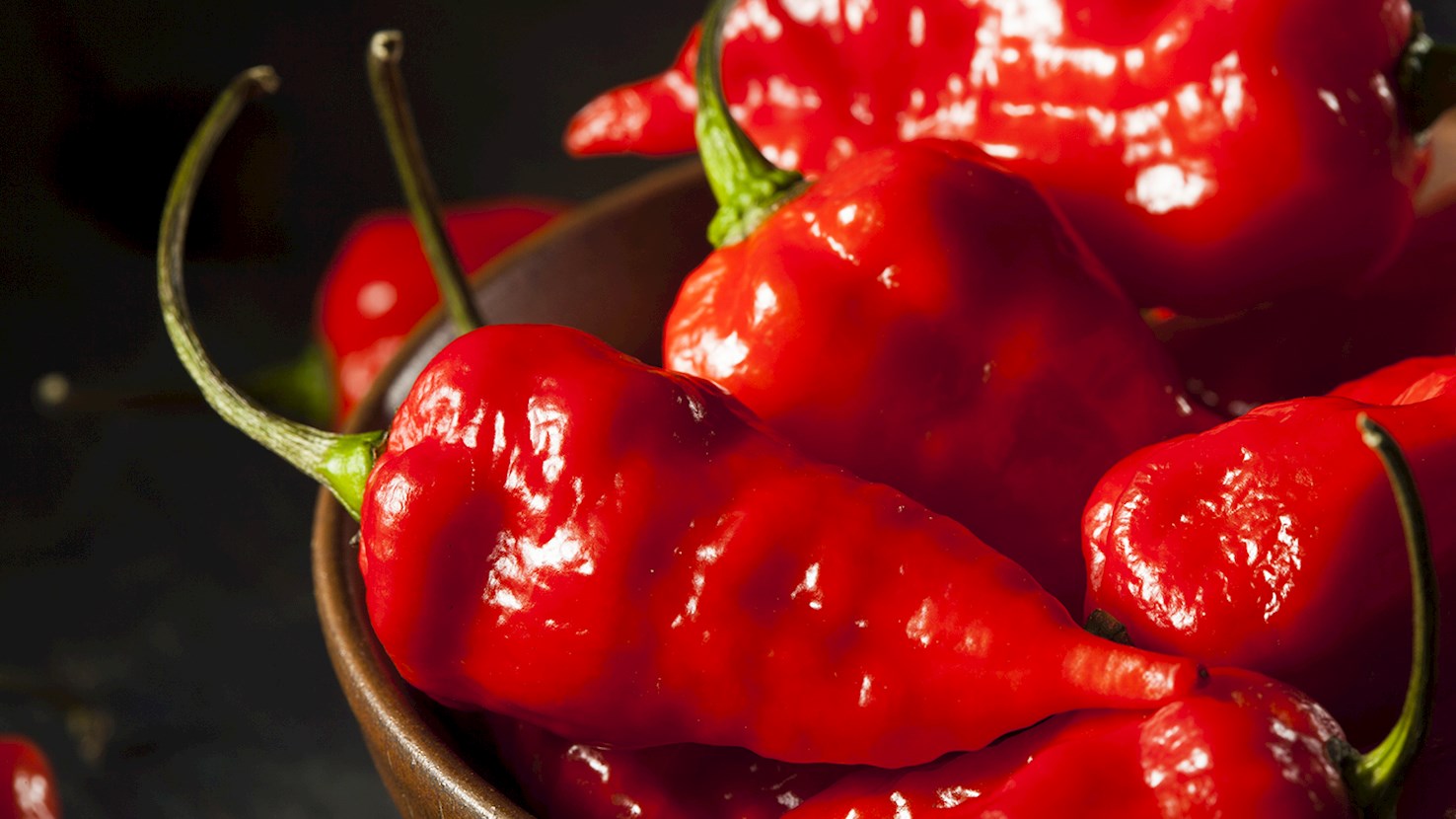
Ghost pepper or bhut jolokia is a hot chili pepper that's cultivated in the Northeast Indian states of Arunachal Pradesh, Assam, Nagaland, and Manipur. Due to the fact that it's one of the spiciest chili peppers in the world, the Indian Army even uses them to create military grade chili grenades (smoke bombs). These peppers have a Scoville heat unit ranging from 855,000 to 1,041,427 SHU. The flavors are best described as fruity, sweet, and earthy. These hybrids of Capsicum chinense and Capsicum frutescens were proclaimed the world's hottest chili peppers in 2007 by Guinness World Records, but in 2013 the ghost pepper was superseded by Carolina Reaper, which can be twice as hot. Interestingly, locals sometimes smear ghost peppers on walls and fences to keep wild elephants at bay.
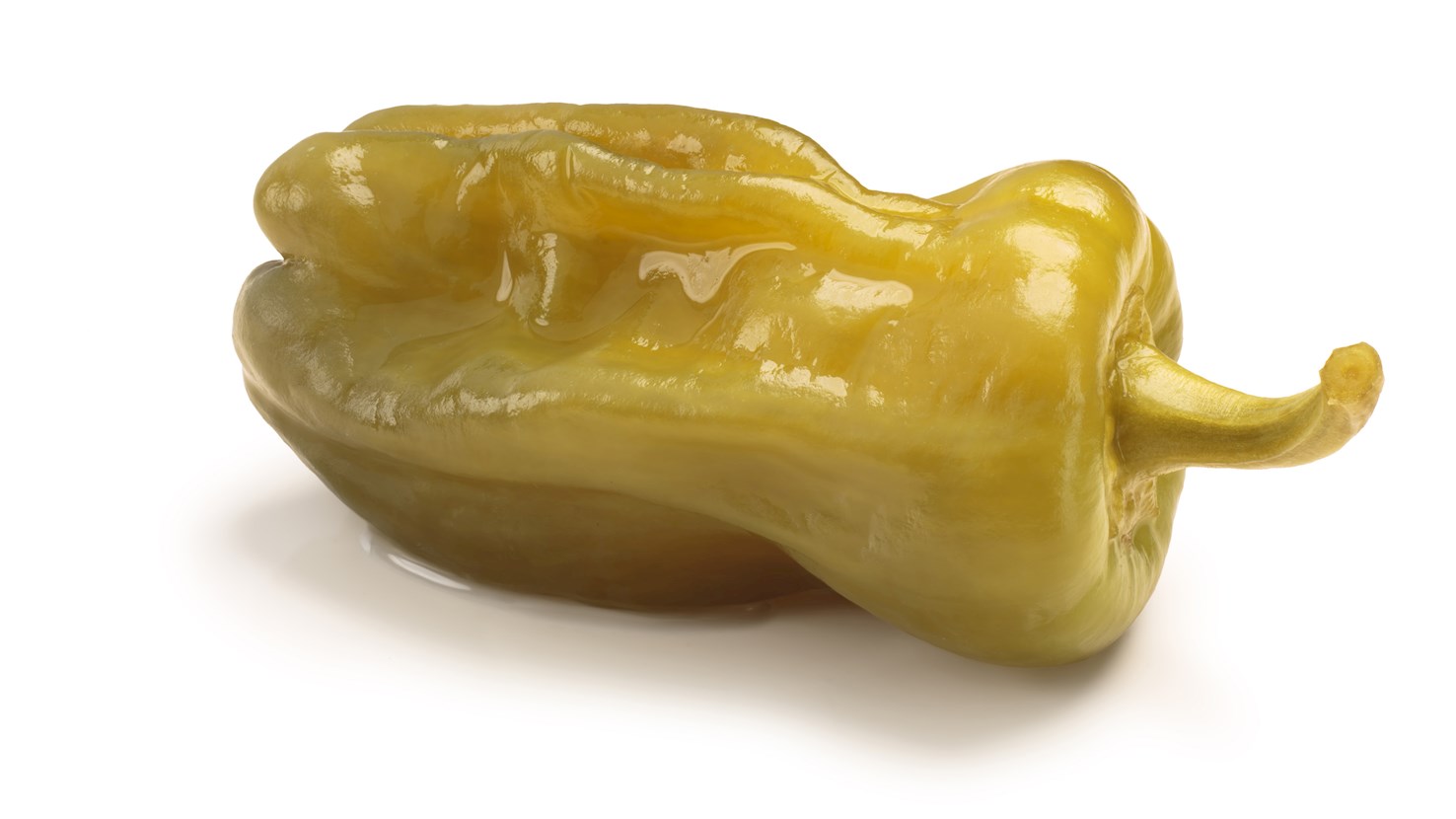
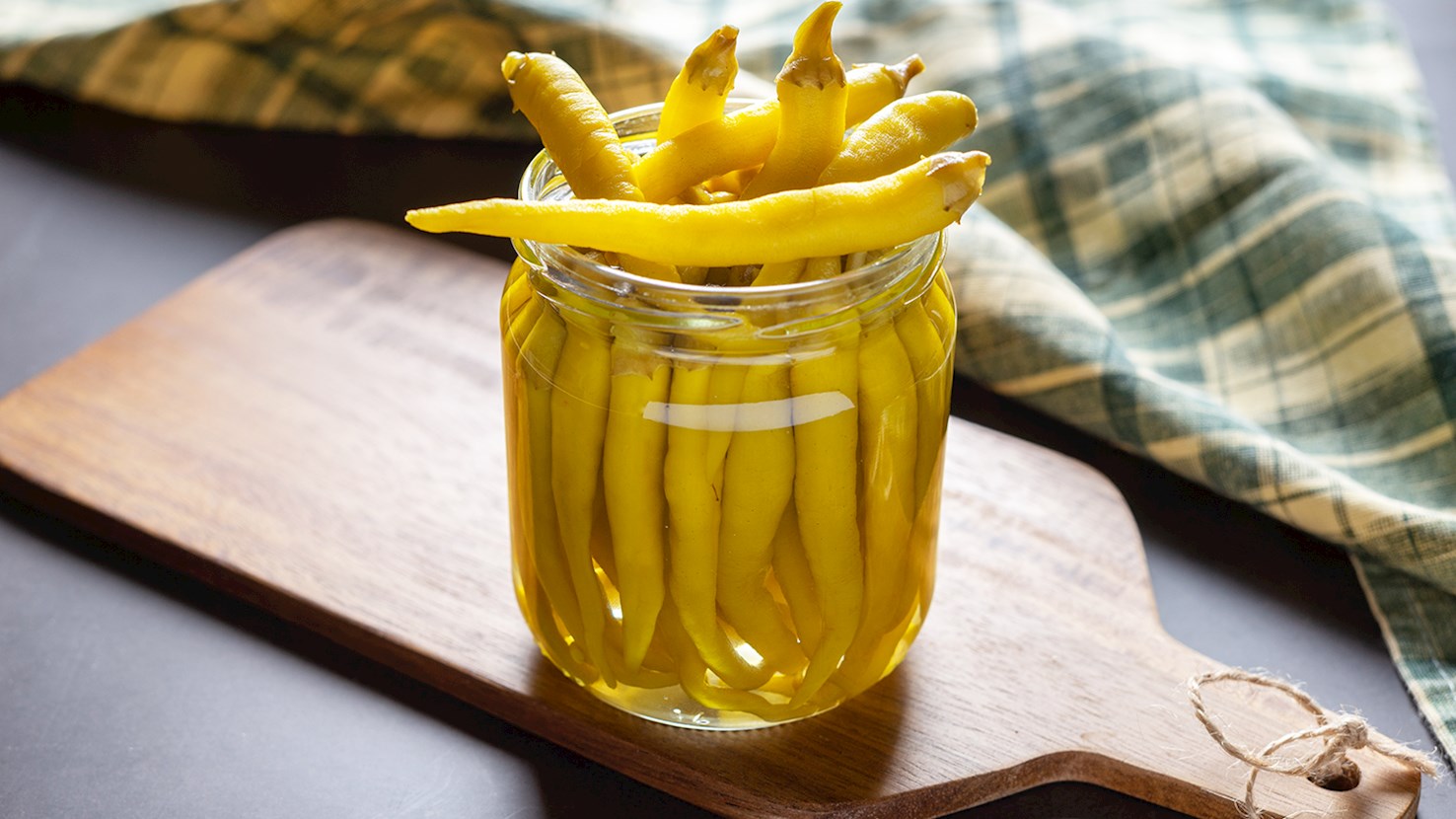
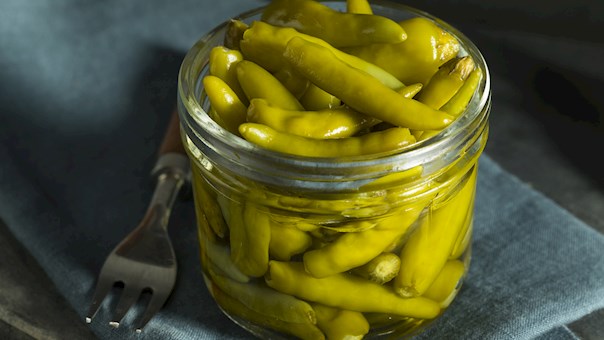
Guindilla is a hot pepper variety originating from the Basque Country, Spain. These peppers are long, narrow, and have a mild heat level. They're usually pickled in white wine vinegar and used for cocktails such as Bloody Mary, snacks, or appetizers such as pintxos (pinchos). The skin of guindilla peppers is smooth and shiny, while the color is vibrant green to greenish-yellow. The flavors are mild, bright, and slightly sweet. When pickled, the flavors become tangy and light. Interestingly enough, the pickled guindilla is known as piparra.
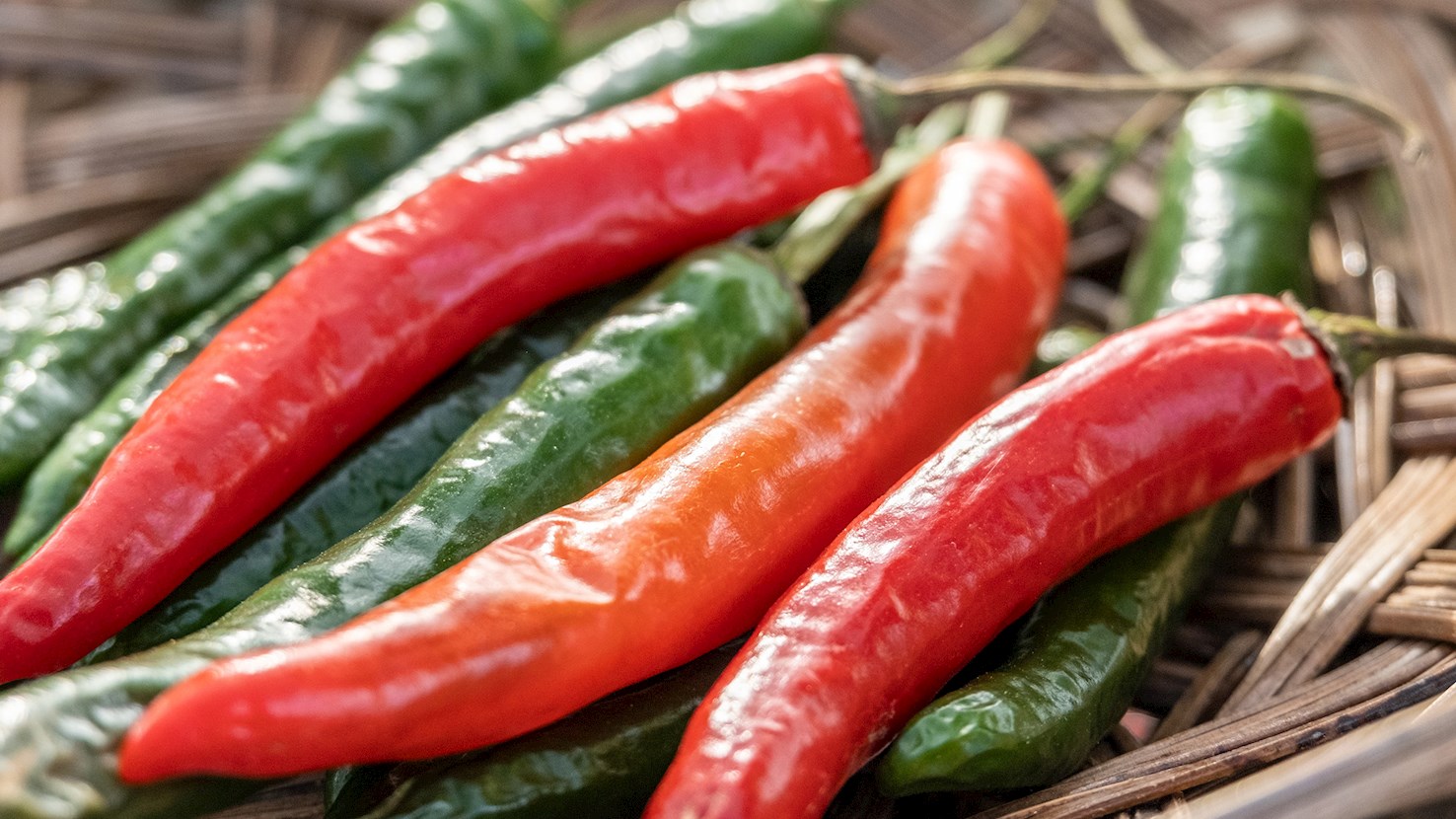
Gochu is a term used for Korean chili peppers, a variety of chili pepper commonly used in Korean cuisine and are integral to the distinctive flavors found in many traditional dishes. Korean chili peppers are typically slender and small, varying in length. They can be red or green, depending on their ripeness. These peppers have a range of spiciness, but they are generally on the milder side of the scale, measuring around 1,500 Scovilles. milder The focus in Korean cuisine is often on a balance of flavor rather than extreme heat. Gochu is used in various forms – fresh, dried, ground into a coarse powder, or fermented into pastes. Gochugaru (Korean chili powder) is a key ingredient in making kimchi, the iconic Korean fermented cabbage dish. Gochujang, a fermented chili paste, is another essential Korean condiment made with Korean chili peppers. It’s used in numerous dishes, including stews, marinades, and sauces.
Sivria is a traditional pepper variety originating from Bulgaria. The peppers are conical and elongated, bilaterally flattened, and come in green, yellow, and reddish (when ripe) hues. Their skin is thin, and the flavor is sweet. They are suitable for direct consumption and for stuffing, but the peppers can also be pickled and canned or added to hot and cold dishes. This variety is highly productive for mid-early production of high quality. It takes from 105 to 130 days for Sivria peppers to reach maturity.
TasteAtlas food rankings are based on the ratings of the TasteAtlas audience, with a series of mechanisms that recognize real users and that ignore bot,
nationalist or local patriotic ratings, and give additional value to the ratings of users that the system recognizes as knowledgeable.
For the “29 Worst Rated Peppers in the World” list until May 21, 2026, 3,833 ratings were recorded, of which 1,715 were recognized by the system as legitimate.
TasteAtlas Rankings should not be seen as the final global conclusion about food. Their purpose is to promote excellent local foods,
instill pride in traditional dishes, and arouse curiosity about dishes you haven’t tried.