



54 Worst Rated European Pies

Last updated on May 21, 2026
01

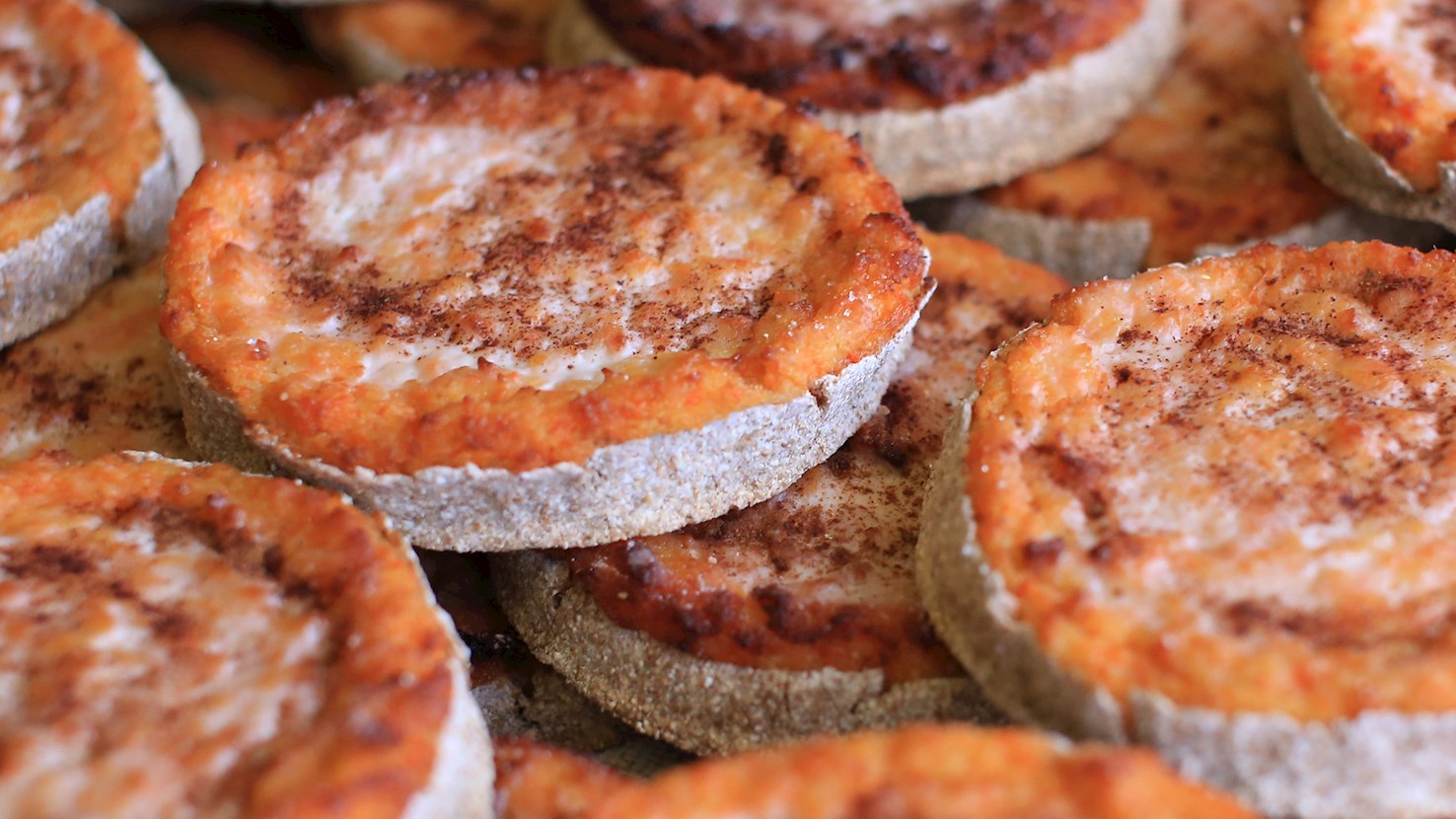
Sklandrausis

2.8 ·

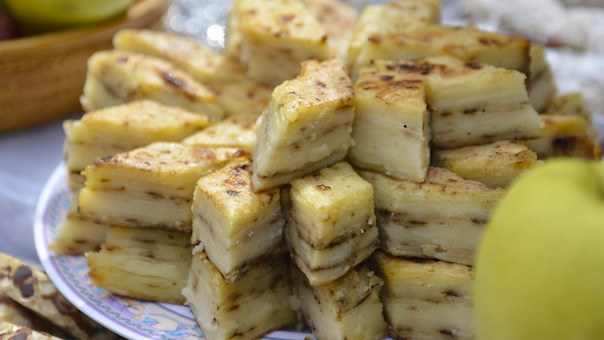
Sklandrausis, which was granted a TSG status in 2013, is a round pie from Latvia prepared in the area since the 16th century. The dough, which is made from unleavened rye flour, is rolled into discs and shaped so that the edges are folded upward. The filling of potato and carrots is layered atop one another, and once everything is assembled, the top can be coated with cream and sprinkled with either cinnamon or caraway seeds. The pie is meant to be eaten cold with tea or milk.

02

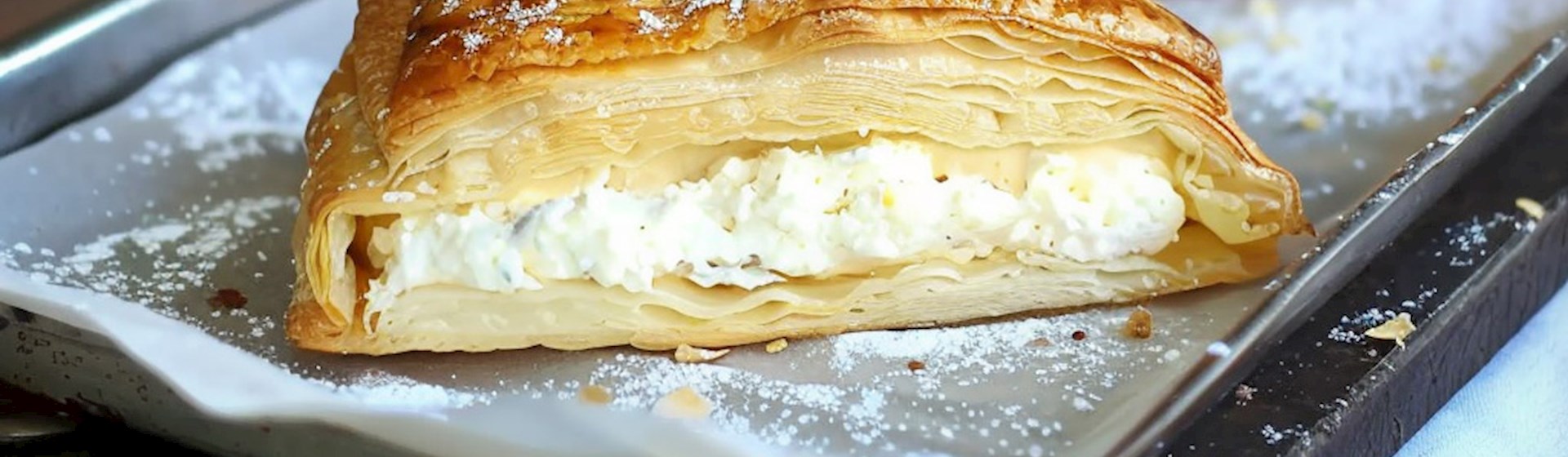
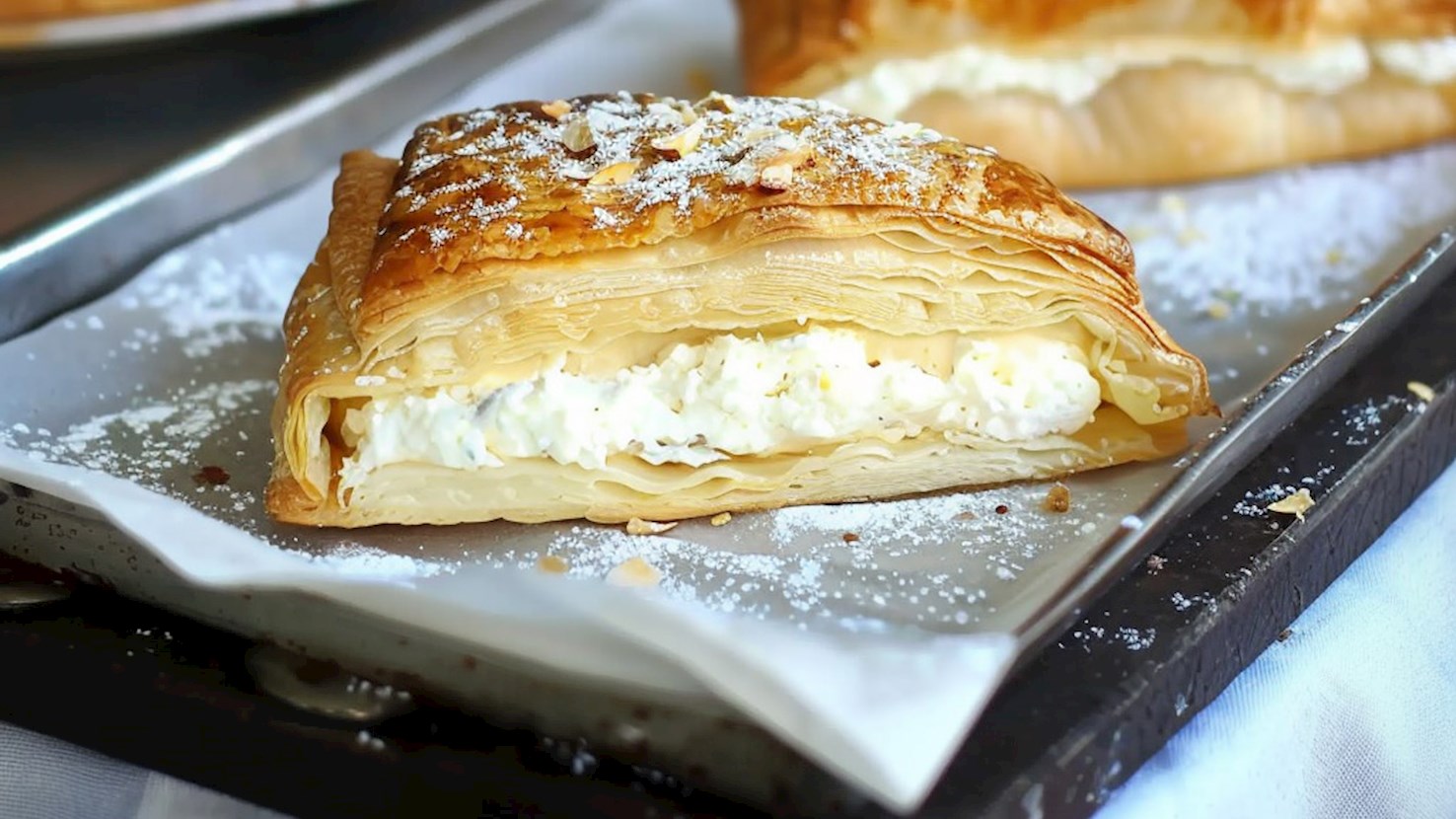
Torta tal-irkotta

2.9 ·

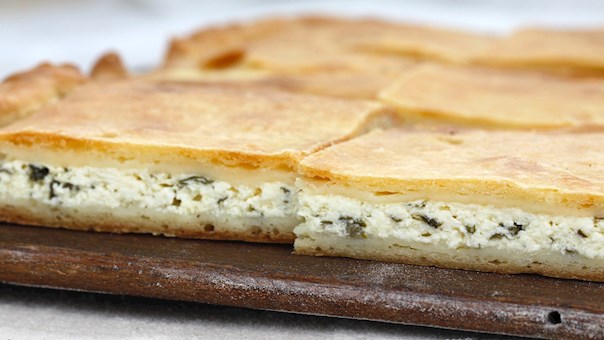
Torta tal-irkotta is a Maltese pie consisting of a puff pastry or shortcrust pastry base that is filled with a combination of ricotta, goat's cheese, beaten eggs, cream, chopped parsley, and either broad beans or peas. The pie is a favorite with many Maltese people, and it is typically baked until it develops a golden-brown color on the exterior. It is then sliced and (ideally) served with a fresh salad on the side.

03

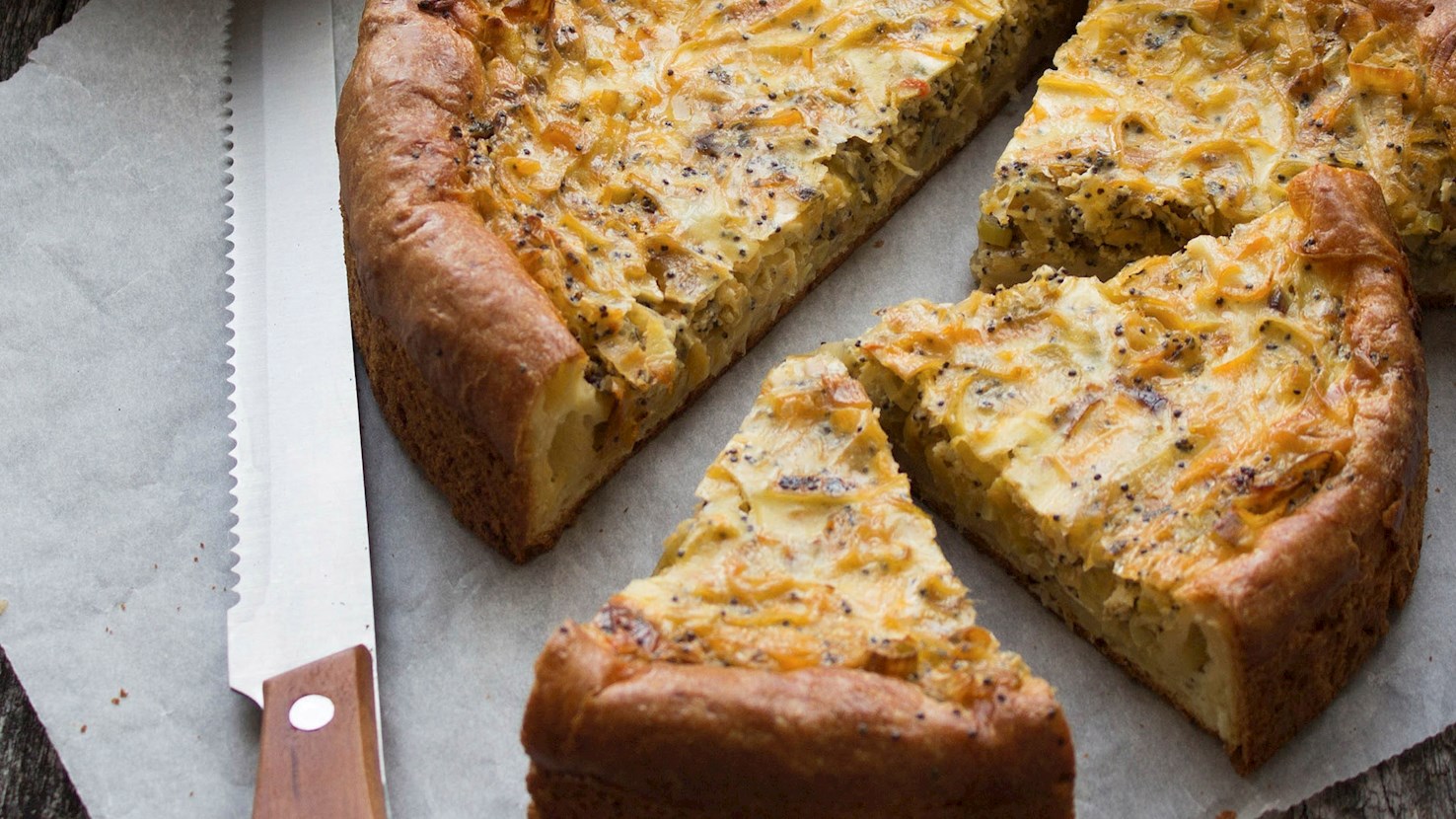
Flamiche

2.9 ·

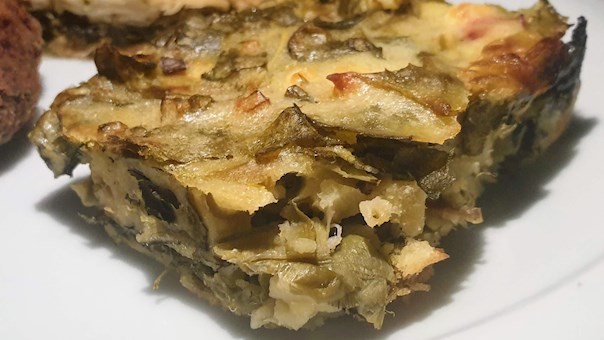
Flamiche is a traditional pie that is filled with chopped leeks, a small amount of butter, and either milk or crème fraîche. The dish has origins in the French region of Picardy, and it is considered the Picardy equivalent of the popular quiche Lorraine. The first known recipe dates back to the late 18th century, and it has been found in a French soldier's notebook. Today, there are numerous variations of flamiche, with added cheese, nutmeg, bacon, and different vegetables. Flamiche can sometimes be used as an accompaniment to heavier meat dishes.

Best restaurants
04

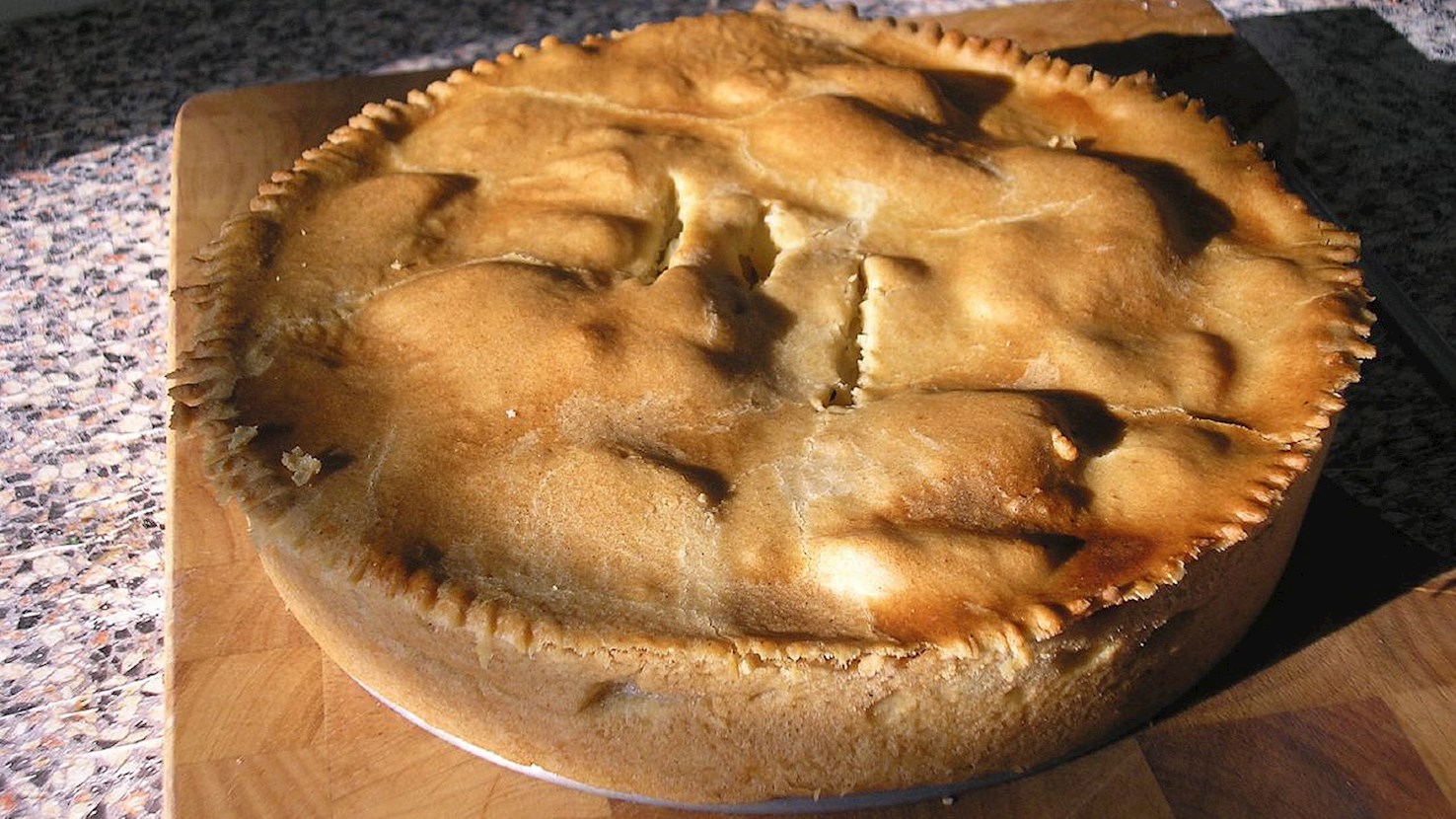
Lancashire butter pie

2.9 ·

Lancashire butter pie consists of shortcrust pastry filled with onions, potatoes, butter, salt, and pepper. Although vegetarians might think that this pie is suitable for them, they need to be apprehensive because bakers sometimes use lard in the crust. The pie is derived from local meat-and-potato pies, but the meat is replaced with butter because a sizeable Catholic population in Lancashire couldn't consume meat on Fridays. Therefore, this pie has got alternative names such as Catholic pie and Friday pie. These days, butter pie can be found in supermarkets and local chippies, and it is traditionally served with pickled red cabbage on the side.

05

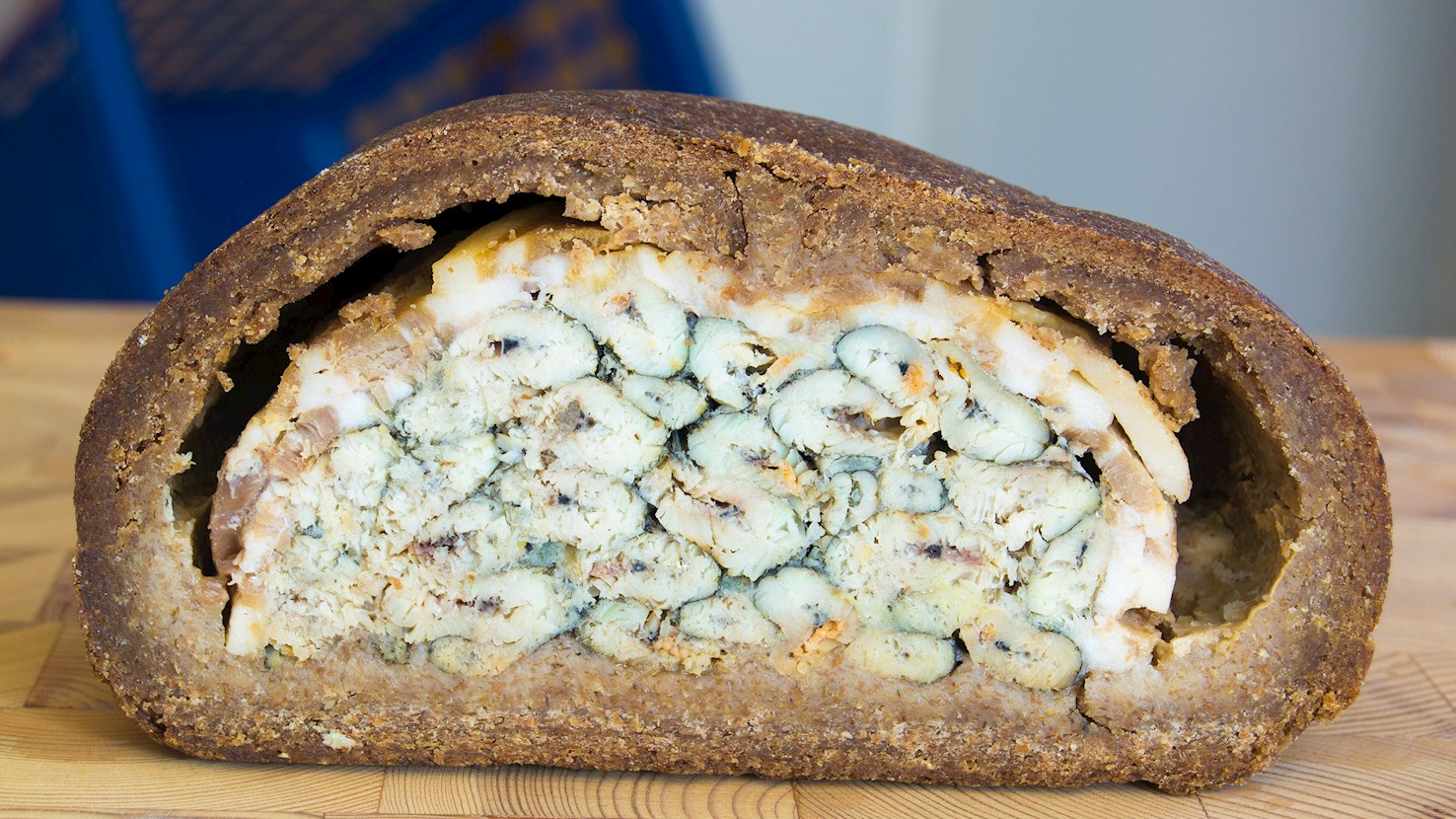
Kalakukko

3 ·

Familiar since the Middle Ages, kalakukko is a traditional dish consisting of a fish and bacon or bacon filling that is baked inside a thick rye bread crust. Invented among the working population, it represented a convenient way to transport the whole meal during the long working hours. Prepared with various types of fish such as vendace, perch, or salmon, today it appears in numerous varieties which occasionally include meat or vegetables. The origin of this nutritious and satisfying dish is usually associated with the historical region of Savonia, but kalakukko is nowadays considered to be the nation’s favorite and one of the most authentic Finnish dishes. Freshly prepared, it is sold in numerous traditional bakeries, usually accompanied by refreshing buttermilk.

06

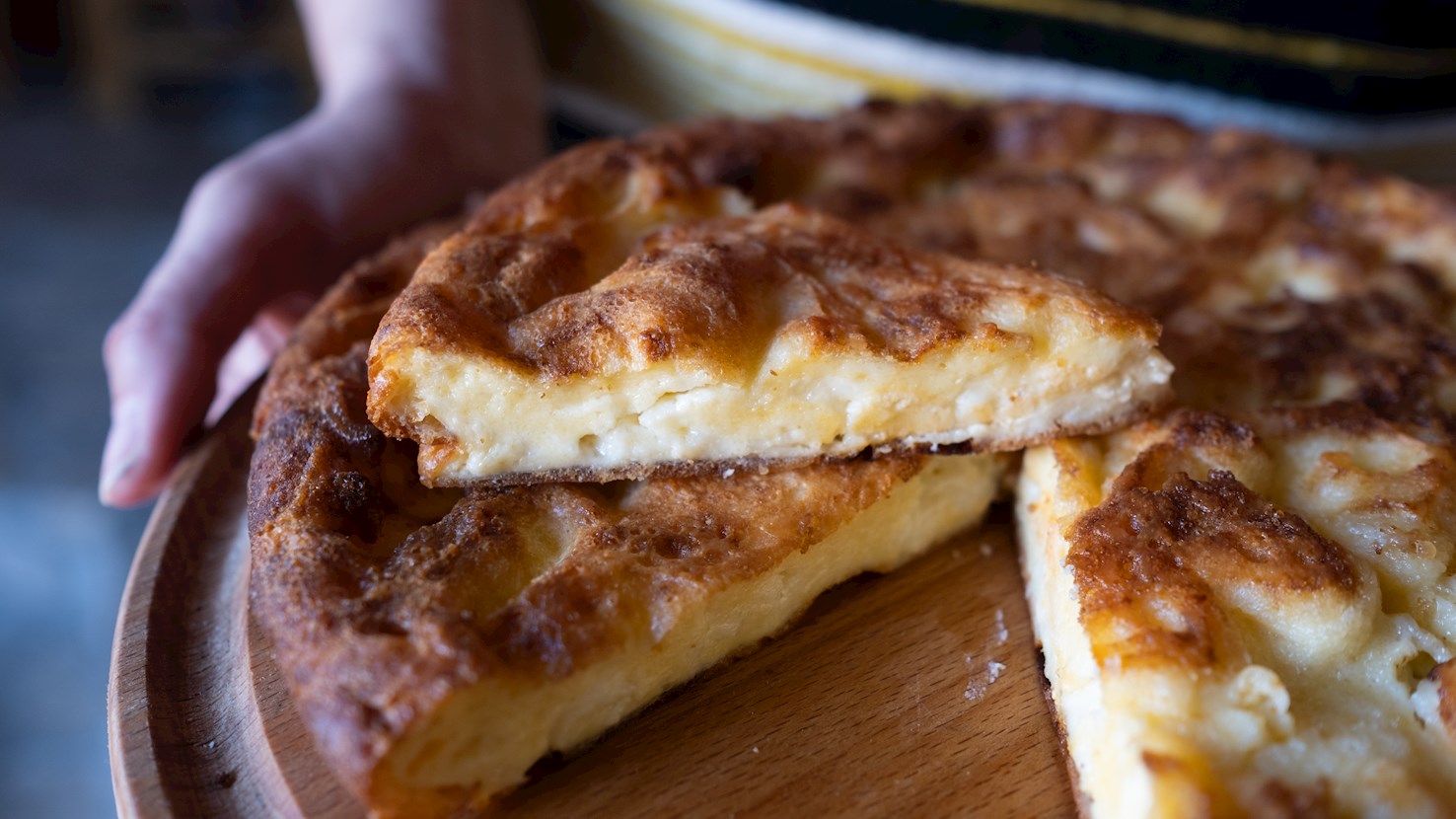
Prijesnac

3 ·

Prijesnac is a traditional cheese pie originating from the Trebinje area of Herzegovina and the northern parts of Montenegro, but it is also eaten in the entire Bosnia and Herzegovina. The pie is made with a combination of cottage cheese, kaymak or sour cream, eggs, milk, flour, oil, salt, and baking powder. The batter is placed into an oiled baking tray and the pie is then baked until golden brown. Once done, prijesnac is served immediately while still warm. Although there is not much information about this simple peasant dish, it is believed that the locals had originally prepared it in order to make use of leftover cheese.

07

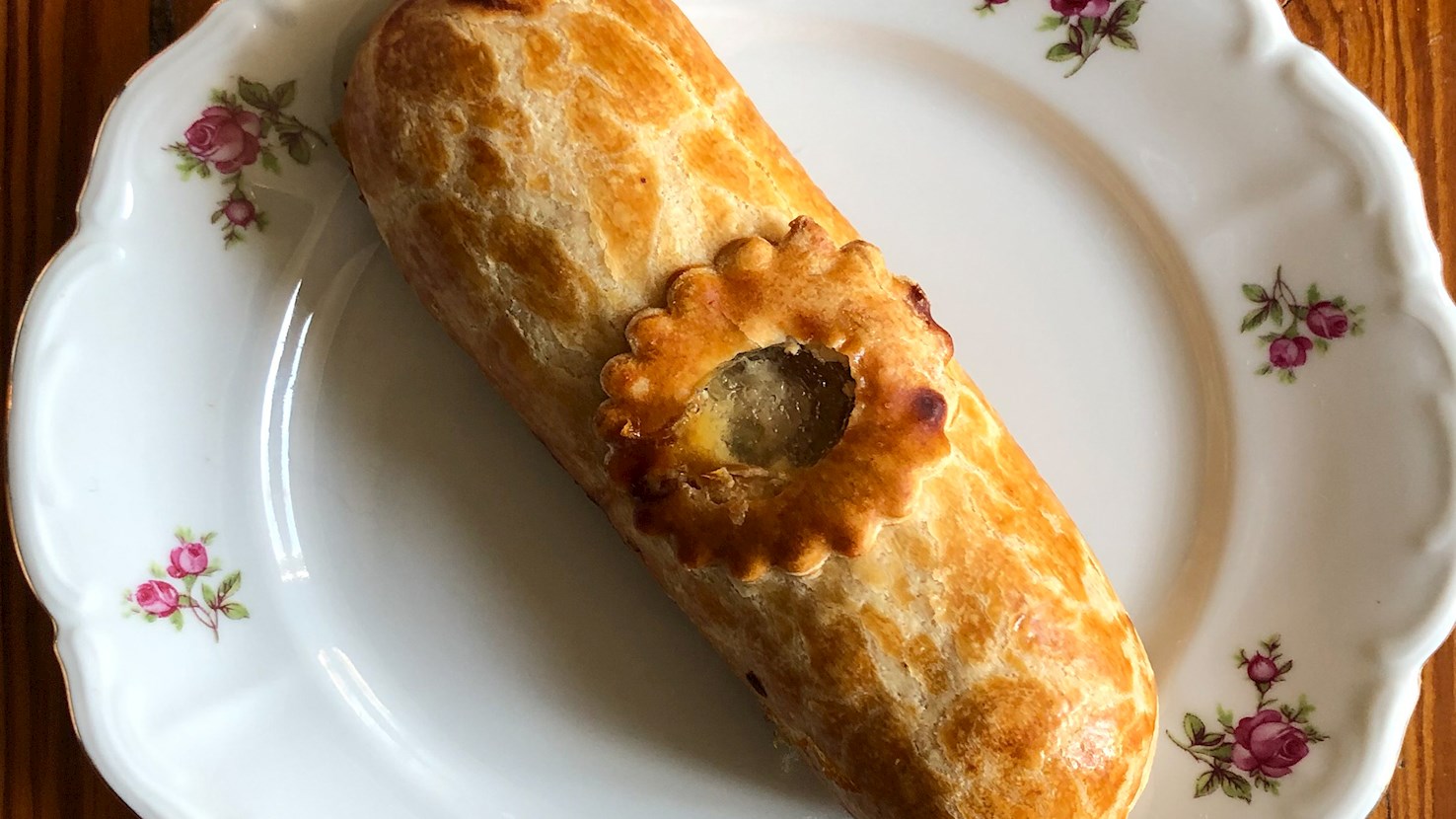
Rieslingspaschtéit

3 ·

Rieslingspaschtéit is a traditional meat pie coming from Luxembourg, consisting of a pastry shell that surrounds a filling of pâté-like meat mixture in Riesling aspic. The pastry base is typically made by combining flour, butter, lard, water, salt, and a splash of Riesling wine, while the filling usually consists of pork or veal, chopped white bread, vegetables, herbs, spices, and Riesling wine. Holes for releasing steam are traditionally made in the pie’s top, and the pie is brushed with beaten egg yolks before baking for a nice glazed finish. Rieslingspaschtéit can be found in numerous bakeries in the country, and it is typically enjoyed chilled with a variety of side dishes and a glass of Riesling wine.

08

Fidget pie

3 ·

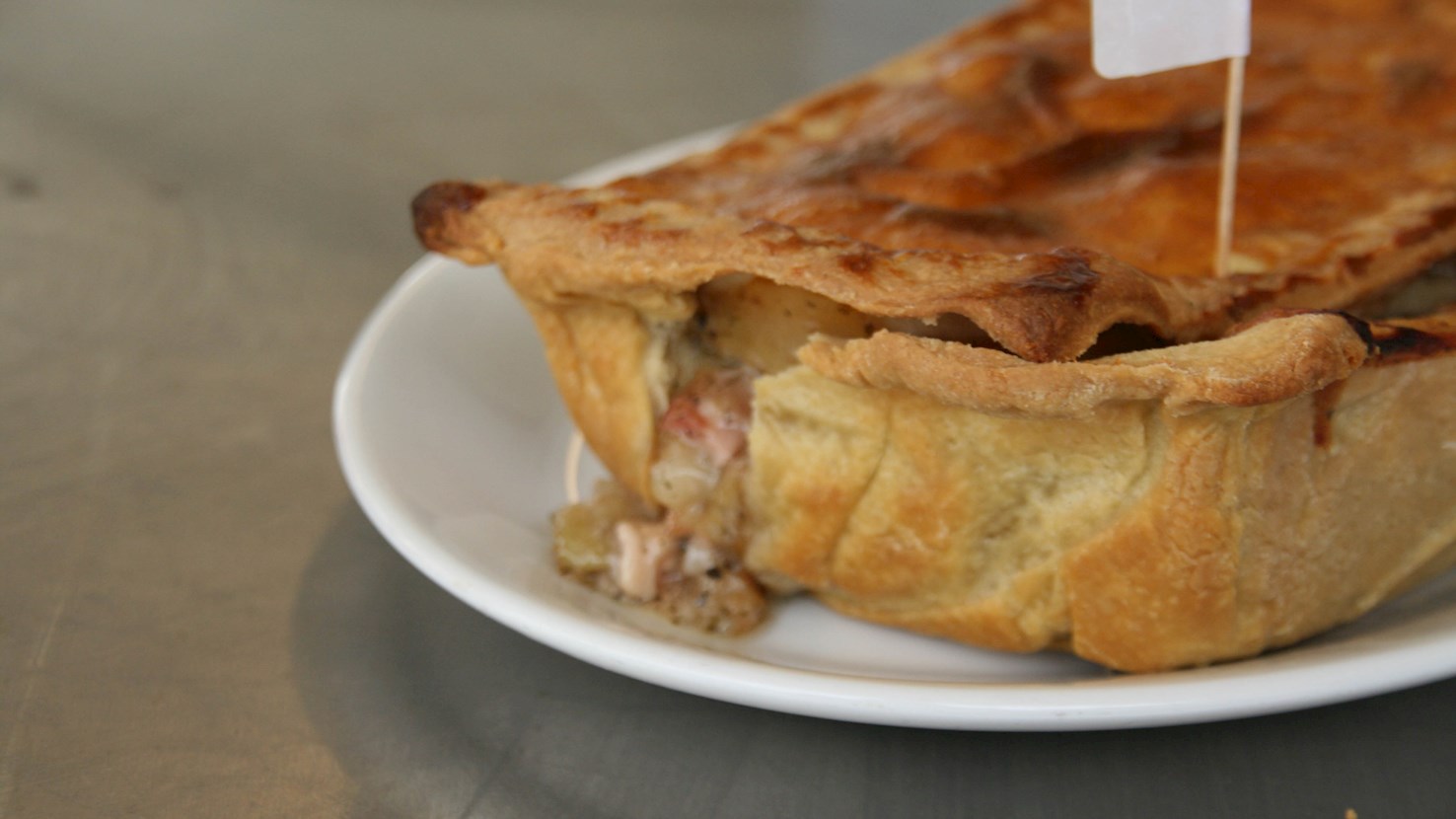
Fidget pie is a traditional pie originating from Shropshire. Although there are a few variations on the dish, it’s usually made with a combination of bacon, onions, Granny Smith or Bramley apples, salt, pepper, cider, parsley, cornstarch, beaten eggs, and hot-water crust or shortcrust pastry. The crust or pie shell consists of flour, milk, salt, water, and beef suet, lard, or shortening. It’s placed into a pan pie, then filled with the mixture of bacon, chopped apples, onion, parsley, salt, and pepper. The combination is topped with a mixture of cider and cornstarch. The second crust is then laid on top, sealed, brushed with beaten eggs, then baked until it develops a golden-brown color. Once done, fidget pie is sliced and served warm. If desired, potatoes such as King Edward or Maris Piper can also be added to the pie.

09

Hornazo

3.2 ·

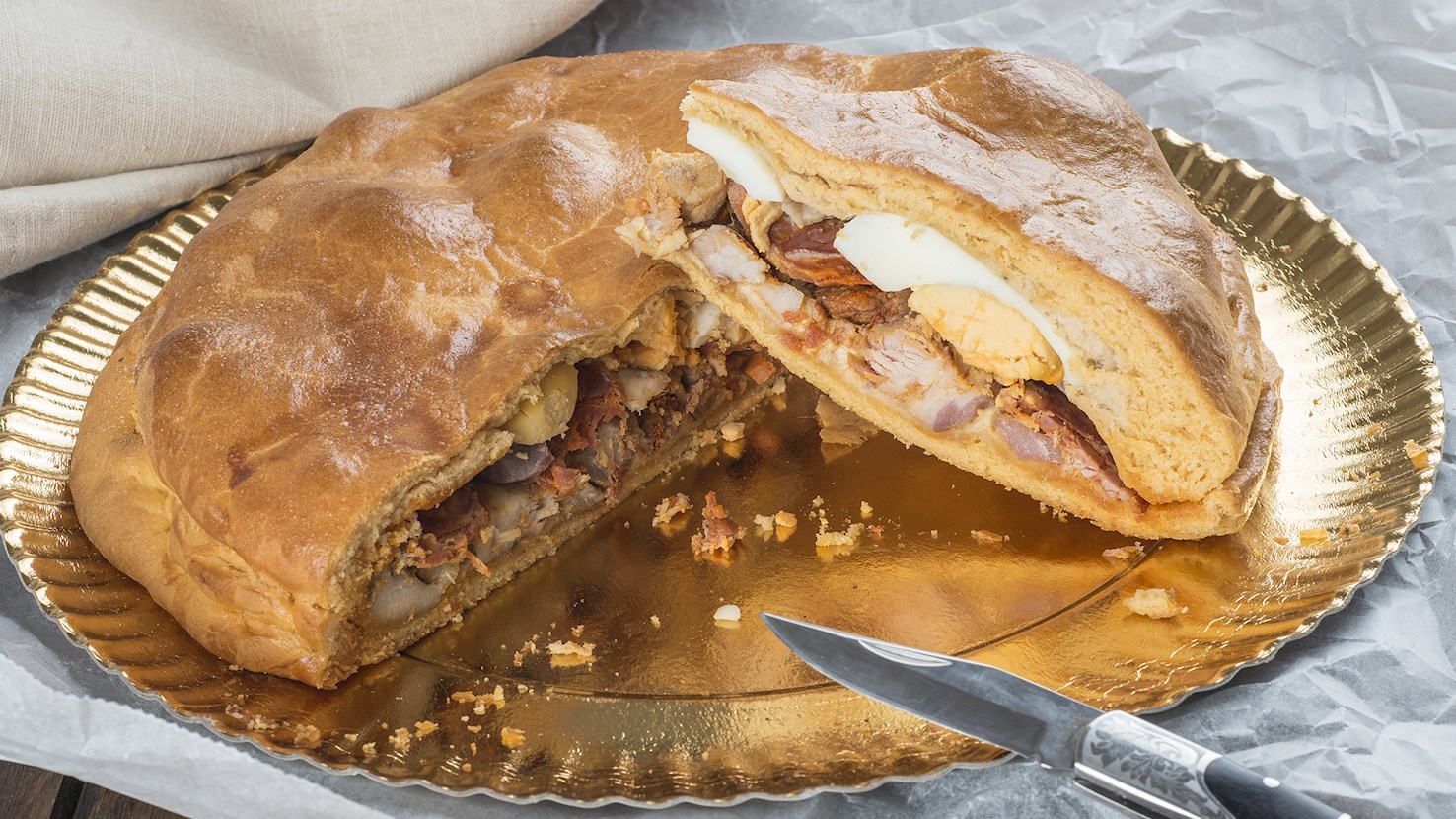
Hornazo is a traditional delicacy made by stuffing bread with pork loin, hard-boiled eggs, and chorizo. The bread is made with flour and yeast, and the top is usually nicely decorated with various shapes made from the same dough. It has origins in Salamanca, and it is often prepared for Lunes de Aguas festival, celebrated annually on Easter Monday. Nowadays, there are many variations on this festive bread, so it can be stuffed with anything from ham and cheese to tuna and smoked salmon.

10

Game pie

3.2 ·

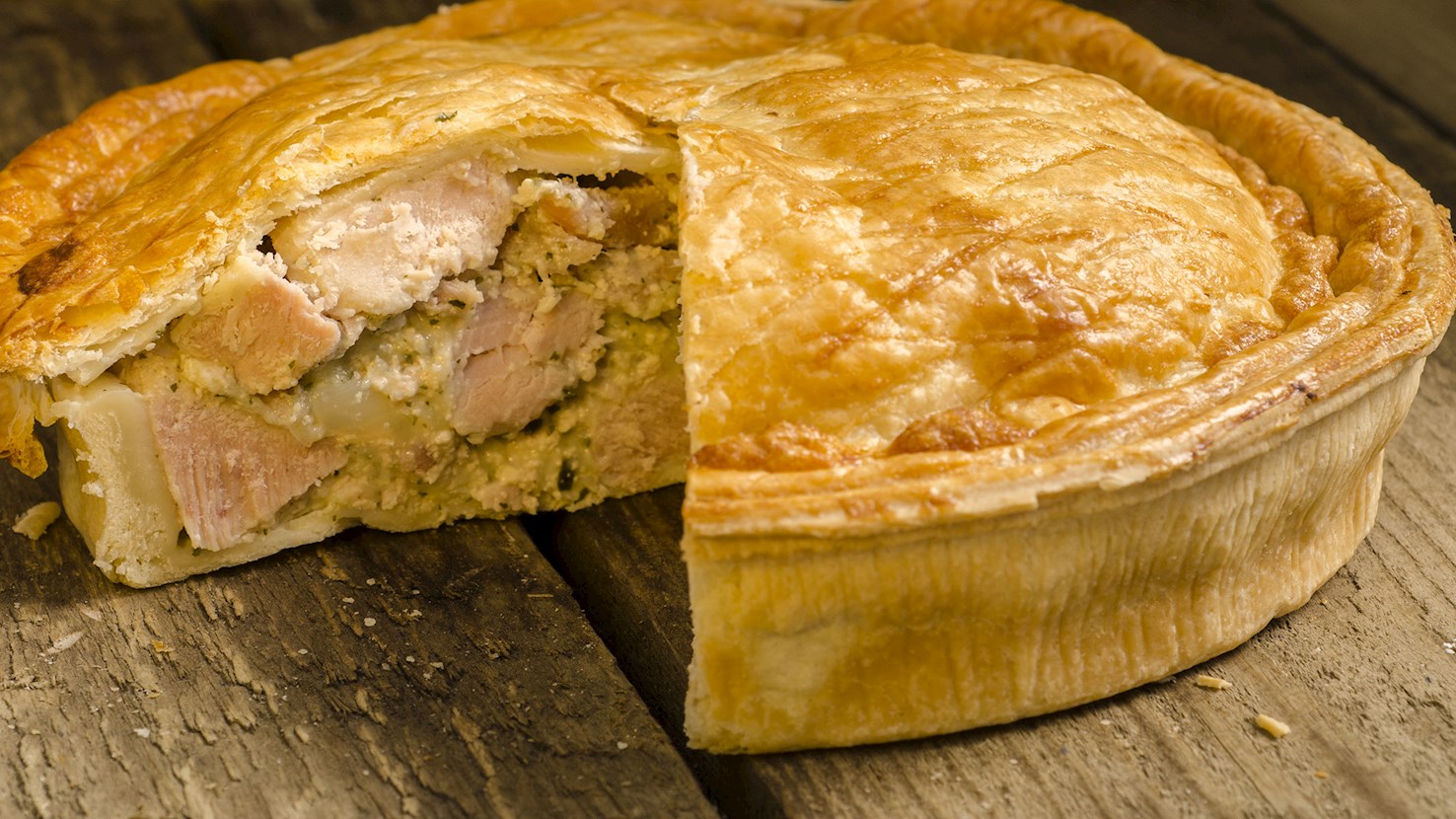
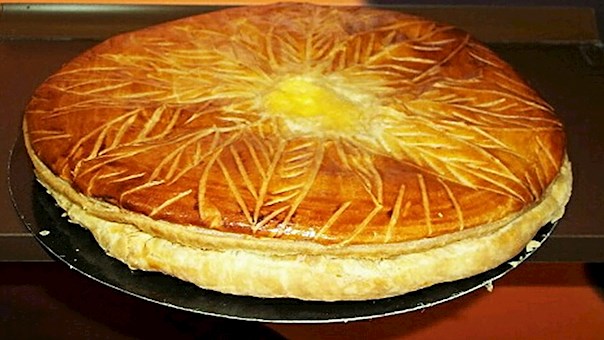
Game pie is a traditional dish consisting of a pastry shell filled with rich gravy and slowly cooked game meat such as venison, rabbit, and pheasant. The dish is typically prepared during the colder months, since the British game season usually runs through autumn and winter. It is believed that game pie became popular during the 16th century in Britain, when it was prepared with whatever meat could be found, such as pigeons and blackbirds. Today, the availability of game makes it easier to prepare even the more elaborate pies that are often heavily decorated or engraved in order to impress the consumers.

Read more
View all
View map
About this ranking

TasteAtlas food rankings are based on the ratings of the TasteAtlas audience, with a series of mechanisms that recognize real users and that ignore bot, nationalist or local patriotic ratings, and give additional value to the ratings of users that the system recognizes as knowledgeable. For the “54 Worst Rated European Pies” list until May 21, 2026, 10,164 ratings were recorded, of which 6,304 were recognized by the system as legitimate. TasteAtlas Rankings should not be seen as the final global conclusion about food. Their purpose is to promote excellent local foods, instill pride in traditional dishes, and arouse curiosity about dishes you haven’t tried.

Similar lists