Pictou County pizza is a unique variety of pizza originating from Nova Scotia, characterized by a somewhat thicker, chewy dough, a spicy brown sauce, and Halifax-made Brothers' pepperoni. The pizza is so popular that it is even shipped frozen all over Canada. Every year, there is a Pictou County pizza competition, so that the locals can find out which pizza restaurant is the best. It is recommended to pair the dish with a cold beer on the side.
Cuban pizza is a pizza variety that's distinguished by the dough and the sauce. The dough is a little thicker than in other pizzas and the sauce is a little bit sweeter. This is not a fancy pizza style – it's simple, comforting, and accessible. The selection of toppings (which are baked into the pie!) usually includes ham, chorizo, pepperoni, shrimp, ground beef, lechon asado, lobster, picadillo, bell peppers, and sliced bananas, apart from the base toppings of tomato sauce and cheese, typically gouda in Cuba and a combination of gouda and mozzarella in Miami. Once prepared, it's usually folded and eaten like a sanwich, but you can also order a picada, a Cuban way of saying sliced pizza. It is believed that this pizza style originated in Havana and was perfected at Varadero Beach in Cuba, and the inventor later moved to Miami and reopened his own pizzeria called Montes de Oca. However, there are others who claim that the founder of Rey Pizza, a Cuban pizza chain, was the first one to create pizza cubana. Regardless of the inventor, both Montes de Oca and Rey Pizza are local institutions.
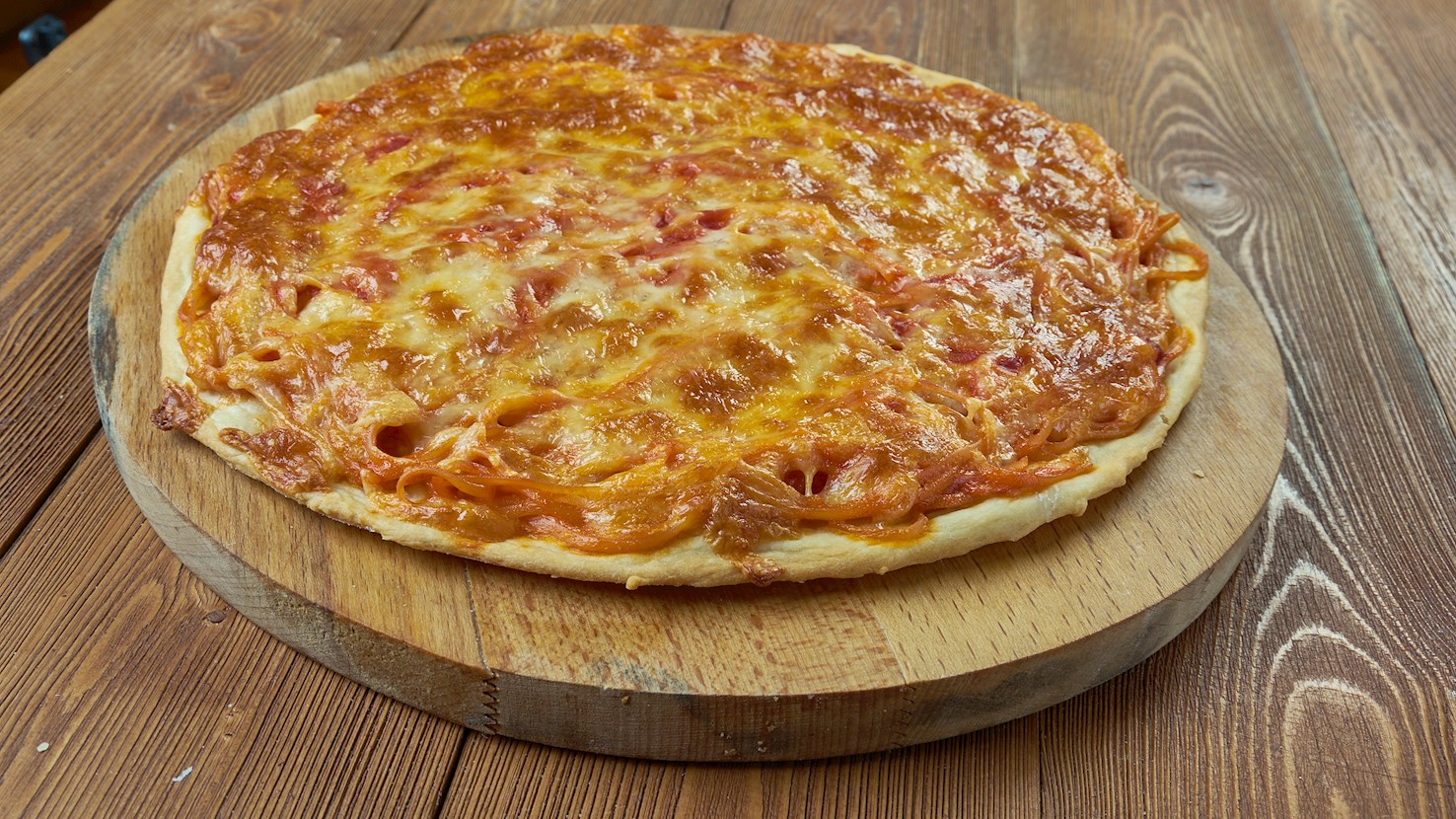
Pizza-ghetti is a massive, carbohydrate-heavy combination plate consisting of a personal-sized pizza cut in half, served right next to a generous pile of spaghetti smothered in a sweet, meat-based tomato sauce. Arriving at the table on a wide platter, the components are meant to be eaten in tandem, with customers frequently wrapping the long pasta strands around slices of the melted cheese before taking a bite. The pasta portion of the dish relies on a highly specific style of meat sauce unique to local snack bars, leaning much sweeter than a standard ragu. Ground beef simmers for hours with finely diced celery, onions, and green bell peppers, heavily seasoned with unexpected warming spices like cinnamon, clove, and allspice. This thick red gravy is ladled over soft, boiled spaghetti noodles. The pizza almost always follows an "all-dressed" blueprint. A thick, doughy crust is layered with sweet tomato paste, covered in rounds of cured pepperoni, scattered with sliced mushrooms and green peppers, and finally buried under a heavy blanket of low-moisture mozzarella. The origins of this dual-starch platter trace back to the mid-20th century across the province of Quebec. During this era, waves of immigrants opened small roadside restaurants, known locally as casse-croûtes, aiming to feed the local working class. To accommodate families who could not decide between ordering a pie and a bowl of pasta, these restaurateurs simply combined the two on a single plate. Over the decades, it evolved from a pragmatic menu compromise into a beloved regional staple found in nearly every casual eatery across the province. While the side-by-side presentation is typical, distinct variations merge the two components entirely. Some establishments load the cooked, sauce-covered spaghetti directly onto the raw pizza dough, covering the pasta completely with mozzarella before baking the entire structure in a high-temperature oven. This yields a dense, layered pie in which the noodles steam inside a shell of baked cheese and bread. Other kitchens swap the standard meat sauce for a creamy Alfredo or a spicy arrabbiata to coat the noodles, completely altering the flavor profile. Certain late-night spots even use sliced pizza as a makeshift taco shell, folding the hot crust around the spaghetti so you can eat the entire meal with one hand.
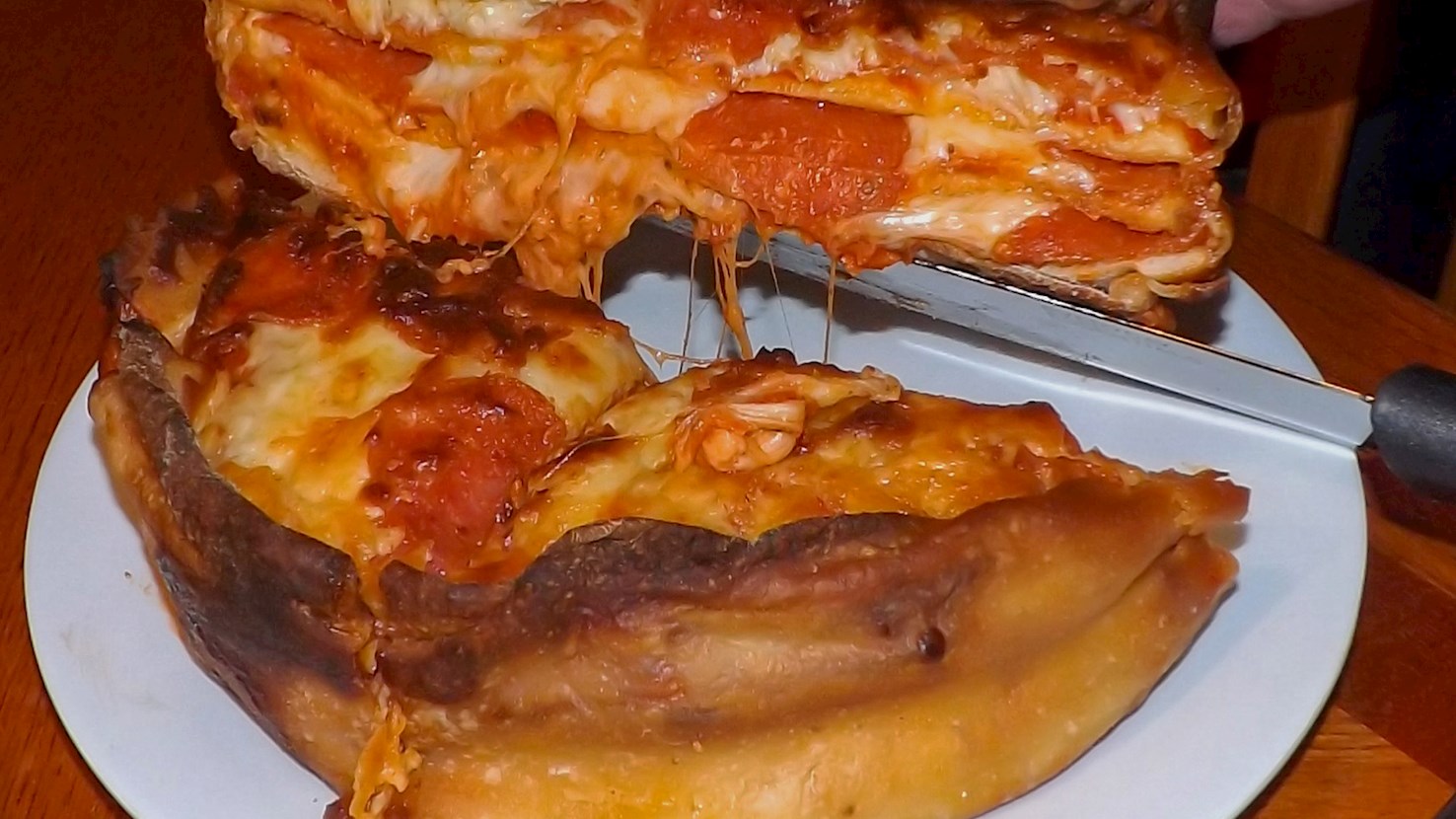
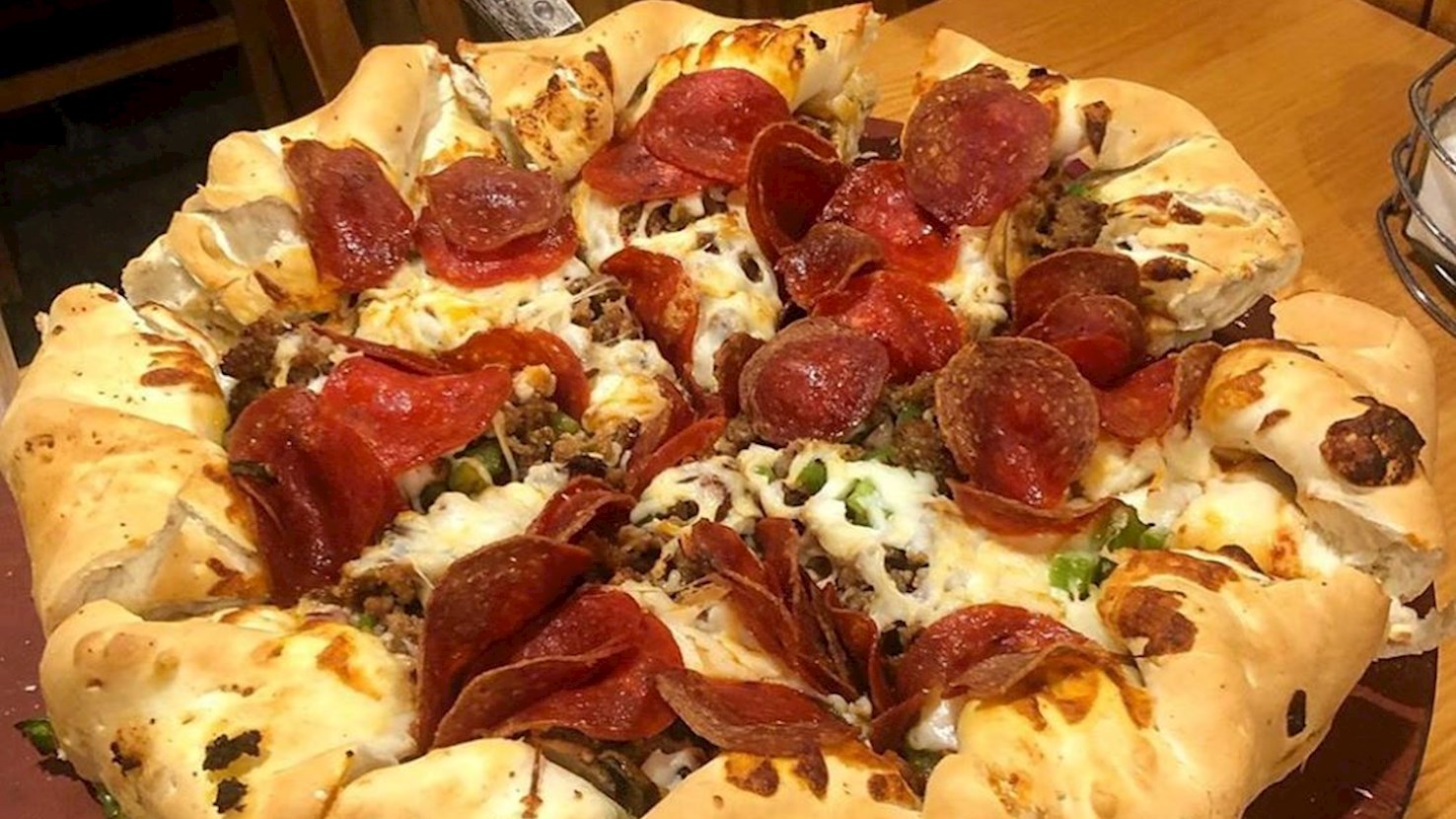
The infamous pizza cake came to life in April of 2014 when a Canadian-based chain Boston Pizza started a campaign called Pizza Game Changers, where the public was called in to vote on the next big thing when it comes to pizza-related products. Pizza cake won the race by miles and since its appearance had people either salivating or shaking their heads in denial. The cake in question is actually made up of multiple layers of pizza that are baked in a pot or a cake pan with tall sides. The recipes vary in the number of pizza layers, ranging from three to six, but the stuffing is always the same; tomato sauce, pepperoni, and heaps of cheese.
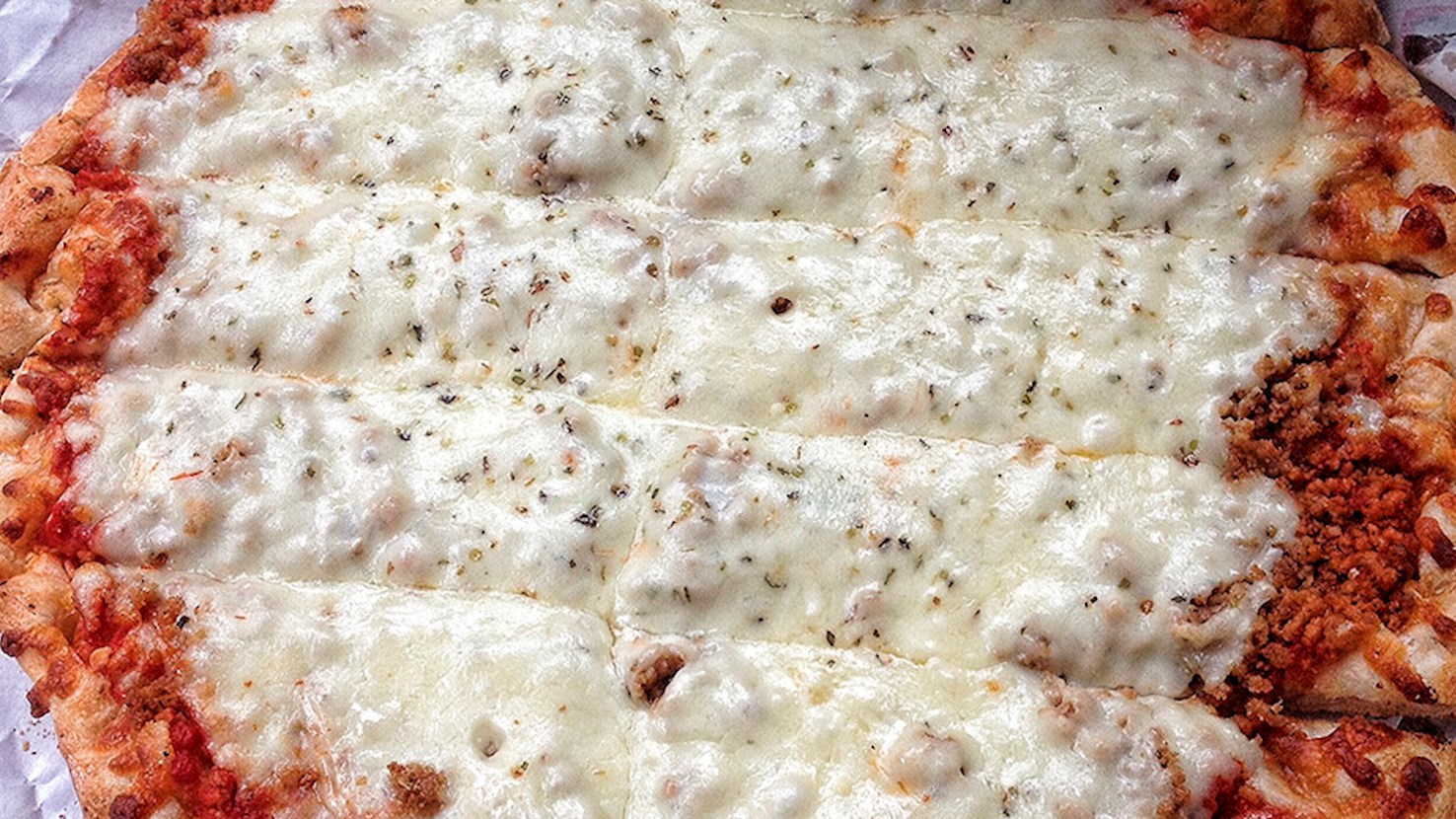
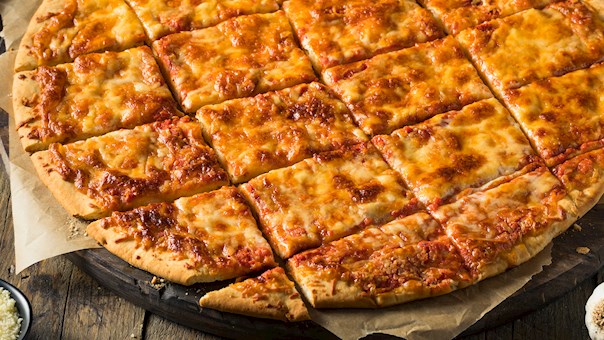
This unique pizza style originates from the Quad Cities region of Iowa and Illinois and is characterized by an unusual strip cut and a slightly spicy sauce. The crust has a nutty taste due to a generous amount of malt syrup, and the sauce contains chili and cayenne pepper flakes. The pork sausage used for the topping should be cooked and allowed to rest in its juices for several hours before being spread over the entire pizza. Due to its malt-enriched crust, this dish naturally pairs well with beer.
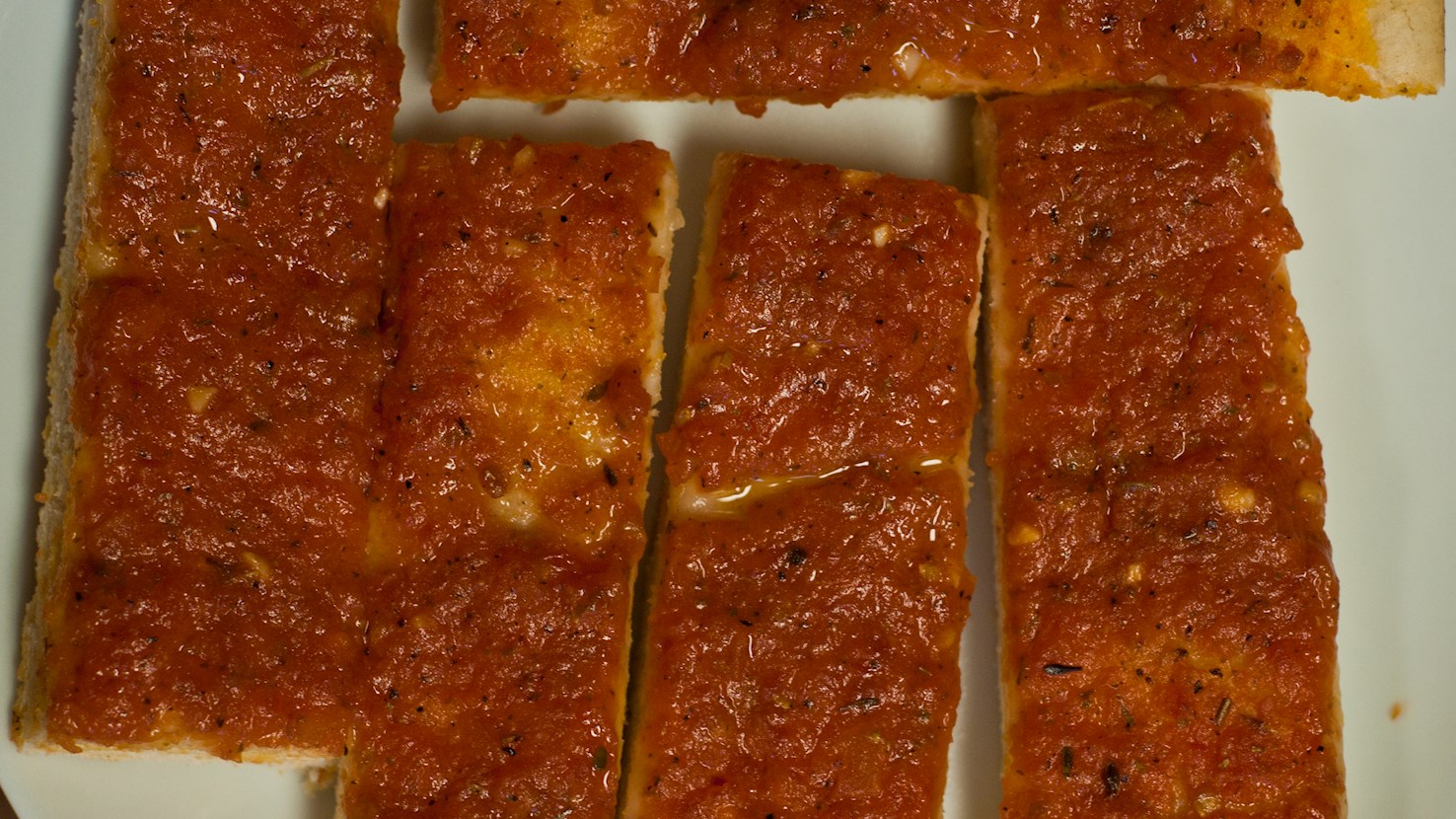
Rhode Island's famous pizza strips come from the local bakeries, not pizza parlors, contrary to what people may think when they hear the name. It is a dish consisting of a thick, doughy base, similar to a focaccia, slathered with fresh tomato sauce, often with a hint of fresh herbs such as rosemary or basil. There is no cheese in pizza strips, just a heavy, bright red tomato sauce, which is why the dish is sometimes called tomato bread. Pizza strips are baked in large baking trays, resulting in a thick crust. The dish is traditionally served at room temperature and is a common staple food at numerous kids' birthday parties and cookouts. The origin of pizza strips is a mystery, but some believe it is an Americanized version of cudduruni - a Sicilan-style focaccia topped with tomato sauce and herbs.
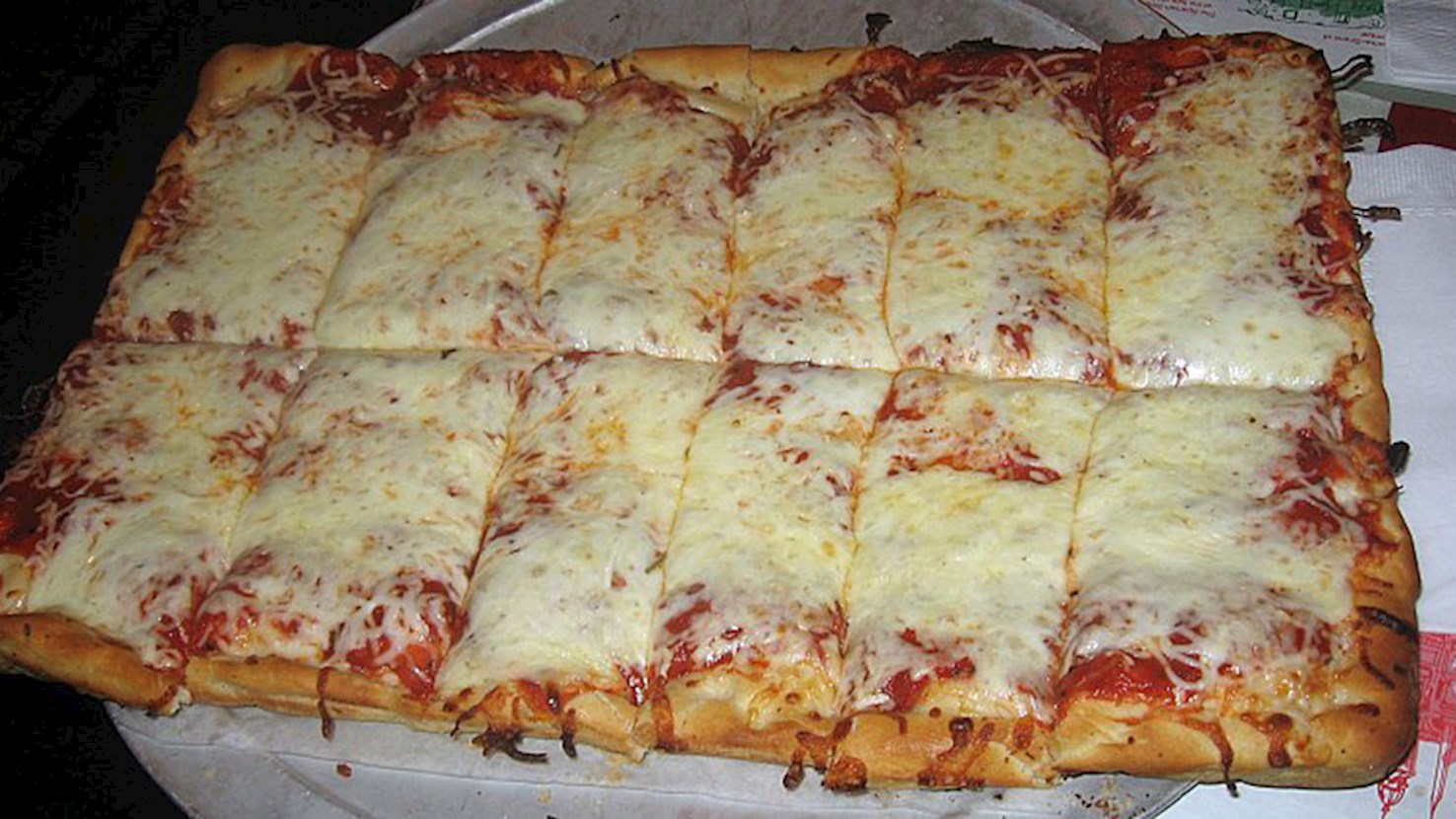
Old Forge pizza is an American pizza variety originating from Old Forge in Northeast Pennsylvania. This former mining town has a unique style of pizza that's baked on rectangular metal pans, and the crust is lighter than a typical thick crust. The pizza is crispy on the bottom, while the center is chewy. A whole pizza is called a tray (not a pie), and there are no slices, only cuts. There are two varieties of Old Forge pizza – red and white. The red one has a slightly sweet tomato sauce and sometimes contains diced onions, while the toppings include a blend of cheeses such as American cheese, cheddar, and mozzarella. The white variety is stuffed (dough on top and bottom) with lots of cheese and any fillings that the customers choose, such as broccoli and spinach. No sauce is allowed inside the white pizza, and the top layer is sometimes covered in thin onion slices and herbs such as rosemary. Just don't ask for a pie because you'll probably get an apple or blueberry pie instead of pizza.
Windsor style-pizza is a unique Canadian pizza originating from Windsor, Ontario. The pizza has a medium-thin crust, and it's most often topped with oregano-spiked tomato sauce, mozzarella cheese that's produced by Galati, canned mushrooms, and sticks of shredded pepperoni, so that every bite of the pizza has the flavor of pepperoni, no matter which part of the pizza you bite into. The toppings always go on top of the cheese, never under it. There's also the option of adding more toppings such as green peppers and bacon. The pizzas are cooked on cornmeal on stone deck ovens, making the crust crispy in the process. According to Windsor's Community Museum, the inventor of this pizza is unknown, but the main contenders for the title are Sam's Pizzeria, Volcano Pizzeria, and Mario's Restaurant. In Windsor, this pizza is used to celebrate all kinds of festive occasions, from birthdays to weddings.
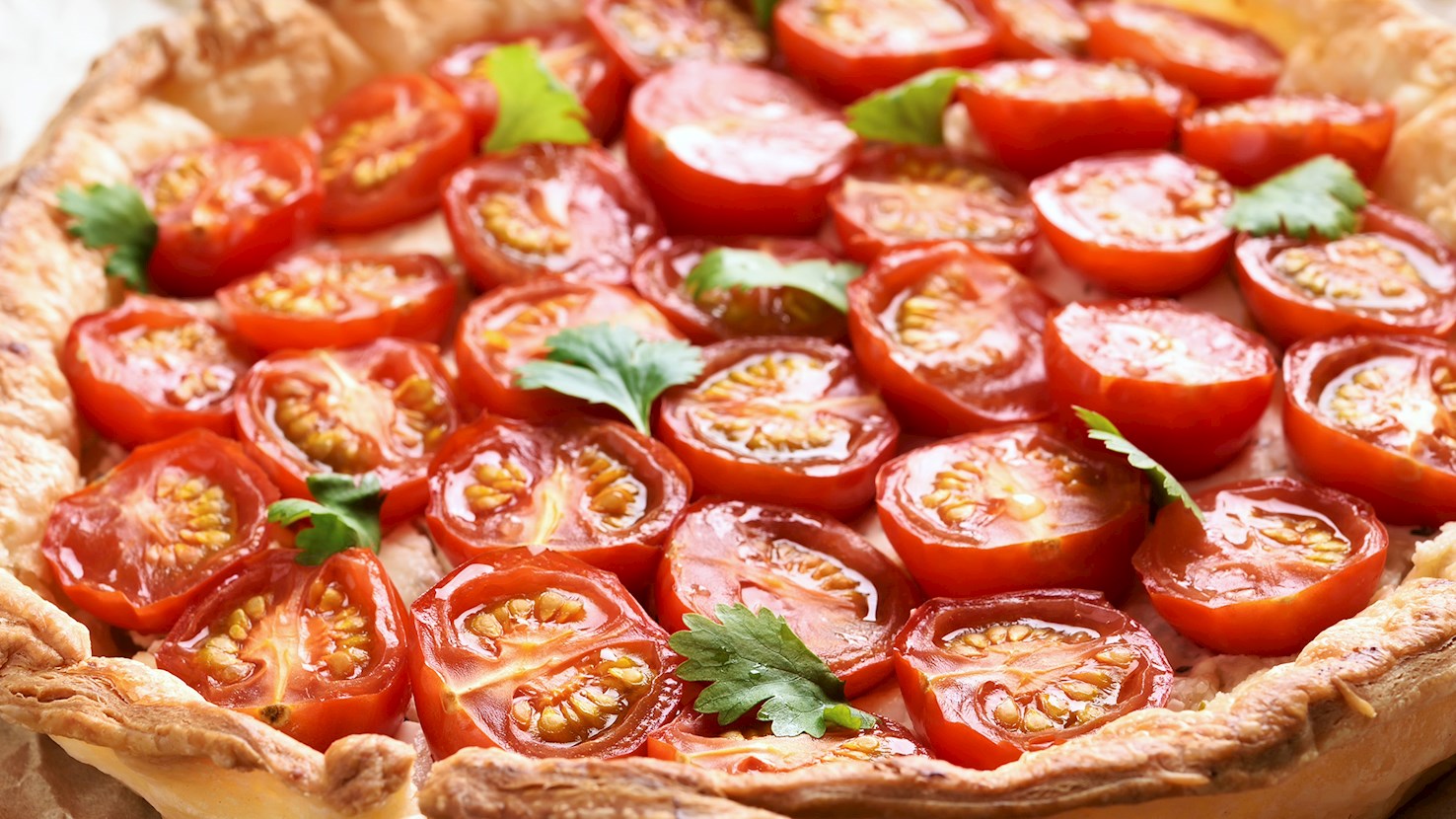
Tomato pie (New Jersey-style) is a thin-crusted dish that inverts the typical pizza's "sauce on the bottom, cheese on top" formula, and it is basically pizza in reverse. Dating back to the 19th century, this dish is derived from Sicilian pizza and is typically found in Sicilian-American communities. The ingredients are mostly the same as for the regular pizza, the only difference being that the cheese in tomato pie is added first, while the tomatoes are added on top. Ideally, the crust should be thick and crispy. Although there are many varieties of tomato pie, pizza joints in Trenton, New Jersey are said to follow the most authentic recipe.
Colorado-style pizza or Colorado mountain pie is a unique version of a pizza originating from Colorado. The pizza has a thick, braided crust and it's made with honey instead of sugar. The braid acts as a barricade which holds the numerous toppings from spilling out on the sides. It was invented at Beau Jo's, where customers can create their own pie by choosing from a combination of over 50 different topping ingredients. At the end of the meal, the customers usually dunk the crust in honey, which is traditionally served on the side. Although Colorado-style pizza is often compared to Chicago deep-dish pizza, those are baked in the oven for more than 40 minutes, while Colorado-style pizza is baked in a gas-powered oven for about 10 minutes. Due to the fact that there are so many toppings on the pizza, it's sold by the pound. At Beau Jo's, the dough is made fresh throughout the day, every 3 to 4 hours, and the ingredients and vegetables are always fresh and cut daily, making it a great value for money.
TasteAtlas food rankings are based on the ratings of the TasteAtlas audience, with a series of mechanisms that recognize real users and that ignore bot,
nationalist or local patriotic ratings, and give additional value to the ratings of users that the system recognizes as knowledgeable.
For the “24 Worst Rated North American Pizzas” list until October 16, 2026, 3,524 ratings were recorded, of which 3,091 were recognized by the system as legitimate.
TasteAtlas Rankings should not be seen as the final global conclusion about food. Their purpose is to promote excellent local foods,
instill pride in traditional dishes, and arouse curiosity about dishes you haven’t tried.






What People Say