

shutterstock

23 Worst Rated Indian Vegan Dishes

Last updated on May 21, 2026
01

Gajar matar

2.7 ·

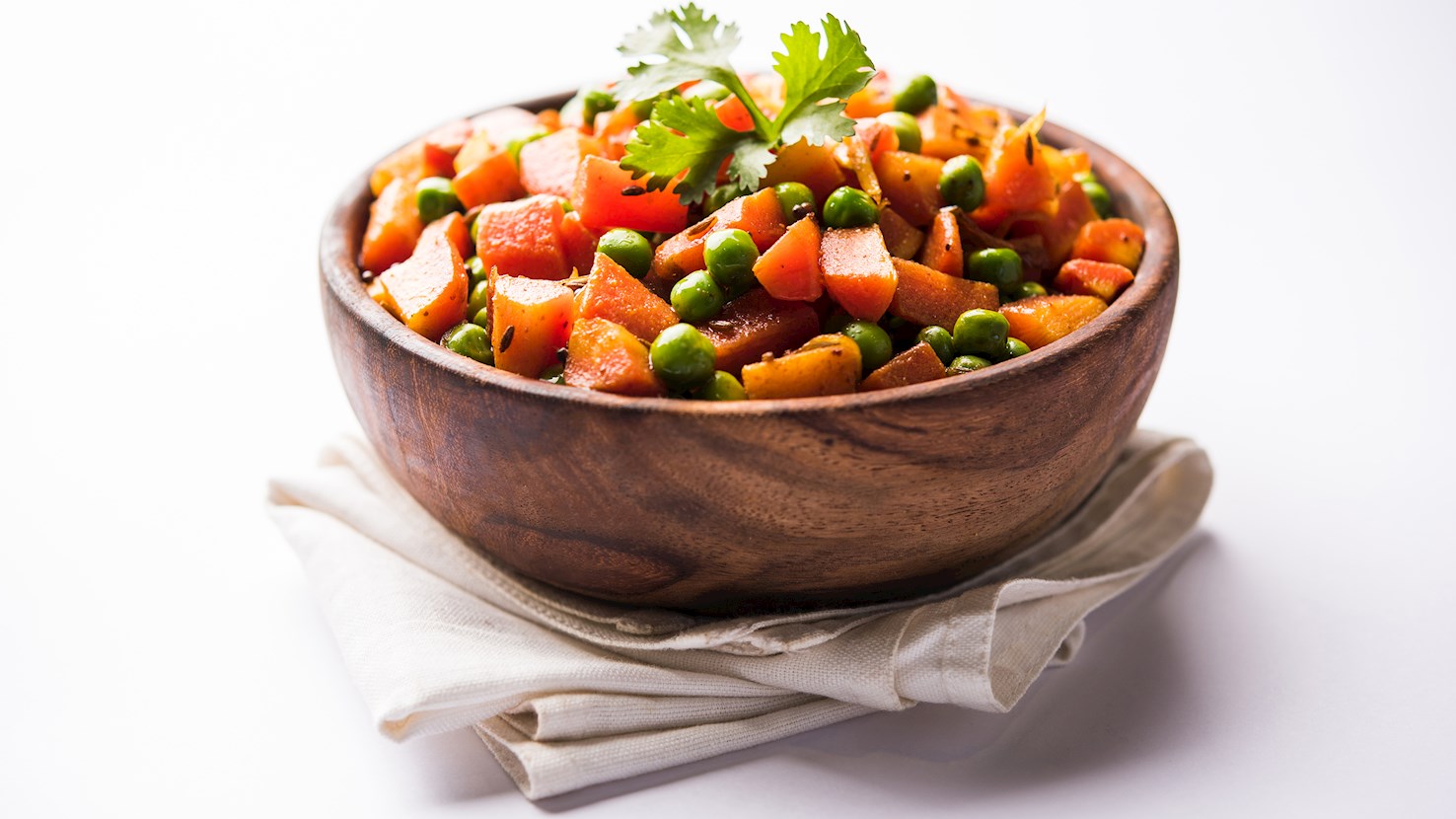
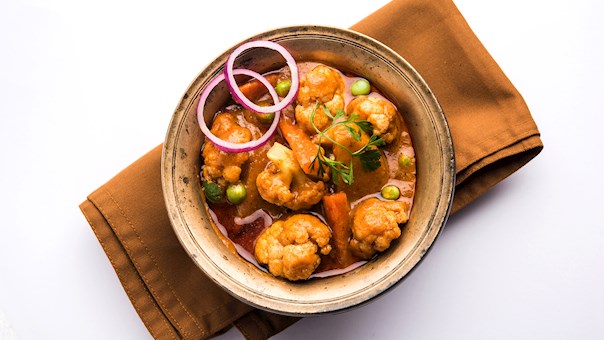
Gajar matar is a traditional vegetable-based dish originating from Punjab, where it's considered a wintertime staple. This stir-fry is usually made with a combination of peas, carrots, oil, cumin, onions, hot chili peppers, garlic, ginger, coriander, tomatoes, and salt. All of the ingredients are stir-fried, often with the addition of water, while the chopped tomatoes, peas, and carrots are added near the end of cooking. In order to finish the dish, the heat is reduced to low, the pan is covered, and the dish is cooked until the vegetables are tender. It's recommended to serve gajar matar with hot rotis on the side.

02

Matar Mushroom

2.8 ·

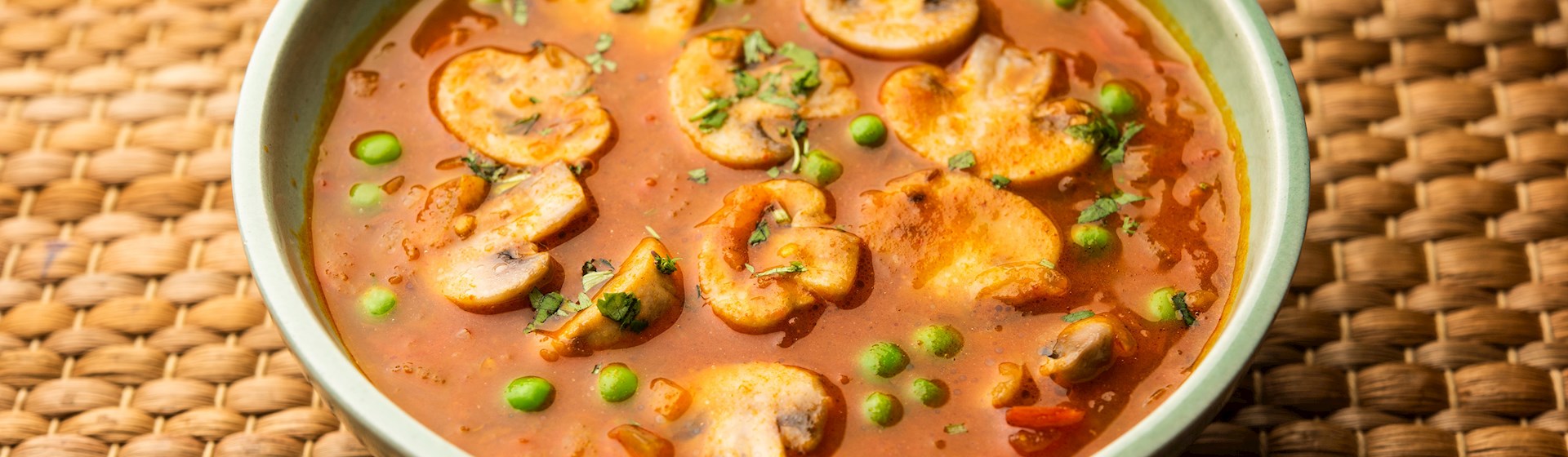
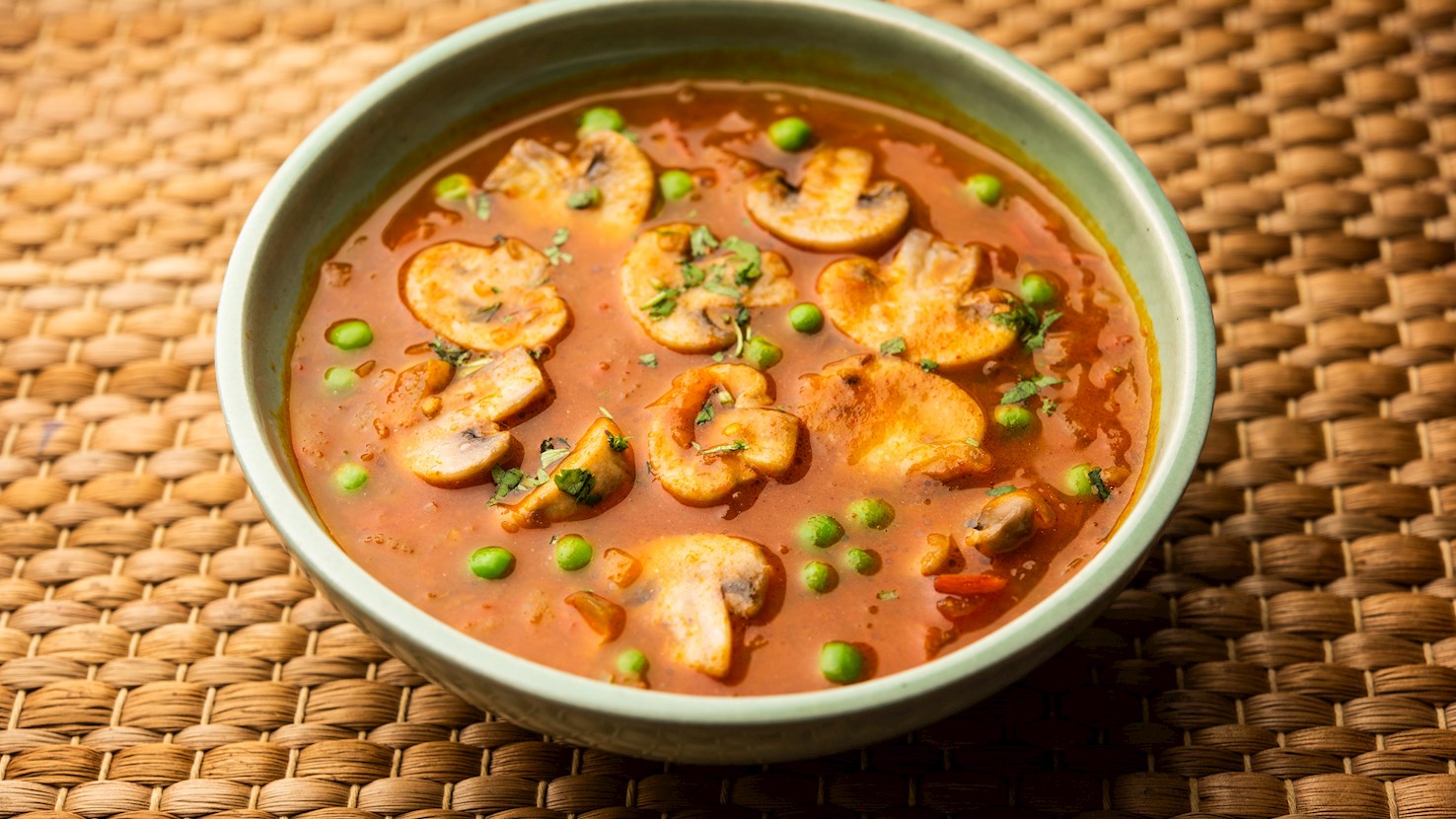
Matar mushroom is a traditional dish made with mushrooms and green peas as the main ingredients. Other ingredients include onions, tomatoes, ginger-garlic paste, green chili peppers, cumin, oil, garam masala spices, turmeric, coriander, and red chili powder. The gravy is prepared first, while the peas, mushrooms, and turmeric are added to the pot near the end of cooking. The combination is simmered until done, and the dish is often garnished with chopped coriander leaves. It’s recommended to serve this vegan dish with jeera rice and roti or chapati flatbread on the side. Matar mushroom can be prepared in two versions – dry curry or gravy, depending on personal preferences. It’s especially popular during winter, when fresh peas are in season.

03

Aloo baingan

2.9 ·

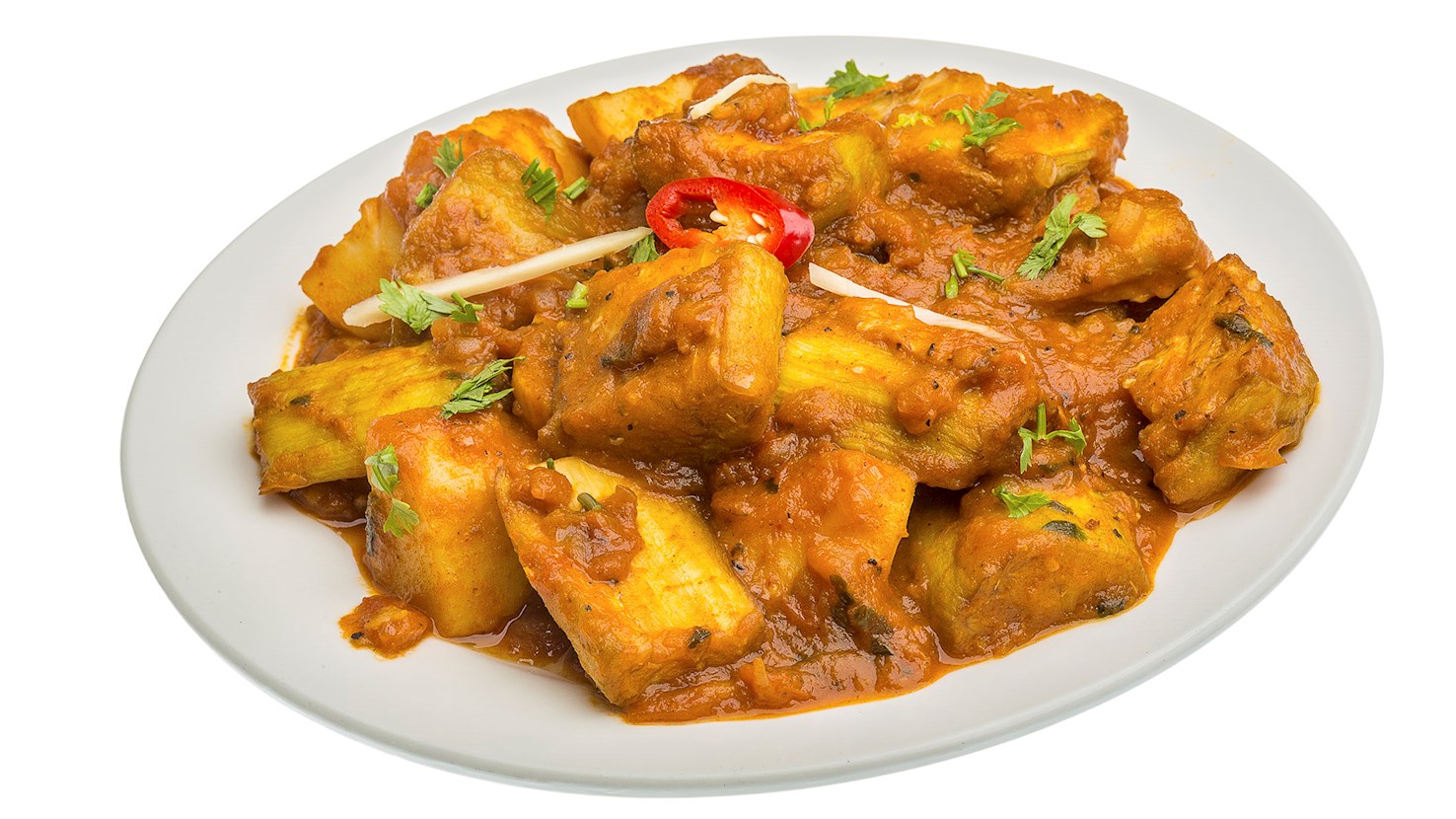
Simple and flavorful, aloo baingan is a dish made with a combination of eggplants and potatoes, cooked together with onions, tomatoes, and various spices. The name of the dish specifies its key ingredients, since aloo means potatoes, and baingan means eggplant. Basically, it is a type of sabzi (dry curry) that is usually served with flatbreads such as roti and naan. Aloo baingan is a popular Indian lunch item that is commonly packed in lunchboxes throughout Northern India. It is said that aloo baingan is even better if made in advance, as the flavors deepen while the dish rests.

04

Panta bhat

2.9 ·

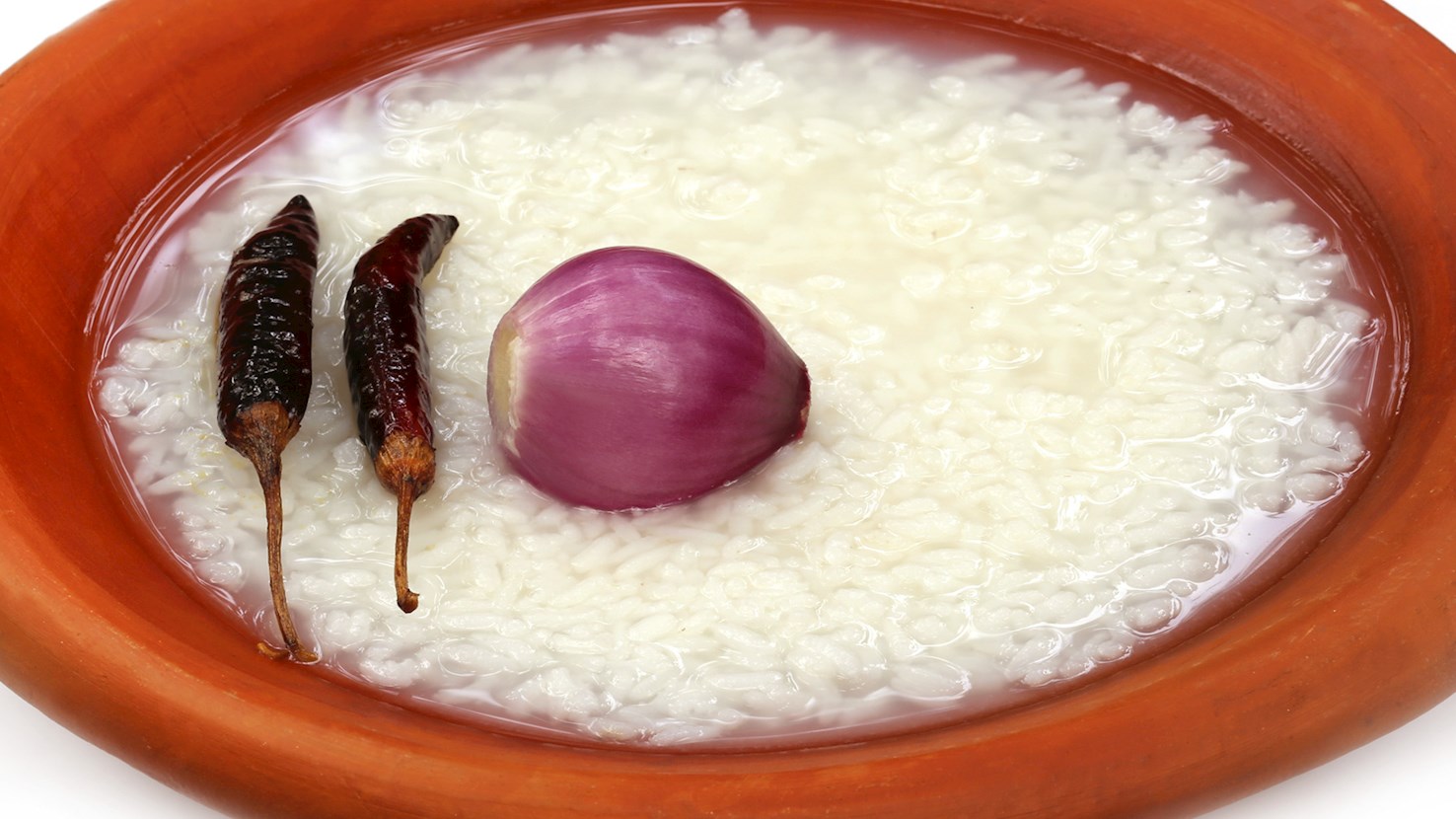
Panta bhat is a simple rice dish prepared by first cooking the rice, rinsing it, and then soaking it in water overnight. The dish is rich in minerals, and it is believed to have health-beneficial effects. Because it is usually enjoyed chilled, it is a favorite summer treat, and apart from being a typical everyday breakfast, it is also regularly prepared for special occasions such as Bengali New Year and Pahela Baishakh festivity. The dish is usually topped with fresh green chili peppers, salt, and onions, and when served with fried ilish fish it goes under the name panta ilish.

05

Aloo shimla mirch

3.1 ·

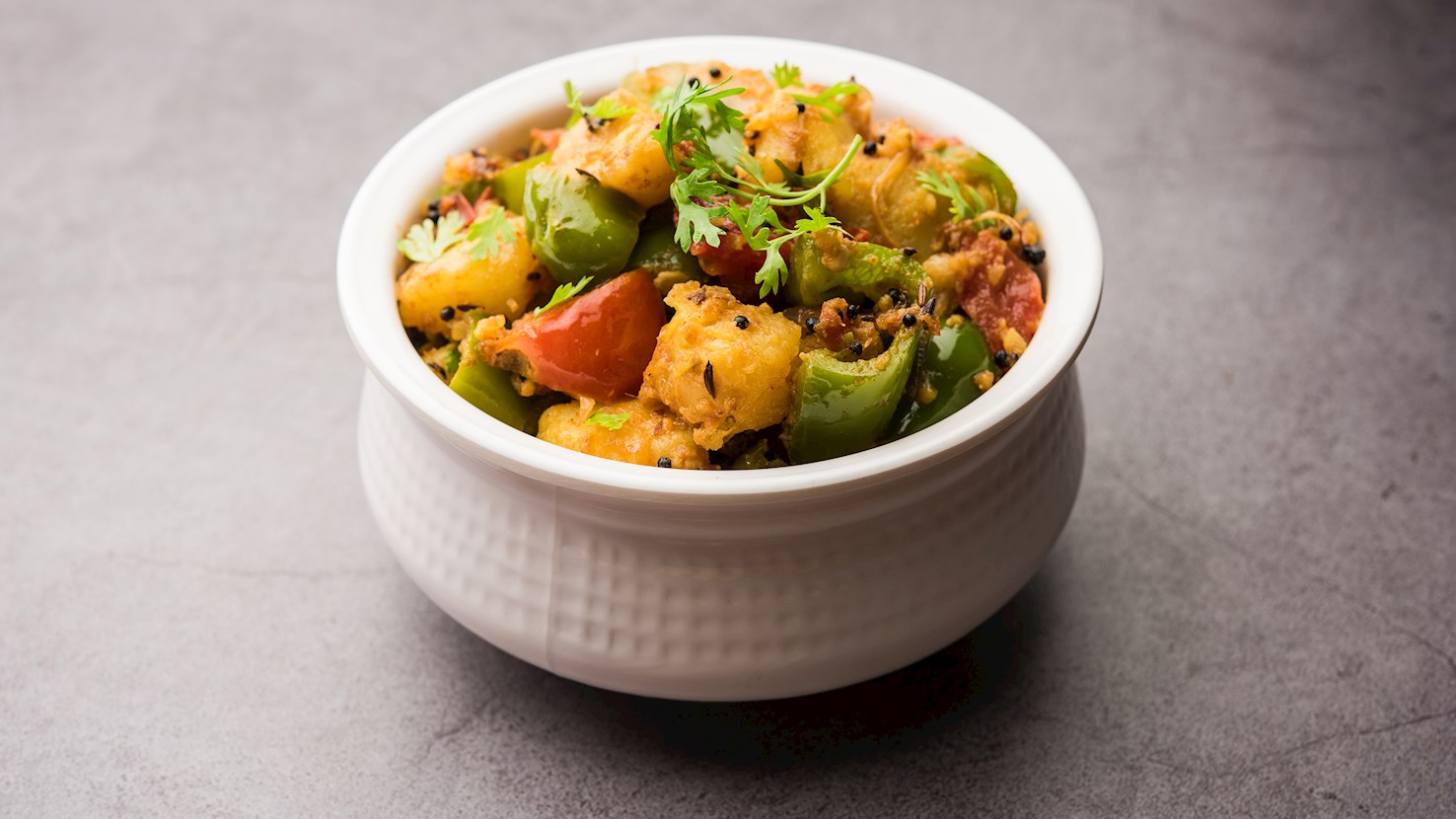
Aloo shimla mirch or aloo capsicum is a traditional dish originating from the northern parts of the country. The dish is usually made with a combination of potatoes, bell peppers, hot peppers, ginger, onions, cumin, oil, fenugreek leaves, turmeric, red chili powder, garam masala, and salt. The cumin is fried in oil with onions and ginger. The potatoes are peeled, chopped, and added to the pan. The mixture is fried over low heat for a few minutes and then mixed with the rest of the ingredients. The dish is stir-fried until the bell peppers are cooked, and aloo shimla mirch is then served with rice or roti on the side.

06

Kosambari

3.2 ·

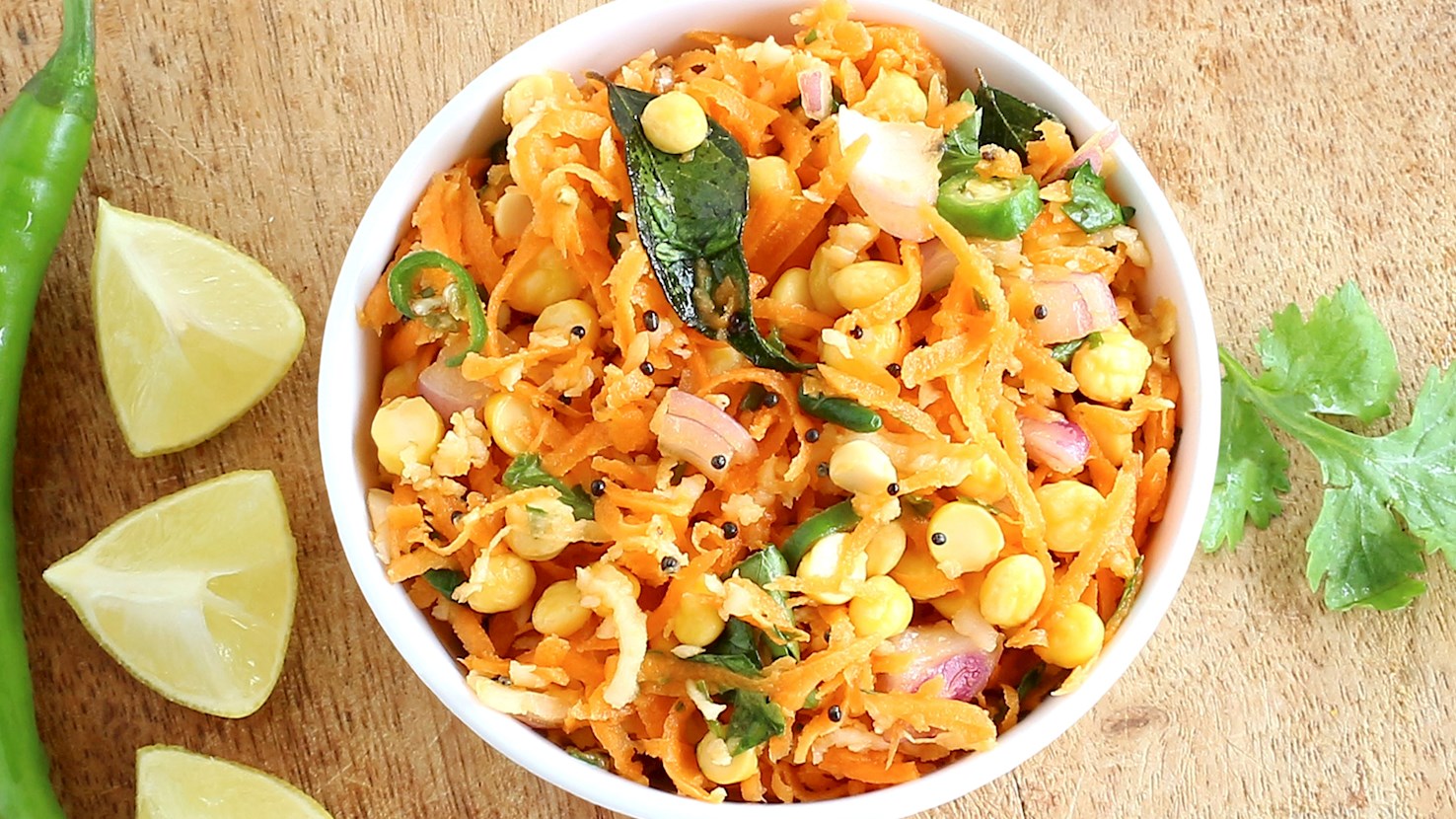
Kosambari is the most popular salad from the Indian state of Karnataka. The salad is made with split legumes such as bengal gram and green gram, and it is additionally seasoned with mustard seeds. The dish is well known for being easy to prepare and for having a high protein count. It is popular as an appetizer at most feasts, celebrations, and festivals, while in most temples it is offered as prasada - a religious offering. Kosambari is often additionally flavored with cucumber slices or rice, and although it is usually served as an appetizer, it is also a healthy main meal or a snack.

07

Aloo methi

3.3 ·

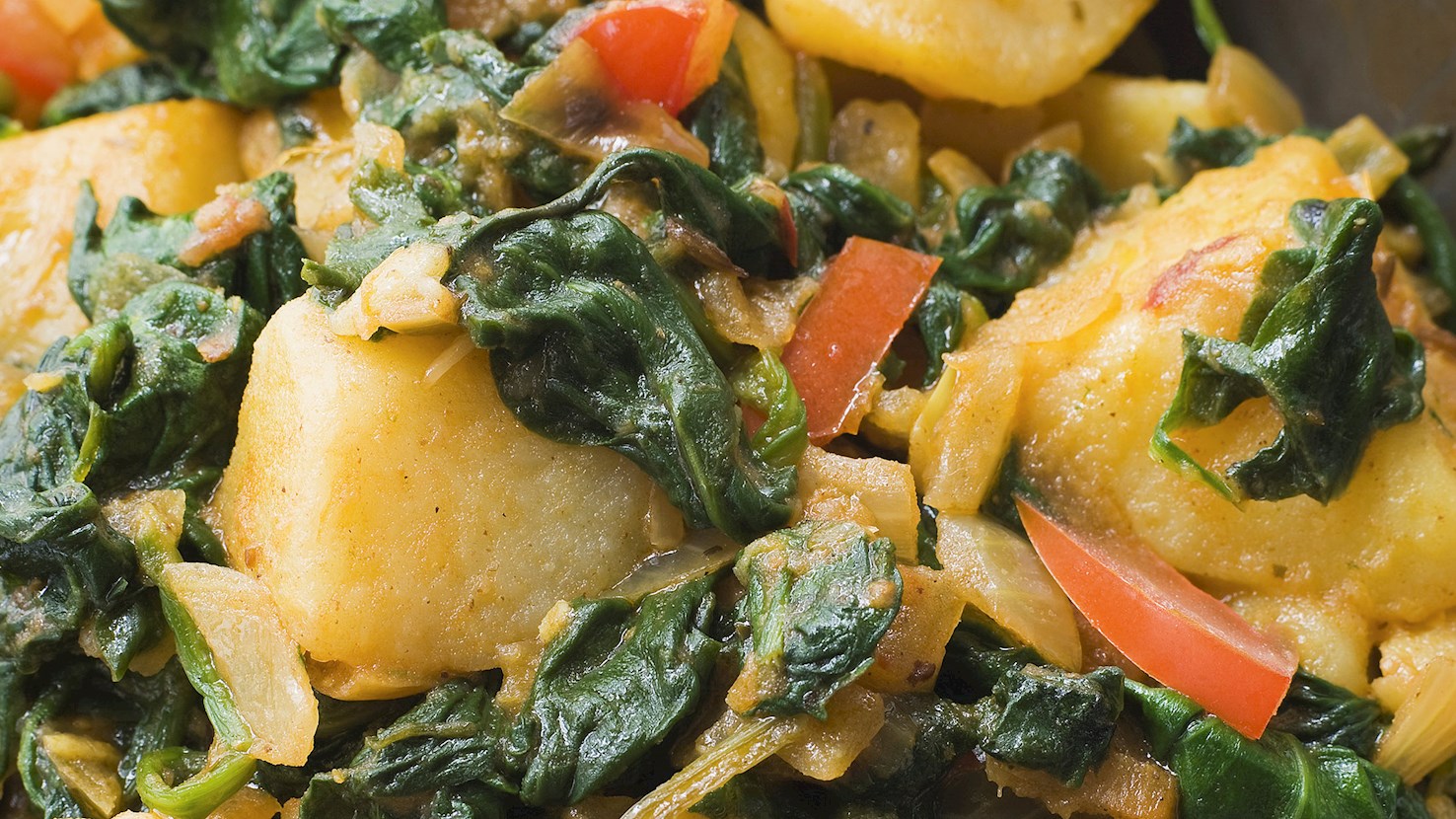
Aloo methi is a popular vegetarian dish from North India, made with a combination of potatoes, fresh methi (fenugreek) leaves, and spices such as cumin, coriander, and turmeric. The dish is very common in numerous North Indian homes, where it is prepared as a type of dry curry. One of the key ingredients - bitter and tangy fenugreek leaves - are known for their medicinal properties, such as lowering blood sugar. Aloo methi is best paired with rice or Indian flatbreads such as roti and paratha.

Best restaurants
08

Aloo posto

3.3 ·

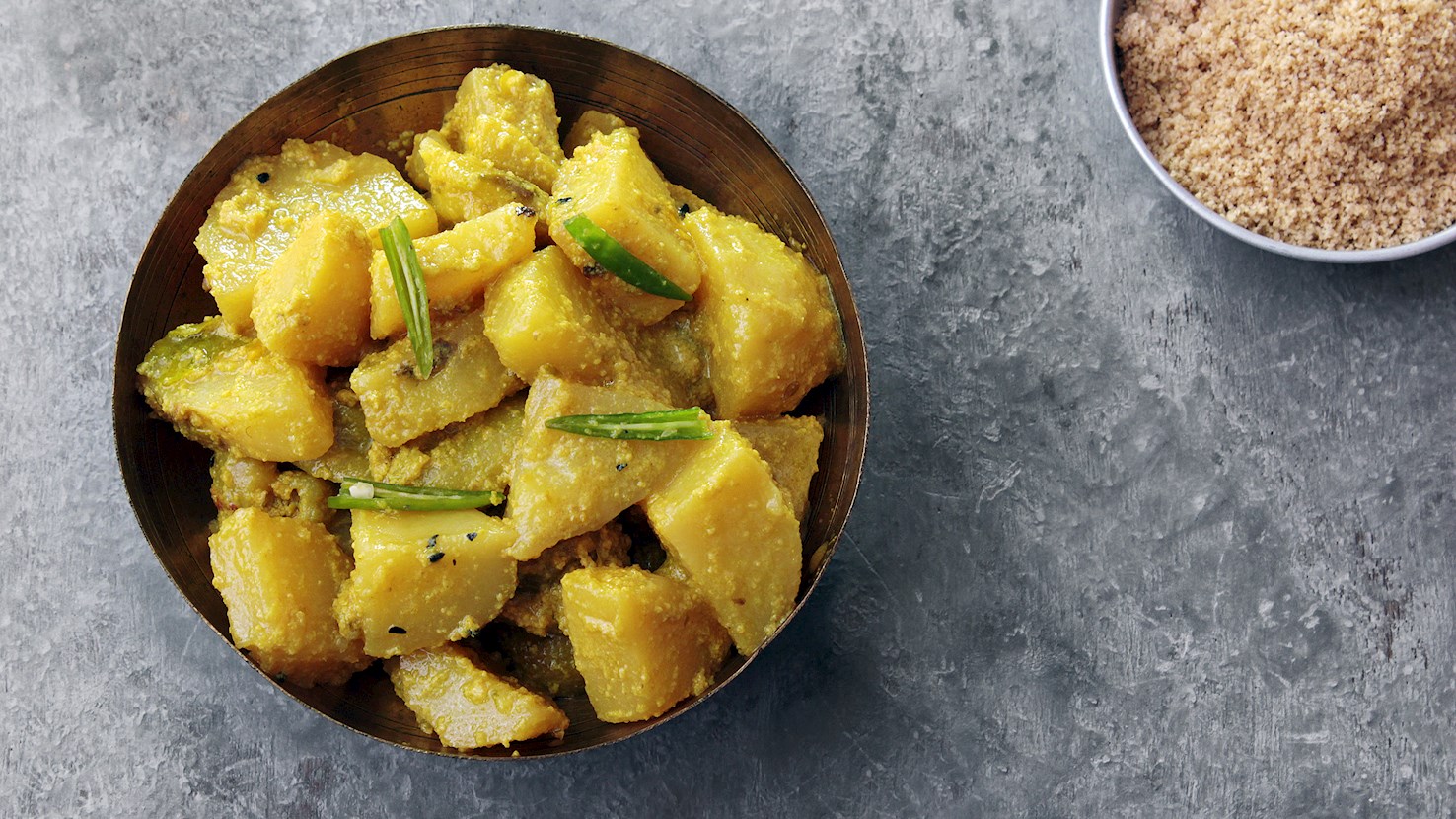
Aloo posto is a traditional potato dish originating from Bengal. The dish consists of potatoes cooked in poppy seed paste and it's usually made with a combination of potatoes, poppy seeds, dried red chili peppers, lemon juice, vegetable oil, and salt. The poppy seeds and dried red chili peppers are ground into a paste. The potatoes are cut into quarters and fried in oil over medium heat until soft and golden. The poppy seed paste is fried in the same oil, and the potatoes are then added back to the pan or wok. The dish is seasoned with salt, covered with a bit of water, and cooked until the water evaporates. Once removed from the heat, lemon juice is stirred in the dish and aloo posto is ready to be enjoyed. It's recommended to serve aloo posto with dal and steamed rice on the side.

09

Avial

3.4 ·

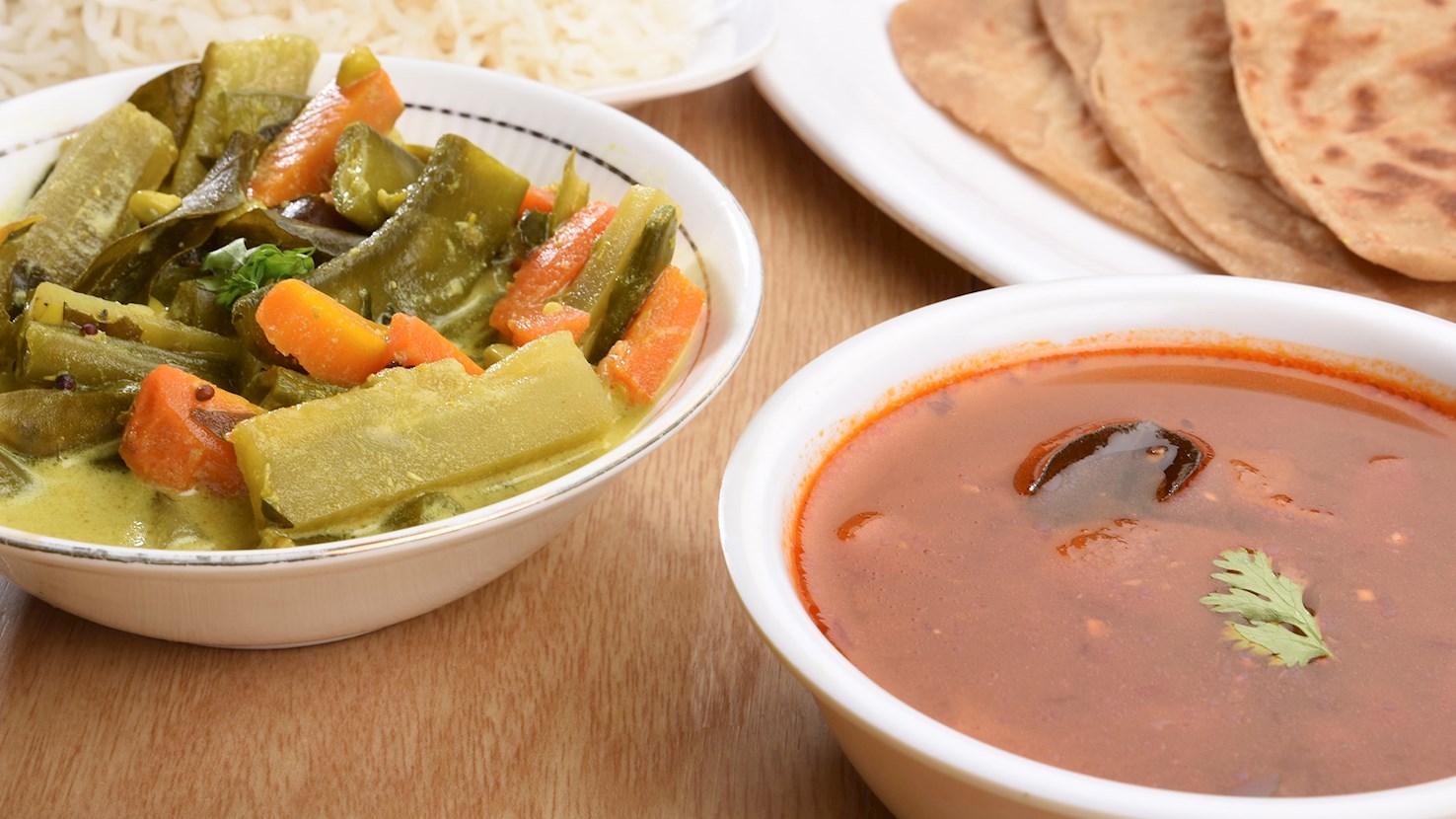
Avial is an Indian dish with origins in the Kerala region, although it is equally popular in Tamil Nadu and Udupi. Its name means to be cooked, and the dish consists of a combination of vegetables, coconut, and curry leaves. Avial is an integral part of the Indian vegetarian feast called Sadhya. The key to making a great avial is to pay attention to the vegetables, which need to have contrasting colors, such as winter melon, carrots, and beans. There are numerous theories and stories about the origin of avial. One says that a king did not like to see anything wasted, so he ordered his chef to make a dish out of vegetable leftovers, and avial was created as a result. Another one says that the dish was invented by Bhima, a warrior who was disguised as a cook during his exile, so he sliced some vegetables, boiled them, added coconut, and the dish became quite popular. Regardless of its origins, avial remains a colorful, tasty staple of South Indian cuisine.

10

Mirchi ka salan

3.4 ·

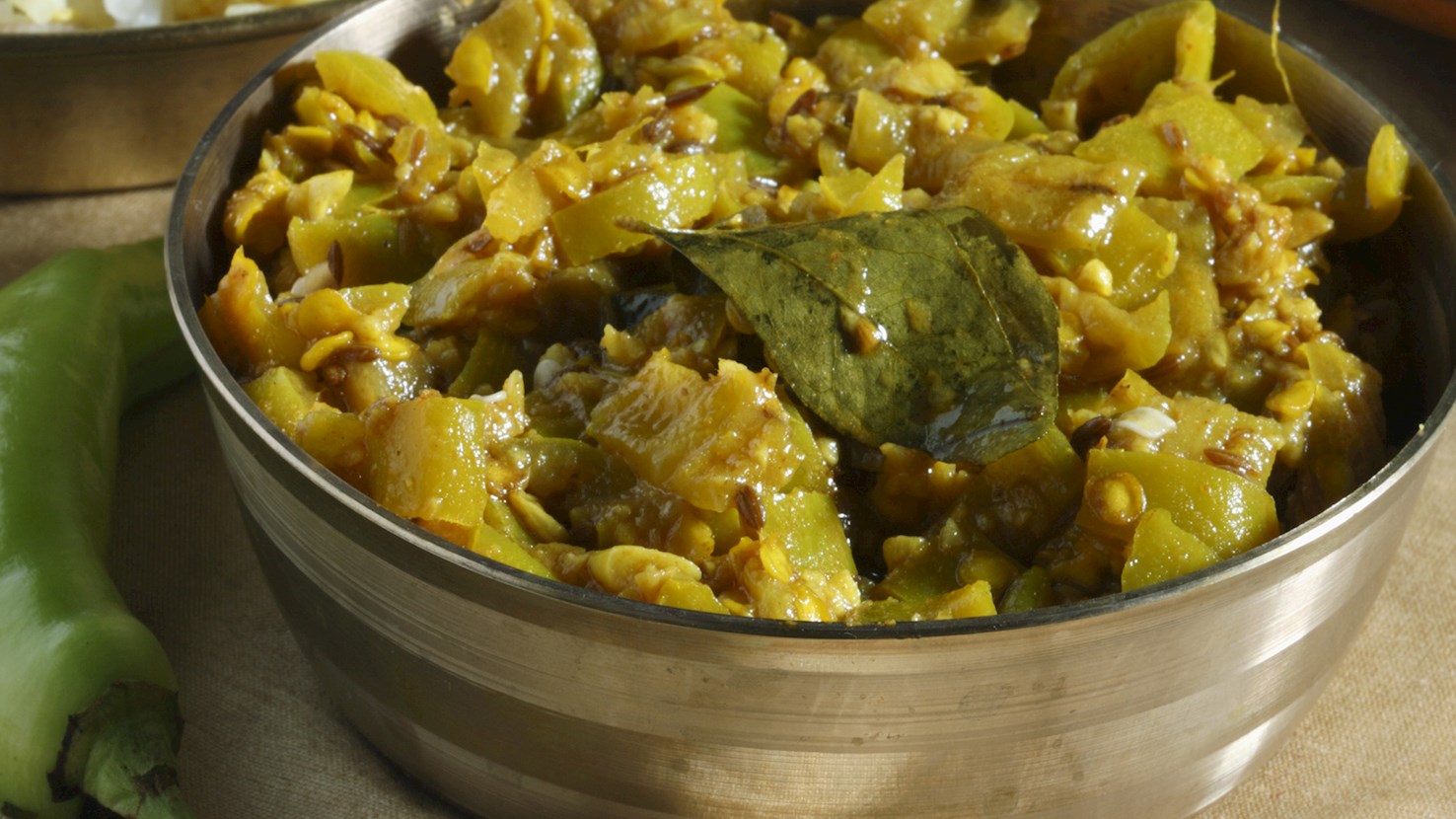
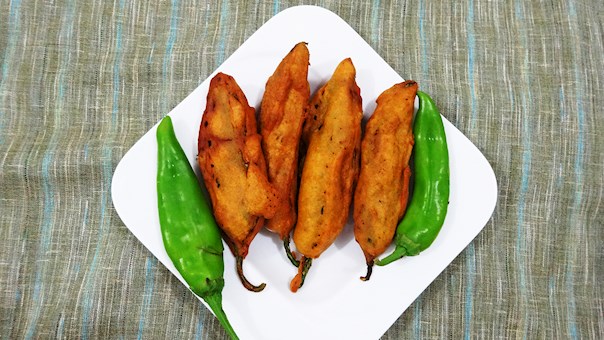
Mirchi ka salan is a variety of curry hailing from Hyderabad. It's made by simmering fried mild green chilis in a piquant mixture of peanuts, coconut, fried onions, sesame seeds, ginger and garlic paste, and a variety of spices. The curry is usually enhanced with a variety of spices and tamarind or lemon juice for an extra kick of tanginess. Typical spices used in the preparation include chili powder, cumin seeds, coriander seeds, mustard seeds, turmeric, curry leaves, fenugreek seeds, and nigella seeds. Mirchi ka salan is typically consumed warm with fresh coriander leaves on top, and it is an excellent accompaniment to Hyderabadi biryani or plain rice, but it can also be paired with naan, roti, or other types of Indian bread on the side.

Read more
View all
View map
About this ranking

TasteAtlas food rankings are based on the ratings of the TasteAtlas audience, with a series of mechanisms that recognize real users and that ignore bot, nationalist or local patriotic ratings, and give additional value to the ratings of users that the system recognizes as knowledgeable. For the “23 Worst Rated Indian Vegan Dishes” list until May 21, 2026, 1,513 ratings were recorded, of which 1,112 were recognized by the system as legitimate. TasteAtlas Rankings should not be seen as the final global conclusion about food. Their purpose is to promote excellent local foods, instill pride in traditional dishes, and arouse curiosity about dishes you haven’t tried.

Similar lists