


shutterstock

3 Worst Rated Korean Pork Cuts

Last updated on May 21, 2026
01

Daeji galbi

3 ·

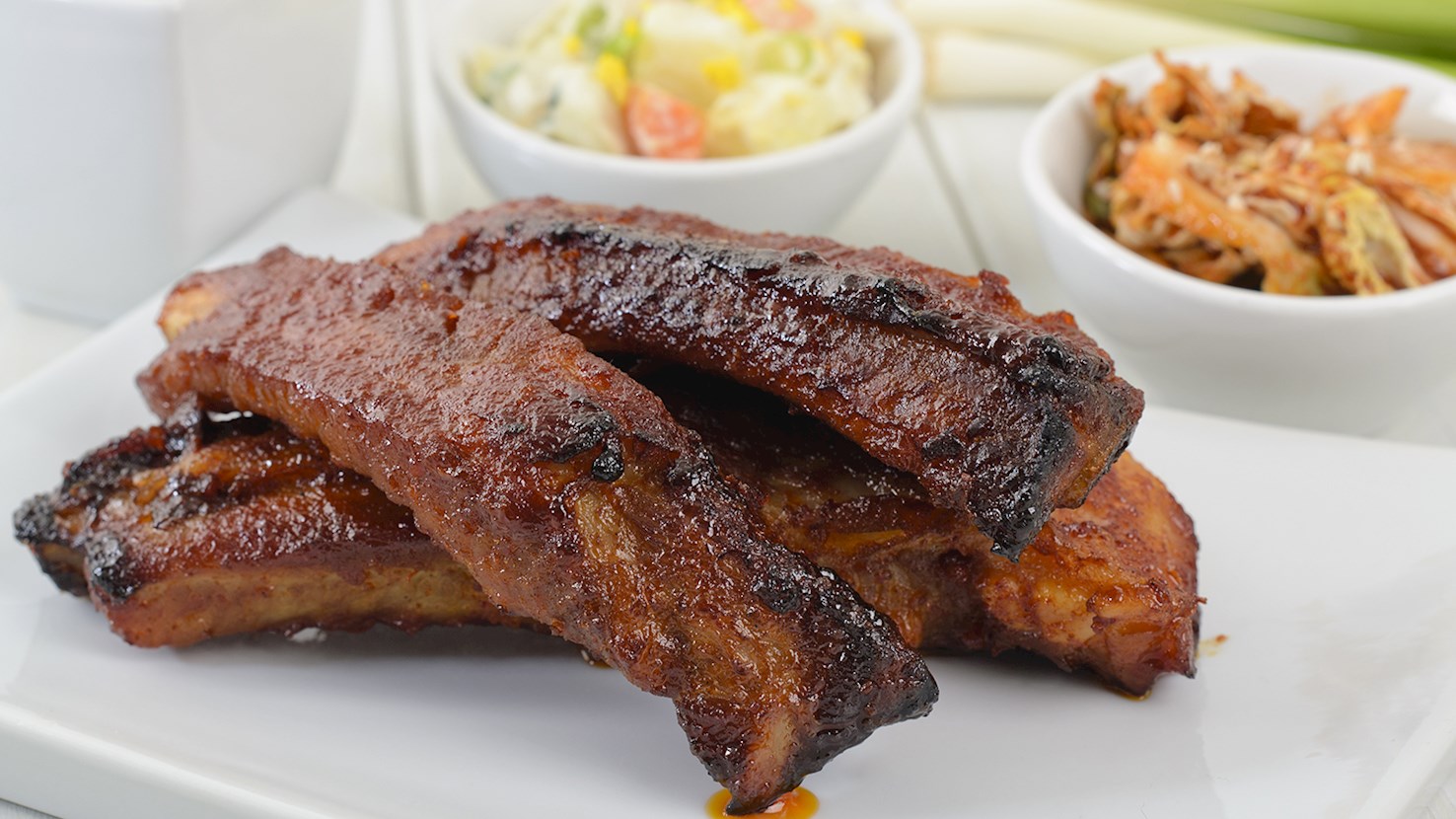
Daeji galbi or daejikalbi is a Korean name for pork ribs, a cut of pork that’s usually used for traditional Korean barbecue. The ribs are marinated before grilling, often in a combination of ginger, onions, garlic, gochujang red chili pepper paste, sugar, soy sauce, sesame oil, and black pepper. If you order daeji galbi in a restaurant, in some places you might get a combination of ribs and moksal (pork neck). Once grilled, the pork ribs are often served with cold noodles on the side.

02

Galmaegisal

3.6 ·

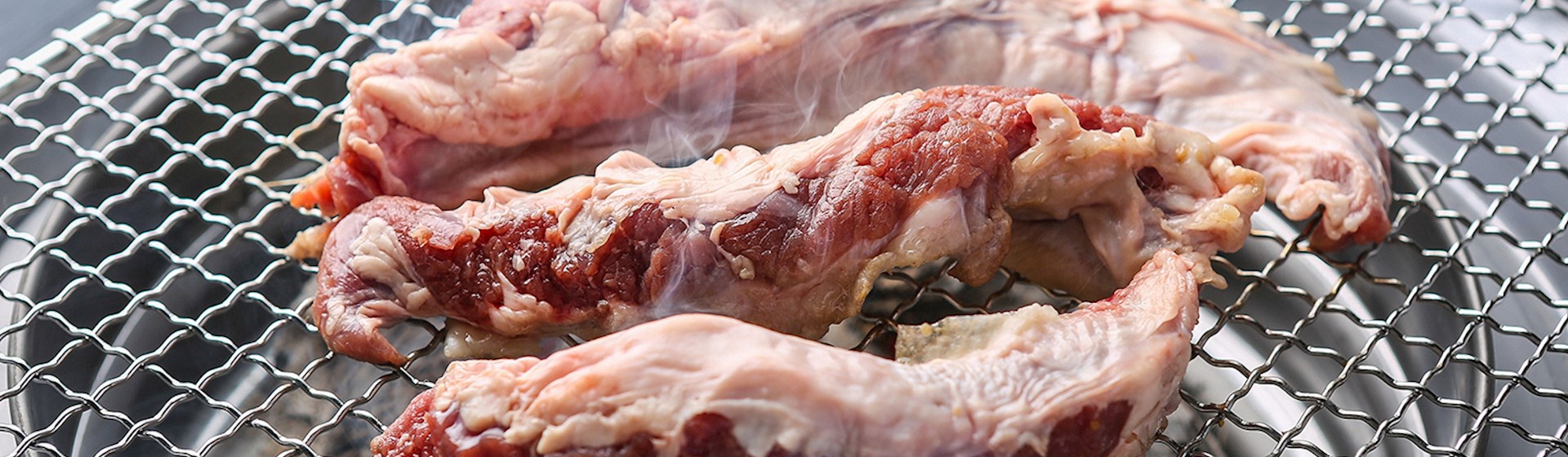
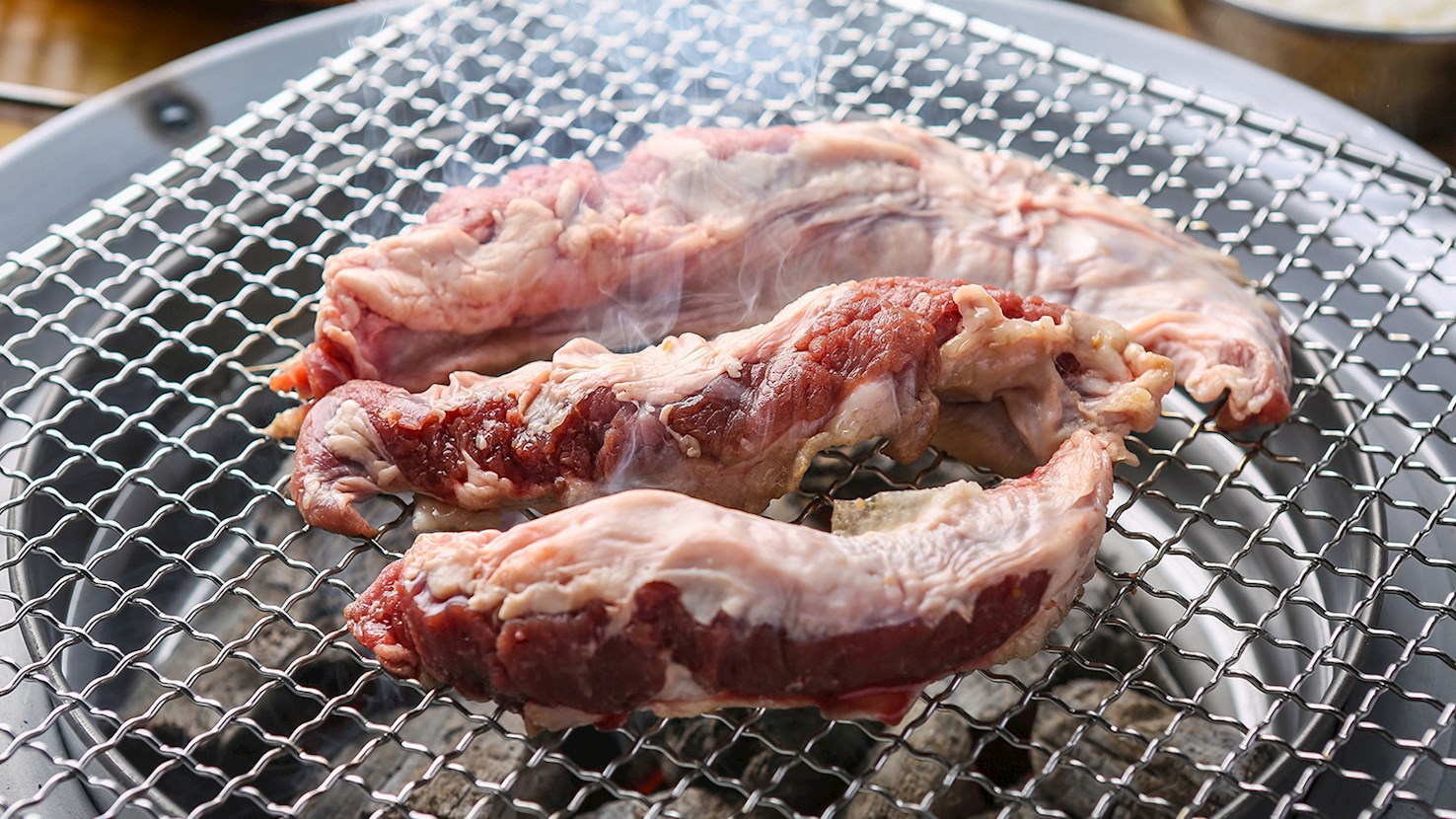
Galmaegisal or kalmaegisal is a Korean name for skirt meat, a pork cut that’s sliced into thin strips after it’s been grilled on a traditional Korean barbecue. The texture of galmaegisal is chewy and tougher than other pork cuts due to the fact that the meat is attached to the diaphragm of the animal. This cut is especially popular in the Mapo region and it’s a great alternative to the fattier samgyeopsal (pork belly). Interestingly, many people claim that it tastes less porky than samgyeopsal as well.

03

Hanjeongsal

3.9 ·

Hangjungsal or hanjeongsal is a Korean name for pork jowl, a pork cut that’s often used in traditional Korean barbecue. Due to the fact that a whole pig provides only about 200 grams of hangjungsal, the cut is less accessible than samgyeopsal (pork belly) and moksal (pork neck). The texture of hangjungsal is crunchy and chewy, while the flavors are heavier than other pork cuts, so it’s not recommended to have too much of it. Hangjungsal has even marbling, and although the texture is chewy, it’s also tender and juicy once it’s been grilled.

Read more
View all
View map
About this ranking

TasteAtlas food rankings are based on the ratings of the TasteAtlas audience, with a series of mechanisms that recognize real users and that ignore bot, nationalist or local patriotic ratings, and give additional value to the ratings of users that the system recognizes as knowledgeable. For the “3 Worst Rated Korean Pork Cuts” list until May 21, 2026, 228 ratings were recorded, of which 205 were recognized by the system as legitimate. TasteAtlas Rankings should not be seen as the final global conclusion about food. Their purpose is to promote excellent local foods, instill pride in traditional dishes, and arouse curiosity about dishes you haven’t tried.

Similar lists