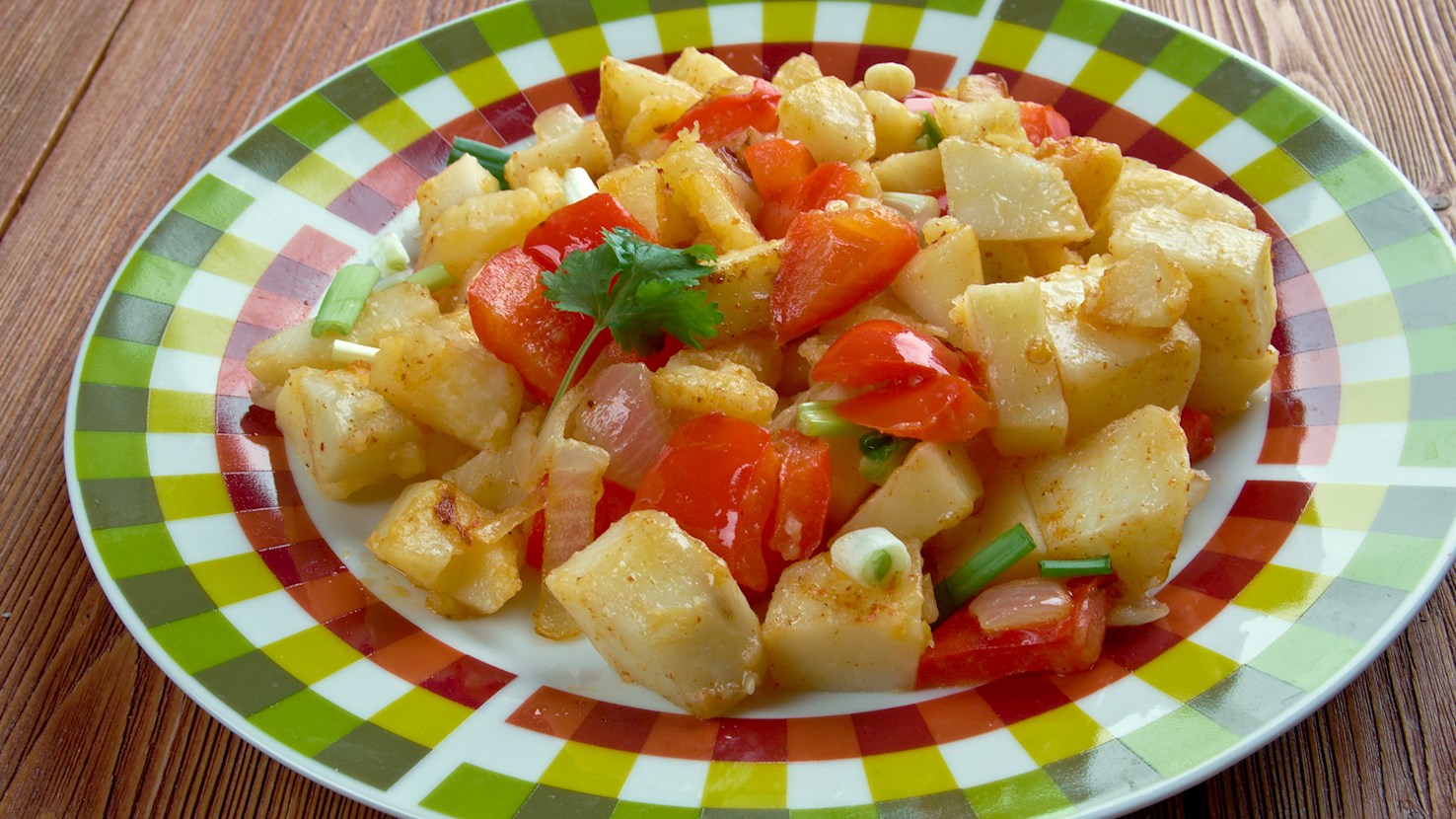
Potatoes O'Brien is a skillet potato dish made with diced potatoes, onions, and bell peppers, fried until the potatoes are browned on the outside and tender in the center. Modern versions commonly use both red and green bell peppers, although older recipes often call simply for green pepper. The mixture is served hot and is particularly familiar as a breakfast side. The potatoes are cut into small, even cubes so they cook and brown at roughly the same rate. Russets work well because their high starch content produces a crisp exterior and fluffy center, but they are not required. Yukon Gold and other all-purpose or waxier potatoes are also commonly used and hold their shape particularly well in the skillet. The potatoes can be fried from raw, but parboiling them briefly first makes the process faster and more reliable. A few minutes in boiling water softens the center without fully cooking the cubes. After draining and drying, the potatoes can be transferred to the skillet and browned without needing a long frying time. Butter, vegetable oil, bacon fat, or a combination of fats can be used. Bacon grease gives the potatoes a stronger smoky flavor, while butter produces a richer browned surface. Olive oil or another neutral cooking oil gives a lighter result. The skillet should be hot enough to brown the potatoes steadily but not so hot that it smokes. Once the potatoes are added, they are left relatively undisturbed for several minutes at a time to let a crust develop. Stirring constantly prevents the surfaces from staying in contact with the pan long enough to brown properly. Chopped onions and bell peppers are added during cooking. They are generally added after the potatoes have already begun to brown because they soften much faster and release moisture into the pan. Cooking them just until tender preserves some texture while allowing their natural sweetness to develop. Green bell pepper is especially characteristic of older forms of the dish. Red bell pepper became part of the familiar modern combination and gives potatoes O'Brien its recognizable mixture of white or golden potatoes with red and green vegetables. Onion completes the basic trio. Salt and black pepper are the simplest seasonings. Garlic, paprika, garlic powder, onion powder, parsley, and other herbs or spices can also be used, but the dish does not depend on a complicated seasoning mixture. The dish was established in the United States by the early twentieth century, but competing stories place its creation in both Boston and Manhattan. One account associates it with a Boston restaurant called Jerome's, while another attributes it to Jack's restaurant in Manhattan. Neither claim has been firmly established as the definitive origin. Potatoes O'Brien were already known by 1912. A surviving American newspaper menu from May 8, 1912 lists “O'Brien Potatoes,” and a 1912 book on potatoes reproduces a menu from Denver's Brown Palace Hotel listing “Potatoes, O'Brien” alongside hashed brown, au gratin, French-fried, and other potato styles. The dish was therefore already circulating well beyond Boston and New York by that point. The name is sometimes linked to the Irish surname O'Brien and has even been associated with Irish nationalist William Smith O'Brien, but no convincing evidence establishes that connection. Bacon is one of the oldest and most natural additions to potatoes O’Brien. It can be fried first so that its rendered fat is used to brown the potatoes, with the crisp bacon returned to the pan near the end. Diced ham and breakfast sausage are also common additions. Once meat is incorporated in substantial quantities, the dish begins to function more like a breakfast hash than a simple potato side, but the basic combination of potatoes, peppers, and onions remains recognizable. Cheese is another common variation. It can be scattered over the finished potatoes and allowed to melt, but the cubes should remain distinct rather than being bound into a solid mass. An early twentieth-century version even paired O'Brien-style potatoes with processed cheese, showing that cheese variations are not exclusively modern. Replacing white potatoes with sweet potatoes produces a modern variation rather than classic Potatoes O'Brien. Sweet potatoes contain more readily available sugars and brown more quickly, so they need more careful heat control to avoid scorching. Potatoes O'Brien are particularly associated with breakfast and brunch. Eggs are one of the most common partners, whether fried, scrambled, poached, or incorporated into an omelet. Bacon, sausage, ham, toast, steak and eggs, and breakfast casseroles also pair naturally with the potatoes. However, this dish is not limited to breakfast. It also works as a side for steak, pork chops, roasted chicken, and other meat-based meals, where the browned potatoes absorb some of the meat juices while the peppers and onions provide sweetness and freshness.
Soufflé potatoes is an interesting French creation that is made by double-frying potato slices in very hot oil. The potatoes are thinly sliced into uniform slices, then thoroughly dried before being fried. Once fried, the potato slices are removed from the oil and allowed to chill before being fried for a second time in even hotter oil until puffed up, crispy, and golden brown. The traditional accompanying condiment of choice is sauce béarnaise, which is a combination of butter, egg yolks, lemon, and tarragon. This dish is considered an unforeseen culinary invention from the early 19th century that has been attributed to a certain chef named Collinet. Nowadays, it's also a staple of a few restaurants in New Orleans, Louisiana.
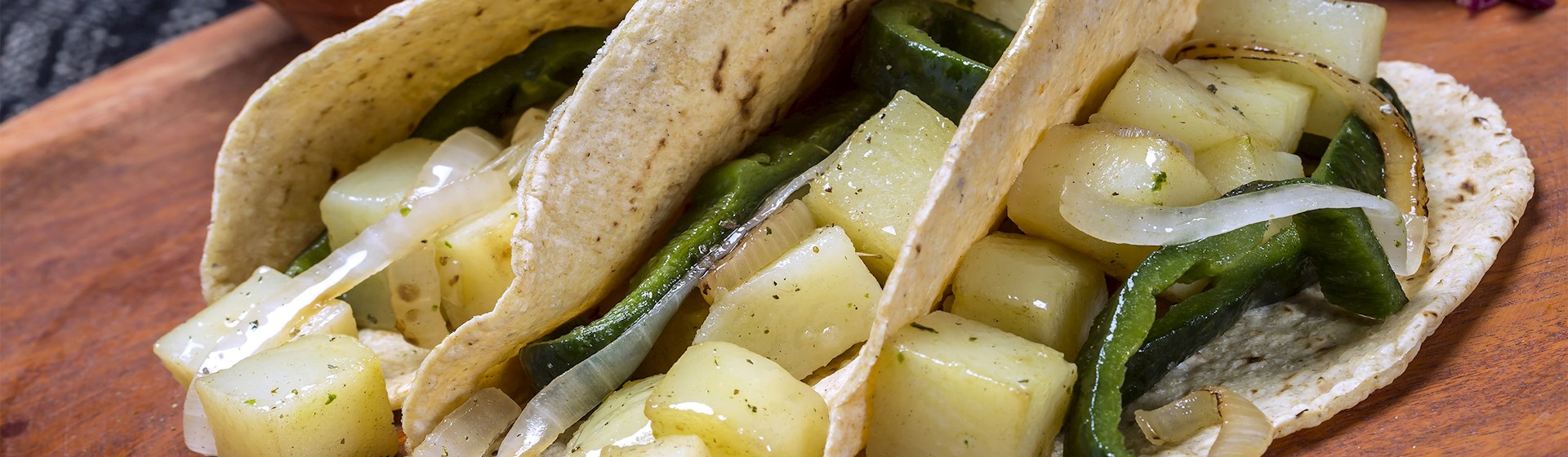
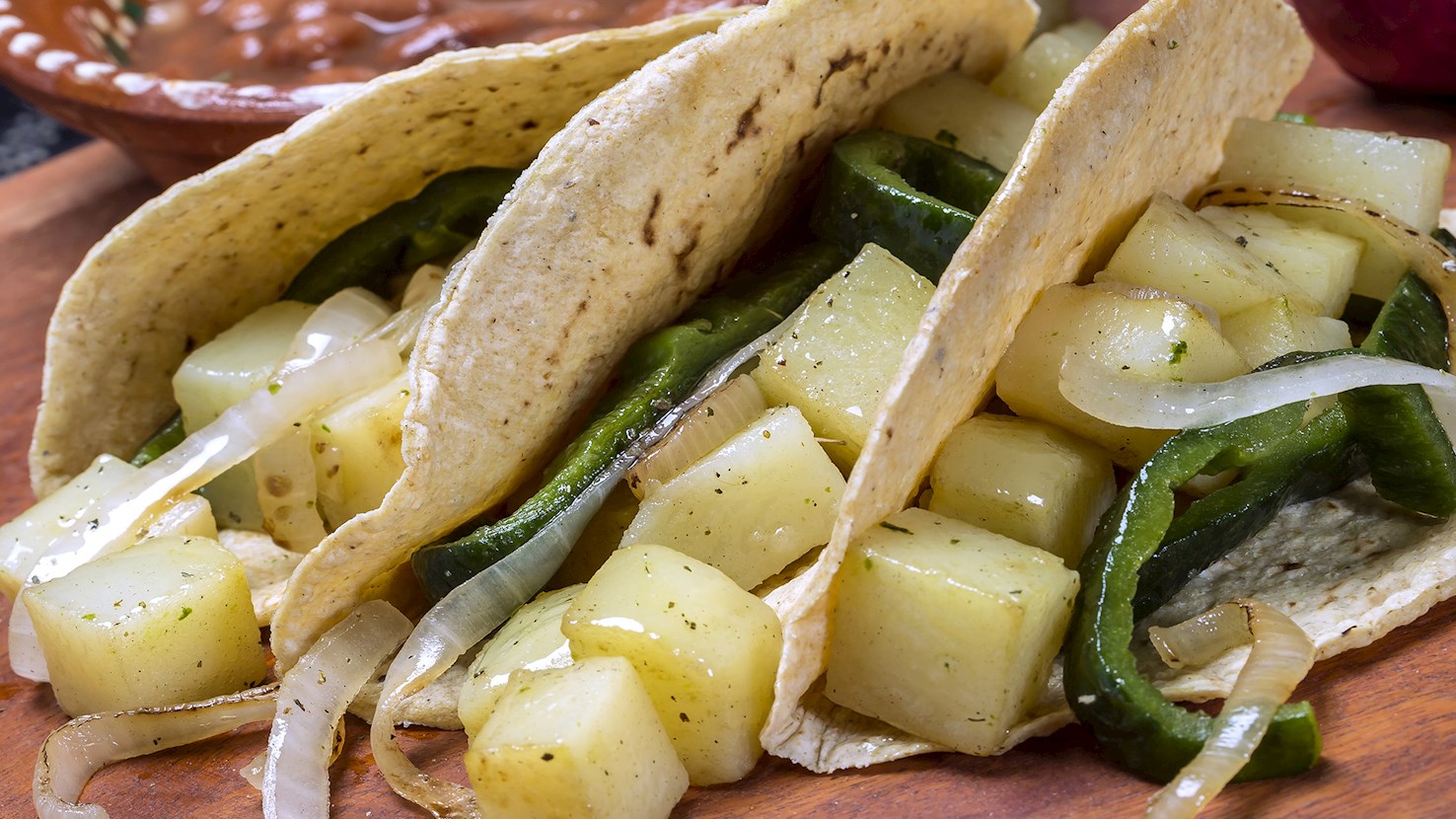
Tacos de papa is a variety of Mexican tacos, stuffed with cumin-spiced potatoes. The tacos are fried until they become crispy and develop a golden brown color. Before consumption, there is a plethora of ingredients to use as toppings: onions, salsa, tomatoes, hot chile peppers, or cheese, although the variations are virtually infinite. In Mexico, potato tacos are usually consumed for dinner or during Lent.
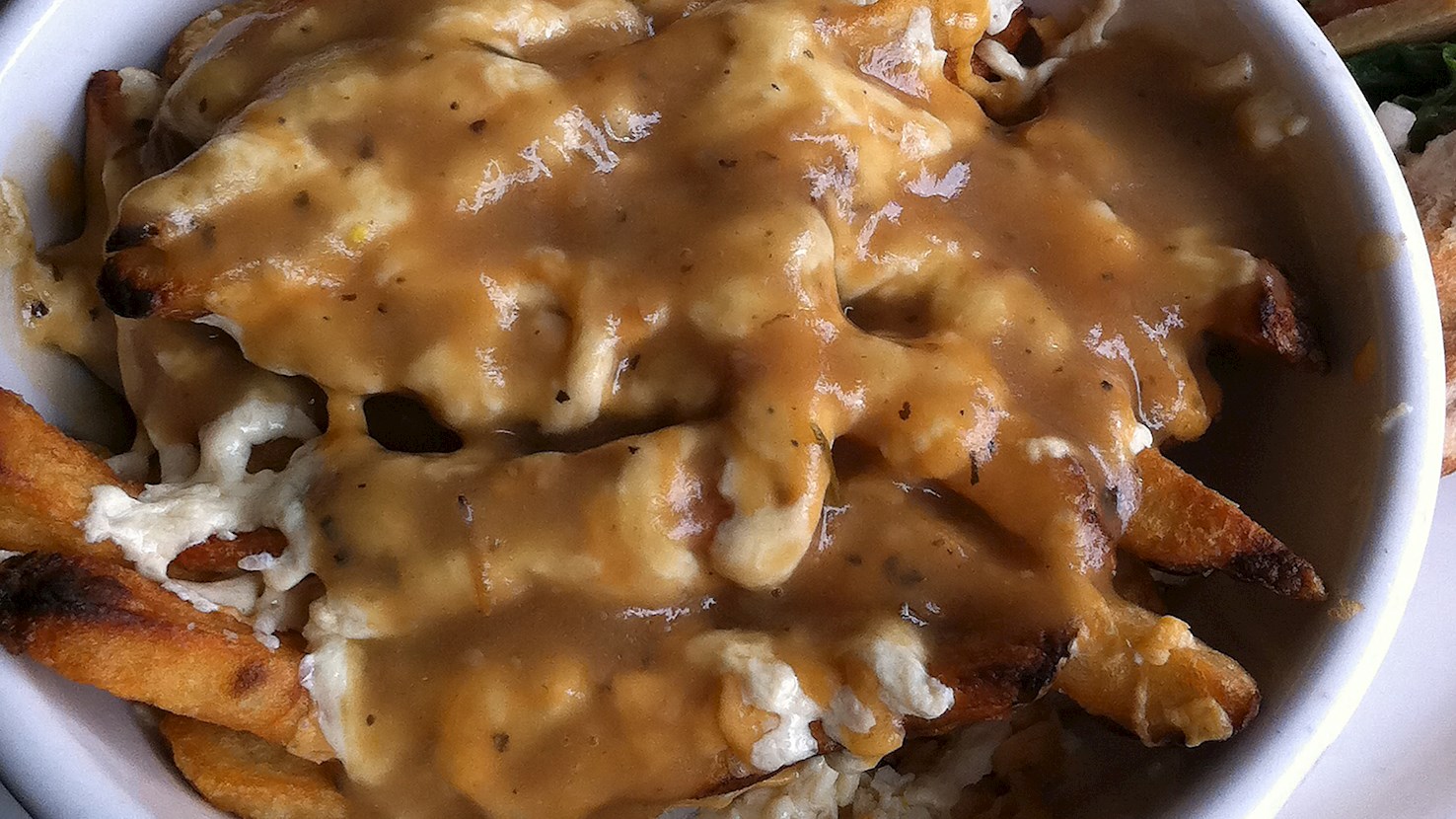
Disco fries is an American side dish consisting of thick cut steak fries that are layered with brown gravy and mozzarella cheese, which can sometimes be replaced with grated American cheese. It is believed that this tasty side dish was inspired by the famous Canadian poutine. Some claim it was invented in the 1970s after a night out in the disco, while others say it only started to appear in the 1990s. Disco fries are still regularly served in New Jersey eateries, and the dish remains popular with tipsy club goers.
Salt potatoes are an iconic side dish coming from the city of Syracuse, New York. The dish is usually served in the summer, when the young potatoes are freshly harvested. The story of salt potatoes starts in the late 1800s, when salt was distilled by boiling water from marshes around the city (Syracuse is well known for its long history of salt production). As there was a large number of Irish workers in the salt springs, they would put the potatoes in the boiling vats and enjoy the meal. There is an organoleptic difference between salt potatoes and regular boiled potatoes - as they cook, salt potatoes develop a crust on the skin which seals them due to the salty boiling water, resulting in a unique, creamy texture once cooked. The dish is often served at clambakes and fairs, traditionally accompanied by a hefty amount of butter, used as a dip. It is also common to buy big packaged bags of salt potatoes, where the producers put the right amount of salt into the bags, making it easier for the home cook to determine the correct ratio of salt and potatoes.
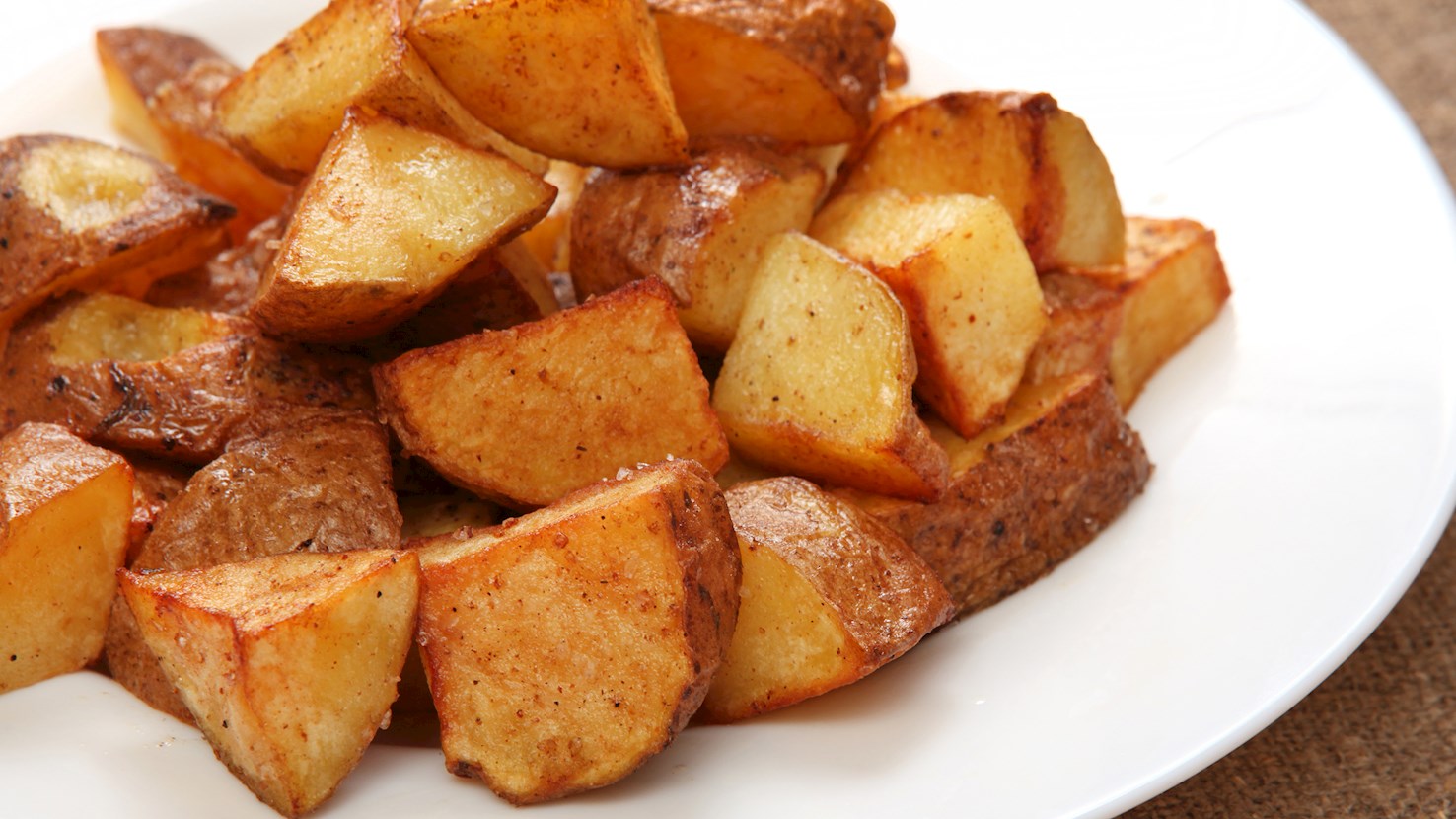
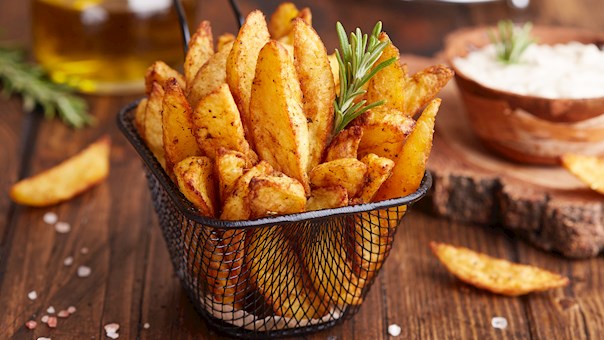
Home fries is a popular American side dish made by frying larger chunks of potatoes in butter or oil until they are crispy and golden in color. The potatoes might sometimes be unpeeled, and they are often shortly boiled or steamed before frying. Home fries are often paired with onions and peppers in the same pan. The dish can be consumed on its own with some salt as a snack, or as a crispy breakfast accompaniment.
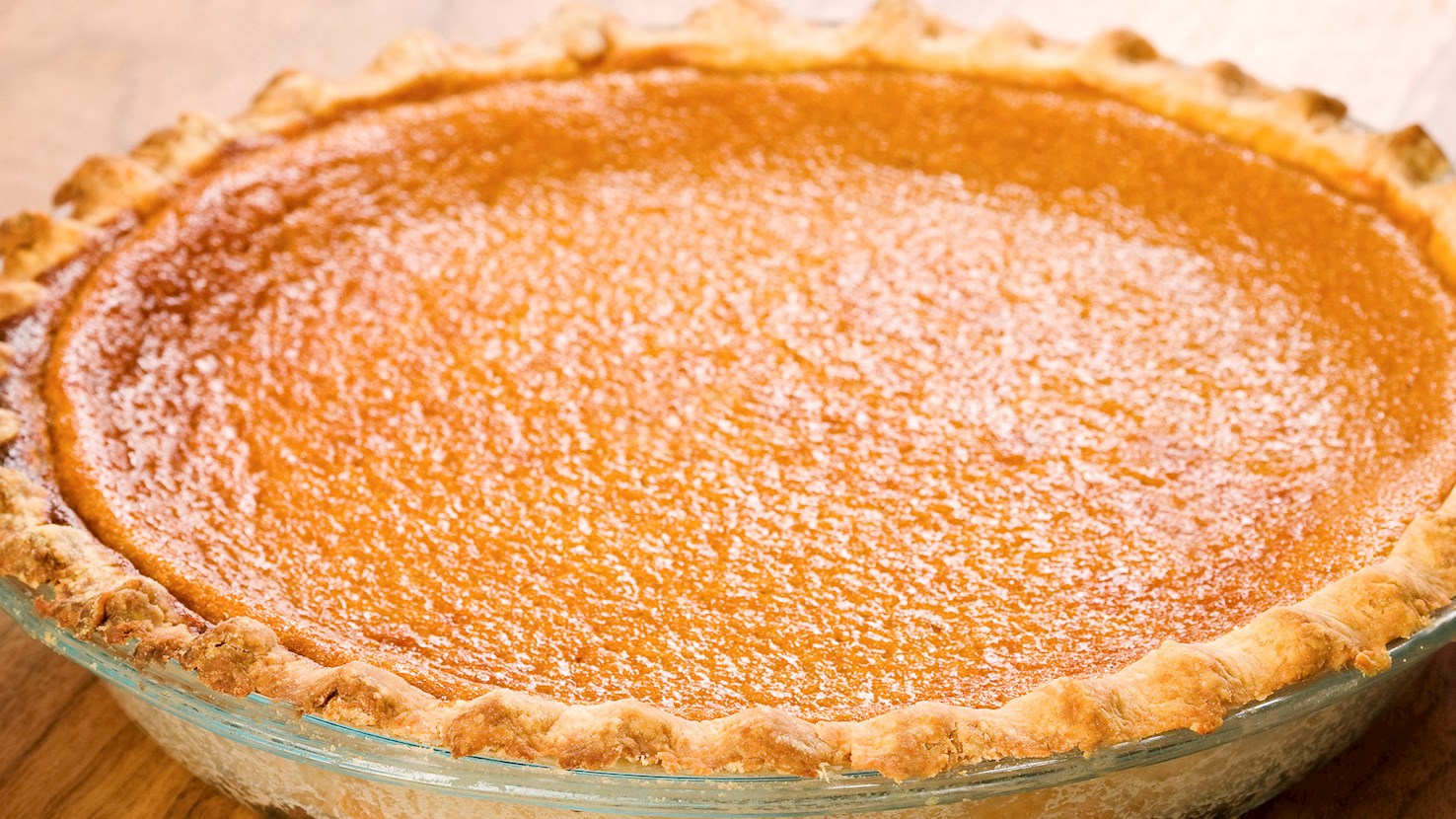
Sweet potato pie is a traditional pie with origins in the southern parts of the United States of America, and it's especially popular in North Carolina. The dessert is prepared as an open pie without the top crust; its interior usually filled a combination of milk, eggs, sugar, and mashed sweet potatoes. It is often flavored with spices such as vanilla or nutmeg in the South, while in the North, some like to top the pie with marshmallow pieces. The tradition of making sweet potato pie in the South has been present since the days of slavery, and African slaves were the first ones to make the dish. First recipes for the pie started appearing in cookbooks from the 18th century onwards. Since the slaves made the pie for celebrations, communal gatherings, and large family meals, that tradition has continued up to this day, and it is commonly prepared for Thanksgiving in the American South.
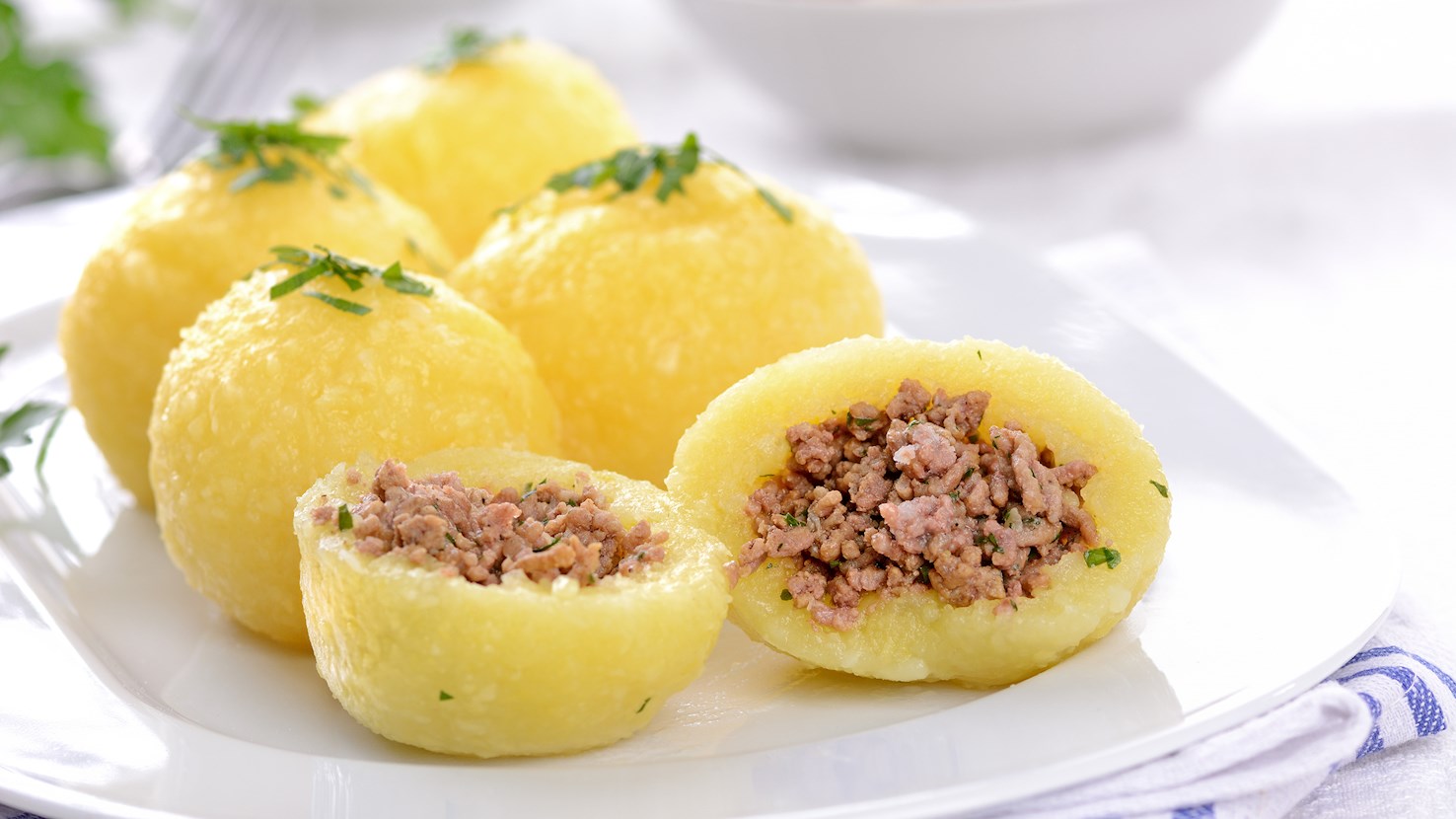
Poutine râpée is a traditional Acadian dish consisting of a boiled potato dumpling that is stuffed with salted pork. The dumplings can be made from grated or mashed potatoes, and they typically have a greyish color and bland flavor. There are a few ways to consume these dumplings: plain, sprinkled with pepper, white sugar, brown sugar, or even molasses. The dish is usually prepared for special and festive occasions such as Christmas.
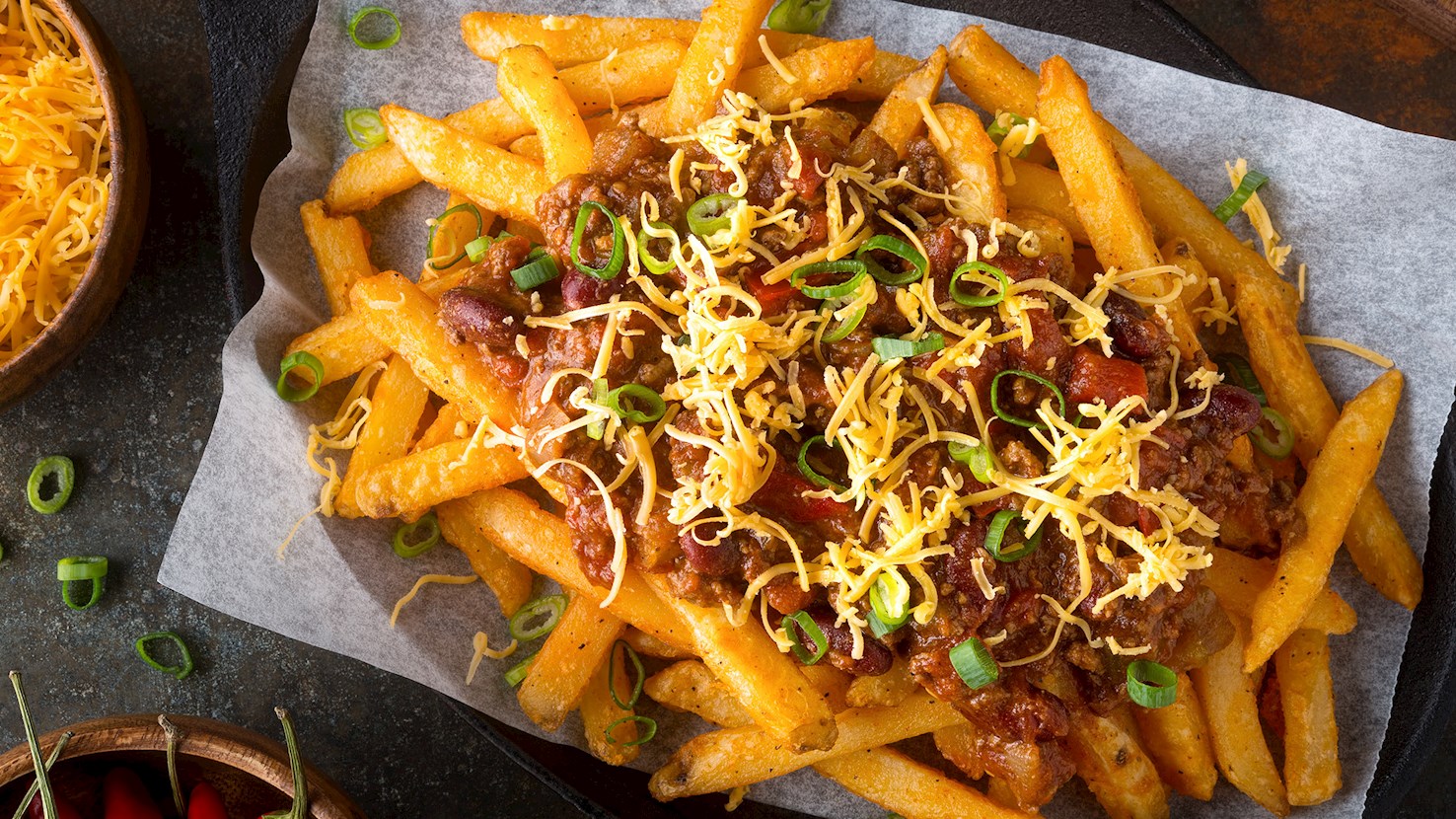
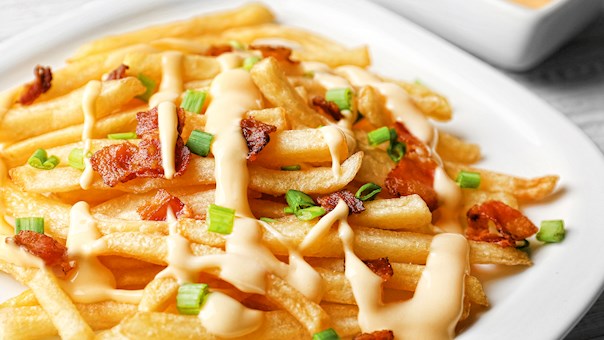
Chili cheese fries are French fries topped with hot chili and cheese, usually melted cheddar, American cheese, or a pourable cheese sauce. The most familiar version spoons beef chili over golden fries, with cheese added on top or underneath. The finished dish combines browned potatoes, a thick meat topping, and melted cheese, often with some uncovered fries remaining crisp around the edges. It is served as a substantial side dish, a shared appetizer, or a meal on its own, particularly in burger restaurants, hot dog stands, diners, and bars. Many origin stories are connected with chili cheese fries, though none can be 100% confirmed. Texans claim a 16-year-old Don A. Jenkins invented the dish while eating lunch at the local Dairy Queen in Tomball, Texas. In Michigan, two local waitresses are believed to have invented the dish by simply combining the ingredients. Similar stories exist in New York, Philadelphia, Chicago, and Missouri, but all that is known is that chili cheese fries were available frozen as early as 1975. Chili is usually made with ground beef, onion, garlic, and ground chiles or chili powder, often seasoned with cumin and sometimes oregano. Tomatoes may be included as tomato sauce, paste, or chopped tomatoes, depending on the recipe. Finely textured chili spreads more readily between the fries than one with large pieces of meat, and many restaurants use the same preparation to top their hot dogs and hamburgers. Beans are optional: both beanless meat chili and versions containing kidney, pinto, or black beans are used. The word chili does not guarantee strong heat. Some toppings are mildly seasoned, while others contain cayenne, chipotle, or hotter chiles; the amount and type of pepper determine how spicy the finished fries taste. Straight-cut fries are typical, but crinkle-cut and waffle fries are also common. Restaurants generally fry the potatoes, while home preparations often use frozen fries cooked in an oven. The fries and chili are cooked separately, then combined shortly before serving. With shredded cheese, the assembled dish may be briefly heated in the oven or under a broiler until the cheese melts. A prepared cheese sauce is poured over the hot fries and chili without requiring that final heating. Some versions use both shredded cheese and cheese sauce, creating a melted layer between the fries and a softer coating on top. The choice of cheese noticeably changes the dish. Cheddar contributes a sharper flavor, while American cheese melts into a smoother, milder layer. Monterey Jack may be combined with cheddar. Cheese sauce gives a more even coating and can be made with cheese, milk or cream, and a thickener, or prepared from a processed cheese product. The familiar toppings don't follow a single fixed arrangement: Original Tommy’s uses American cheese on its beef chili, while Wienerschnitzel’s standard version uses melted, shredded cheddar. Skyline Chili serves its fries with the same chili used on its spaghetti and coneys, topped with shredded cheddar. Common additions include chopped raw onion, sliced scallions, pickled jalapeños, and sour cream. Onion adds a sharper bite, pickled jalapeños add acidity and heat, and sour cream provides a cool, tangy topping. Bacon, diced tomatoes, and ranch dressing appear in more heavily topped versions, but none are necessary for the basic fries, chili, and cheese combination. The dish has a long association with fast-food menus: Wienerschnitzel dates its chili cheese fries to 1961, when John Galardi opened the chain’s first hot dog stand in Wilmington, California. The company still uses its chili on fries, hot dogs, and burgers. Chili cheese fries are sold in individual and larger portions, and some restaurants offer them as an upgrade from plain fries in a combination meal. They are served hot on a plate or in a tray, usually with a fork to gather the potatoes, chili, and cheese.
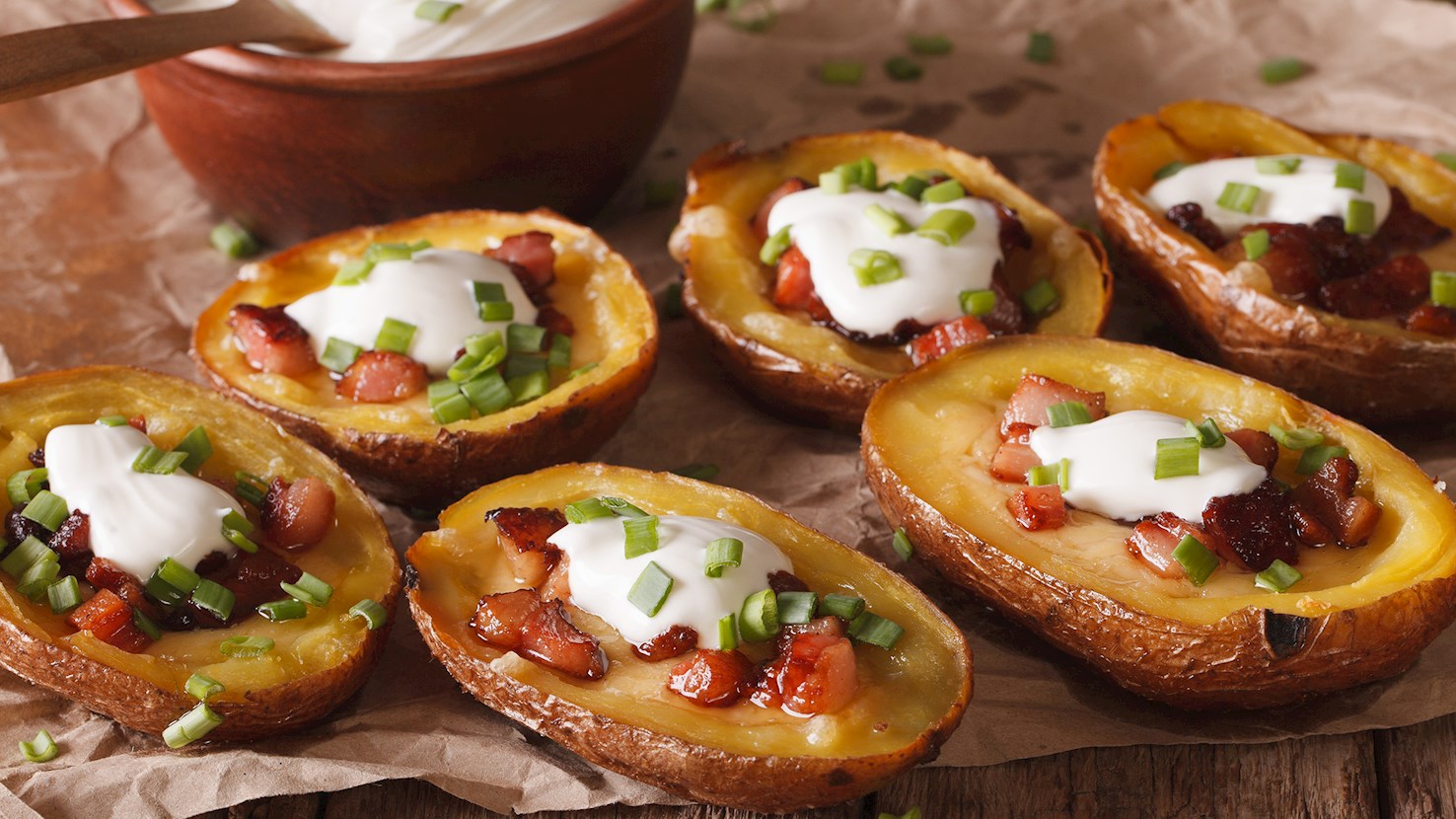
Potato skins are simple American appetizers consisting of unpeeled potato halves that have been hollowed out, deep-fried, then topped with cheese, bacon, or sour cream. They were originally invented as a way to turn potato peels into a profitable meal. Depending on who you ask, there are three restaurants credited with the invention of this popular appetizer in the 1970s: R.J.Grunts in Chicago, TGI Fridays restaurant chain, or the Prime Rib restaurant in Washington, DC. Today, potato skins are a staple of bar food and come in numerous versions, and there is even a fancy version of the appetizer with crabmeat, hollandaise sauce, and asparagus.
TasteAtlas food rankings are based on the ratings of the TasteAtlas audience, with a series of mechanisms that recognize real users and that ignore bot,
nationalist or local patriotic ratings, and give additional value to the ratings of users that the system recognizes as knowledgeable.
For the “14 Worst Rated North American Potato Dishes” list until November 16, 2026, 2,155 ratings were recorded, of which 1,852 were recognized by the system as legitimate.
TasteAtlas Rankings should not be seen as the final global conclusion about food. Their purpose is to promote excellent local foods,
instill pride in traditional dishes, and arouse curiosity about dishes you haven’t tried.






What People Say