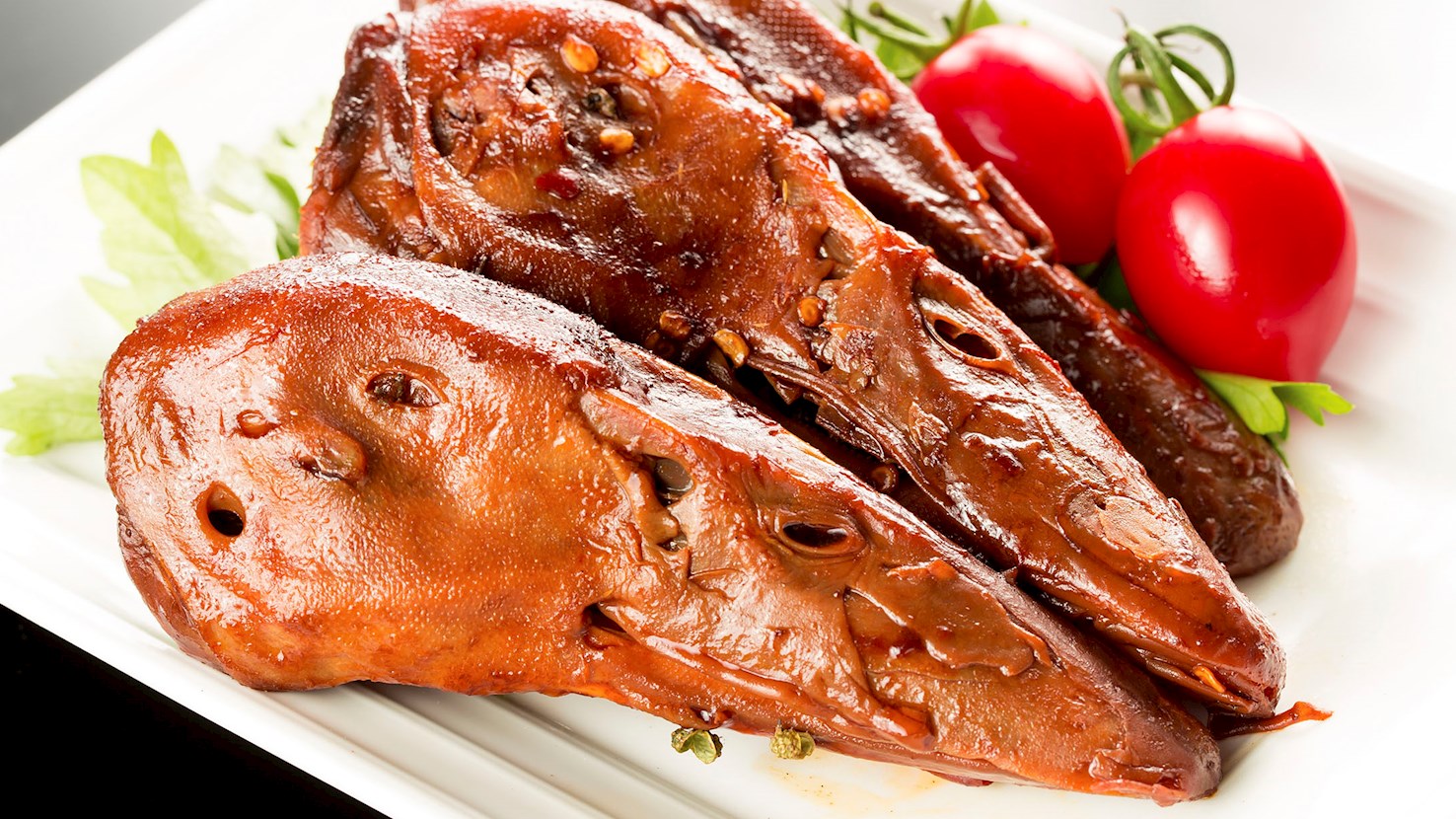
Duck's head is a spicy local specialty from the Chinese city of Wuhan, but it is also a snack that is commonly eaten throughout China, most notably in Shanghai. The dish is made by stir-frying a head of duck with the addition of herbs and spices. Duck's head has a crispy taste as a result of the stir-frying method, and it is claimed to be a healthy food, with one of the duck's head store owners claiming that it helps one's brain power when consumed. Some say that the taste of the dish is not unlike eating a spicy chicken wing, while the others, such as Kellie Schmitt of CNN, describe it as one of Shanghai's weirdest foods. When the head is served, it should be pried open with one's fingers to get to the tender meat on the interior.
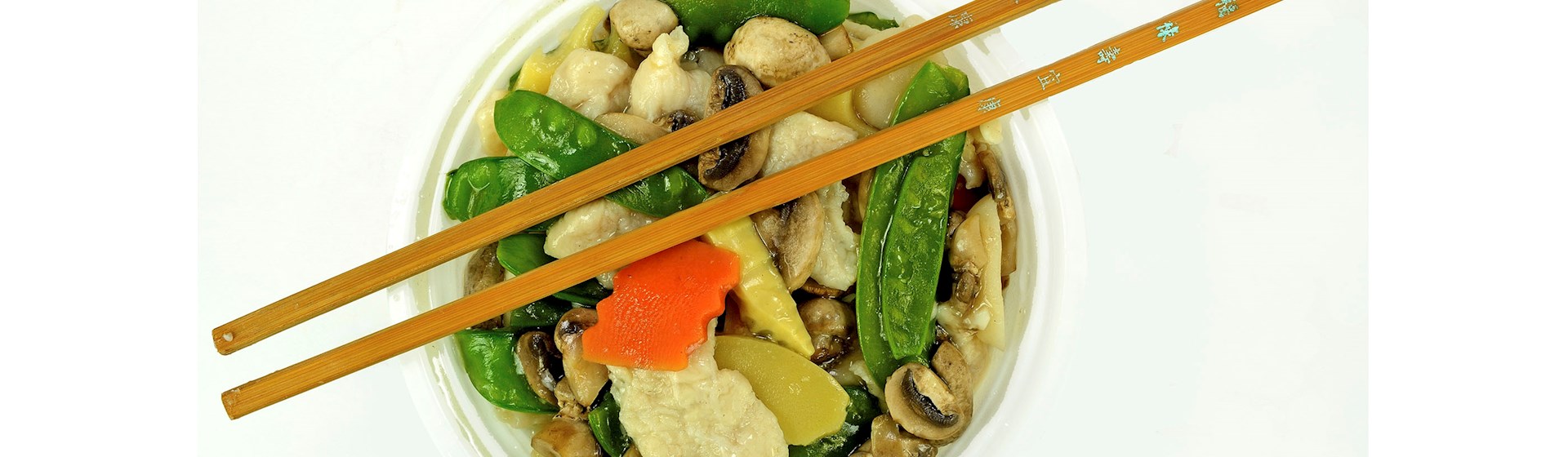
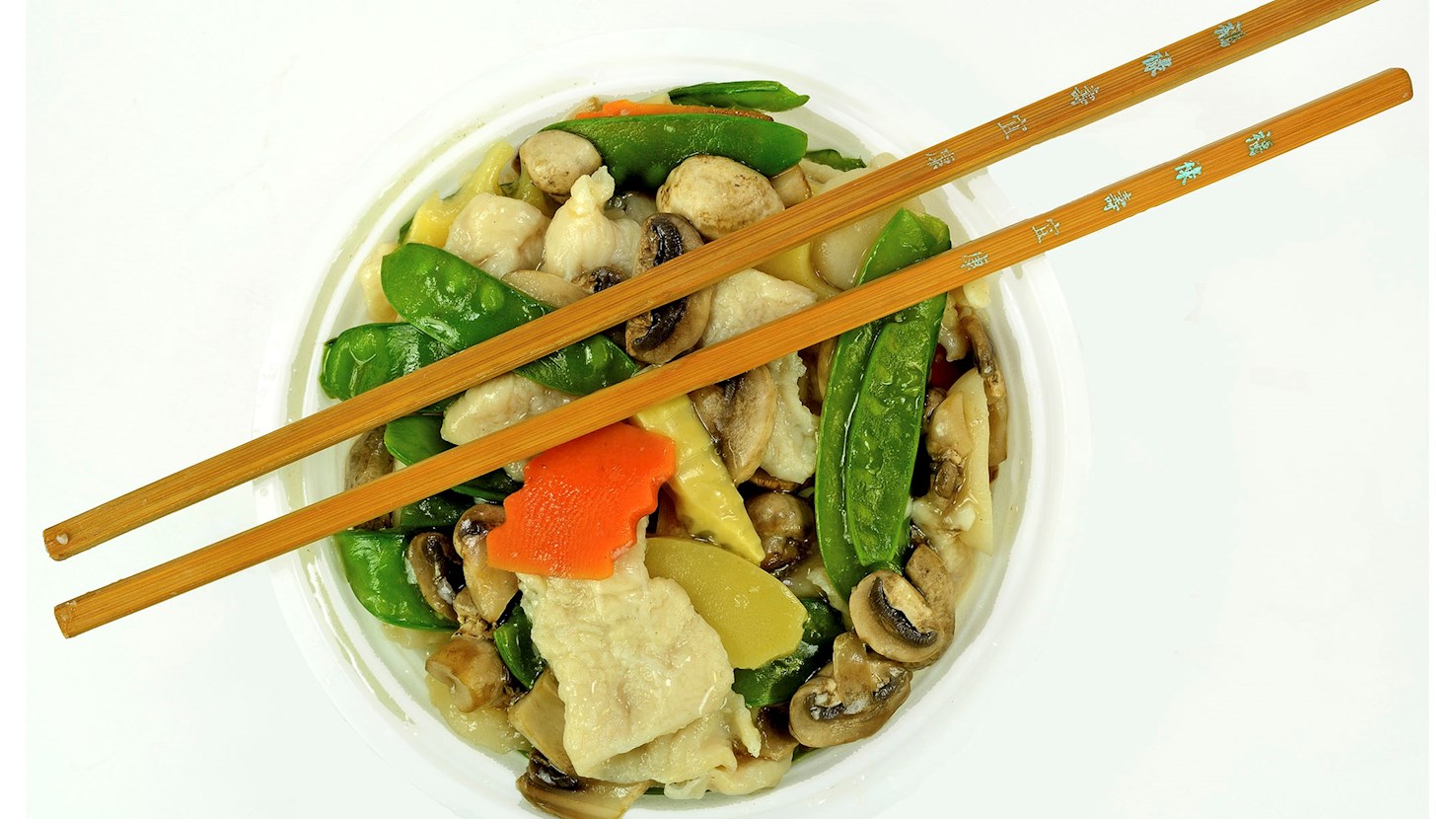
Cantonese in origin, moo goo gai pan is an Americanized version of a pre-existing Chinese stir-fry made with mushrooms and sliced chicken as the main ingredients. Additional ingredients typically include snow peas, bamboo shoots, water chestnuts, and bok choy, all doused in a simple white sauce made with chicken broth and seasoned with soy sauce, oyster sauce, and sometimes Shaoxing wine. In contrast to the original Chinese version of the dish, moo goo gai pan has a thicker sauce that's more seasoned and incorporates a wider range of ingredients. In the United States, this simple stir-fry is served over steamed rice and is one of the most popular take-out foods.
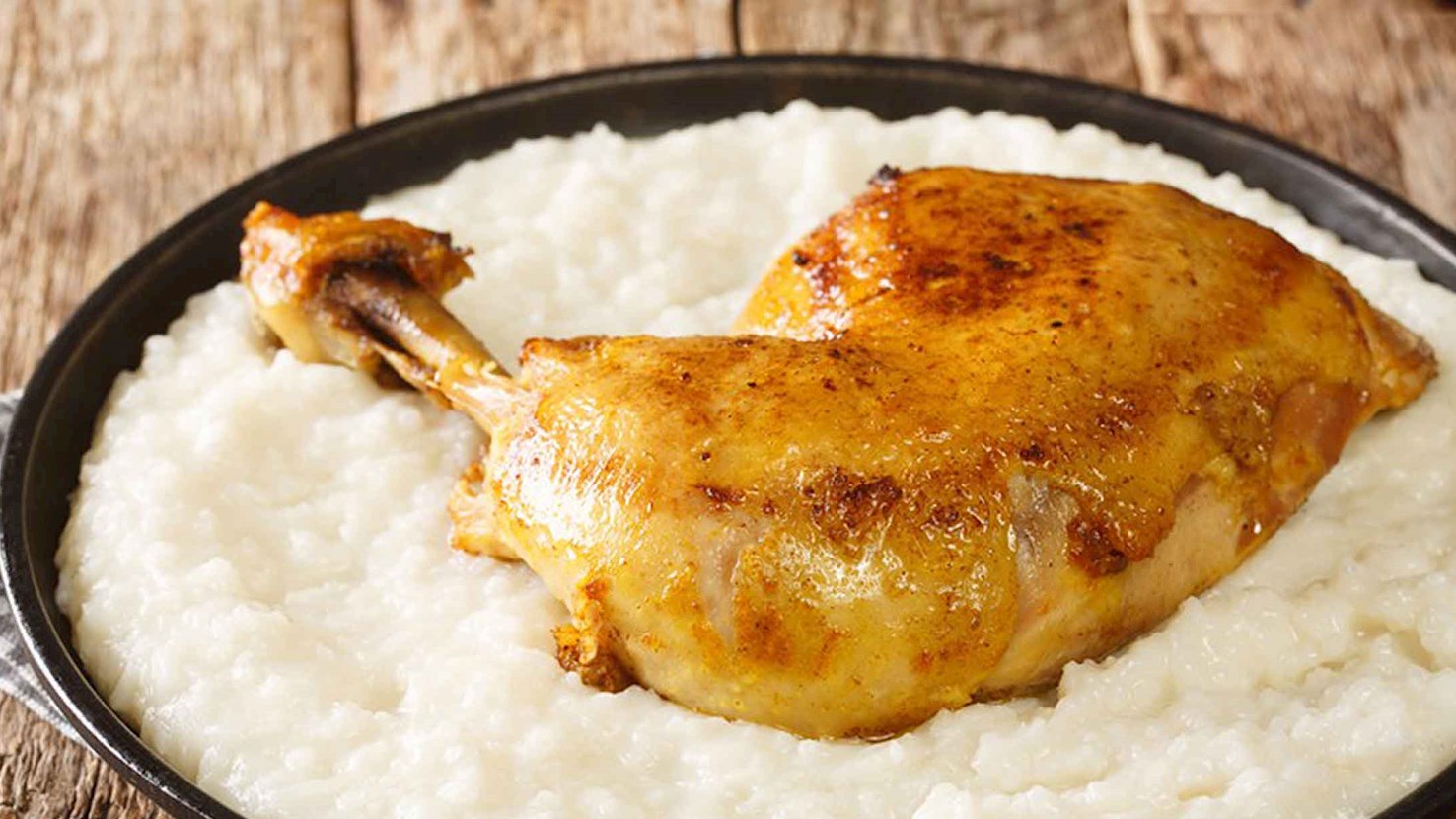
Hailing from Hejaz, saleeg is a traditional Arabian rice dish consisting of creamy, porridge-like short-grain rice and roasted meat. Chicken is the most common meat choice, and it is typically boiled in water with spices before it is roasted. This dish uses a combination of the broth in which the meat has been cooking, hot water, and optional mastic tear to boil the rice. The boiled rice is then combined with milk and ghee or butter, and cooked until it reaches the desired consistency. A large serving platter (tabasi) is traditionally used for serving saleeg, and the roasted meat is usually placed on top of the rice. Additional melted ghee or butter can be drizzled over the dish, and it is recommended to serve it with accompaniments such as salata hara (a spicy, salsa-like condiment), duggus (a chili tomato-parsley sauce), pickled lemons, or a tomato-cucumber salad.
Often dubbed a Shanghainese specialty, drunken chicken is, in fact, an authentic dish originating from the Zhejiang province. The main ingredients of this chicken dish are a fresh, whole chicken and Shaoxing wine, a renowned rice wine produced in Zhejiang province. Originally, the recipe calls for a whole chicken to be cooked, chilled in ice water, and then soaked in a Shaoxing wine-based marinade, overnight, or for 2-3 days. The chilled chicken is then cut into large chunks and traditionally served cold, covered with the wine-based marinade. The dish is usually served on its own, as an appetizer, but it can also be accompanied by rice, noodles, or vegetables.
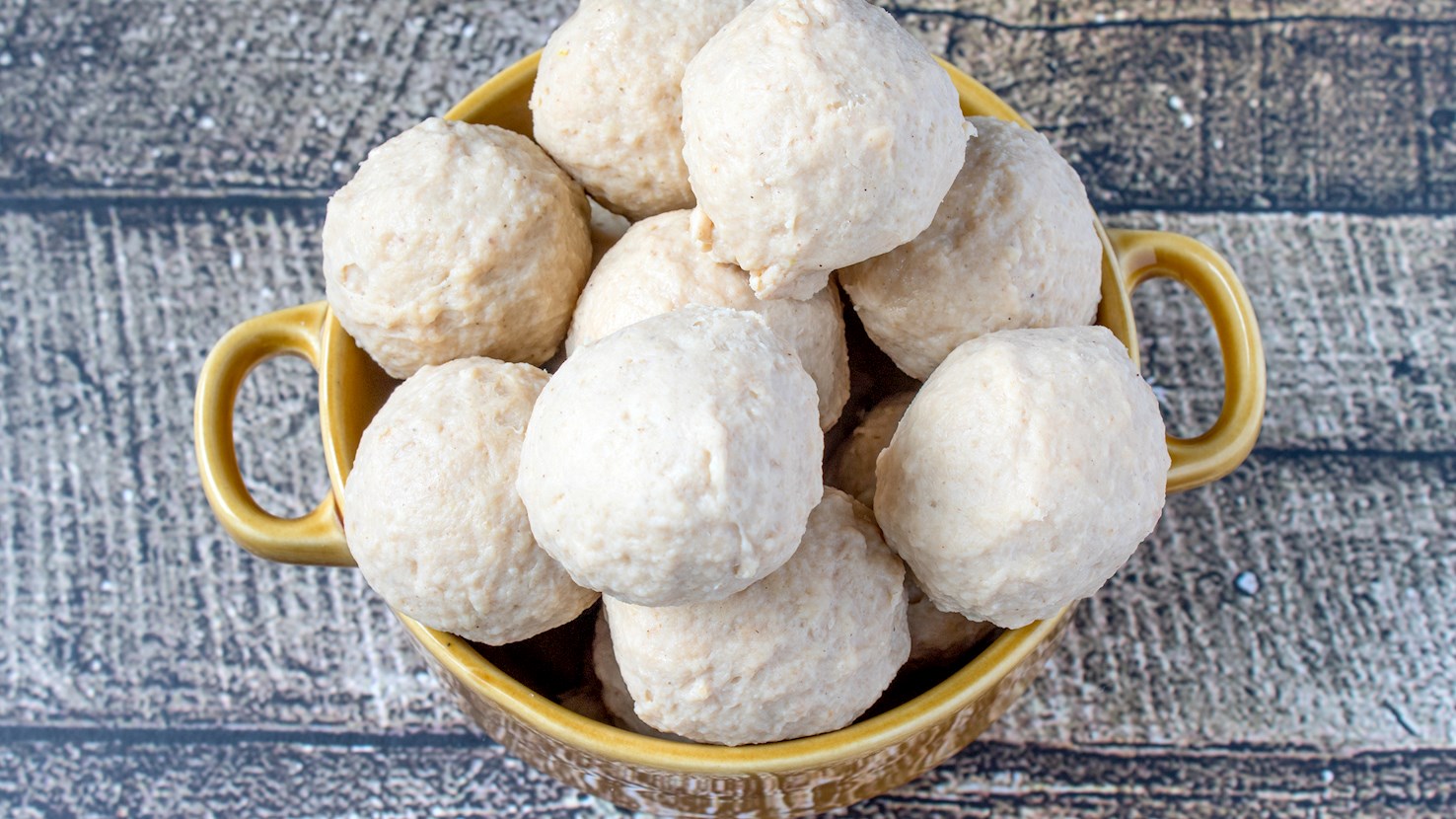
Bakso ayam is a beloved Indonesian chicken meatball dish, crafted by combining finely ground chicken with tapioca flour, garlic, shallots, salt, and pepper, forming a smooth, springy texture that is the hallmark of authentic bakso. These tender spheres are then boiled until cooked through and typically served in a clear, savory broth enriched with garlic oil, fried shallots, and celery leaves. A bowl of bakso ayam is often accompanied by yellow noodles or rice vermicelli, tofu, hard-boiled eggs, and sometimes fried wontons or siomay (steamed dumplings), creating a medley of textures and flavors in every spoonful. This dish is found across Indonesia, from roadside stalls to urban food courts, and is usually customized with condiments such as sambal, sweet soy sauce, and vinegar, allowing each diner to tailor the flavor to their liking. Its popularity lies not only in its satisfying taste but also in its affordability and convenience, making it a go-to comfort food for Indonesians of all ages.
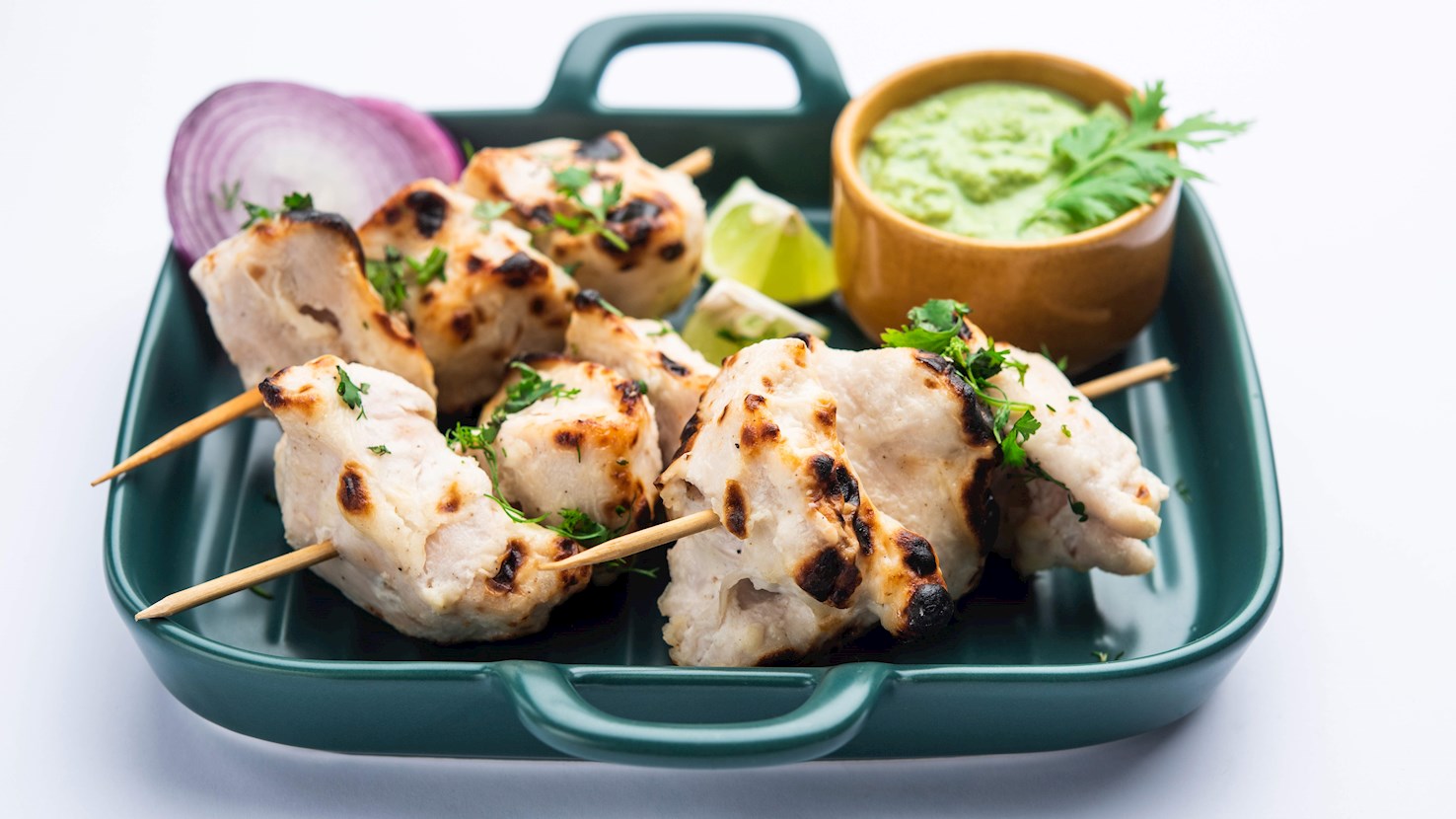
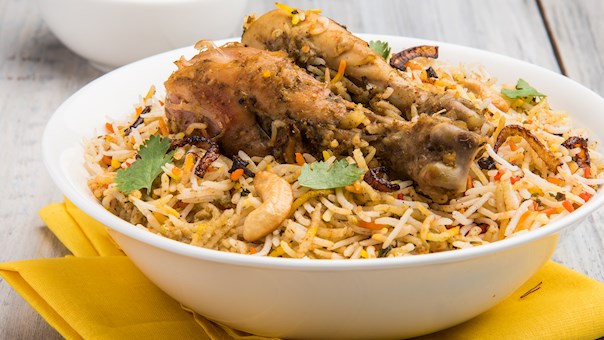
Murgh malai is a type of Indian curry made with marinated bone-in chicken cuts and a creamy curry sauce. The chicken is often marinated in yogurt before it is simmered in a flavorful mixture of spices, onions, yogurt, and cream. Some variations add milk or use it as a cream replacement, while some versions also add a creamy cashew paste to the mix. The dish usually includes onions, green chili peppers, garlic and ginger paste, as well as spices such as garam masala, coriander, cardamom, and cumin. This dish can be served with rice, biryani, naan, or roti bread.
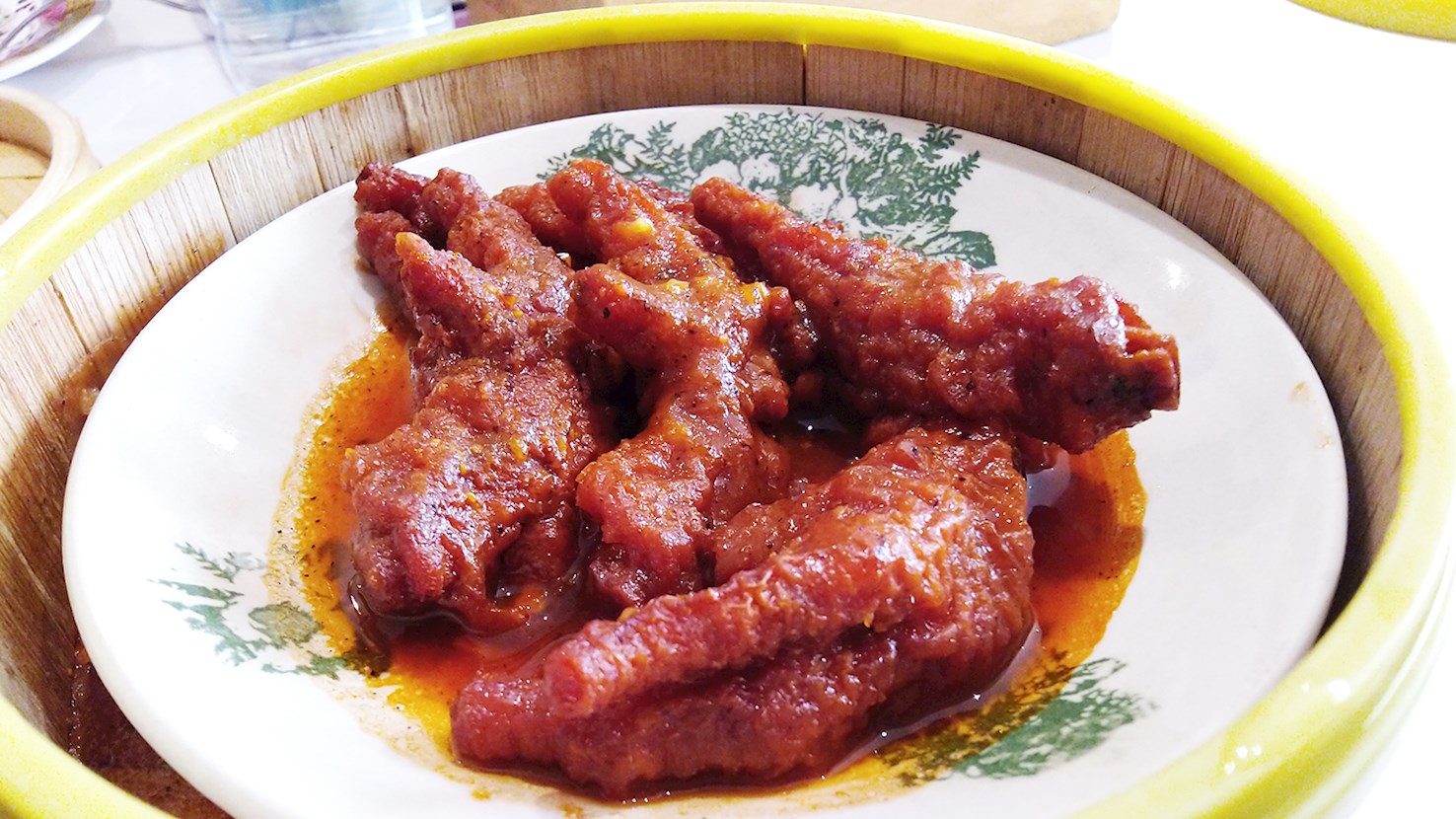
Feng zhao is the name for dim sum-style braised chicken feet. The chicken feet are cleaned, salted, dried, then deep-fried in oil in order to puff up the skin around the bones and to caramelize the exterior. The next step is braising, which tenderizes the chicken feet – they are simmered in a pot of water with star anise and sliced ginger. The chicken feet are drained, mixed with a marinade consisting of oyster sauce, sugar, pepper, and black bean sauce, and then sautéed in sesame oil with garlic until the sauce thickens. These aromatic chicken feet are served while still hot, typically with black bean sauce on the side.
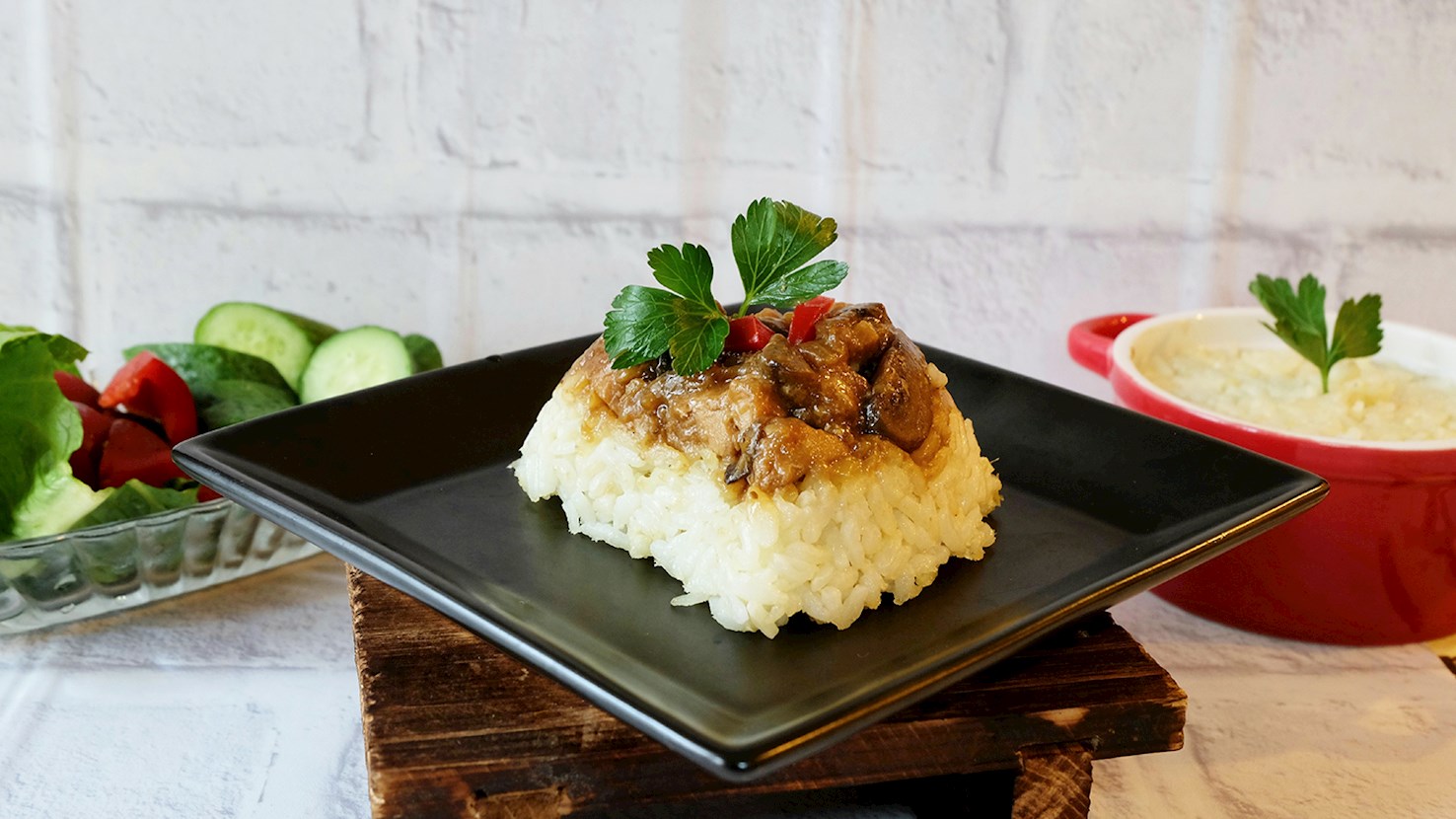
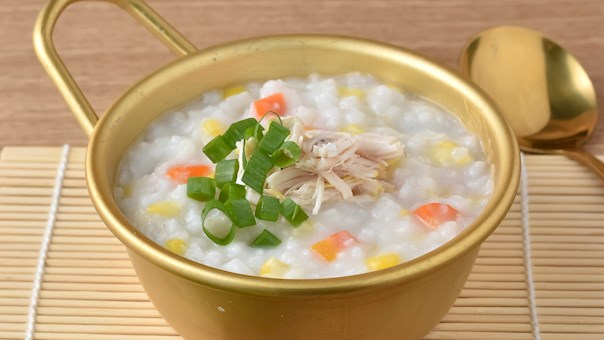
Nasi tim ayam is a comforting and beloved Indonesian dish consisting of steamed savory chicken over soft, seasoned rice, often served warm in an individual bowl. The word “nasi” means rice, “tim” refers to the steaming method, and “ayam” means chicken. This dish is especially popular among Chinese-Indonesian communities and is commonly found in family kitchens, street food stalls, and traditional warungs. It’s often seen as a nurturing, easy-to-digest meal — frequently given to children, the elderly, or anyone recovering from illness because of its soft texture and mild, comforting flavors. Nasi tim ayam is usually made by layering a bowl with savory chicken and mushrooms in a soy-based sauce, then topping it with seasoned rice. The entire bowl is then steamed, allowing the flavors to meld together. When ready to serve, the bowl is flipped upside down onto a plate, revealing the glistening chicken topping the mound of warm rice beneath. It’s often accompanied by a light chicken broth on the side, and sometimes garnished with fried shallots, scallions, or hard-boiled egg slices. The flavor profile is savory and lightly sweet, with umami notes from soy sauce, garlic, sesame oil, and mushrooms — usually shiitake or Chinese black mushrooms. While traditionally made with chicken, some variations include pork, Chinese sausage, or even salted egg.
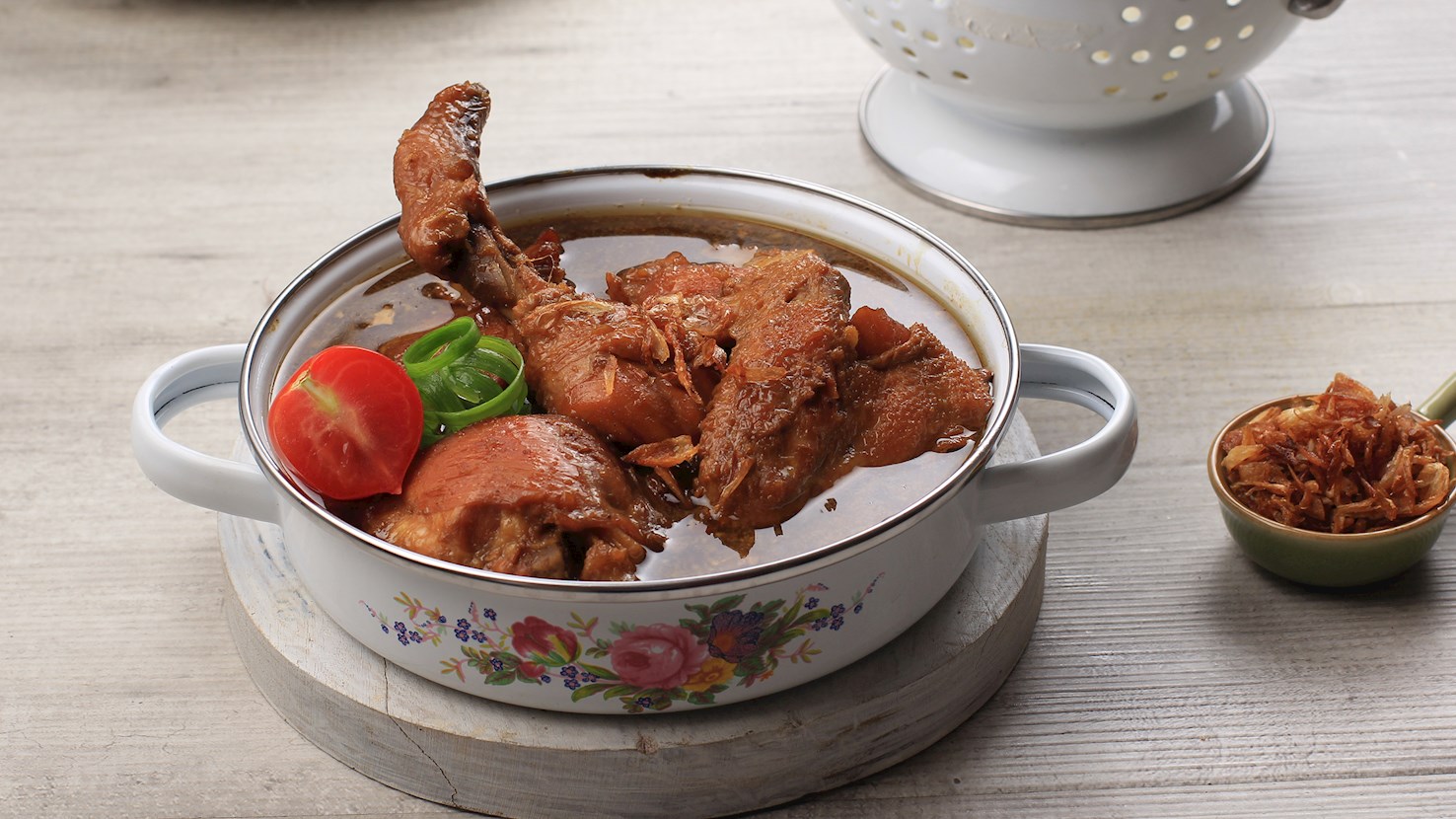
Semur ayam is a traditional Indonesian chicken stew that originates from Java, known for its rich, sweet-savory flavor and aromatic spices. Made by slowly braising chicken in a thick sauce of sweet kecap manis, garlic, shallots, nutmeg, cloves, and cinnamon, it is a comforting dish often served with rice during family meals and festive occasions. The name "semur" comes from the Dutch word "smoor," meaning to braise, reflecting the influence of colonial Dutch cuisine on Indonesian cooking. While its roots may lie in European-style stews, semur ayam has evolved into a distinctly Indonesian dish. The key difference is the use of local ingredients and flavor profiles, especially the sweet depth of kecap manis, a staple in Javanese kitchens. This sweet soy sauce gives the dish its signature dark color and mellow, caramelized taste. Semur ayam is most commonly prepared with bone-in chicken pieces, which are braised until tender and infused with the sauce. The dish may include additions like potatoes, tomatoes, or boiled eggs, depending on regional or family variations. Despite its complex flavor, semur ayam is straightforward to make, requiring time and patience more than advanced technique. In Javanese culture, sweet flavors are highly appreciated, and semur ayam is a perfect example of this preference. It is often enjoyed during celebrations such as Eid al-Fitr, or simply as part of a comforting home-cooked dinner.
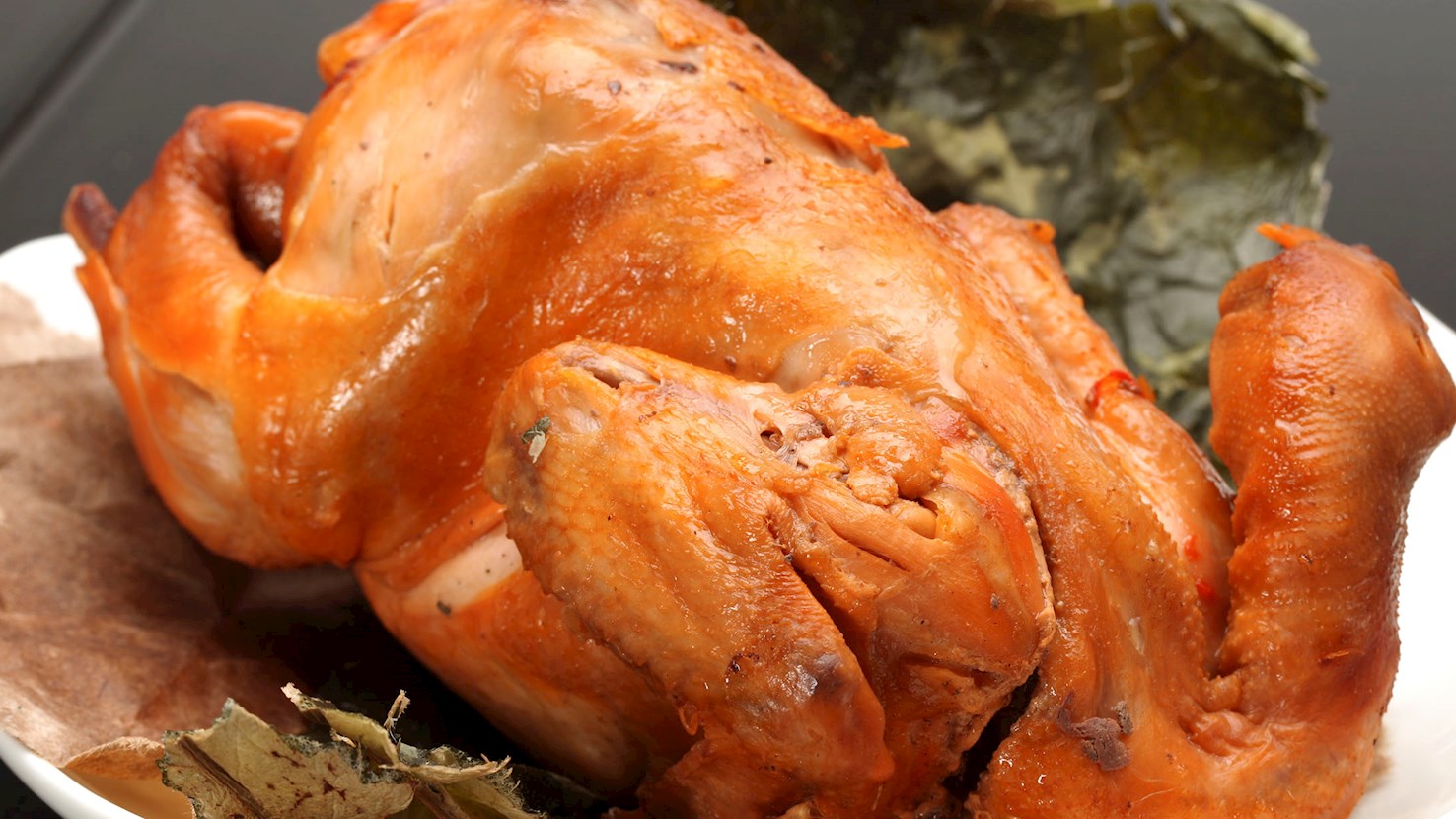
Beggar's chicken is a whole chicken dish from Hangzhou in Zhejiang Province, prepared by wrapping the bird and cooking it slowly until the meat becomes tender and aromatic. It is associated with the culinary practices around West Lake, where poultry farming and the use of lotus leaves, clay, and long cooking times were part of regional cooking methods. The dish developed in an environment where wrapping food before slow heating helped retain moisture and protect ingredients from direct heat. Over time, Hangzhou cooks adopted the method of marinating a whole chicken, covering it in layers of leaves and an outer seal, and then cooking it in an enclosed form so the flavors concentrate inside the bird. Preparation begins with a cleaned whole chicken that is marinated with soy sauce, Shaoxing wine, ginger, scallions, and seasonings such as salt and a small amount of sugar. Some versions include a stuffing made from mushrooms, pork, ham, or chestnuts, while others leave the cavity empty. The chicken is then wrapped in lotus leaves, followed by layers of paper or cloth, before being encased in clay or a thick dough seal. It is cooked slowly, either baked or roasted, until the meat separates easily from the bone and the aromas remain inside the wrapping. When the outer shell is cracked open, the chicken emerges moist and heavily seasoned by its own juices and the marinade. There are many legends in regard to its origin. One tells about a Qing-dynasty Emperor that happened to walk by and was attracted by the aroma, so he stopped and consumed it with the beggar. He liked it so much that he added it to the list of dishes to be served at the Imperial court. Today, jiàohuā jī is served in restaurants and hotels throughout Hangzhou, particularly those emphasizing regional specialties linked to West Lake cuisine. It is typically eaten hot, presented at the table while still encased so guests can break open the covering themselves. The dish pairs well with simple accompaniments such as steamed rice, mild vegetable dishes, and broths that do not compete with its concentrated flavor. It is frequently enjoyed with Shaoxing wine or Longjing tea, both of which complement the gentle sweetness and fragrance that develop during the long, enclosed cooking process.
TasteAtlas food rankings are based on the ratings of the TasteAtlas audience, with a series of mechanisms that recognize real users and that ignore bot,
nationalist or local patriotic ratings, and give additional value to the ratings of users that the system recognizes as knowledgeable.
For the “57 Worst Rated Asian Poultry Dishes” list until May 21, 2026, 8,557 ratings were recorded, of which 6,682 were recognized by the system as legitimate.
TasteAtlas Rankings should not be seen as the final global conclusion about food. Their purpose is to promote excellent local foods,
instill pride in traditional dishes, and arouse curiosity about dishes you haven’t tried.