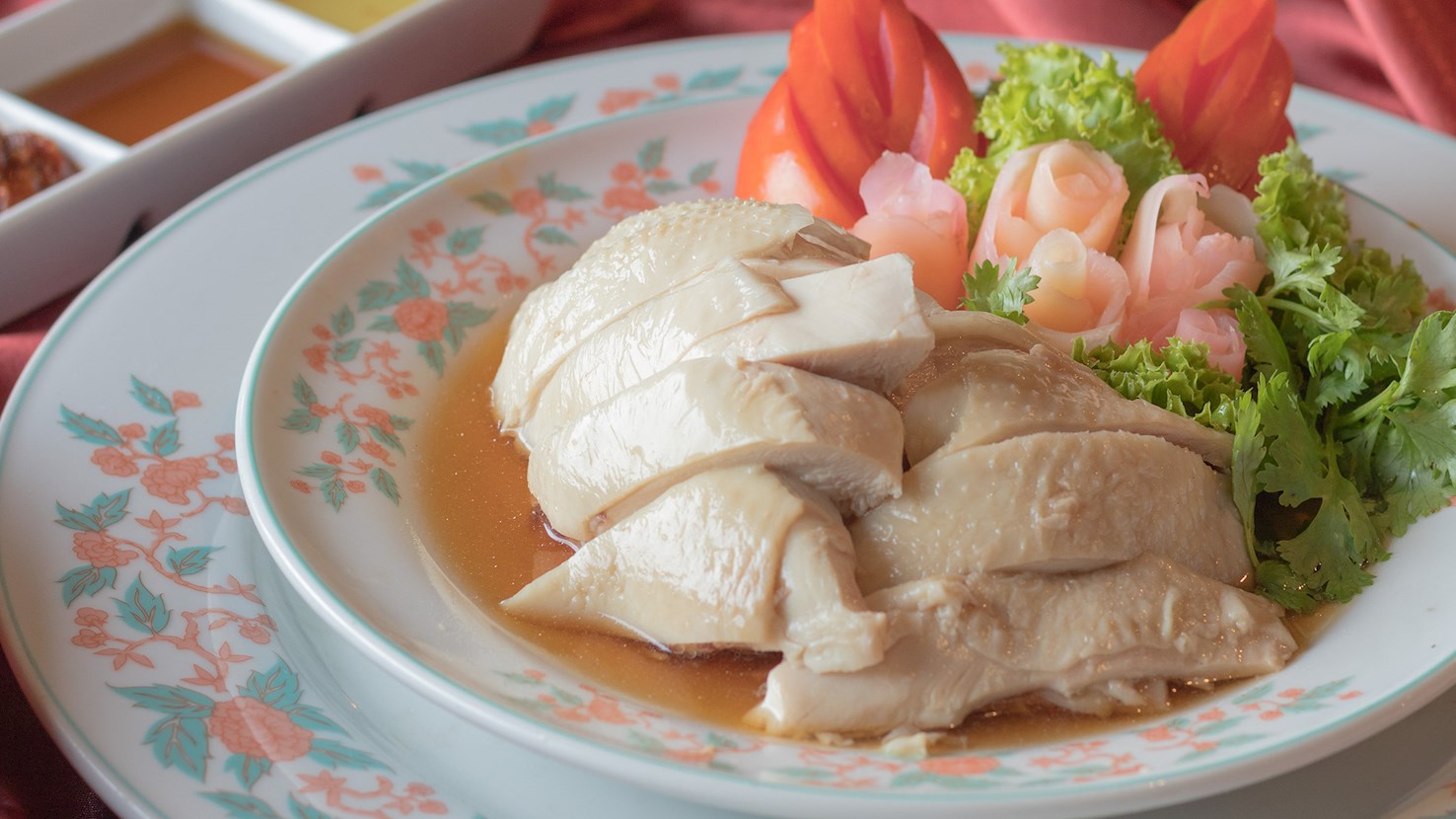
Often dubbed a Shanghainese specialty, drunken chicken is, in fact, an authentic dish originating from the Zhejiang province. The main ingredients of this chicken dish are a fresh, whole chicken and Shaoxing wine, a renowned rice wine produced in Zhejiang province. Originally, the recipe calls for a whole chicken to be cooked, chilled in ice water, and then soaked in a Shaoxing wine-based marinade, overnight, or for 2-3 days. The chilled chicken is then cut into large chunks and traditionally served cold, covered with the wine-based marinade. The dish is usually served on its own, as an appetizer, but it can also be accompanied by rice, noodles, or vegetables.
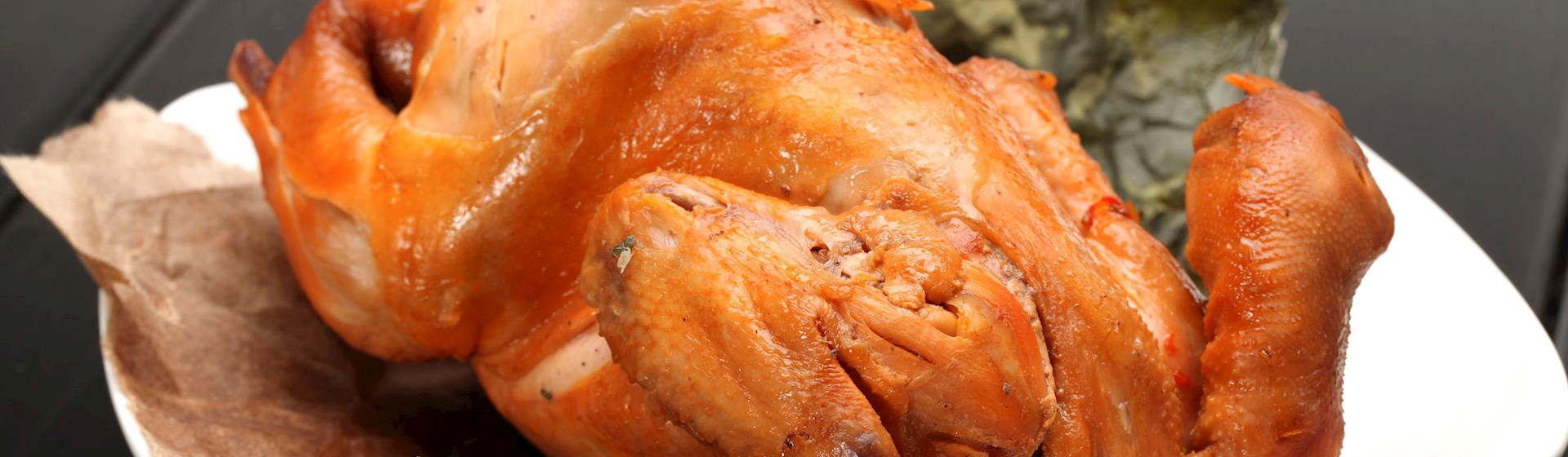
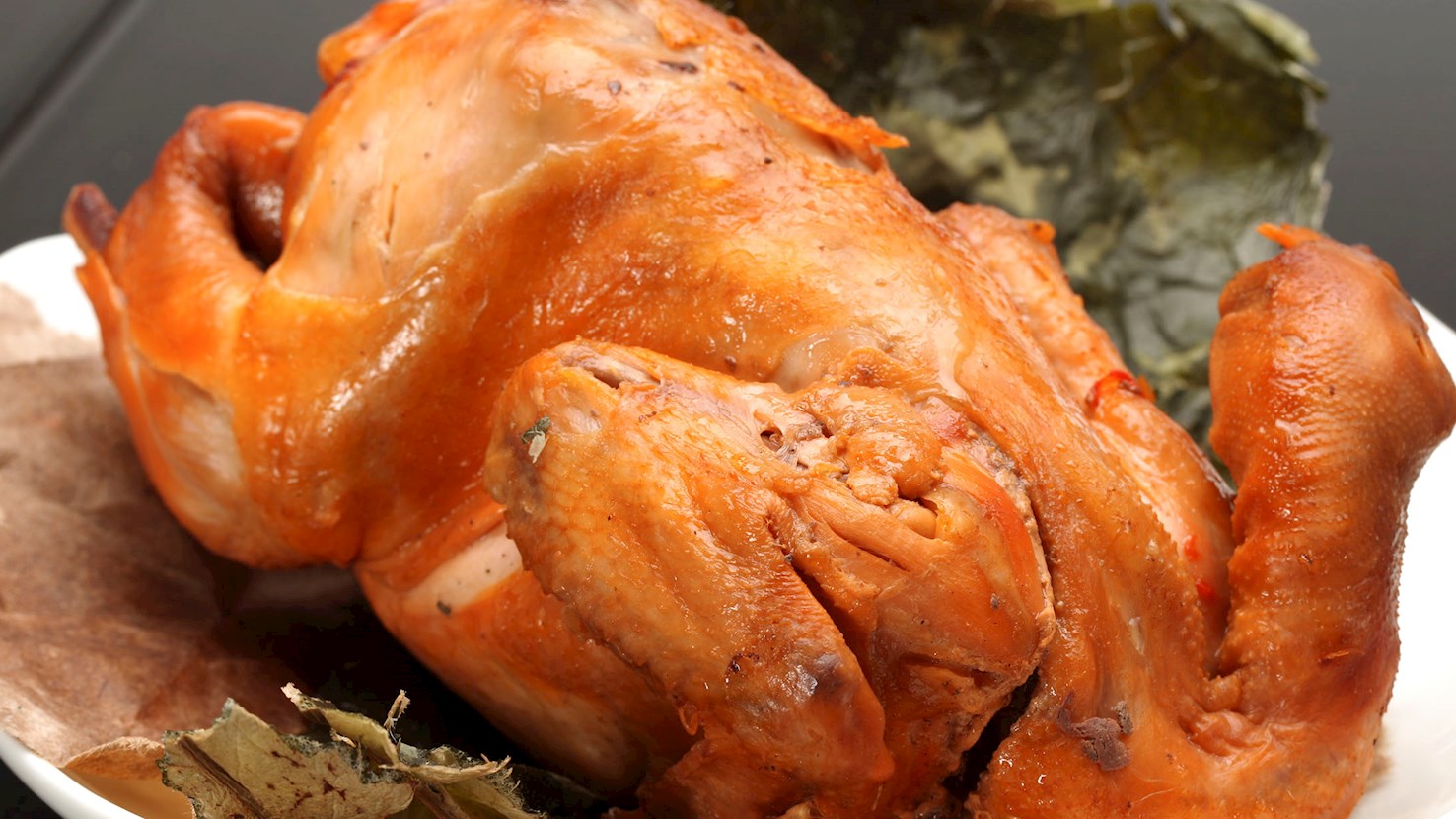
Beggar's chicken is a whole chicken dish from Hangzhou in Zhejiang Province, prepared by wrapping the bird and cooking it slowly until the meat becomes tender and aromatic. It is associated with the culinary practices around West Lake, where poultry farming and the use of lotus leaves, clay, and long cooking times were part of regional cooking methods. The dish developed in an environment where wrapping food before slow heating helped retain moisture and protect ingredients from direct heat. Over time, Hangzhou cooks adopted the method of marinating a whole chicken, covering it in layers of leaves and an outer seal, and then cooking it in an enclosed form so the flavors concentrate inside the bird. Preparation begins with a cleaned whole chicken that is marinated with soy sauce, Shaoxing wine, ginger, scallions, and seasonings such as salt and a small amount of sugar. Some versions include a stuffing made from mushrooms, pork, ham, or chestnuts, while others leave the cavity empty. The chicken is then wrapped in lotus leaves, followed by layers of paper or cloth, before being encased in clay or a thick dough seal. It is cooked slowly, either baked or roasted, until the meat separates easily from the bone and the aromas remain inside the wrapping. When the outer shell is cracked open, the chicken emerges moist and heavily seasoned by its own juices and the marinade. There are many legends in regard to its origin. One tells about a Qing-dynasty Emperor that happened to walk by and was attracted by the aroma, so he stopped and consumed it with the beggar. He liked it so much that he added it to the list of dishes to be served at the Imperial court. Today, jiàohuā jī is served in restaurants and hotels throughout Hangzhou, particularly those emphasizing regional specialties linked to West Lake cuisine. It is typically eaten hot, presented at the table while still encased so guests can break open the covering themselves. The dish pairs well with simple accompaniments such as steamed rice, mild vegetable dishes, and broths that do not compete with its concentrated flavor. It is frequently enjoyed with Shaoxing wine or Longjing tea, both of which complement the gentle sweetness and fragrance that develop during the long, enclosed cooking process.
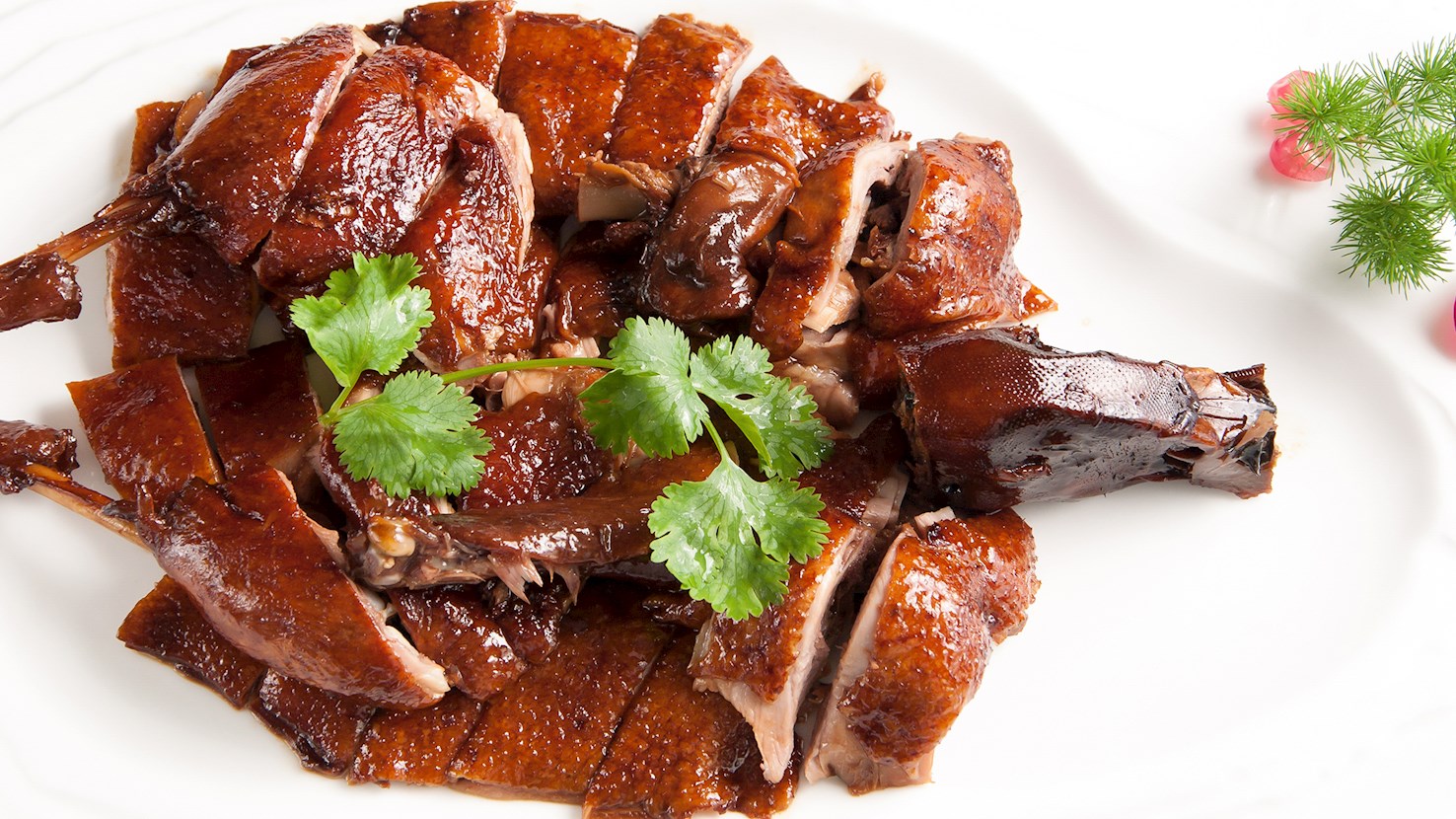
Hangzhou-style duck pickled in soy sauce is a delectable specialty dish of Hangzhou cuisine that delivers the authentic flavors of the region. This dish consists of duck meat cooked in a marinade, and it is then covered with soy sauce and served alongside rice or noodles. Deliciously crispy on the outside while remaining tender and moist on the inside, the duck is commonly served chilled. This dish is aromatic, predominantly savory, and slightly sweet in flavor. It is traditionally prepared and consumed during the celebration of the Chinese Lunar New Year.
TasteAtlas food rankings are based on the ratings of the TasteAtlas audience, with a series of mechanisms that recognize real users and that ignore bot,
nationalist or local patriotic ratings, and give additional value to the ratings of users that the system recognizes as knowledgeable.
For the “3 Worst Rated Zhejiang Poultry Dishes” list until May 21, 2026, 48 ratings were recorded, of which 37 were recognized by the system as legitimate.
TasteAtlas Rankings should not be seen as the final global conclusion about food. Their purpose is to promote excellent local foods,
instill pride in traditional dishes, and arouse curiosity about dishes you haven’t tried.