



shutterstock

24 Worst Rated Preserved Fish
in the World

Last updated on July 16, 2026
01

Surströmming

1.6 ·

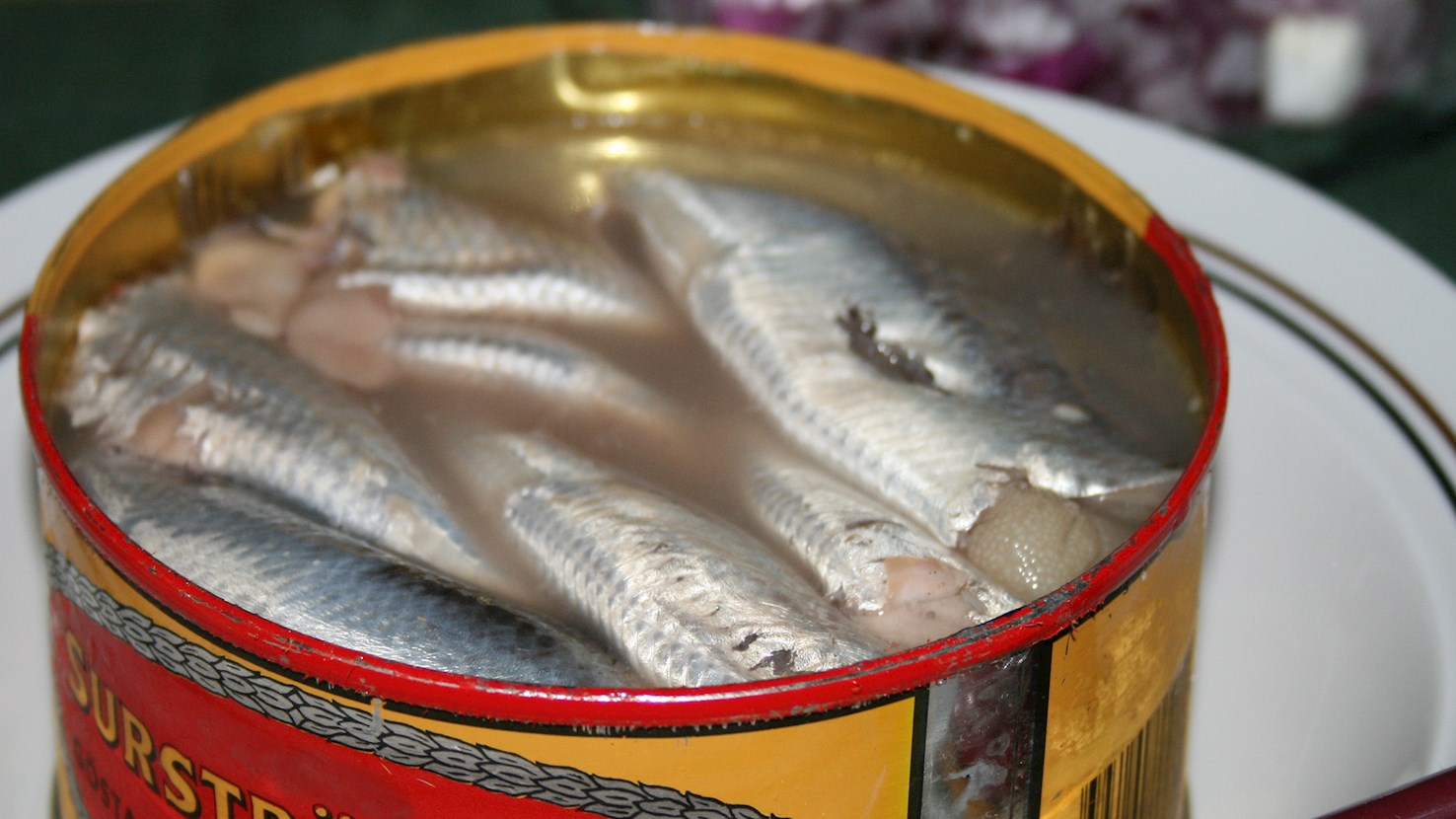
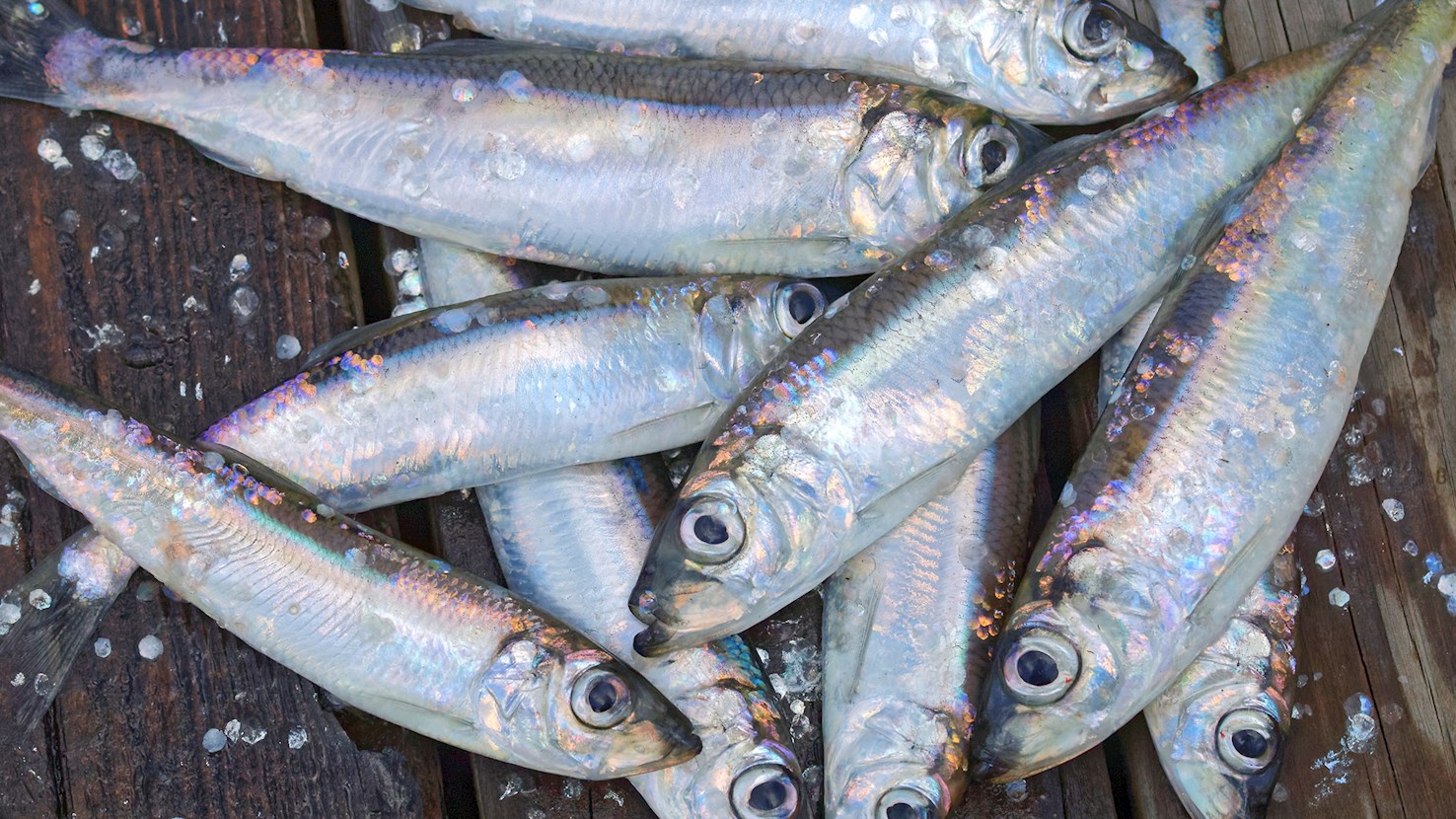
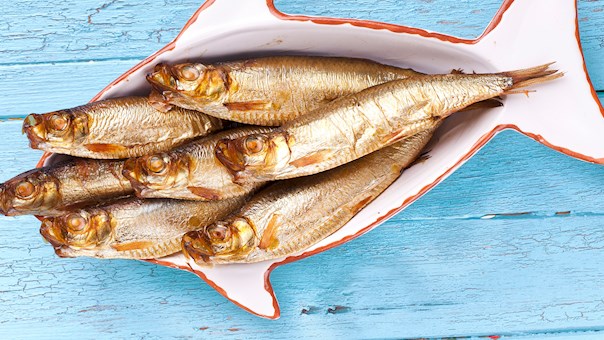
Surströmming is a fermented fish product made with strömming, a type of herring, sourced from the cold waters of the Baltic Sea, usually in spring. The fish is salted, cleaned, and allowed to ferment before being canned. This herring is defined by a rather distinctive and strong odor that results from its fermentation process, which is initiated by a type of lactic acid enzyme in the herring’s spine and it doesn’t cease even after the fish has been canned. Despite its strong smell, the fermented herring has an interesting flavor that is a perfect mix of piquant, savory, and acidic. There’s also an annual surströmming festival (surströmmingsskiva) in Alfta, Halsingland, which traditionally takes place on the third Thursday in August, when a significant number of enthusiastic Swedes and fans of this fermented fish delicacy gather to savor the contents of numerous bulging cans of surströmming. Typical of northern Sweden, surströmming is traditionally eaten between slices of buttered tunnbröd, topped with sliced mandelpotatis, finely diced red onion, and sour cream, and washed down with snaps or beer.

Best producers
02

Hákarl

1.9 ·

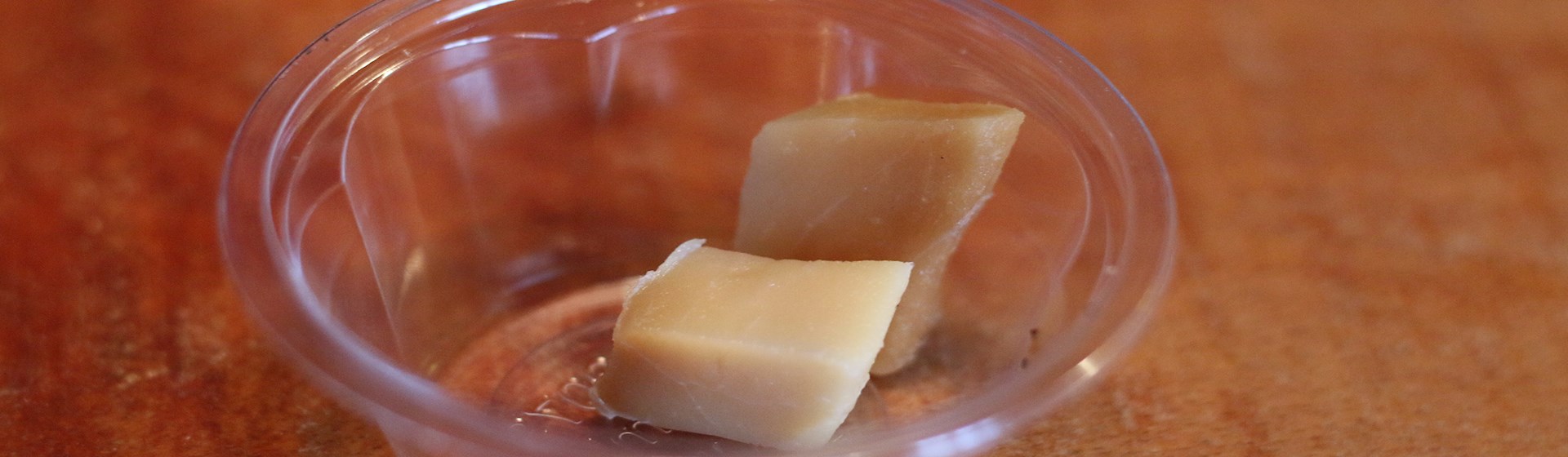
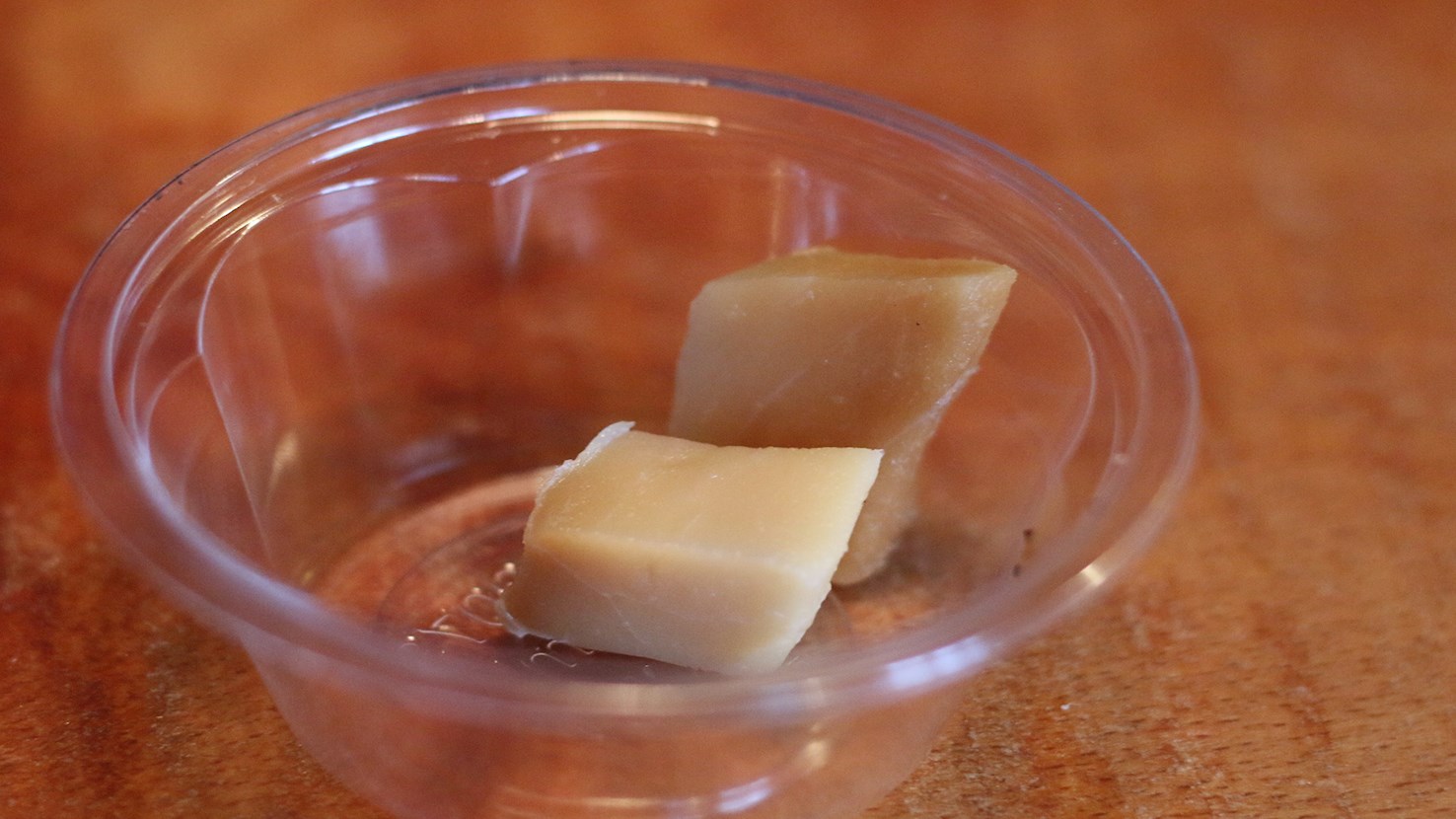
Hákarl is Iceland's national delicacy made from cured shark flesh, namely Greenland shark and other sleeper sharks. The meat is first fermented for up to three months, then hung and left to dry for another four to five months. There are two varieties of the dish: the chewy, reddish glerhákarl, and tender, white skyrhákarl. It is often considered to be food for the brave, because the high ammonia content often makes people gag. The cured shark meat is typically cut up into cubes and served on toothpicks with an accompanying shot of a local spirit known as brennivin.

03

Fesikh

2.4 ·

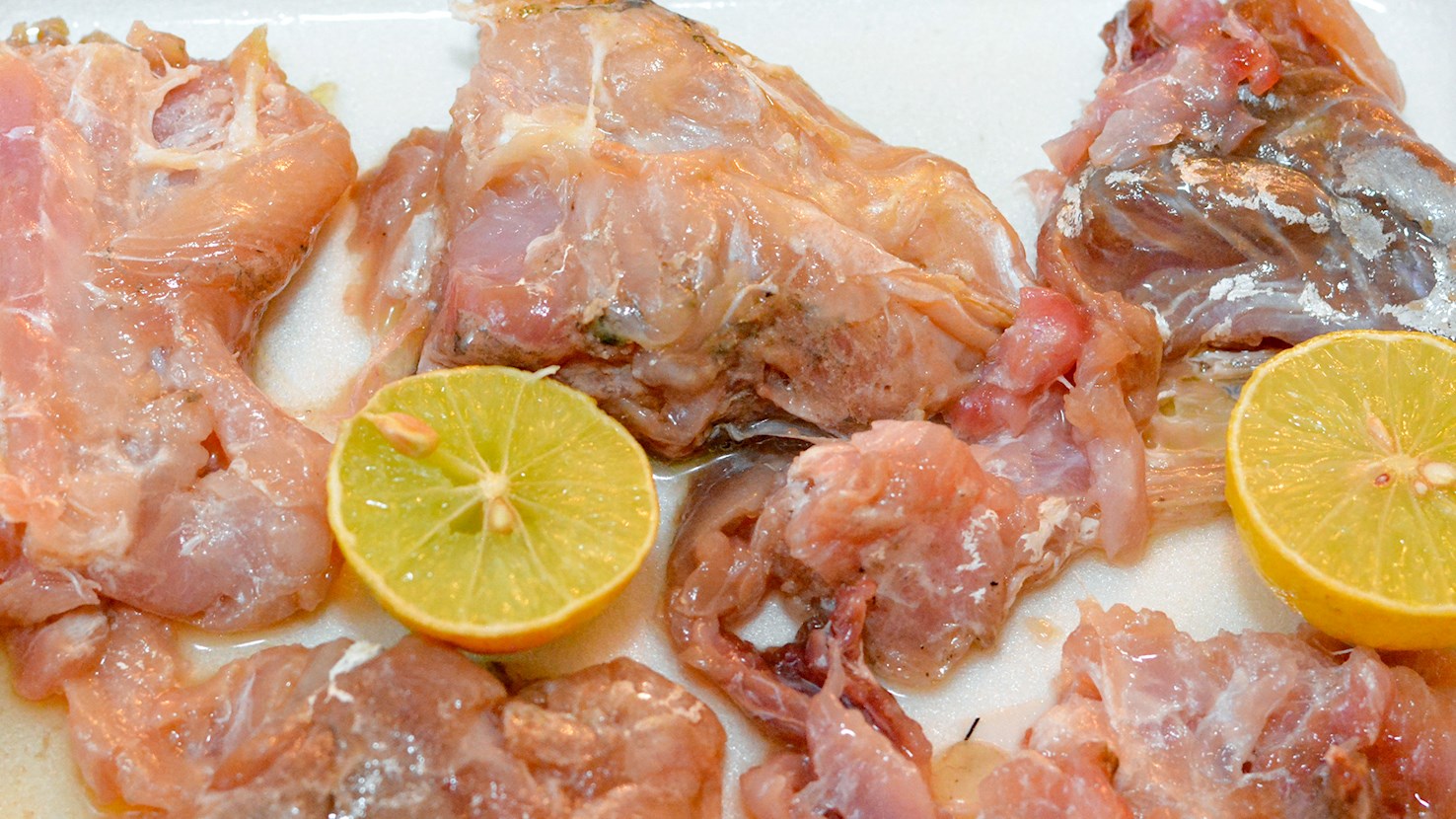
Fesikh is a popular Egyptian dish consisting of dried, fermented, and salted gray mullet. The fish is dried in the sun by a specialist called a fasakhani. If prepared incorrectly, the dish can cause poisoning, so it is traditionally stored in firmly closed glass jars. Fesikh is served during the Sham-El-Nessim festival, accompanied by finely chopped onions, lemon wedges, and Egyptian bread.

04

Anchois de Collioure

2.8 ·

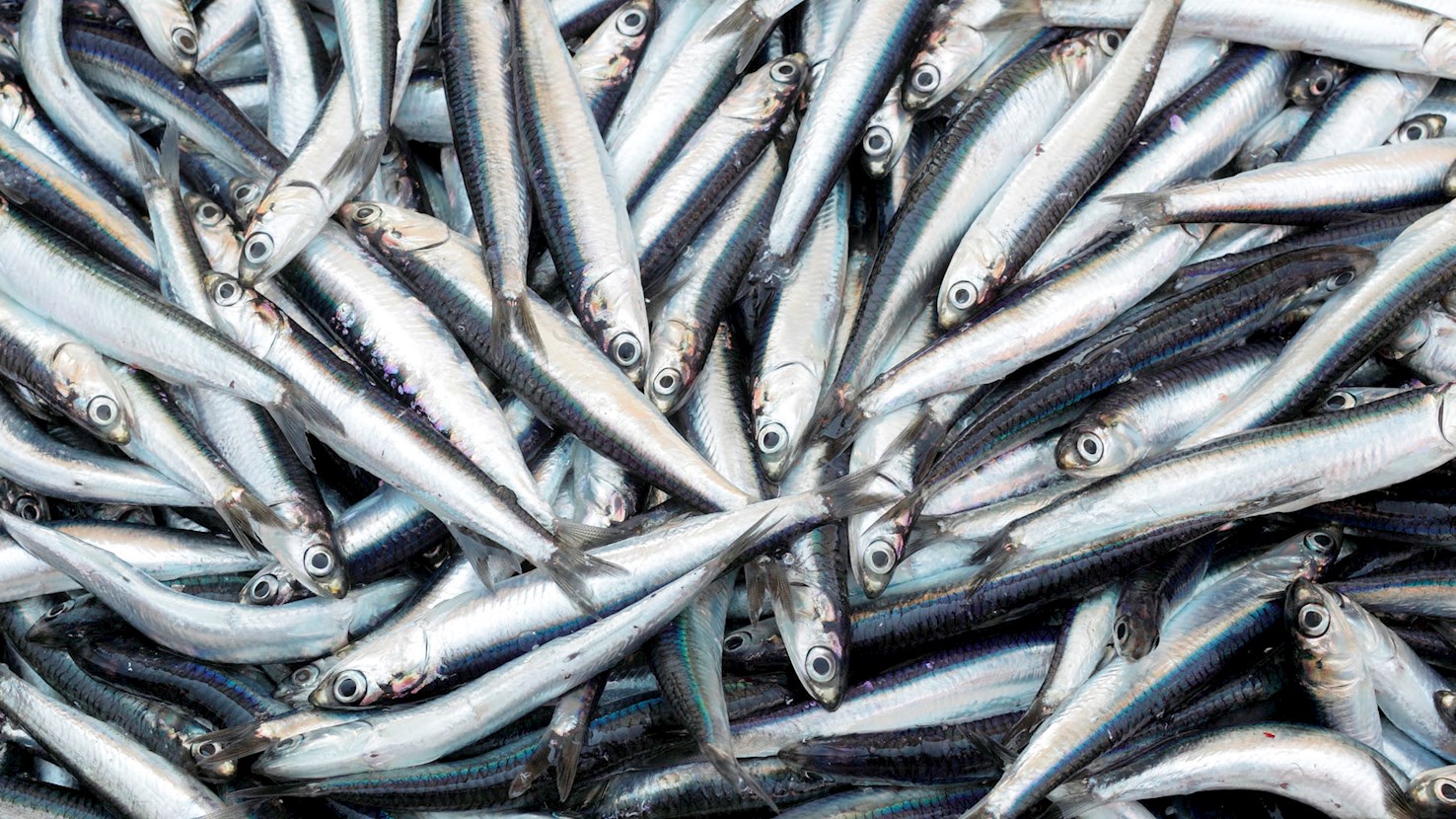
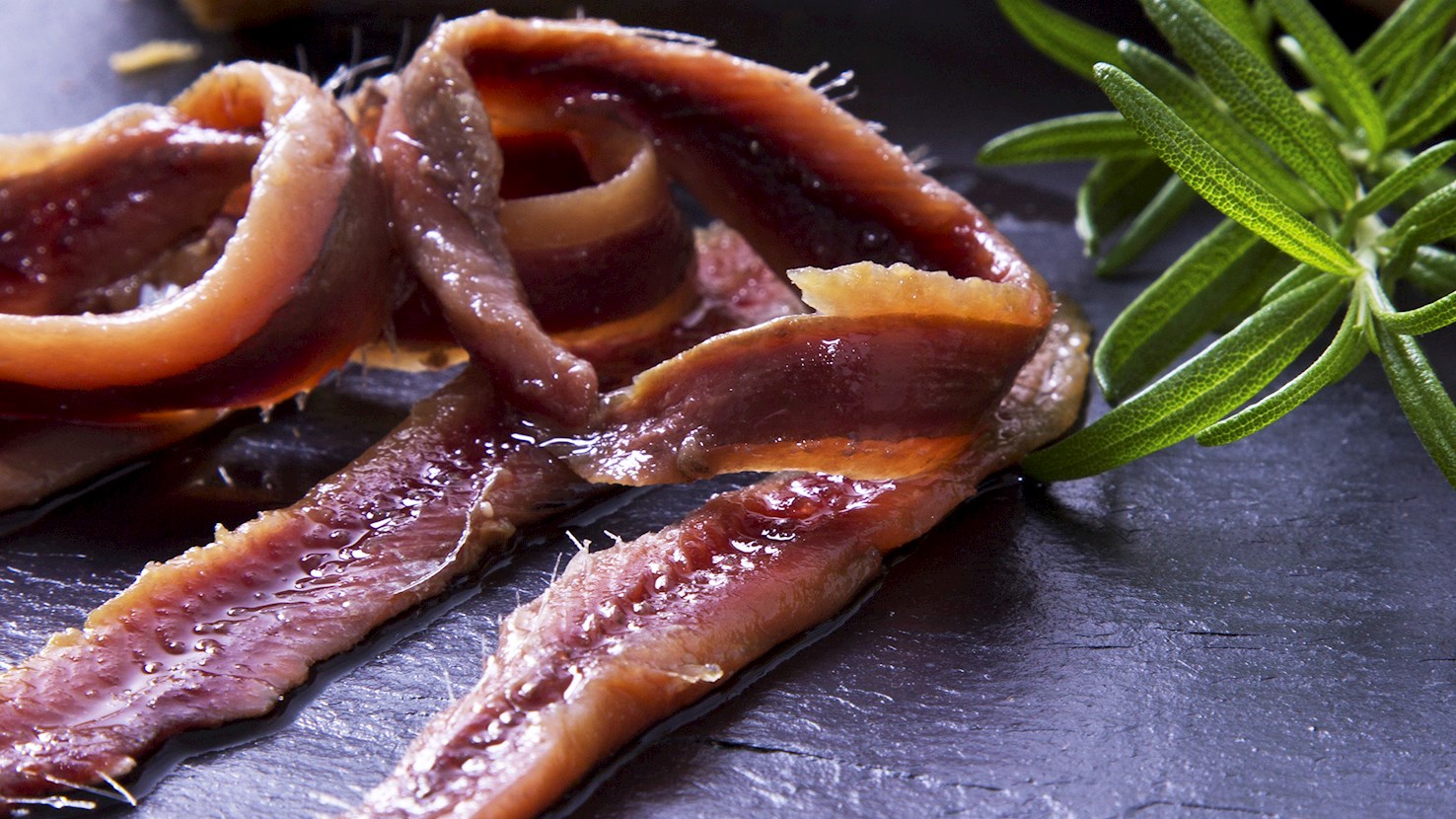
Anchois de Collioure are anchovies of the Engraulis encrassicholus species from the Collioure area in France. The anchovies can be sold salted, as fillets in oil and as fillets in brine. The method of production of these unique anchovies is so complex that it has nine stages of preparation. The fish are received fresh at the salting facility, then pre-salted and brined, sorted, topped, gutted and left to mature until they develop their specific color, taste, and texture. The skin then gets removed, they are gutted, filleted, dried and packaged in airtight packages, juiced with brine or oil, and dispatched to be sold. This whole process is done completely by hand. The fillets are dark brown, with a soft texture and a smell reminiscent of mountain ham. Anchois de Collioure can be enjoyed with braised rabbit and mint or paired with pasta and pine nuts.

05

Tørrfisk fra Lofoten (Norwegian Dried Cod)

2.9 ·

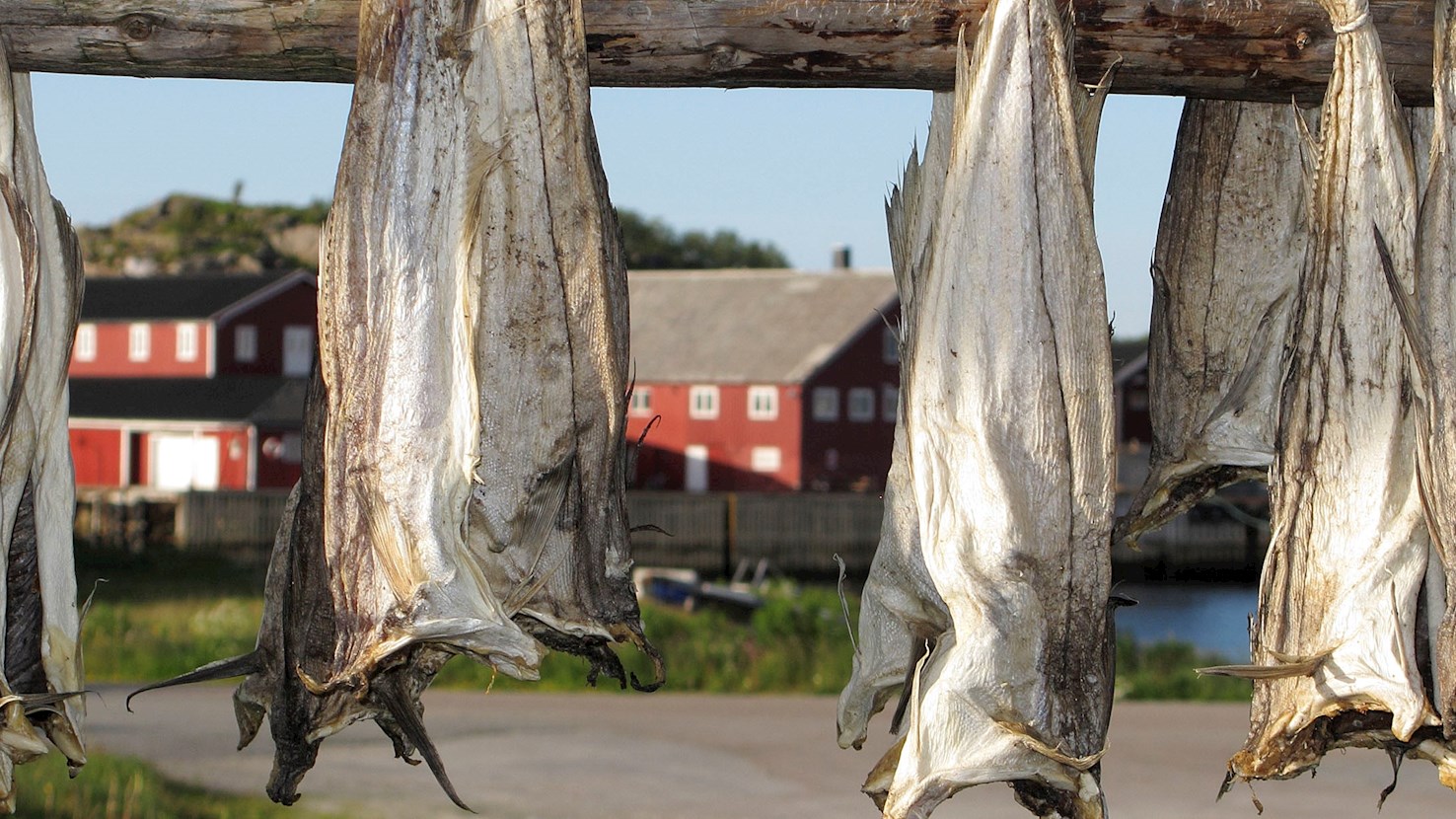
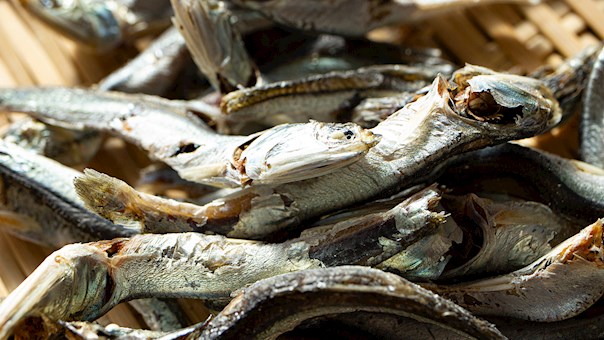
Tørrfisk fra Lofoten is a world famous naturally dried Atlantic cod (Gadus morhua) captured around one of the richest fishing areas, Lofoten and Vesterålen from January to April. It has a rich taste and aroma of fish, golden-colored skin and a size between 40 to 90 cm. Because of the Gulf Stream, winters in Lofoten are mild which makes it the only place in the world with high-quality mature cod and such excellent conditions for fish to dry properly without freezing or decomposing. Natural drying of Tørrfisk fra Lofoten takes place on flat lofts or drying racks and the fish is preserved and matured as the water content reduces. This process gives the stockfish its special texture, unique taste, higher durability and nutritional content than that of fresh cod. Tørrfisk fra Lofoten is an important Norwegian product of export and a beloved dish in Norway and beyond.

06

Boknafisk

3.0 ·

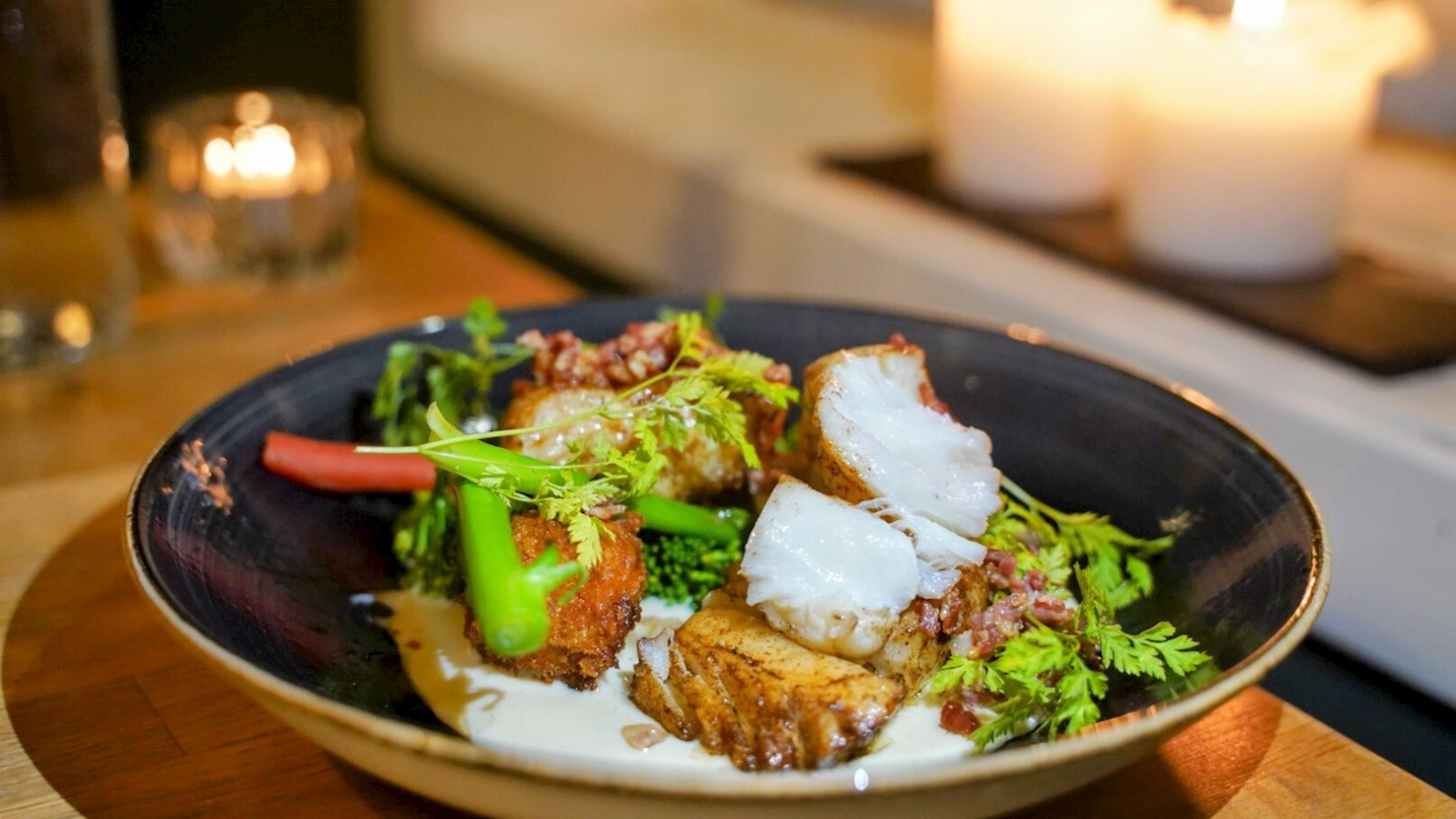
Boknafisk is a type of dried fish that is typical of Northern Norway, particularly of Lofoten and Vesterålen. Following the same process of preparation as tørrfisk, a famous stockfish delicacy from the same region, this specialty typically features Atlantic codfish that are headed, gutted, and then hung to dry on wooden racks or walls in the cold winter air. The fish are not seasoned with salt, but they are dried for a short period instead, usually ranging from two to four weeks. The shorter drying period allows the fish to retain the higher water content, leading to a tender interior that contrasts its dry exterior. The semi-dried fish is distinguished by a pungent flavor, and it is often frozen to stop the drying process. Boknafisk can be boiled, fried, baked, or poached once it is reconstituted, and it is usually paired with a side of creamed vegetables, boiled potatoes, and some fried bacon fat or lightly browned butter.

07

Glückstädter Matjes

3.3 ·

In 1395, a Dutchman named Jan Pieter Beukelzoon came up with the idea of maturing freshly caught herring in brine. The name of this 'virgin herring' finds its root in the Dutch word for girls (Meisjes). The original Glückstädter Matjes herring may not be caught too young, as they should have spawned at least once. The fishing season is limited to the end of May until mid-June off the central North Sea coast. The herring is frozen directly on board the fishing vessels and transported to Glückstadt. The herring is grooved, salted, and aged in barrels until it develops its distinct taste. This characteristic flavor cannot be developed with artificial additives – it comes from the fish aging whole, with the internal organs left inside. Genuine Matjes is tender, and its salty flavor is reminiscent of the sea, algae, and fine butter.

08

Acciughe sotto sale del mar Ligure

3.3 ·

Fishing and fish preservation in Liguria are traditions known since the early 16th century when the historical Republic of Genoa was already regulating and controlling fish supply, prices and sales. Acciughe Sotto Sale del Mar Ligure are Ligurian anchovies, caught in the Tyrrhenian Sea between April and October. The freshly caught fish are cleaned, pre-salted and cured in chestnut wood barrels or terracotta vases for about 40 to 60 days. After the curing process is over, the salted anchovies are marketed in glass containers called arbanelle, layered and covered with fine sea salt. Acciughe Sotto Sale del Mar Ligure have delicate skin and their flesh color varies from pink to deep brown, depending on their size. They can be used as an ingredient in numerous pasta dishes or served as a Ligurian-style appetizer.

09

Harðfiskur

3.4 ·

One of the staples of traditional Icelandic diet, harðfiskur is a fish delicacy made by following an old preserving method that involves drying fresh fish on wooden racks, outdoors in the cool Icelandic wind. The fish may be soaked in a weak brine before being dried for a slightly saltier flavor of the finished product. Typical fish include haddock, cod, and wolfish, although fish such as flounder or arctic char can also be used. After drying for several weeks, the fish obtains a tough, papery, and chewy texture, and a characteristic yellowish hue, while the flavor is salty with a strong odor. The fish needs to be pounded well before consumption so that it becomes flakier and softer, and is then typically enjoyed smeared with cold, salted butter as a snack. High in protein, omega-3 fatty acids, and vitamins, this fish delicacy is often enjoyed as packed lunch or used in stews or soups, and it is also an essential part of the Icelandic þorramatur buffet, which is traditionally consumed during the midwinter festivals (Þorrablót) in Iceland. Once food for the poor, harðfiskur is today an expensive food item in Iceland, and it can be found in almost any grocery store.

10

Sardinillas

3.4 ·

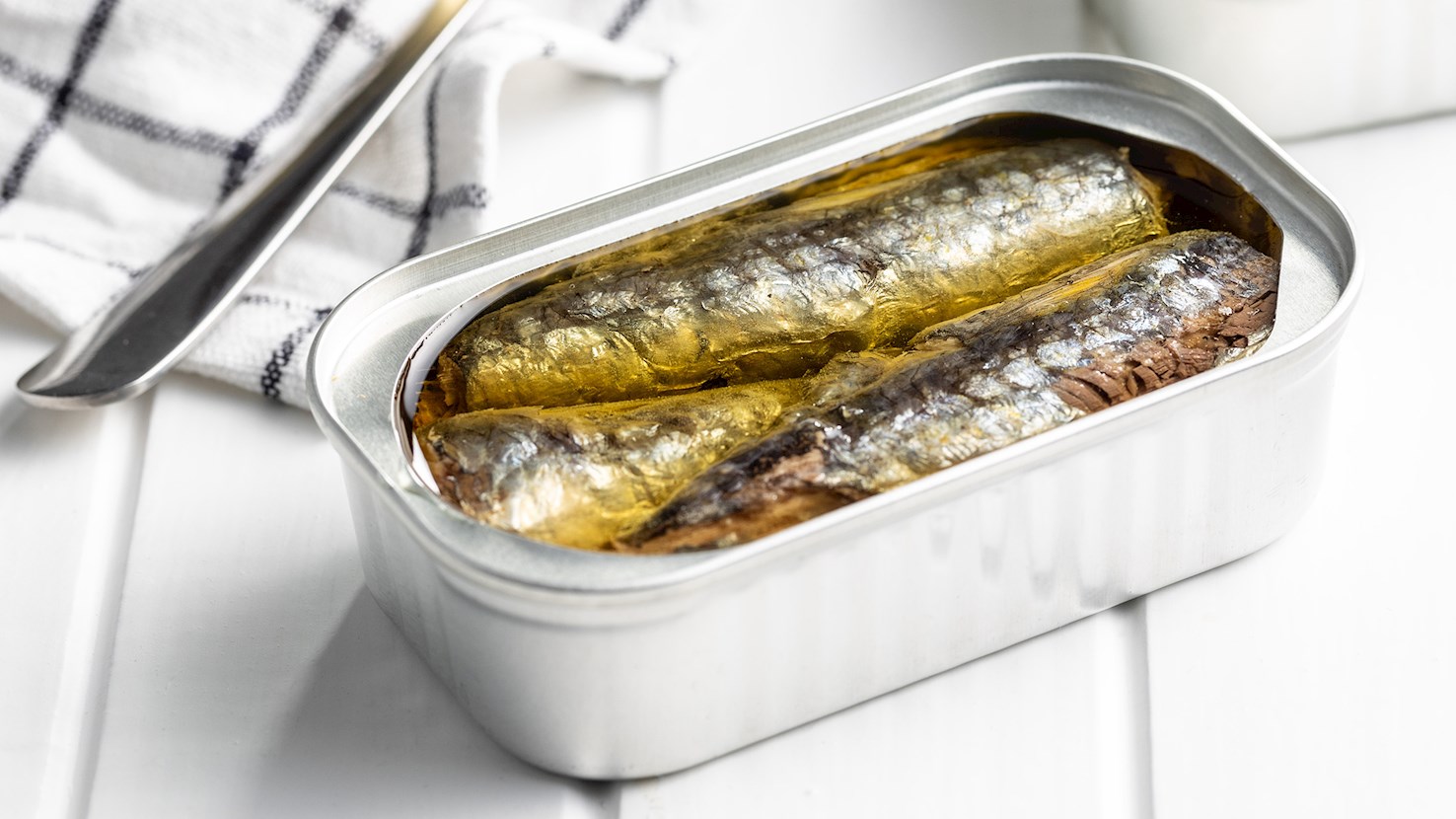
Sardinillas are small, tender sardines traditionally preserved in olive oil and celebrated across Spain, especially in regions like Galicia, Andalusia, and the Basque Country. These miniature sardines—typically ranging from 16 to 20 fish per tin—are smaller than standard sardinas and are a cornerstone of Spain’s revered conservas (preserved seafood) tradition. Harvested along the Spanish coast, sardinillas are valued for their delicate texture, mild flavor, and soft, edible bones. After being cleaned and cooked, they're hand-packed into tins and immersed in high-quality olive oil, which not only enhances their flavor but also extends their shelf life. Some varieties include touches of spice, like chili, or are preserved in pickled sauces for added depth. Often served straight from the tin at room temperature, sardinillas are a staple of tapas culture. They're commonly paired with crusty bread, lemon wedges, or roasted piquillo peppers, and are also used in salads, atop warm potatoes, or as a savory snack with wine.

About this ranking

TasteAtlas food rankings are based on the ratings of the TasteAtlas audience, with a series of mechanisms that recognize real users and that ignore bot, nationalist or local patriotic ratings, and give additional value to the ratings of users that the system recognizes as knowledgeable. For the “24 Worst Rated Preserved Fish in the World” list until July 16, 2026, 1,230 ratings were recorded, of which 858 were recognized by the system as legitimate. TasteAtlas Rankings should not be seen as the final global conclusion about food. Their purpose is to promote excellent local foods, instill pride in traditional dishes, and arouse curiosity about dishes you haven’t tried.

Similar lists