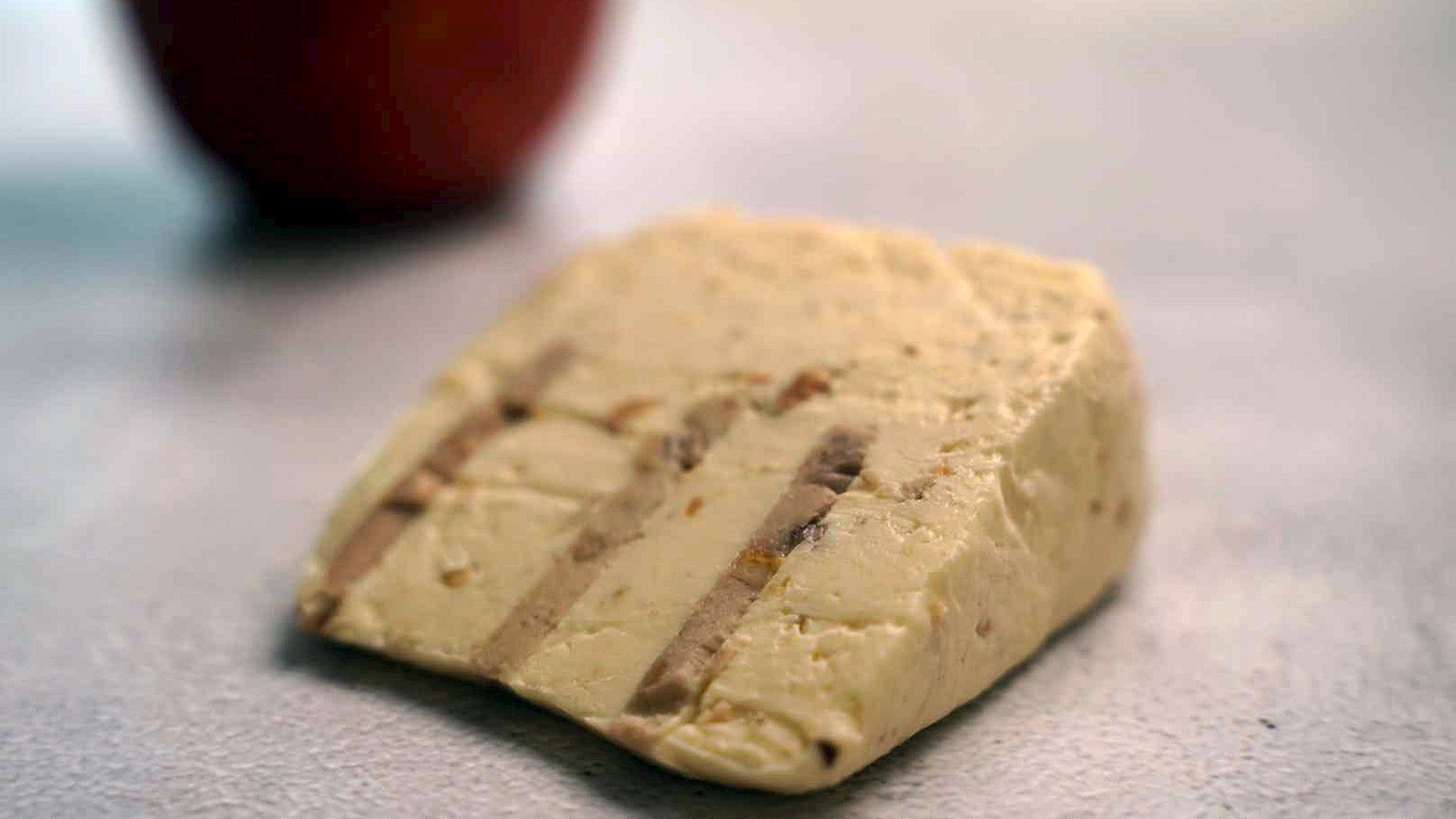
Rambol is a French processed cheese that was invented in the 1960s at a creamery in Rambouillet. In 1970, the first version of trademarked Rambol aux Noix (Rambol with Nuts) was launched commercially. Instead of hard cheese, fresh cow's milk curds are used for the production of Rambol, along with stabilizers, emulsifiers, and vegetable-based gums. The texture is soft, creamy, and spreadable, and there are three layers of nuts and small pieces of nuts (Dordogne walnuts and hazelnuts) distributed throughout the body. The flavor is very mild and slightly woody. There are also versions with herbs and salmon.
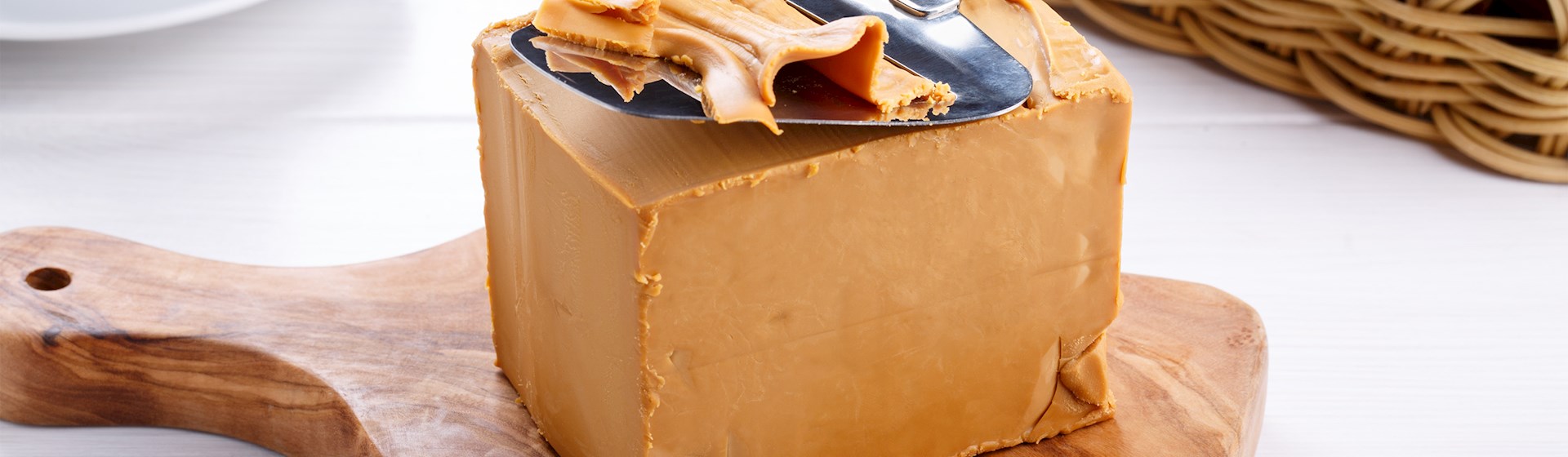
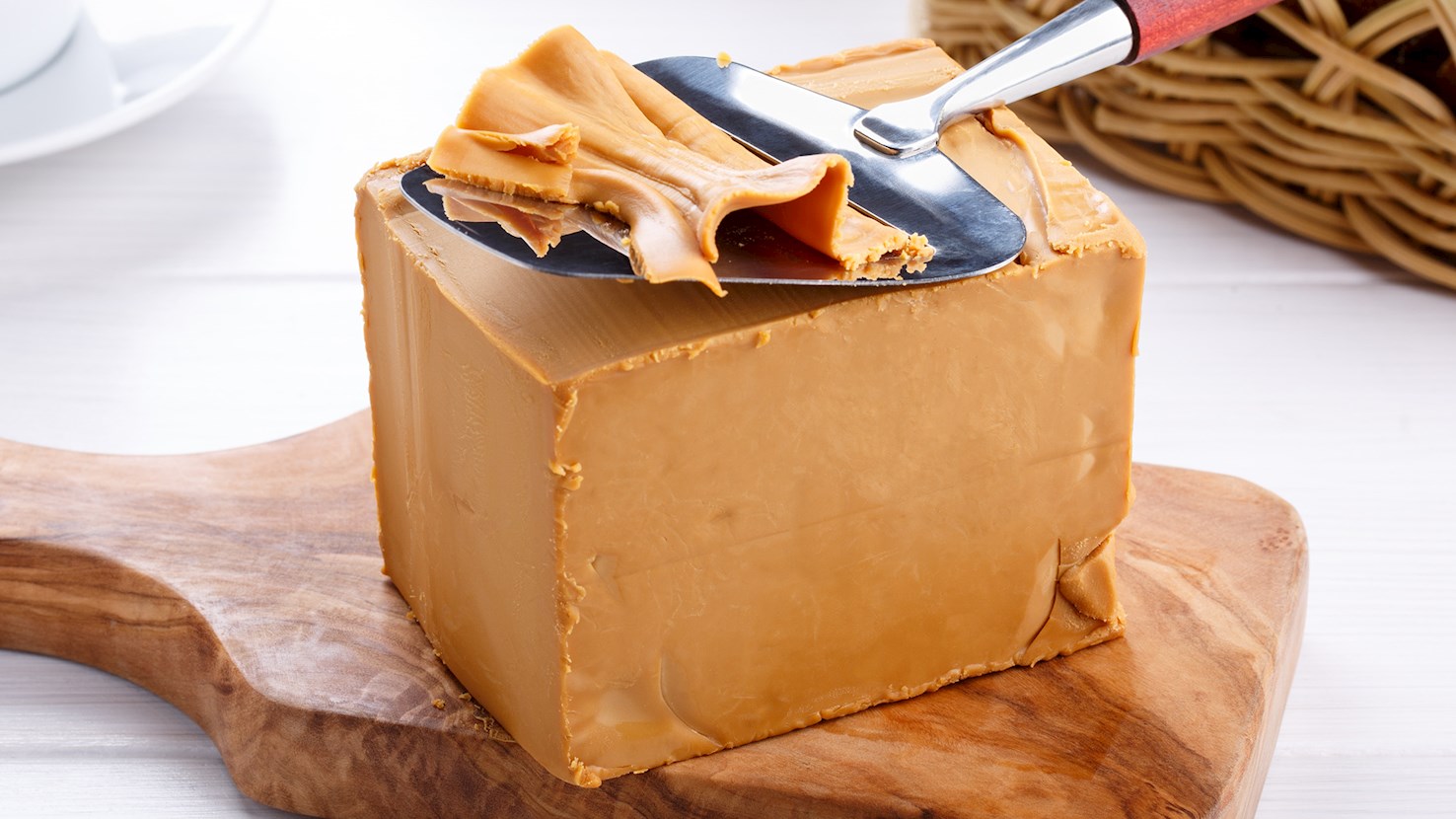
Brunost is a distinctive Norwegian cheese known for its rich brown color and sweet, caramel-like flavor. Unlike typical cheeses made from curdled milk, brunost is made by slowly boiling whey, the liquid leftover from cheese production, until the sugars caramelize and the mixture thickens into a fudge-like consistency. This process imparts its characteristic sweetness and deep brown hue, setting it apart from other dairy products. Brunost has been part of the country’s food culture for centuries, particularly valued in rural and mountainous regions where dairy farming was a central livelihood. Early producers discovered that boiling down whey extended the use of all milk components and created a shelf-stable product that could be stored for long periods without refrigeration. Over time, brunost became closely associated with Norwegian identity and cuisine, reflecting the resourcefulness and simplicity of traditional farming communities. The preparation of brunost involves heating whey for several hours to evaporate water and concentrate the milk sugars. The mixture is carefully stirred to prevent burning and to encourage even caramelization. Once the desired consistency and color are reached, the thickened mass is poured into molds to cool and set. Different variations of brunost exist, made from goat’s milk, cow’s milk, or blends of both, each offering subtle differences in flavor and texture. Brunost is most commonly enjoyed sliced thinly and served on bread or crispbread, often accompanied by butter or jam. It is a staple in Norwegian breakfasts and lunches and sometimes used in cooking to add a unique sweet note to sauces and soups.
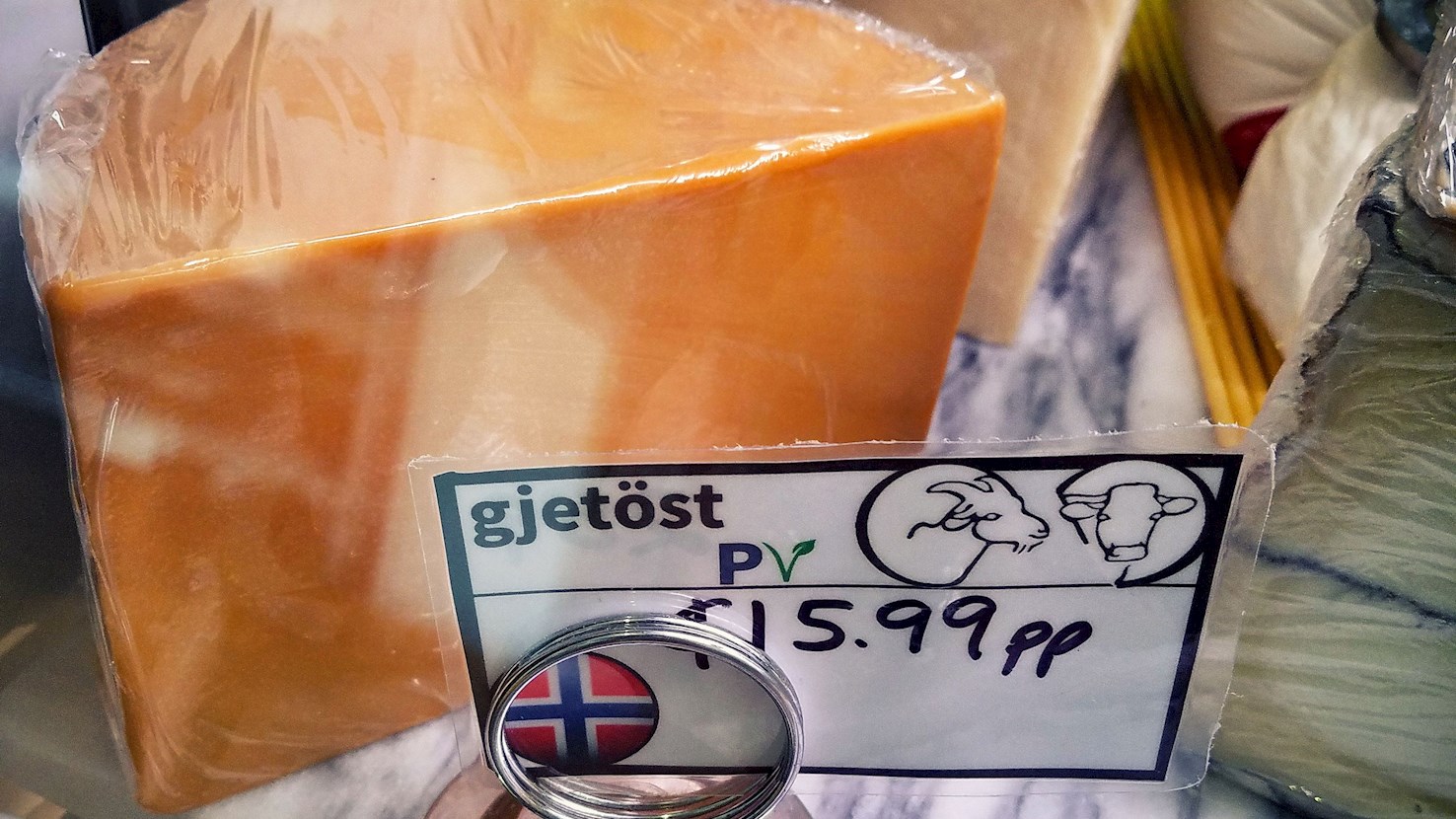
Produced on Norwegian mountain farms for 500 years, Geitost is a processed brown cheese made with whey and cream (goat's milk) that are slowly cooked for 8 to 10 hours. Technically, geitost is a type of brunost and it's not a cheese at all because it's made from a secondary product. Geitost is pressed into square molds and turns brown because of the lactose sugar. Its flavor is sweet with hints of burnt caramel, which is the reason why Norwegian children often eat it for breakfast. Geitost is traditionally sliced extra-thin, and it is typically served on Norwegian flatbread.
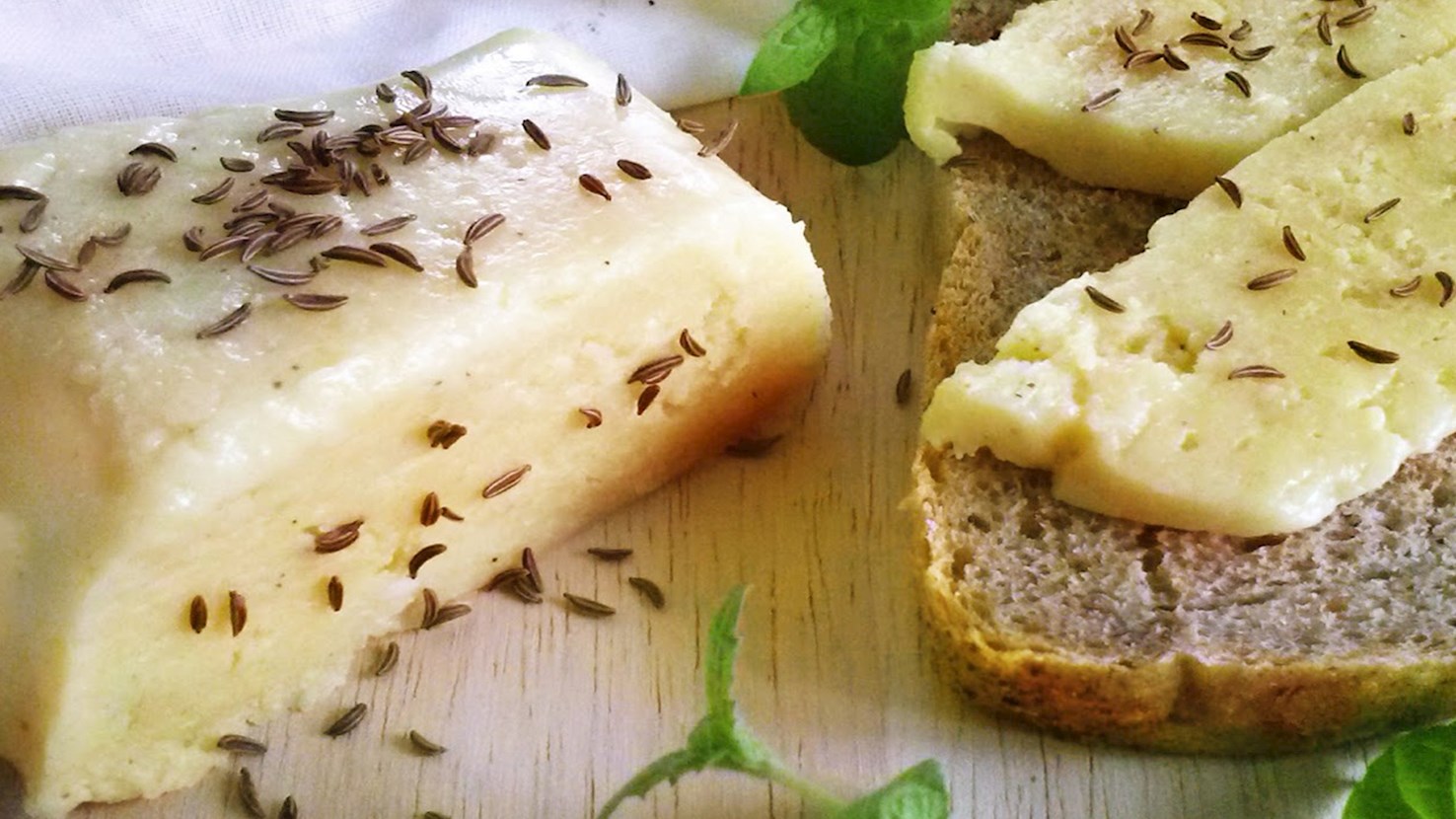
Wielkopolski ser smażony is a unique fried cheese product from Wielkopolska Voivodship in Poland. It has a homogenous, solid and elastic texture. The cheese varies in color from light cream to yellow, depending on how it is fried and on the quality of butter used. The taste is intense and sharp, typical for fried cheese. Additionally, caraway seeds may be added to the cheese, and that is the only other variety that can be produced under the protected name 'Wielkopolska fried cheese'. It is made according to a local, traditional recipe typical for the Wielkopolska region since the 18th century when it was probably first made by the settlers who arrived in the western part of the region. Today, the fried cheese is made only from fresh ingredients and it can be fried exclusively in butter.
TasteAtlas food rankings are based on the ratings of the TasteAtlas audience, with a series of mechanisms that recognize real users and that ignore bot,
nationalist or local patriotic ratings, and give additional value to the ratings of users that the system recognizes as knowledgeable.
TasteAtlas Rankings should not be seen as the final global conclusion about food. Their purpose is to promote excellent local foods,
instill pride in traditional dishes, and arouse curiosity about dishes you haven’t tried.





What People Say