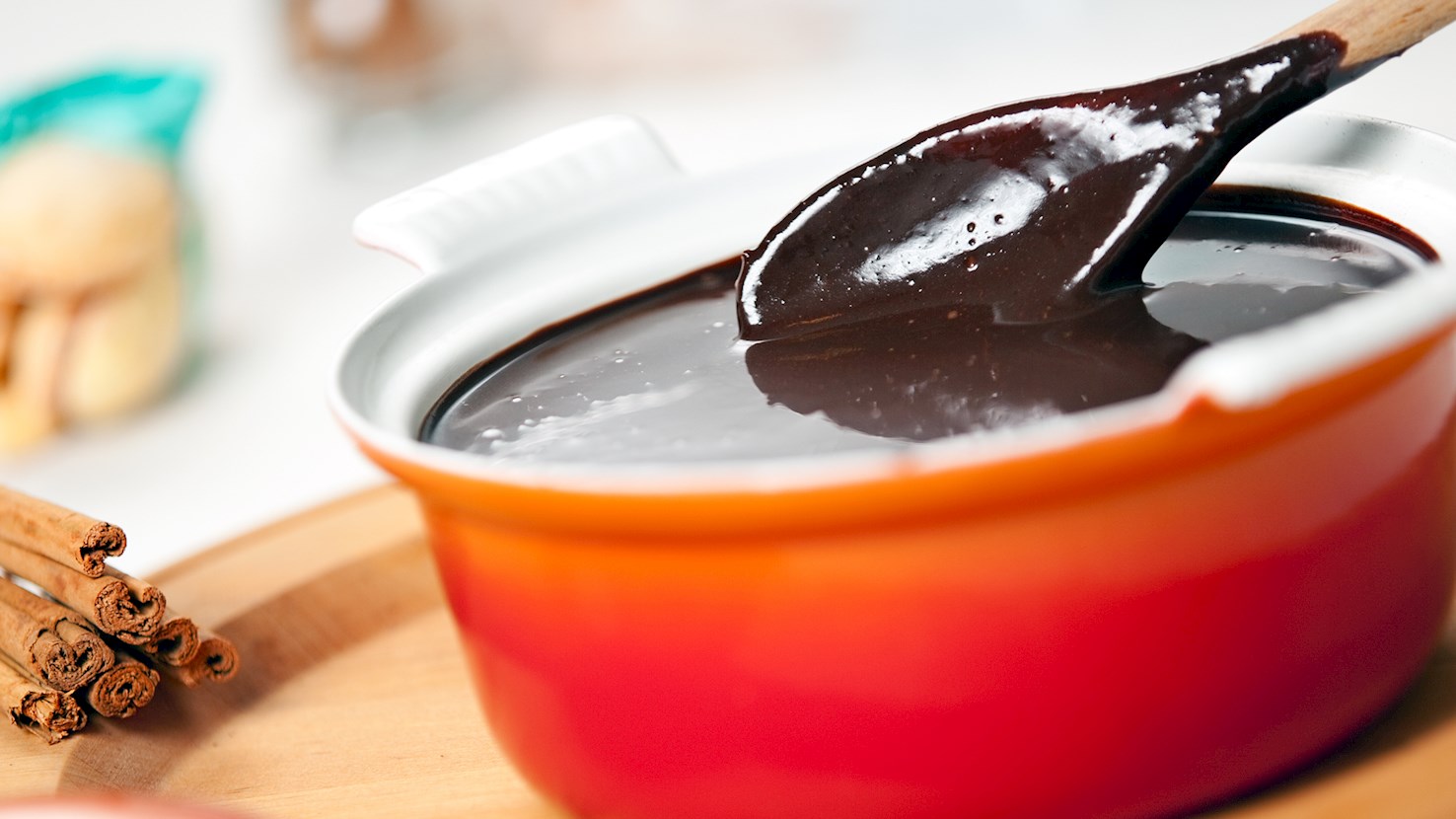
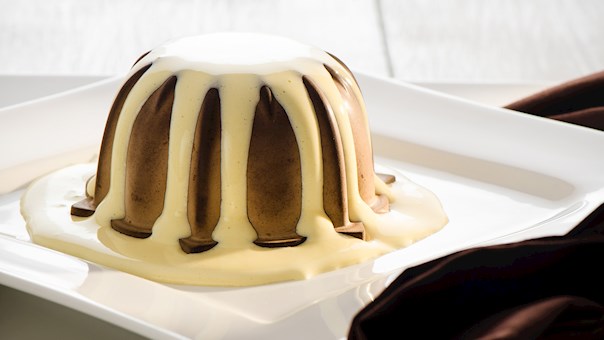
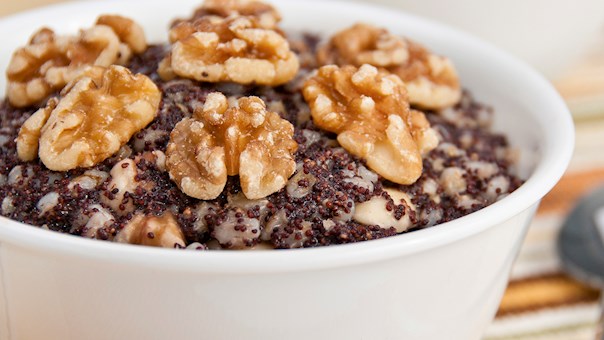
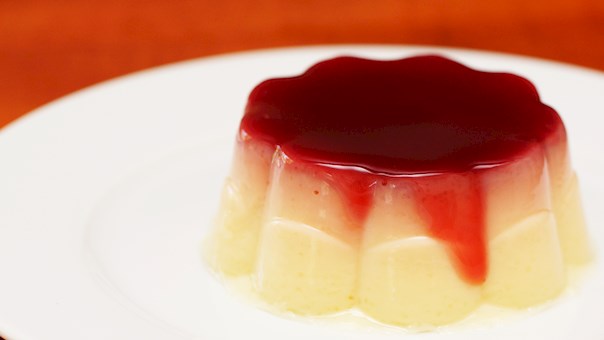
Hailing from the time when animals were butchered in a true snout-to-tail culinary fashion without a morsel going to waste, sanguinaccio emerged as a special dessert making use of those nasty but tasty bits: this Italian sweet pudding is made from fresh pork blood, milk custard, and melted bittersweet dark chocolate. For a richer version, the pudding is often flavored with cinnamon and cloves or lemon zest, and sometimes studded with raisins, toasted almonds, pine nuts, and candied fruit, whereas in some regions it is cooked with the addition of rice. In Naples and the rest of southern Italy, sanguinaccio is traditionally prepared during the Carnival season, and enjoyed with crispy fried ribbons of pastry called chiacchiere, an Italian version of angel wings, but it can also be served with cookies to dip, either the hard, crunchy biscotti or the tender Italian ladyfingers.
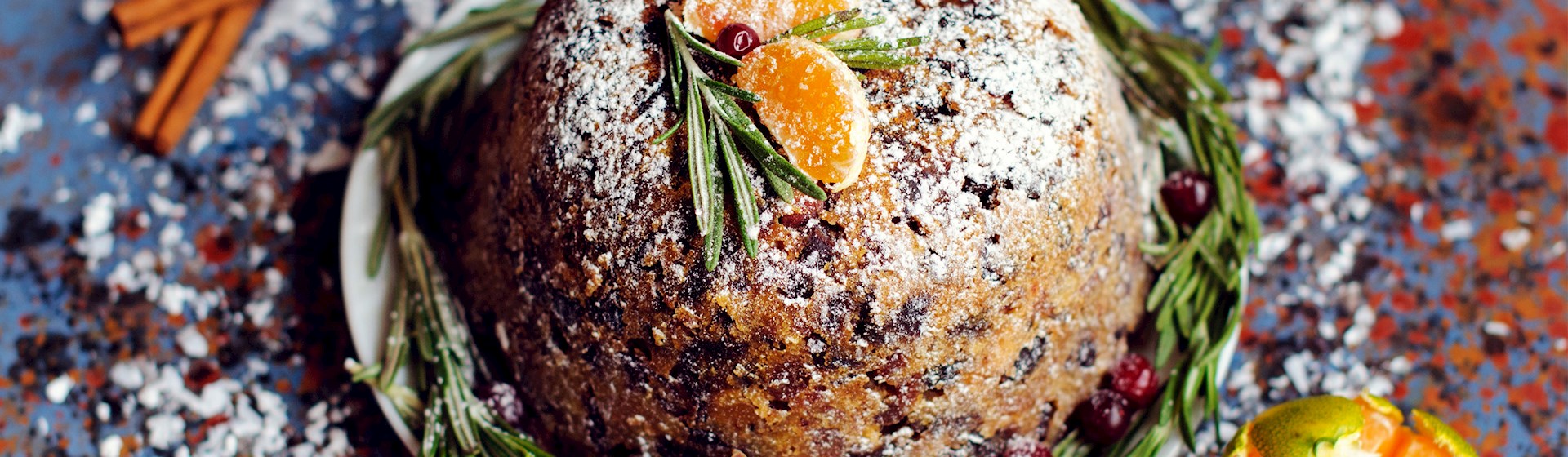
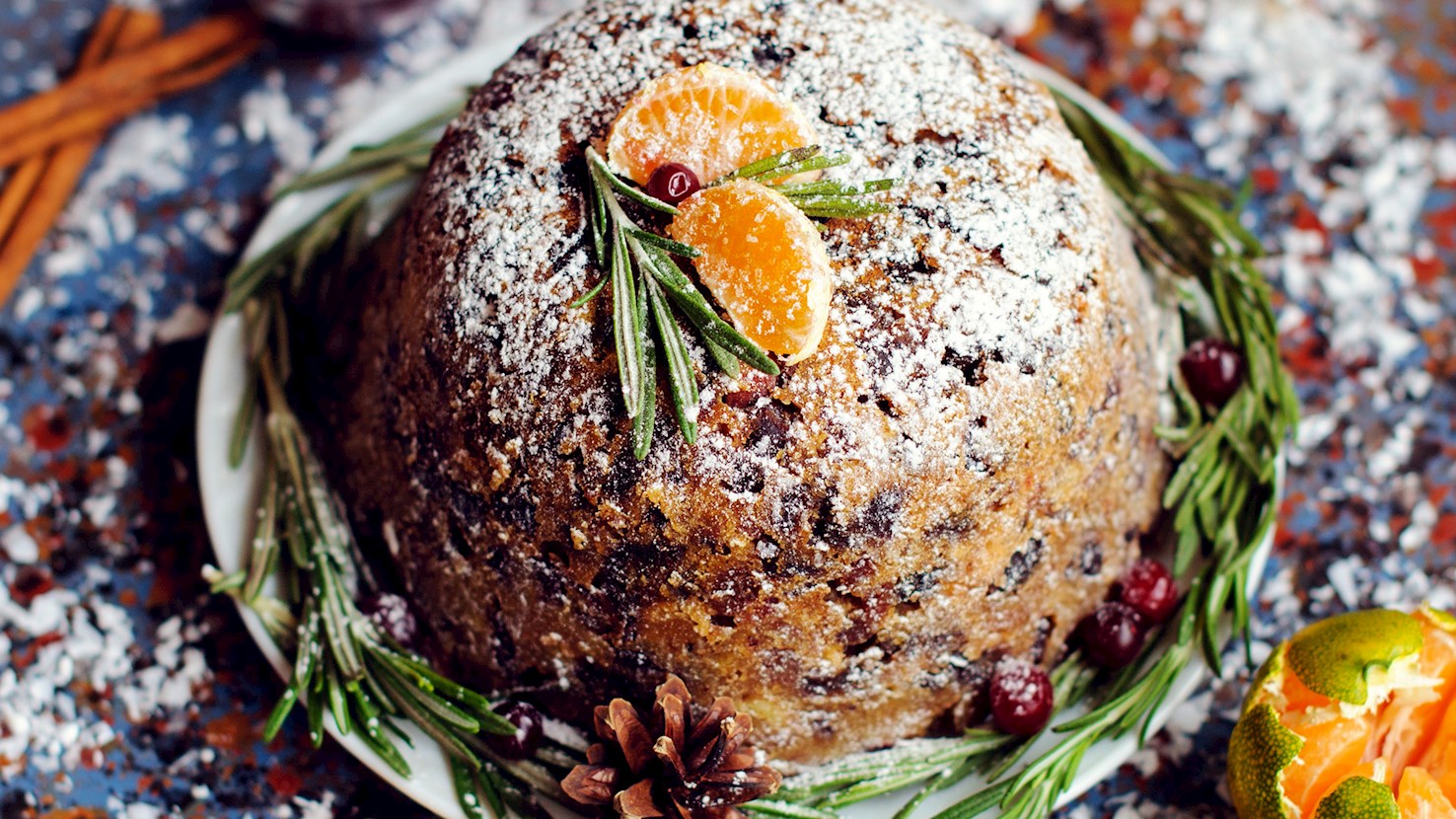
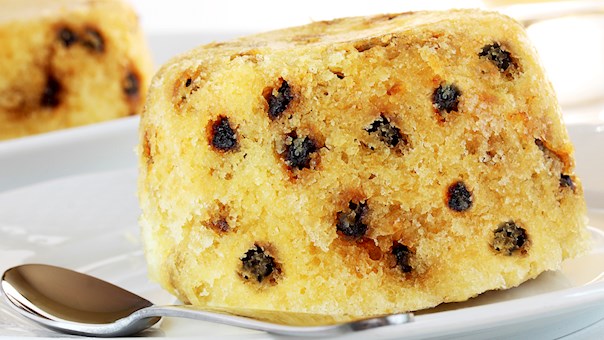
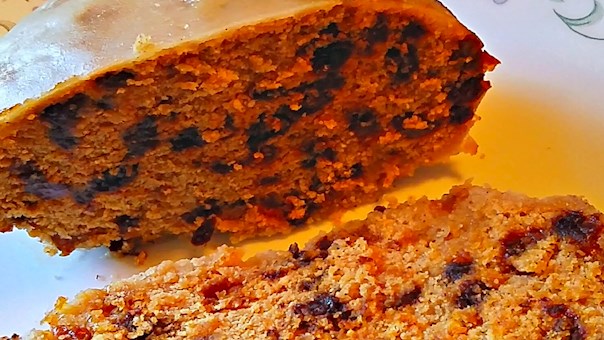
Plum pudding has roots in medieval English sausages when fruits, spices, and fat used to be combined with grains, meats, and vegetables, then packed into animal intestines in order to keep as long as possible. First records of plum puddings can be traced back to the 15th century, and plum was a generic term for any dried fruit – mostly currants, prunes, and raisins. Near the end of the 16th century, dried fruit became more common in England, and plum pudding started to evolve from savory to sweet. Nowadays, plum pudding refers to a wide variety of puddings such as Christmas pudding or Spotted dick.
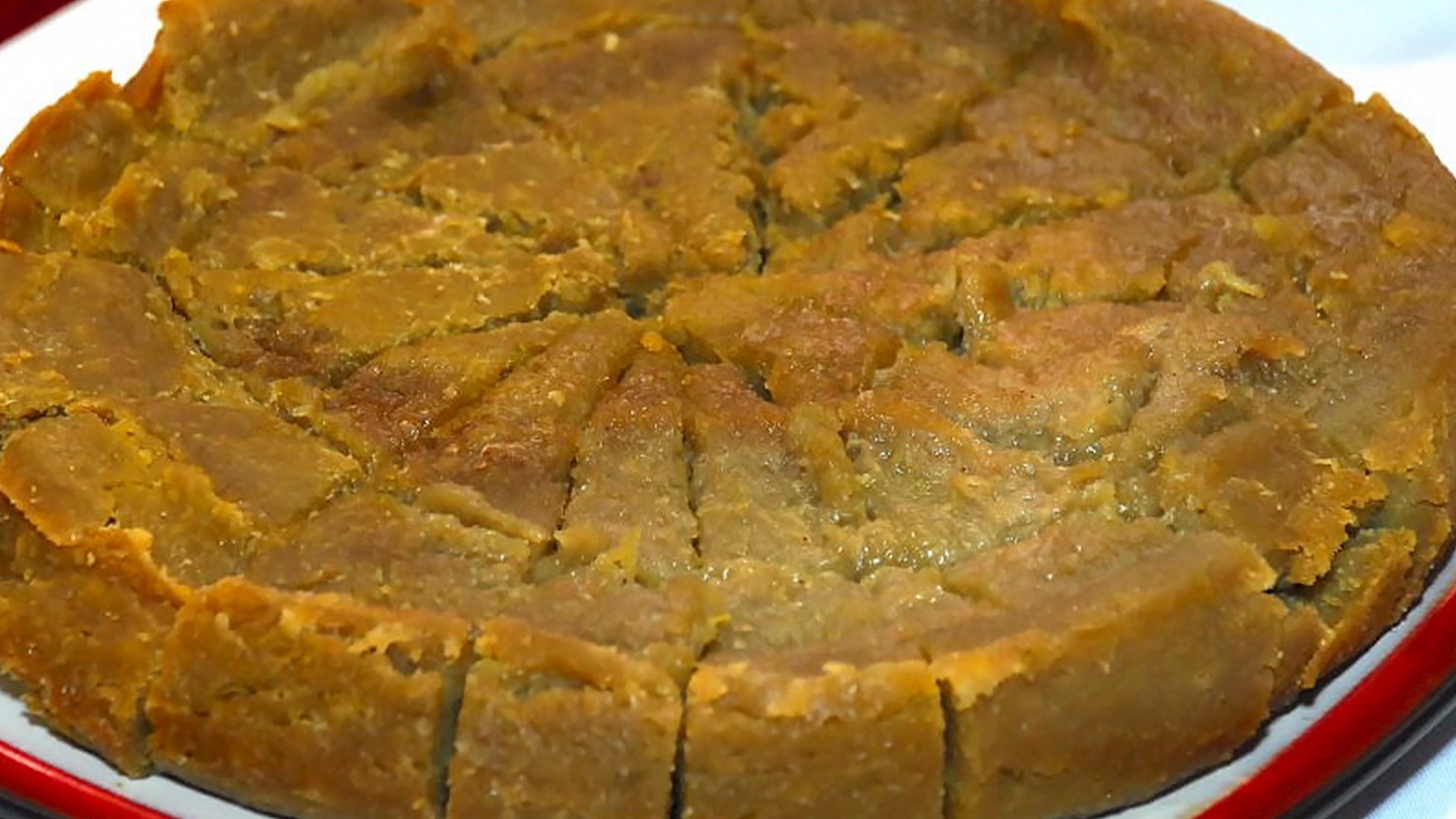
Sweet potato pudding is a Jamaican baked dessert made from grated sweet potato mixed with coconut milk, sugar, spices, and flavorings, then baked until it becomes a firm, sliceable pudding with a dense, moist consistency. It is widely eaten across Jamaica at home, at bakeries, and at weekend food stalls, especially on Saturdays. The dish uses local sweet potatoes, which are typically yellow or orange and have a firmer texture than many North American varieties, giving the pudding its characteristic structure. Its development can be traced to West African culinary practices brought to Jamaica, where grated root vegetables were often combined with coconut-based liquids and baked or steamed. Sweet potatoes became a major crop in Jamaica during the colonial period, and by the eighteenth and nineteenth centuries they were commonly used in both savory and sweet preparations. As coconut milk became a standard ingredient in rural Jamaican cooking, the combination of grated sweet potato, coconut milk, sugar, and spices such as nutmeg and allspice evolved into a baked pudding known throughout the island. Notes from nineteenth-century Jamaican household manuscripts, along with references in early twentieth-century local cookbooks, show the dish already well-established. Over time, cooks refined the mixture and baking method and developed the “soft top,” a slightly creamy layer formed by adding extra coconut milk near the end of baking. Preparation begins by peeling and grating sweet potatoes finely so they create a natural batter when mixed with coconut milk. Sugar, vanilla, nutmeg, allspice, sometimes cinnamon, and a bit of salt are added, along with grated coconut or raisins depending on household preference. Melted butter is sometimes incorporated. The mixture is poured into a greased baking pan and baked slowly for a long period, often an hour and a half or more. Near the end of baking, additional sweetened coconut milk may be poured on top to form the soft top layer, which is a distinctive feature of many Jamaican versions. When finished, the pudding is firm throughout but moist, with a slightly caramelized top and edges. Sweet potato pudding is eaten throughout Jamaica as a snack, dessert, or weekend treat. It is often sold in squares or slices at markets, cookshops, and roadside vendors. It pairs well with beverages such as ginger beer, sorrel drink, cocoa tea, coffee, or a cold glass of milk. Some people enjoy it alongside savory dishes, but it is most commonly served on its own due to its rich, filling nature.
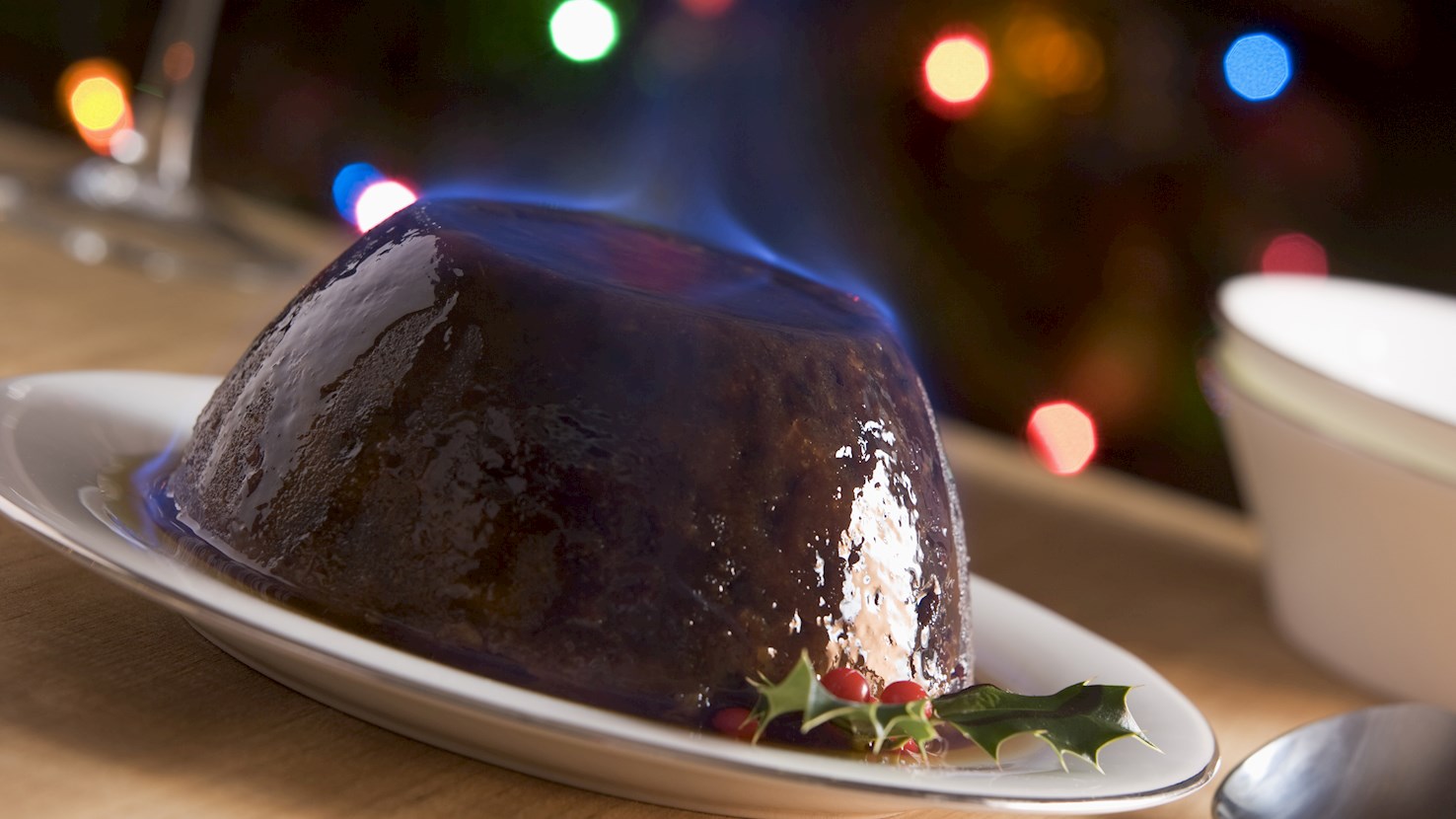
Christmas pudding is a staple dessert at every British Christmas dinner ever since its introduction by Prince Albert. Early versions contained meat such as beef or mutton, along with wine, onions, dried fruits, and warming spices. Today, Christmas pudding does not contain meat, but fruits, eggs, suet, molasses, and spices instead of it, and every family has their own recipe for this steamed treat.
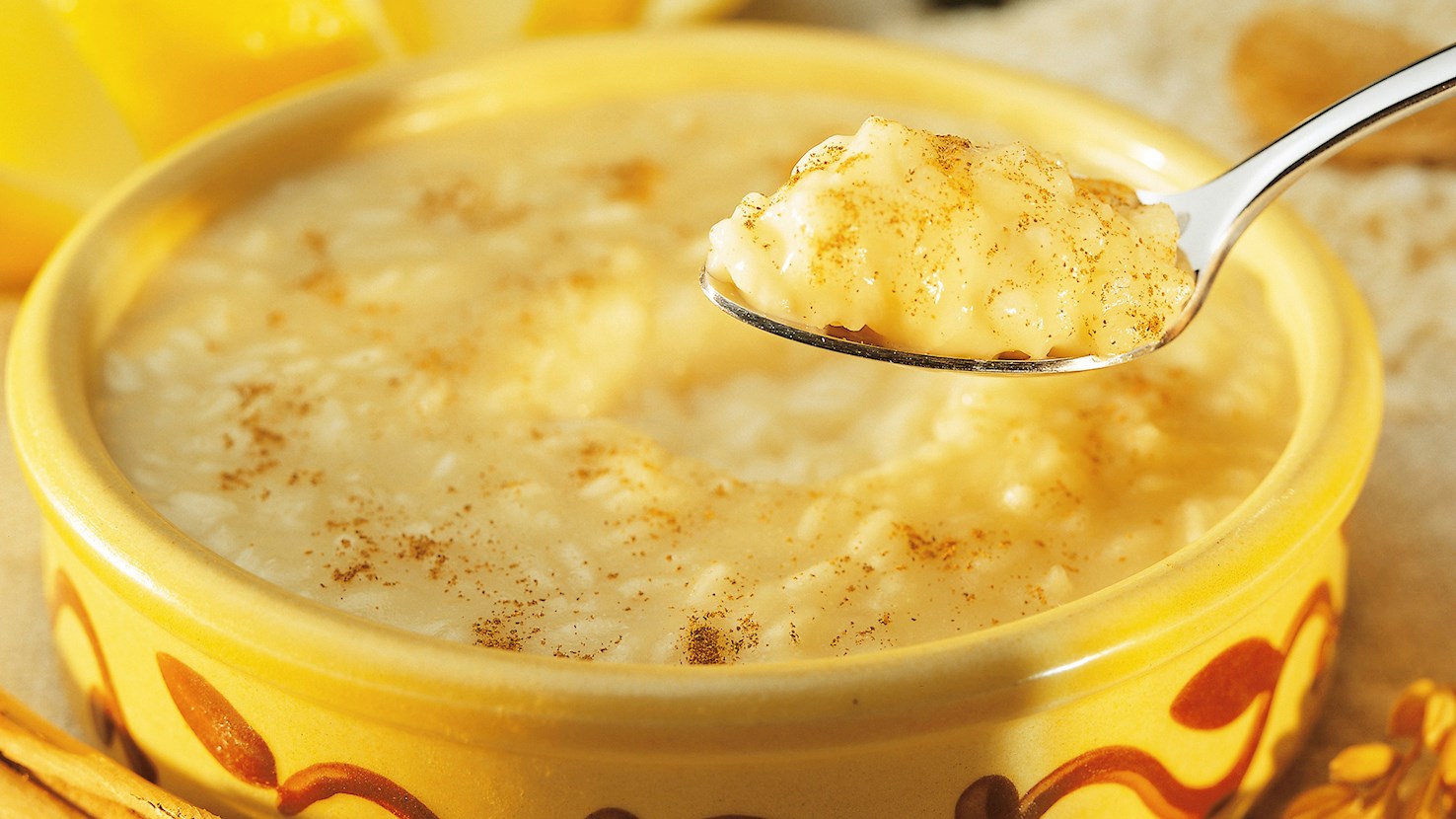
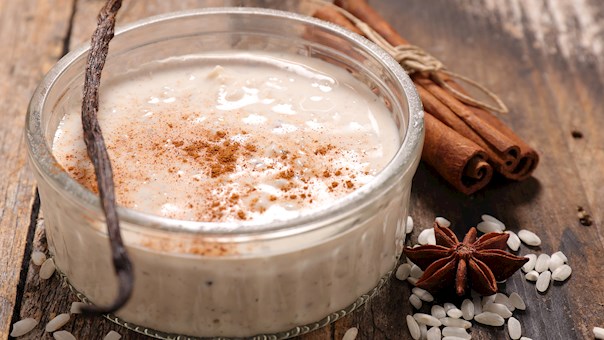
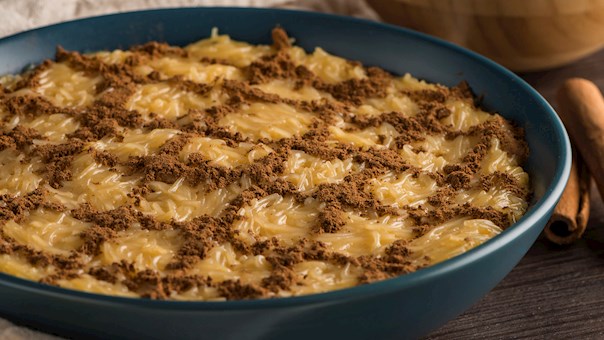
Shir birinj is a classic Iranian dessert that consists primarily of rice cooked slowly in milk, sweetened with sugar, and often flavored with rosewater or cardamom. The roots of shir birinj trace back to Persian culinary traditions that emphasize the use of rice and dairy to create soft-textured, aromatic desserts. The slow simmering of rice in milk allows the grains to absorb the liquid fully, resulting in a creamy and smooth consistency that is both satisfying and soothing. Over time, the recipe has been adapted in households across Iran, each adding subtle variations such as saffron threads or nuts to enhance the sensory experience. Preparation begins by rinsing and soaking short-grain rice, which is then combined with milk, sugar, and a touch of flavoring like rosewater or cardamom. The mixture is gently cooked over low heat, stirred regularly to prevent sticking and to develop a creamy texture as the rice softens. Once the desired consistency is reached, shir birinj is typically garnished with crushed pistachios, cinnamon, or rose petals before serving. It is enjoyed warm or chilled, depending on personal preference and seasonal customs. Shir birinj continues to be a beloved dessert throughout Iran, commonly served in homes, cafes, and at celebrations.
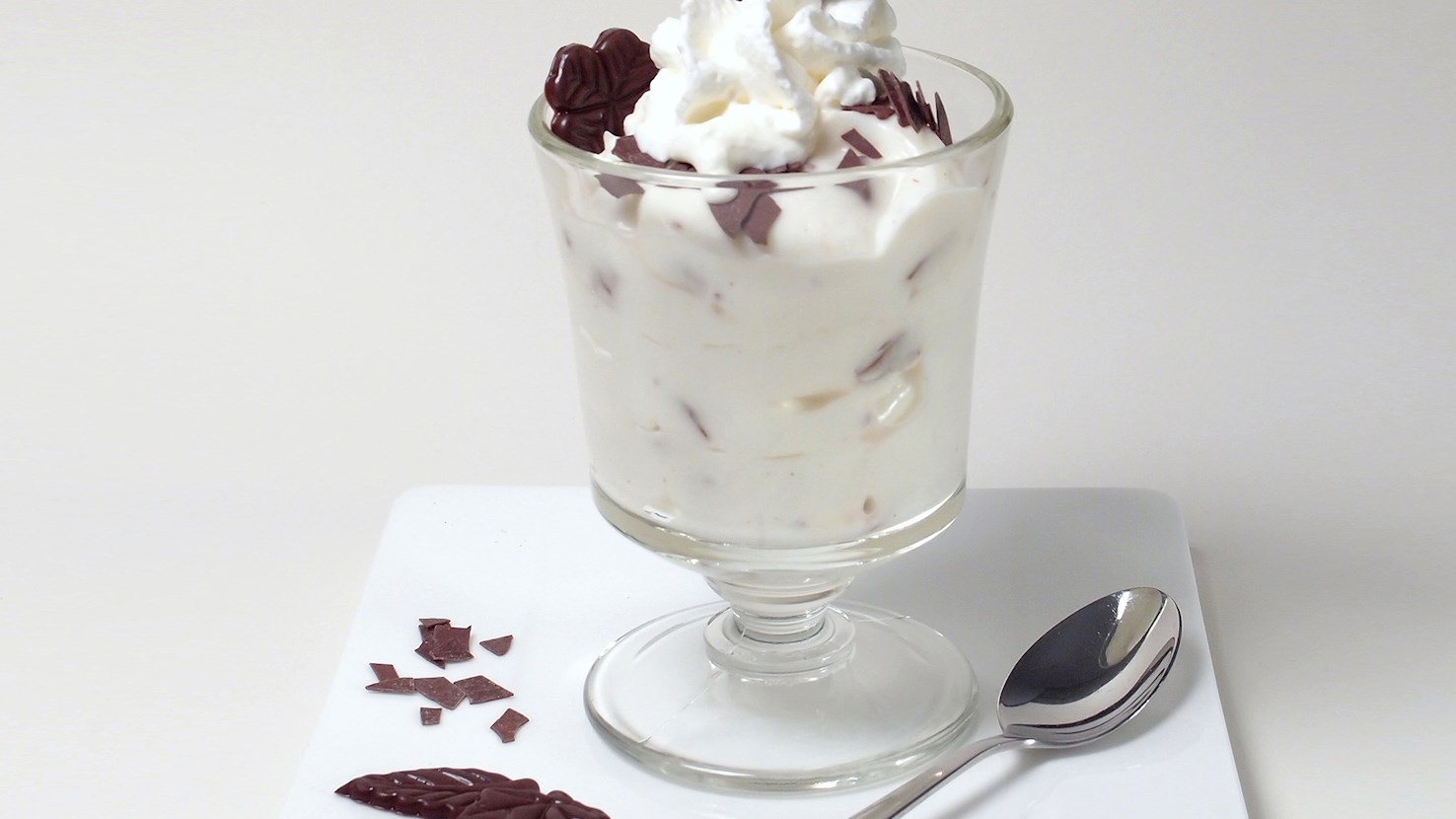
Herrencreme is a simple German dessert made with vanilla pudding, whipped cream, and grated bittersweet chocolate. It is usually flavored with an aromatic alcoholic beverage such as rum, whiskey, or cognac. Sweet and creamy, the dessert is typically served chilled in cups or bowls, topped with fruit, and sprinkled with chocolate shavings. A typical after-lunch sweet treat, herrencreme is also often served on festive occasions such as christenings, weddings, or Christmas.
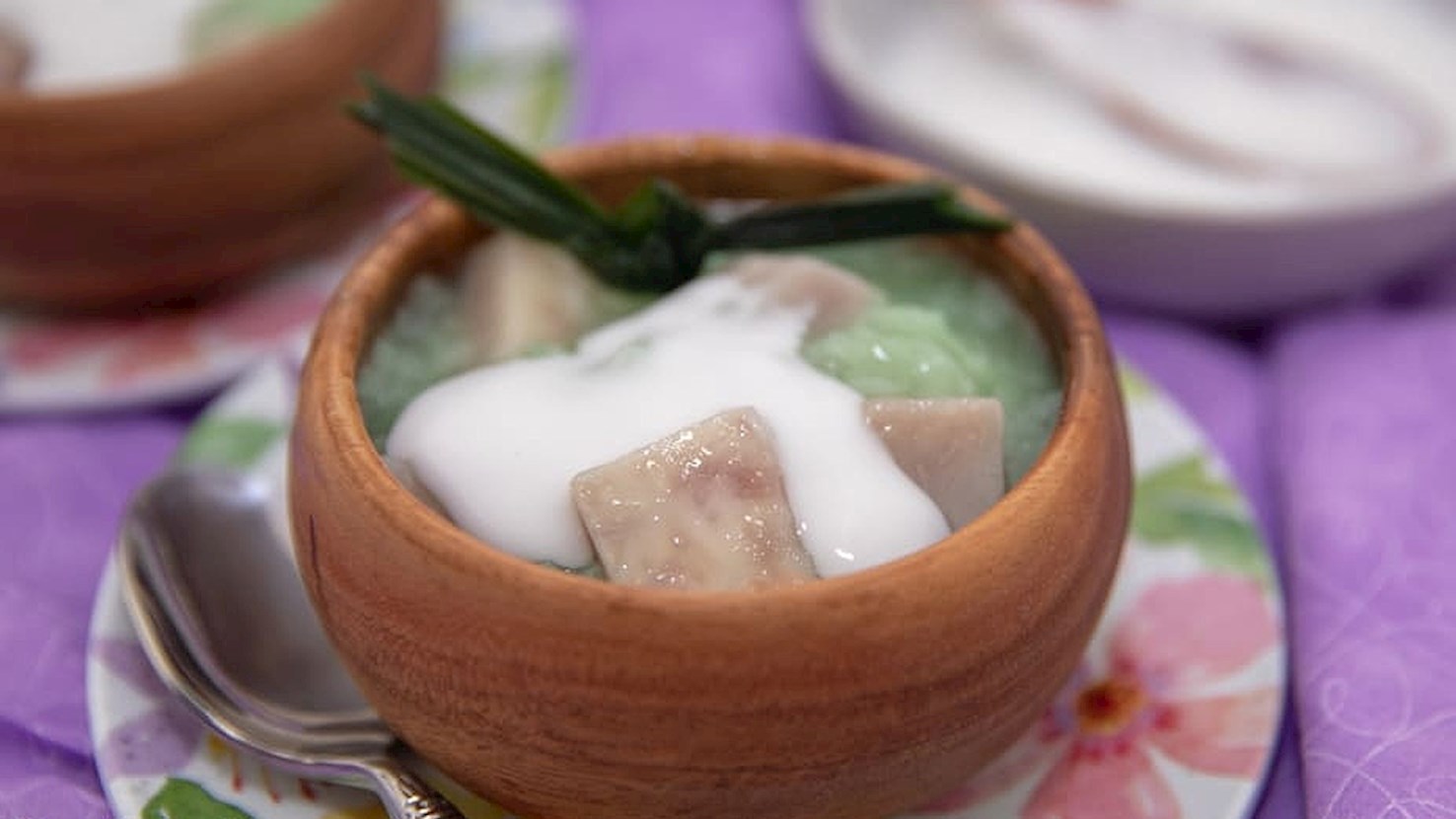
Chè khoai môn is a traditional taro pudding. This simple dessert is prepared with cubes of taro, sticky rice, pandan extract, and sugar. The cubes of taro are steamed until soft, then combined with cooked sticky rice, a few drops of pandan, and sugar. This pudding is served hot or chilled, and it's recommended to top it with coconut sauce before serving.
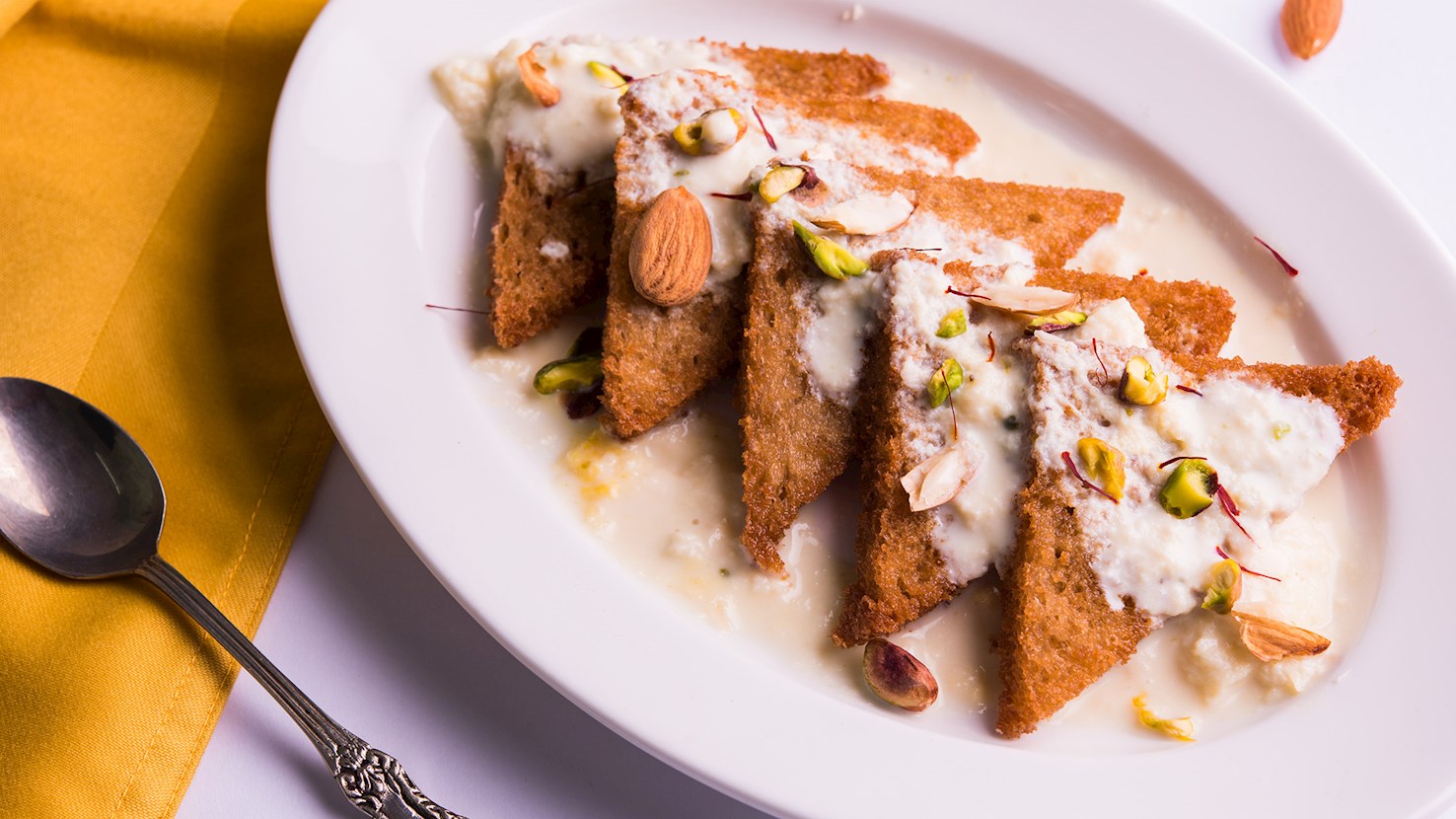
Shahi tukray, which translates to emperor’s morsels, is a Pakistani dessert that is believed to have its roots in the Mughlai cuisine. The dessert consists of crispy slices of fried bread drenched in a mixture of hot sugar syrup and a cardamom-and-saffron-scented milk sauce enriched with chopped almonds and pistachios. This bread pudding is a typical sweet treat in India as well, where it is known as double ka meetha, meaning a sweet dish made from bread. In both Pakistan and India, shahi tukray is traditionally prepared on important occasions and religious holidays such as Eid and Ramadan Iftar. The sweet and milky dessert can be consumed at room temperature or chilled, and it can optionally be adorned with gold or silver leaves.
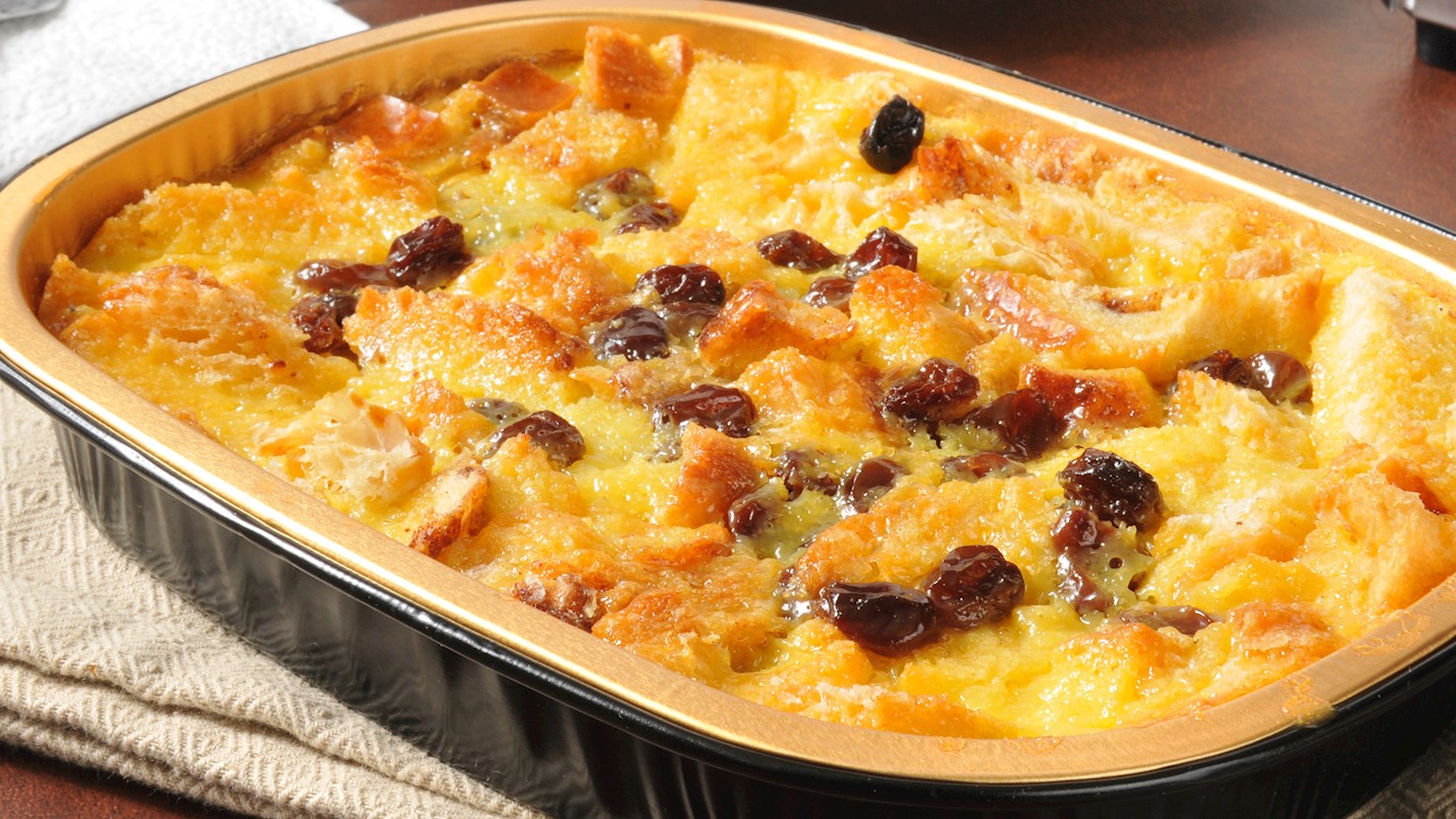
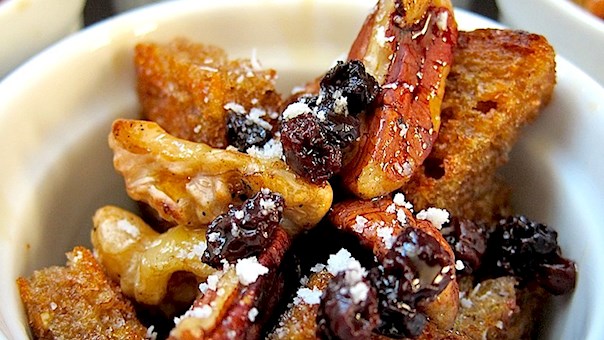
Aromatic capirotada is the Mexican version of bread pudding, consisting of old bread, chunks of nuts and fruits, cinnamon, brown sugar, sweet syrup, and cheese on top. The combination of these ingredients is traditionally baked in an oven. Fruits might include coconuts, apples, bananas, raisins, and dates, while nuts range from peanuts to pine nuts. Capirotada was originally a savory dish in pre-colonial Spain, when it was mostly associated with the Jewish people and the Moors. Over time, the dish made its way to the New World, where it became the tasty dessert that we know today. It is closely associated with Lent, being a great way to use up all of the leftovers before fasting. Capirotada is traditionally consumed on Fridays and Holy Days, and numerous Mexican people associate it with the Passion of Christ – the bread symbolizes Christ's body, the syrup is for blood, raisins are for nails, while the cheese symbolizes the Holy Shroud.
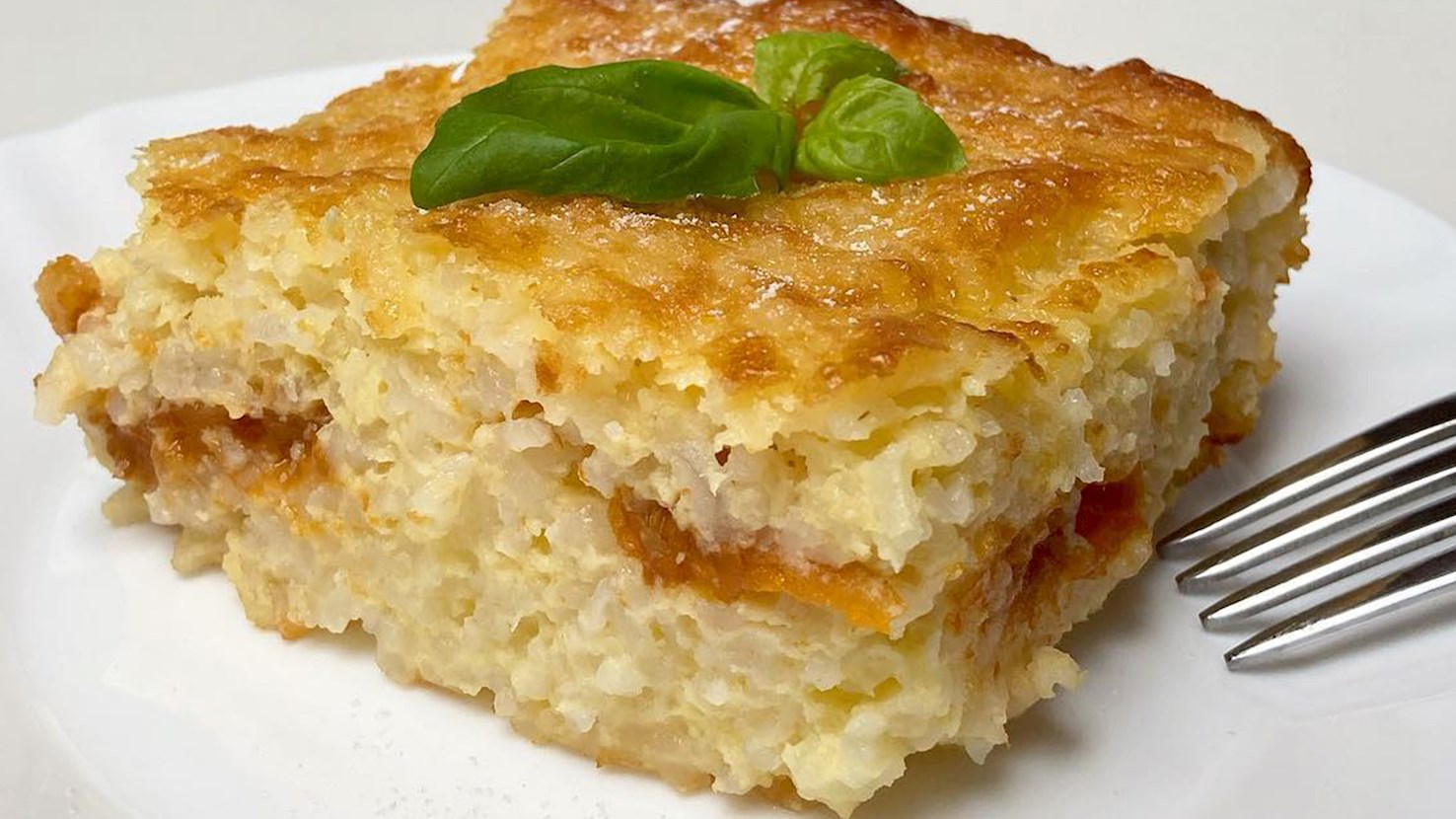
Rýžový nákyp is a traditional and Slovak rice pudding that is often served as the main course. It consists or rice cooked in milk that is chilled and combined with egg yolks, sugar, butter, vanilla, and beaten egg whites. The mixture is later mixed with fruit, topped with a thick layer of beaten egg whites, and baked until completely set. It is usually made with cherries or peaches, and the fruit is occasionally dispersed between the layers of rice. Although it is a sweet dish, it is mostly eaten as a second course or as the main dish. Rýžový nákyp is usually preceded by a hearty bowl of soup.
TasteAtlas food rankings are based on the ratings of the TasteAtlas audience, with a series of mechanisms that recognize real users and that ignore bot,
nationalist or local patriotic ratings, and give additional value to the ratings of users that the system recognizes as knowledgeable.
For the “57 Worst Rated Puddings in the World” list until September 15, 2026, 8,806 ratings were recorded, of which 4,999 were recognized by the system as legitimate.
TasteAtlas Rankings should not be seen as the final global conclusion about food. Their purpose is to promote excellent local foods,
instill pride in traditional dishes, and arouse curiosity about dishes you haven’t tried.




What People Say