

AMTirol

31 Worst Rated Central European Raw Milk Cheeses

Last updated on May 21, 2026
01

Schabziger

3 ·

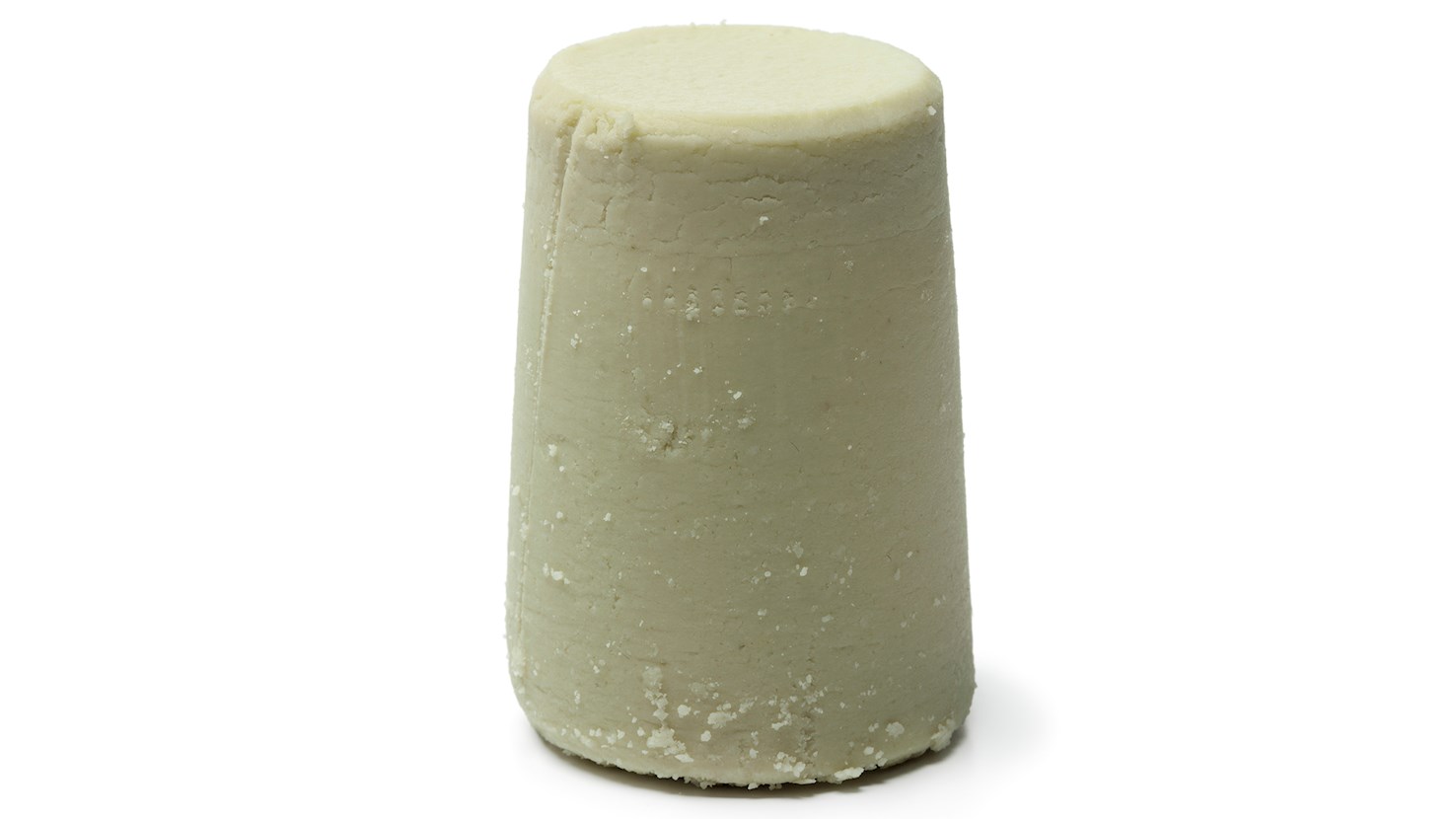
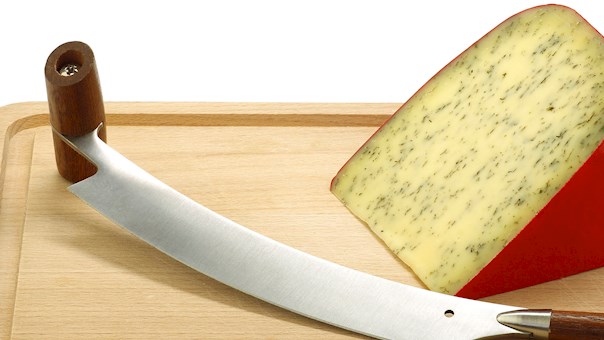
Schabziger is a traditional cheese produced in Glarus. It dates as far back as the 8th century when it was made in a monastery. The cheese is also Switzerland's oldest protected brand – in 1463, there was a council meeting and the locals had decided that the cheese should be stamped with a seal representing its authenticity – and the same seal is still being stamped on Schabziger today. This lime-green, zero-fat cheese is made from cow's milk and the skimmed milk curds are aged for 8 weeks, after which they're ground and combined with ground fenugreek seeds. The cheese is then pressed into a small cone called stockli, which is wrapped in silver foil. The texture is dry and hard, while the flavors are powerful, pungent, and spicy. In the US, it's known as Sap Sago. It is recommended to mix Schabziger with butter, then spread it over bread with onions or chives, but it can also be added to soups, fondues, and baked potatoes. Pair it with Pinot Noir or a glass of cider.

02

Tiroler Graukäse

3 ·

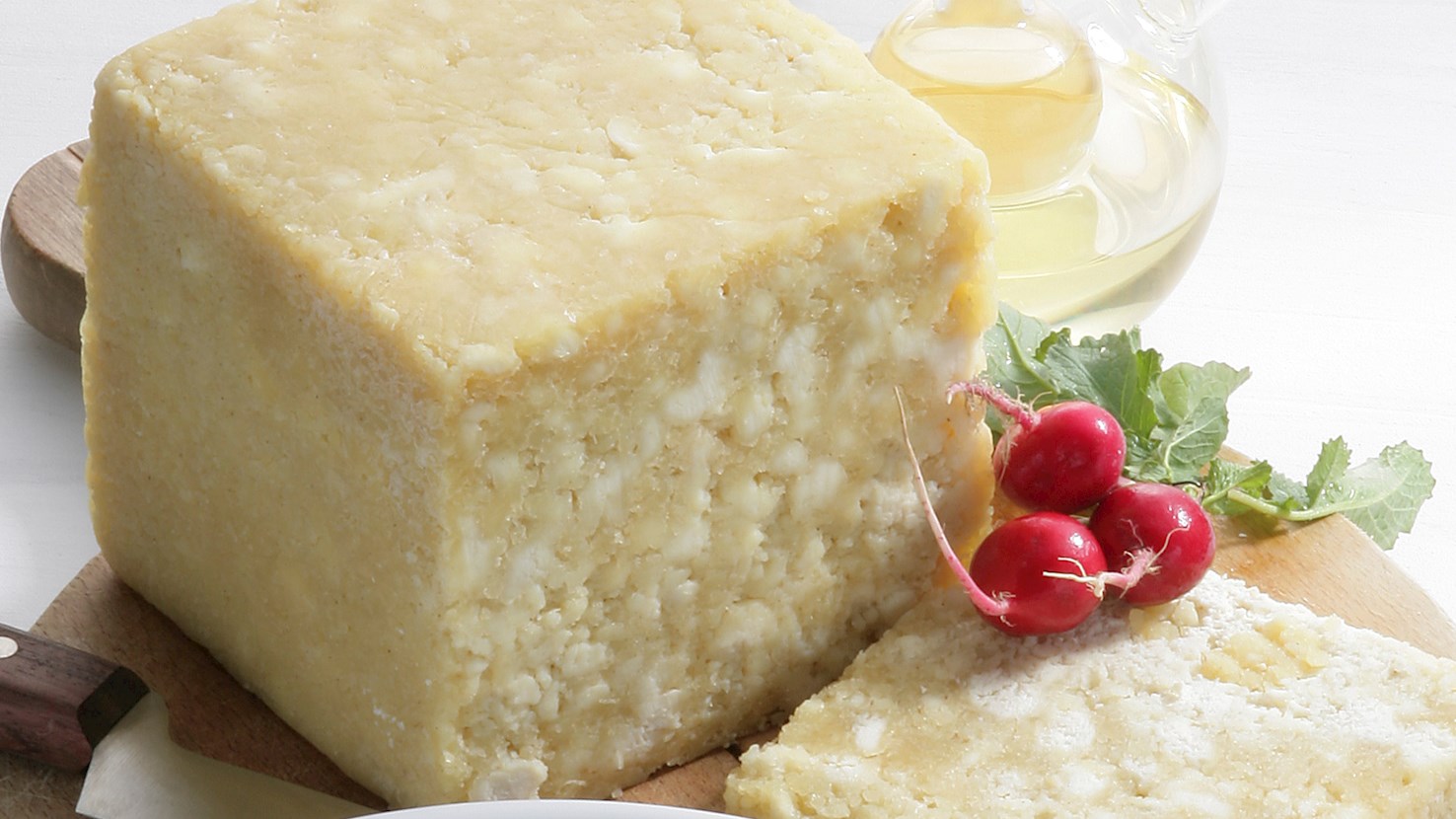
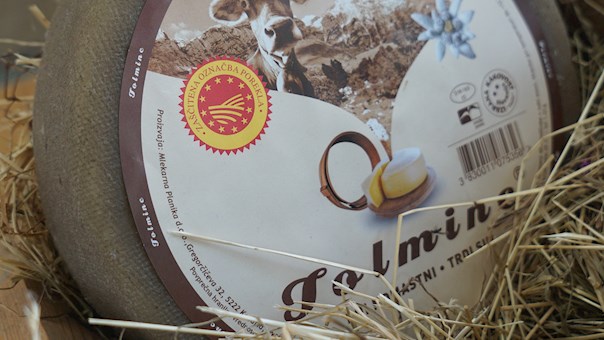
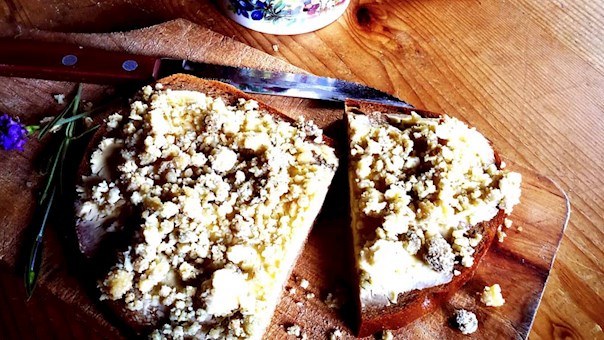
Tyrolean grey cheese is a variety of sour cow's milk cheese, traditionally made on lush Austrian pastures from skimmed milk which was previously left to curdle for several days. This cheese is extremely low in fat, it has a thin crackled rind and a crumbly texture. Named after the grey colored mold which emerges on the surface right after maturation, Tiroler Graukäse exudes a strong, pungent aroma. It is typically crumbled over buttered wholemeal bread, but it is also an essential ingredient in many traditional Tyrolean dishes such as nettle soup with Kaspressknödeln, a variety of cheese dumplings, or Zillertal donuts. Interestingly, there is also an Italian variety of Gräukase from South Tyrol and it's protected by a PAT designation.

03

Klenovecký Syrec

3 ·

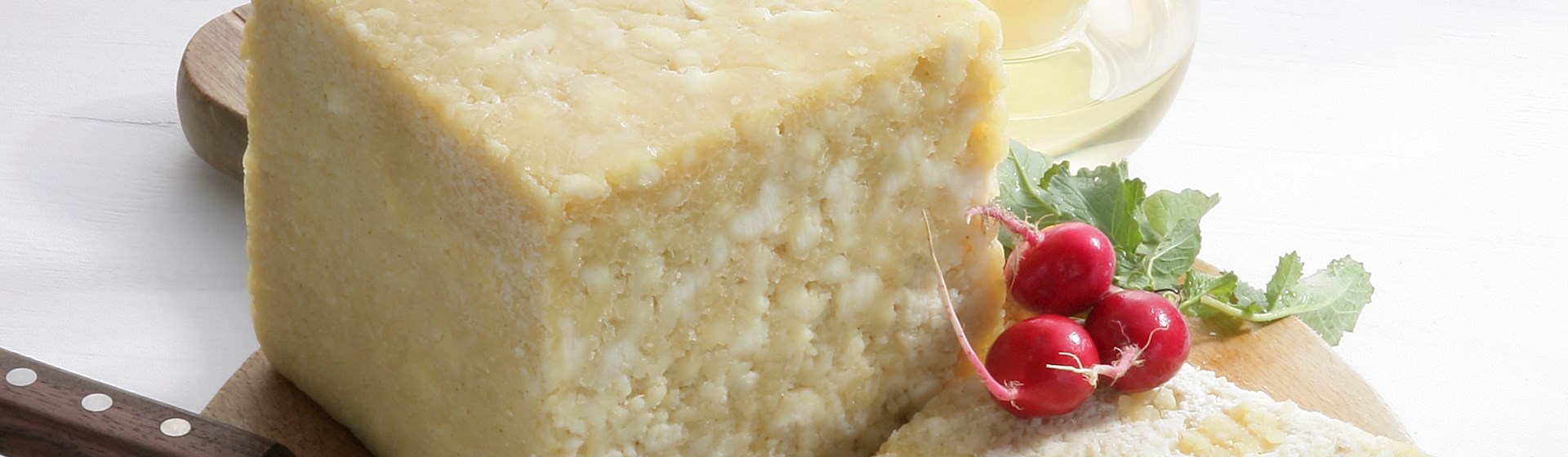
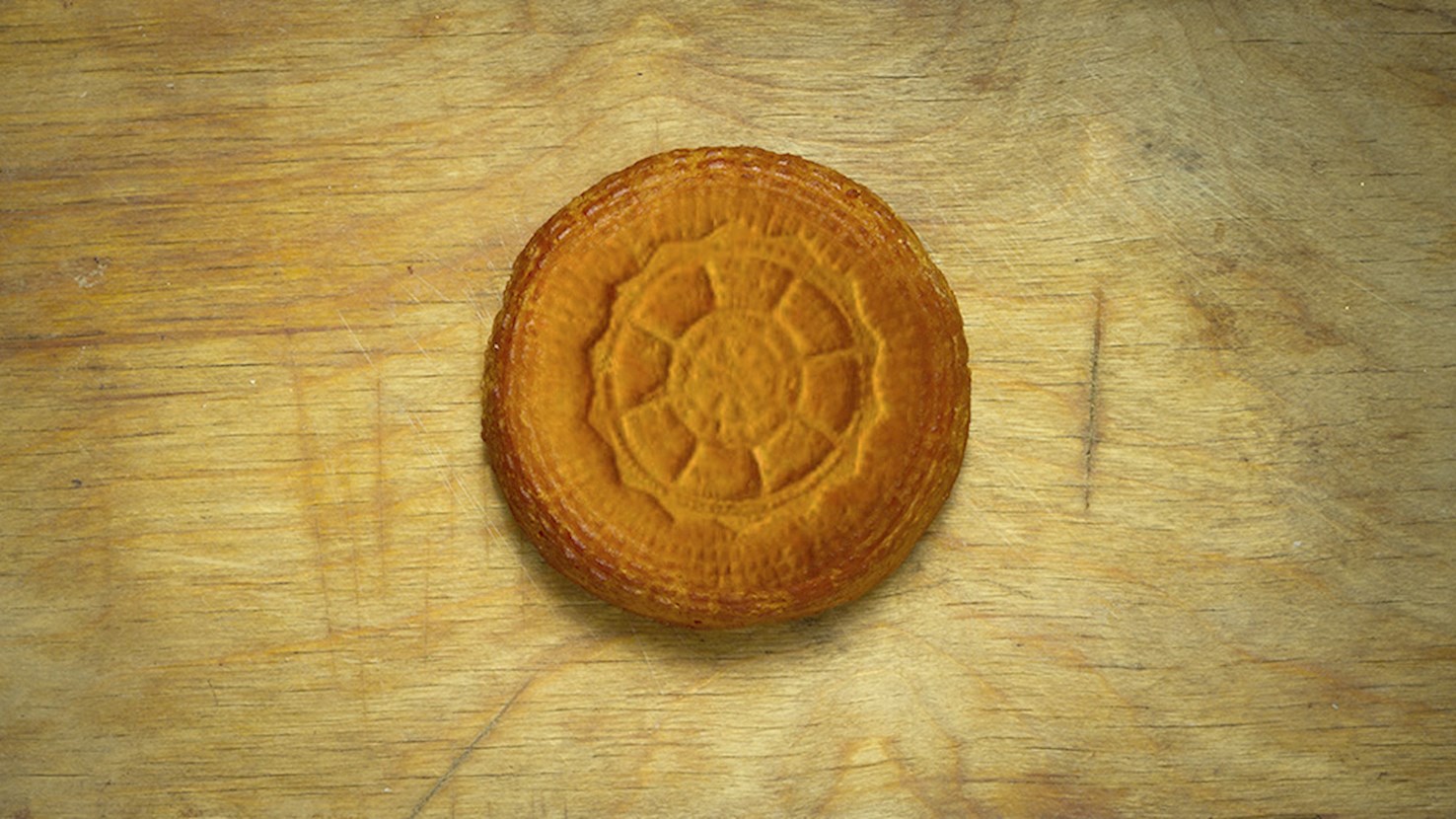
Klenovecký syrec is a semi-hard cheese made from unpasteurized sheep's or cow's high-quality milk, produced in the mountainous Gemer-Malohont region in the Slovak Republic since 1850. The cheese can be either smoked or unsmoked and can be made in shepherd's huts, on a farm or at dairies using the industrial process. On the exterior, particularly on the surface, it has an embossed four-leaf clover for decoration, and its soft rind can be colored green using wood ash. The cheese must weigh between one and four kilograms. On the interior, it is white to pale yellow, with a soft, elastic texture with tiny holes that appear once the cheese is sliced. The flavour is pleasant, slightly acidic and salty, and smoky in smoked varieties. The cheese is so popular in the region today that it is displayed as a delicacy at a well-known regional event in Klenovec called Klenovecká Rontouka.

04

Romadur

3.2 ·

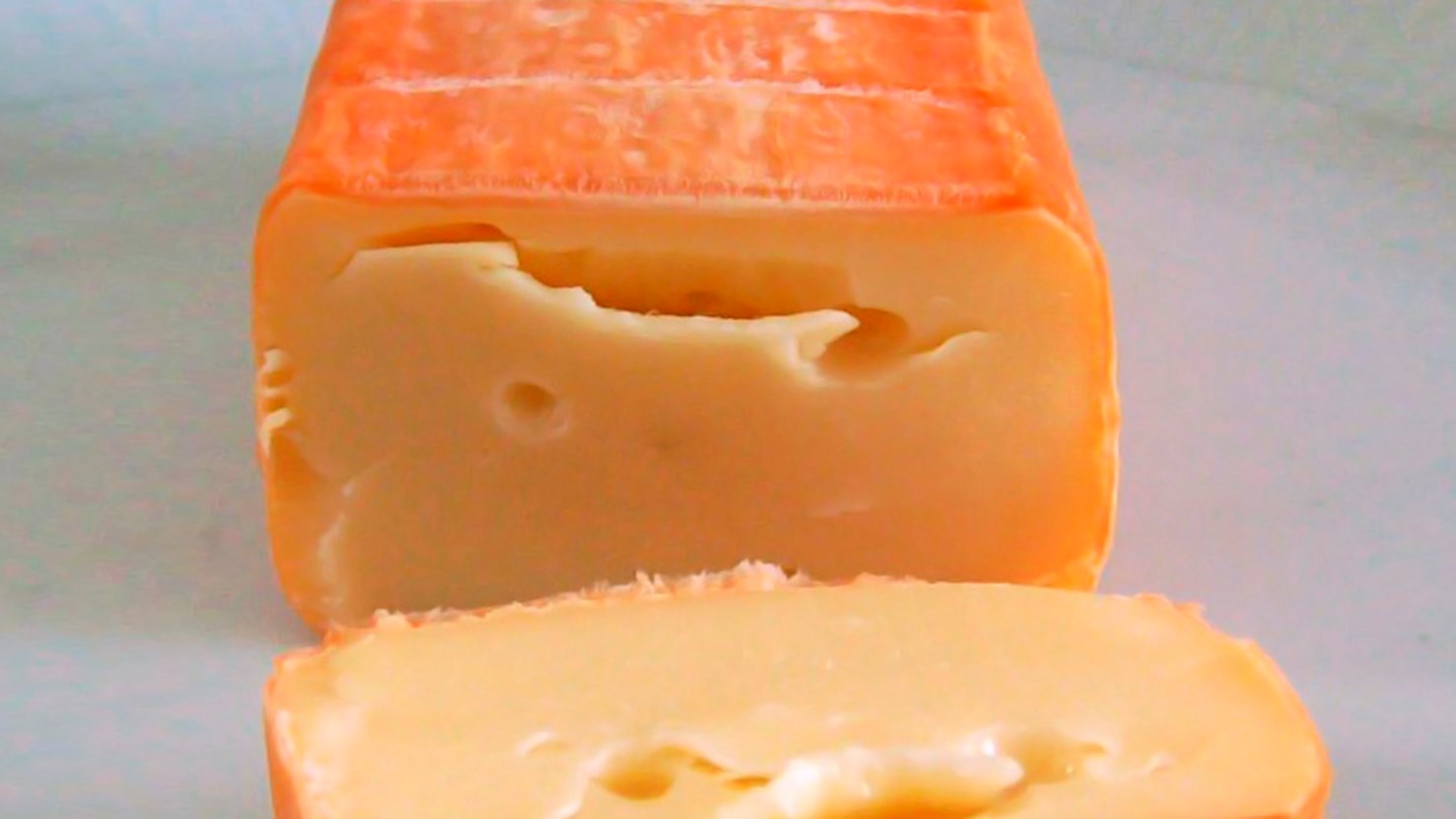
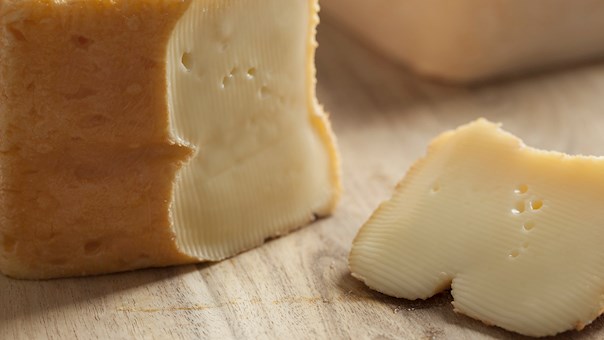
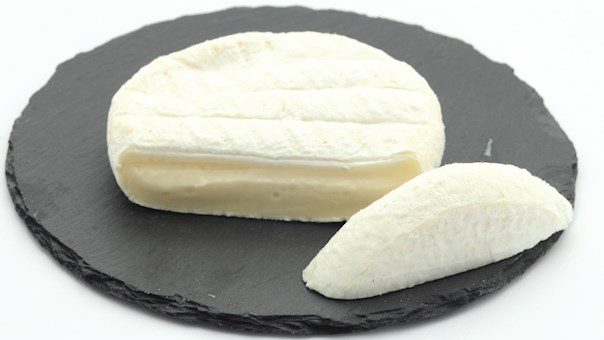
Although romadur is nowadays considered a German cheese, some believe that it originated in Belgium and was brought over to Germany in the 1830s. Regardless of the origin, today it is considered a specialty of Bavaria. This soft cheese is made from raw cow’s milk, and it is usually shaped into small, rectangular logs. During the aging period (anywhere from 8-10 days) it is regularly washed in salt water, a process that gives the cheese its characteristical reddish-brown rind. Romadur also has a strong, spicy aroma and a distinctive flavor that ranges from mild to slightly tangy. Its texture is soft and creamy, making it great for slicing or spreading on bread. It is recommended to pair it with crusty bread, strong beer, or a glass of full-bodied red wine.

05

Tiroler Almkäse

3.2 ·

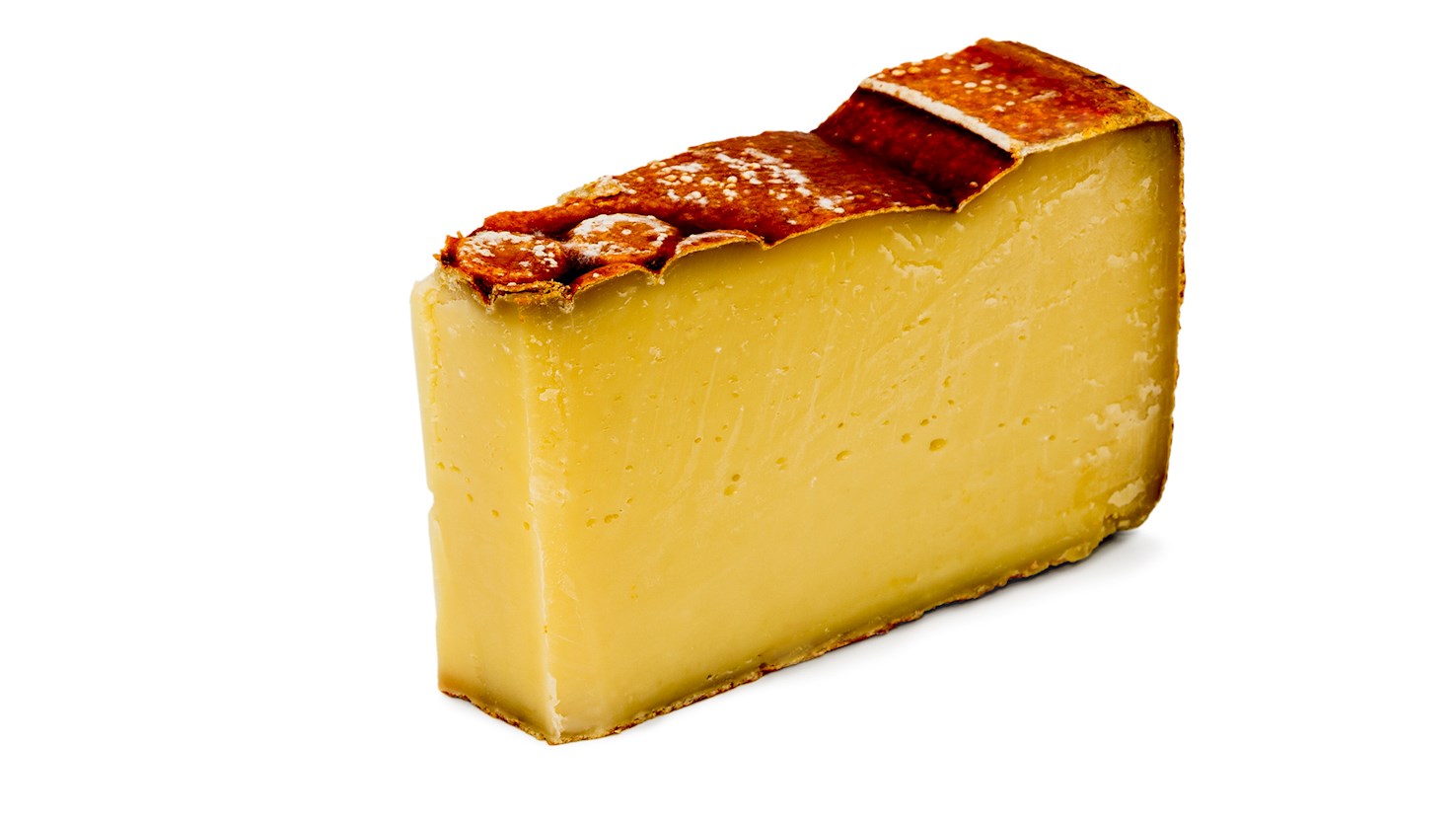
This hard Alpine cheese is made from raw cow's milk, and has been produced in the Tyrolean Alps at least since the late Middle Ages, when cheesemaking was the only effective way to preserve the precious Alpine milk. The milk for Tiroler Alpkäse is obtained exclusively during summer from cows kept on the Tyrolean pastures where they feed on fresh grass and aromatic Alpine herbs. Usually available from October to March, the fully ripened Alpkäse has a brownish rind, and a firm ivory to yellow paste. It is known for an intense aroma and quite a strong, spicy flavor.

06

Hirtenkäse

3.3 ·

Hirtenkäse is a German cow's milk cheese produced in the Allgäu region. This hard mountain cheese has aromas of orange peel and butterscotch, while its waxy texture and milky, caramel-like flavor can best be described as a cross between aged Gouda and Parmigiano-Reggiano. Traditionally, herders from the region bring the cows from the Alps to the valley each fall, and that's where the name comes from – hirtenkäse means herder's cheese. It is recommended to pair it with a nutty, slightly sweet wine, apples, figs, or wholegrain bread.

07

Mont Vully

3.3 ·

Mont Vully is a Swiss cheese made from raw cow's milk. It's produced in the Canton of Fribourg. The texture of Mont Vully is semi-soft and delicate, while the flavors are mild, nutty, woodsy, and slightly piquant. As it ages (10 to 20 weeks), the cheese is regularly washed with Pinot Noir from local vineyards, giving it a reddish rind. The cheese can also be recognized by a grape imprint on top of the wheel. The name of this cheese is a reference to Mont Vully, a hill in the Swiss Plateau. It is produced in 3 varieties – Classique (the original), Bio (organic), and Réserve (matured for 25 weeks).

08

Prima Donna

3.4 ·

Prima Donna is a Dutch parmesan-style cheese made from pasteurized or raw cow's milk. Underneath the natural rind, the texture is firm, crystalline, grainy, and crumbly. The flavors are full, sweet, and nutty. This cheese is aged until it reaches the pinnacle of flavor, meaning that it's not aged for a set period of time, but until it develops a particular flavor profile. Those stages are classified as fino, maturo, forte, and leggero. It's recommended to pair Prima Donna with Pinot Noir, Zinfandel, Syrah, or Cabernet Sauvignon.

09

Scharfe Maxx

3.4 ·

Scharfe Maxx is a Swiss cheese hailing from Thurgau. The cheese is made from raw cow's milk that's been thermized, and it's left to age for 5-6 months. It has a washed rind that hides a semi-soft texture of the cheese. Although it can be mild at first taste, Scharfe Maxx also has a sharp and nutty finish with hints of barnyard. During the production process, cream is added to the cheese, resulting in a silkiness that balances the savory notes of beef broth and sautéed onions. There are also Maxx Extra, aged to 9 months, and Maxx 365, aged up to a year. In spite of its range of complex flavors, Scharfe Maxx is quite versatile, so it can be paired with mustard, rye bread, pickles, potatoes, berry jams, eggs, sandwiches, and asparagus, among others. The name of the cheese means sharp Maxx or spicy Maxx, referring to its sharp finish.

10

Le Maréchal

3.5 ·

Le Maréchal is an artisanal French cheese hailing from Vaud in Switzerland, where it's produced by the Rapin family. The cheese is made from raw cow's milk and it's aged for a minimum of 130 days. Underneath its herb-rubbed edible rind, the texture is dense and creamy. The aromas are buttery, herbaceous, and barnyardy, while the flavors are intense and herbaceous with notes of roasted almonds and salted caramel. The cheese also melts well, so it's often used in fondues or raclettes. It's recommended to serve Le Maréchal with olives and figs. Pair it with a glass of Chasselas, Petit Chablais, or Riesling.

Read more
View all
View map
About this ranking

TasteAtlas food rankings are based on the ratings of the TasteAtlas audience, with a series of mechanisms that recognize real users and that ignore bot, nationalist or local patriotic ratings, and give additional value to the ratings of users that the system recognizes as knowledgeable. For the “31 Worst Rated Central European Raw Milk Cheeses” list until May 21, 2026, 3,954 ratings were recorded, of which 3,010 were recognized by the system as legitimate. TasteAtlas Rankings should not be seen as the final global conclusion about food. Their purpose is to promote excellent local foods, instill pride in traditional dishes, and arouse curiosity about dishes you haven’t tried.

Similar lists