



shutterstock

16 Worst Rated Italian Raw Milk Cheeses

Last updated on June 16, 2026
01

Casu Marzu

2.4 ·

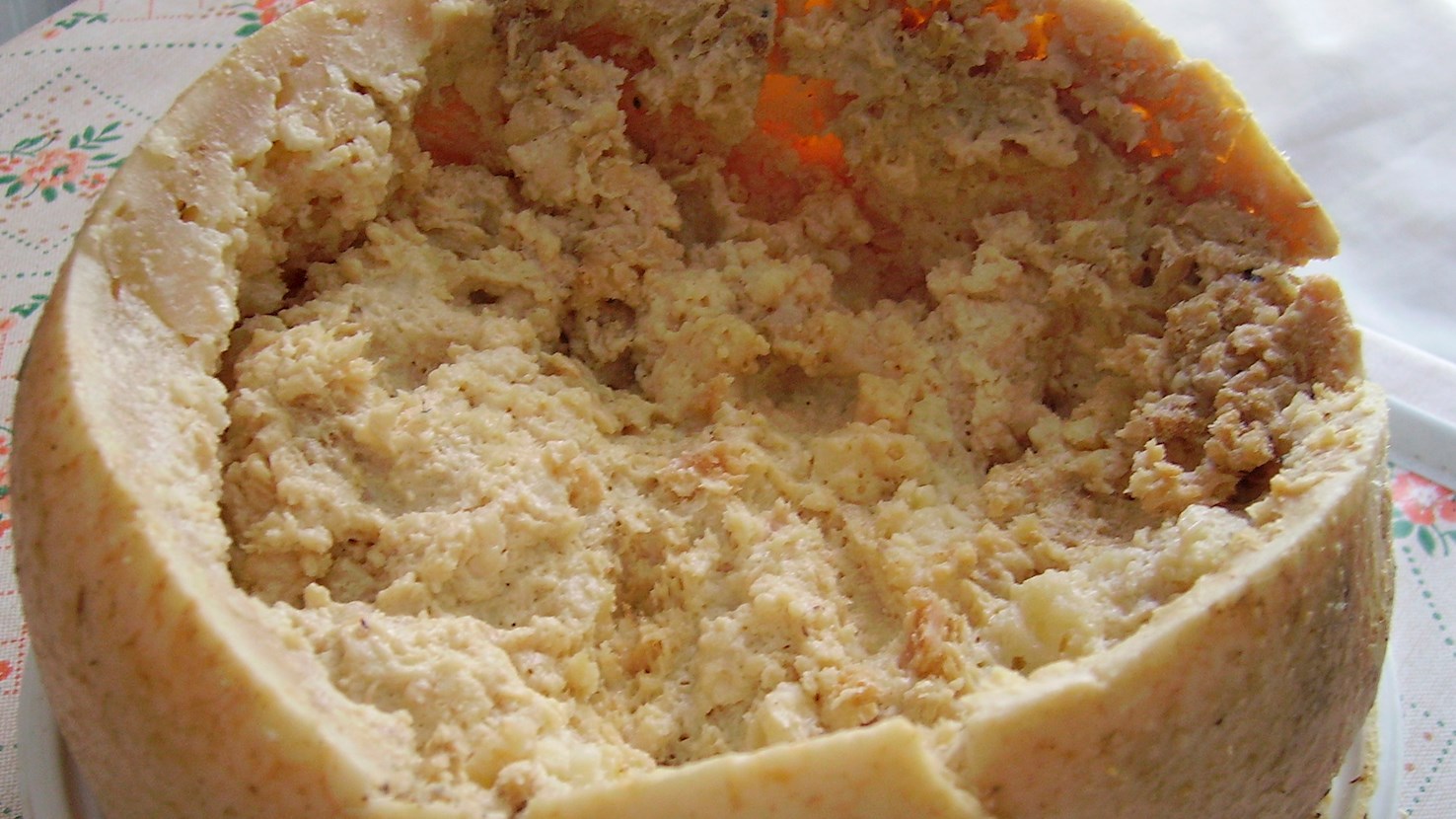
IT IS ILLEGAL TO SELL AND CONSUME THIS CHEESE DUE TO HEALTH RISKS. Casu marzu is a controversial Italian sheep’s milk cheese originating from Sardinia. The cheese is derived from the Pecorino family of cheeses and has a soft-ripened texture with a natural rind. In English, casu marzu means rotten cheese, referring to live insect larvae (maggots) which can be found in it. After the fermentation process, larvae are introduced to the cheese, promoting decomposition and breaking down the cheese’s fats. As a result, the texture of this notorious cheese becomes very soft. Casu marzu is typically cut into thin strips and spread on pane carasau, and it is recommended to pair it with a glass of strong red wine, but only if you find the cheese on the black market as it is illegal in the EU. Just make sure to cover your eyes while eating casu marzu, because the maggots can leap up to 6 inches off the cheese.

02

Piacentinu Ennese

2.5 ·

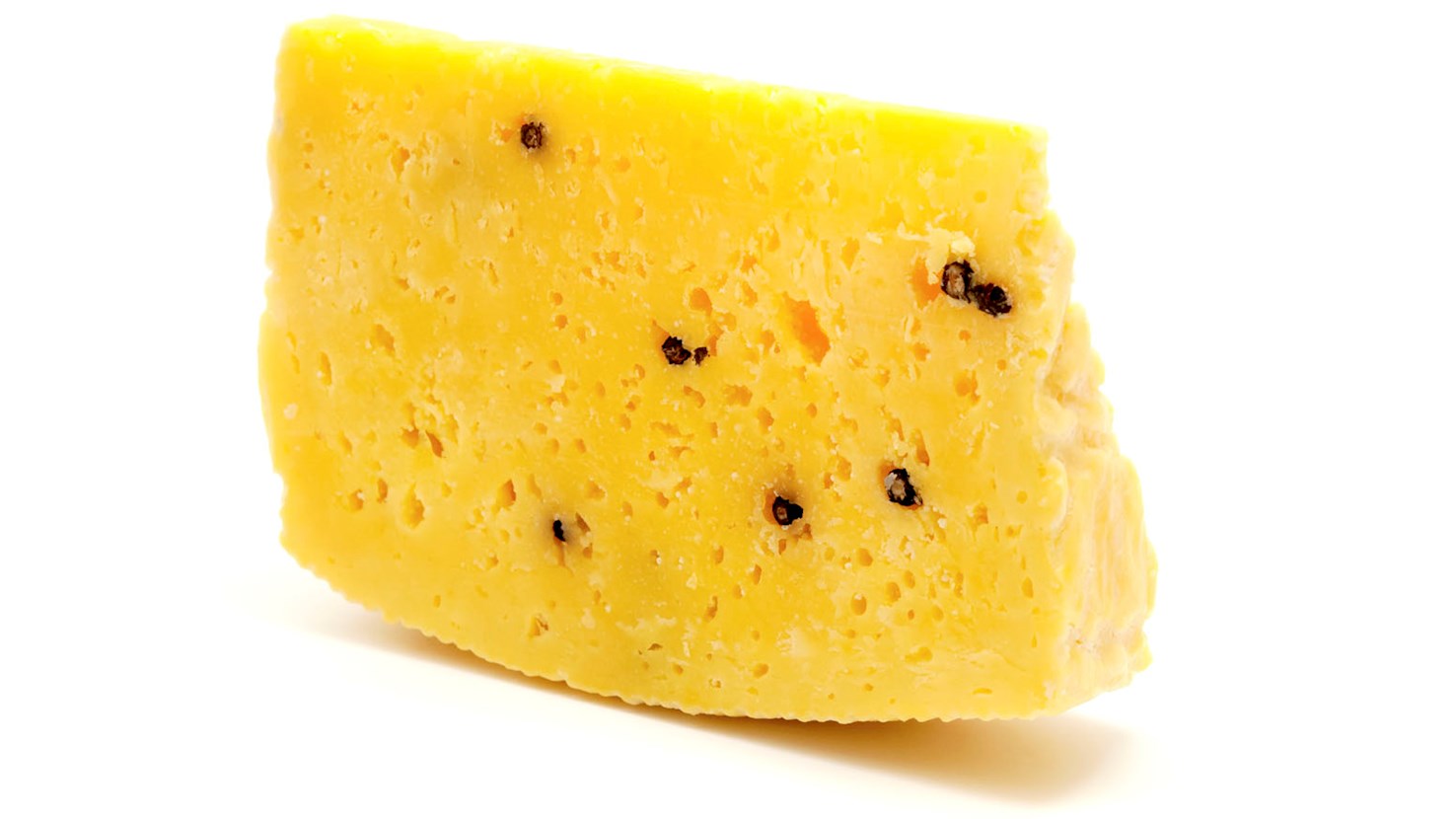
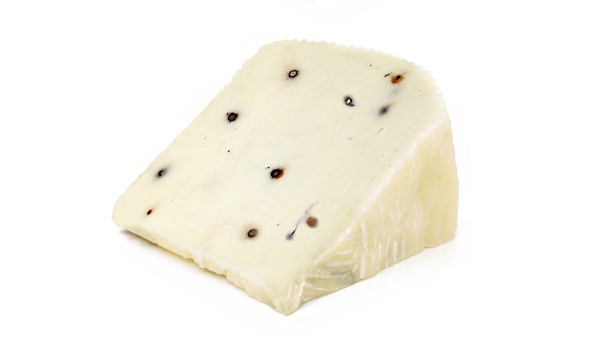
Traditionally produced in the Sicilian province of Enna which is nestled in the lush Dittaino Valley, Piacentinu Ennese is a pressed, hard cheese made with raw, whole sheep’s milk, with the addition of saffron and black peppercorns. The flavor of this cheese ranges from mild and slightly sweet to medium piquant and slightly pungent, depending on its age, and it has a pronounced aroma of saffron. Piacentinu Ennese is enjoyed either as a table cheese or used as an ingredient in preparing various recipes such as herb-stuffed lamb meat called Ciarbiduzzo Abbuttunàtu, a typical dish from Enna. It's also fantastic for grilling and often used with bucatini pasta.

03

Südtiroler Graukäse

3 ·

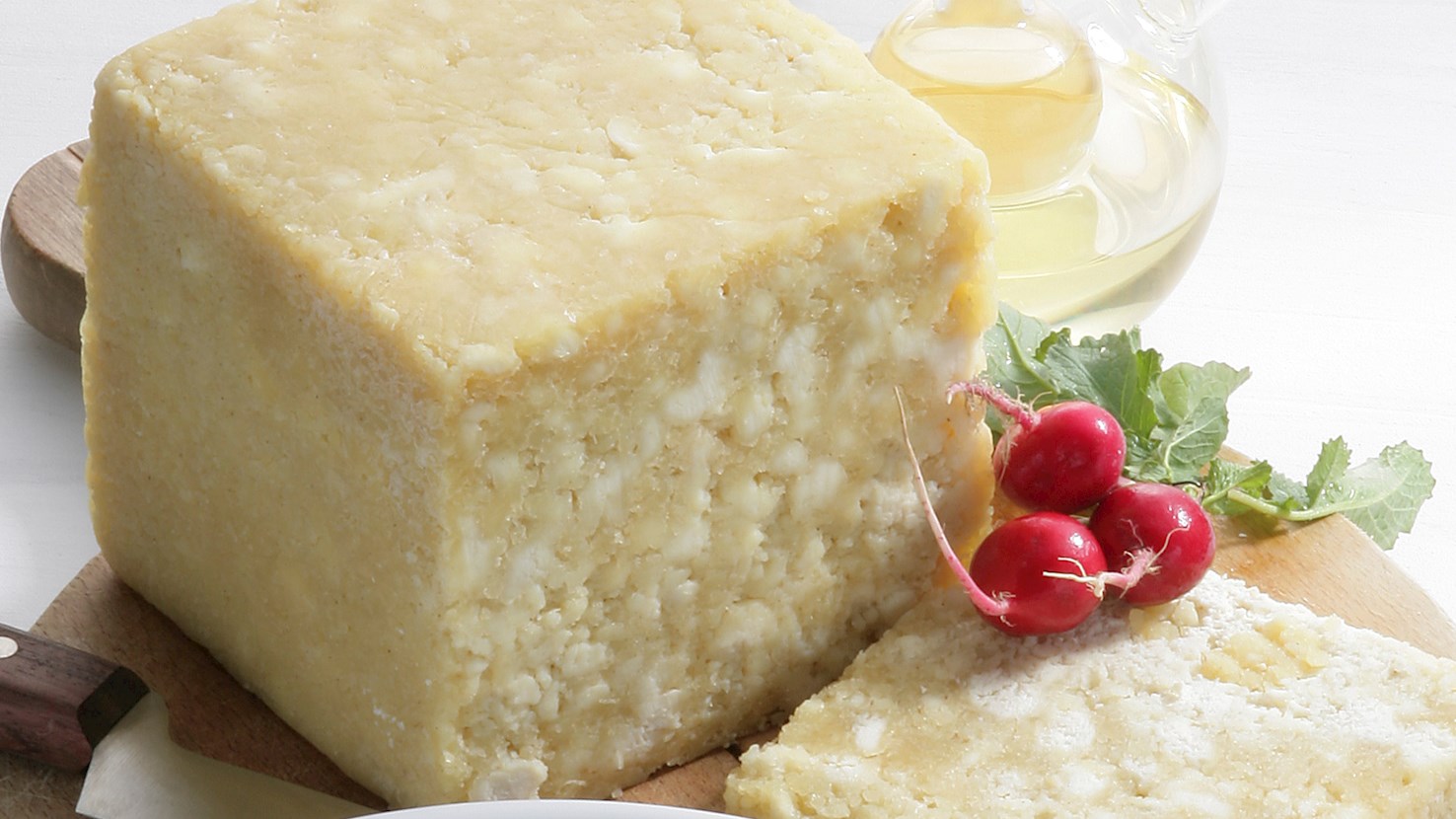
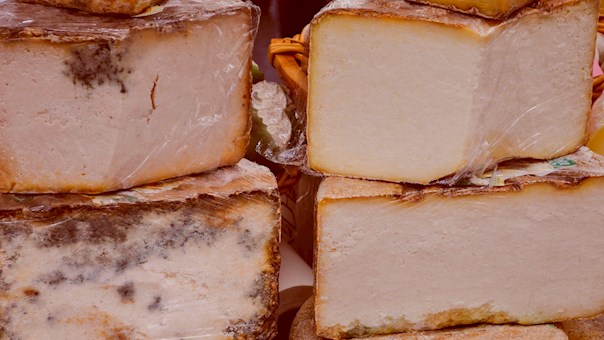
Tyrolean grey cheese is a variety of sour cow's milk cheese, traditionally made on lush Austrian pastures from skimmed milk which was previously left to curdle for several days. This cheese is extremely low in fat, it has a thin crackled rind and a crumbly texture. Named after the grey colored mold which emerges on the surface right after maturation, Tiroler Graukäse exudes a strong, pungent aroma. It is typically crumbled over buttered wholemeal bread, but it is also an essential ingredient in many traditional Tyrolean dishes such as nettle soup with Kaspressknödeln, a variety of cheese dumplings, or Zillertal donuts. Interestingly, there is also an Italian variety of Gräukase from South Tyrol and it's protected by a PAT designation.

04

Trentingrana

3.2 ·

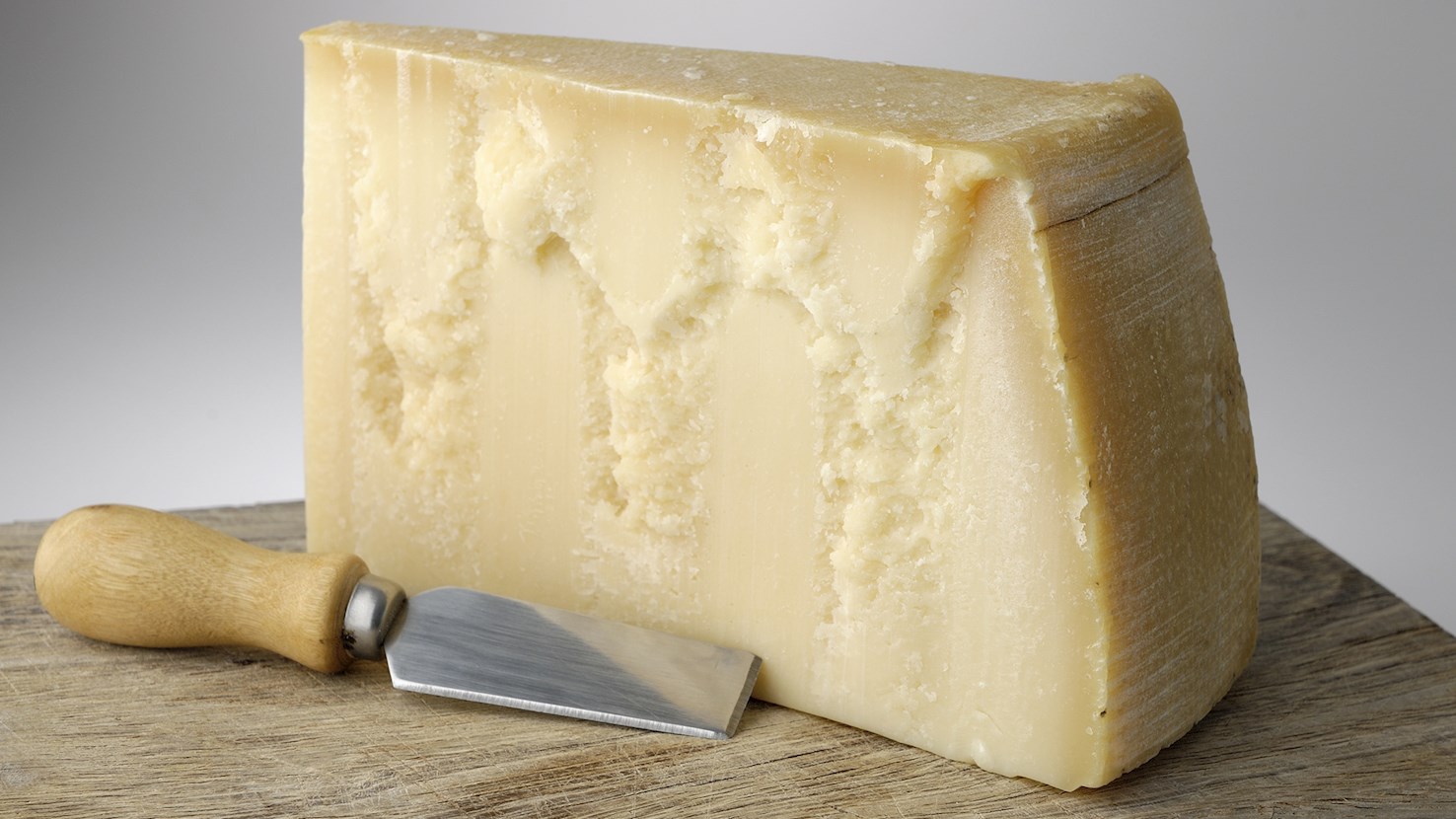
Trentingrana is an Italian Grana cheese hailing from Trento. The cheese is made from raw cow's milk and it ages for 22 months. The rind is thick and dark yellow in color, imprinted with the word Trentino on each wheel. The texture is hard, grainy, and compact, while the flavors are sweet, rich, and full. The aftertaste is floral and delicate, with herbaceous and grassy hints. The cheese has been produced since 1926. It's recommended to eat it as it is or grate it over pasta. Trentingrana can also be used in salads and served with fresh fruit. Pair it with sparkling white wines or full-bodied red wines.

05

Puzzone di Moena

3.4 ·

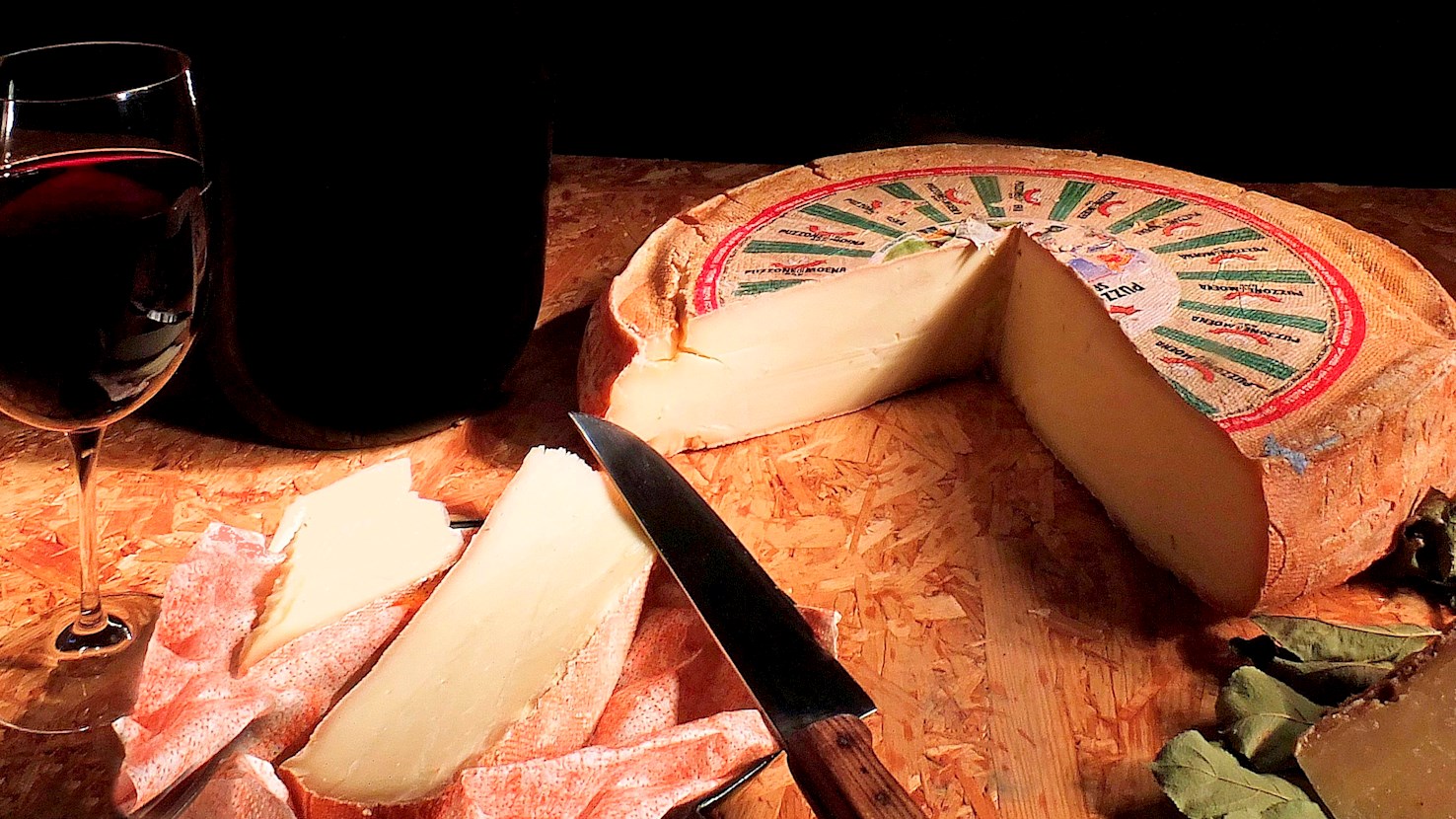
Another typical northern Italian delicacy produced throughout the Alpine valleys of Fassa and Fiemme, Puzzone di Moena, also known as Spretz Tzaorì, is a semi-cooked and semi-hard washed rind cheese made from raw cow's milk. It is available either as Stagionato (matured) or Puzzone di Malga, a much sought-after variety made exclusively with milk from summer pastures. Puzzone di Moena is characterized by an intense aroma called puzza (lit. stink), and has a strong yet pleasantly salty flavor with a slightly bitter aftertaste. It is typically served with polenta or potato purée, but it is also excellent for preparing various risotto or gnocchi dishes, although true food enthusiasts often choose to enjoy it on its own or with honey.

06

Caprino del Molise

3.4 ·

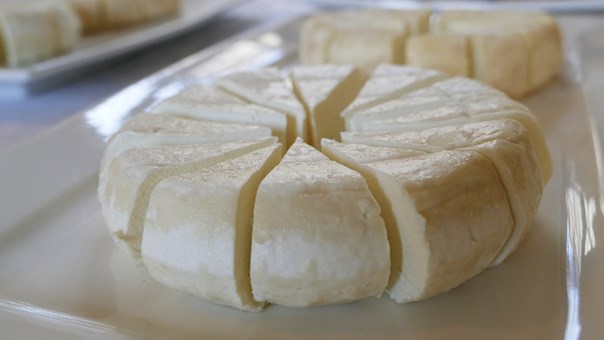
Caprino is a goat’s milk cheese made throughout Italy - the name derives from the Italian word capra, meaning goat. It the region of Molise, it is produced mainly around Montefalcone del Sannio, in the province of Campobasso. Made from raw milk, it is dry-salted and left to mature for at least two months, but that period can be prolonged. The crust is hard and straw-colored, while the interior remains white, soft, and moist. It is usually served as a table cheese, while the aged version can also be grated over pasta dishes.

07

Formai de Mut dell'Alta Valle Brembana

3.4 ·

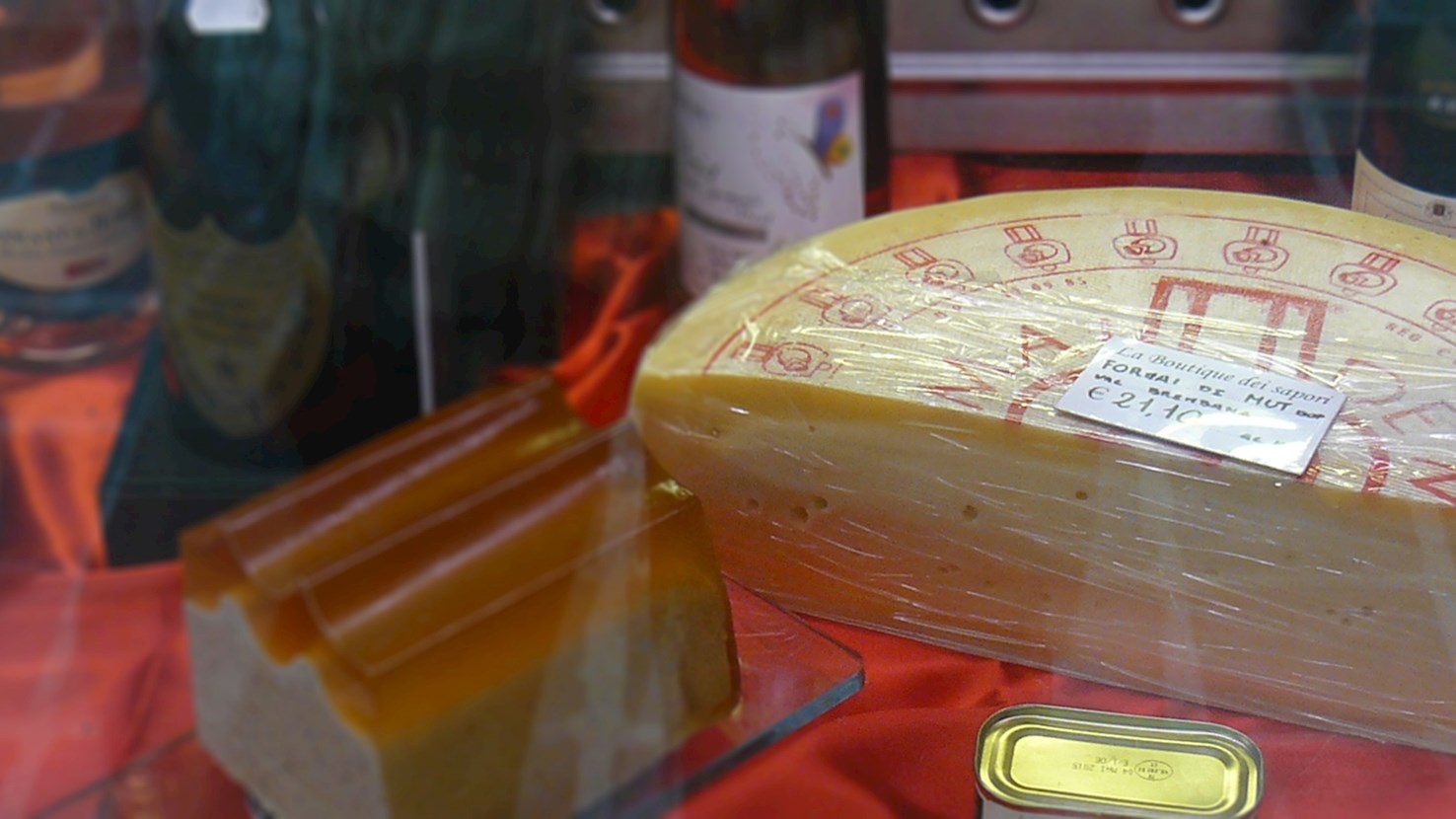
Traditionally produced within the Parco delle Orobie Bergamasche Alpine nature reserve in the Brembana Valley, namely the Lombardian province of Bergamo, Formai de Mut is a semi-hard cheese made with raw cow's milk. It is available in two varieties: cheese produced in the valley during winter (Fondovalle), and the one produced during summertime in the lush mountain pastures (d'Alpeggio). Ripened for at least six months, Formai de Mut is an excellent table cheese with quite a fragrant aroma, and a salty but not too spicy flavor. It is typically used for preparing local dishes such as Polenta Bergamasca, and pairs well with both red and white wines.

08

Malga

3.5 ·

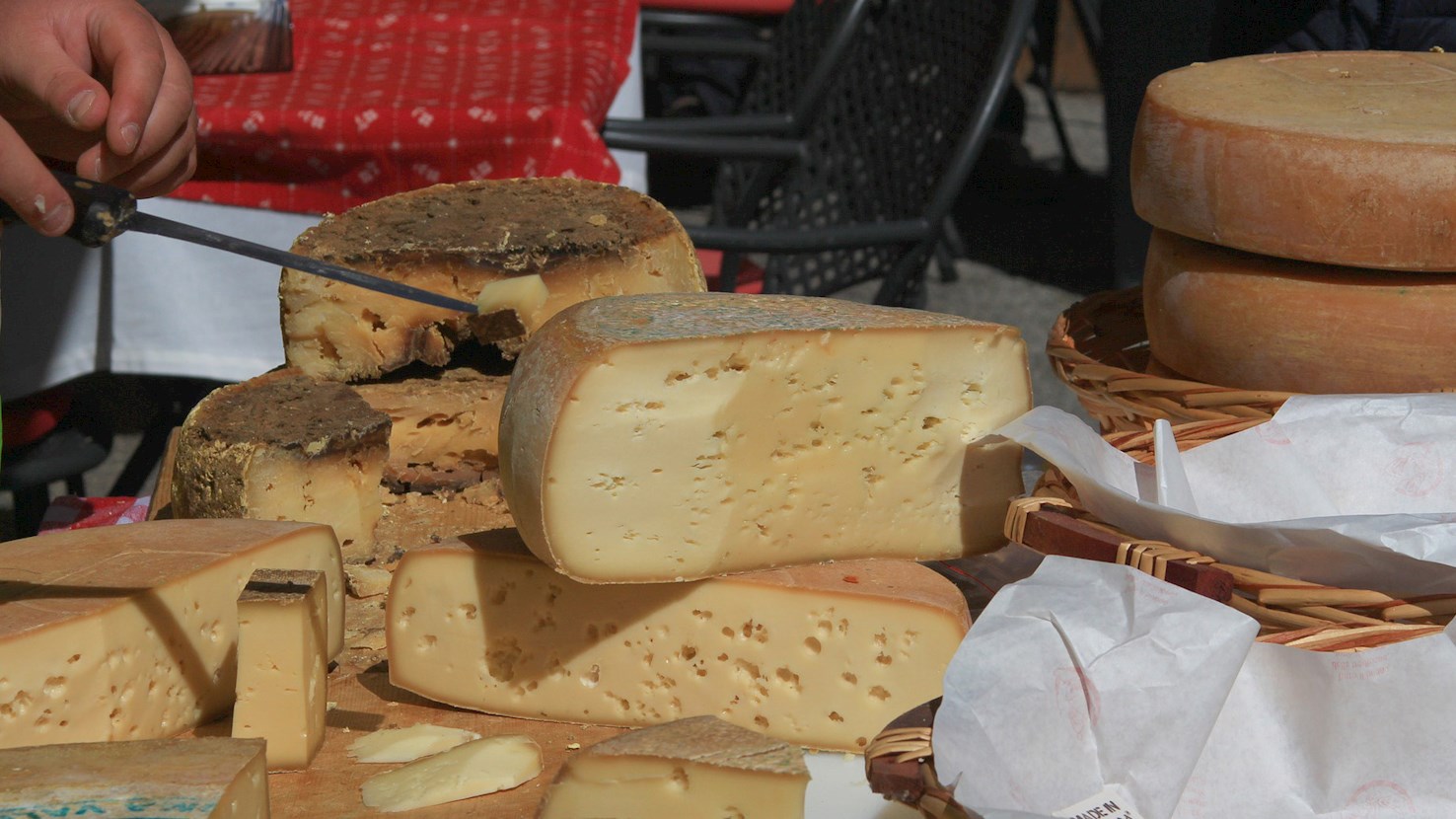
Malga is a traditional alpine-style cheese hailing from Carnia. Originally, it was produced in malgas (alpine huts). The cheese is made from skimmed and whole raw cow's milk (or a blend of cow's milk and 10% of goat's milk) and it's often left to ripen on wooden boards from one month to over a year. If aged for a longer period, it can be used as a grating cheese. This semi-hard cheese has a high fat content and a cylindrical shape. Underneath its natural rind, there is a straw-colored paste with irregular eyes. The flavors are intense, grassy, pleasant, and sometimes slightly bitter. It's recommended to pair Malga with full-bodied red wines and serve it with chetsnut honey or rye bread.

09

Monte Veronese

3.6 ·

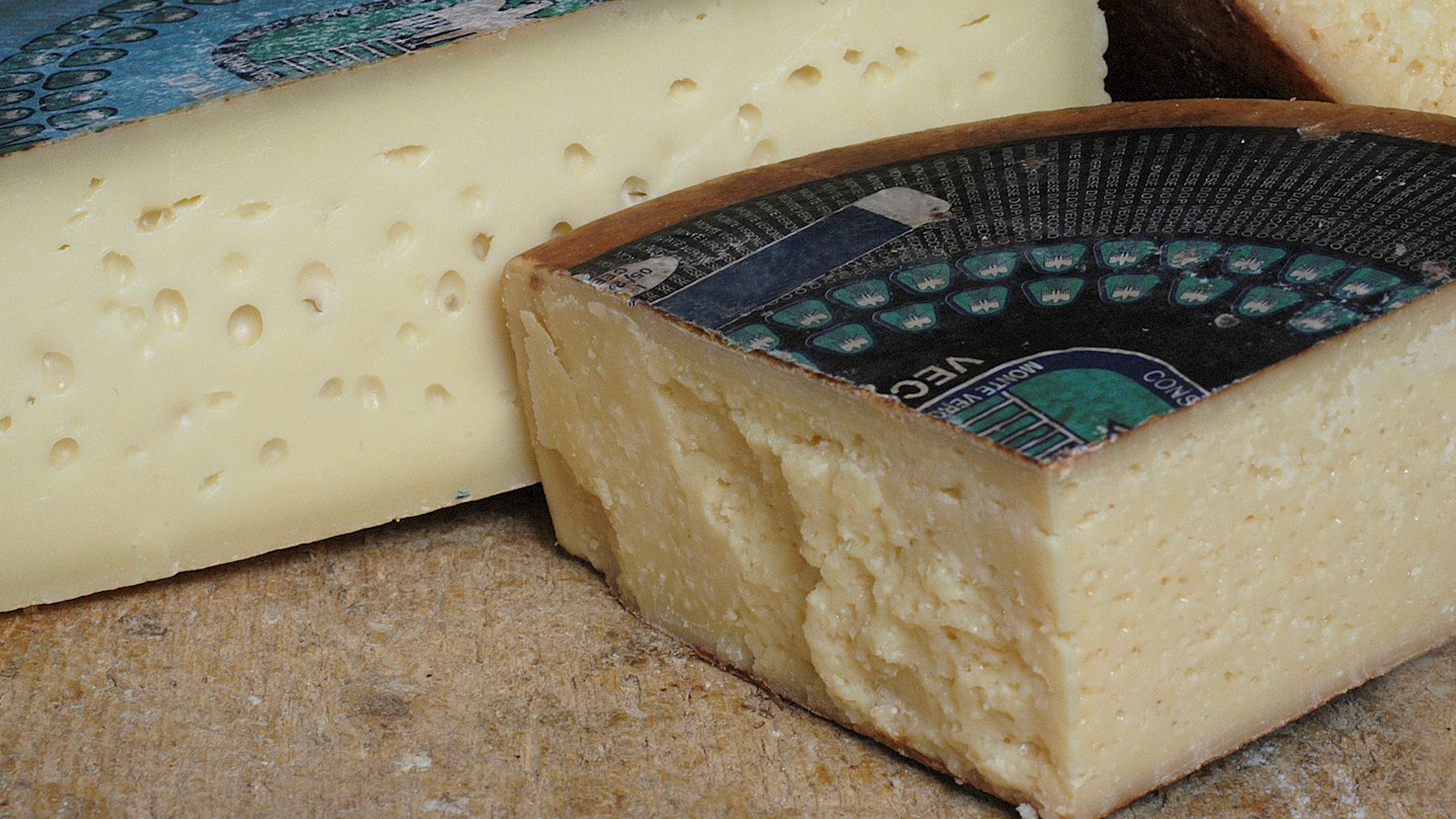
Traditionally produced in the northern Italian region of Veneto, namely the province of Verona, Monte Veronese is a semi-hard cheese made from cow's milk. It is a typical product of Monti Lessini and Monte Baldo mountains, a geographical area known for its long tradition of dairy cattle farming. Monte Veronese cheese is available in two varieties. Monte Veronese Latte Intero is made with whole milk and matured for about 30 days. It has a softer texture and a delicately sweet flavor reminiscent of fresh milk and cream. This table cheese is best enjoyed as an appetizer, on pizza or in sandwiches, and pairs perfectly with rosé, sparkling, and white wines. Monte Veronese d'Allevo is made from semi-skimmed milk and matured for at least 90 days. It has a pronounced aroma of ripe butter with notes of aromatic herbs such as sage, and a much stronger flavor, ranging from buttery to nutty. It tends to become slightly spicy with further aging. Monte Veronese d'Allevo is more suitable for grating and it's typically used for preparing traditional risotto and pasta dishes. It pairs well with full-bodied or even fortified wines.

10

Morlacco

3.6 ·

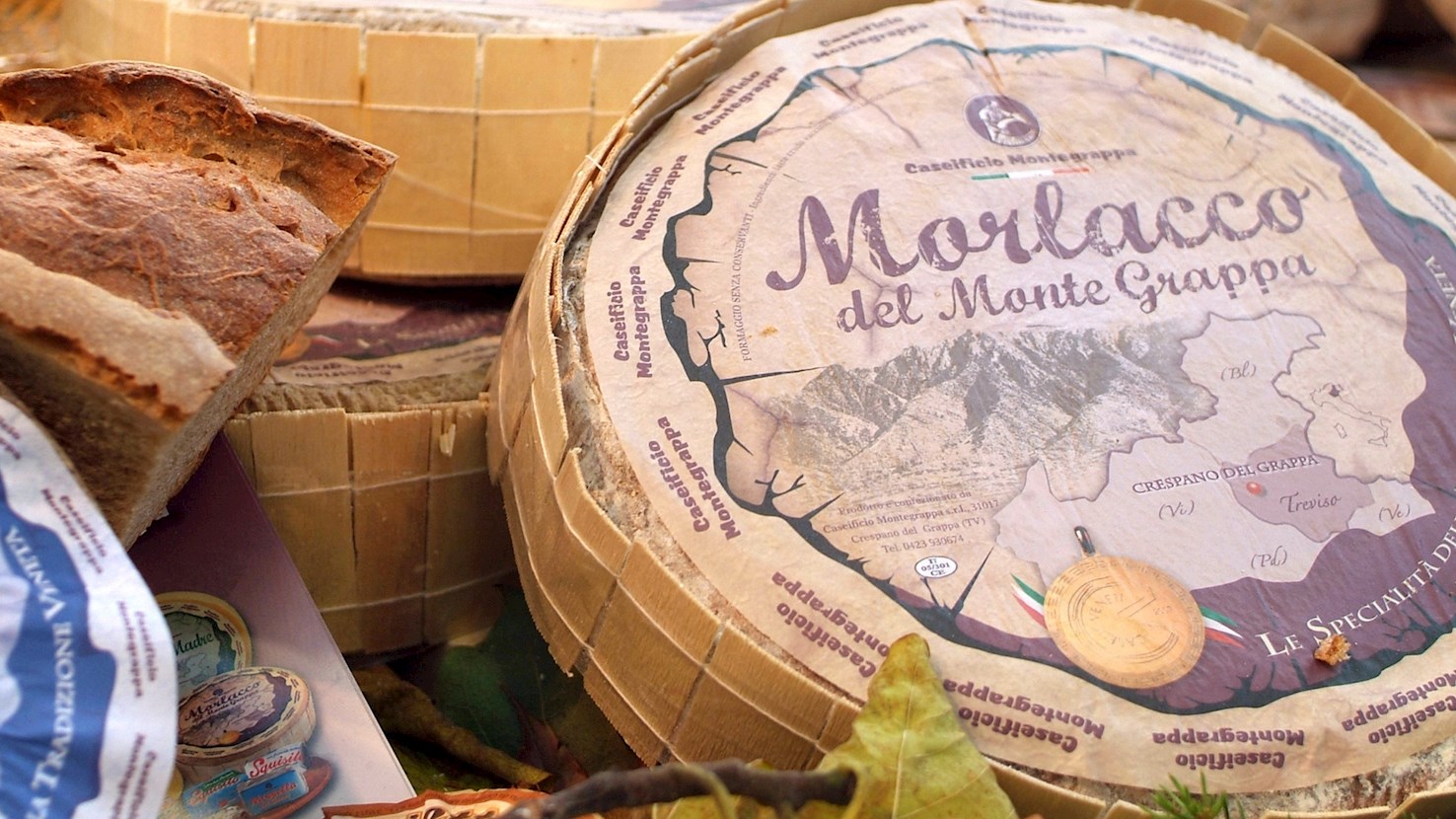
Morlacco or Morlacco di Grappa is an Italian cheese originating from the Mount Grappa area in the provinces of Treviso, Belluno, and Vicenza. It is made from cow's milk and has a natural elastic rind. Its aroma is fresh and delicate, the texture is open, soft, and creamy, while the flavor is slightly salty, milky, and buttery with hints of grass and lemons, becoming tangy with further maturation. It is usually aged for 20 days, but it can be left to mature for up to 3 months. Morlacco is best paired with berries, strawberry jam, and medium-bodied white wines.

Read more
View all
View map
About this ranking

TasteAtlas food rankings are based on the ratings of the TasteAtlas audience, with a series of mechanisms that recognize real users and that ignore bot, nationalist or local patriotic ratings, and give additional value to the ratings of users that the system recognizes as knowledgeable. For the “16 Worst Rated Italian Raw Milk Cheeses” list until June 16, 2026, 6,410 ratings were recorded, of which 4,742 were recognized by the system as legitimate. TasteAtlas Rankings should not be seen as the final global conclusion about food. Their purpose is to promote excellent local foods, instill pride in traditional dishes, and arouse curiosity about dishes you haven’t tried.

Similar lists