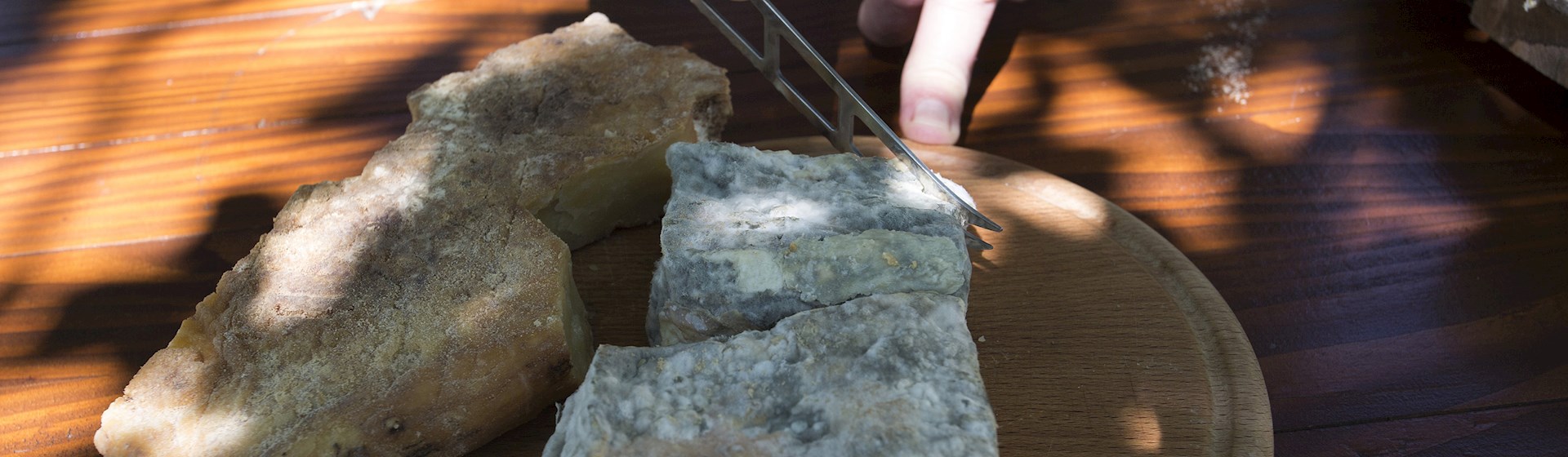
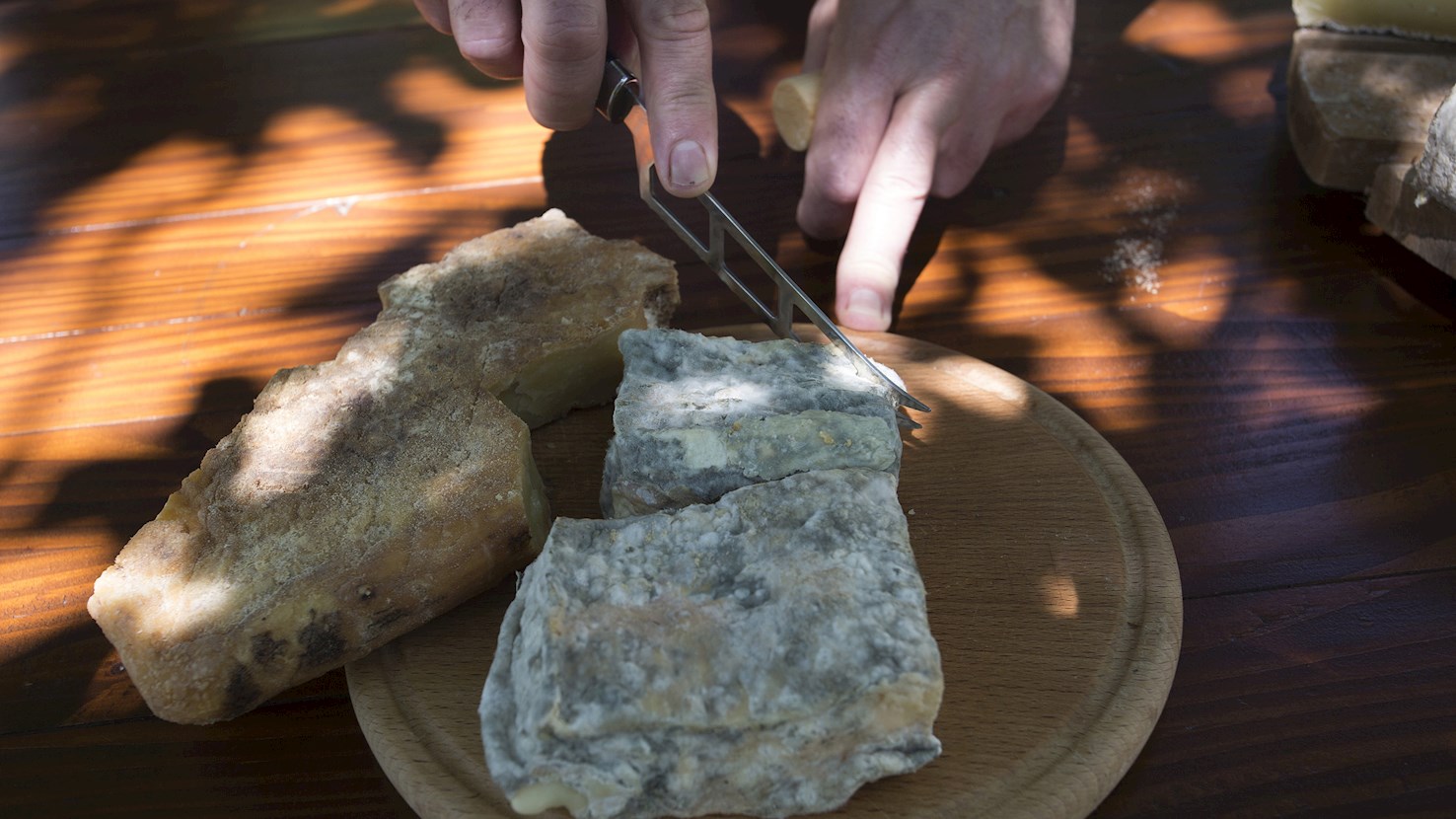
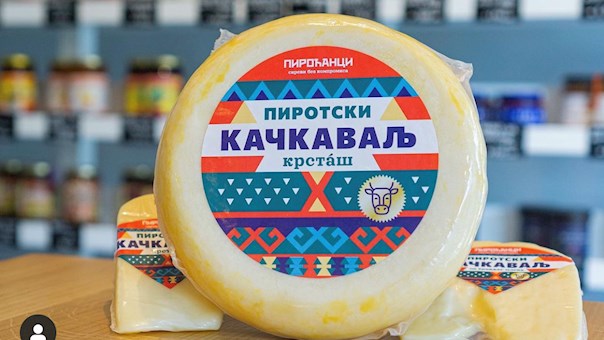
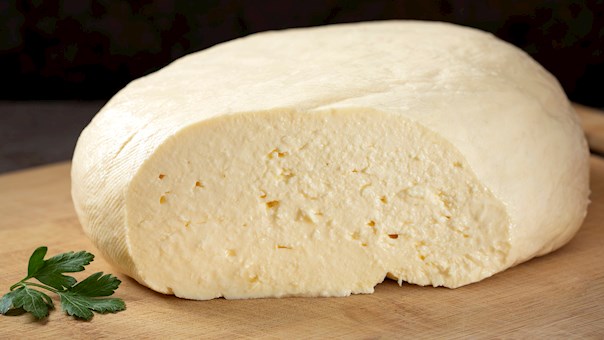
Djath Sharri or Šar cheese is a hard, salted cheese produced in the Sharr Mountains, a range spanning Kosovo, North Macedonia, and Albania. The production of this dairy product is linked to the high-altitude alpine pastures of the Sharr massif, which reach elevations over 2500 meters and support a specific diversity of aromatic herbs and grasses consumed by local sheep and cattle. The development of this cheese resulted from the seasonal transhumance patterns of Balkan pastoralists, who required a method to preserve surplus milk during the summer grazing months for use throughout the winter. It was historically documented as a primary trade commodity in the region's mountain economy, specifically among the Gorani and Albanian populations. Preparation begins with the collection of raw sheep's milk, though contemporary versions often utilize a blend with cow’s milk, which is coagulated using rennet at a temperature between 30°C and 35°C. Once the curd forms, it is broken into small grains, placed in wooden or plastic molds, and pressed to remove the whey. The cheese then undergoes a specialized dry-salting process or is submerged in a concentrated brine solution within wooden barrels or plastic containers. A specific property of Djath Sharri is its extended maturation period, which typically lasts from 45 days to several months, allowing the cheese to develop a dense, crumbly texture and a sharp, piquant flavor profile. During ripening, the high salt concentration acts as a preservative while the indigenous microflora of the raw milk drive the proteolysis that defines its taste. The cheese is served in thick slices or broken into chunks, often retaining the indentation of the molds. It is eaten as a foundational element of the Balkan breakfast, as a meze (appetizer), or grated over vegetable dishes. Common food pairings include flija (a layered pancake dish), fresh tomatoes, cucumbers, and crusty bread, which balance the intense salinity of the dairy. Beverage pairings focus on neutralizing the fat and salt content, often involving strong fruit brandies such as rakija, or robust regional red wines like Vranac, which possess the tannins necessary to complement the matured proteins of the cheese.
This Bulgarian cheese is made from local sheep's milk (Teteven breed). You can't buy it in supermarkets or specialized food stores – it's produced in very small quantities in a village called Cherni Vit, just like the name of this unique cheese. From May to July, the animals are milked by hand, two or three times a day. After the milking, rennet is added to the milk, and the combination is left to curdle for 2 hours. The curd is later cut and placed in a wooden box that's lined with cloth. A wooden lid is placed on the box, and two big stones are also added for extra pressure. Once the whey has been removed, the cheese is cut into pieces, salted, then layered in a lime tree wood barrel. These barrels are left in the mountains until October, when they are strored in cellars. Once the barrels are opened, the characteristic green mold starts to form on the cheese (which is the reason why it's also alled Cherni Vit green cheese). Its flavor is slightly sharp and nutty, but the flavors intensify as the cheese ages. Cherni Vit is produced by a single man called Tsvetan Dimitrov, and you can find him by asking the locals where he lives – they'll probably tell you to go to ''the second house to the left, after the bridge''.
Tyrozouli is a Greek cheese produced in the mountains of western Crete. It is made from sheep’s or goat’s milk which is curdled with fig sap. The cheese is typically consumed fresh, when its texture is very soft, but it can also be matured in olive oil, when its texture becomes hard.
Xynotyro is a Greek whey cheese originating from the island of Mykonos. It is made from goat’s or sheep’s milk. The cheese is characterized by its hard, flaky, melt-in-the-mouth texture. Its aroma is pungent, while its flavor is sweet, sour, and reminiscent of burnt caramel. Xynotyro is traditionally drained and cured in reed baskets, then matured in bags made from animal skin. However, it can be consumed fresh or after it has been aged for three months. It is recommended to use it in baked dishes and salads.
Sir iz mijeha is a Herzegovinian cheese that's encased in a large sheepskin sack. It's made from raw sheep's or cow's milk, or a combination of both. The sheep's milk comes from the Pramenka breed, while the cow's milk comes from Busa and Gatacko breeds. The size of the sheepskin sack dictates the size of this cheese, which can weigh from 30 to 70 kilograms. Sir iz mijeha is aged from 2 months to a year, and during the process it becomes white or pale yellow in color. The cheese has strong aromas of sheepskin and it's traditionally served as an appetizer with boiled potatoes, ham, and uštipci (fried dough).
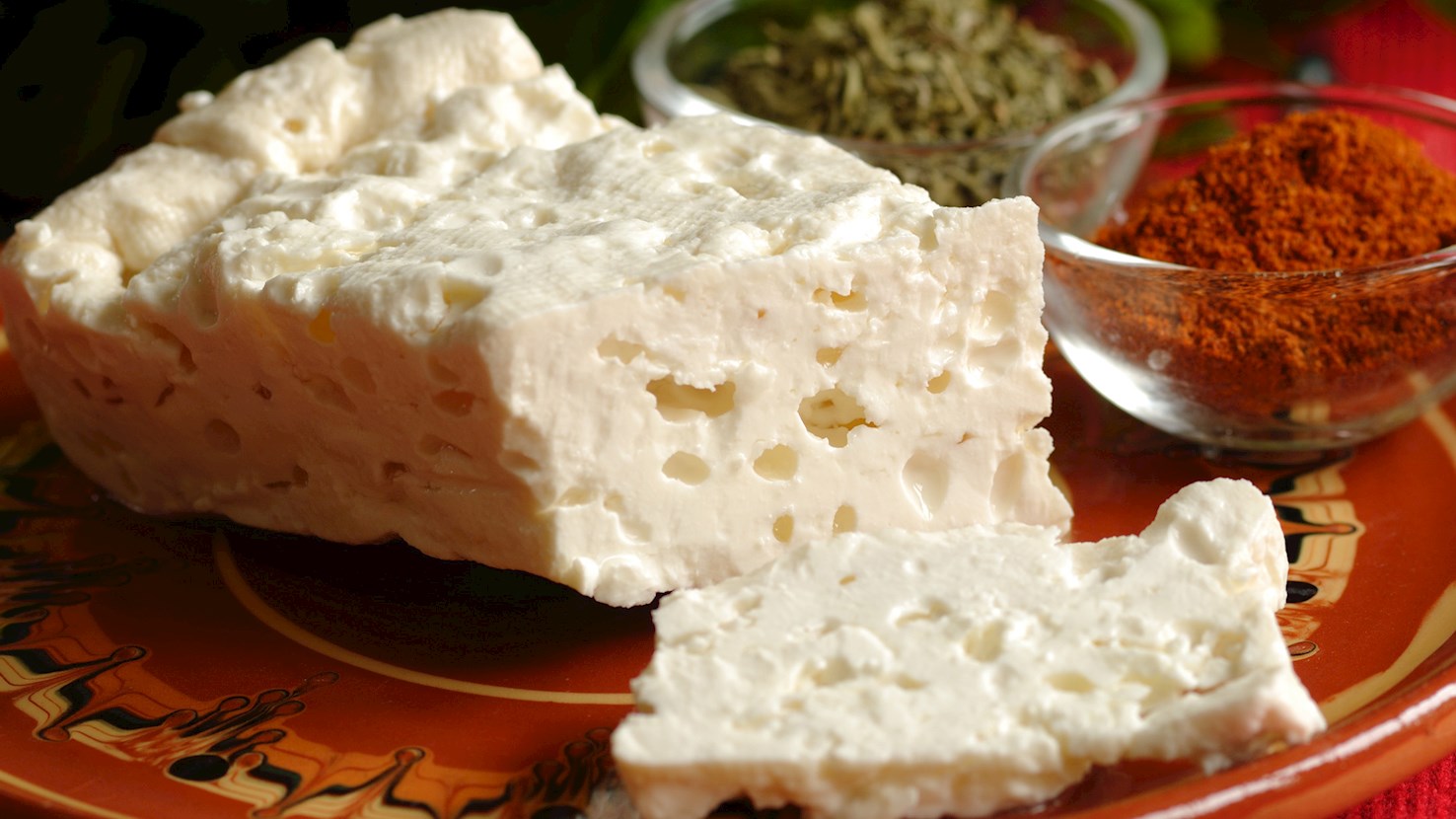
Bulgarsko byalo salamureno sirene is a soft cheese unique to Bulgaria due to a specific lactose-tolerant bacteria used in its production process. This bacteria plays a role in converting milk into yogurt and then into sirene cheese. It is a fermented dairy product that can be made from full-fat cow's, sheep's, goat's, buffalo's, or mixed milk. It includes added yeasts containing strains such as Lactococcus lactis subsp. lactis and Lactobacillus casei, and symbiotic yeasts from Lactobacillus delbrueckii subsp. bulgaricus. Bulgarsko byalo salamureno sirene is slightly crumbly and has a dry matter content of at least 46–48%. In 2023, it was recognized with a Protected Designation of Origin (PDO) status by the European Union, which means that the name is reserved exclusively for cheese produced in Bulgaria using traditional methods.
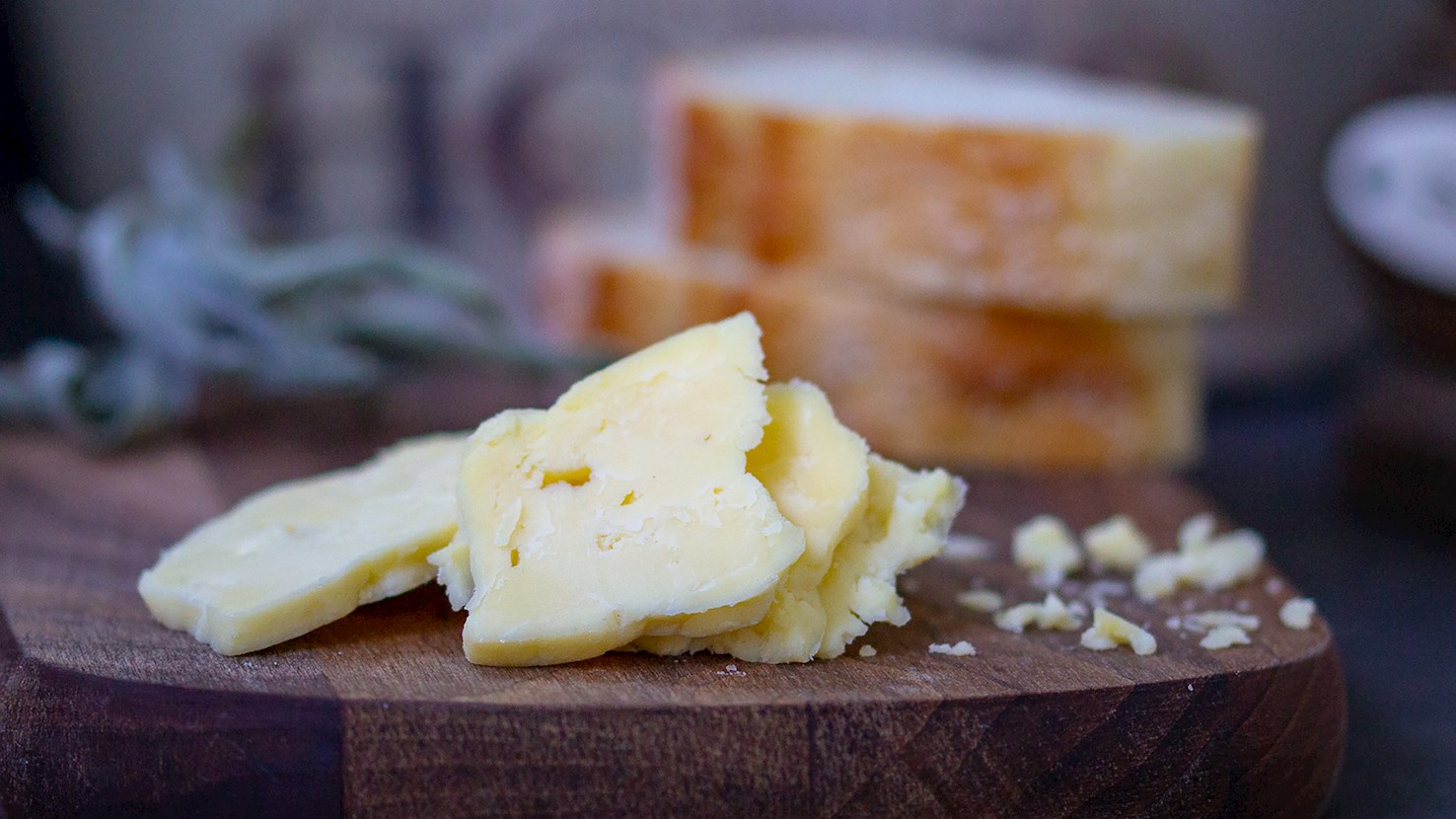
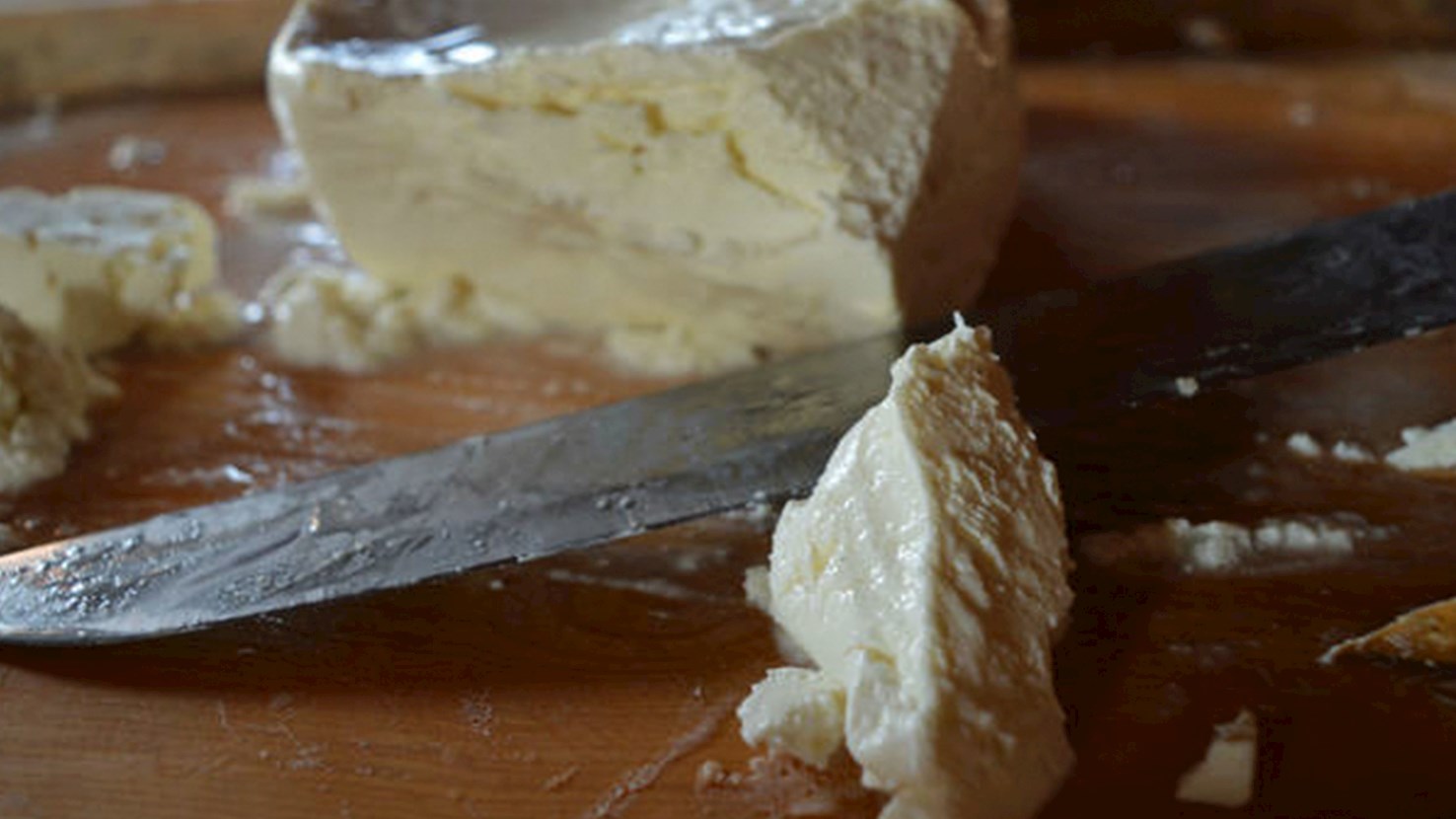
This fresh spreadable soft cheese is produced with non-pasteurized sheep or goat milk, or a combination of the two, in Chania prefecture on the island of Crete. It has been made in this area for a long time and is still produced using traditional methods. It is mostly made on location at the houses of breeders who produce and age Pichogalo Chanion in rooms called 'mitata' designed to maintain ideal levels of humidity. This creamy cheese is rindless and compact. Its distinctive taste is slightly salty and quite sour with a milky aftertaste and an aroma reminiscent of yogurt. Pichtogalo Chanion is usually eaten as a table cheese spread on bread and it makes a tasty appetizer when served with ouzo, raki, or Greek wine.
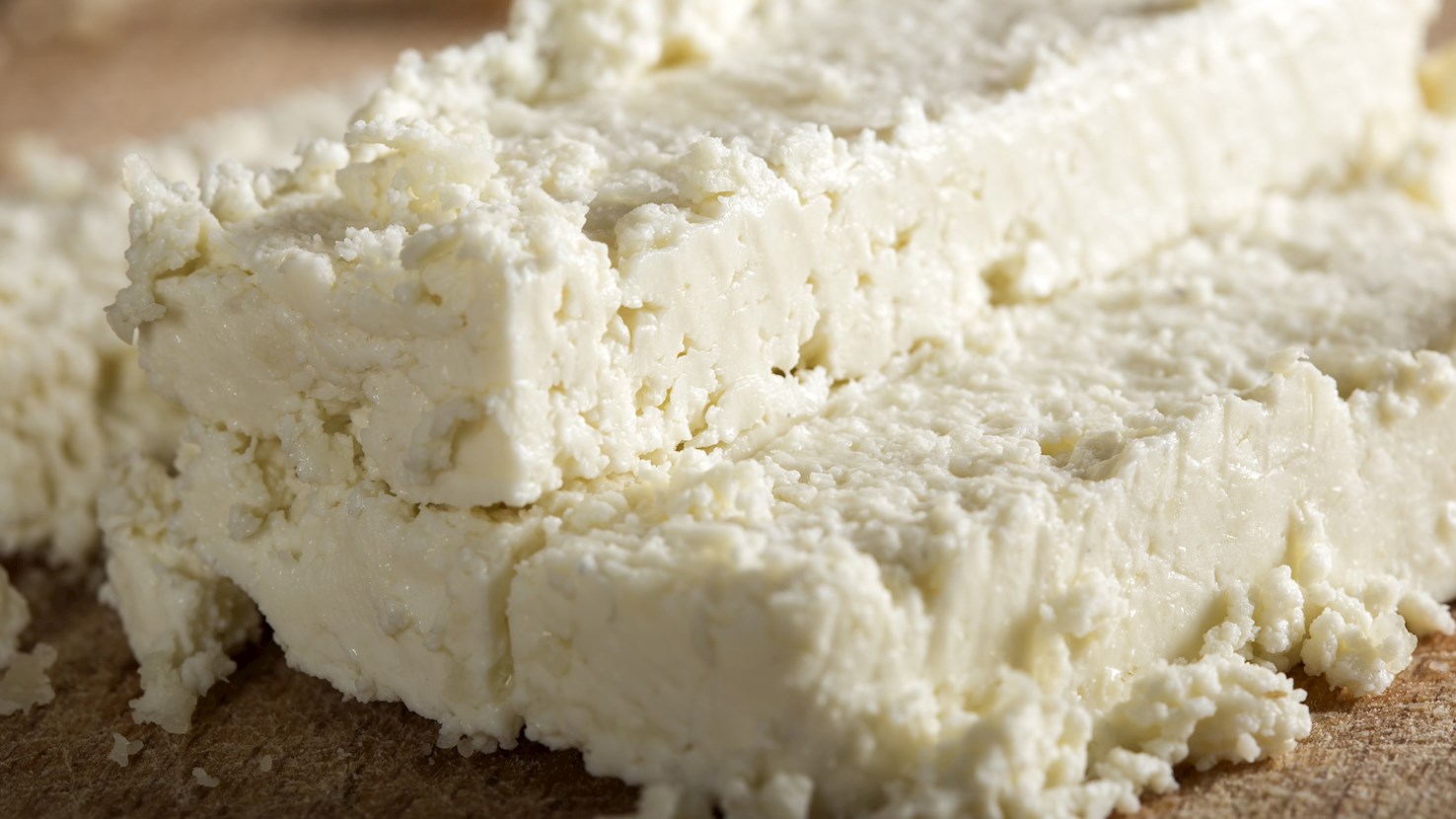
Urda is a fresh whey cheese produced throughout the Balkans. The cheese is made from the whey of cow's, sheep's, or goat's milk. Its texture is smooth, grainy, and crumbly. The aromas are fresh, and the flavor is mild, sweet, and milky. Urda is often molded into half-spheres. The cheese is used in the preparation of desserts and as a pastry filling. Numerous countries claim urda as their own, but it's commonly enjoyed in Romania, Macedonia, Moldova, Hungary, Bulgaria, Serbia, and Epirus, Greece (during summer).
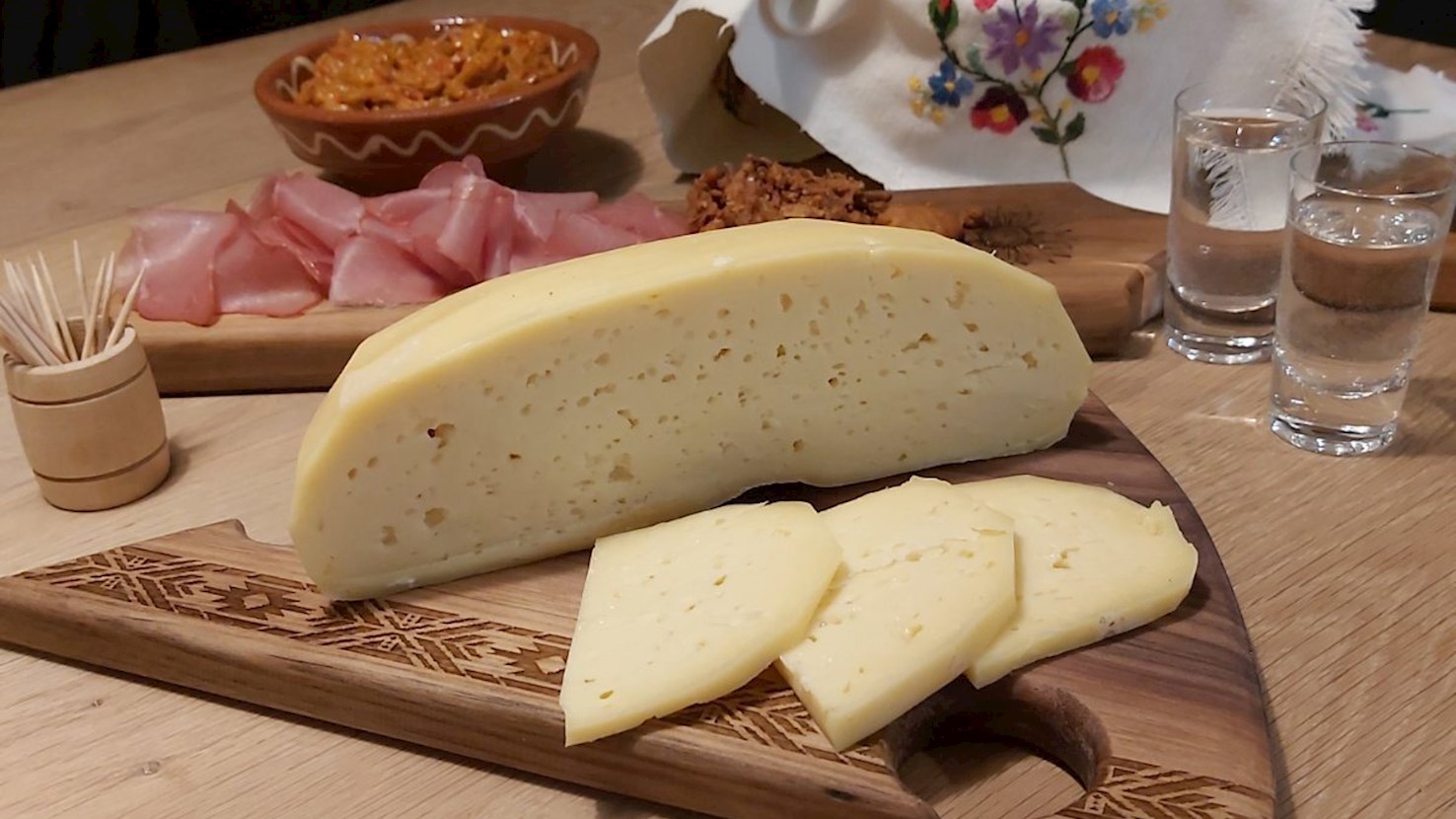
Known as travnički and vlašićki, this traditional Bosnian cheese is prepared with raw ewe’s milk and natural calf rennet. When strained, the cheese is cut into blocks that are salted and placed into wooden barrels, where they are left to ripen in brine. The cheese is seasonally produced in the Vlašić Mountain from the autochthonous breed Pramenka. It is characterized by its white color, firm but soft texture, and small holes that appear in the cross-section. Because of its lightly salty flavor, it is a common accompaniment to various main courses, but it is best paired with bread, smoked meat, and traditional plum brandy.
Krasotiri Ko or Tiri tis Possias is a traditional soft cheese hailing from the island of Kos. The cheese is made from pasteurized or raw goat's or sheep's milk or a blend of the two. It's ripened for a minimum of one day in brine, and then for at least one month in a thick combination of boiled red wine sediment (also known as possia). Krasotiri ko has a reddish natural rind, but on the inside it's completely white. The cheese is shaped into long cylinders with visible indentations from the cheese molds on the exterior. The aromas are reminiscent of wine, while the flavor is milky and acidic. On Kos, this cheese is often included on the 'Greek Breafkast' menus in the island's hotels. For the best experience, serve it with watermelon or pair it with Greek coffee.
TasteAtlas food rankings are based on the ratings of the TasteAtlas audience, with a series of mechanisms that recognize real users and that ignore bot,
nationalist or local patriotic ratings, and give additional value to the ratings of users that the system recognizes as knowledgeable.
For the “15 Worst Rated Southeastern European Raw Milk Cheeses” list until May 21, 2026, 4,694 ratings were recorded, of which 2,156 were recognized by the system as legitimate.
TasteAtlas Rankings should not be seen as the final global conclusion about food. Their purpose is to promote excellent local foods,
instill pride in traditional dishes, and arouse curiosity about dishes you haven’t tried.