

shutterstock

9 Worst Rated Spanish Raw Milk Cheeses

Last updated on June 16, 2026
01

Queso Nata de Cantabria

2.8 ·

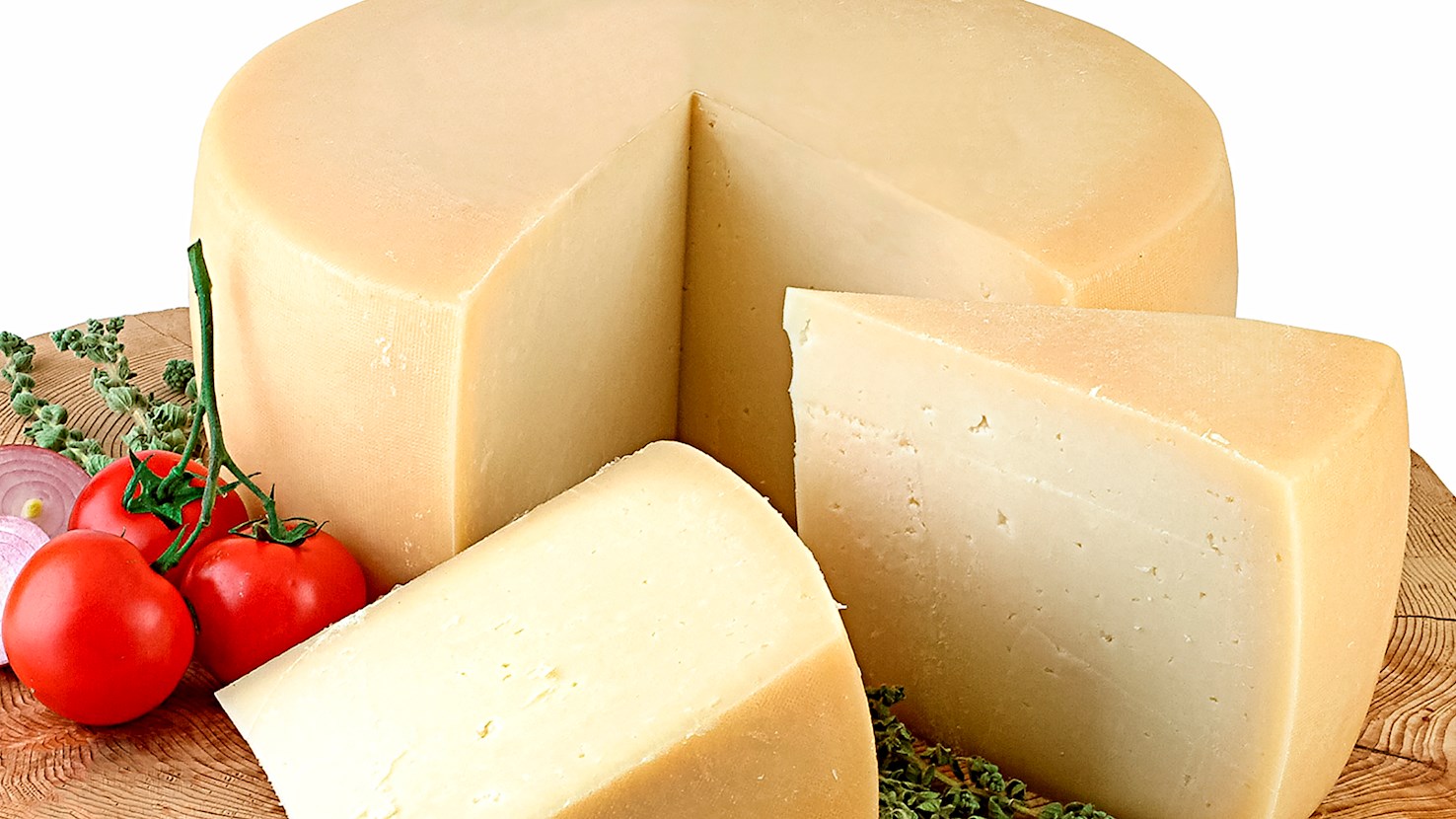
Queso Nata de Cantabria is a hard cheese produced in the region of Cantabria and in the basins of the rivers Urdón and Cervera. It is made from unpasteurized milk of Friesian cows reared in the area. The cheese is aged for at least 7 days, and usually between 14 days and two months. It is regularly turned and cleaned during the period of maturation. The flavor of Queso Nata de Cantabria is quite mild, with a nice balance of bitter and sweet. Its texture is firm, smooth, and buttery, which makes it melt in the mouth quite easily.

02

Queso de Burgos

3.4 ·

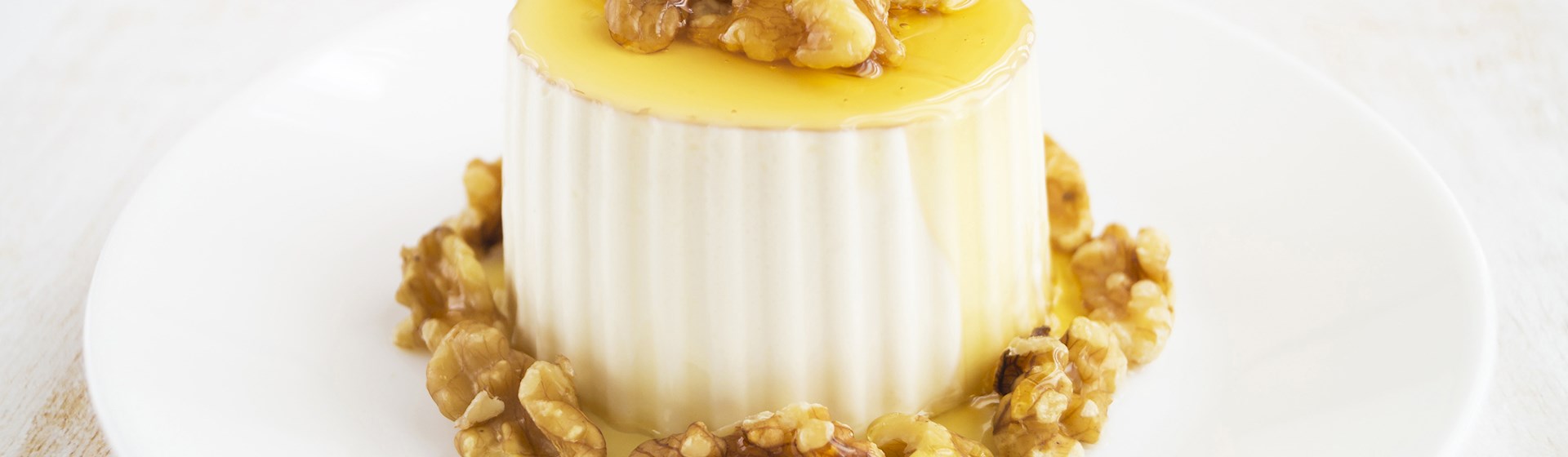
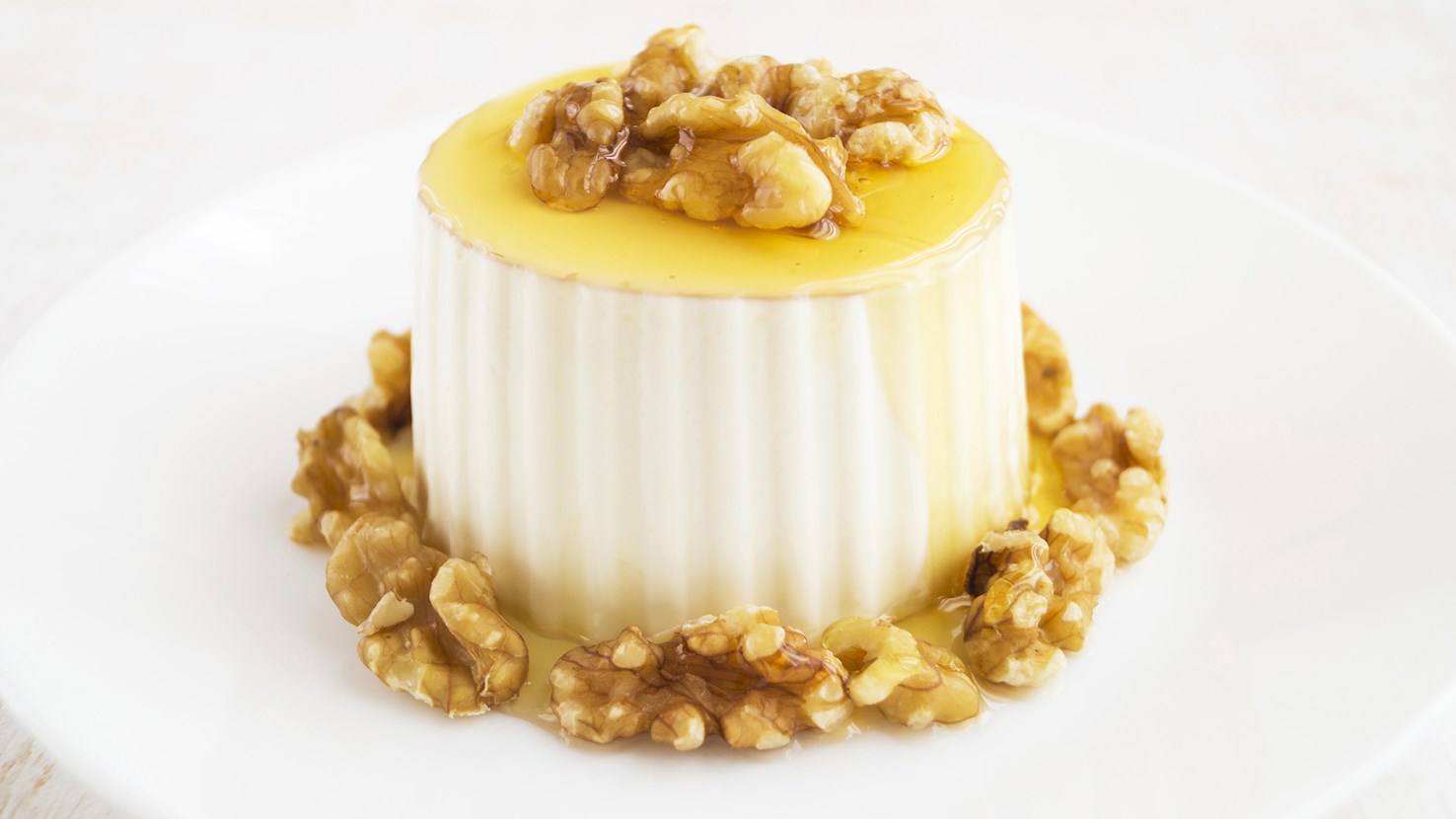
Queso de Burgos is a Spanish cheese made from pasteurized or unpasteurized cow's and sheep's milk. The cheese has a pure white color, and it is traditionally shaped into a wheel with characteristical ridges on top. Its texture is silky and creamy, while the flavors are very mild, fresh, milky, and slightly acidic. It is recommended to pair it with honey, walnuts, and dry white wines.

03

Queso de La Serena

3.6 ·

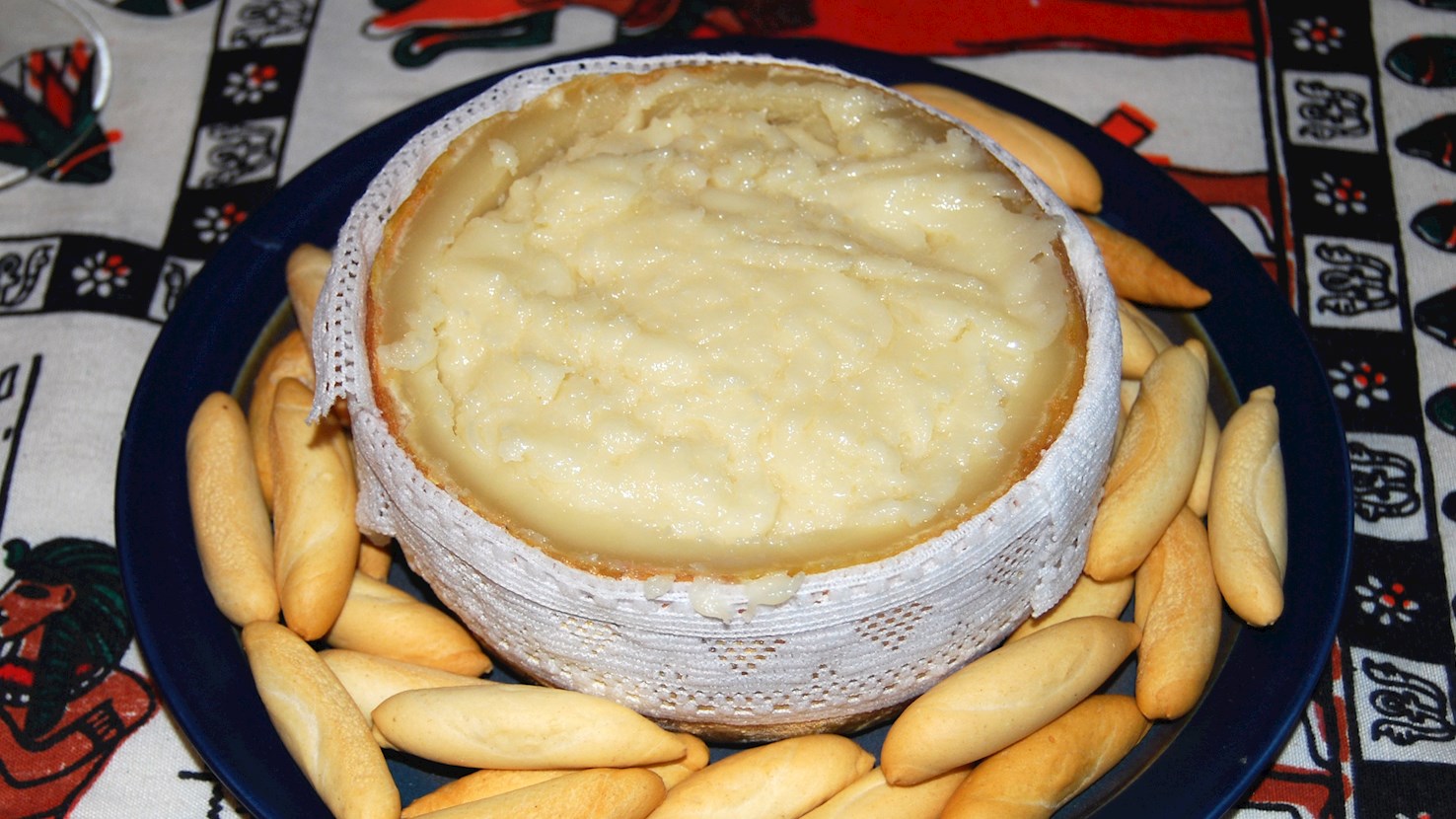
Also known as Torta de La Serena, this soft cheese is produced in the Spanish southwestern province of Badajoz and made exclusively with raw, whole milk from the Merino sheep breed. To coagulate the milk, only wild milk thistle rennet is used, which is an ancient Moorish and Jewish dietary custom. After about 60 days of aging, La Serena cheese still has a runny consistency and is traditionally eaten by slicing off the top and scooping out the inside with a spoon. If aged for a longer period of time, Queso de La Serena becomes harder and develops a much stronger, creamy to buttery flavor. It pairs best with palate-refreshing white wines but also chilled sherries or semi-sweet red wines such as Fondillón.

04

Queso Palmero

3.6 ·

Queso Palmero is a semi-hard cheese made from raw Palmera goat's milk, a local breed that perfectly adapted to the climatic and orthographic conditions of La Palma Island. The cheese is salted using sea salt from the island, and is regularly turned during maturation and rubbed with olive oil, cornmeal, or flour. There are two types of Queso Palmero available on the market; smoked and non-smoked. The latter is white to yellow in color and has a milder aroma reminiscent to that of grass, mushroom, and nuts. The smoked cheese is smoked using almond shells, prickly pears, pine needles, or canary pines which give it characteristic aroma and a slightly sweet aftertaste.

05

Queso Casín

3.6 ·

Originating from the Cantabrian Mountains and traditionally produced within the Redes Natural Park in the Province of Asturias, Casín is a semi-hard to hard cheese made with raw, whole milk from the Asturiana de la Montaña, Asturiana de los Valles, and Frisona cow breeds. It exudes a strong, persistent aroma of lush pastures, and has a well-rounded flavor: buttery to slightly bitter and spicy. The versatile Casín can be enjoyed on its own but it is also often used for preparing a number of delicious croquettes, fritters, Asturian cachopos, stuffed baked apples or even cheese ice cream!

06

San Simón da Costa

3.7 ·

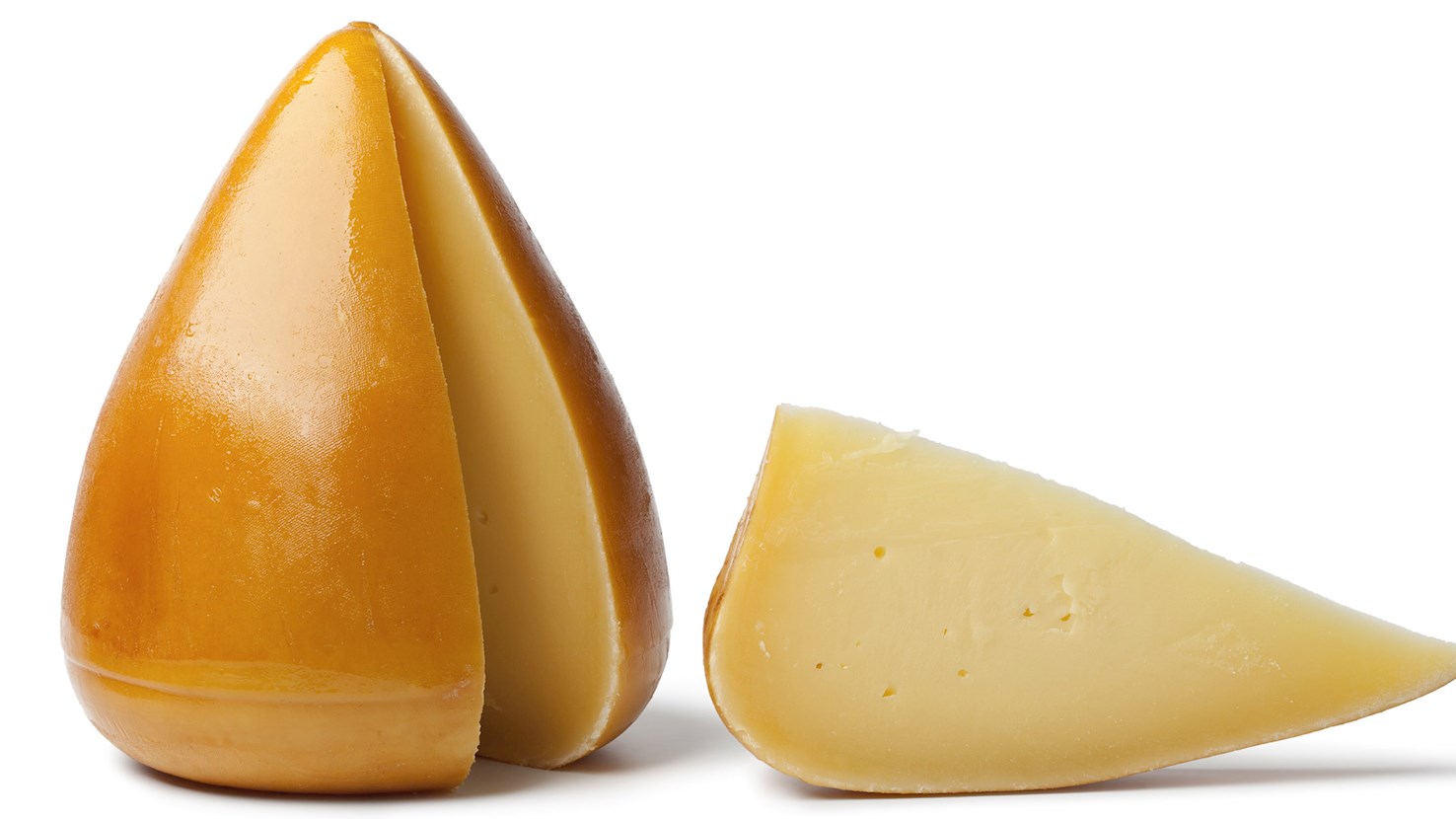
San Simón da Costa is a cheese made from raw or pasteurized cow's milk of the Galician blond, Swiss brown, and Friesian breeds in the District of Terra Chá, in the province of Lugo. It is sold in two versions; large, which is aged for a minimum of 45 days, weighing between 0,8 and 1,5 kg, and the smaller Bufón, aged for at least 30 days with a final weight of between 0,4 and 0,8 kg. This cheese acquires its typical ochre-yellow color and aroma through the smoking process, for which only birch from the local woods is used. It is sometimes immersed in olive oil to inhibit the growth of mold. For an interesting twist, the young and smoky San Simón da Costa is best enjoyed with homebaked bread and sweet caramelized apple marmalade.

07

Queso Majorero

3.8 ·

Traditionally produced in the Province of Las Palmas in the Canary Islands, Queso Majorero is a semi-hard cheese made from raw milk of the Majorero goat breed. It is sold in three varieties depending on the maturation stage: young (from 8 to 20 days); semi-aged (20 to 60 days); and aged (over 60 days). This wheel-shaped cheese has a characteristical imprint of the mold on the sides and the symbol of the producer is located on the top and bottom of the wheel. This white to pale-yellow cheese has a creamy consistency and a slightly bitter flavor. The rind is often rubbed with oil, paprika, or roasted maize meal. Its name is derived from the name given to local shepherds who were called majos. Historically, this unique cheese was even used as a currency to buy and sell supplies for the vessels.

08

Queso de Valdeón

3.8 ·

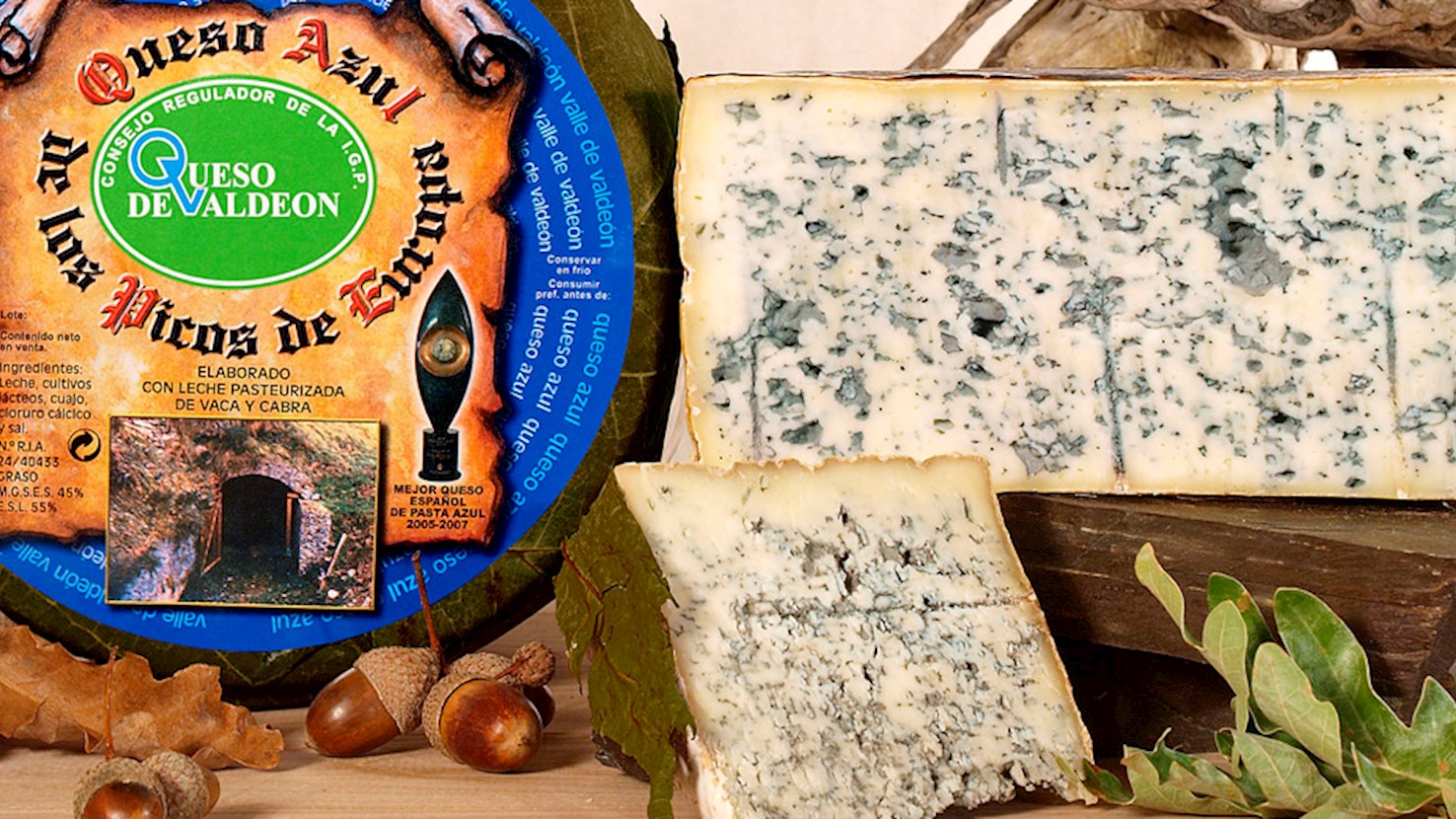
One of the great blues of Europe, this Spanish cheese is produced in the Picos de Europa Mountains, namely the valley of Valdeón. The smooth and creamy Valdeón blue cheese is made from either pure cow's milk or a combination of cow's, sheep's, and goat's milk. It is matured for about 45-60 days and sold wrapped in sycamore maple or chestnut leaves. Although it has all the character of a blue and a very intense, piquant flavor, Valdeón's bite is not as strong as the one in most other blue cheeses. It is best paired with sherry and young, fresh white wines, which offer a good counterpoint to Valdeón's richness and pungency.

09

Roncal

3.9 ·

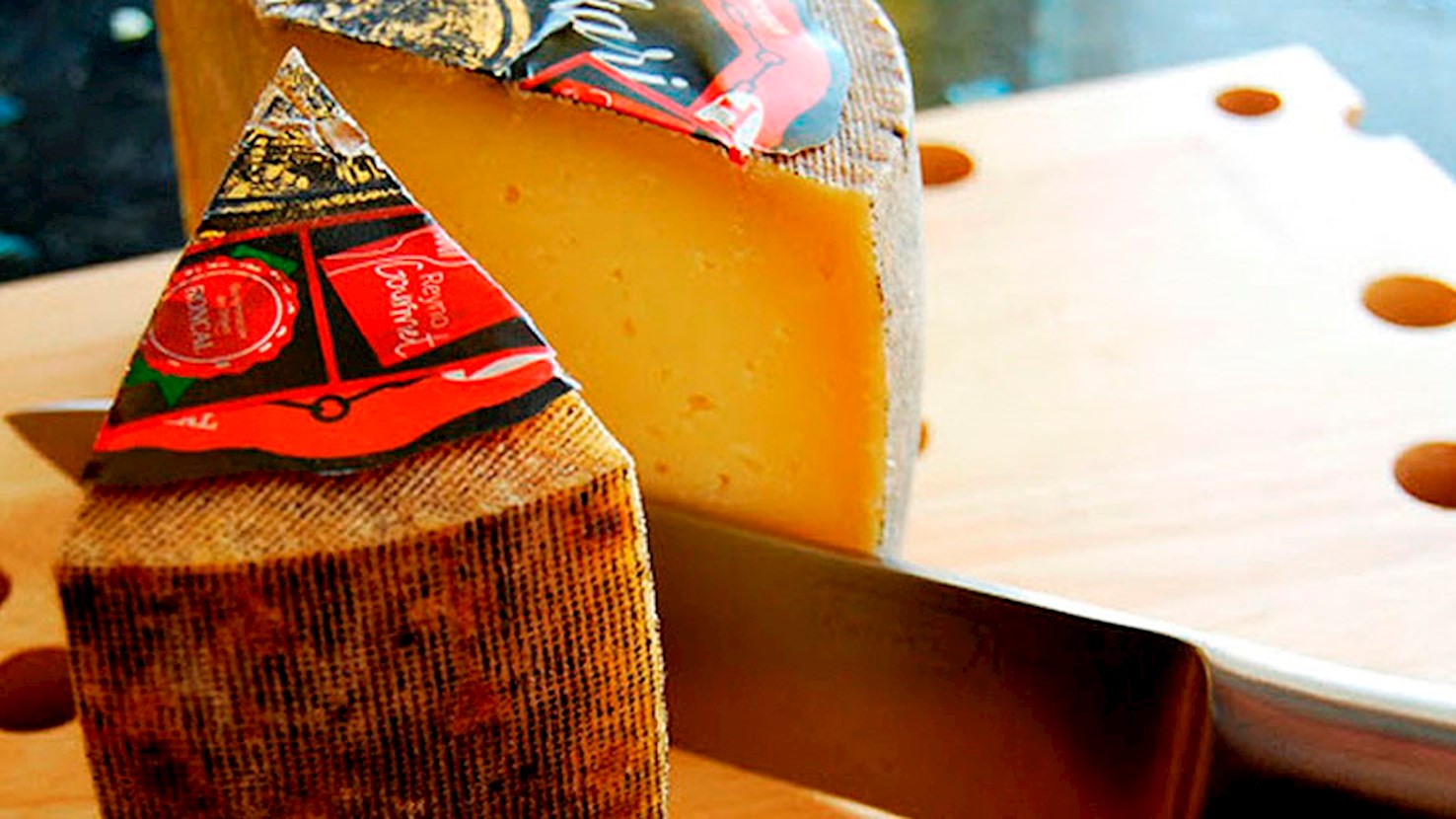
Roncal is a full-fat pressed cheese produced in the Roncal Valley in the autonomous community of Navarre. It is made from December to July using raw milk from Rasa and Lacha sheep reared on the registered farms in the designated area of production. After the cheese is dry-salted, it is left to mature for at least 4 months. When it is fully ripened, it has a rich aroma of herbs and flowers on which the sheep graze. This sheep's milk cheese has a thick, smooth brown rind and a slightly piquant flavor.

Read more
View all
View map
About this ranking

TasteAtlas food rankings are based on the ratings of the TasteAtlas audience, with a series of mechanisms that recognize real users and that ignore bot, nationalist or local patriotic ratings, and give additional value to the ratings of users that the system recognizes as knowledgeable. For the “9 Worst Rated Spanish Raw Milk Cheeses” list until June 16, 2026, 1,870 ratings were recorded, of which 1,409 were recognized by the system as legitimate. TasteAtlas Rankings should not be seen as the final global conclusion about food. Their purpose is to promote excellent local foods, instill pride in traditional dishes, and arouse curiosity about dishes you haven’t tried.

Similar lists