

Shutterstock

10 Worst Rated Swiss Raw Milk Cheeses

Last updated on June 16, 2026
01

Schabziger

3 ·

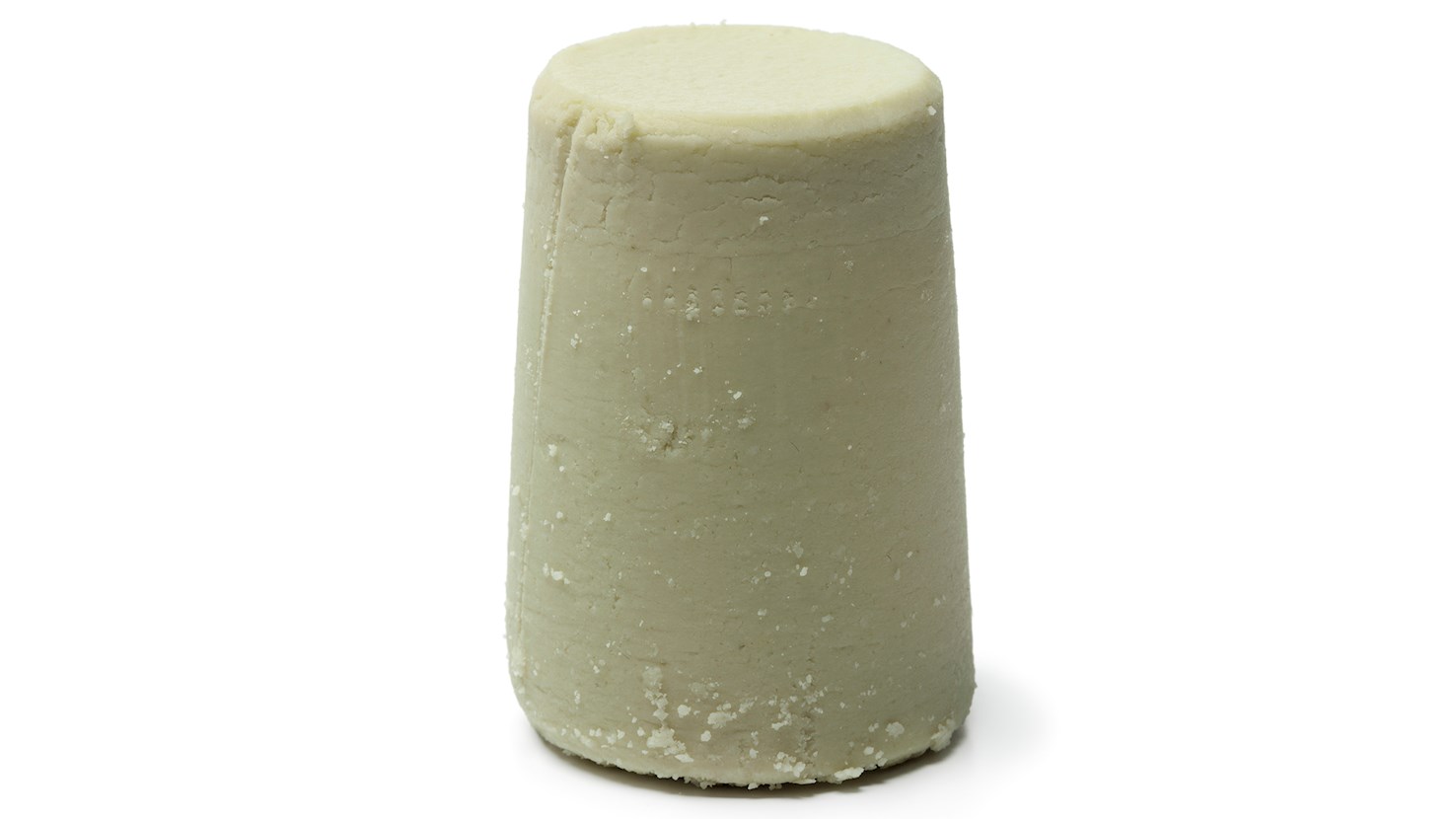
Schabziger is a traditional cheese produced in Glarus. It dates as far back as the 8th century when it was made in a monastery. The cheese is also Switzerland's oldest protected brand – in 1463, there was a council meeting and the locals had decided that the cheese should be stamped with a seal representing its authenticity – and the same seal is still being stamped on Schabziger today. This lime-green, zero-fat cheese is made from cow's milk and the skimmed milk curds are aged for 8 weeks, after which they're ground and combined with ground fenugreek seeds. The cheese is then pressed into a small cone called stockli, which is wrapped in silver foil. The texture is dry and hard, while the flavors are powerful, pungent, and spicy. In the US, it's known as Sap Sago. It is recommended to mix Schabziger with butter, then spread it over bread with onions or chives, but it can also be added to soups, fondues, and baked potatoes. Pair it with Pinot Noir or a glass of cider.

02

Mont Vully

3.3 ·

Mont Vully is a Swiss cheese made from raw cow's milk. It's produced in the Canton of Fribourg. The texture of Mont Vully is semi-soft and delicate, while the flavors are mild, nutty, woodsy, and slightly piquant. As it ages (10 to 20 weeks), the cheese is regularly washed with Pinot Noir from local vineyards, giving it a reddish rind. The cheese can also be recognized by a grape imprint on top of the wheel. The name of this cheese is a reference to Mont Vully, a hill in the Swiss Plateau. It is produced in 3 varieties – Classique (the original), Bio (organic), and Réserve (matured for 25 weeks).

03

Scharfe Maxx

3.4 ·

Scharfe Maxx is a Swiss cheese hailing from Thurgau. The cheese is made from raw cow's milk that's been thermized, and it's left to age for 5-6 months. It has a washed rind that hides a semi-soft texture of the cheese. Although it can be mild at first taste, Scharfe Maxx also has a sharp and nutty finish with hints of barnyard. During the production process, cream is added to the cheese, resulting in a silkiness that balances the savory notes of beef broth and sautéed onions. There are also Maxx Extra, aged to 9 months, and Maxx 365, aged up to a year. In spite of its range of complex flavors, Scharfe Maxx is quite versatile, so it can be paired with mustard, rye bread, pickles, potatoes, berry jams, eggs, sandwiches, and asparagus, among others. The name of the cheese means sharp Maxx or spicy Maxx, referring to its sharp finish.

04

Le Maréchal

3.5 ·

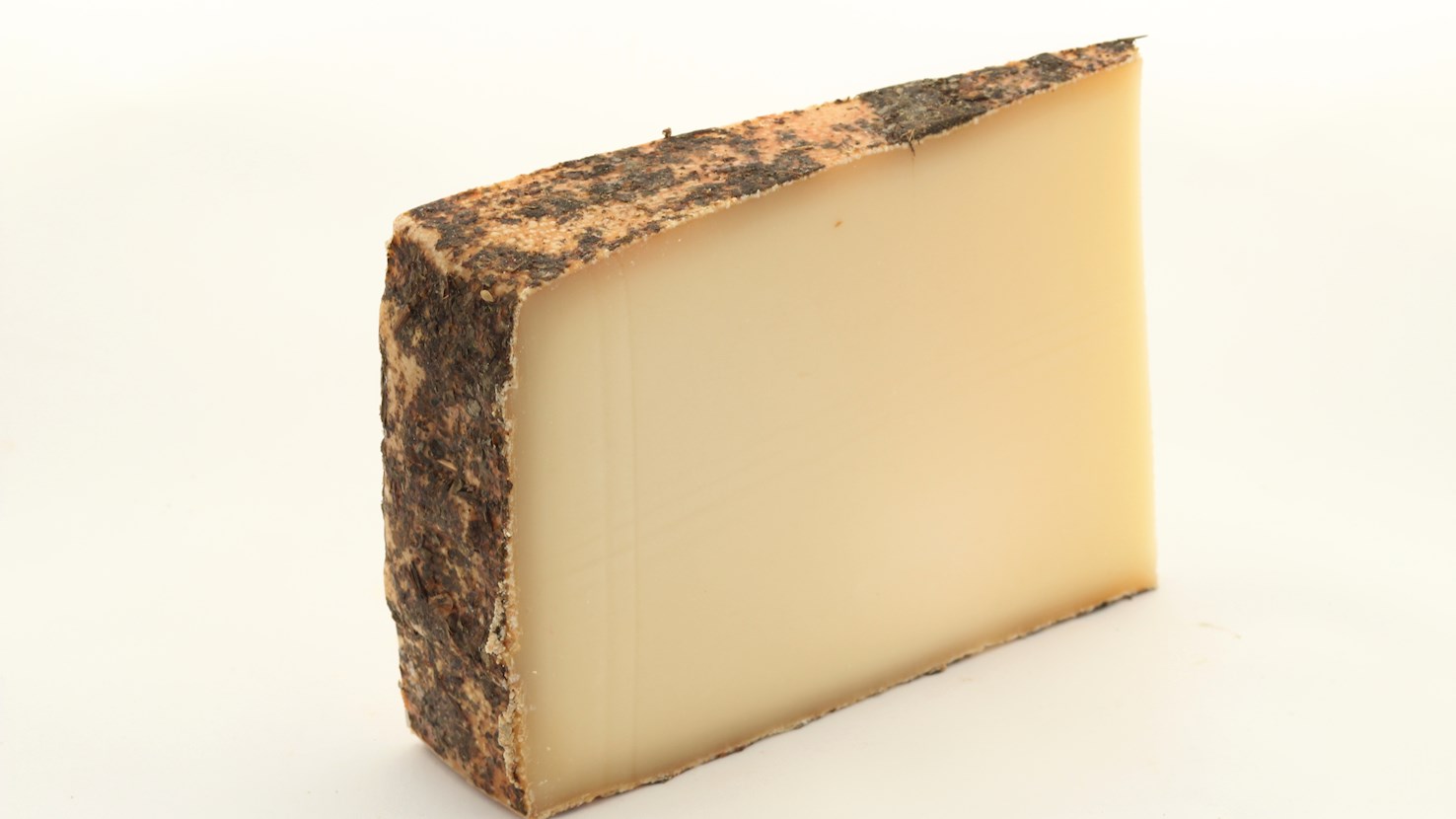
Le Maréchal is an artisanal French cheese hailing from Vaud in Switzerland, where it's produced by the Rapin family. The cheese is made from raw cow's milk and it's aged for a minimum of 130 days. Underneath its herb-rubbed edible rind, the texture is dense and creamy. The aromas are buttery, herbaceous, and barnyardy, while the flavors are intense and herbaceous with notes of roasted almonds and salted caramel. The cheese also melts well, so it's often used in fondues or raclettes. It's recommended to serve Le Maréchal with olives and figs. Pair it with a glass of Chasselas, Petit Chablais, or Riesling.

05

Swiss Tilsit

3.5 ·

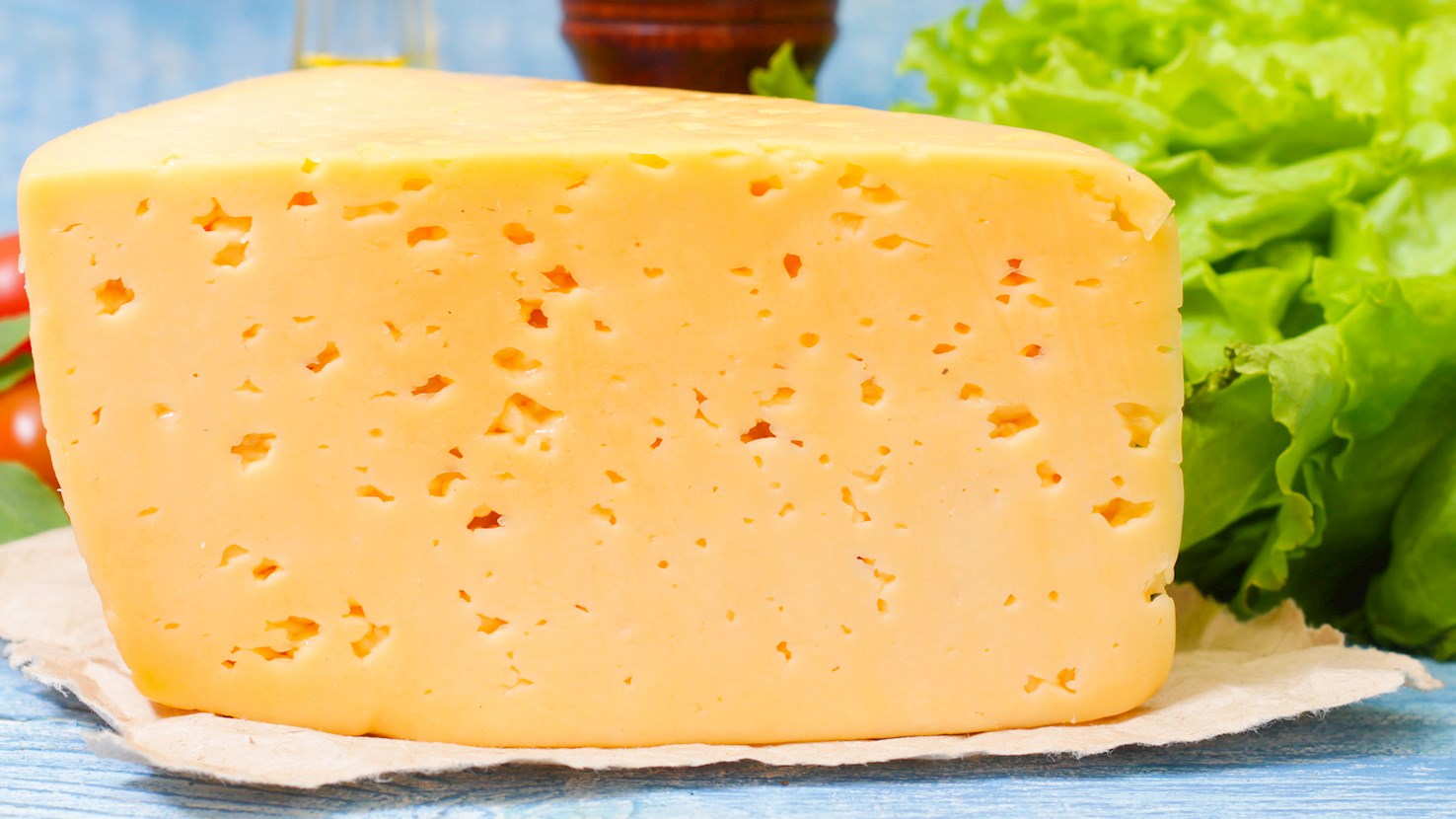
Swiss Tilsit or Royalp Tilsit is a Swiss cheese produced in the Emmental Valley. The cheese is made from pasteurized or raw cow's milk. The pasteurized version is mild, while the raw one has a stronger flavor and it's called Farmhouse Tilsit. The third version is made from pasteurized milk and the addition of cream. The cheese is aged for 5 months, making the aromas strong and pungent. Underneath the washed rind, the texture is firm, springy, elastic, and full of eyes. The flavors range from mild and creamy to piquant and spicy. Use Swiss Tilsit in salads or add it to sauces as the cheese melts exceptionally well.

06

Belper Knolle

3.5 ·

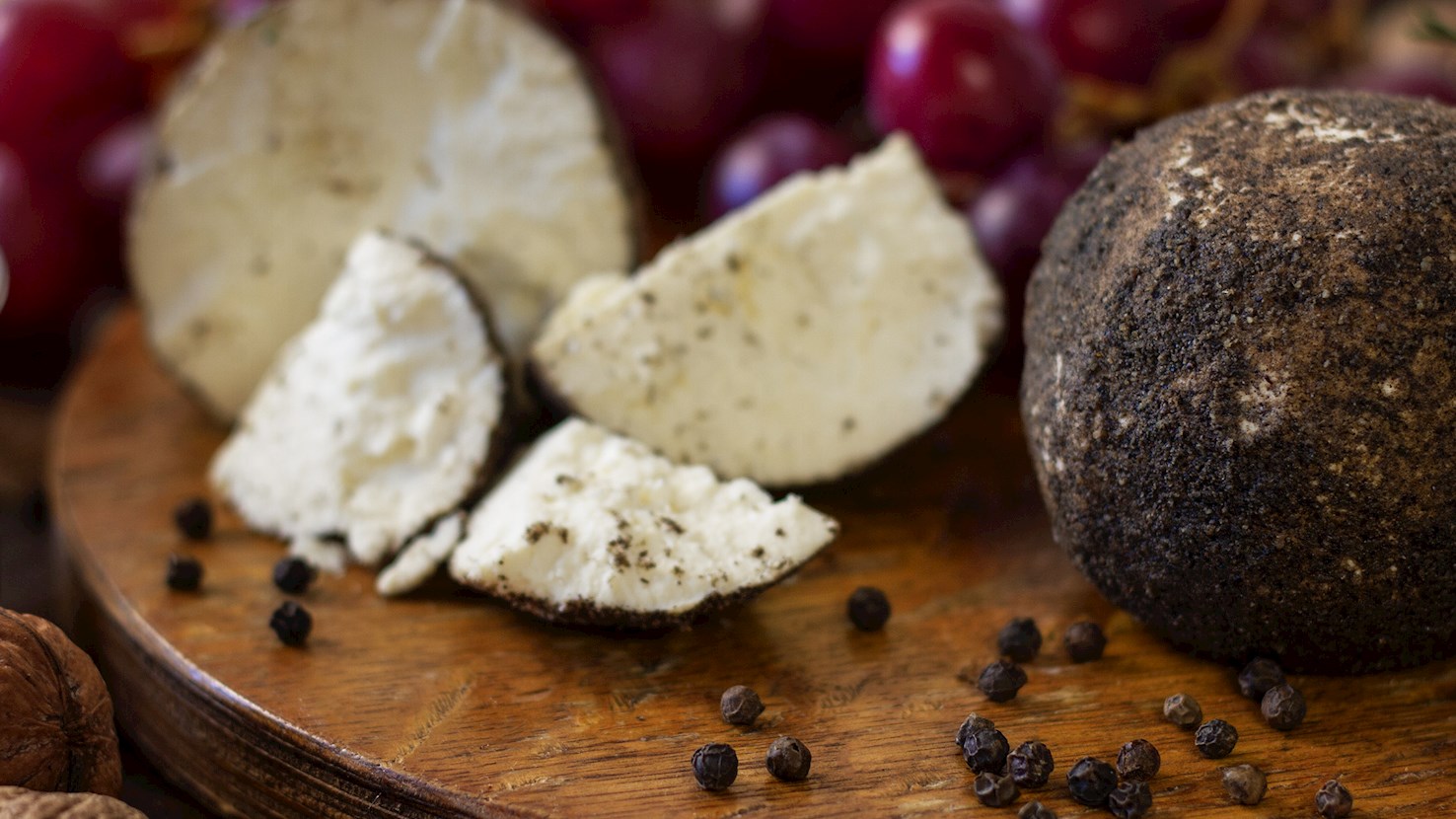
Produced in Belp, hence the name, Belper Knolle is a unique Swiss hard cheese that's shaped into a small ball. The word Knolle translates to tuber, referring to its shape and style – it's mostly used as a grating cheese. The cheese is made from raw cow's milk, and it was created in 1993 by Herr Glauser. It's infused with garlic and Himalayan salt, then rolled in ground Oberland black pepper. Belper Knolle is typically aged in caves for about 10 to 15 weeks, the latter one becoming firm, flaky, crumbly, and extremely hard in texture, which is the reason why it's almost impossible to slice it, so use it shaved or grated instead. The younger version is aged for about 9-10 weeks, so it can be consumed on its own or added to dishes. The extra-mature version can be grated over baked potatoes, pasta dishes, casseroles, and eggs, among others. The flavors of Belper Knolle are intense, zesty, warm, herbal, garlicky, and quite spicy. It's traditionally sold wrapped in a muslin bag.

Best producers
07

Tomme Vaudoise

3.6 ·

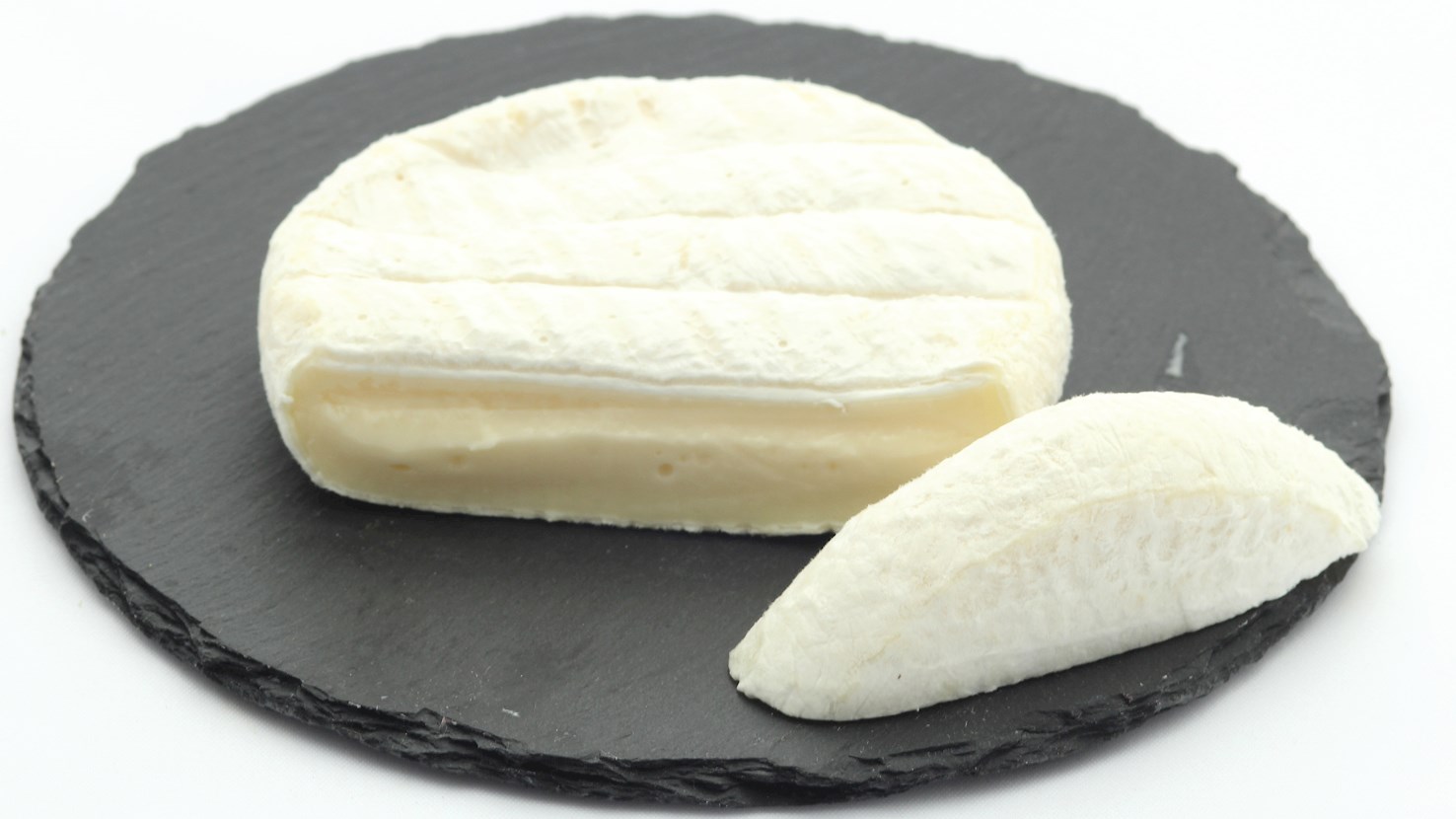
Tomme Vaudoise is a traditional cheese hailing from Switzerland. The cheese is made from raw cow's milk and it's left to mature for 8 weeks. Underneath its highly aromatic bloomy rind that's marked with tiny indentations from aging on racks, the texture is rich, yielding, and oozy. The aromas are fresh, while the flavors are fresh, grassy, and slightly tangy. It's recommended to pan-fry the cheese and place it on top of a salad, use it in pasta dishes, and pair it with a glass of dry white wine.

08

Berner Alpkäse

3.6 ·

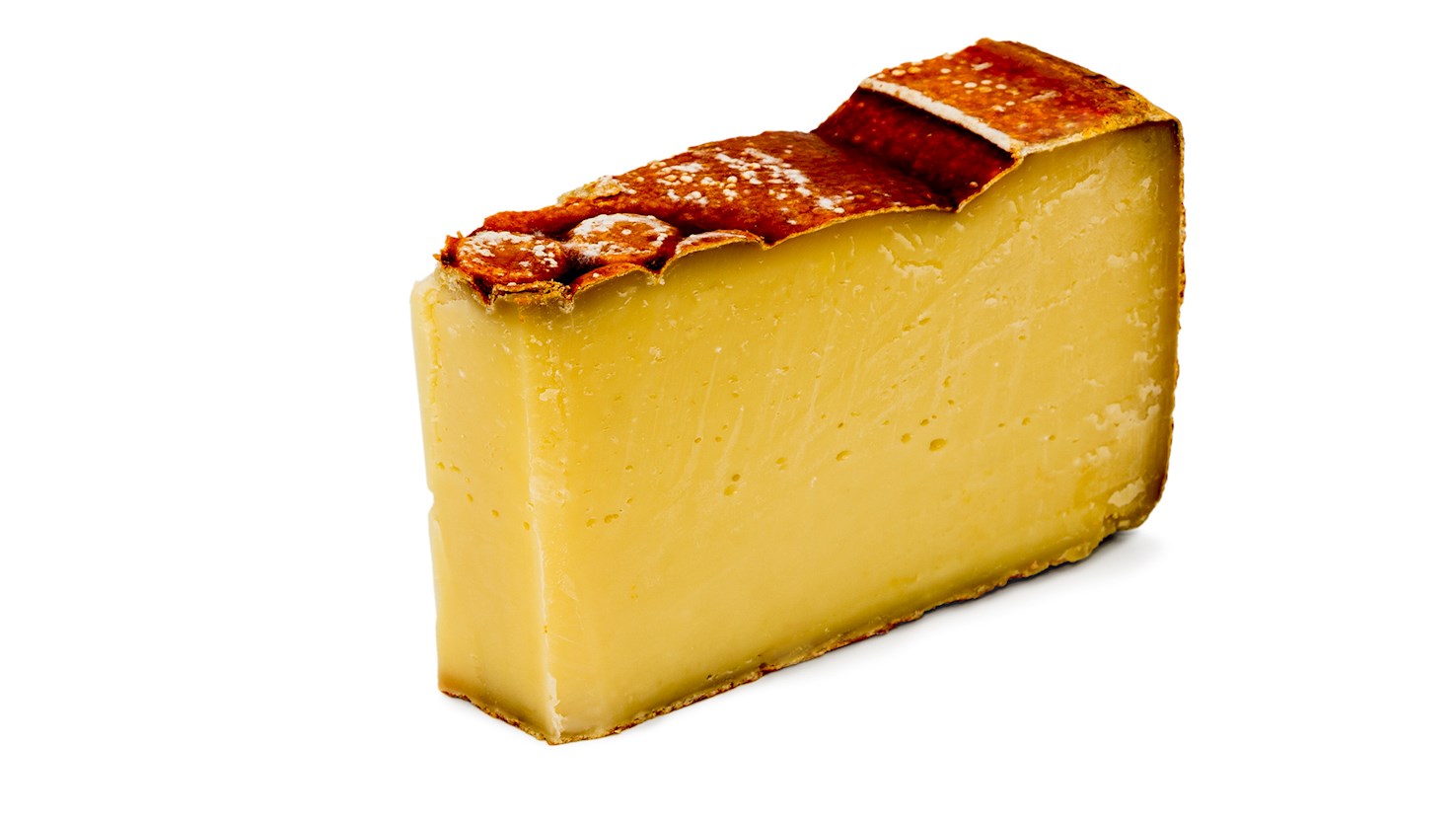
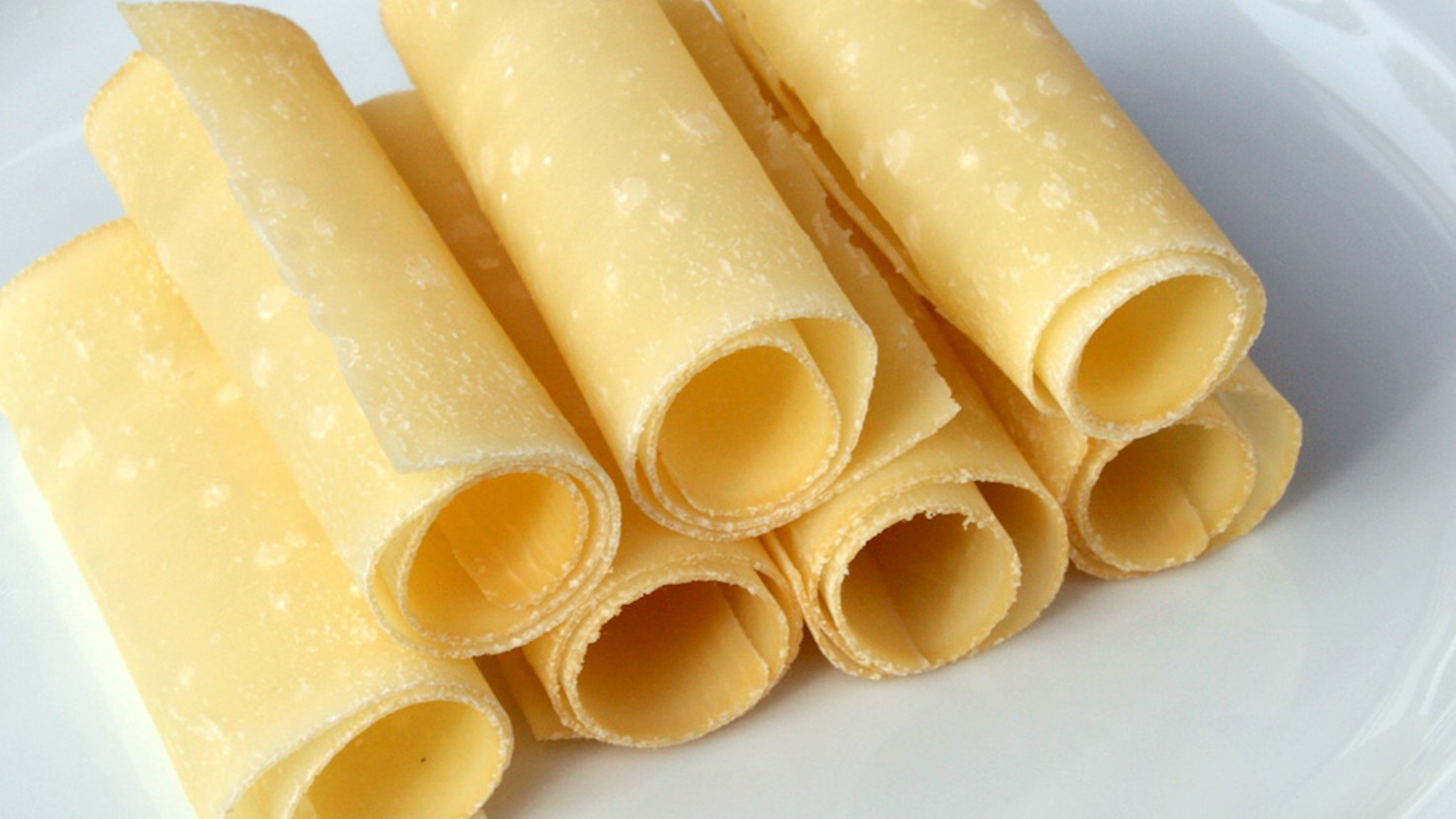
Berner Alpkäse is a traditional cheese originating from the Bernese Oberland. This hard cheese is made during summer from full-fat raw cow's milk that's flavored with Alpine herbs on which the cows graze. It's usually left to age from 6 to 18 months before consumption. Underneath its washed rind, the texture of this cheese is hard, brittle, and with no eyes (holes) that are typical for Swiss cheeses. The flavors can be mild or strong, depending on the maturation period. The cheese is usually planed into thin rolls or crumbled into smaller pieces because its brittle texture makes it unsuitable for cutting with a knife.

09

Emmentaler

3.7 ·

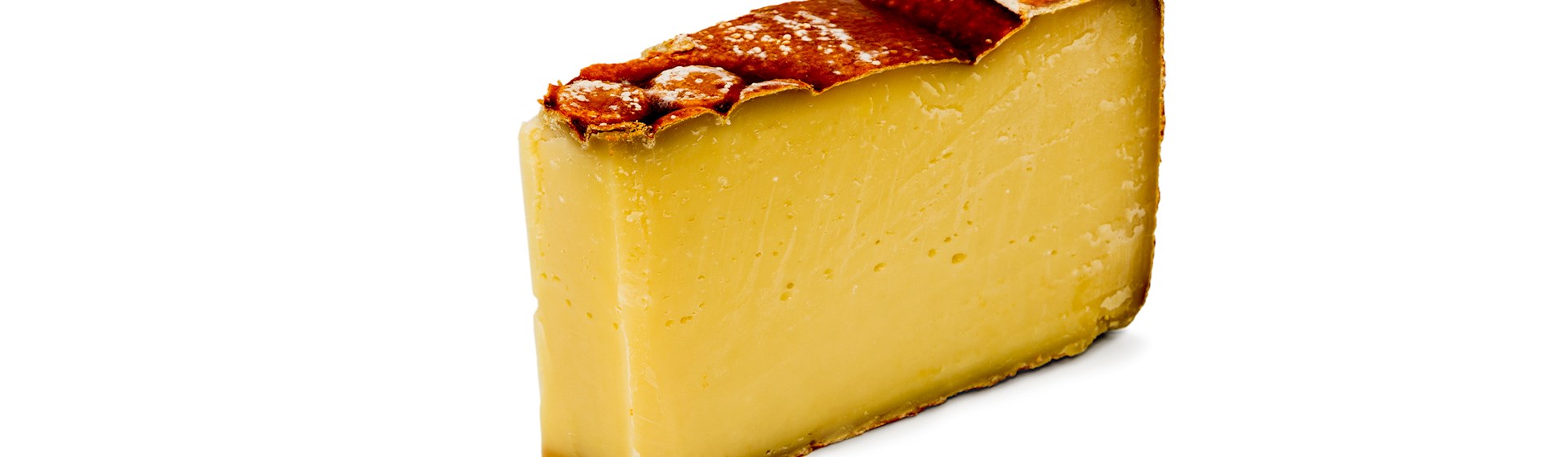
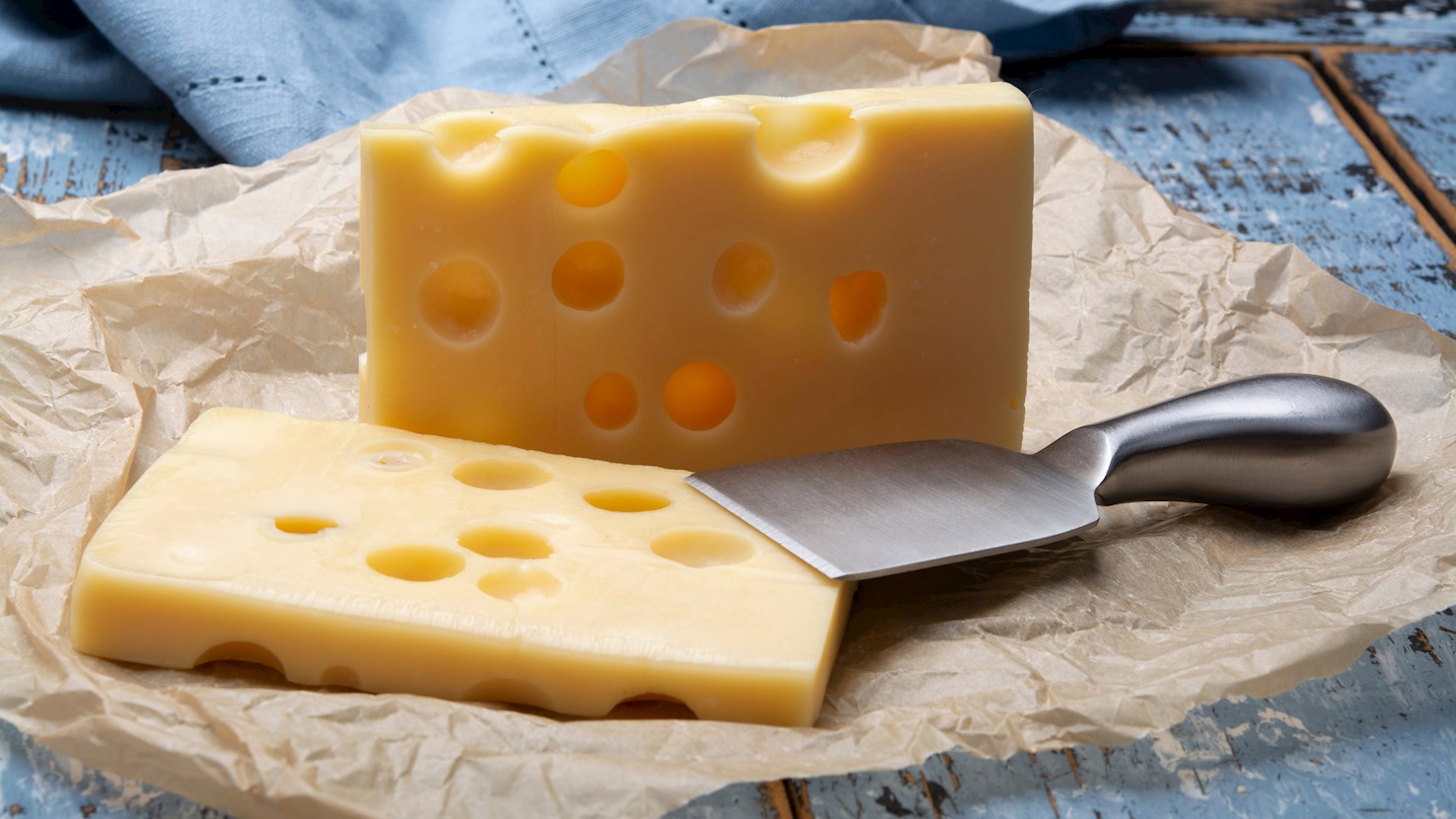
Emmentaler is a semi-hard Swiss cheese made from unpasteurized cow’s milk. It must be matured for a minimum of 4 months, though some varieties can be aged longer. The cheese is characterized by its pale yellow color, smooth texture, and marble-sized holes (eyes), which appear during maturation. Although the final flavor profile depends on maturation, the cheese is usually nutty and tangy, with aromas that are reminiscent of fresh hay. Emmentaler is traditionally served sliced or cut into cubes, but it also incorporates well into various dishes, and it is one of the most common cheese varieties used in fondue. This classic Swiss cheese was named after the river Emme in the canton of Bern, where the cheese-making tradition dates back to the 13th century. Emmentaler can be produced in eleven Swiss cantons.

10

Vacherin Fribourgeois

3.9 ·

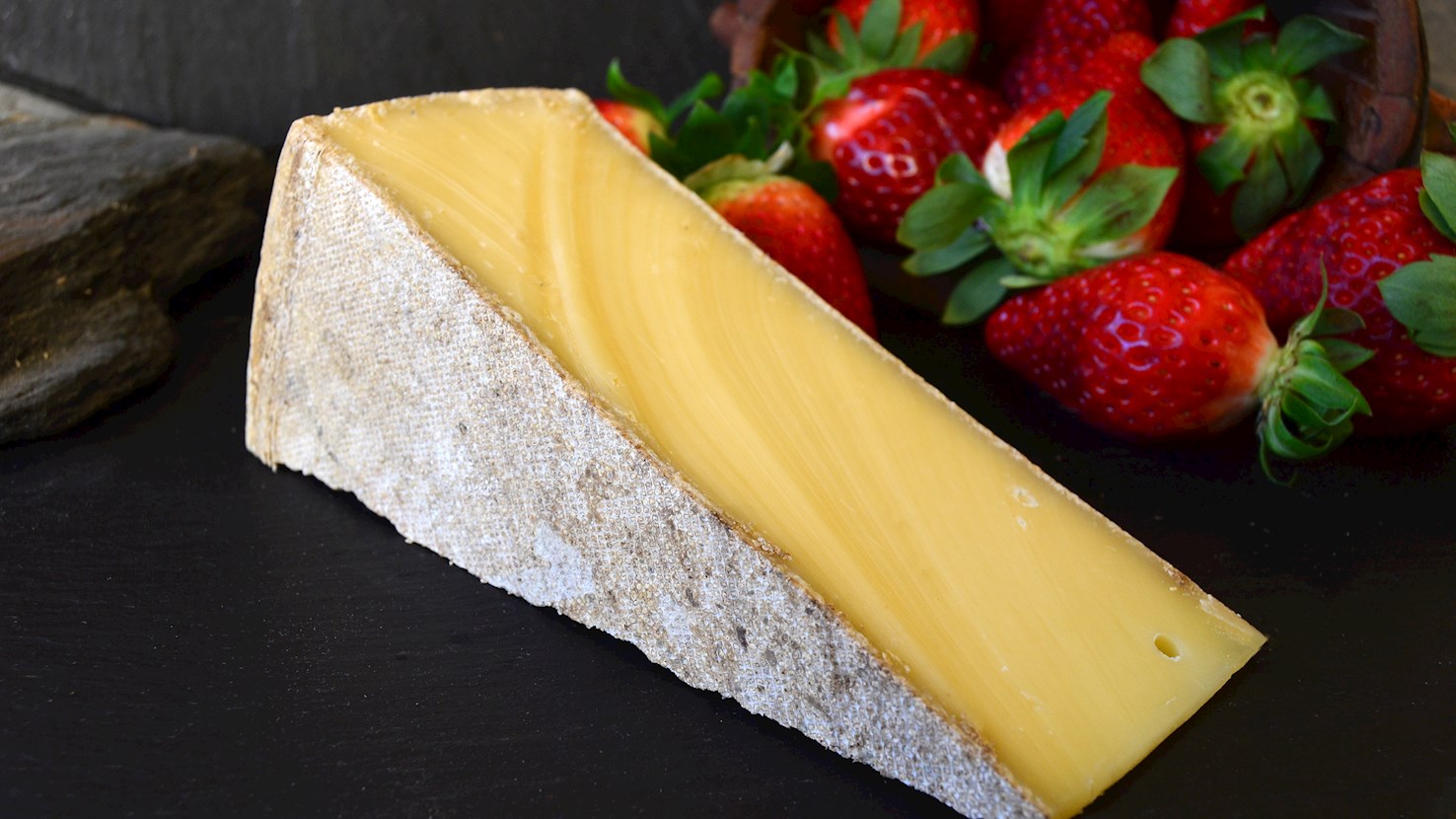
Vacherin Fribourgeois is a traditional semi-soft cheese. It's made from raw cow's milk in Bulle and Fribourg. The cows graze only on grass and summer hay on the Alpine meadows. The rind is washed and has a pungent aroma. The interior hides an open, firm, and buttery texture. The aromas are grassy and strong, while the flavors are buttery, nutty, milky, and acidic. It's difficult to find the cheese because it's produced only by a handful of local artisanal cheese makers. There are 6 varieties of Vacherin Fribourgeois: Classic (6-12 weeks), Extra (at least 12 weeks), Rustic (at least 12 weeks and up to 25 weeks), Alpage (12-25 weeks), Mountain (9-25 weeks), and Organic (at least 9 weeks). It's recommended to use it in fondues or as a table cheese. Vacherin Fribourgeois altso melts well, so it can be used in sandwiches or served with potatoes. Pair it with bold red wines from France.

Read more
View all
View map
About this ranking

TasteAtlas food rankings are based on the ratings of the TasteAtlas audience, with a series of mechanisms that recognize real users and that ignore bot, nationalist or local patriotic ratings, and give additional value to the ratings of users that the system recognizes as knowledgeable. For the “10 Worst Rated Swiss Raw Milk Cheeses” list until June 16, 2026, 1,735 ratings were recorded, of which 1,434 were recognized by the system as legitimate. TasteAtlas Rankings should not be seen as the final global conclusion about food. Their purpose is to promote excellent local foods, instill pride in traditional dishes, and arouse curiosity about dishes you haven’t tried.

Similar lists