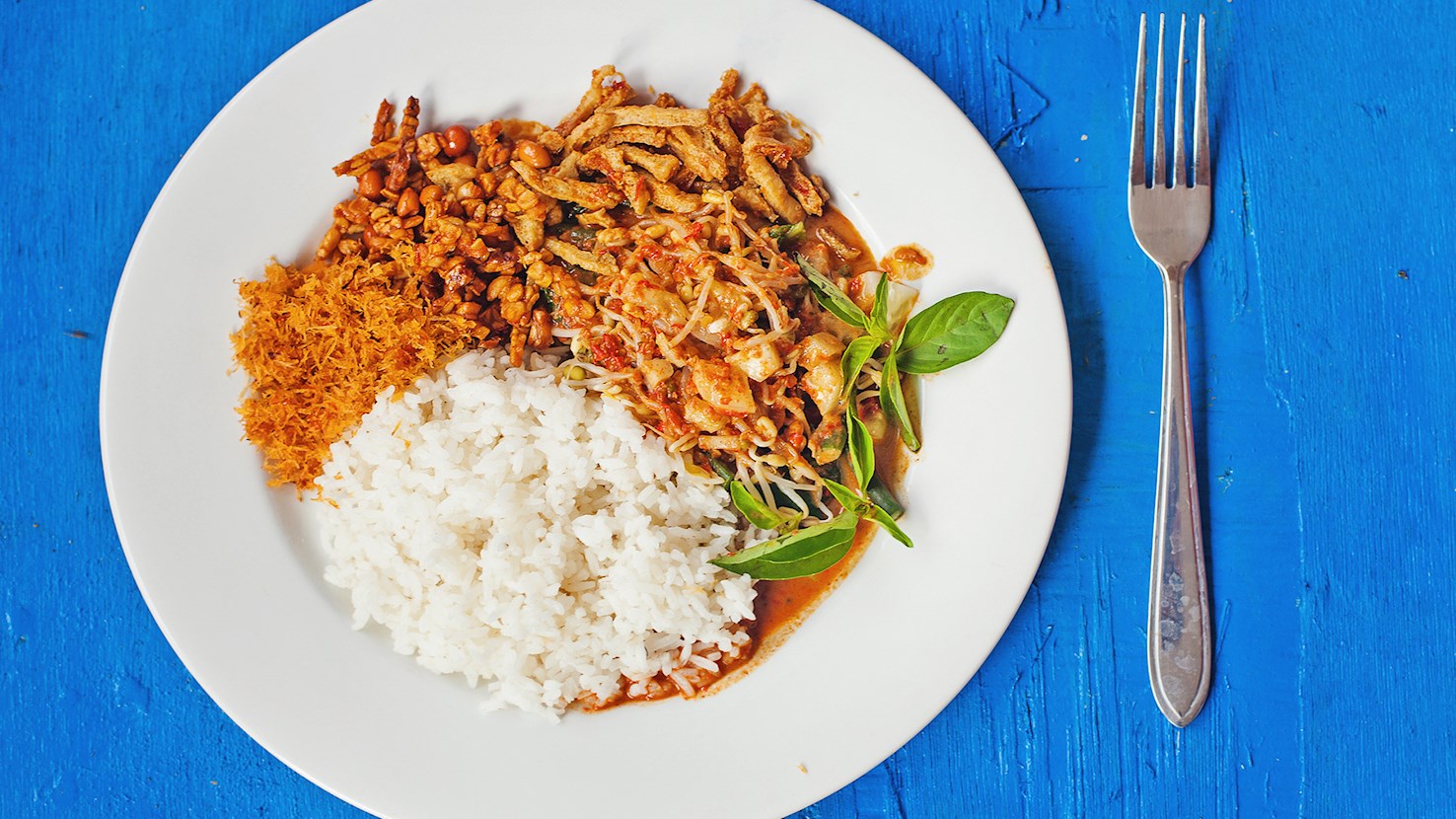
Nasi jagung, meaning “corn rice” in Indonesian, is a traditional dish rooted in the agrarian heartlands of East Java, Madura, and parts of Bali, where it evolved out of necessity and now endures as a symbol of culinary resilience and heritage. At its core, nasi jagung is made by steaming coarsely ground or dried kernels of corn, often blended with rice, though in more traditional versions, corn serves as the main or sole grain. The resulting dish has a light, fluffy texture, with a slight chew and a natural sweetness that distinguishes it from plain rice. Historically, nasi jagung was a response to economic hardship and agricultural limitations. In many parts of rural Indonesia, especially during colonial times and periods of rice scarcity, corn was a more reliable crop than rice, cheaper and easier to cultivate on dry land. Villagers and farmers began preparing corn as a rice substitute, steaming it over wood fires in woven bamboo baskets. Over generations, what began as a meal of necessity transformed into a culturally cherished food with deep regional pride. Today, nasi jagung is not just a nostalgic rural dish but a living tradition, often served with a variety of local side dishes that reflect the richness of Javanese home cooking. It is commonly paired with urap—a medley of steamed vegetables dressed in spiced grated coconut—alongside fried tempeh, salted fish, tofu, and generous helpings of sambal, the fiery chili paste that balances the corn’s sweetness. In some versions, the plate is rounded out with serundeng, a mixture of sautéed grated coconut and spices, or roasted peanuts for added texture. In traditional markets and rural food stalls, it remains a beloved everyday meal, and during ceremonies or village festivals, it is often served as a gesture of community and remembrance.
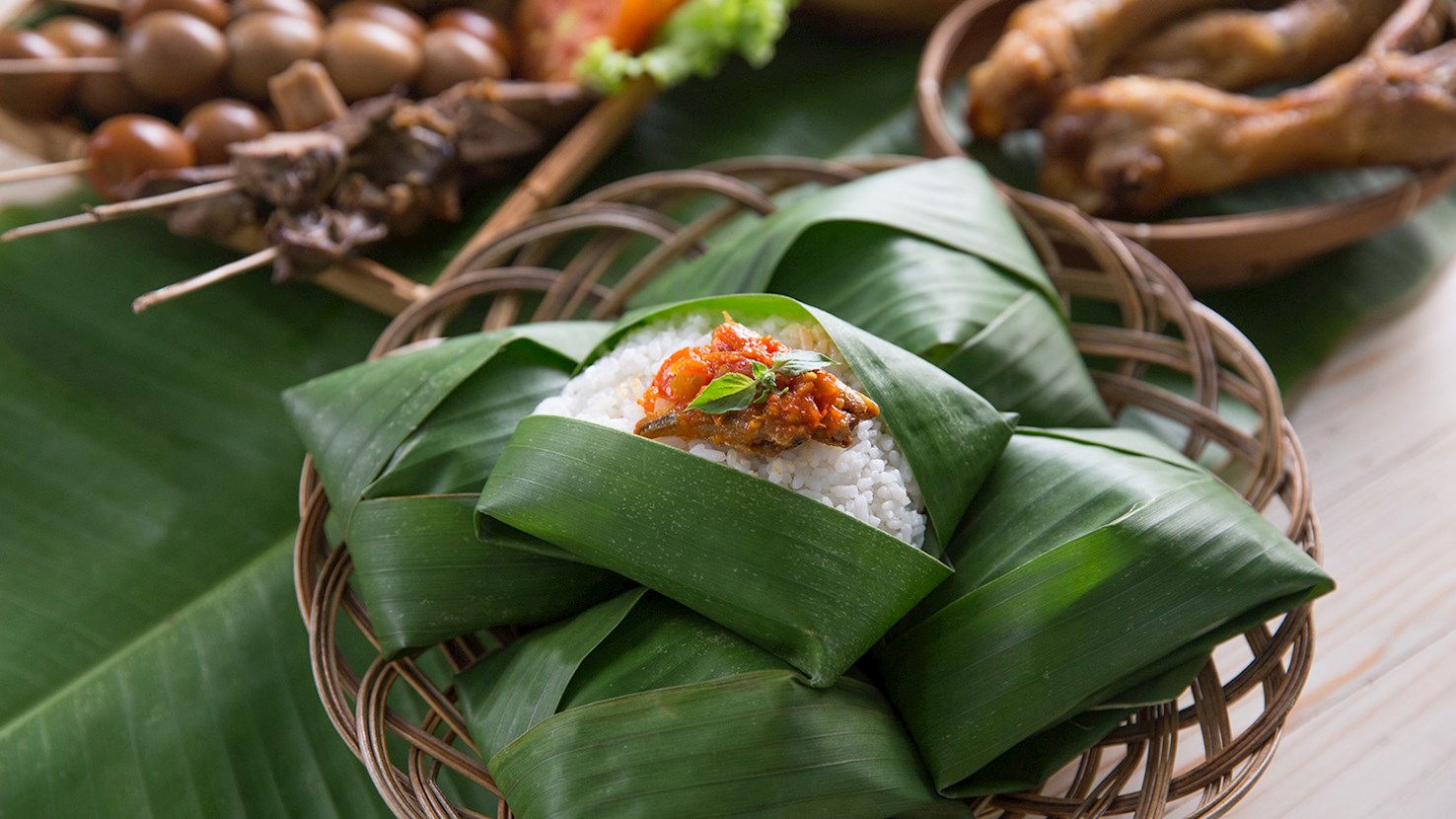
Nasi kucing is a unique and iconic Indonesian street food, a rice dish originating from Central Java, especially popular in cities like Yogyakarta, Solo, and Semarang. The name translates literally to "cat rice" (nasi = rice, kucing = cat), which refers not to the ingredients, but to the portion size — small enough to be a meal for a cat. Nasi Kucing consists of a small scoop of rice served with simple toppings, usually wrapped in a banana leaf or brown paper. Common toppings include sambal, dried anchovies (teri), tempeh, shredded chicken, oseng-oseng (stir-fried vegetables), or sometimes a dollop of chili-fried tuna (abon or tongkol). It’s humble, cheap, and designed to be eaten on-the-go or in a social, communal setting. This dish is famously associated with angkringan, which are small, traditional street food carts typically operated at night. These carts don’t just serve food — they are social hubs where students, workers, and locals gather to eat, chat, drink hot tea or kopi joss (charcoal coffee), and relax. A night at an angkringan often means grabbing multiple packets of nasi kucing, each with different toppings, plus a few skewers of sate telur puyuh (quail egg satay), fried snacks, or grilled tempeh.
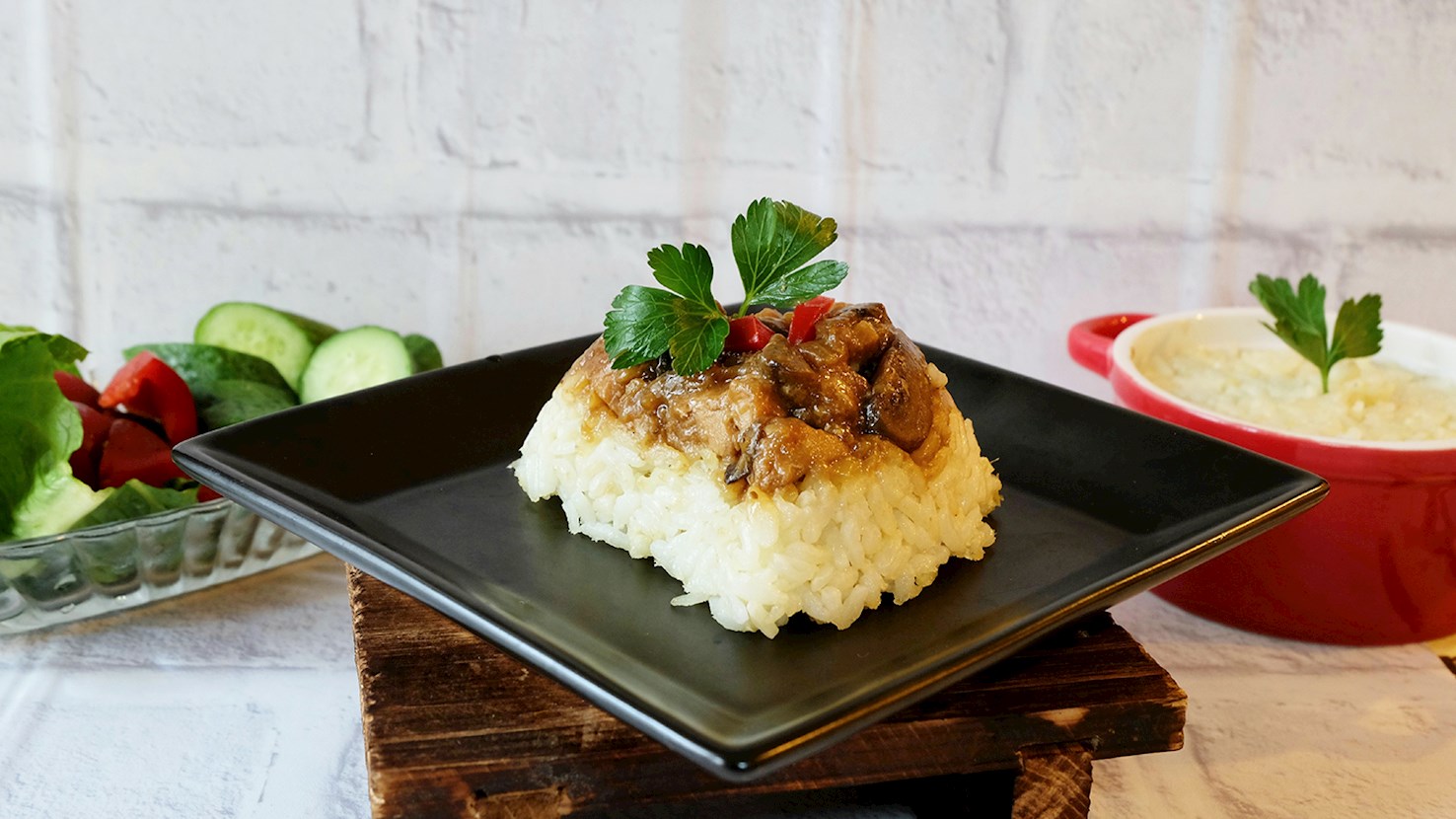
Nasi tim ayam is a comforting and beloved Indonesian dish consisting of steamed savory chicken over soft, seasoned rice, often served warm in an individual bowl. The word “nasi” means rice, “tim” refers to the steaming method, and “ayam” means chicken. This dish is especially popular among Chinese-Indonesian communities and is commonly found in family kitchens, street food stalls, and traditional warungs. It’s often seen as a nurturing, easy-to-digest meal — frequently given to children, the elderly, or anyone recovering from illness because of its soft texture and mild, comforting flavors. Nasi tim ayam is usually made by layering a bowl with savory chicken and mushrooms in a soy-based sauce, then topping it with seasoned rice. The entire bowl is then steamed, allowing the flavors to meld together. When ready to serve, the bowl is flipped upside down onto a plate, revealing the glistening chicken topping the mound of warm rice beneath. It’s often accompanied by a light chicken broth on the side, and sometimes garnished with fried shallots, scallions, or hard-boiled egg slices. The flavor profile is savory and lightly sweet, with umami notes from soy sauce, garlic, sesame oil, and mushrooms — usually shiitake or Chinese black mushrooms. While traditionally made with chicken, some variations include pork, Chinese sausage, or even salted egg.
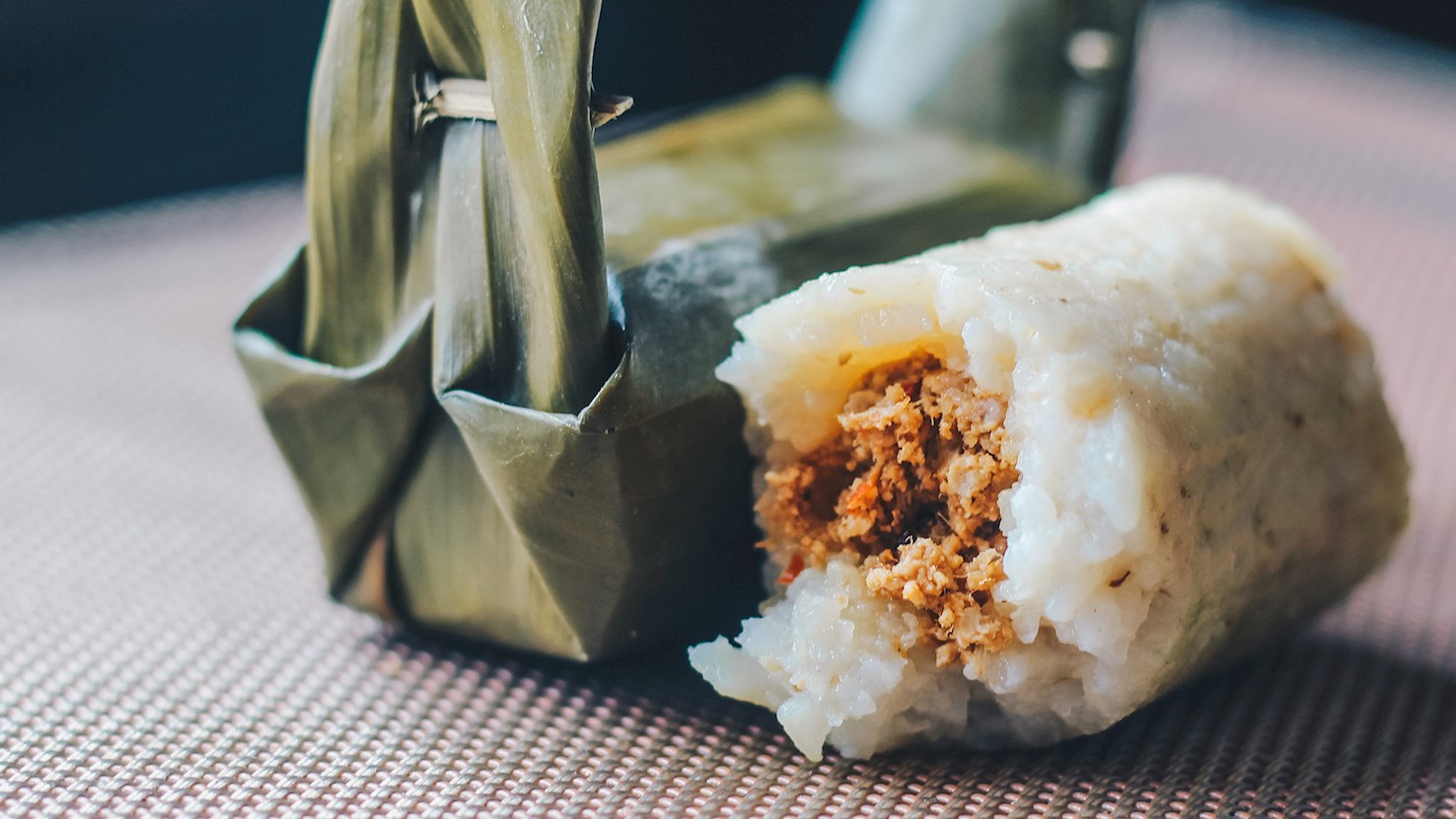
Arem-arem is a rice cake snack from Java, Indonesia, made by wrapping compressed cooked rice and a savory filling in banana leaves, then steaming or lightly grilling the package until firm and aromatic. It is widely consumed across Central and East Java, particularly as a portable breakfast item, street snack, or offering during communal gatherings. Arem-arem is related in form and preparation to lontong and lemper, but is distinct in both texture and filling, often featuring a softer rice layer and a wide variety of fillings, such as spiced vegetables, tempeh, or minced meat. The preparation begins by cooking rice in coconut milk with a small amount of salt until partially absorbed and sticky. A small amount of this rice is then spread onto a piece of softened banana leaf. A spoonful of filling—commonly stir-fried diced tempeh, shredded chicken, ground beef, or sautéed vegetables with chili and spices—is placed in the center, and the rice is rolled tightly around it. The banana leaf is folded to secure the contents, and the wrapped roll is steamed until the rice is fully set and infused with the aroma of the leaf. Arem-arem is often associated with home kitchens, local markets, and small warung stalls, where it is sold alongside fried snacks and sweet cakes. Unlike lemper, which uses sticky glutinous rice, arem-arem is made with regular rice, giving it a less chewy and more tender texture. Its mild coconut flavor and aromatic banana leaf wrapping contribute to its popularity as a savory snack. While simple in appearance, the process of assembling and cooking arem-arem requires precision in rice texture and wrapping technique to ensure the rolls hold together and cook evenly. Its compact shape and wrapping make it convenient for take-away consumption, and it is frequently included in nasi berkat (communal food packages) or served at social events and religious ceremonies. The fillings vary by region and household, ranging from mild to spicy, and from purely plant-based to meat-filled version.
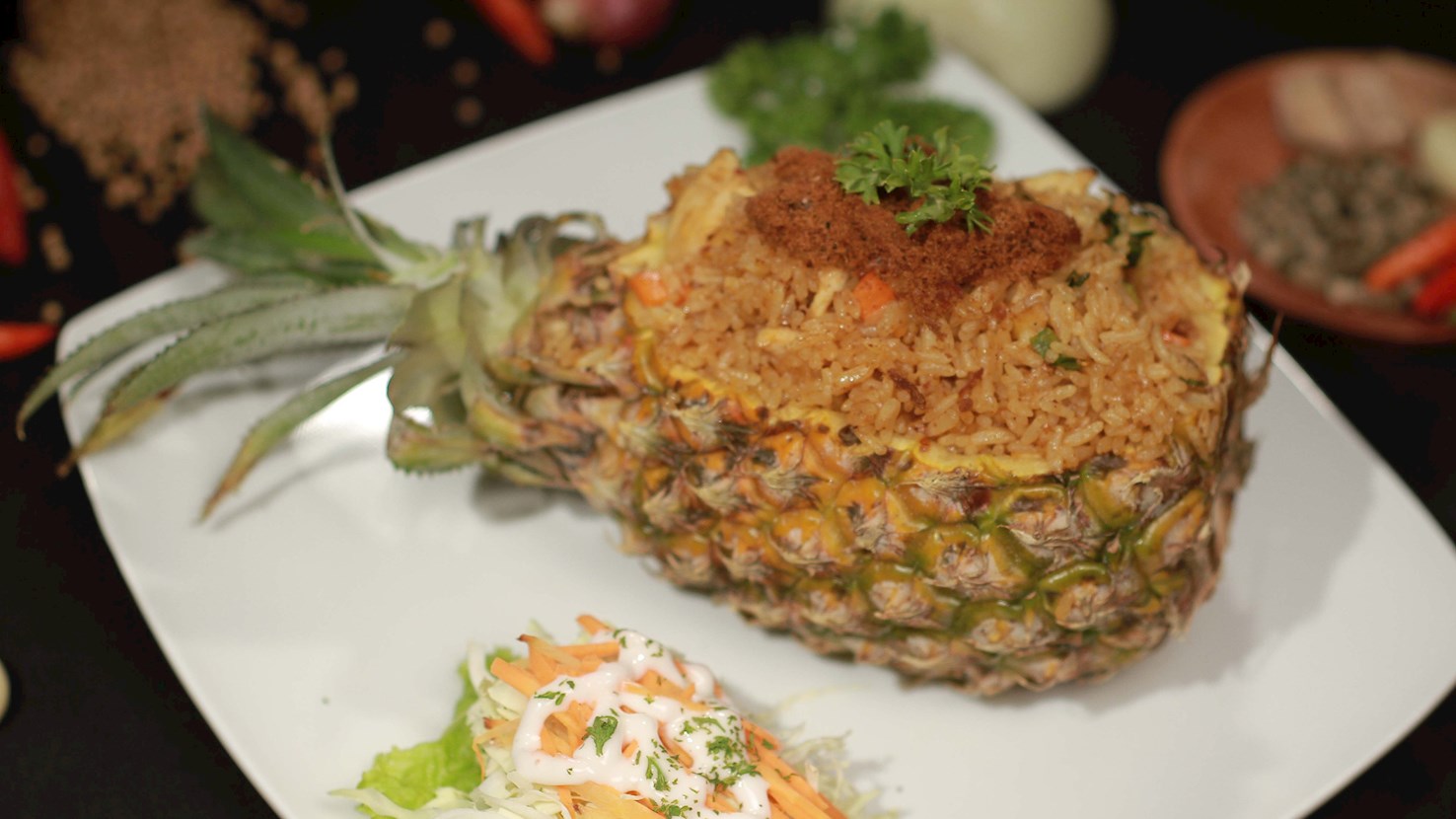
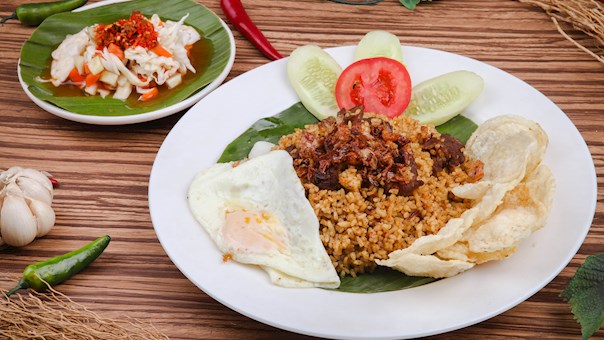
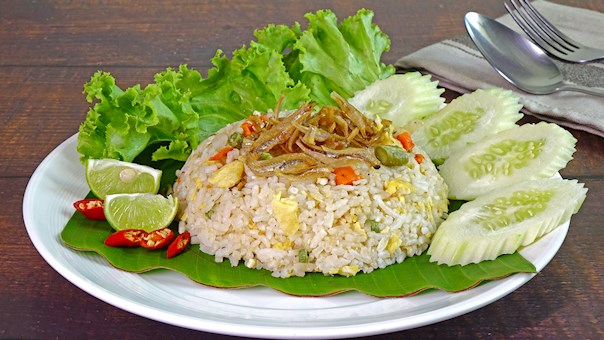
Nasi goreng nanas is a type of Indonesian fried rice that features fresh pineapple as a main ingredient, giving the dish a mild sweetness that balances savory seasonings. This preparation is especially popular in tourist areas of Bali and along parts of Java’s coast, where cooks adapt classic nasi goreng recipes by incorporating local produce. The rice is stir-fried with shallots, garlic, chilies, and sweet soy sauce, then mixed with diced pineapple, vegetables, and usually a protein such as chicken, shrimp, or sliced egg. The combination of sweet fruit and savory rice results in a dish that is both flavorful and appealing to diners who enjoy contrast in taste and texture. To prepare nasi goreng nanas, leftover steamed rice is preferred because it holds its shape better during frying. The rice is first stir-fried over high heat with aromatic paste made from ground shallots and garlic, along with chopped chilies to add heat. Diced pineapple is then added and briefly cooked so it warms through without becoming too soft. Proteins are usually pre-cooked or quickly sautéed before combining with the rice, while vegetables like carrots, peas, or bell peppers are often included for color and texture. Sweet soy sauce provides a rich glaze that helps tie the flavors together. Before serving, the dish is often garnished with fried shallots, cucumber slices, and sometimes fresh herbs. In many restaurants, nasi goreng nanas is presented inside a hollowed-out pineapple shell to emphasize its tropical character. The recipe is adaptable and varies depending on the region and cook. Some versions use cashew nuts or raisins to add more layers of flavor, while others incorporate a splash of fish sauce or lime juice to brighten the taste. The dish reflects Indonesia’s tendency to blend savory and sweet elements in everyday cooking, as well as the influence of international tourism on modern Indonesian menus. Although pineapple fried rice is also common in Thailand, the Indonesian version is distinguished by its use of kecap manis and the balance of mild spiciness and caramelized sweetness. In recent years, nasi goreng nanas has become popular in cooking classes and restaurants catering to travelers, making it one of the more recognizable variations of Indonesian fried rice beyond its original regions.
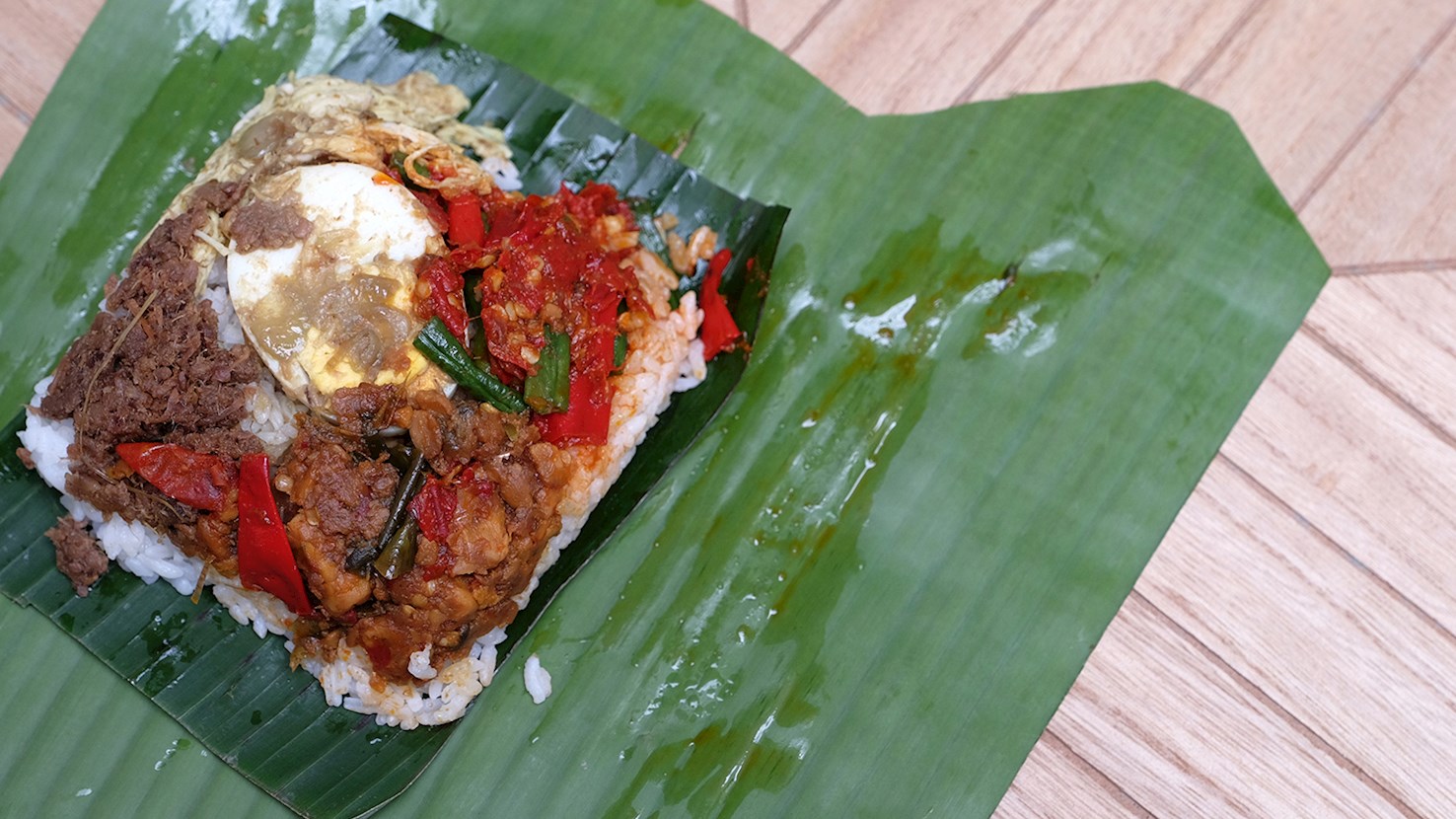
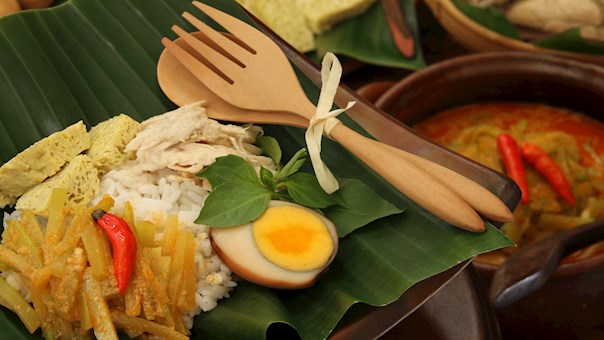
Nasi bogana is a complete rice meal from Indonesia, originating in Tegal, a coastal town in Central Java, and widely associated with Javanese culinary culture. The dish consists of steamed white rice served with a variety of side dishes, all neatly arranged and typically wrapped in banana leaves for both portability and presentation. It is commonly sold in local eateries, food stalls, and during family or communal gatherings, and is known for combining multiple flavors and textures into a single package. The core of nasi bogana is plain rice, but what sets it apart is the assortment of side components that accompany it. These usually include opor ayam (chicken cooked in coconut milk), sambal goreng ati (spicy beef liver and potatoes), telur pindang (spiced boiled eggs), shredded fried coconut, tempeh or tofu, serundeng (spiced grated coconut), and occasionally beef floss or perkedel (potato patties). The ingredients are seasoned with a range of Javanese spices such as coriander, garlic, galangal, candlenuts, and palm sugar, creating a balance between sweet, savory, and mildly spicy elements. Each component is cooked separately and carefully placed around the rice before the banana leaf is folded and secured. This method of wrapping allows the flavors to blend subtly during steaming or resting, while also making the meal easy to transport and store. The banana leaf adds a light herbal aroma to the rice and its accompaniments, enhancing the eating experience without needing additional sauces or garnishes. Nasi bogana is often served during events such as weddings, religious celebrations, and formal gatherings, though it is also commonly enjoyed as a boxed meal or packed lunch. Its appeal lies in the variety of dishes presented in one setting, offering both familiarity and complexity without requiring separate courses. The packaging and preparation also make it practical for distribution and sharing.
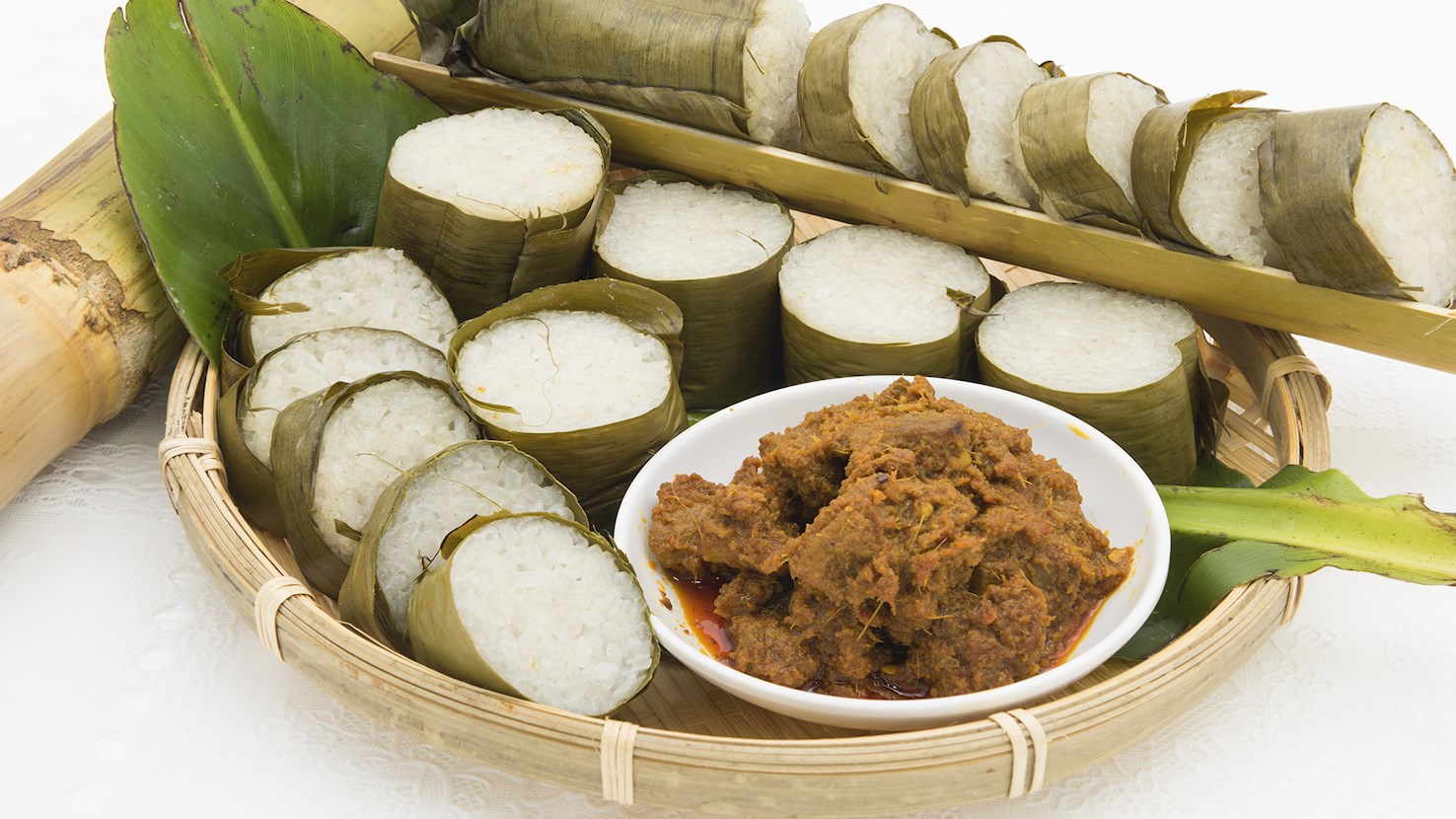
Lemang is a traditional Southeast Asian delicacy made from glutinous rice, coconut milk, and salt, cooked slowly inside bamboo tubes lined with banana leaves over an open fire. With its rich, creamy texture and subtly smoky flavor, lemang originates in Indonesia, but is also a staple in Malaysia, Brunei, and southern Thailand, often served during festive occasions like Eid al-Fitr, Eid al-Adha, and local harvest festivals. The preparation of lemang is labor-intensive and highly ceremonial. The bamboo tubes are filled with the soaked sticky rice mixture, lined with banana leaves to prevent sticking and add fragrance, and then roasted upright by a slow-turning fire for several hours. The result is a log-shaped, slightly charred tube of fragrant rice with a crispy outer layer and a soft, chewy interior. Once cooled, the bamboo is peeled away and the lemang is sliced into thick, round pieces. Lemang is typically eaten as a savory accompaniment, often paired with rich, spicy dishes like rendang, serunding (spiced coconut floss), or curries. It’s also enjoyed on its own, appreciated for its balance of smoky, sweet, and salty flavors. In rural and ceremonial settings, lemang holds cultural significance, symbolizing togetherness, tradition, and the sharing of abundance.
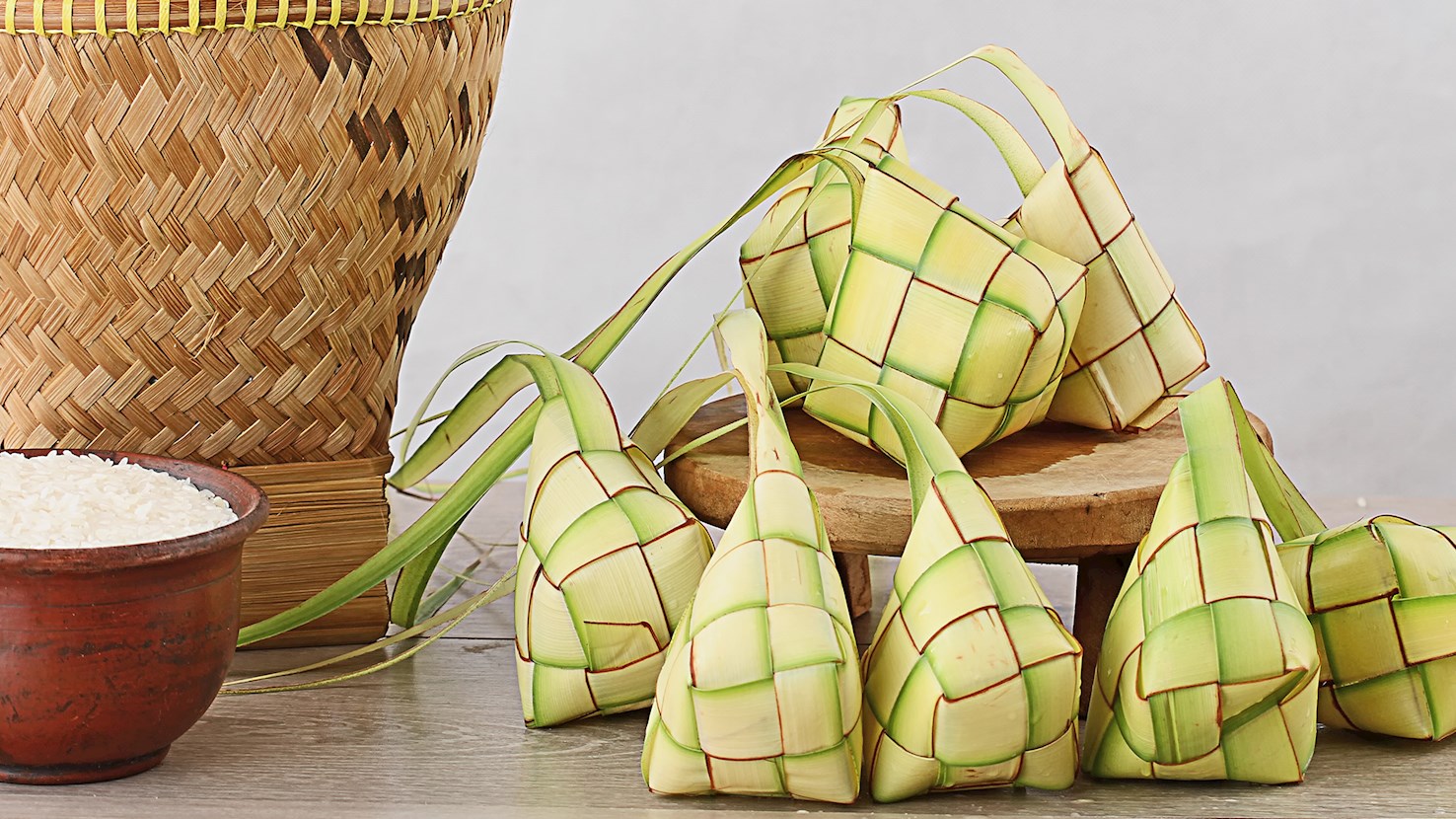
Ketupat are unique Asian rice cakes, prepared and sold in traditional woven containers made out of palm, coconut, or pandan leaves. Although they appear in numerous shapes and sizes, the most common variety is the cube-shaped ketupat, resembling a tiny woven basket. When the pouch is completed, the rice is securely sealed inside, and the whole packet is usually boiled in water, or occasionally in a mixture of coconut milk and water. After they have been boiled, the cakes need to be chilled, and because of their distinct texture they can easily be cut into slices. Ketupat can be found in many Asian countries, but its origin is usually associated with the Indonesian island of Java. Ketupat is particularly important during the Eid festival in the Muslim community. It also holds a strong religious symbolism, according to which the intricately woven leaves represent the mistakes caused by human nature, and the white rice inside stands for innocence, purity, and the final deliverance of sins. Sliced ketupat is usually served alongside famous Indonesian rendang, different curry varieties, sliced cucumbers, or it can simply be topped with a delectable peanut sauce.
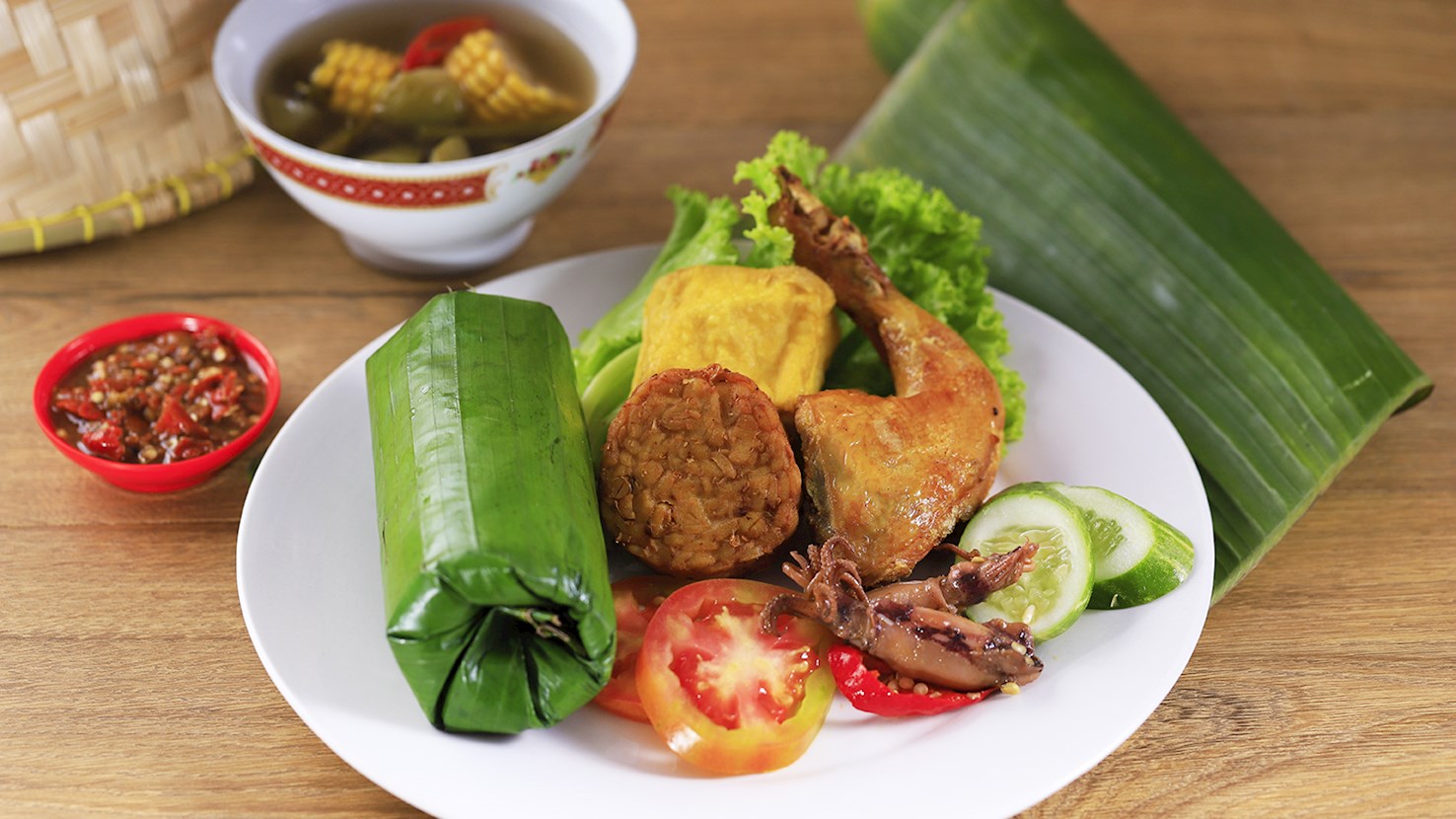
Nasi timbel is a traditional Sundanese dish from West Java that features steamed rice wrapped in banana leaves and served with a variety of savory accompaniments. The name "timbel" refers to the method of rolling hot rice tightly inside banana leaves, a practice that not only keeps the rice warm but also infuses it with a subtle, earthy aroma. The rice, typically white or sometimes red, is the central element and is usually paired with a variety of side dishes such as fried or grilled chicken, fried tofu and tempeh, salted fish, or occasionally fried duck. These proteins are often accompanied by a generous helping of sambal terasi, a spicy chili sauce made with shrimp paste, and lalapan — a raw vegetable assortment that may include cucumber, tomatoes, cabbage, long beans, and fresh basil leaves. The freshness of the vegetables contrasts beautifully with the heat of the sambal and the richness of the fried components. In some traditional settings, nasi timbel is also served with a light, sour vegetable soup called sayur asem, which adds another layer of flavor and freshness to the meal. It is a common sight in West Javanese homes, traditional eateries, and roadside warungs, often enjoyed during communal meals, family gatherings, or festive occasions.
Nasi pecel is a Javanese rice dish that brings together a colorful array of lightly blanched vegetables served over steamed rice and generously topped with a rich, aromatic peanut sauce, originating from Central and East Java, particularly in cities like Madiun, Kediri, and Blitar. At the heart of the dish is the pecel sauce, a slightly coarse, deep brown peanut dressing made from roasted peanuts, chili peppers, garlic, tamarind, coconut sugar, and makrut lime leaves, pounded or blended into a thick, fragrant paste. The result is a sauce that is bold yet balanced, with a satisfying heat and a subtle citrusy lift that complements the freshness of the vegetables. The vegetable selection in nasi pecel typically includes water spinach (kangkung), long beans, bean sprouts, cassava leaves, and cabbage, all lightly blanched to retain their crunch and vibrant color. These are laid over a warm bed of white rice, then drenched in the warm pecel sauce. The dish is often served with rempeyek (crispy peanut crackers), tempeh, fried tofu, or a fried egg, adding contrasting textures and extra protein. Nasi pecel is widely enjoyed for breakfast or lunch, especially in roadside warungs and traditional markets, where it is often wrapped in banana leaves, infusing the meal with a subtle aroma and offering an eco-friendly form of takeaway. While similar in spirit to dishes like gado-gado, nasi pecel is less elaborate and more rustic, with a spicier, thinner sauce and a stronger regional identity rooted in Javanese culinary tradition.
TasteAtlas food rankings are based on the ratings of the TasteAtlas audience, with a series of mechanisms that recognize real users and that ignore bot,
nationalist or local patriotic ratings, and give additional value to the ratings of users that the system recognizes as knowledgeable.
For the “15 Worst Rated Indonesian Rice Dishes” list until May 21, 2026, 1,103 ratings were recorded, of which 806 were recognized by the system as legitimate.
TasteAtlas Rankings should not be seen as the final global conclusion about food. Their purpose is to promote excellent local foods,
instill pride in traditional dishes, and arouse curiosity about dishes you haven’t tried.