

shutterstock

11 Worst Rated Korean Rice Dishes

Last updated on July 16, 2026
01

Kongnamulbap

2.4 ·

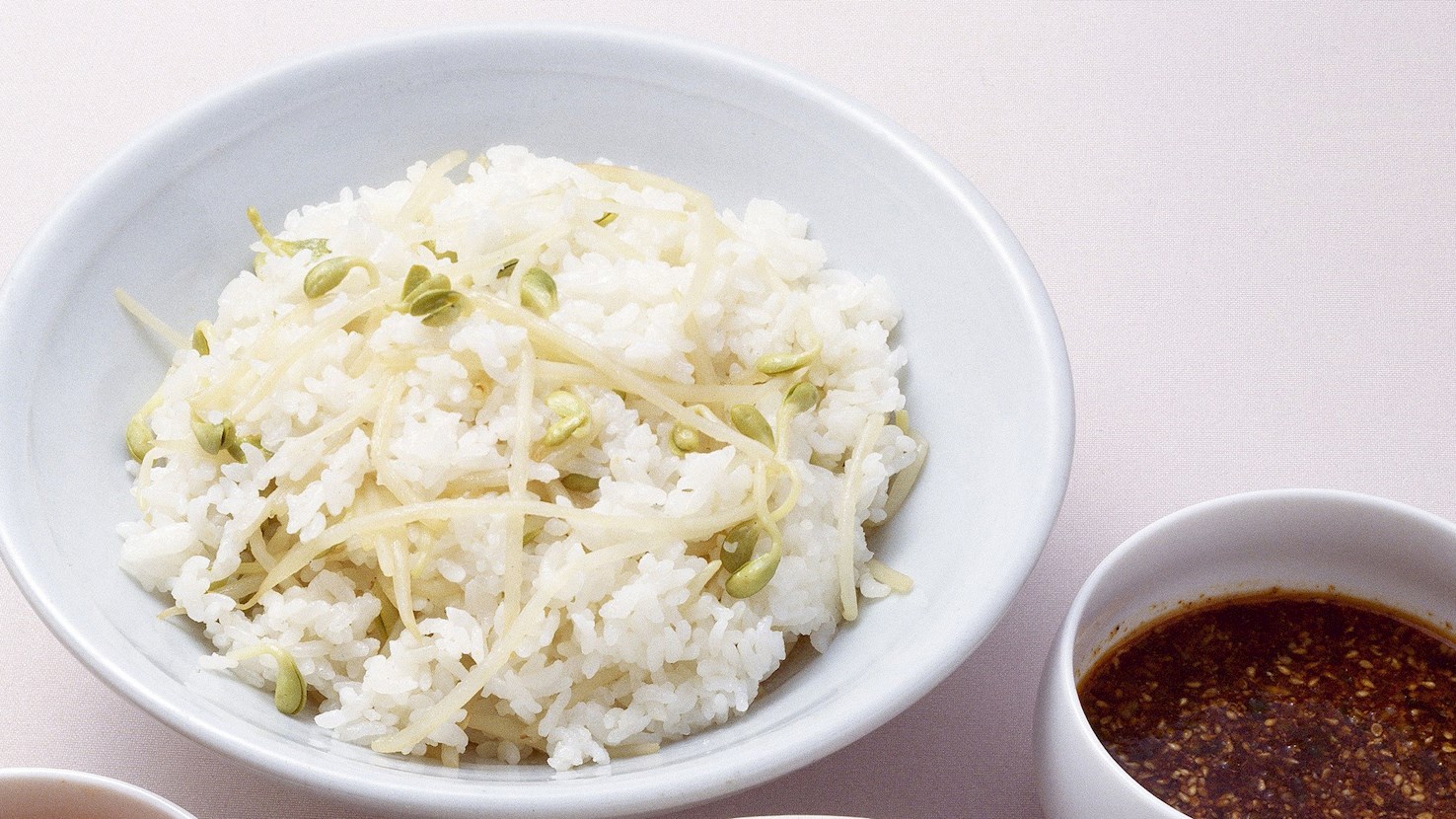
Kongnamulbap is a traditional type of bibimbap originating from South Korea. The dish consists of rice cooked with soybean sprouts. Other ingredients such as ground meat (beef or pork), kimchi, garlic, and sesame oil are often added to the dish for extra flavor. During cooking, the rice will soak up the nutty and earthy flavors of the soybean sprouts. Once prepared, kongnamulbap is traditionally served with a sauce consisting of rice wine, soy sauce, minced garlic, sugar, scallions, and black pepper.

02

Nude-gimbap

2.7 ·

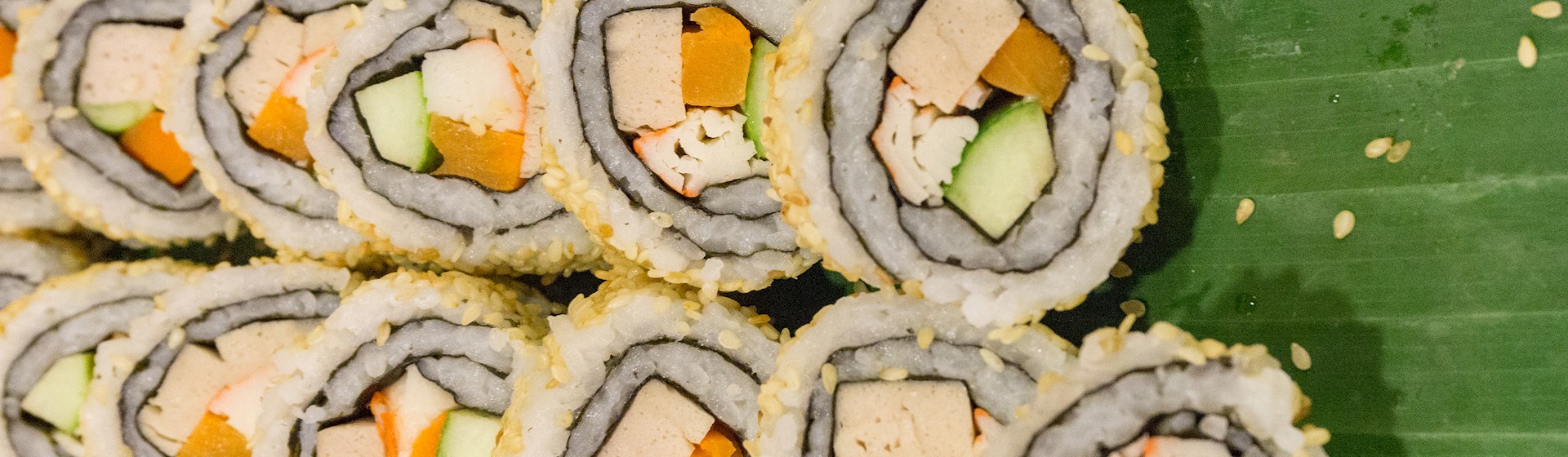
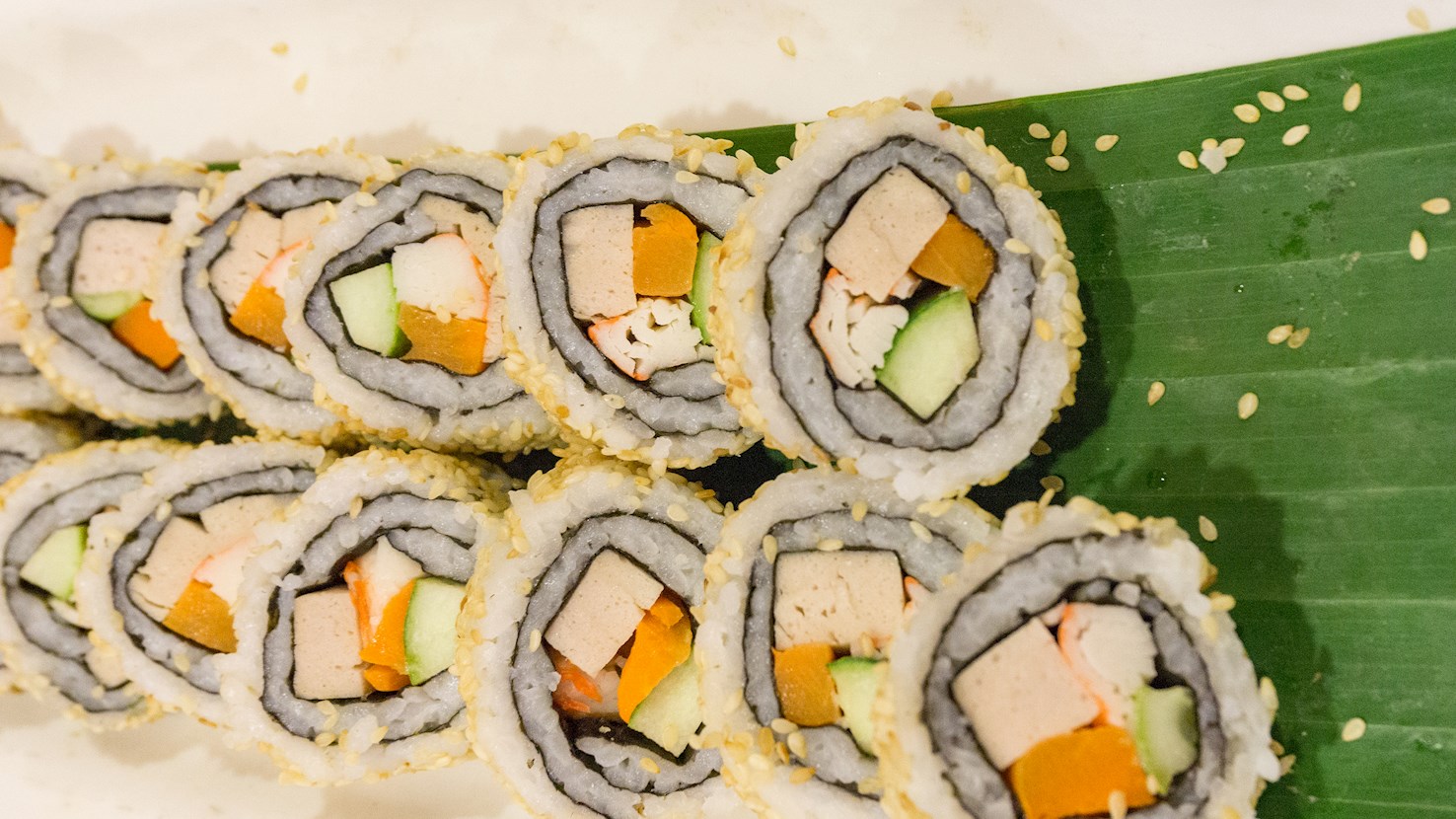
Nude gimbap is a variation of a traditional Korean rice roll in which toasted seaweed (gim) is wrapped inside the rice—leaving the rice exposed, hence the name. Apart from that, nude gimbap typically incorporates standard fillings that mainly include vegetables such as carrots or pickled radishes, eggs, crab cakes, perilla leaves, and many other ingredients. The rolls are sliced into bite-size pieces before they are served.

03

Chungmu gimbap

3.2 ·

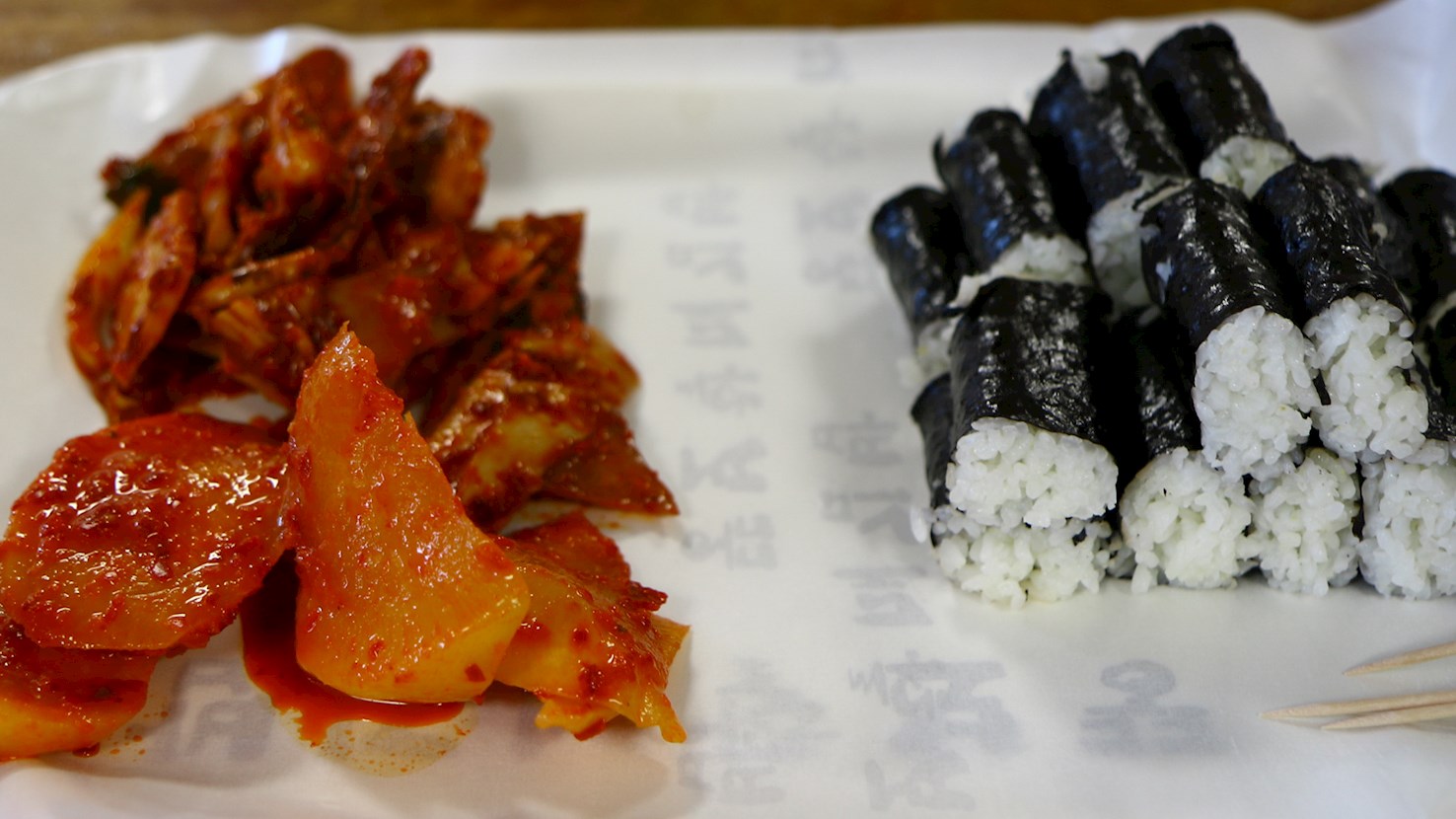
As the name suggests, this gimbap (kimbap) variety originated in Chungmu—present day Tongyeong City. These simple rolls are prepared with rice that is wrapped in toasted seaweed. Usually thin and almost bite-size, the rolls never include any other additions, and they are always served with radish kimchi and spicy squids. The story of their origin says that this plain version of gimbap was invented by fishermen’s wives who wanted to give their spouses a nutritious lunch that would not go bad during the long days spent at sea.

04

Baekseolgi

3.2 ·

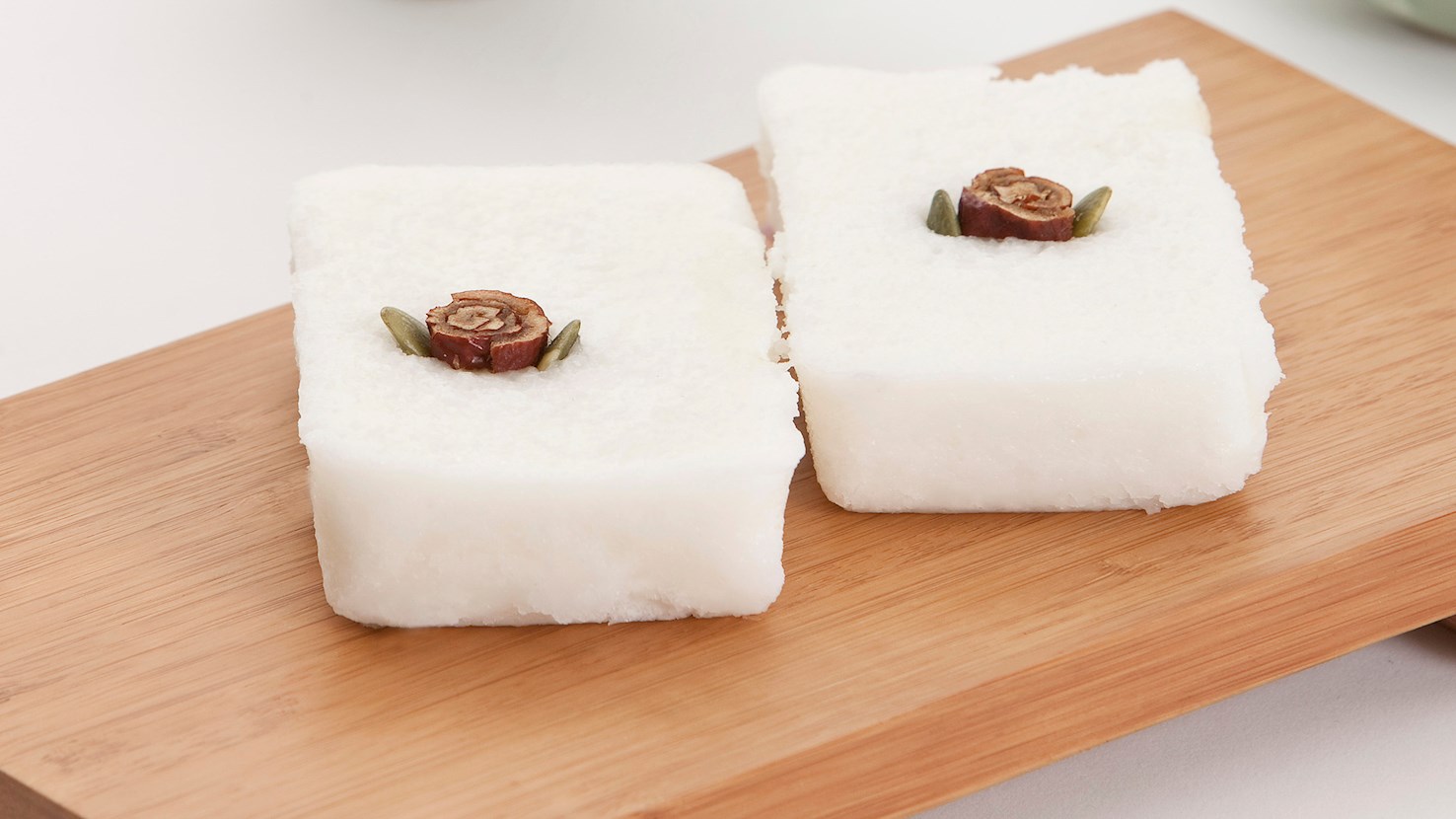
This traditional Korean rice cake is usually enjoyed on various special occasions. It is made with rice flour, sugar, water, and salt which are carefully combined and then steamed until the cake is light and chewy. Baekseolgi is always white, symbolizing purity and innocence, and because of that, it is usually made to celebrate one hundred days after a baby was born. Although it is traditionally served without garnishes, it is sometimes decorated with dry fruit or nuts.

05

Injeolmi

3.3 ·

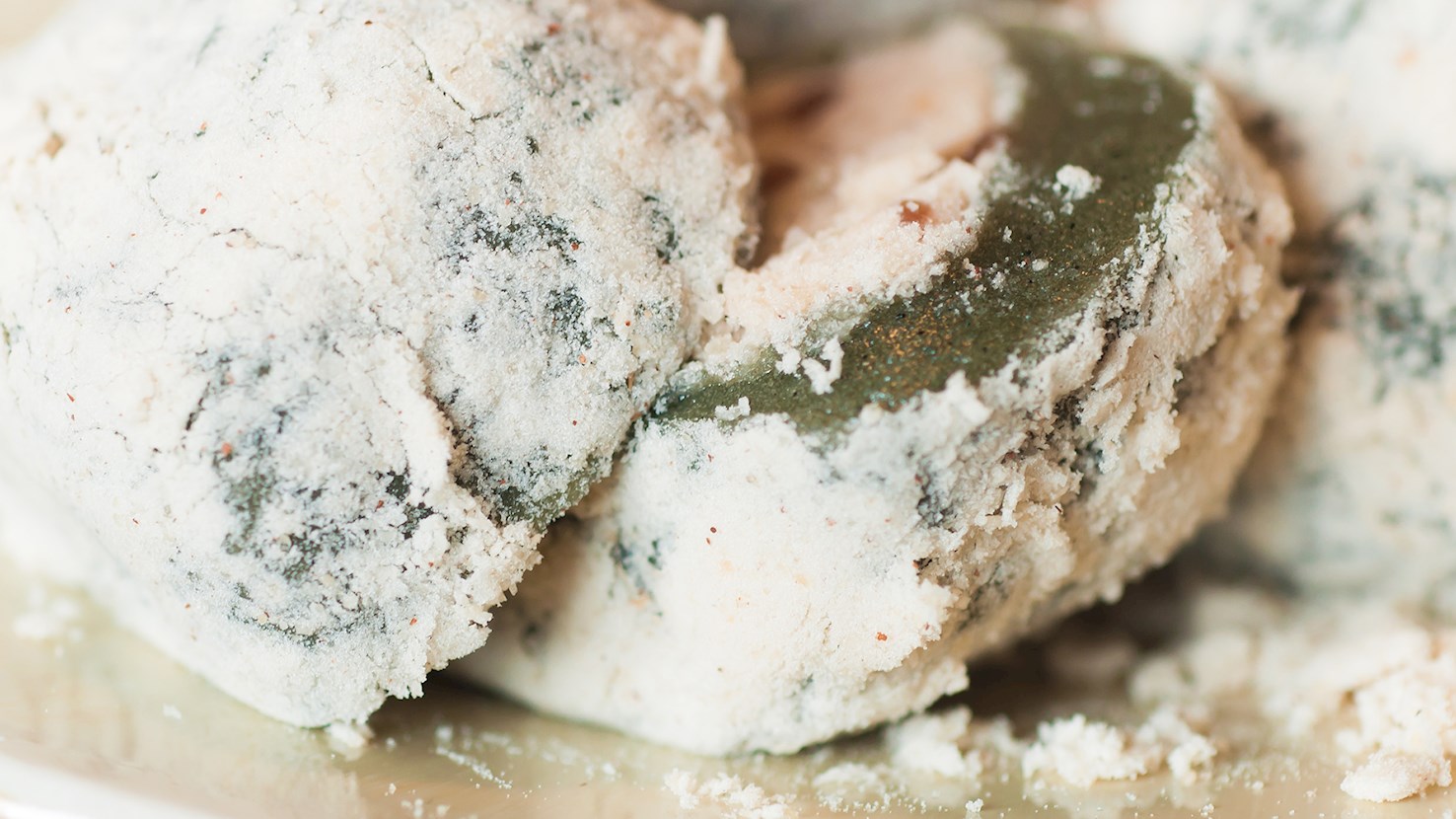
Injeolmi are traditional South Korean steamed rice cakes. They are prepared by steaming and pounding rice into a pliable dough which is then rolled and generously dusted with roasted soybean powder. The varieties include ssuk injeolmi, which incorporates mugwort powder, or kkaeinjeolmi, which is dusted with black sesame. According to a legend, these cakes were invented by a commoner Yim who offered them to the king Injo after he fled Seoul due to a rebellion. To show his appreciation, the king named the dish after its inventor. Nowadays, injeolmi is mainly enjoyed on special occasions, and it is usually served sliced into bite-sized rectangular pieces.

06

Garaetteok

3.5 ·

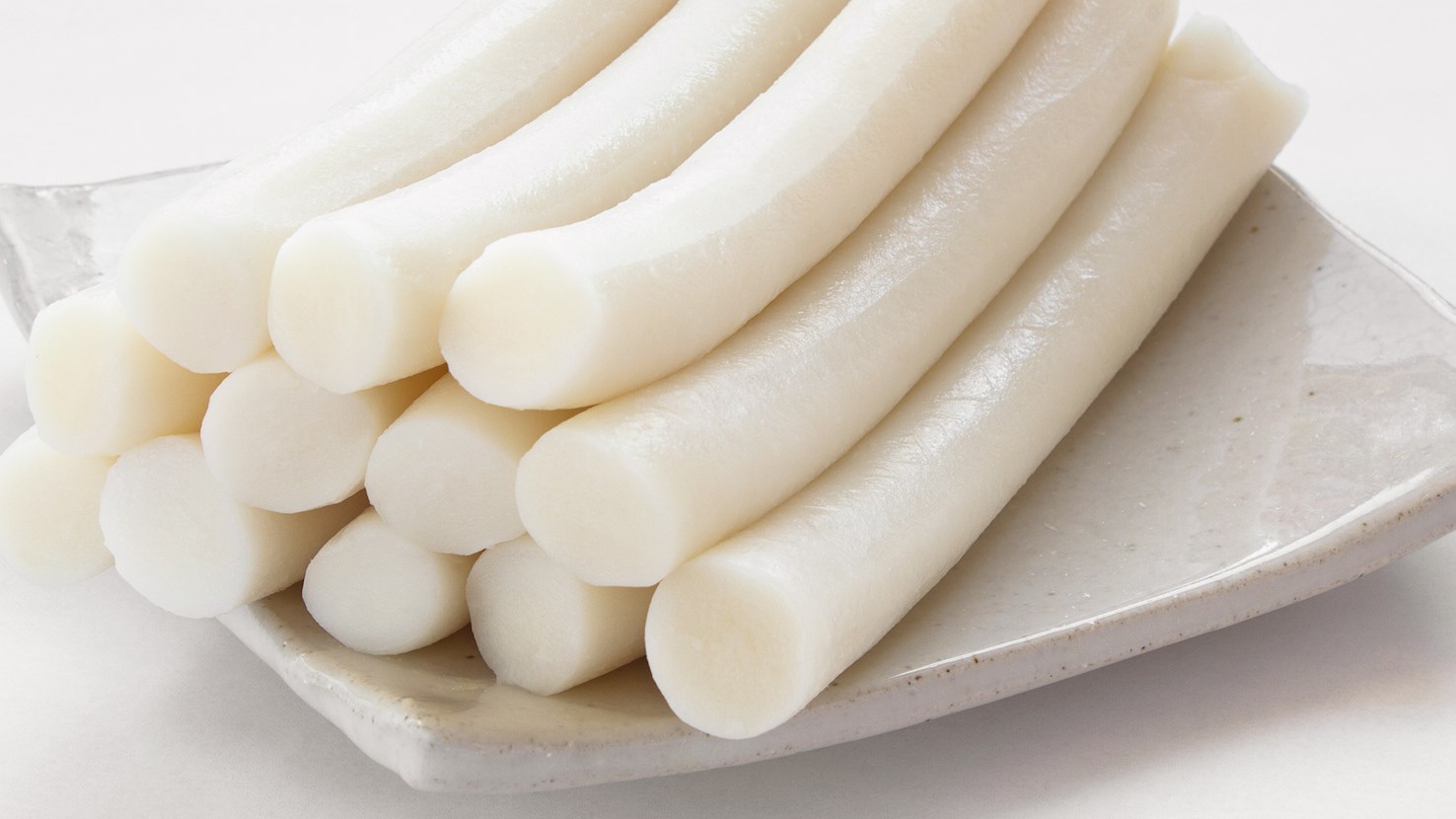
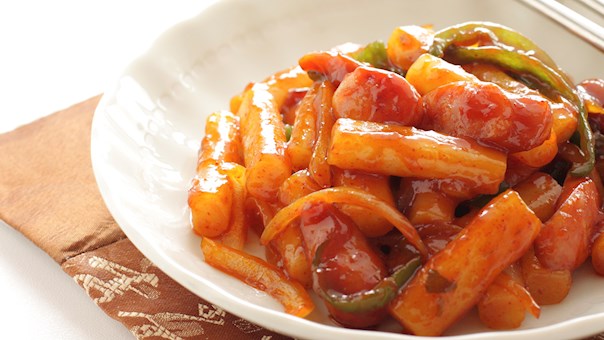
Garaetteok are long, cylindrical Korean rice cakes that are usually cut diagonally into smaller round discs. Although they can be enjoyed on their own, because of their neutral flavor, the cakes are easily incorporated into various dishes. The sliced version is one of the elements in tteokguk soup, while the thinner, whole cakes make the base of the tteokbokki stew and the spicy tteok kkochi skewers.

07

Nurungji

3.7 ·

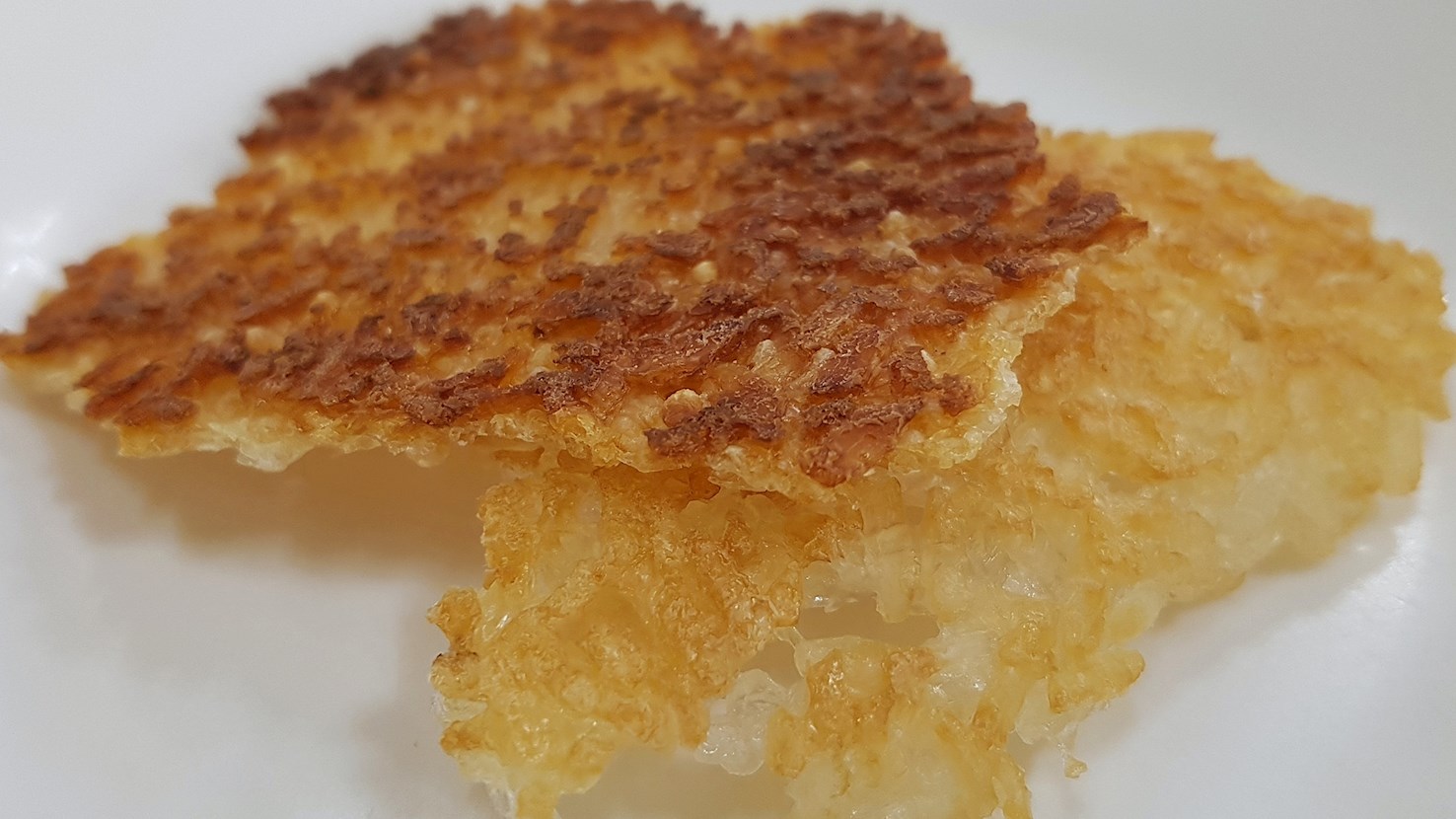
Nurungji is the South Korean version of scorched rice—a crispy and nutty layer of golden-brown rice that forms at the bottom of the pan. This simple snack is prepared with pre-cooked rice, or it can be a by-product of cooking rice. Nurungji can be enjoyed on its own, but it is often sprinkled with sugar and served as a dessert. Optionally, the crust can be topped and shortly cooked with water or tea to create sungnyung—an infusion that is served after a meal and should be enjoyed as a drink.

08

Ogokbap

3.6 ·

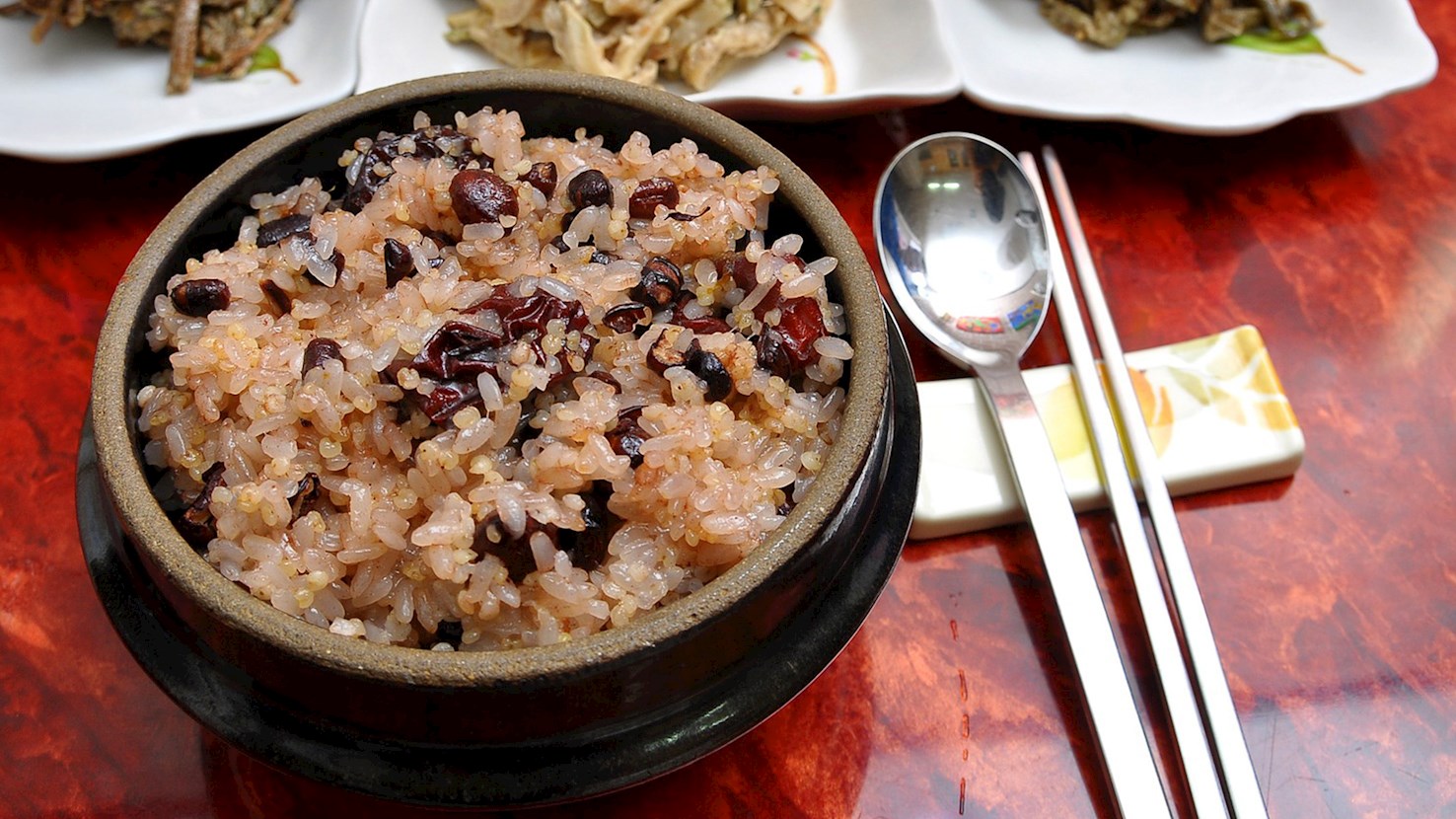
Glutinous rice or plain white rice is typically combined with four other grains and beans in this traditional South Korean rice dish called ogokbap or five-grain rice. The selection of grains and beans varies between different regions, but it usually includes glutinous millet, glutinous sorghum, red beans, and black beans, although some versions call for using soybeans or even chickpeas. In Korea, this nutritious rice dish has been traditionally prepared and eaten during the ancient Korean holiday called Jeongwol Daeborum (Great Full Moon Festival), and it has also been customary to share the meal with neighbors. Various folk beliefs are linked with the consumption of this dish, and people used to indulge in it in hopes that it would bring bountiful harvests, good fortune and health, and peaceful life to their families. There are several name variations on the dish that are related either to its content or the customs and traditions associated with it, including nongsabap, meaning farming meal, boreumbap, which means full moon dish, and ogokjapban (five-grain mixed meal). Ogokbap is typically accompanied by various nuts and a wide range of namuls (cooked vegetable dishes).

09

Boribap

3.6 ·

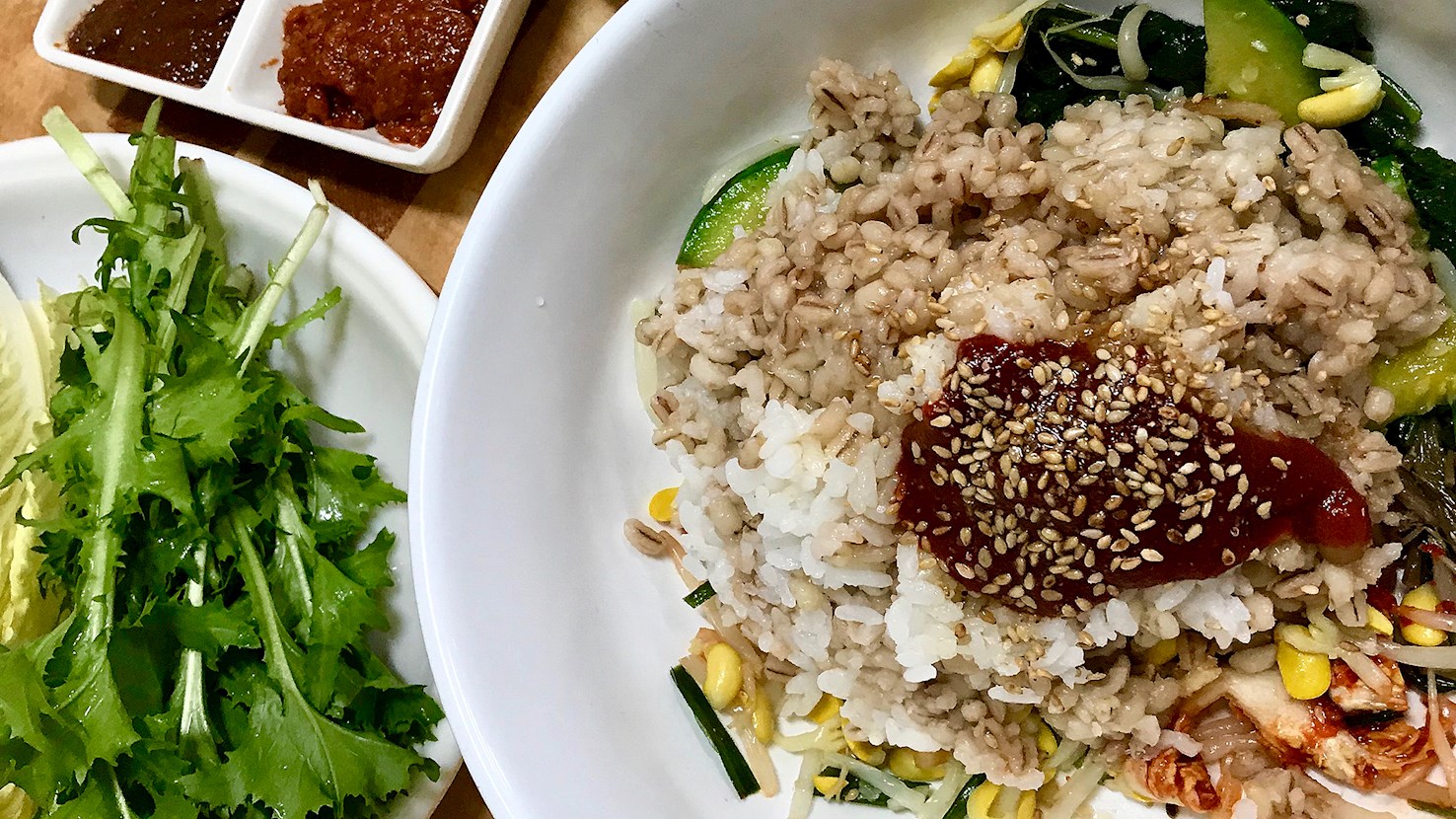
In its basic form, boribap is a South Korean dish consisting of steamed rice and barley that are served with doenjang stew (fermented soybean) and a variety of side dishes (banchan). The dishes served with boribap are typically vegetarian and may include various greens and vegetables (namul), and they are usually topped with gochujang chili paste or doenjang. Although there are specialized restaurants that offer boribap as an elaborate meal during which you choose your banchan, the dish is also served in a bowl in which the combination of rice and barley is placed on the bottom, and various banchan are added as toppings.

10

Hoedeopbap

3.7 ·

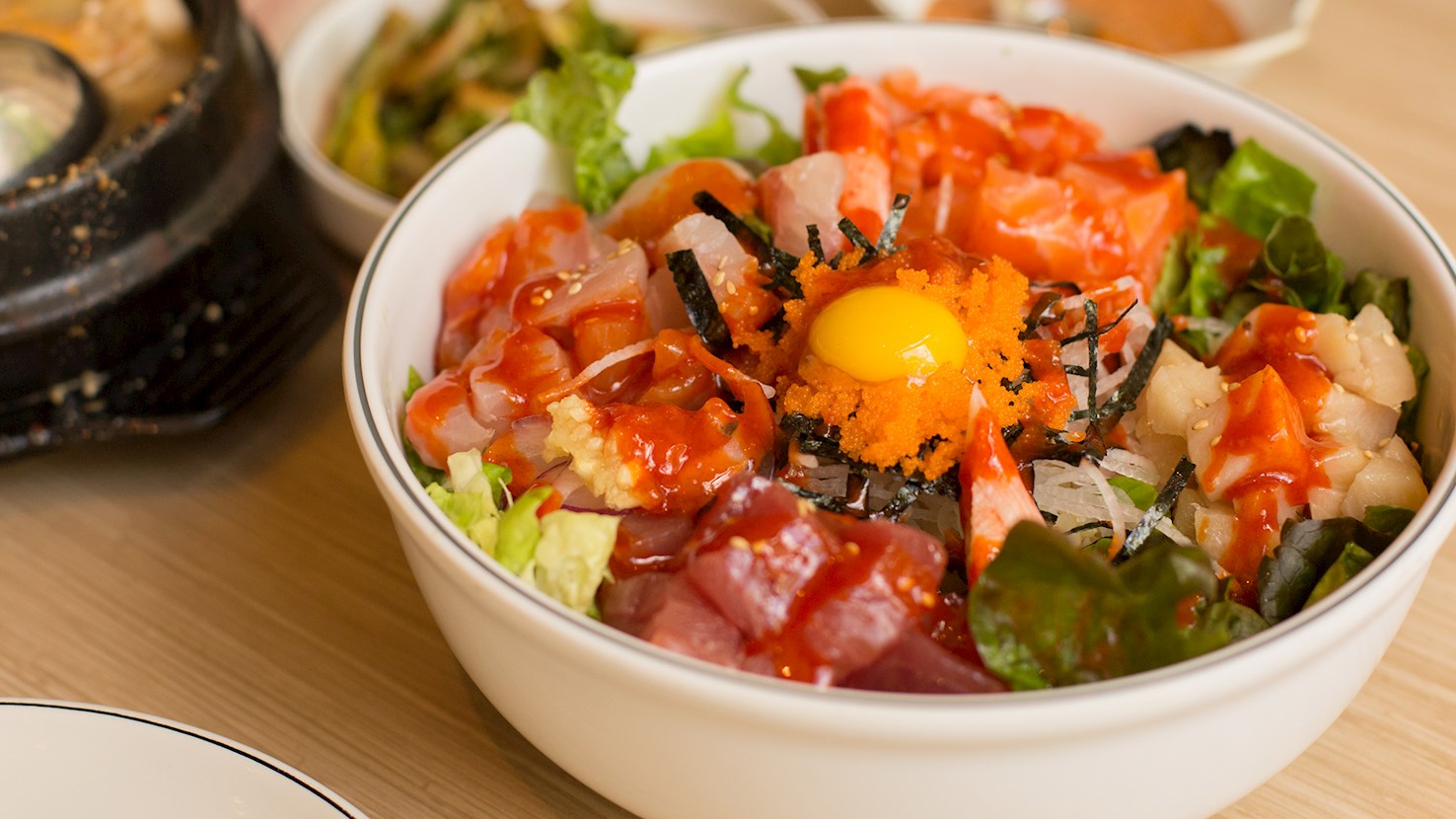
Hoedeopbap is a Korean rice bowl that is topped with raw fish and slices of fresh vegetables. Although similar to the Japanese kaisendon, this Korean version is finished off with the addition of a sweet and spicy sauce that usually combines gochujang (chili paste), vinegar, garlic, and sugar. The most common fish varieties used in the dish are salmon, tuna, sea bass, or halibut which may be sliced or cut into thin strips. The key to every hoedeopbap is to use only high-quality, fresh ingredients, and to serve the dish well-chilled.

11

Tteokbokki

3.9 ·
Read more
View all
View map
About this ranking

TasteAtlas food rankings are based on the ratings of the TasteAtlas audience, with a series of mechanisms that recognize real users and that ignore bot, nationalist or local patriotic ratings, and give additional value to the ratings of users that the system recognizes as knowledgeable. For the “11 Worst Rated Korean Rice Dishes” list until July 16, 2026, 1,761 ratings were recorded, of which 1,548 were recognized by the system as legitimate. TasteAtlas Rankings should not be seen as the final global conclusion about food. Their purpose is to promote excellent local foods, instill pride in traditional dishes, and arouse curiosity about dishes you haven’t tried.

Similar lists