

shutterstock

9 Worst Rated Spanish Rice Dishes

Last updated on June 16, 2026
01

Arroz con costra

2.9 ·

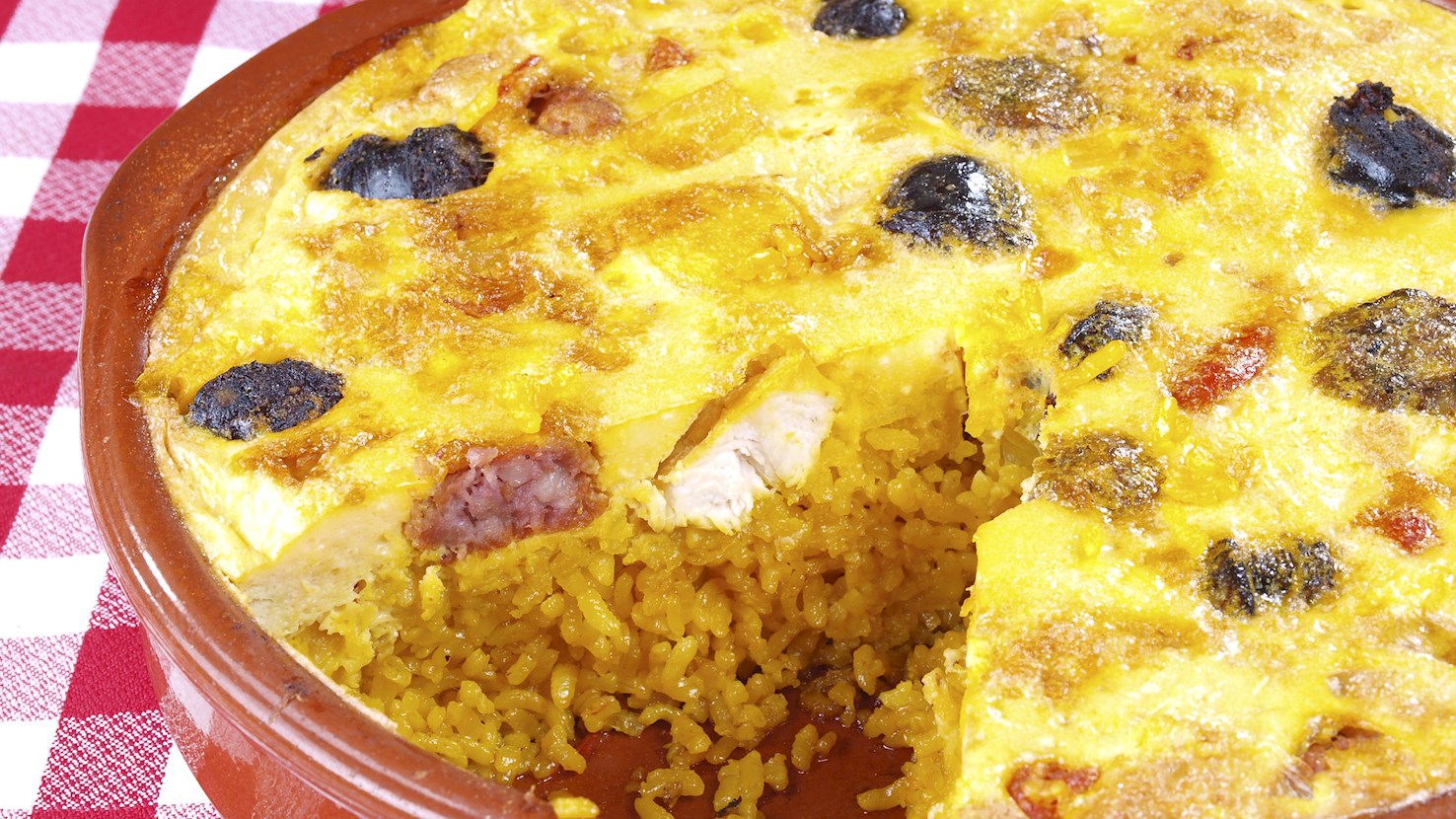
Arroz con costra is a traditional rice dish, a cross between a paella and a casserole originating from the Alicante area. What differentiates arroz con costra from other Spanish rice dishes is its glossy top crust of beaten eggs, hence the name, as costra means crust. Although there are some variations, the dish is usually prepared with a combination of rice, eggs, spareribs, pork, chicken (or sometimes rabbit), butifarra sausage, olive oil, tomatoes, stock, salt, and paprika or pimentón. The dish is often made in a large cazuela – the ingredients are first fried, then simmered in the stock, and the cazuela is then transferred to the oven with the beaten eggs poured over the rice. Arroz con costra is then baked until the eggs form a crust on the surface. This is one of the oldest Spanish rice dishes – there’s a recipe that dates back to 1220.

02

Arroz al forn

3 ·

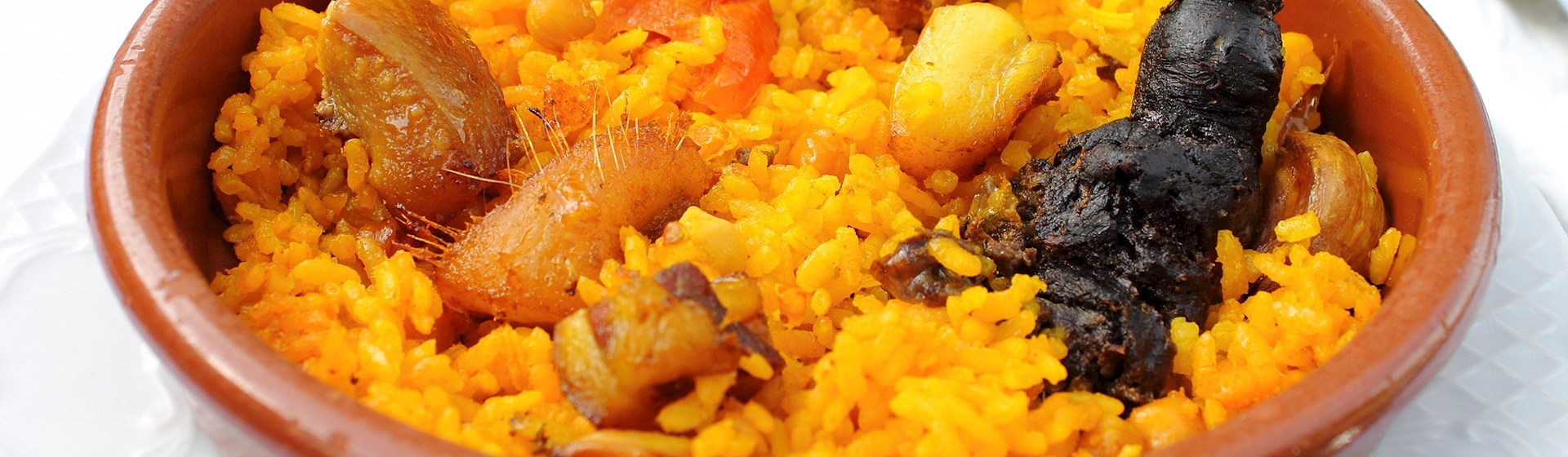
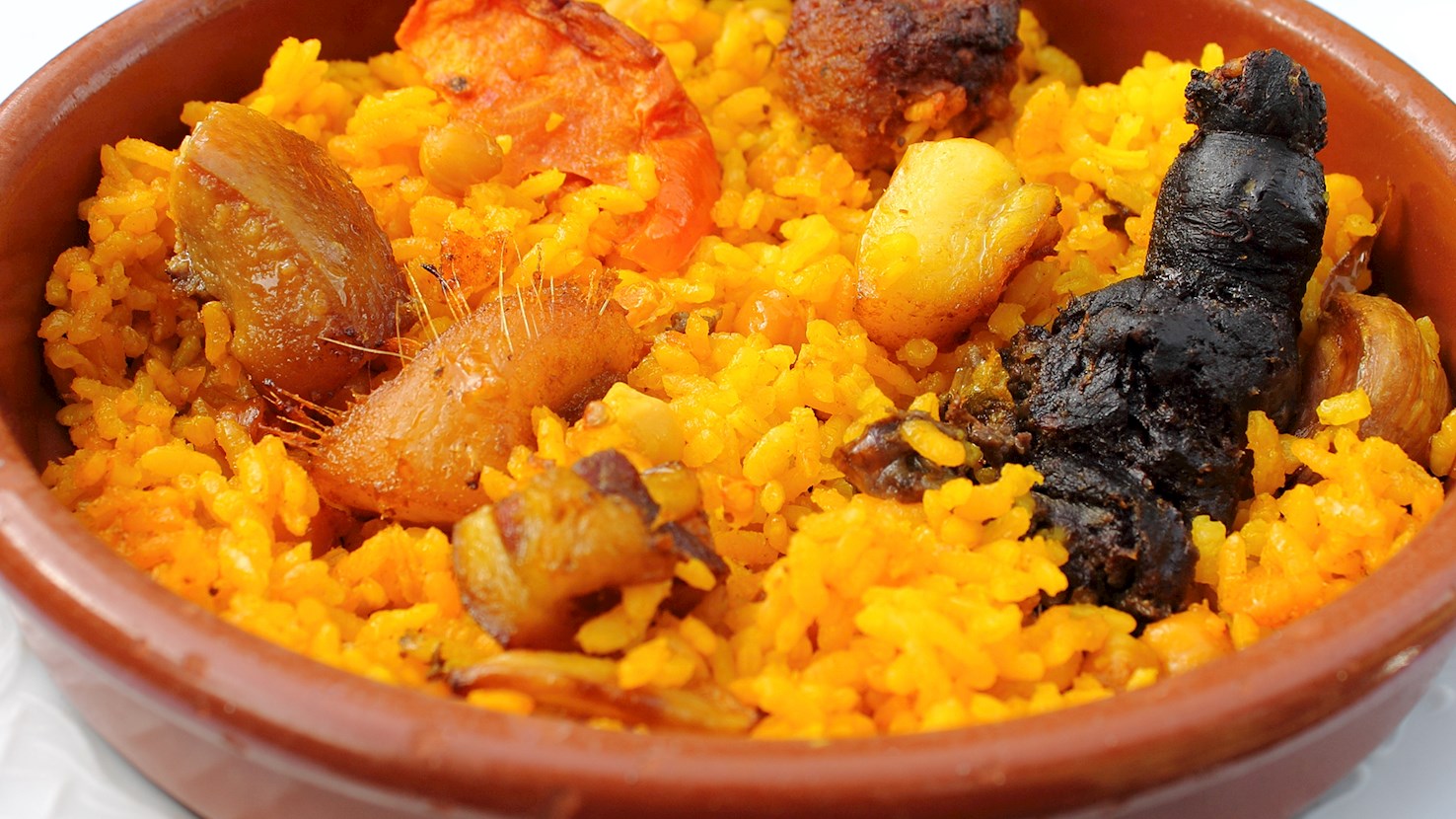
Arroz al forn is a traditional Valencian dish of oven-baked rice. The dish has humble origins – in the past, it was prepared by the poor people that used leftovers from the stews. The ingredients used in this dish include pork ribs, chickpeas, rice, stock, tomatoes, onions, garlic, potatoes, morcilla sausages, paprika, saffron, and olive oil. The combination of these ingredients is baked in the oven, traditionally in cazuela de barro, which is a terracotta pot. In Xativa, a city near Valencia, there is an annual festival in honor of arroz al forn. There are also versions with added green beans, artichokes, duck, rabbit, chicken, and even pumpkin in some places.

03

Conejo con arroz

3.4 ·

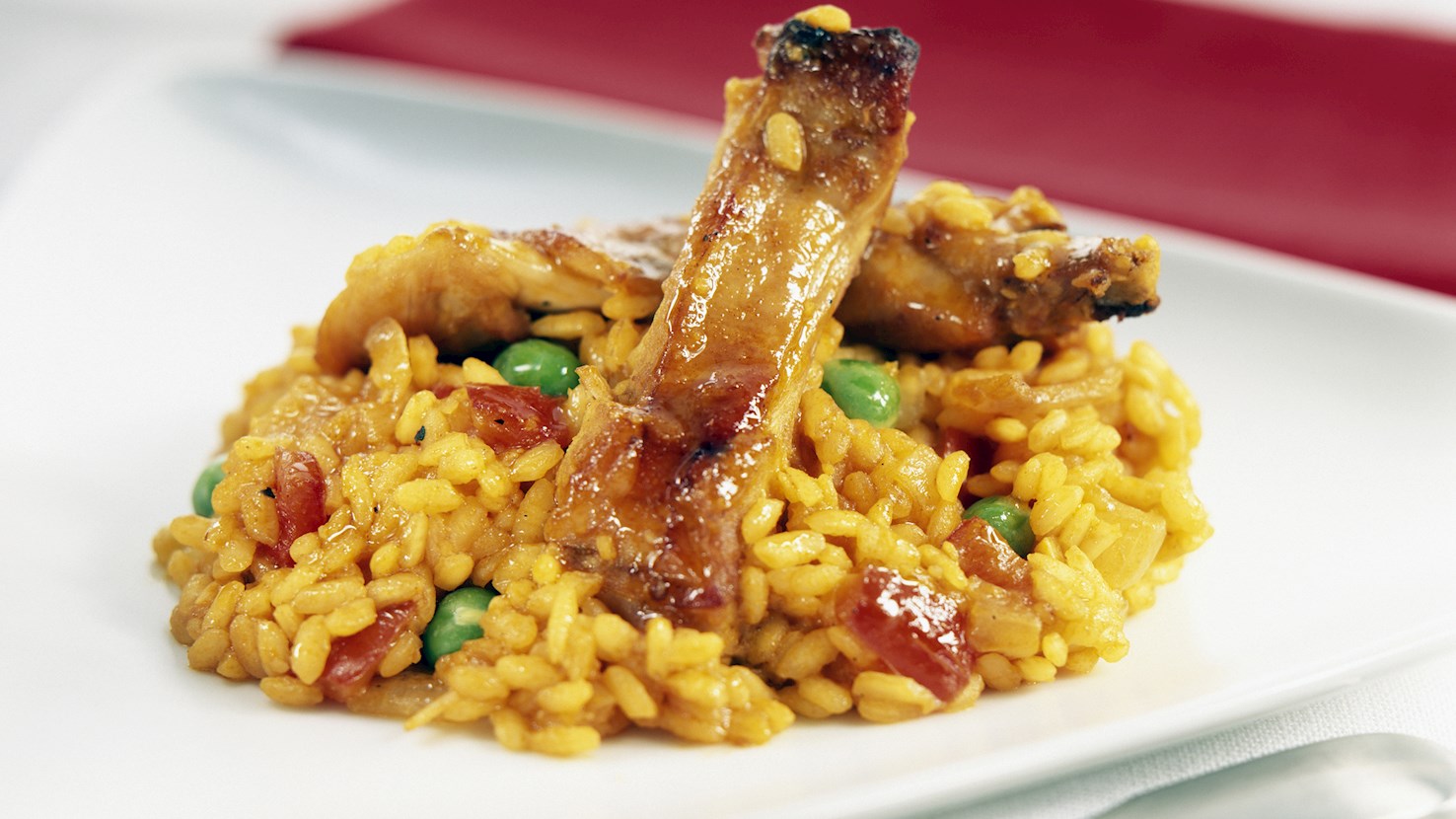
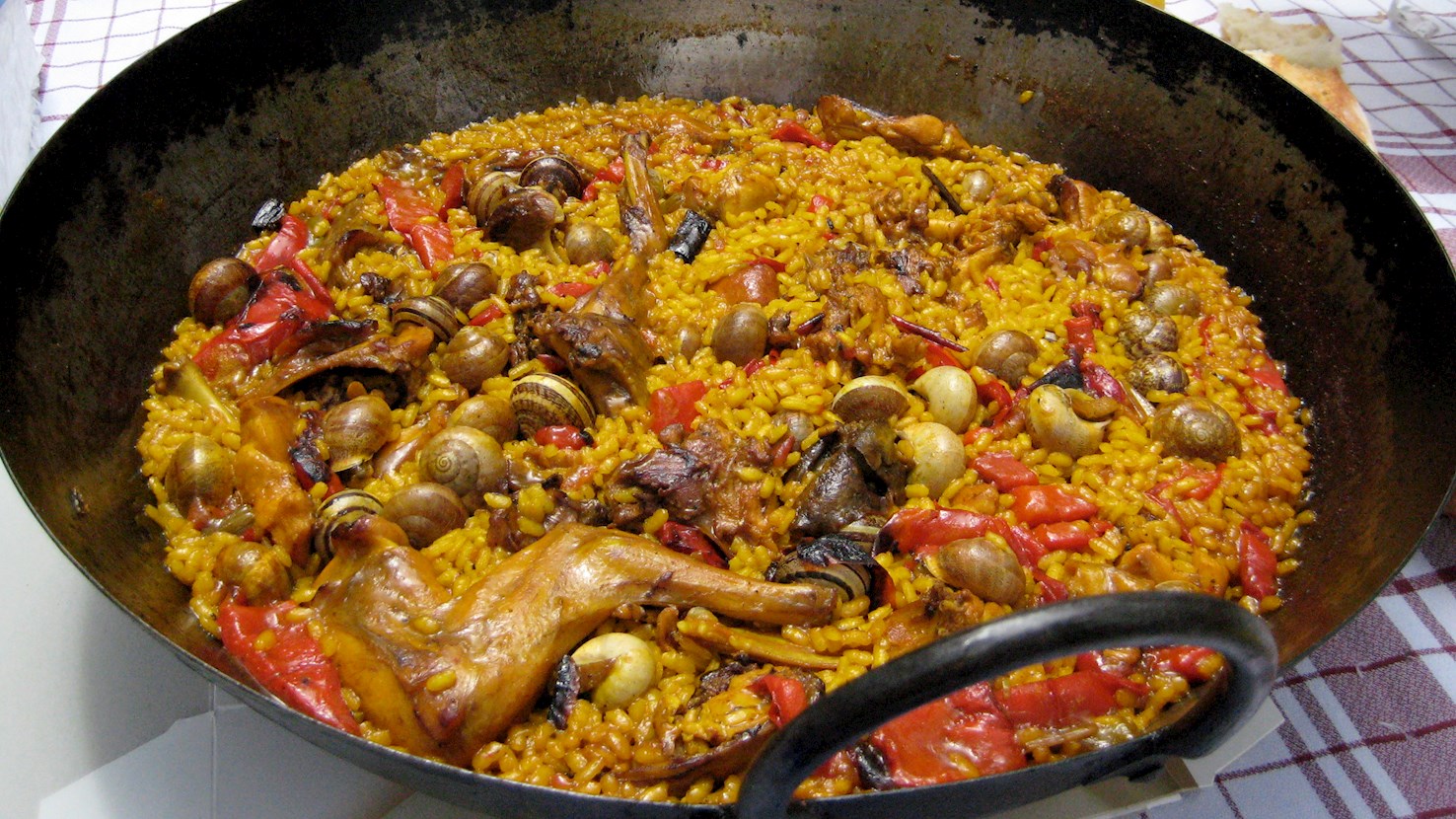
Conejo con arroz is a traditional dish that combines rice with rabbit meat. There are numerous variations on this specialty throughout Spain, with some calling for making the dish in the style of a paella, where it consists of a thin layer of rice with pieces of rabbit on top, and others preparing it as an arroz caldoso, retaining a little bit of the cooking liquid. Apart from the rabbit and rice, other typical ingredients used for making this dish include onions, tomatoes, peppers, carrots, garlic, and olive oil, while the combination is usually flavored with saffron, bay leaves, paprika, salt, and pepper. To prepare conejo con arroz, the pieces of meat are typically browned before they’re combined with the other ingredients and simmered in water or broth. The dish traditionally uses short-grain varieties of rice such as calasparra, bomba, or Arborio, and some versions call for enhancing the combination with the addition of snails, almonds, or mushrooms. Typical of the traditional cuisines of Murcia, Calasparra, and El Ronquillo, this specialty is usually enjoyed with a side of lemon wedges, a Mediterranean salad, and a glass of red wine.

04

Arroz con conejo y caracoles

3.4 ·

Arroz con conejo y caracoles is a traditional rice dish originating from Alicante. The dish is usually made with a combination of rabbit pieces, bomba rice, snails, stock, saffron, chickpeas, tomatoes, onions, celery, carrots, bell peppers, rosemary, garlic, olive oil, and seasonings. The ingredients are browned, then cooked in stock which is brought to a boil, and the heat is then reduced in order for the dish to simmer until everything is fully cooked and the stock is fully absorbed. A crispy layer called socarrat should form at the bottom if the dish is properly prepared.

05

Arròs a banda

3.5 ·

Arròs a banda is a Spanish rice dish originating from Alicante in Valencia. The dish was invented by fishermen who reserved the leftover fish from the markets and cooked it with potatoes and onions. The rice was cooked in the leftover fish broth, and it was used as a side dish that accompanies the fish, hence the name arròs a banda which means rice on the side. The broth is usually cooked with cheap and common fish such as rock fish, monkfish, and fish heads, with the occasional addition of saffron, paprika, bay leaves, garlic, or puréed tomatoes. The broth is always served apart from the rice. This humble rice dish is traditionally accompanied by allioli.

06

Arroz con huevo

3.6 ·

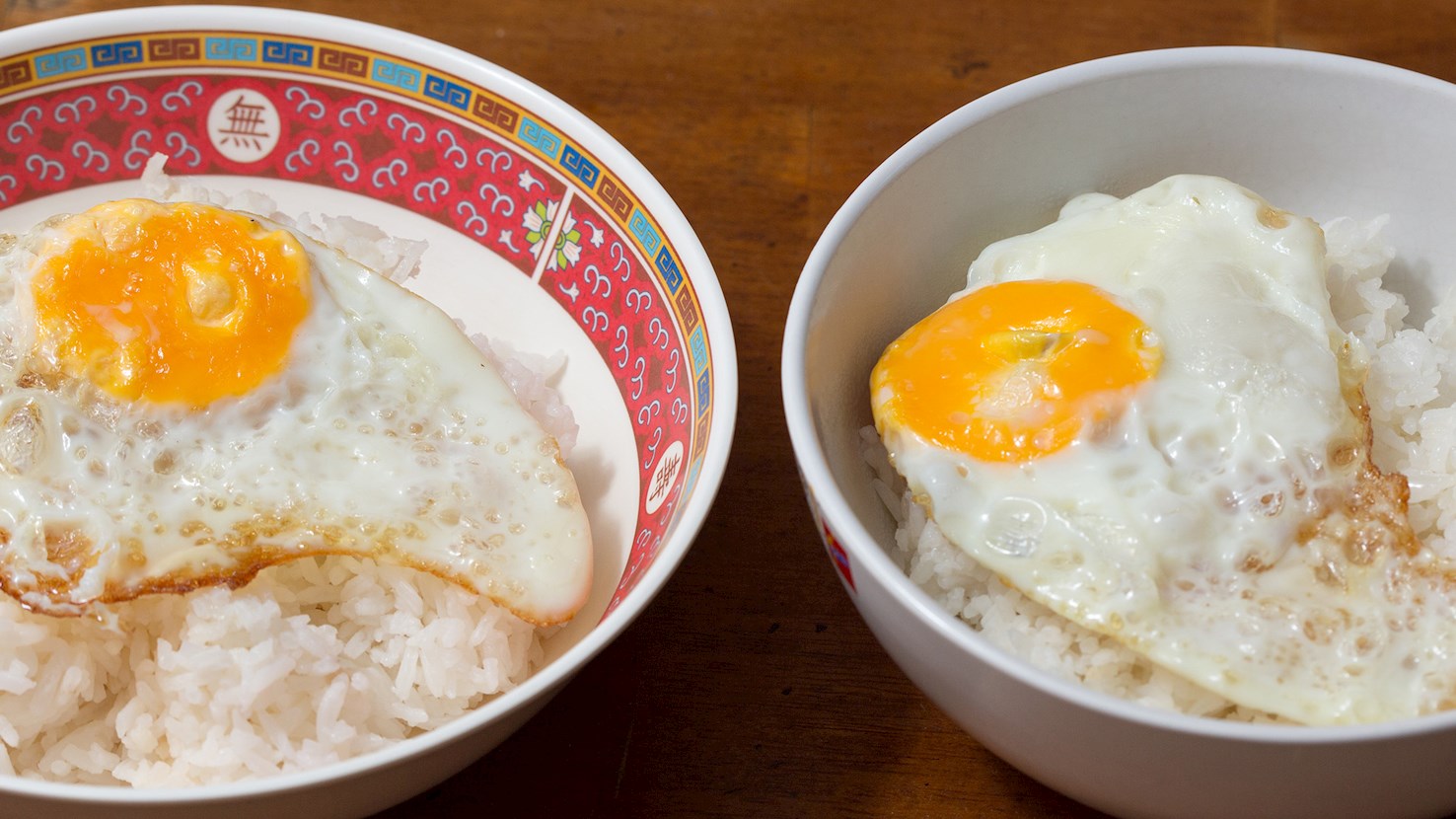
Arroz con huevo is a popular lazy lunch throughout Latin America, consisting of rice that’s topped with a fried egg. This humble dish used to be called comida de pobre (poor people food), but today it is enjoyed by people of all socio-economic classes. The dish has numerous variations, so in the Caribbean it is commonly accompanied by plantains, while the Spaniards pair it with a savory sofrito. It is recommended to top arroz con huevo with some freshly grated cheese and finely chopped parsley.

07

Paella Catalana

3.9 ·

According to chef Quim Marqués who created and patented this somewhat controversial dish, paella Catalana represents the perfect combination of land and sea. The dish consists of an extensive list of ingredients such as traditional saffron-flavored rice, chicken, longaniza sausage, crayfish, prunes, and depending on the season, either artichokes or peas. Ever since it started appearing on the menus of local restaurants, paella Catalana has been raising a heated debate over what constitutes an authentic paella. Regardless of the differing viewpoints, it has become a common dish of the Catalonia region.

08

Arroz con pollo

3.9 ·

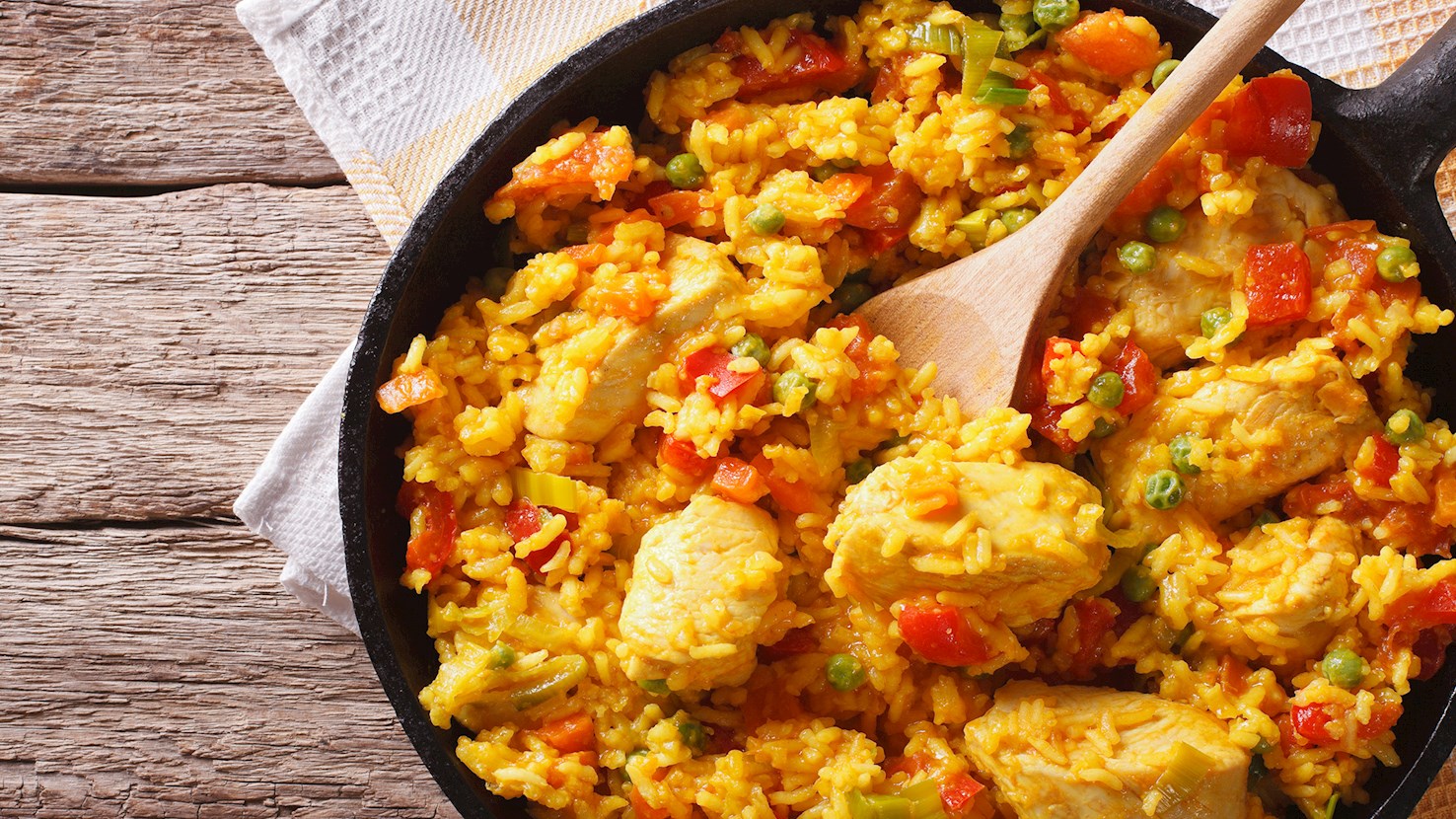
Arroz con pollo is a dish originating from the times when Spain was under the Moorish influence, consisting of chicken, rice, stock, beer, sofrito, and numerous spices such as saffron, cumin, and coriander. It is believed that over the years, arroz con pollo made its way to Latin American countries, where it is still popular. Today, there are numerous variations of the dish throughout Spain and Latin America.

09

Arroz amarillo

3.9 ·

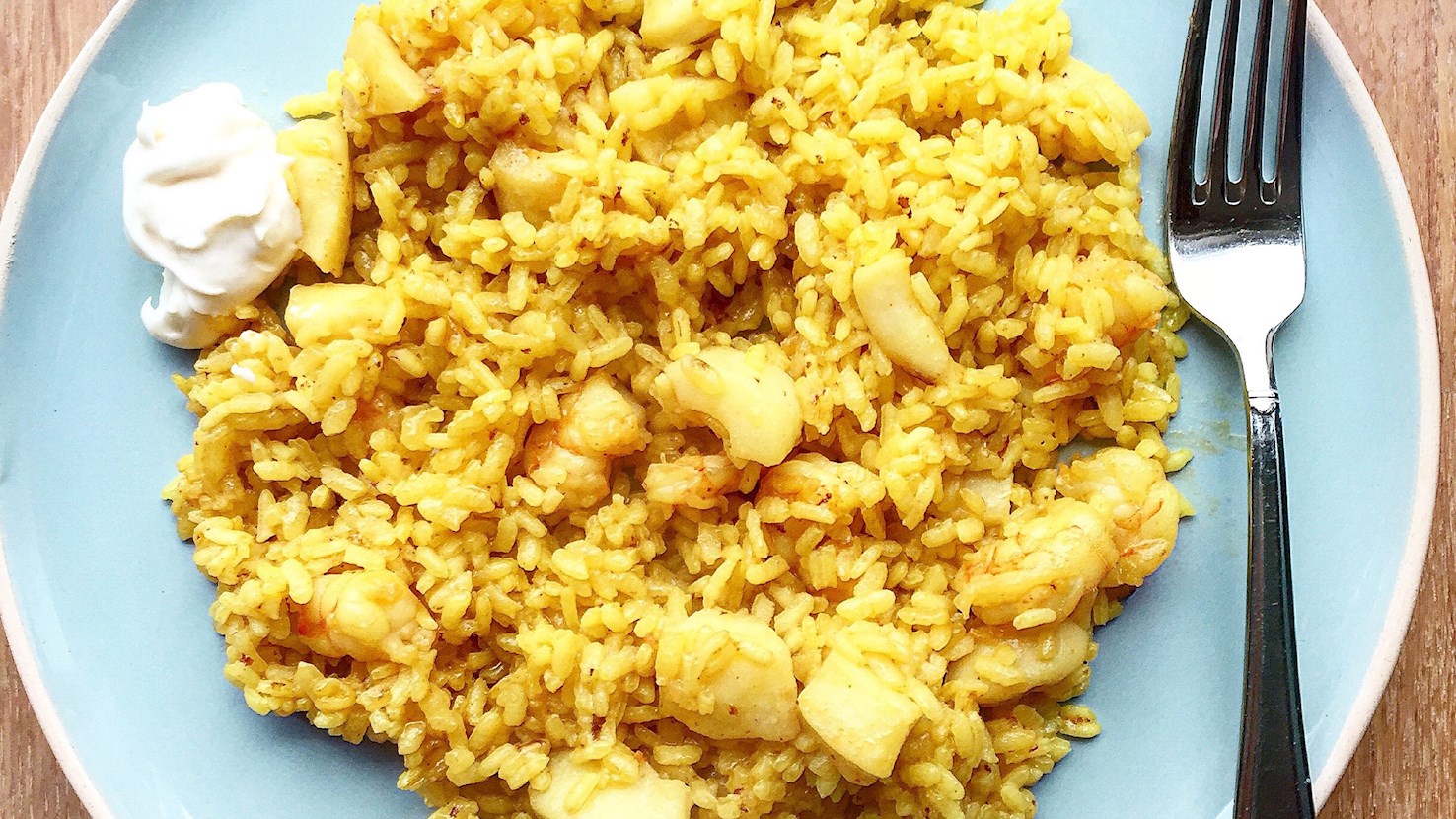
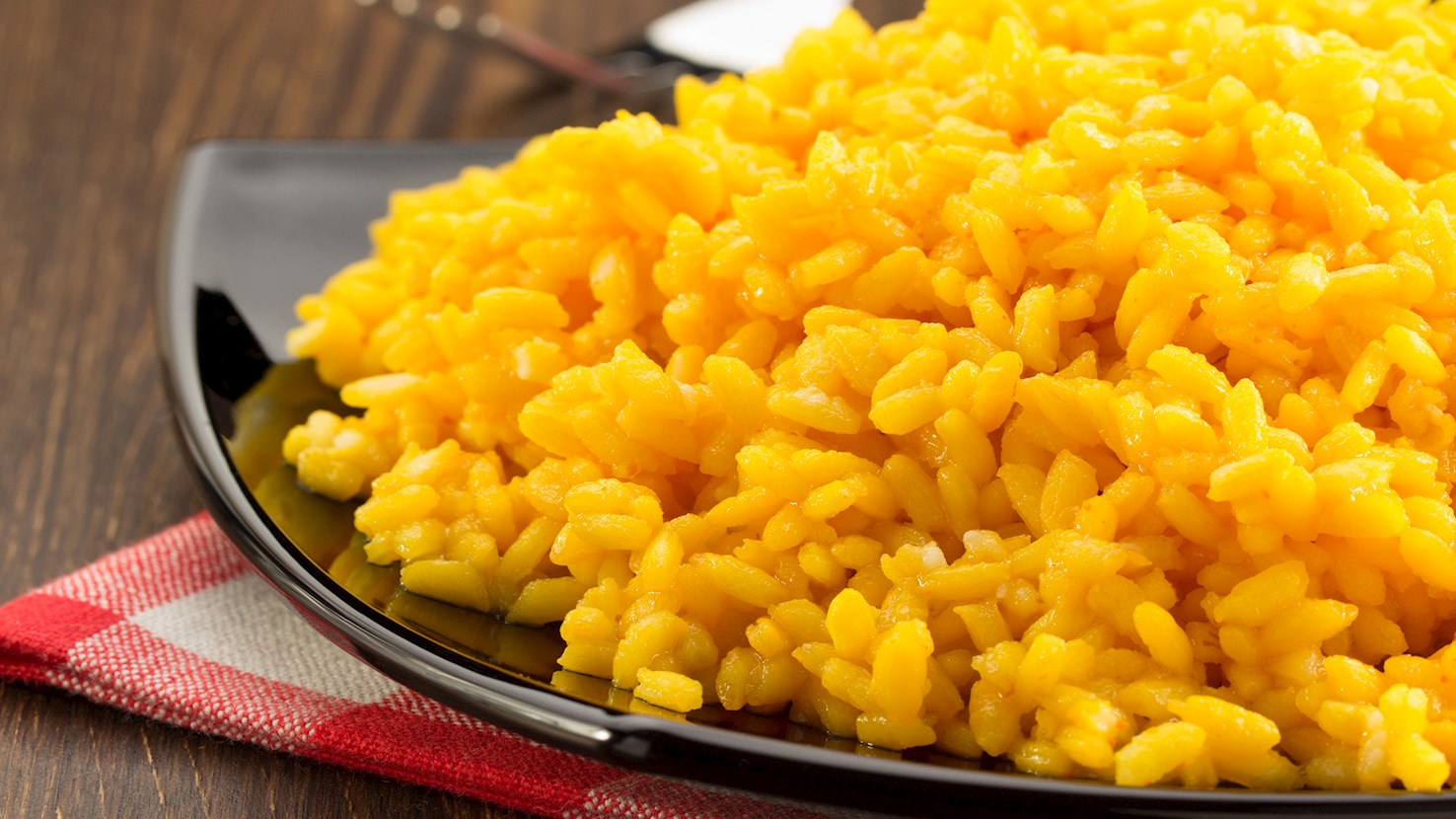
Arroz amarillo or yellow rice is a dish made by combining cooked rice with chicken stock, onions, and spices such as saffron and turmeric, giving it its vibrant color. Although the dish has Spanish origins, it is internationally popular, especially throughout Latin America. Due to the fact that saffron was not available in the New World, people in Latin America used achiote as a substitute, giving the dish a similar golden hue. Arroz amarillo can be consumed on its own, but it is more often served on the side of various main dishes.

Read more
View all
View map
About this ranking

TasteAtlas food rankings are based on the ratings of the TasteAtlas audience, with a series of mechanisms that recognize real users and that ignore bot, nationalist or local patriotic ratings, and give additional value to the ratings of users that the system recognizes as knowledgeable. For the “9 Worst Rated Spanish Rice Dishes” list until June 16, 2026, 2,970 ratings were recorded, of which 2,303 were recognized by the system as legitimate. TasteAtlas Rankings should not be seen as the final global conclusion about food. Their purpose is to promote excellent local foods, instill pride in traditional dishes, and arouse curiosity about dishes you haven’t tried.

Similar lists