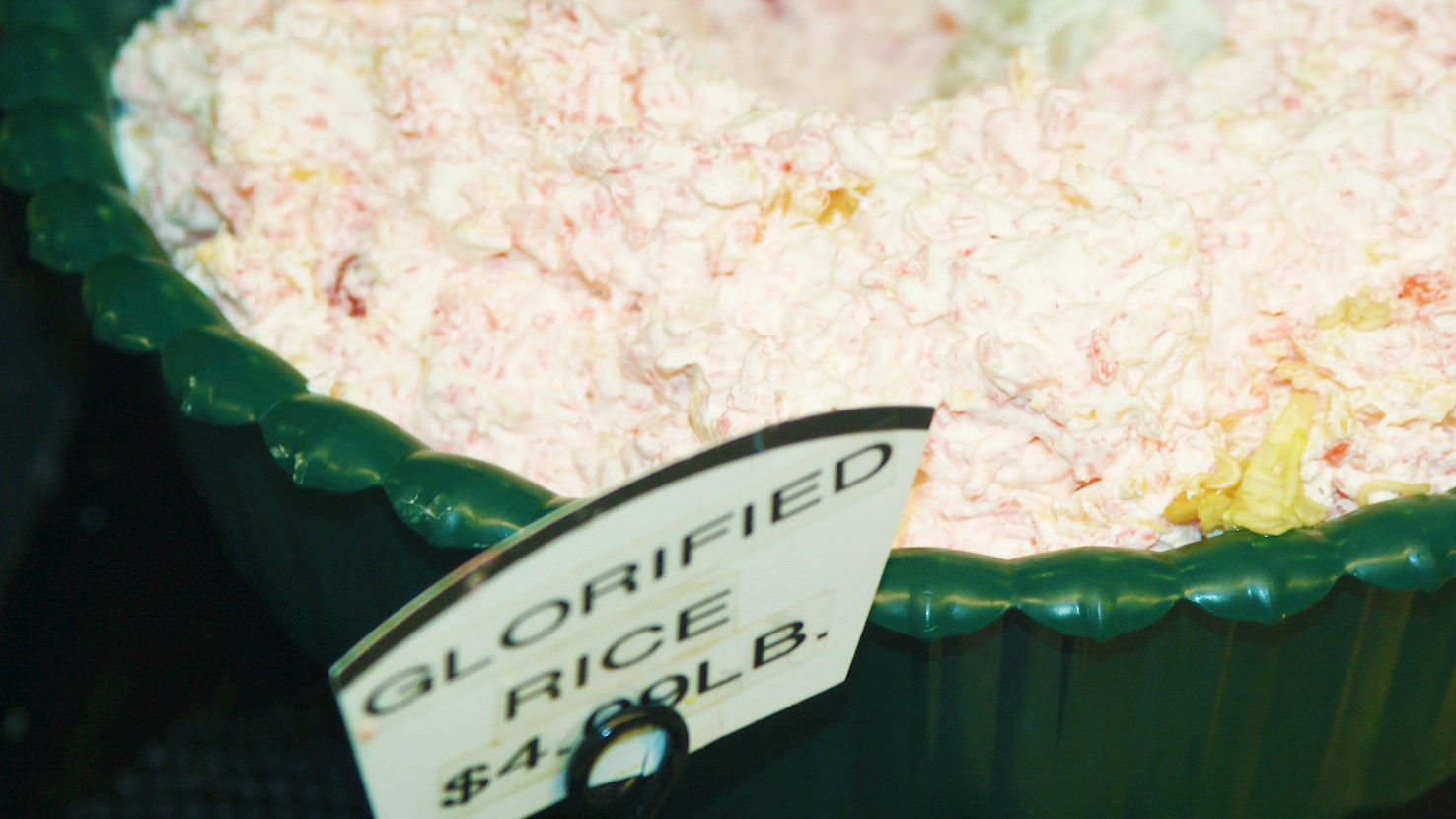
Glorified rice is an American Midwestern dessert consisting of rice, canned pineapple chunks, and whipped cream. The dish is traditionally garnished with a few maraschino cherries on top. Purists claim that the rice should always be cooked in cream in order to develop a tender, melting texture. The dessert was at its most popular from the 1930s to the 1950s, with numerous variations and additions such as bananas, apples, nuts, and gelatin. Today, glorified rice is mostly popular in rural Midwestern areas, and can often be found at church gatherings and potluck dinners.
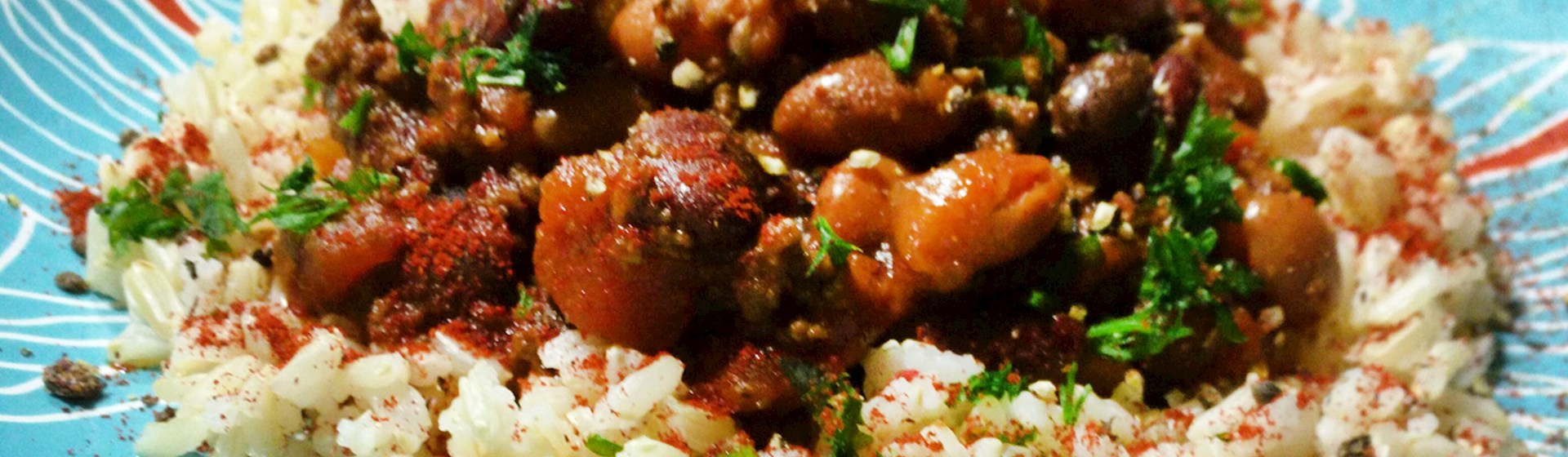
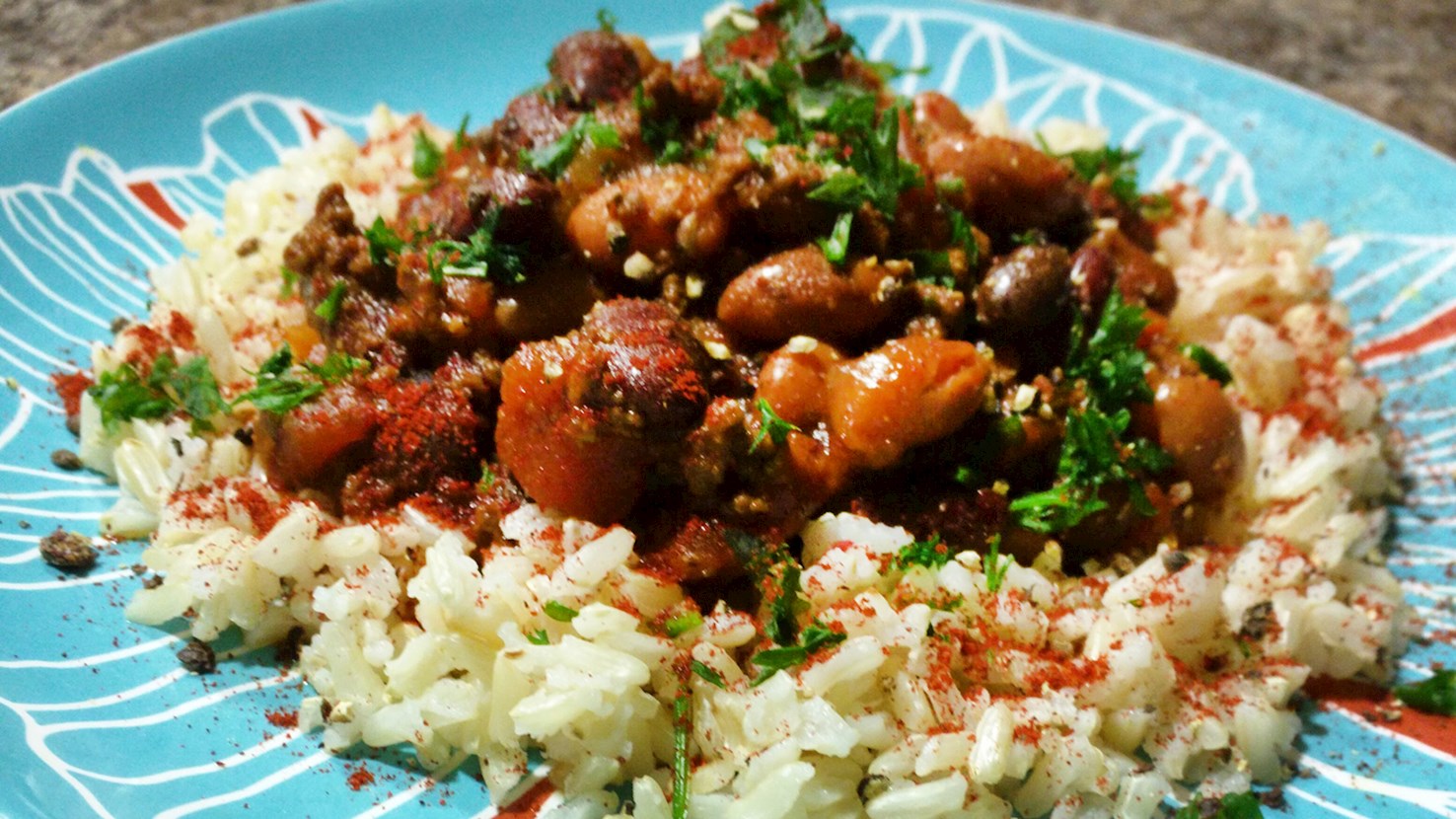
Orez shu’it is a rice-and-beans dish made with white rice, small white beans, tomato, and mild spices, widely eaten in Israeli homes and strongly associated with Jerusalem’s Mizrahi communities. Its roots lie in Jewish communities from Iraq, Egypt, and parts of the Levant, where rice dishes were central to everyday cooking and legumes provided an accessible source of protein. As these communities settled in Israel during the mid-twentieth century, their domestic cooking traditions were carried with them, and orez shu’it became one of the dishes that merged into the larger landscape of Israeli home cuisine. Preparation begins by soaking white beans, commonly navy beans or small local varieties, until they soften enough to cook evenly. They are then simmered with tomato paste or fresh tomato, onions, salt, and spices such as turmeric, cumin, or paprika, depending on regional style. The rice is added once the beans are partially cooked, and water is measured so that both rice and beans finish together, producing a cohesive pot where the grains remain separate but lightly coated in the tomato base. In some households the rice is cooked separately and mixed with the beans at the end, while others cook everything in a single pot. The texture ranges from light and fluffy to slightly saucier depending on the amount of tomato and liquid. Some versions include garlic, peppers, or small amounts of oil, but the core identity is the combination of rice, beans, and mild seasoning. Orez shu’it is eaten primarily in Israeli homes rather than in commercial settings and is common in households with roots in Iraq, Egypt, Yemen, and other Middle Eastern regions. It is served as a main or side dish, often accompanied by salads such as chopped vegetable salad, cabbage salad, or pickled vegetables. It pairs well with yogurt drinks, lemonade, and sparkling water, and it is frequently eaten alongside grilled meats, schnitzel, or vegetable stews, forming part of an everyday Israeli table.
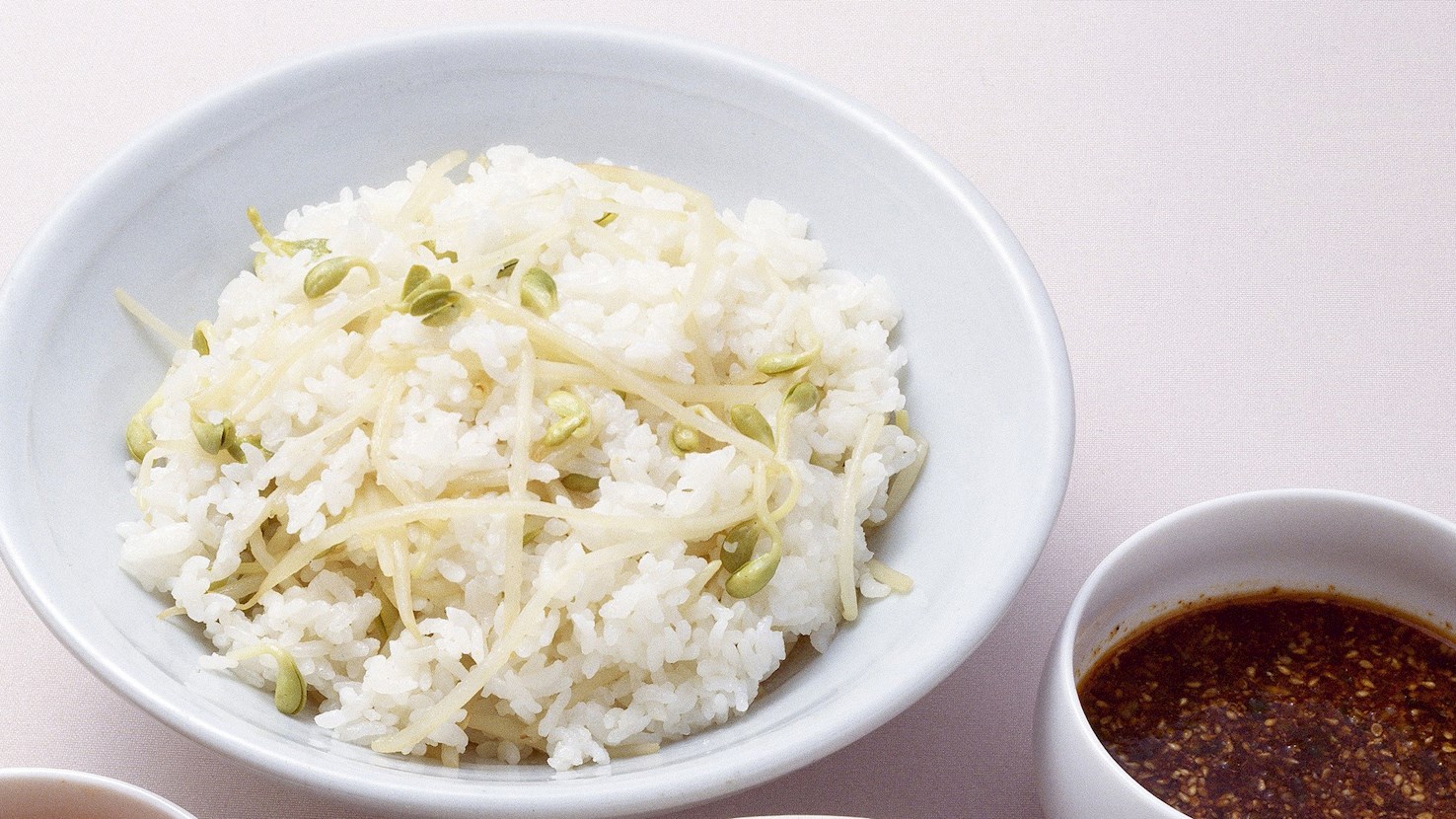
Kongnamulbap is a traditional type of bibimbap originating from South Korea. The dish consists of rice cooked with soybean sprouts. Other ingredients such as ground meat (beef or pork), kimchi, garlic, and sesame oil are often added to the dish for extra flavor. During cooking, the rice will soak up the nutty and earthy flavors of the soybean sprouts. Once prepared, kongnamulbap is traditionally served with a sauce consisting of rice wine, soy sauce, minced garlic, sugar, scallions, and black pepper.
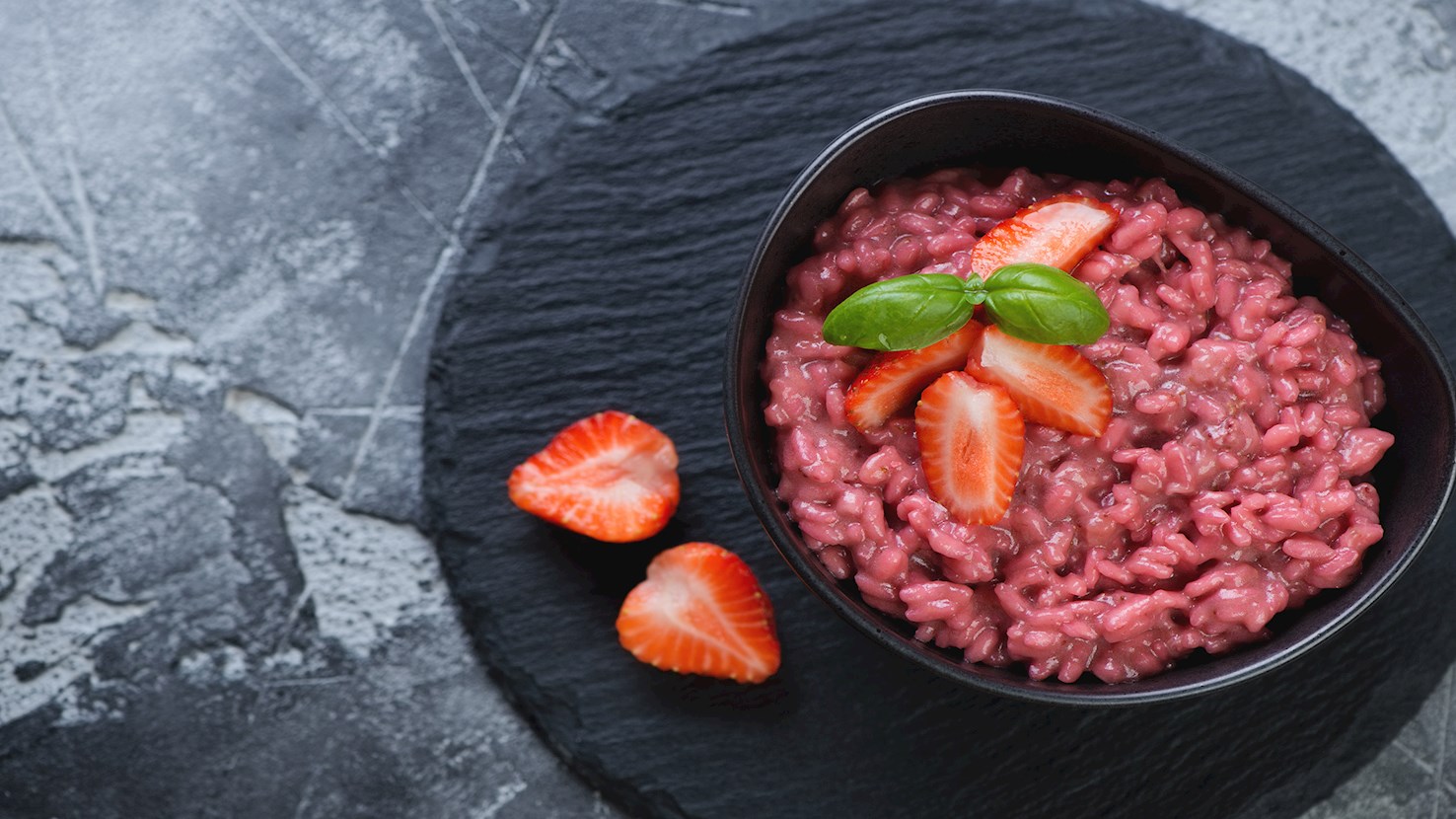
Risotto alle fragole is a popular Italian risotto with contrasting, sweet and savory flavors coming from the unlikely pairing of strawberries and rice. Other ingredients include onions, carrots, butter, white wine, and grated cheese. This risotto is best prepared in spring, when the strawberries are as fresh as they can be. It is recommended to garnish the plate with sliced strawberries, and many cooks like to add an extra touch of class by drizzling some balsamic vinegar from Modena on the rice.
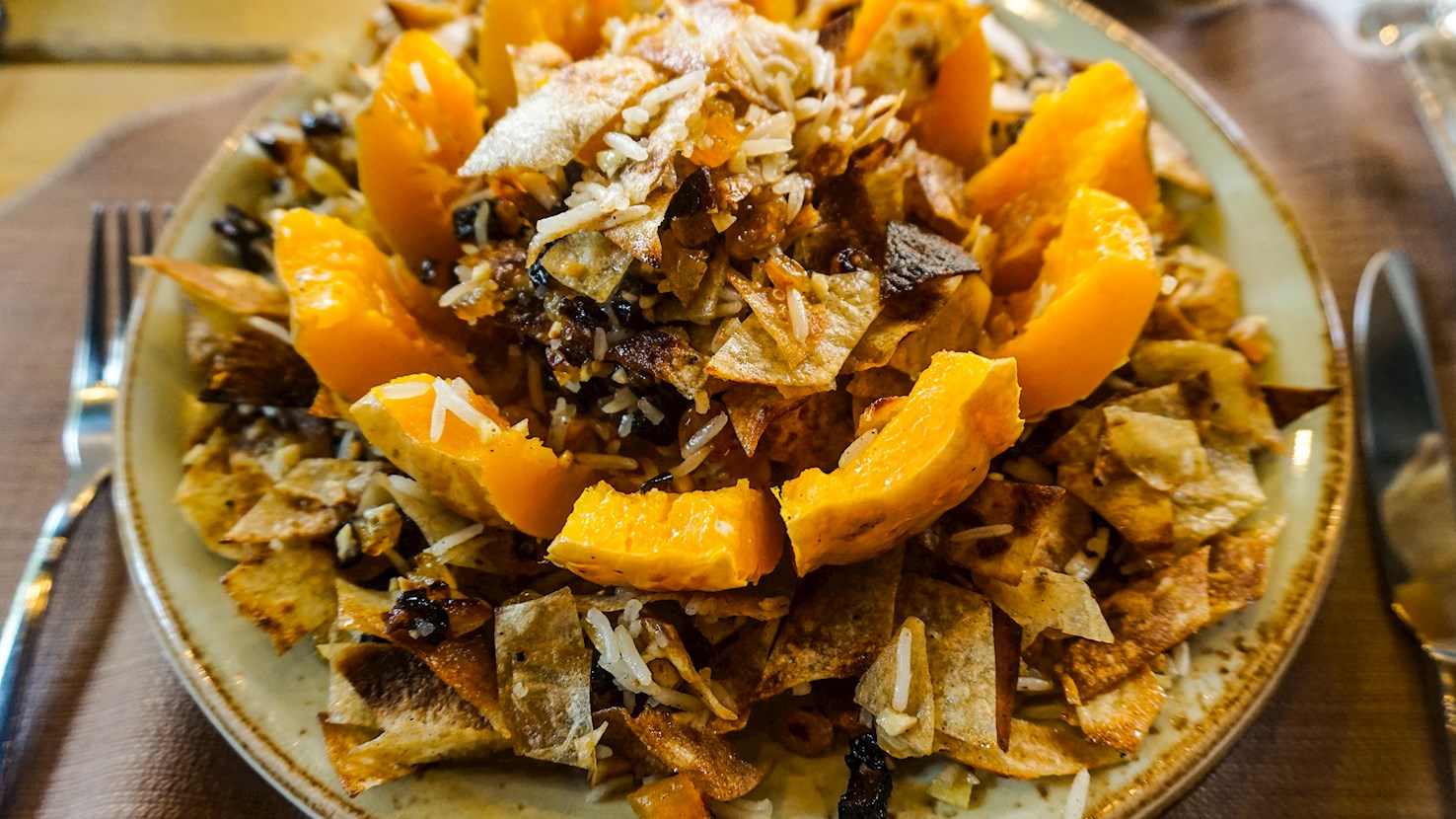
Ghapama is a stuffed, baked pumpkin dessert originating in Armenia, made of a hollowed-out gourd filled with partially cooked rice, chopped dried fruits, nuts, butter, and honey. This sweet baked squash is a central item during the autumn harvest season and at winter holiday gatherings, and it is specifically eaten for Christmas and New Year's Eve celebrations. A medium-sized pumpkin with firm, thick walls is selected to contain the heavy filling. A circular lid is cut around the stem, and the fibrous pulp and seeds are scraped away from the inner cavity. The empty chamber is the vessel for the stuffing. White rice is boiled until it is only halfway done to prevent it from turning into a mushy paste during the final baking stage. The filling requires a mixture of chopped dried fruits, which includes dried apricots, dark raisins, dried plums, dried cherries, and dates. Crushed walnuts or almonds are added to the bowl with the white rice and dried fruit to provide a textural crunch. Liquid honey, melted butter, and ground cinnamon coat the entire mixture, adding moisture and a deep, warming spice. The sticky rice filling is packed tightly into the scraped pumpkin shell. The carved lid is replaced to seal the gourd. The whole pumpkin is placed into a hot oven to bake for two to three hours. The ambient heat slowly softens the squash's thick walls. The starches in the rice absorb the butter, honey, and natural fruit juices released during baking. The hot pumpkin is removed from the oven and displays a blistered, deeply orange skin. The finished dish is sliced into vertical wedges from top to bottom. The exterior walls fall outward to resemble the blooming petals of a large flower. This opening action displays the steaming mound of sweet rice in the center. A popular folk song entirely dedicated to the meal, titled "Hey Jan Ghapama," plays at weddings and large gatherings while the sweet, starchy wedges are consumed.
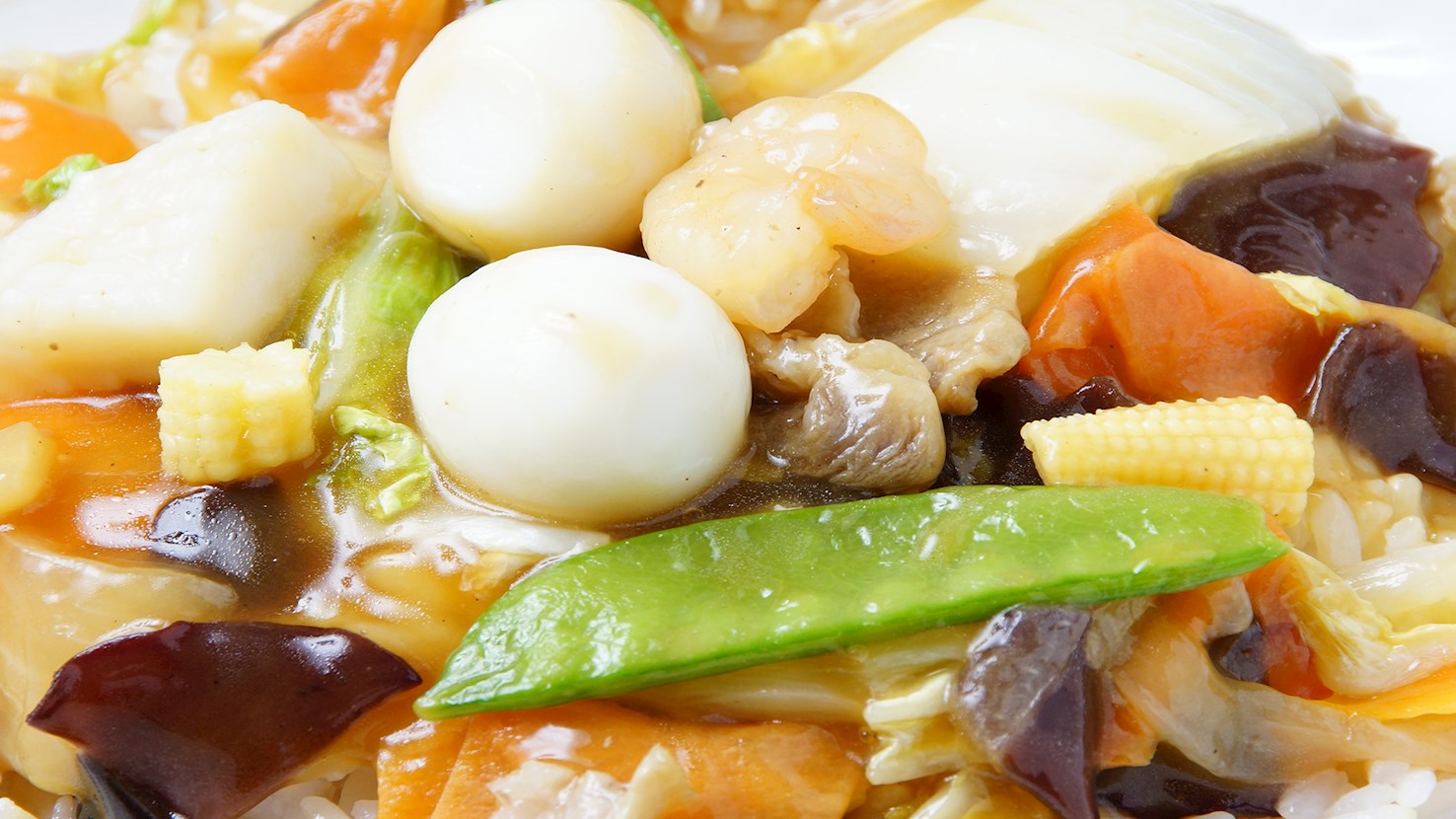
Chūkadon is a hearty rice bowl made with steamed white short-grain rice topped with a thick, glossy mixture of stir-fried vegetables, sliced meat, and seafood. The topping is bound together with a soy-based gravy thickened with starch, giving it a heavy, shiny texture that coats both the ingredients and the rice underneath. The dish is said to have originated in the early Showa period, around the 1930s, in Chinese immigrant-run restaurants in Tokyo. At first, it was a practical staff meal eaten during short work breaks. Restaurant workers poured leftover happosai, a rich stir-fry traditionally made with eight ingredients, over plain rice to create a fast, filling meal. Regular customers eventually noticed the off-menu combination and began asking for it themselves. The name chūkadon means “Chinese bowl,” reflecting its connection to Chinese-style urban restaurant cooking adapted for Japanese diners and laborers who needed cheap, quick calories. The topping usually begins with pork belly, raw shrimp, and scored squid, all sliced into uniform bite-sized pieces. These are stir-fried in a very hot wok coated with sesame oil. Harder vegetables, such as sliced bamboo shoots, raw carrots, and rehydrated wood ear mushrooms, are added next. Softer greens, usually Napa cabbage or snow peas, go in last so they keep some of their crisp texture. A liquid base of chicken stock, dark soy sauce, oyster sauce, and rice wine is then poured into the wok. Once the liquid comes to a rolling boil, a slurry of potato starch and cold water is added to the center of the pan. This quickly changes the thin broth into a thick, translucent glaze that clings tightly to every piece of meat, seafood, and vegetable. Boiled, peeled quail eggs are added just before the finished mixture is poured over the waiting bowl of rice. Ingredient substitutions can change the flavor and appearance of the dish. In a salt-based version, dark soy sauce and oyster sauce are omitted entirely. Instead, clear chicken stock, ginger, and sea salt are used to make a pale white gravy that allows the delicate seafood flavors to stand out. More economical versions often omit the expensive squid and shrimp, replacing them with thick slices of kamaboko fish cake or extra strips of inexpensive pork shoulder. In some regional versions, a raw egg is scrambled directly into the boiling sauce just before it thickens, forming soft ribbons of cooked egg white and yolk that make the gravy even richer. Chūkadon is served hot in a large, deep ceramic bowl. Because the thick sauce holds heat extremely well, the dish usually arrives at the table steaming. It is typically eaten with a large ceramic spoon rather than chopsticks, since the gravy soaks deeply into the rice. A small side dish of sharp pickled mustard greens is often served alongside it to cut through the richness of the oyster sauce, together with a simple, clear chicken broth seasoned only with white pepper and scallions.
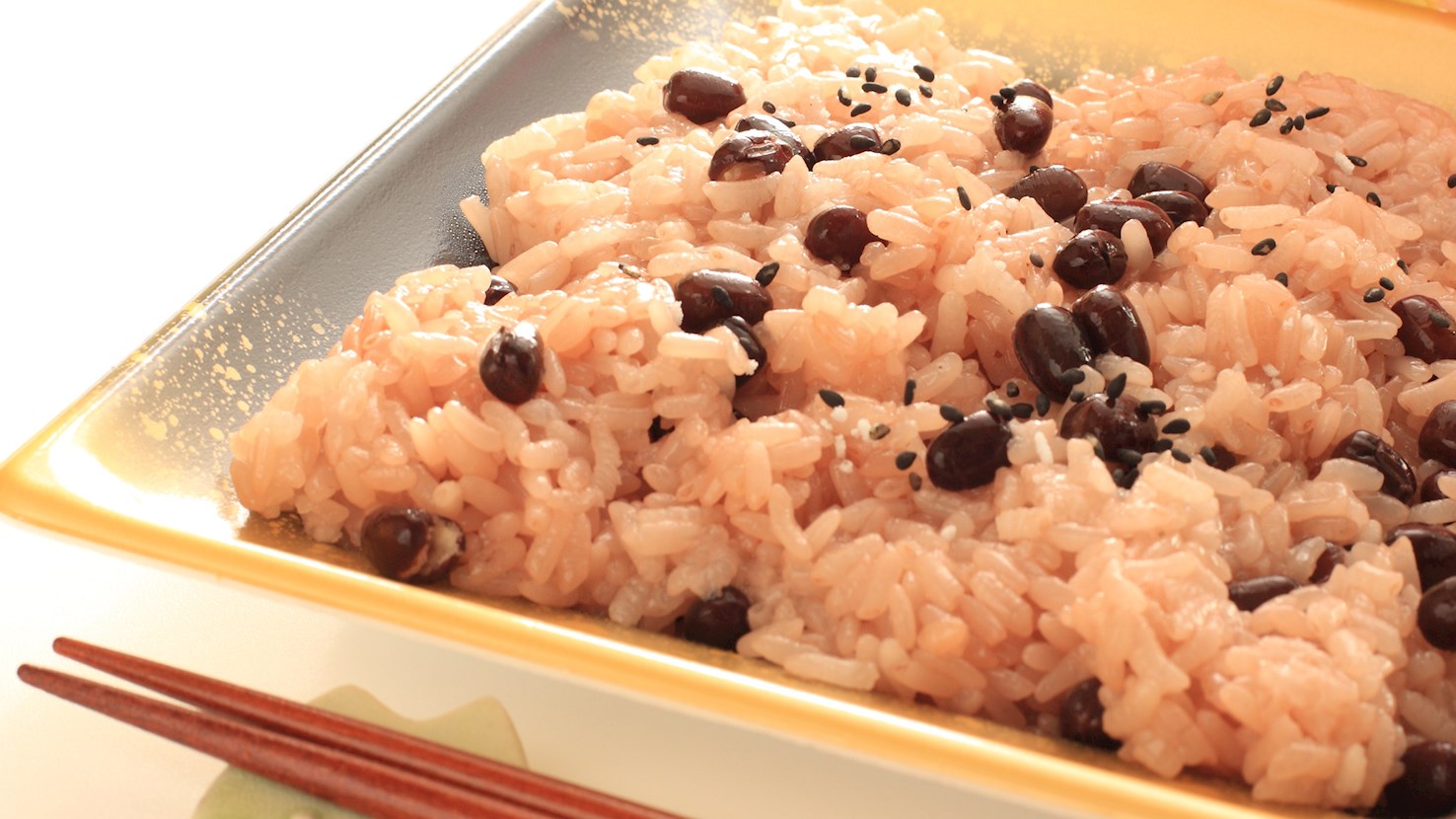
Sekihan is a traditional dish consisting of only two main ingredients – glutinous rice and red azuki beans. The dish has a reddish hue which is a result of the cooking liquid from azuki beans. In the past, the color red was a symbol of good fortune and it supposedly warded off evil. Nowadays, sekihan is typically consumed for good luck – it is served mostly on special occasions such as birthdays, weddings, and celebrations. The dish is usually served on okuizome (a baby's first meal when it is 100 days old) and shichi-go-san (a ritual for children aged 3, 5, and 7). Traditionally, sekihan is consumed with gomashio – a combination of toasted black sesame and salt.
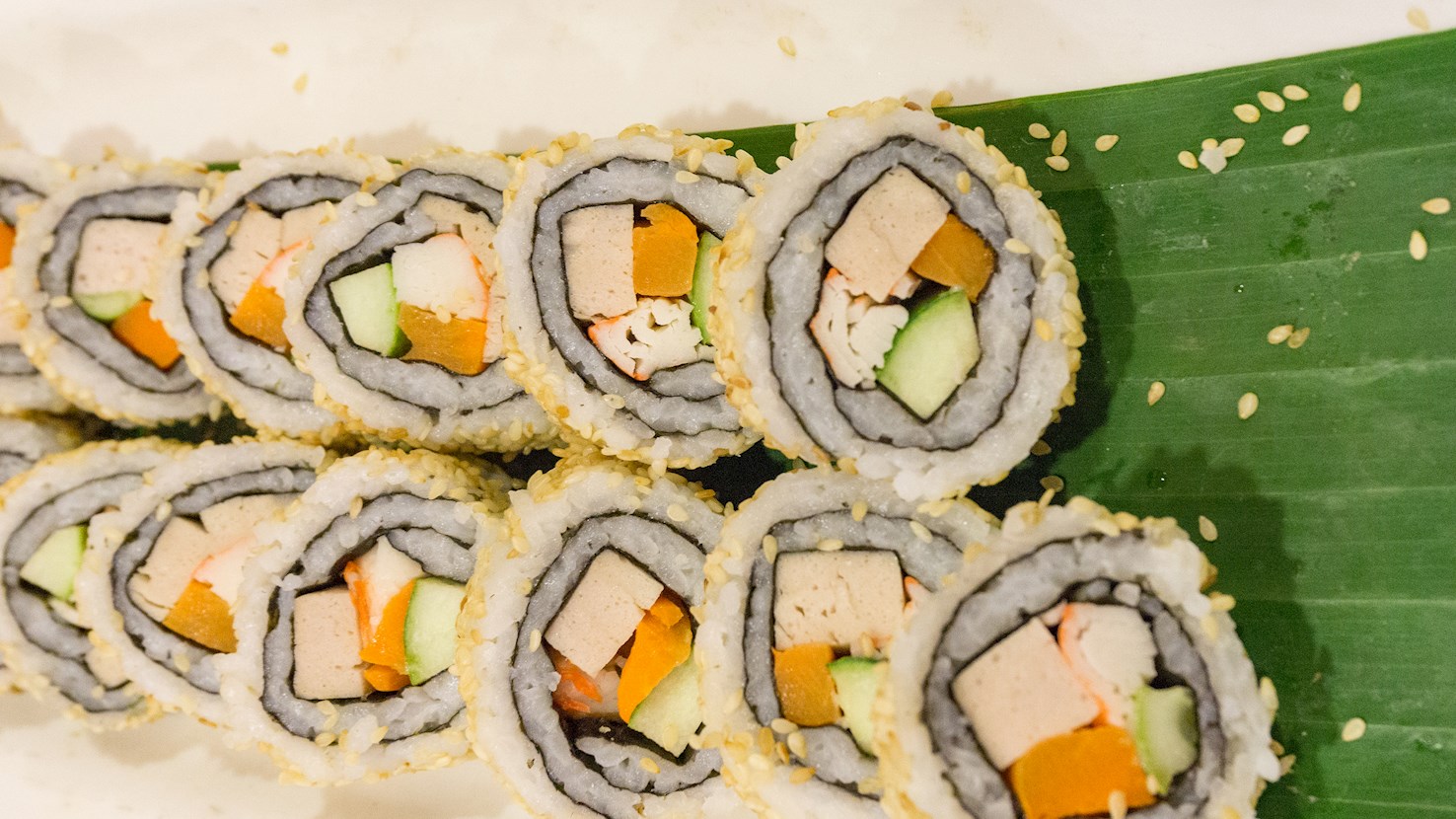
Nude gimbap is a variation of a traditional Korean rice roll in which toasted seaweed (gim) is wrapped inside the rice—leaving the rice exposed, hence the name. Apart from that, nude gimbap typically incorporates standard fillings that mainly include vegetables such as carrots or pickled radishes, eggs, crab cakes, perilla leaves, and many other ingredients. The rolls are sliced into bite-size pieces before they are served.
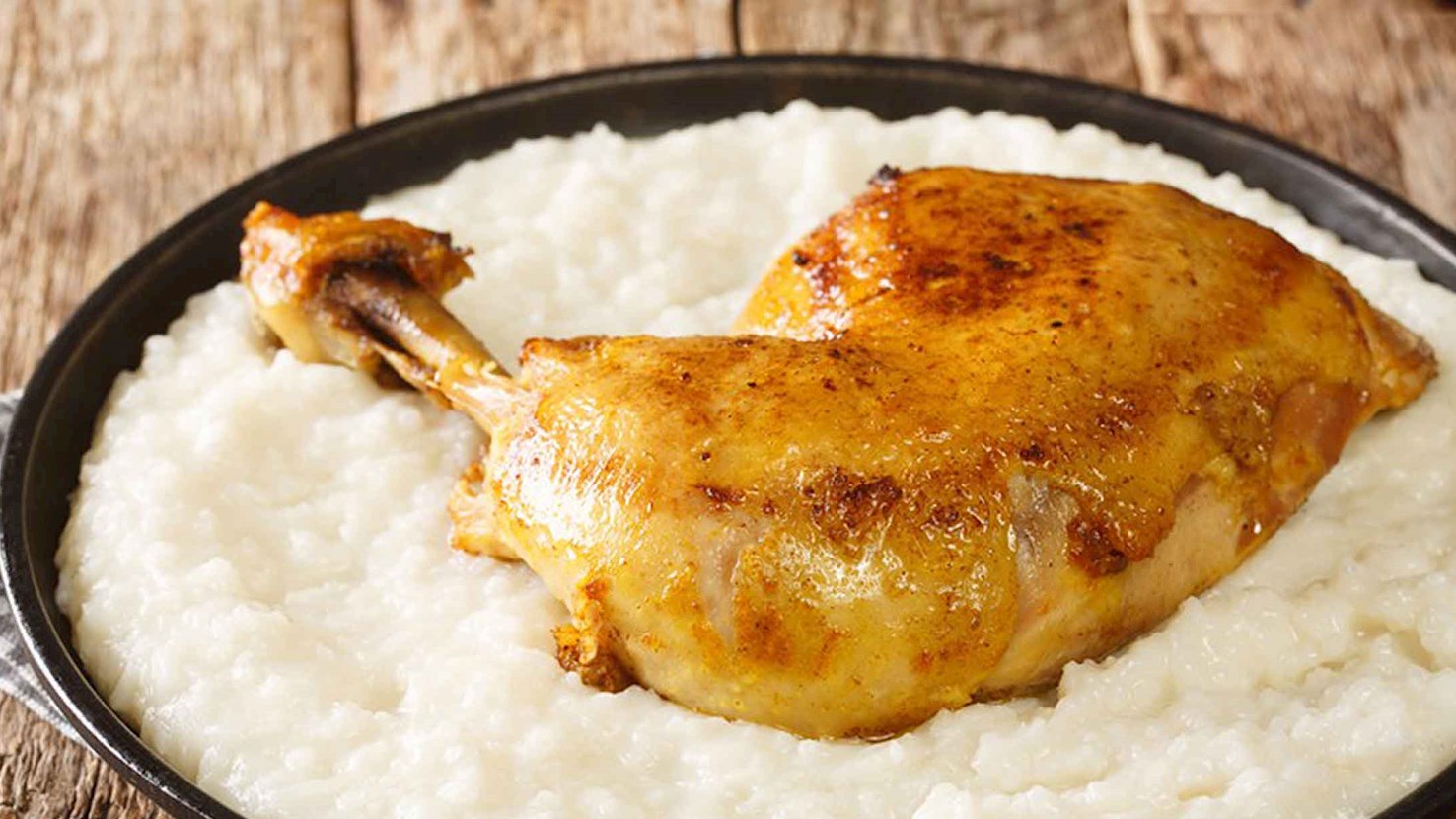
Hailing from Hejaz, saleeg is a traditional Arabian rice dish consisting of creamy, porridge-like short-grain rice and roasted meat. Chicken is the most common meat choice, and it is typically boiled in water with spices before it is roasted. This dish uses a combination of the broth in which the meat has been cooking, hot water, and optional mastic tear to boil the rice. The boiled rice is then combined with milk and ghee or butter, and cooked until it reaches the desired consistency. A large serving platter (tabasi) is traditionally used for serving saleeg, and the roasted meat is usually placed on top of the rice. Additional melted ghee or butter can be drizzled over the dish, and it is recommended to serve it with accompaniments such as salata hara (a spicy, salsa-like condiment), duggus (a chili tomato-parsley sauce), pickled lemons, or a tomato-cucumber salad.
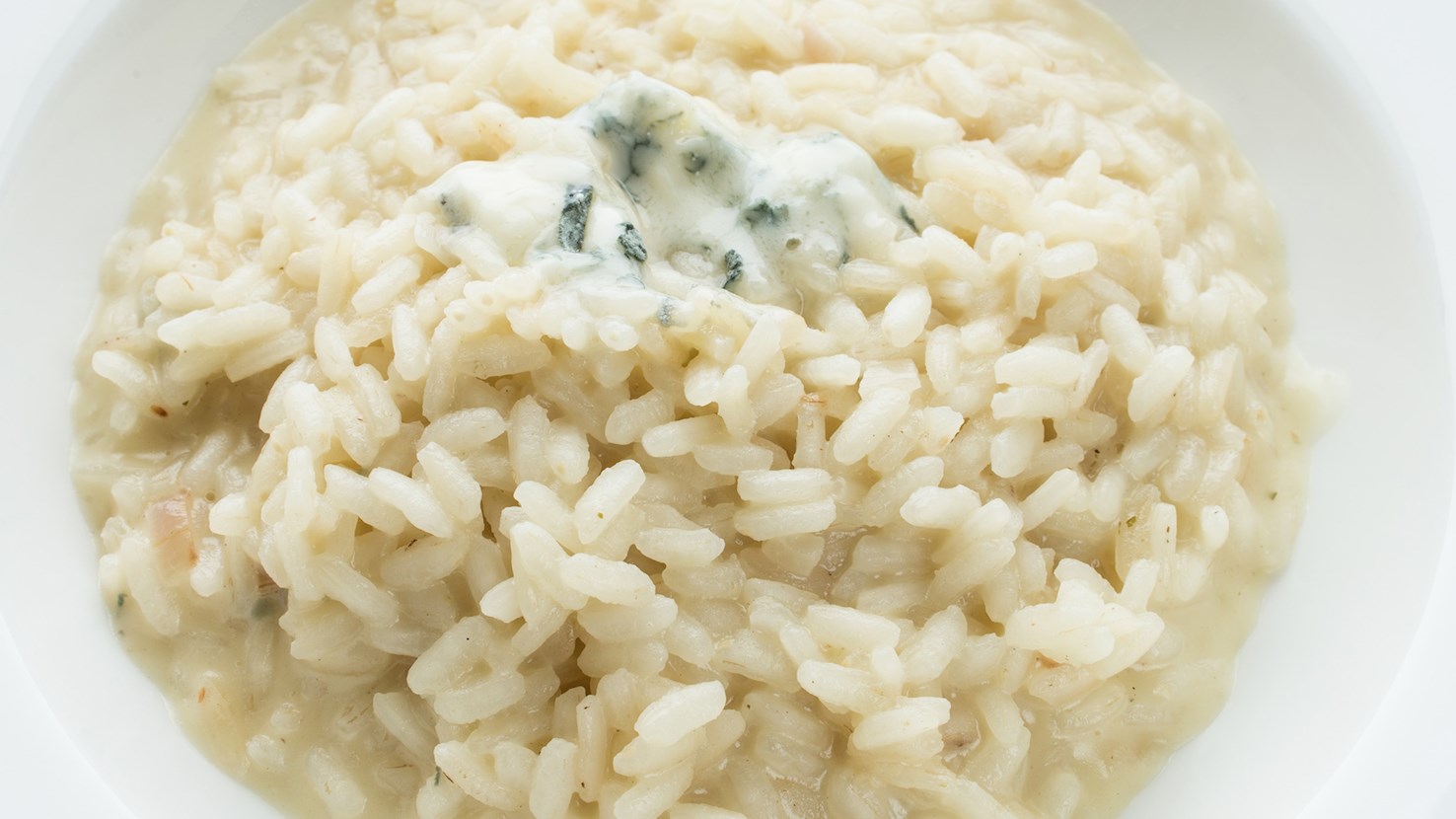
Arroz con queso is a traditional dish with a strikingly white color. It consists of rice (preferrably short and plump, such as Arborio), milk, and semi-firm white cheese. Rich and creamy, this popular dish can often be found alongside churrasco dishes and other grilled meat dishes, and it is recommended to serve arroz con queso while it is still hot.
TasteAtlas food rankings are based on the ratings of the TasteAtlas audience, with a series of mechanisms that recognize real users and that ignore bot,
nationalist or local patriotic ratings, and give additional value to the ratings of users that the system recognizes as knowledgeable.
For the “100 Worst Rated Rice Dishes in the World” list until September 15, 2026, 37,424 ratings were recorded, of which 25,196 were recognized by the system as legitimate.
TasteAtlas Rankings should not be seen as the final global conclusion about food. Their purpose is to promote excellent local foods,
instill pride in traditional dishes, and arouse curiosity about dishes you haven’t tried.









What People Say