





youtube (Creative Commons)

82 Worst Rated Rindless Cheeses
in the World

Last updated on June 16, 2026
01

Cup Cheese

2.1 ·

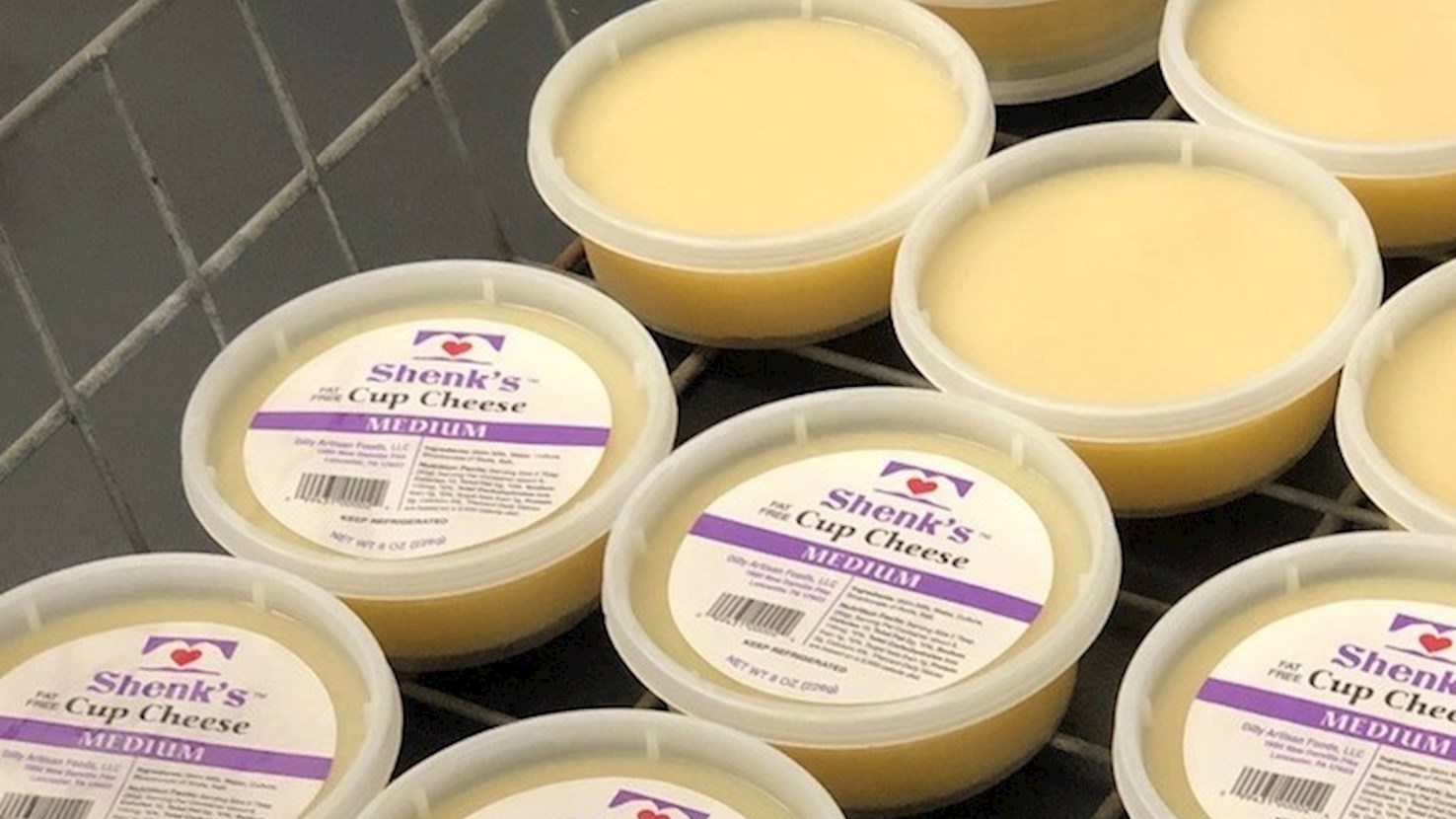
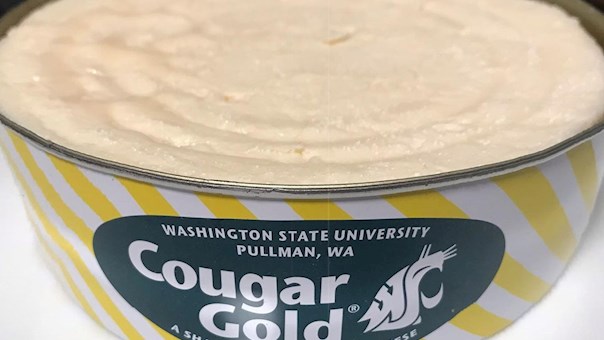
Cup cheese is an American cheese made with raw cow's milk. It originates from Pennsylvania, where it has been made by the Amish and Mennonites for centuries. The texture of cup cheese is soft and similar to molasses, and its flavors are strong and sour. The cheese is quite fatty, but there are some fat-free versions available in supermarkets. The name cup cheese refers to the method of storage – it is traditionally stored or sold in a cup or a pot.

02

Provel

2.5 ·

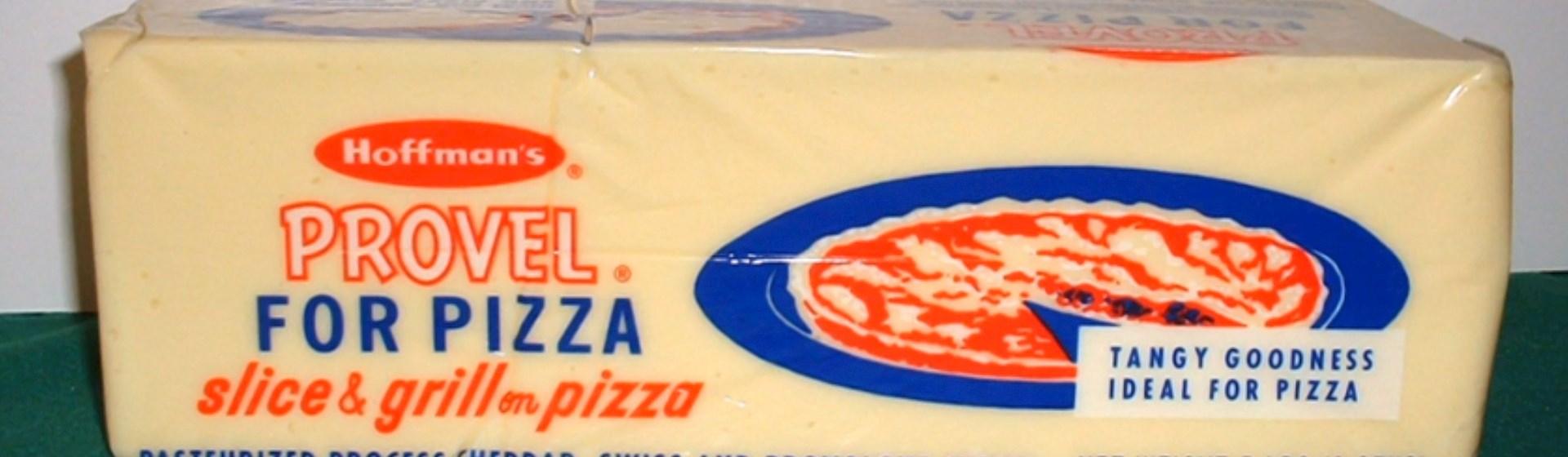
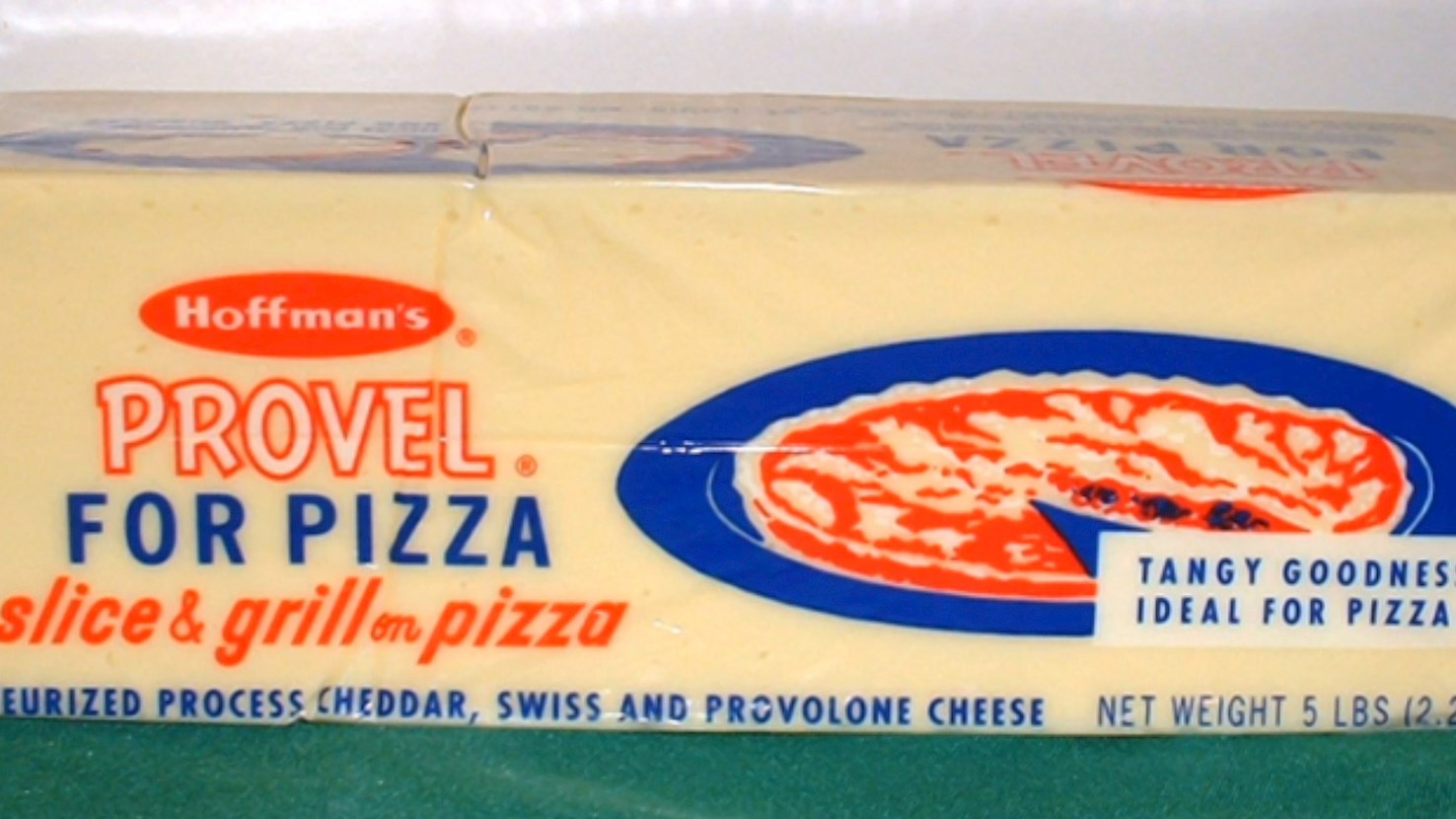
Provel is an American cheese made from pasteurized cow's milk. It is produced by combining different cheeses such as Cheddar, Provolone, and Swiss cheese. Its texture is supple, creamy, and gooey, while the flavors are buttery and slightly spicy. Provel is often used in cheese soups and St. Louis-style pizza due to its low melting point.

03

Tomme fraîche

2.8 ·

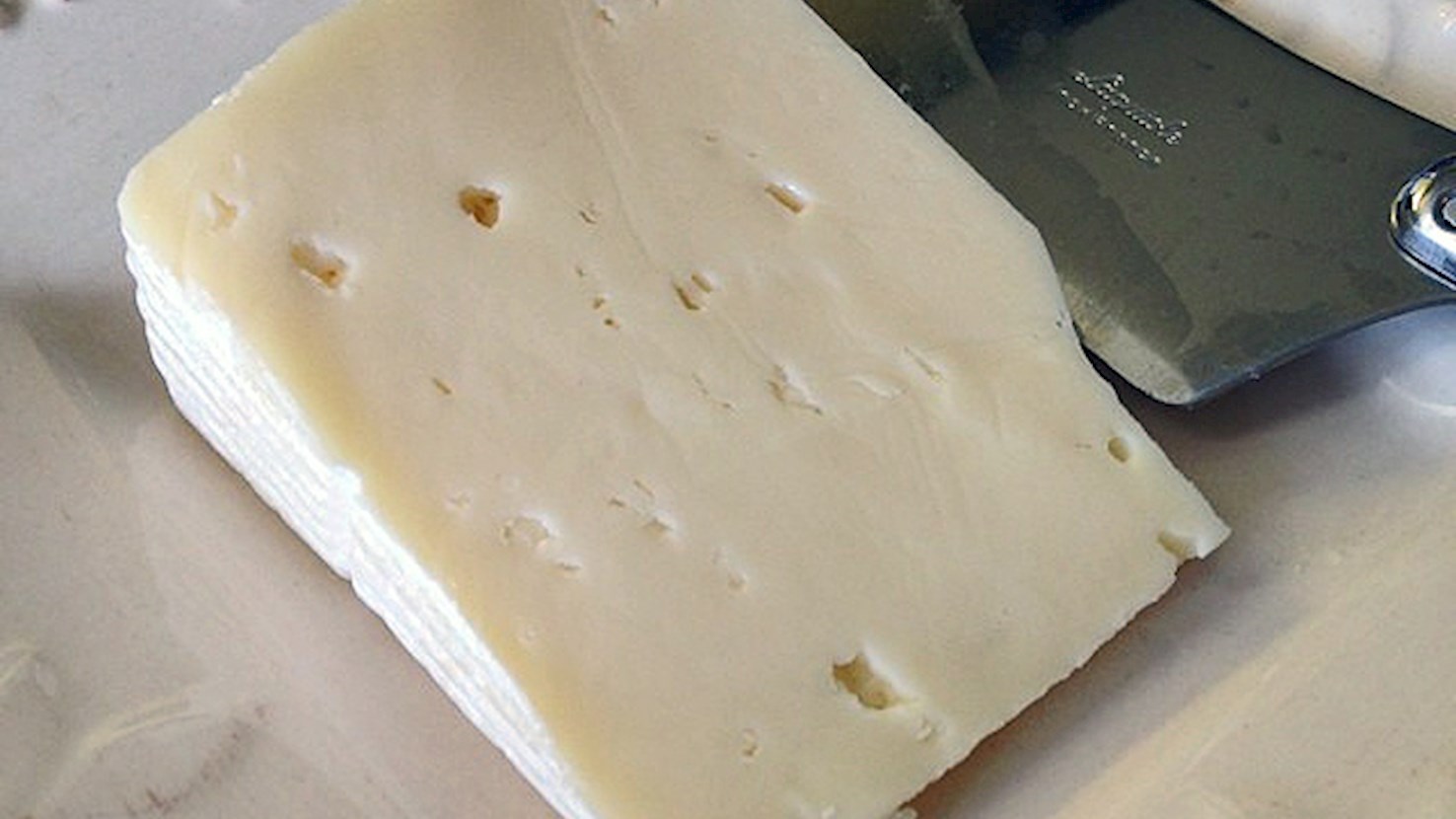
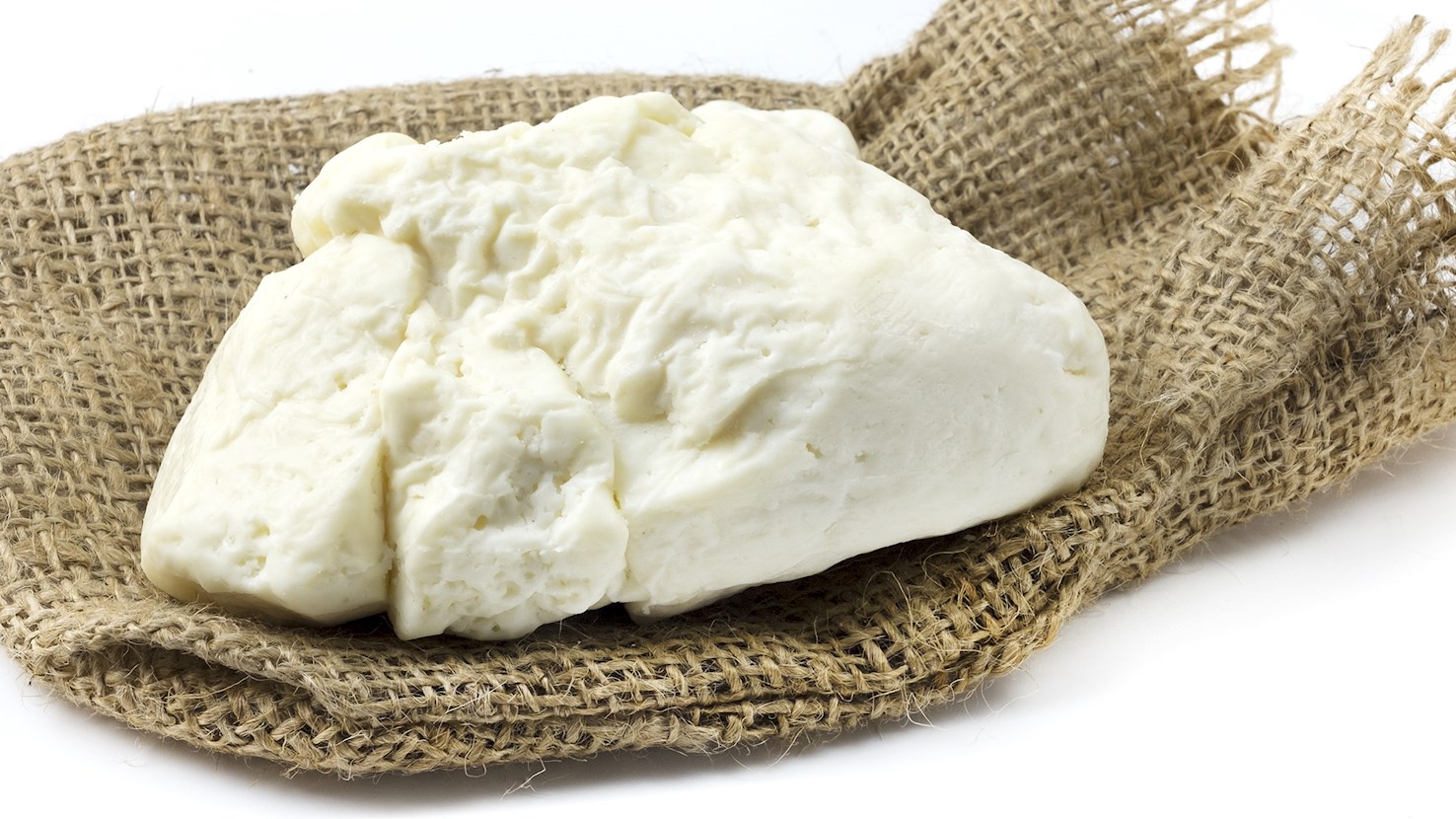
Tomme fraîche is a hard-pressed curd that is made with cow’s milk. It is made in the production of Laguiole, Cantal, and Salers cheese. The curd is unsalted and slightly fermented, and because it’s hard-pressed, it has a high level of dry matter. It is produced in the natural region of L’Aubrac, which is located in the central-south of Massif Central and is comprised of three departments - Aveyron, Lozère, and part of Auvergne. There are many types of tomme fraîche, but the most noted is the tomme fraîche de l'Aubrac. Tomme fraîche has a soft texture and a mild, milky, slightly sour taste, plus melts extremely well. It is sold in blocks that are vacuum sealed and can range anywhere from 250g (8.8 oz) to 10kg (22 lbs). Tomme fraîche is used to make regional dishes - the cheesy mashed potatoes aligot, truffade, patranque, and retortillat - and most other dishes that require a crumbly cheese or a cheese with good melting properties, such as pizzas, gratins, pies, and salads.

04

Fontainebleau

2.8 ·

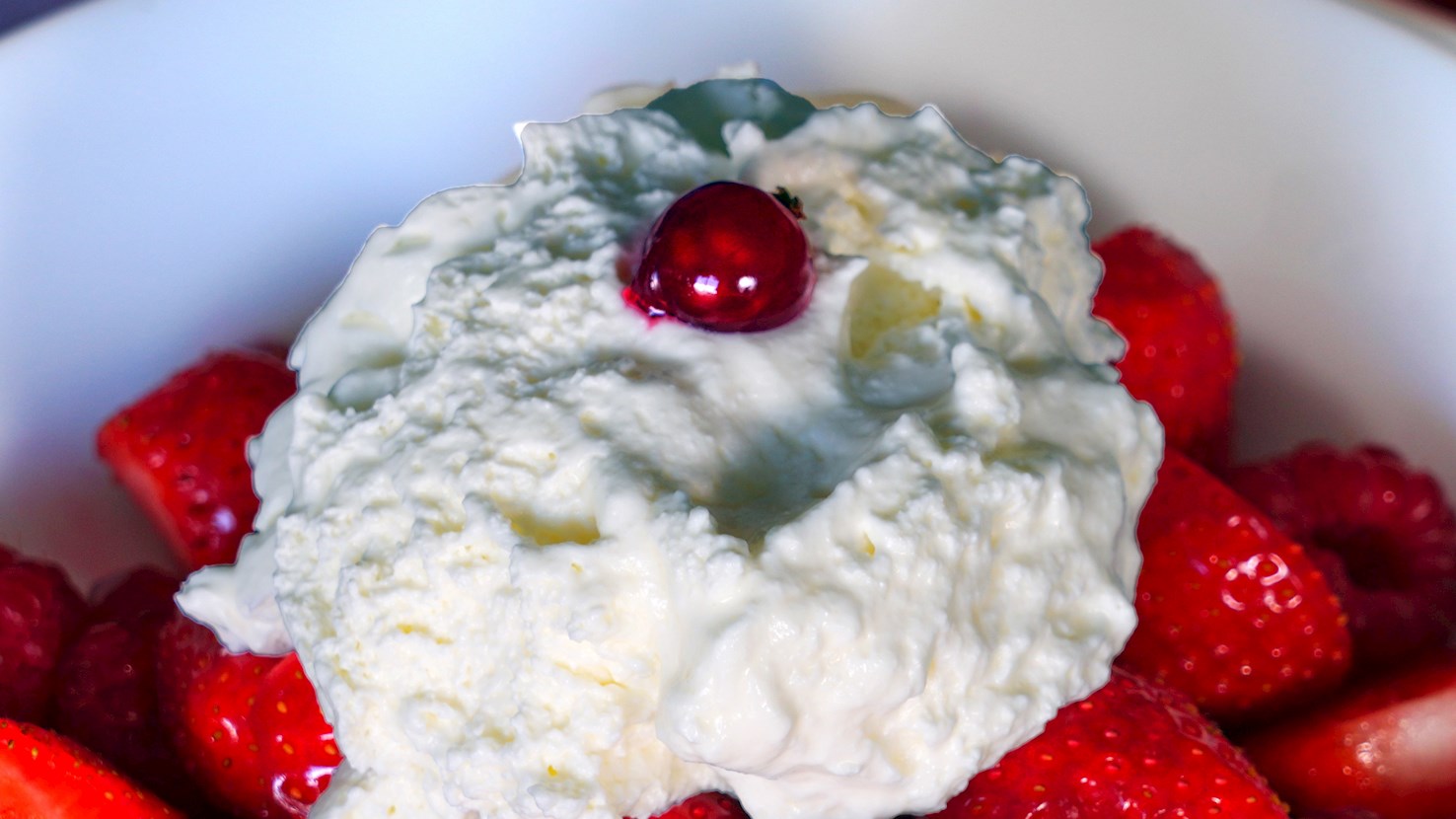
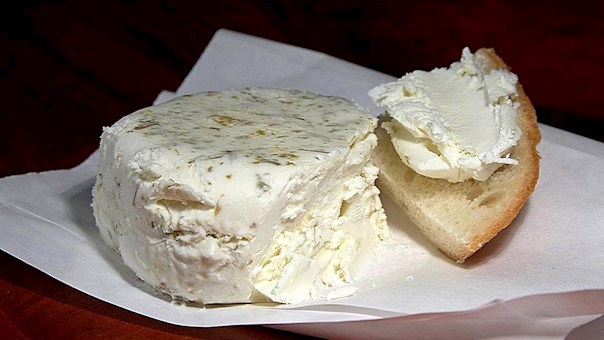
Dating back to the 18th century, Fontainebleau is a French cheese originating from Ile-de-France. It is made with cow's milk and cream, and its texture is smooth, spreadable, and creamy. The flavor is light, mild, fresh, and milky, and the cheese can be served as a dessert or a cheese on its own. Fontainebleau is traditionally sold in a gauze-lined container, and it is recommended to serve it with fresh fruit or berries.

05

Chanakh

2.9 ·

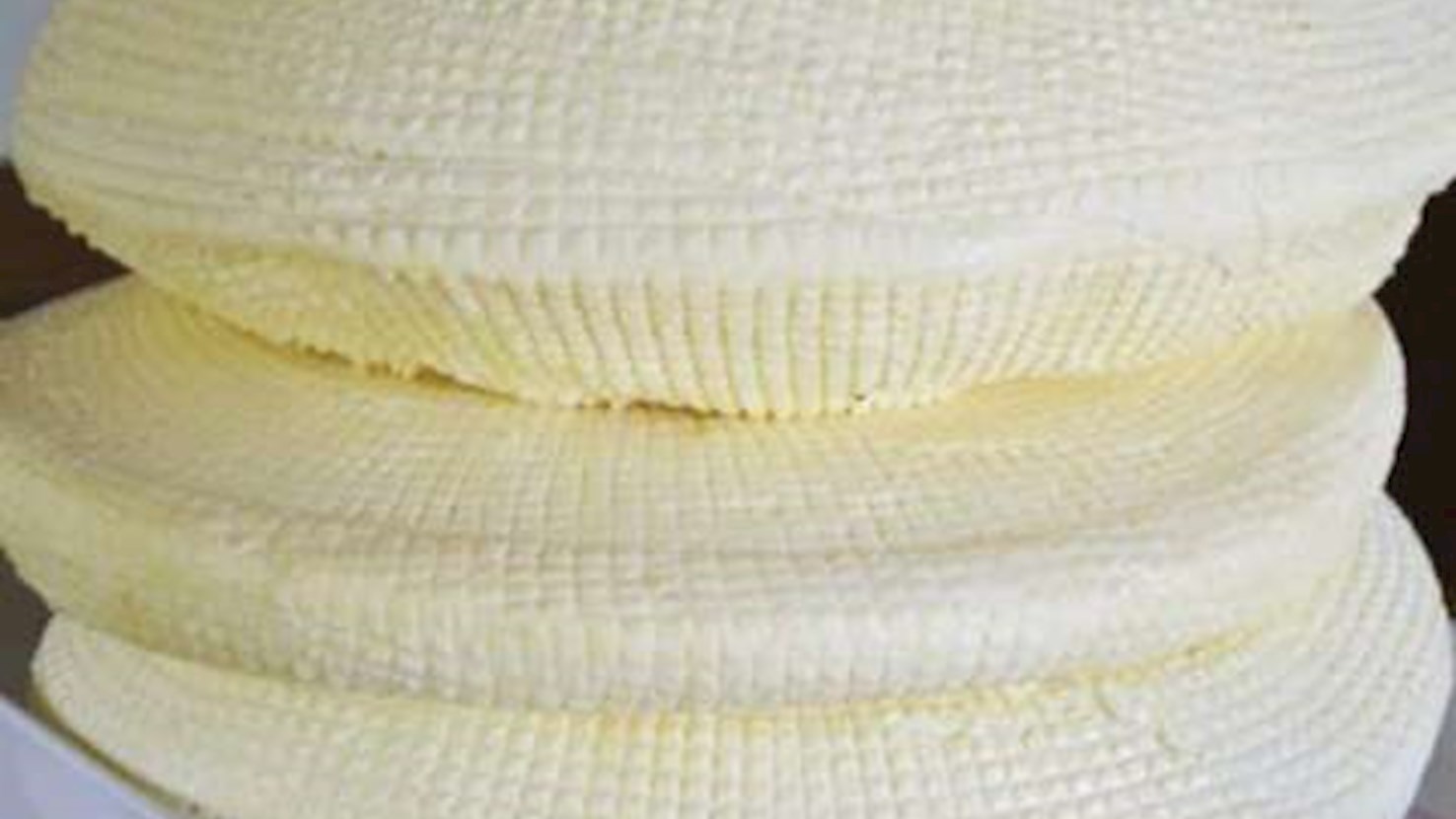
Chanakh is a typical Armenian soft cheese that is soaked in chans (pots) filled with brine. Its flavor is salty, fresh, mild, and slightly spicy, while the texture is brittle. The cheese often has small eyes on its surface. It is regularly used as a table cheese, and it is recommended to pair it with fruits, vegetables, and white or red wines.

06

Jibneh mshallaleh (Tresse cheese)

3 ·

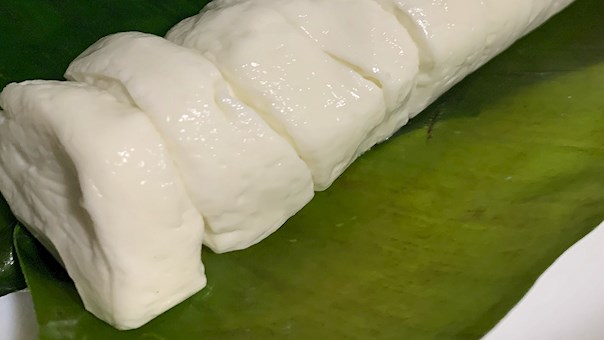
Jibneh mshallaleh, more commonly known as tresse cheese, is a traditional form of string cheese originating from Syria. This cheese is unique because it is mixed with mahleb (a spice made from Mahleb cherry seeds), and it is often flavored with nigella sativa (black cumin), anise, or caraway seeds, giving it a distinctive taste. The cheese is soaked in brine for several weeks before being braided, which is a characteristic feature of its appearance. Once the braiding is done, it is left to age until it develops its full flavor. It's typically made with cow's milk and is known for its stringy texture, which is why it's classified as a string cheese. Tresse cheese can be eaten plain, savored on its own, or with pastries, and added to various dishes for texture and flavor.

07

Herbes de Provence Chevre

3.1 ·

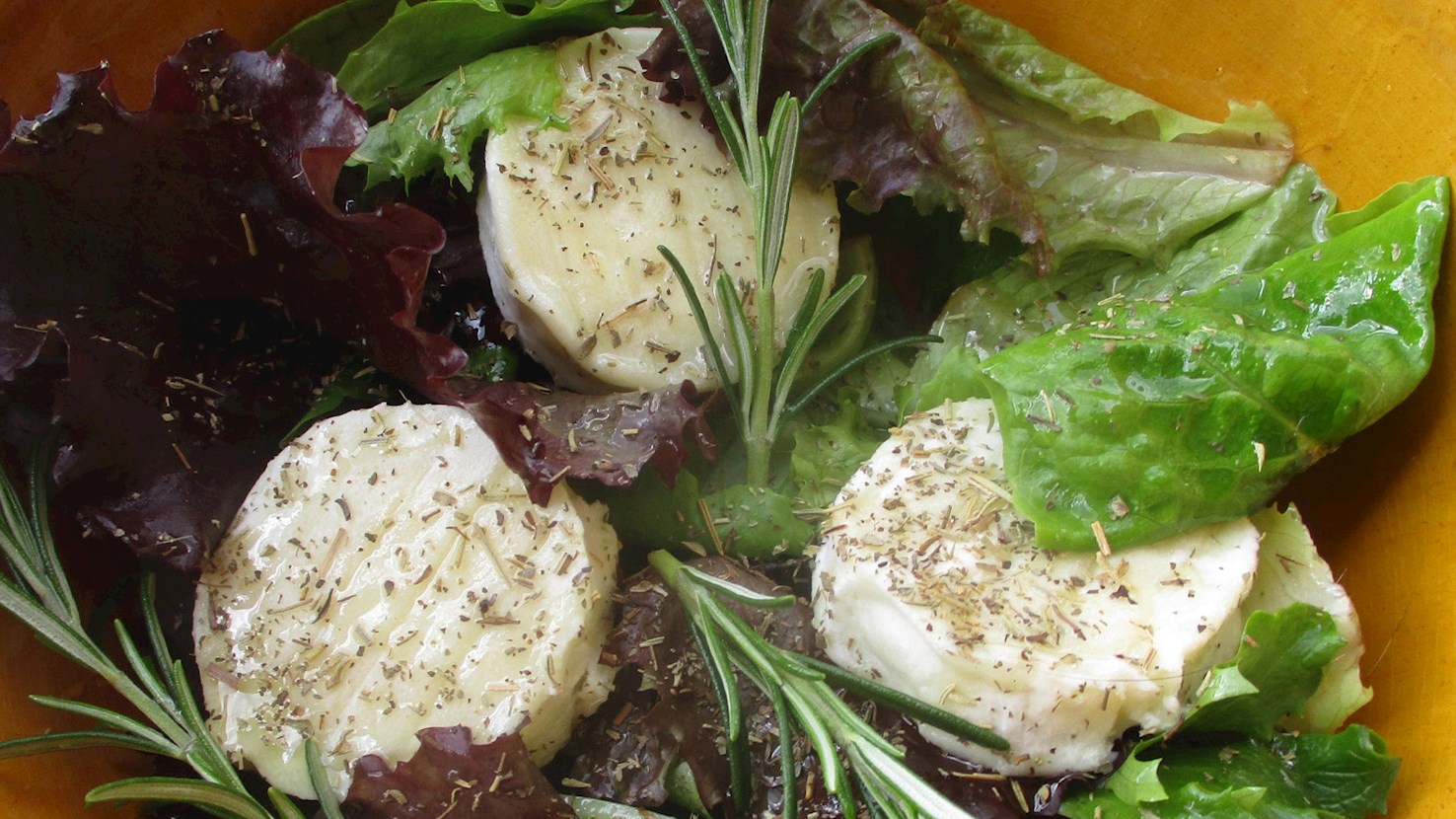
Herbes de Provence Chevre is an American semi-soft cheese hailing from Colorado, where it's produced by Haystack Mountain Goat Dairy. The cheese is made from pasteurized goat's milk and it's shaped into logs that are coated in Herbes de Provence, a traditional French spice blend originating from Provence. The texture of this rindless cheese is creamy and crumbly. The aromas are fresh and clean, while the flavors are mild and herbaceous. It's recommended to serve the cheese with crusty bread and Kalamata olives. Pair it with a glass of fruity wine such as Chenin Blanc or Sauvignon Blanc.

08

Motal

3.2 ·

Motal is an ancient cheese that's produced from goat’s milk (or sometimes sheep's milk) throughout the Caucasus. Right after the goats have been milked by hand, calf rennet is combined with the warm milk, and the combination is then left to cool. The curd gets broken and drained in a cloth, while the remaining mixture is broken into smaller pieces and left in brine-filled molds for at least 40 days. After that period, the curd is crumbled, seasoned with a variety of mountain herbs, and placed in goat or sheep sacks to mature from 3 to 6 months. In some regions, the cheese gets placed into terracotta pots, and it's then sealed with wax and left to age from 35 to 50 days in ashes. The cheese is crumbly and very salty, similar in flavor to mature blue cheeses. It's recommended to serve Motal with bread, flatbreads such as pita or lavash, garlic, onions, and basil. Pair it with dry red wines for the best experience. In Azerbaijan, the cheese originates mainly from two regions - Karabakh and Gazakh.

09

Queso Paraguay

3.2 ·

Queso Paraguay or Paraguayan cheese is a staple of traditional Paraguayan cuisine, used in a number of dishes such as cheese chipa. It is made from cow's milk, has a soft consistency, and its flavor is slightly acidic. The cheese is somewhat bland on its own, but it is great for desserts, so people tend to consume fresh queso Paraguay with molasses or guava jam.

10

Sniega bumbas

3.2 ·

Sniega bumbas is a traditional cheese produced by Trikātas Siers or Three Cats Cheese, one of the oldest Latvian dairies. These small and fluffy white balls of cheese are made from cow's milk. They're flavored with garlic or rolled in basil, herbs, and tomato. The cheese balls are sold packed in oil. They make for excellent appetizers and can be combined with vegetables, added to salads, or spread on biscuits and bread.

About this ranking

TasteAtlas food rankings are based on the ratings of the TasteAtlas audience, with a series of mechanisms that recognize real users and that ignore bot, nationalist or local patriotic ratings, and give additional value to the ratings of users that the system recognizes as knowledgeable. For the “82 Worst Rated Rindless Cheeses in the World” list until June 16, 2026, 19,507 ratings were recorded, of which 11,974 were recognized by the system as legitimate. TasteAtlas Rankings should not be seen as the final global conclusion about food. Their purpose is to promote excellent local foods, instill pride in traditional dishes, and arouse curiosity about dishes you haven’t tried.

Similar lists