




100 Worst Rated Salads
in the World

Last updated on May 21, 2026
01

Aginares salata

2 ·

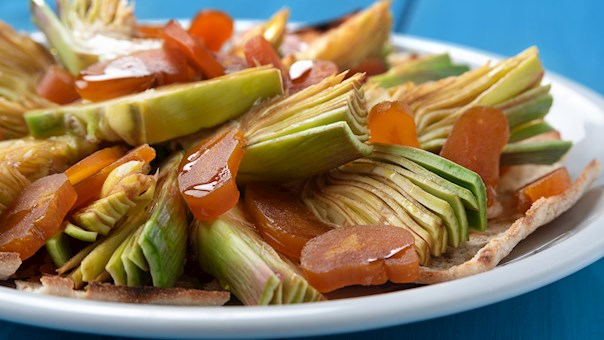
Aginares salata is a traditional salad originating from Crete. Although there are variations, the salad is usually made with a combination of young and tender artichokes, lemon, lemon juice, olive oil, mustard, garlic, dill, salt, and pepper. The artichokes are trimmed and boiled in a mixture of water and lemon juice. The artichokes are quartered and cut in half, rubbed with lemon, and placed on a platter. A dressing consisting of lemon juice, olive oil, mustard, and garlic is then poured over the artichokes, and the salad is sprinkled with chopped dill, seasoned with salt and pepper, tossed, and served immediately. Aginares salata can be found only in the early spring, on the first days of Lent, when it's typically served with taramosalata and rengosalata as an appetizer.

02

Frog Eye Salad

2.3 ·

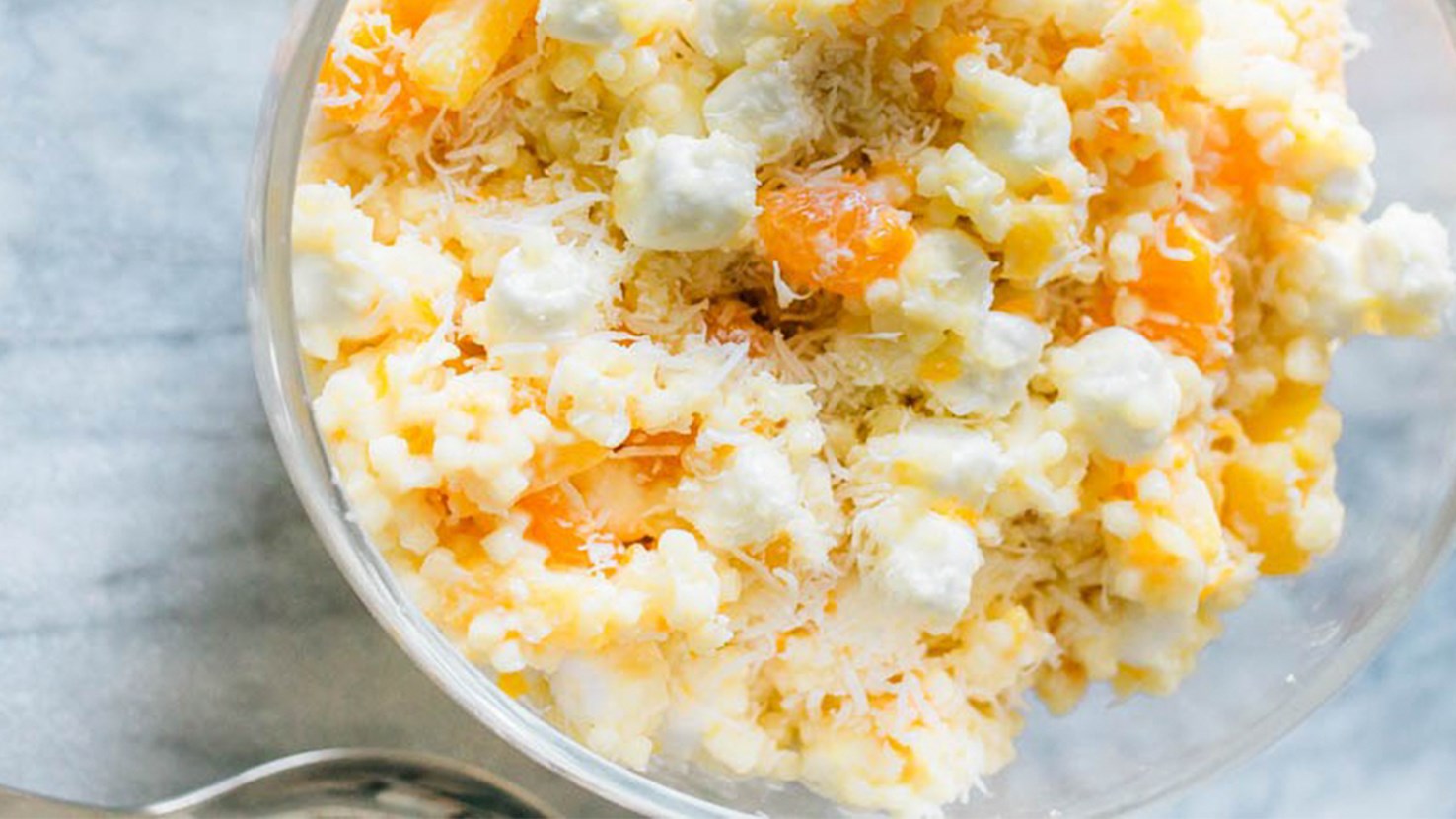
Frog eye salad is a flavorful concoction made with the ball-shaped acini di pepe pasta, egg yolks, and a whipped cream topping that can sometimes be enriched with the addition of pineapple pieces, shredded coconut, mandarin oranges, or marshmallows. This crossover between a pasta salad and a fruit salad is especially popular in Utah, where it is a staple at potlucks.

03

Serenata de bacalao

2.4 ·

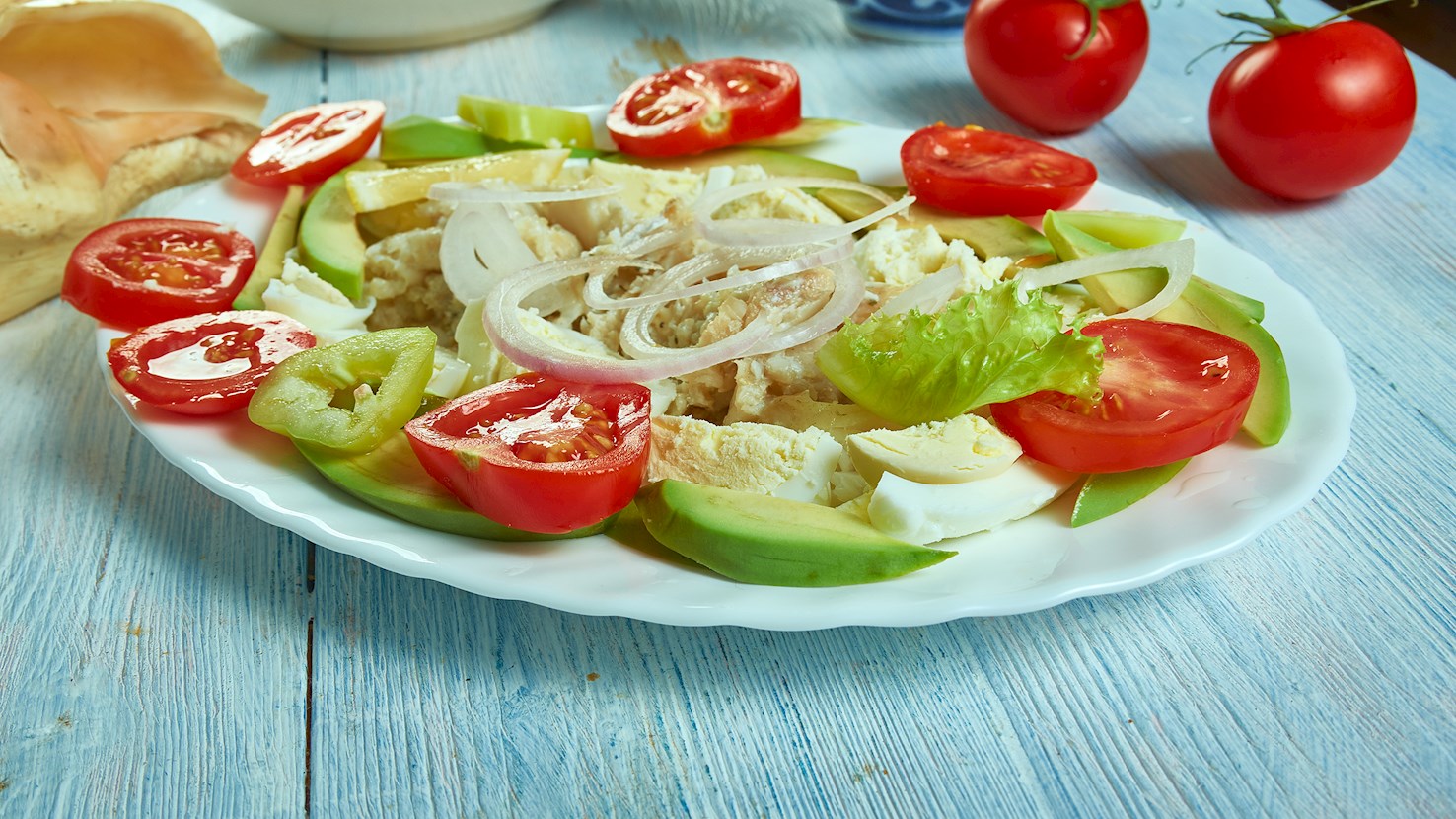
Serenata de bacalao is a Puerto Rican salad consisting of salt cod and root vegetables such as potatoes, taro, yuca, and breadfruit. Once prepared, it is traditionally dressed with olive oil and garnished with olives, onions, tomatoes, capers, and hard-boiled eggs. In Puerto Rico, serenata is typically consumed during Lent on Fridays.

04

Indigirka Salad

2.6 ·

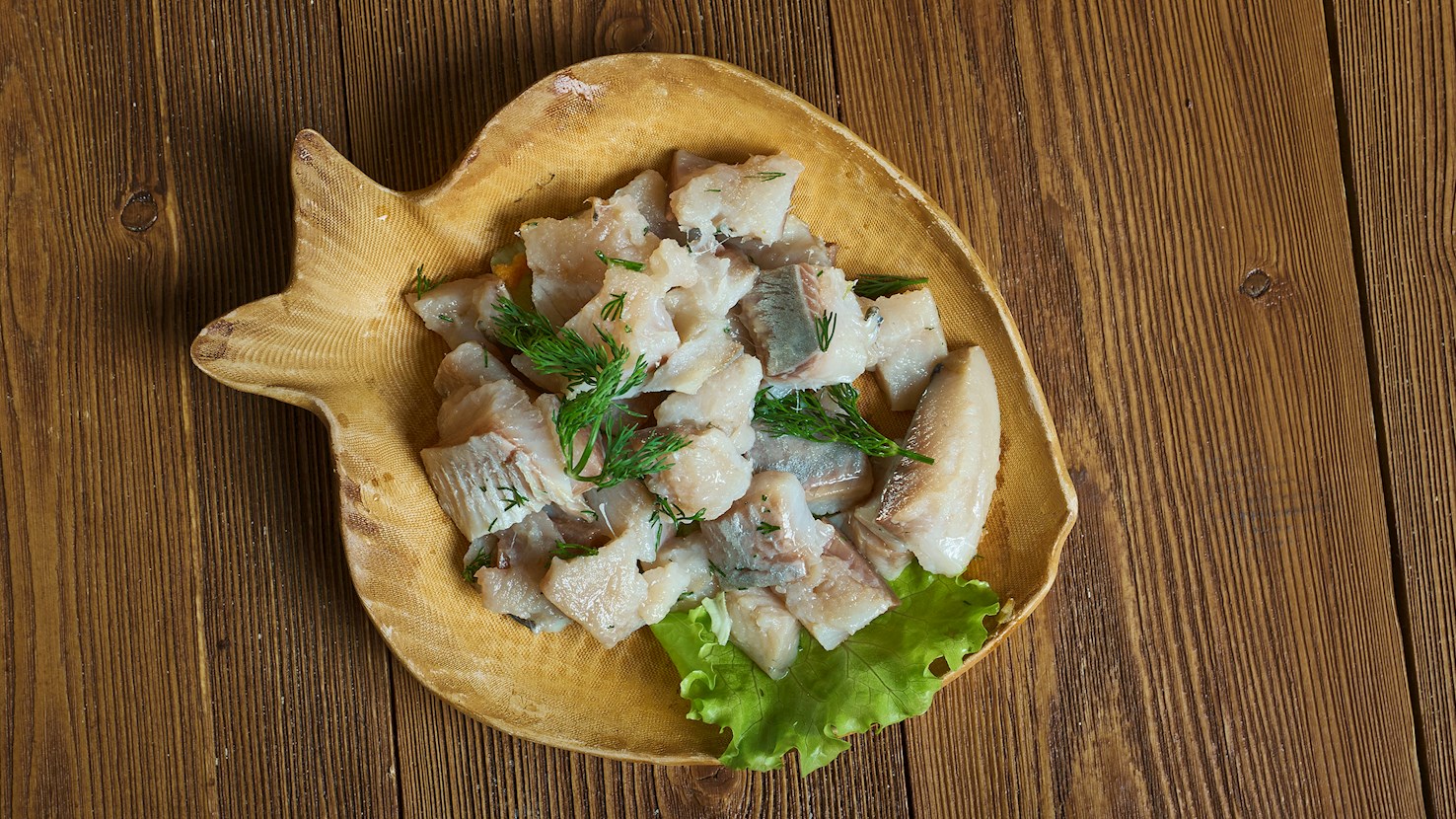
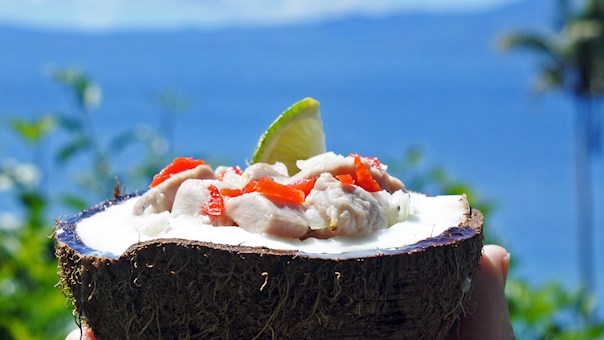
Indigirka is a Russian fish salad that has its origins in Yakutia (Sakha). It consists of diced frozen fish that is combined with onions, oil, salt, and pepper. The salad is typically made from whitefish such as broad whitefish (also known as chir), nelma, and muksun, and it is traditionally served in ice bowls. Indigirka salad first appeared in the middle of the 20th century and was named after the Indigirka River, one of the major Yakutian rivers. It is believed it was created by chef Innokenty Tarbakhov, who based it on a similar ethnic Yakutian dish made with raw fish called raw in the Yakut language or five minutes in Russian. The salad is occasionally accompanied by lemon wedges, but modern variations may include fish roe, fennel, as well as various dressings. This well-chilled appetizer ideally pairs with vodka.

05

Fiambre

2.6 ·

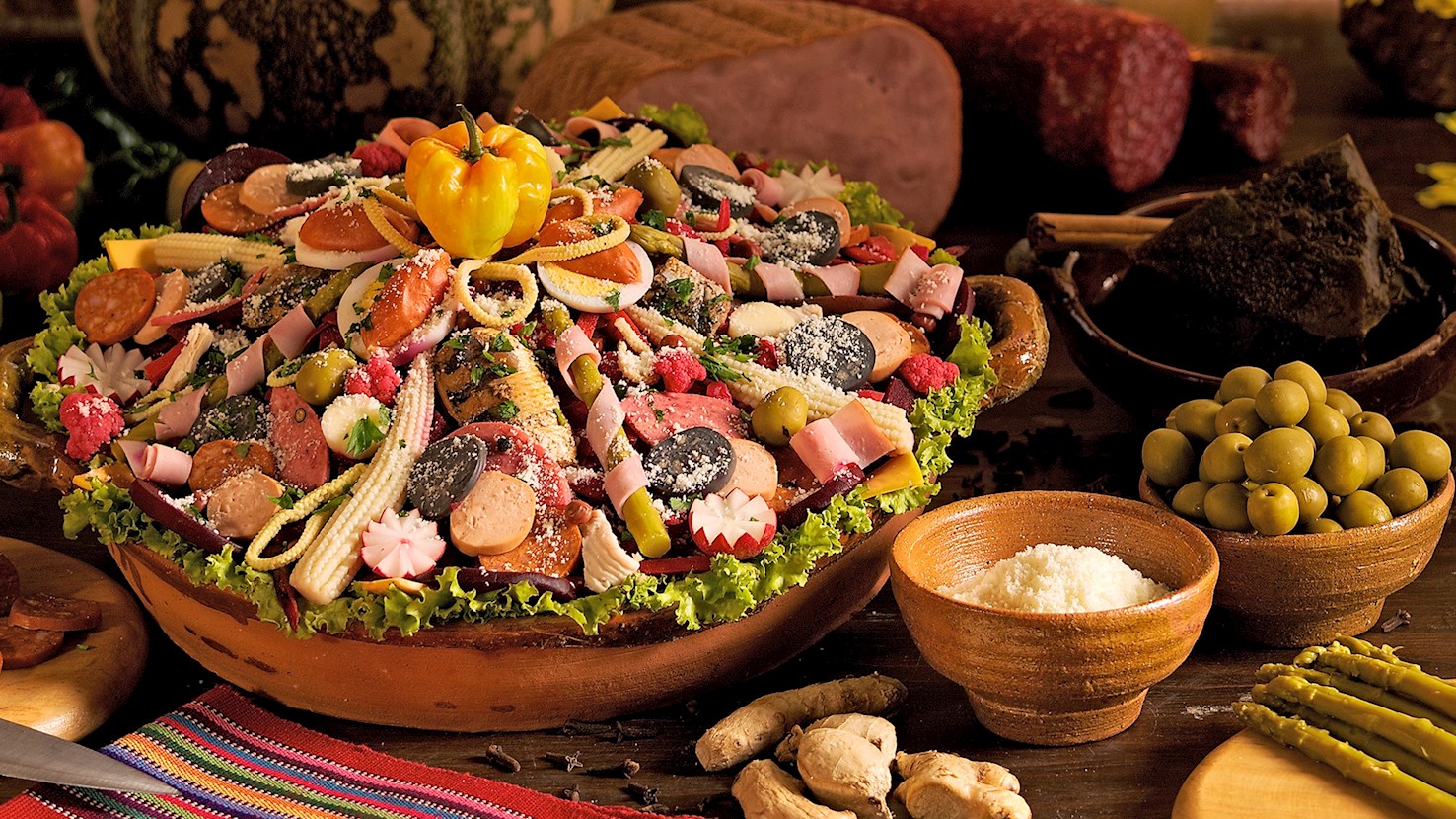
Fiambre is the most famous dish from Guatemala, a large salad that is traditionally prepared for the Day of the Dead and All Saints' Day. It is consumed in memory of the loved ones who have passed away. The salad can have as many as 50 ingredients in it, such as sliced meat, cheese, vegetables, pickles, and hard-boiled eggs. There are numerous varieties of the salad, such as fiambre rojo, made with beets, and fiambre blanco, made without beets. Fiambre verde is a vegetarian version, while fiambre desarmado is prepared in a way to make all of the ingredients separate, allowing the consumers to combine ingredients according to their personal preference.

06

Betabeles

2.6 ·

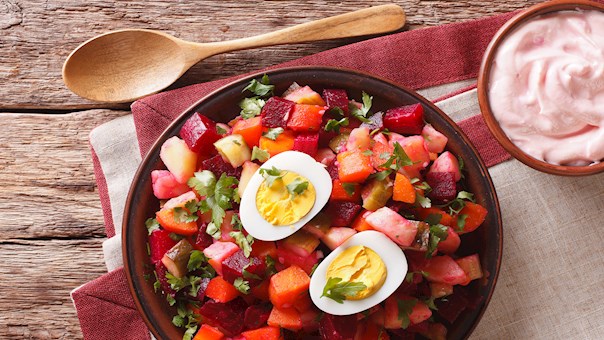
Betabeles is a traditional beet salad. It's usually made with a combination of beets, sugar, cornstarch, orange juice, lemon juice, grated orange zest, salt, and pepper. The beets are boiled in a saucepan until the skin blisters, and the beets are then drained, cooled, and the skin is peeled off. Other ingredients are mixed in a saucepan and boiled until the sugar and cornstarch dissolve. The beets are added to the pan, the mixture is seasoned with salt and pepper and heated until the beets become hot. This beet salad is served immediately, while still warm.

07

Amish Pasta Salad

2.6 ·

Amish pasta salad is a traditional dish originating from Pennsylvania Dutch Country, where the Amish people live and work. Although there are variations, the pasta salad is usually made with a combination of macaroni, scallions, bell peppers, hard-boiled eggs, and celery. The ingredients are mixed and dressed with a mixture of mayonnaise, crème fraîche, mustard, sugar, white wine vinegar, celery seeds, salt, and pepper. Once all the ingredients have been coated with the dressing, the pasta salad is placed in the fridge to cool before serving. Amish pasta salad is usually made for large gatherings and pot luck suppers in the area.

08

Empedrat

2.6 ·

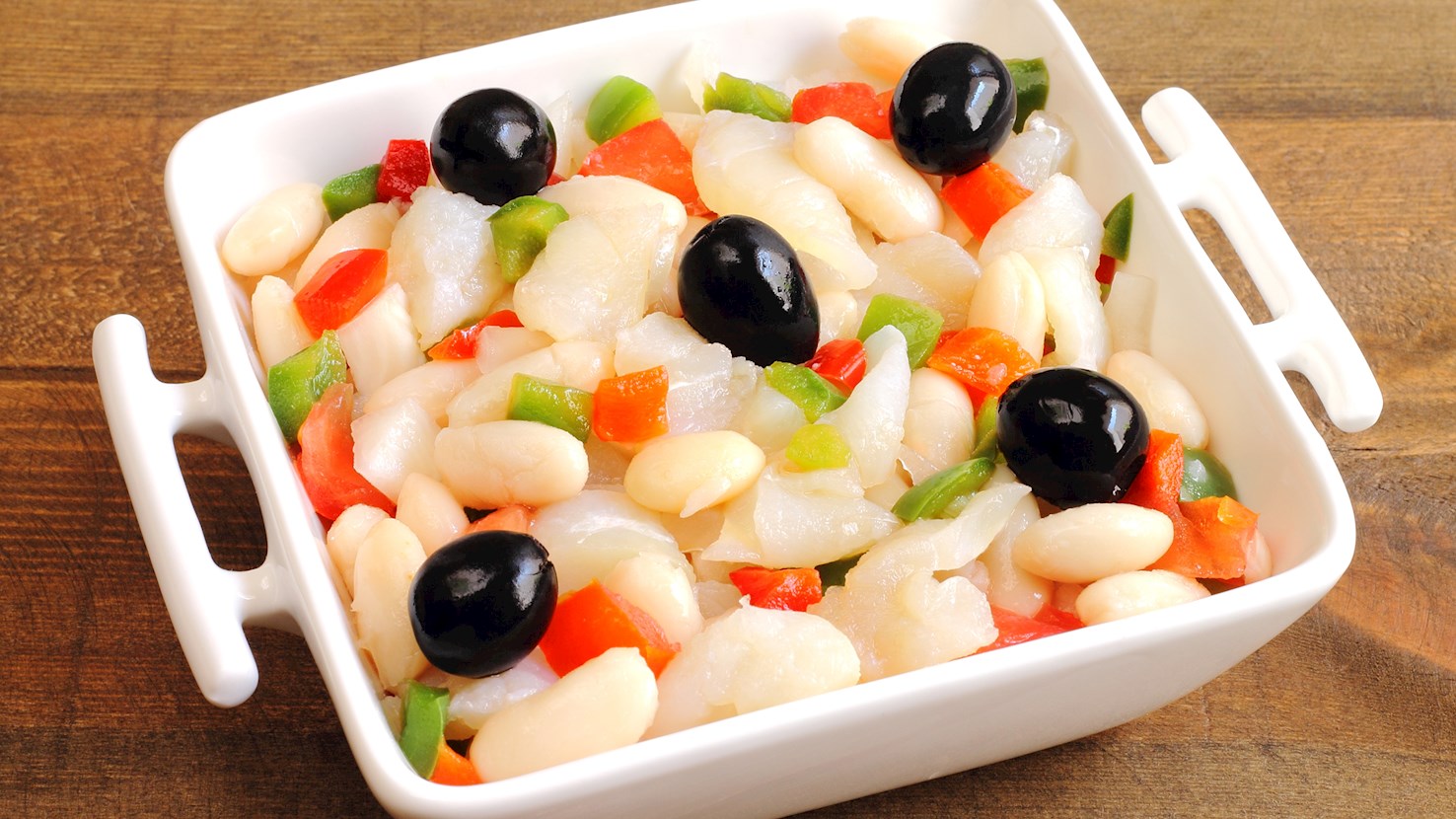
Empedrat is a traditional bean-based salad originating from Catalonia. The salad is usually made with a combination of white beans (or sometimes chickpeas), cod, tomatoes, bell peppers, black olives, eggs, onions, vinegar, olive oil, and salt. The cod is crumbled and mixed with the beans, diced onions, tomatoes, bell peppers, and sliced hard-boiled eggs. Empedrat is seasoned with salt, olive oil, and vinegar, and it's then left to chill in the fridge for about an hour before consumption. This cold salad is especially popular in the summer. If white beans are unavailable, they can be replaced with chickpeas, lentils, or boiled potatoes. The name of the dish refers to its appearance because it resembles a plate full of pebbles.

09

Gamjasaelleodeu (Korean Potato Salad)

2.7 ·

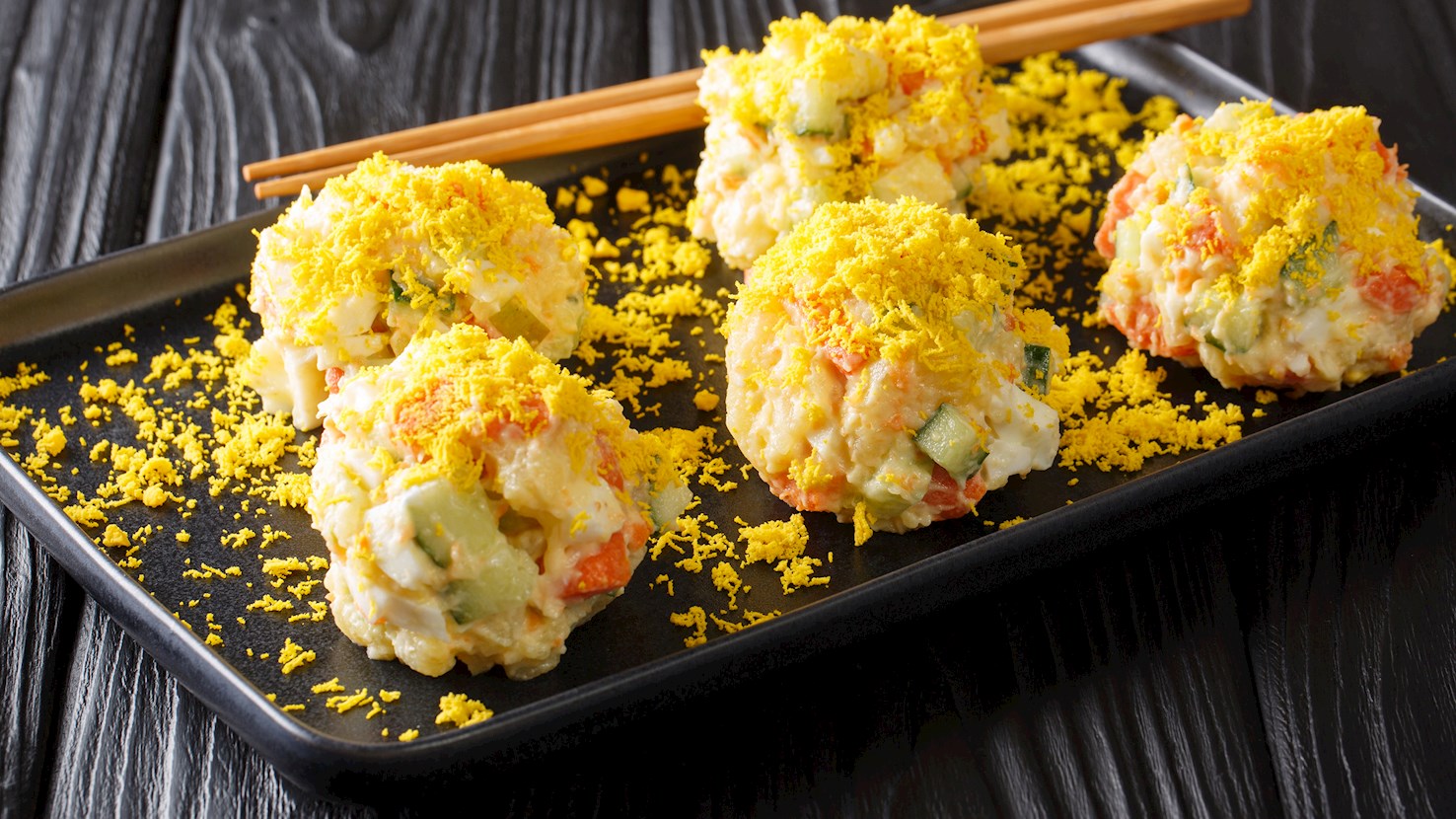
Gamjasaelleodeu is a traditional potato salad originating from South Korea. Although there are many variations, the salad is usually made with a combination of potatoes, carrots, cucumbers, onions, hard-boiled eggs, Fuji apples, mayonnaise (Kewpie is preferred), salt, and black pepper. The potatoes and carrots are cut into cubes and boiled until fully cooked. The cucumbers and onions are diced and sprinkled with salt. The potatoes are gently mashed and mixed with the carrots, cucumbers, onions, eggs, apple chunks, and mayonnaise. The salad is seasoned with salt and pepper to taste before serving. It's usually served as a side dish at Korean BBQ restaurants and goes really well with bulgogi and galbi.

10

Esgarrat

2.7 ·

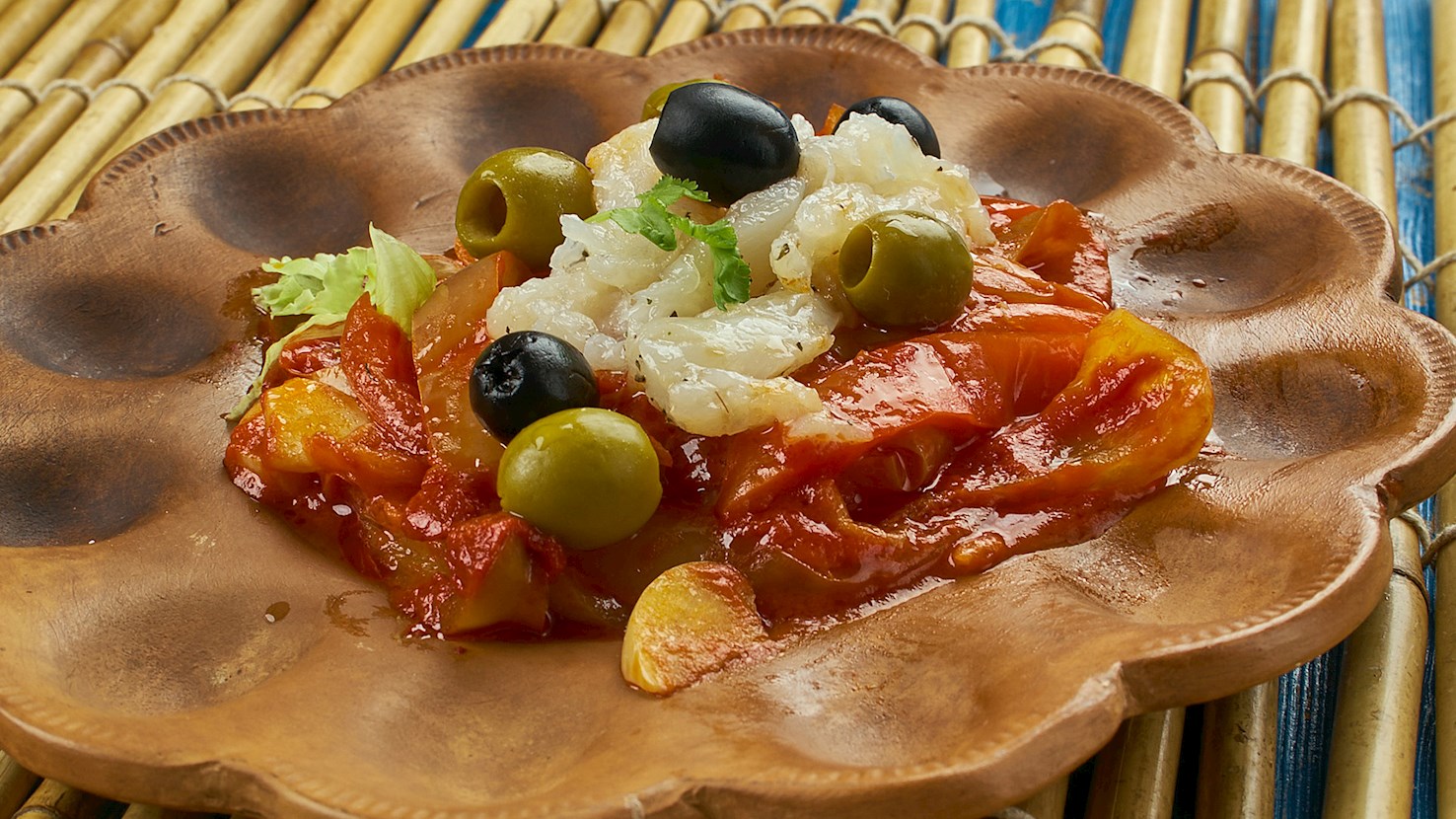
Esgarrat is a traditional dish originating from Valencia. It's made with red peppers, cod, garlic, olive oil, and salt. This simple appetizer is prepared by roasting the peppers and the cod on a grill. The skin is then peeled off the peppers and ripped into irregular strips by hand. The cod is also ripped into strips, and it's then placed on top of the peppers. The dish is seasoned with garlic, salt, and lots of olive oil. The name of the dish refers to the method of preparation, meaning that the ingredients must be ripped or torn. Esgarrat is often served at bars, where it's mopped up with bread. In the past, the dish used to be a staple of hungry fishermen. There are also other varieties, and most of them incorporate black olives in the dish.

About this ranking

TasteAtlas food rankings are based on the ratings of the TasteAtlas audience, with a series of mechanisms that recognize real users and that ignore bot, nationalist or local patriotic ratings, and give additional value to the ratings of users that the system recognizes as knowledgeable. For the “100 Worst Rated Salads in the World” list until May 21, 2026, 19,702 ratings were recorded, of which 11,117 were recognized by the system as legitimate. TasteAtlas Rankings should not be seen as the final global conclusion about food. Their purpose is to promote excellent local foods, instill pride in traditional dishes, and arouse curiosity about dishes you haven’t tried.

Similar lists