

3 Worst Rated Asian Salts

Last updated on May 21, 2026
01

Kala namak (Himalayan black salt)

3.3 ·

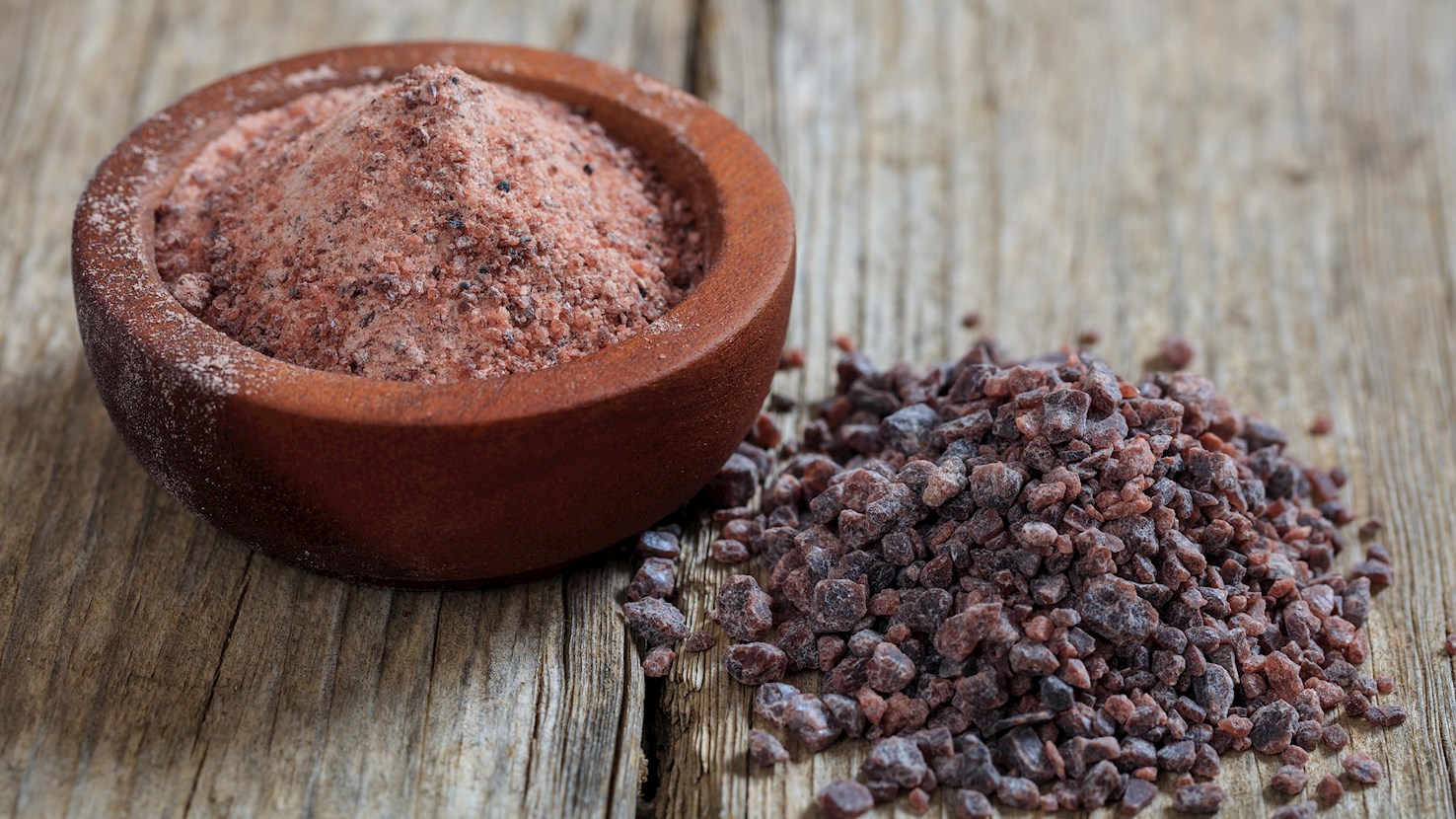
Kala namak is volcanic rock salt originating from the Himalayan region, mostly from the mines in Northern India and Pakistan. It starts as Himalayan pink salt, and it's then heated to very high temperatures and mixed with herbs and spices such as amla (Indian gooseberry) seeds and haritaki fruit seeds. Both the seeds' sulfur and trace impurities of iron, sulfides, sulfates, and magnesium contribute to the unique color, aroma, and flavor of kala namak. The color isn't actually black – it's a very dark red when added to food or light pink when ground. The aroma is often compared to rotten eggs, but only when added to food. At first, the aroma is pungent, but it quickly disappears. However, it's sometimes added to eggless dishes to give them flavors reminiscent of real eggs. Kala namak is also an integral part of the famous Indian spice blend called chaat masala, which is used with a variety of snacks and added to many dishes. Himalayan black salt is considered a cooling spice, and many add it to beverages and fruit salads during the summer.

02

Jugyeom (Bamboo salt)

3.4 ·

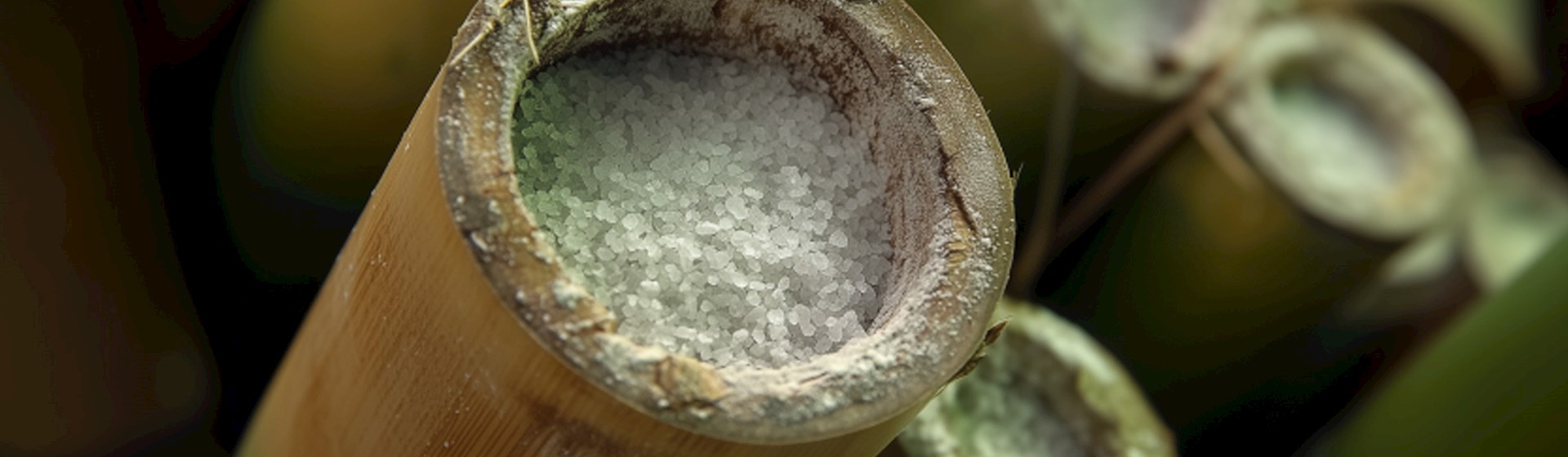
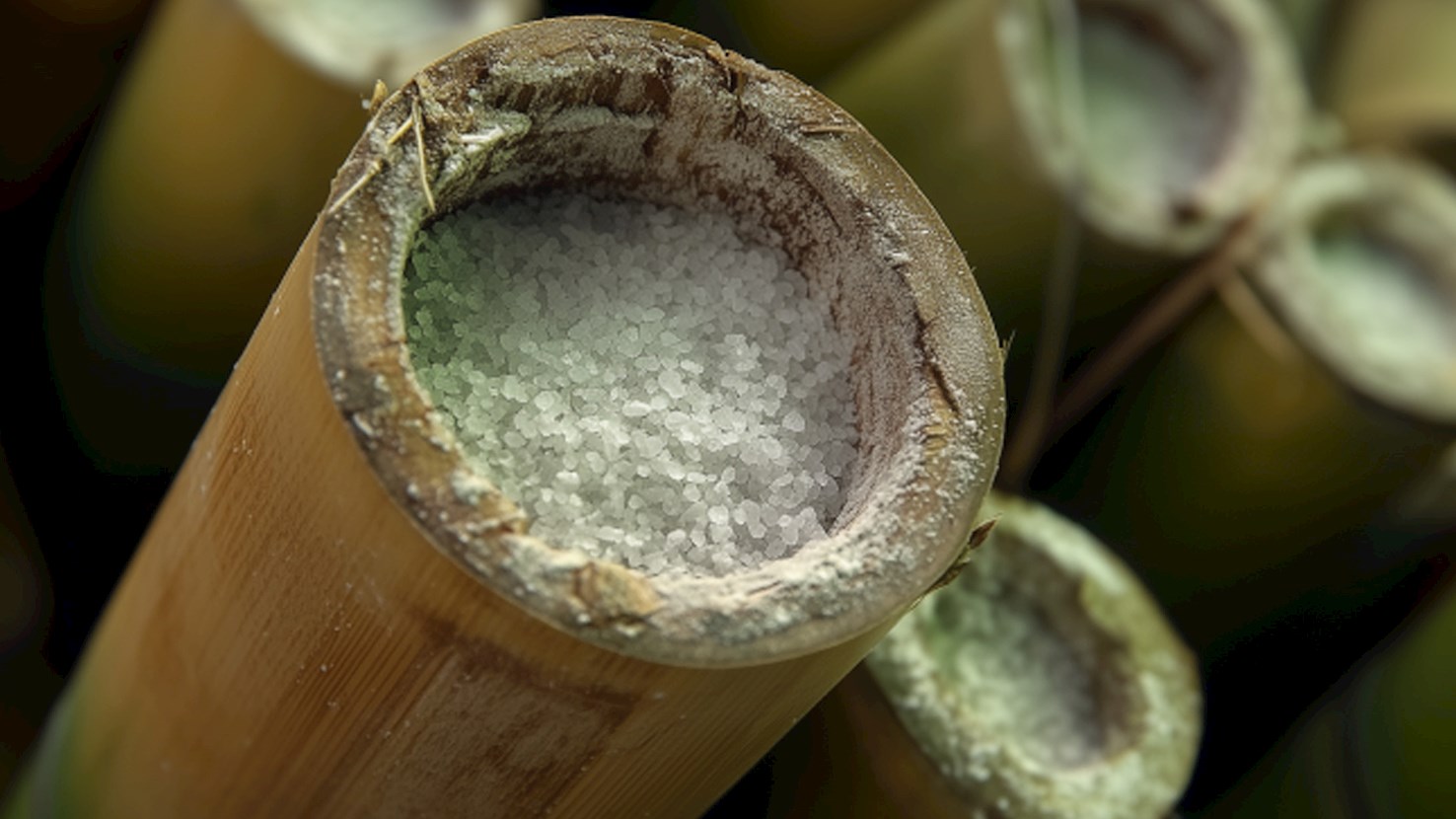
Jugyeom, also known as bamboo salt, is a unique form of salt traditional to Korea, made by packing sea salt into bamboo canisters, sealing them with yellow clay, and then roasting the canisters in a pine fire multiple times. This process is repeated up to nine times, with the final roasting reaching temperatures above 1,000°C. The repeated baking is said to purify the salt and enhance it with minerals from the bamboo and clay, giving it a distinctive flavor known as Gamrojung. Well-baked bamboo salt that reaches a temperature above 1,500°C develops a unique purple color and is known as purple bamboo salt, which is considered to be of the highest quality. In Korean folk medicine, jugyeom is valued for its health benefits and has been used as a digestive aid, styptic, disinfectant, and dentifrice​.

03

Himalayan salt

3.8 ·

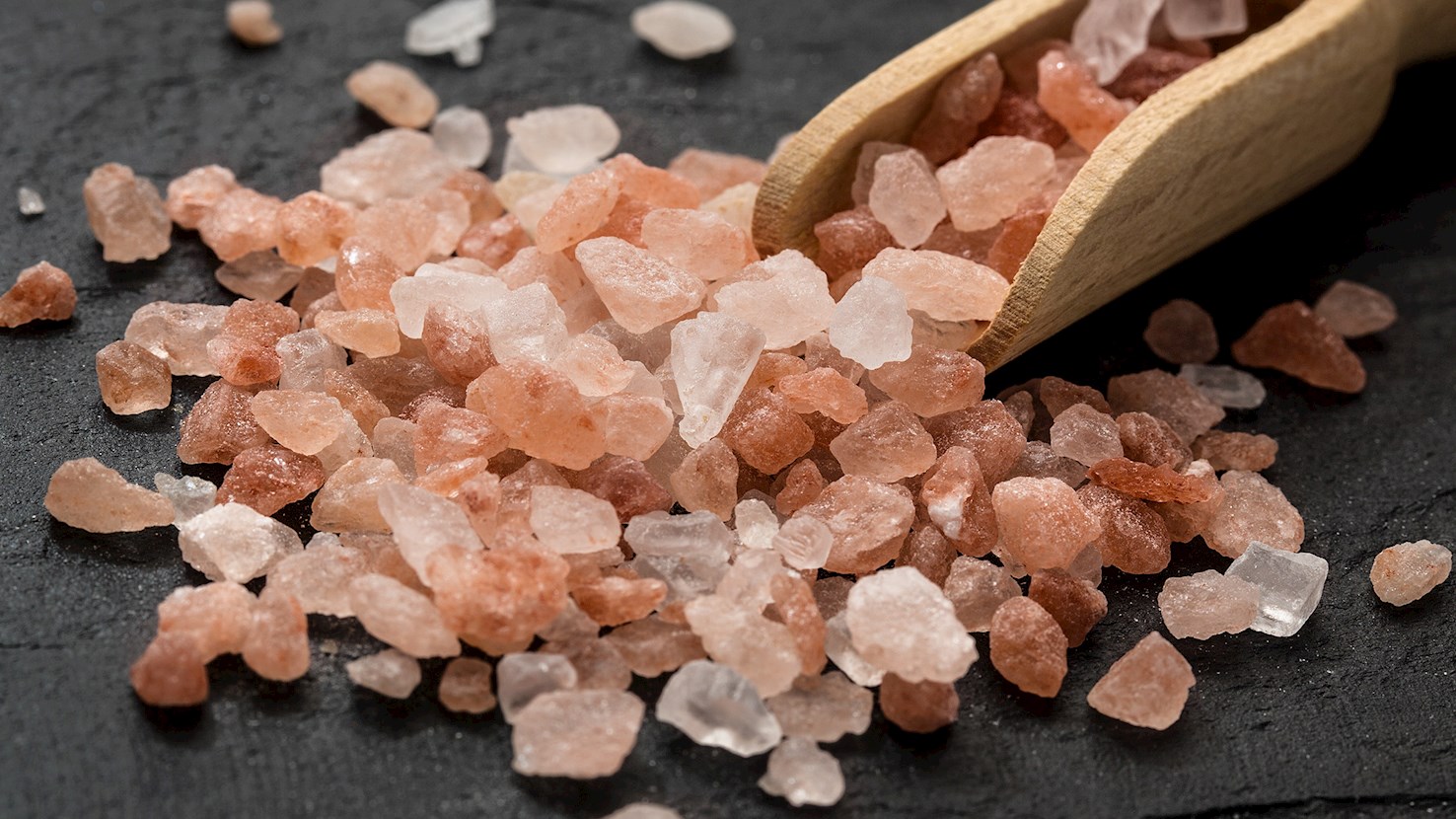
Even though its name gives the impression that it comes from the pristine environment of the Himalayas, Himalayan salt is sourced hundreds of kilometers away from this mountain range - to be precise, from salt mines in the Salt Range, a hill system in the foothills of the Himalayan Mountains in Pakistan. Primarily sourced from the Khewra Salt Mine in Punjab, Pakistan, the gourmet rock salt is gathered from orange pink-colored rock crystals (sometimes off-white or transparent crystals) that have been extracted from ancient salt deposits estimated to be nearly 800 million years old. The pink salt has long been praised for being one of the most natural and cleanest salts in the world, and it has received global attention in recent years because of its supposed outstanding nutritional value and an endless list of health benefits that it’s believed to offer to its consumers. Scientific research has, nevertheless, not been able to support any of these alleged claims about the salt or its benefits yet. In terms of nutritional value, the pink salt is believed to be as nutritious as regular salt - no less and no more - regardless of the number of minerals and trace elements it contains. In the past, the indigenous people of the Himalaya region used the pink salt mainly for food preservation. The salt is nowadays added to various dishes as a seasoning to enhance their flavor, but it is also used in the production of numerous products such as Himalayan salt lamps. It is also important to point out that this salt is a non-renewable natural resource that will cease to exist once the entire salt deposit has been extracted from its native region.

Read more
View all
View map
About this ranking

TasteAtlas food rankings are based on the ratings of the TasteAtlas audience, with a series of mechanisms that recognize real users and that ignore bot, nationalist or local patriotic ratings, and give additional value to the ratings of users that the system recognizes as knowledgeable. For the “3 Worst Rated Asian Salts” list until May 21, 2026, 191 ratings were recorded, of which 149 were recognized by the system as legitimate. TasteAtlas Rankings should not be seen as the final global conclusion about food. Their purpose is to promote excellent local foods, instill pride in traditional dishes, and arouse curiosity about dishes you haven’t tried.

Similar lists