Ramen burger is a unique variety of a hamburger consisting of a meat patty that is sandwiched between two fried ramen noodle buns. The meat patty is typically slathered in shoyu sauce and topped with arugula and scallions. The dish was created by Keizo Shimamoto, a ramen blogger, who debuted it in 2013 in Brooklyn. The ramen burger was so popular that it had been voted by Time Magazine as one of the 17 most influential burgers ever created.
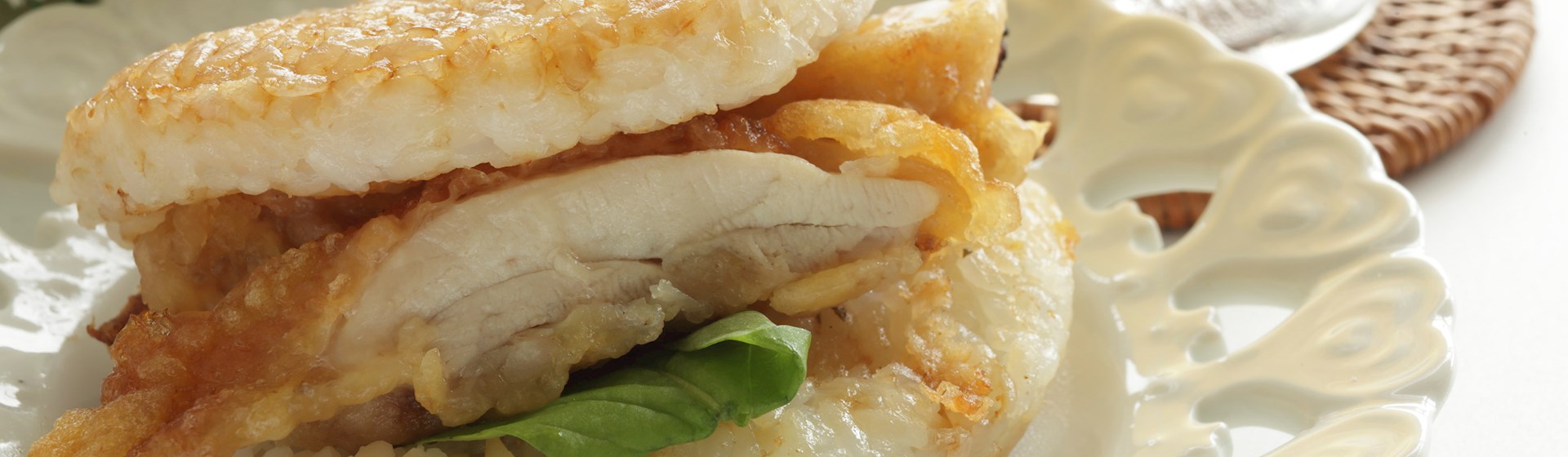
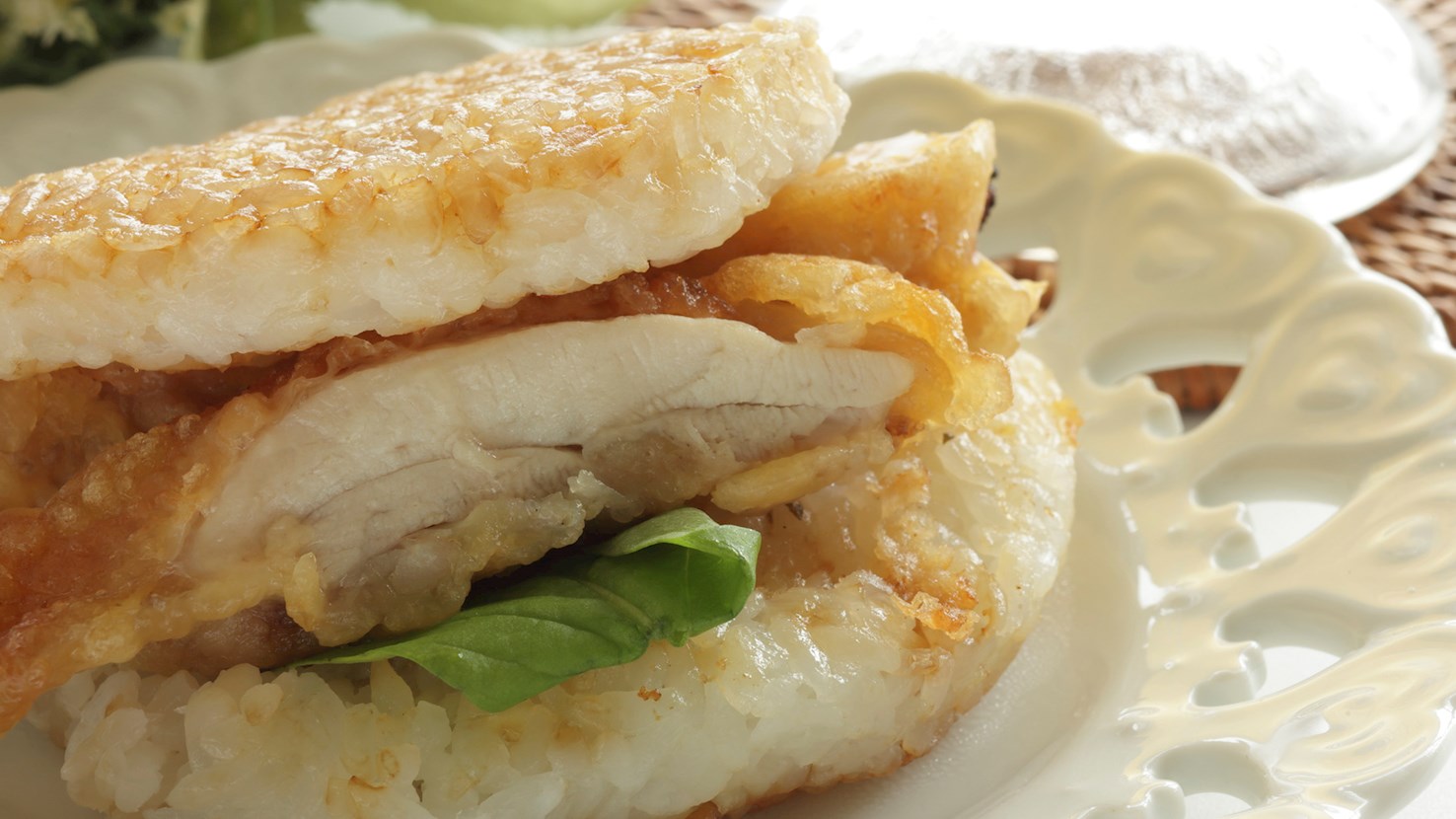
Rice burger is the Japanese version of one of the most famous fast food products in the world – the omnipresent hamburger. Instead of traditional wheat buns, this Japanese dish uses pressed rice patties made with plain rice, eggs, and cornstarch. The patties are pan-fried or grilled in order to create a firm shell which holds the rest of the ingredients together. The filling, however, does not necessarily correlate to the one of the traditional hamburger, and can consist of a variety of authentic and local ingredients and dishes. It usually includes seafood tempura, teriyaki chicken, or grilled meat, but there is also a number of vegetarian versions. The rice burger first appeared in 1987, when the fast food franchise MOS Burger, a local version of the standard American fast food eateries, introduced it to the Japanese market. The first version, which is no longer offered, was made with daikon and tsukune (Japanese-style meatballs). Since the introduction of the first rice burger, the new fast food creation has been an instant success in Japan. With the expansion of the company, rice burger continued to gain popularity in other Asian countries such as South Korea, Taiwan, Singapore, Hong Kong, and it has recently even been introduced to Australia. Although there are numerous other fast food items served at the MOS chain, rice burger is probably the most famous and the most controversial item on the menu.
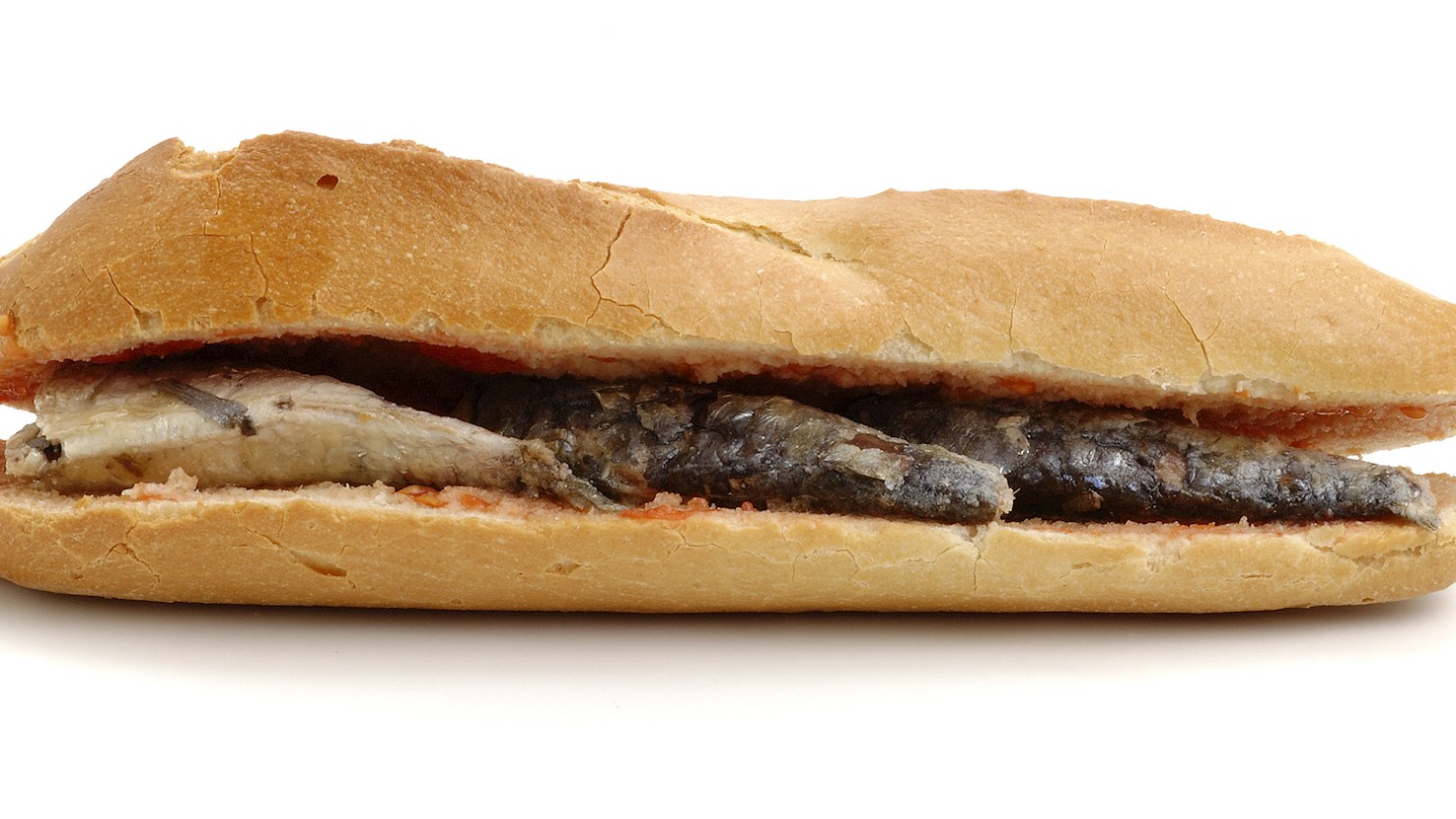
Bocadillo de sardinas is a humble Spanish sandwich with a savory filling of canned sardines. The sandwich is usually made with a Spanish-style baguette (barra de pan), although other types of bread may also be used such as ciabatta bread or wholemeal bread. After it’s been sliced lengthwise, the bread is topped with sardines which can be preserved in oil, tomato sauce, or vinegar, thus imbuing the sandwich with additional flavor. The filling may be enhanced with various other ingredients such as peppers, tomatoes, cilantro, lettuce, onions, avocados, olives, boiled eggs, mayonnaise, mustard, yogurt sauce, mushrooms, sautéed vegetables, and olive oil. This sandwich is usually eaten for lunch or dinner, although it also makes for a healthy afternoon snack.
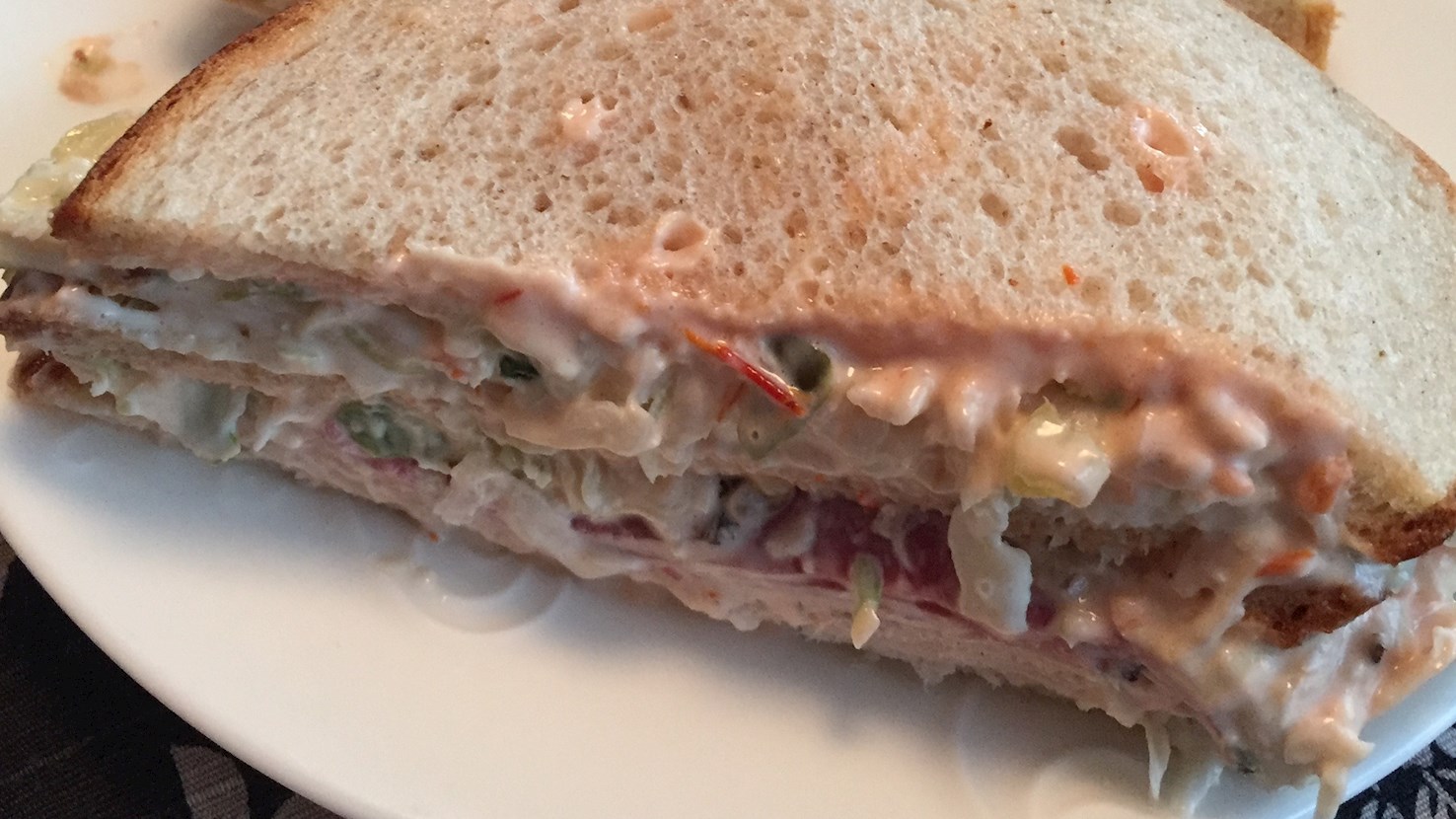
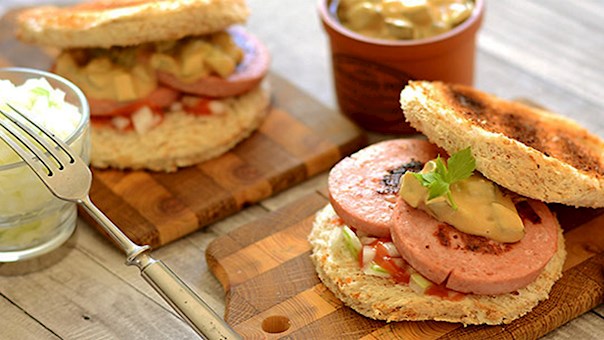
In New Jersey, the term sloppy Joe does not refer to the popular sandwich filled with ground beef and tomato sauce. This deli classic was invented in Town Hall Delicatessen in South Orange, New Jersey, and the double-decker rye bread sandwich typically contains two types of sliced deli meat, Swiss cheese, coleslaw, and Russian dressing. Although it might not be the best sandwich to eat on-the-go, locals say that "it’s a neat type of sloppiness."
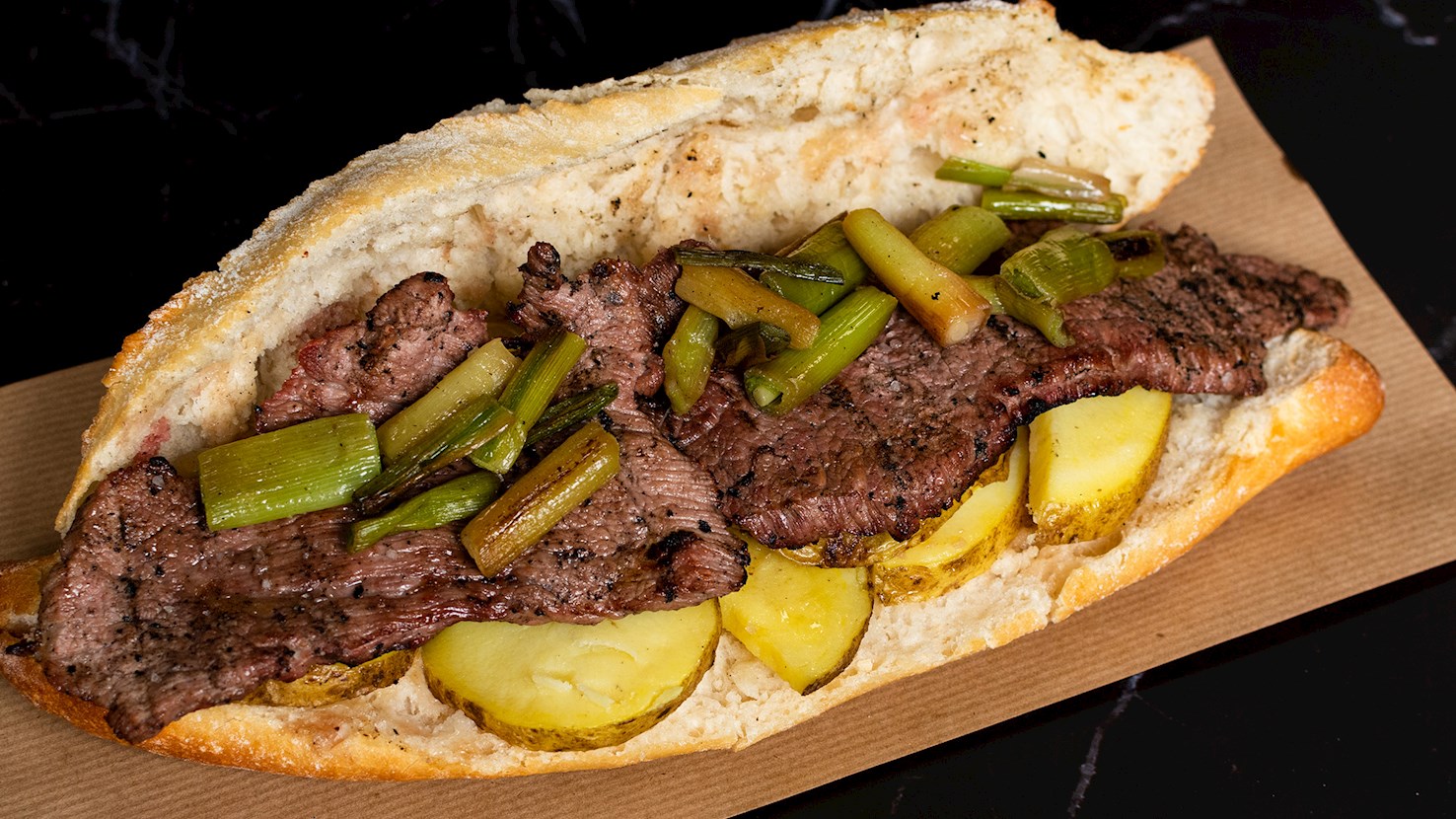
Bocadillo de carne de caballo is a traditional sandwich that’s filled with horse meat. Typically, a Spanish-style baguette called barra de pan is sliced in half lengthwise, and it is then stuffed with pieces of roasted, fried, or grilled horse meat. Other common ingredients added to the sandwich’s filling include young garlic, slices of cheese, crispy-fried bacon, beans, and onions. This variety of the Spanish bocadillo sandwich is typically served with accompaniments such as a glass of cold beer or red wine, a cup of coffee, olives, and peanuts on the side. Horse meat sandwiches are especially popular in lunch bars in Valencia.
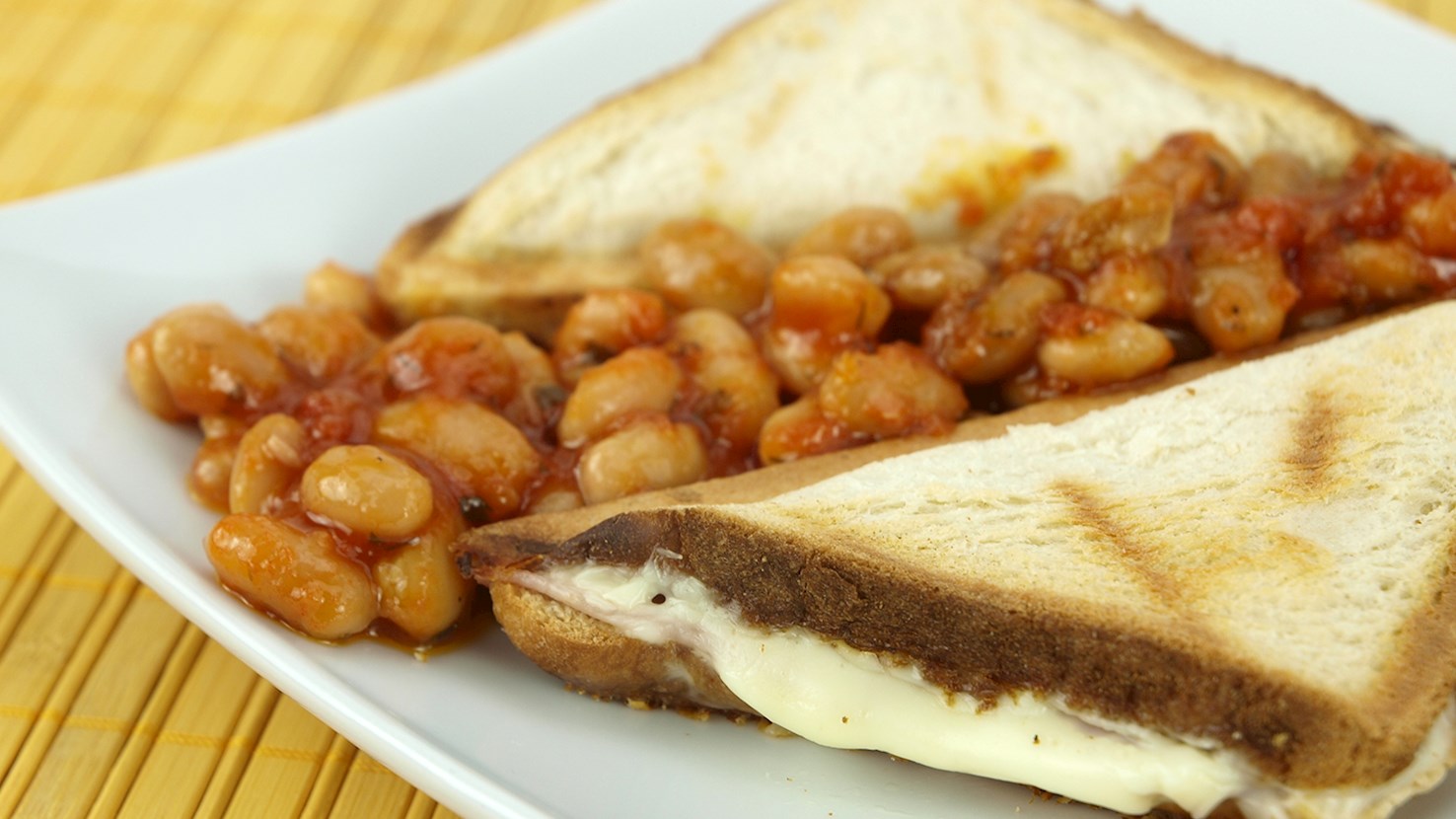
Baked bean sandwich is a traditional sandwich originating from New England. It consists of two slices of thick and chewy brown bread that are buttered and topped with Boston baked beans. This bean mixture is typically made with molasses and sugar. The earliest recipe for baked bean sandwiches dates back to 1909, as Pilgrims, who didn't believe in cooking on Sundays, made large quantities of baked beans and baked loaves of brown bread on Saturdays. Nowadays, the sandwich is often served with piccalilli, a relish consisting of pickled vegetables and spices.
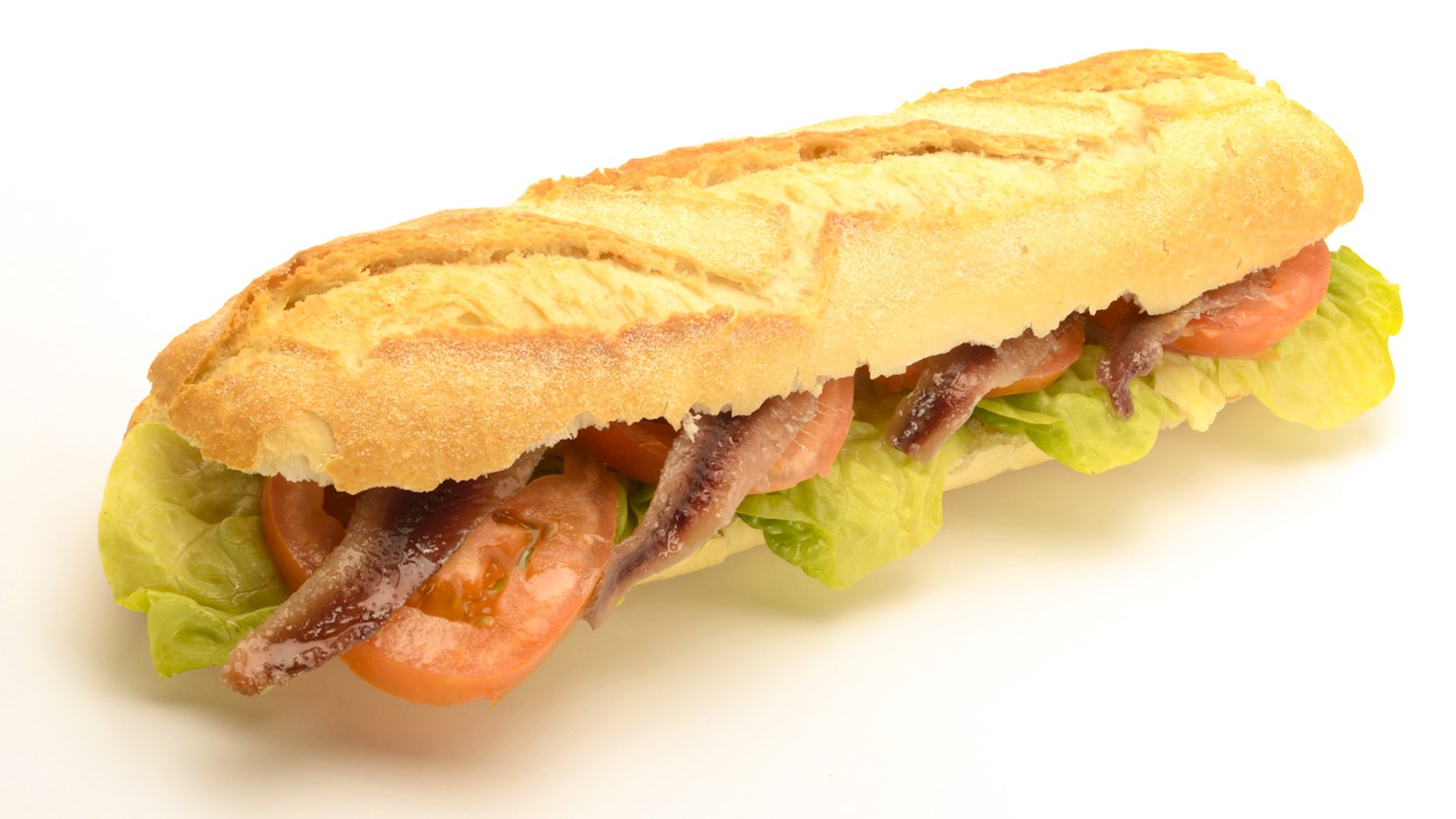
At its simplest, bocadillo de anchoas typically consists of a Spanish-style baguette (barra de pan) that’s been sliced along the middle and filled with anchovies. The cut side of the bread is often rubbed with ripe tomato halves, olive oil, and garlic to make the sandwich juicier and imbue it with additional flavor. Apart from the canned anchovies, other typical ingredients used in the filling include slices of goat cheese (queso de cabra) or Manchego cheese, tomatoes, onions, marmelada de pimientos (pepper marmalade), roasted red peppers (piquillo peppers), and olives. This Spanish bocadillo variety is usually eaten as an afternoon snack (merienda) or for lunch.
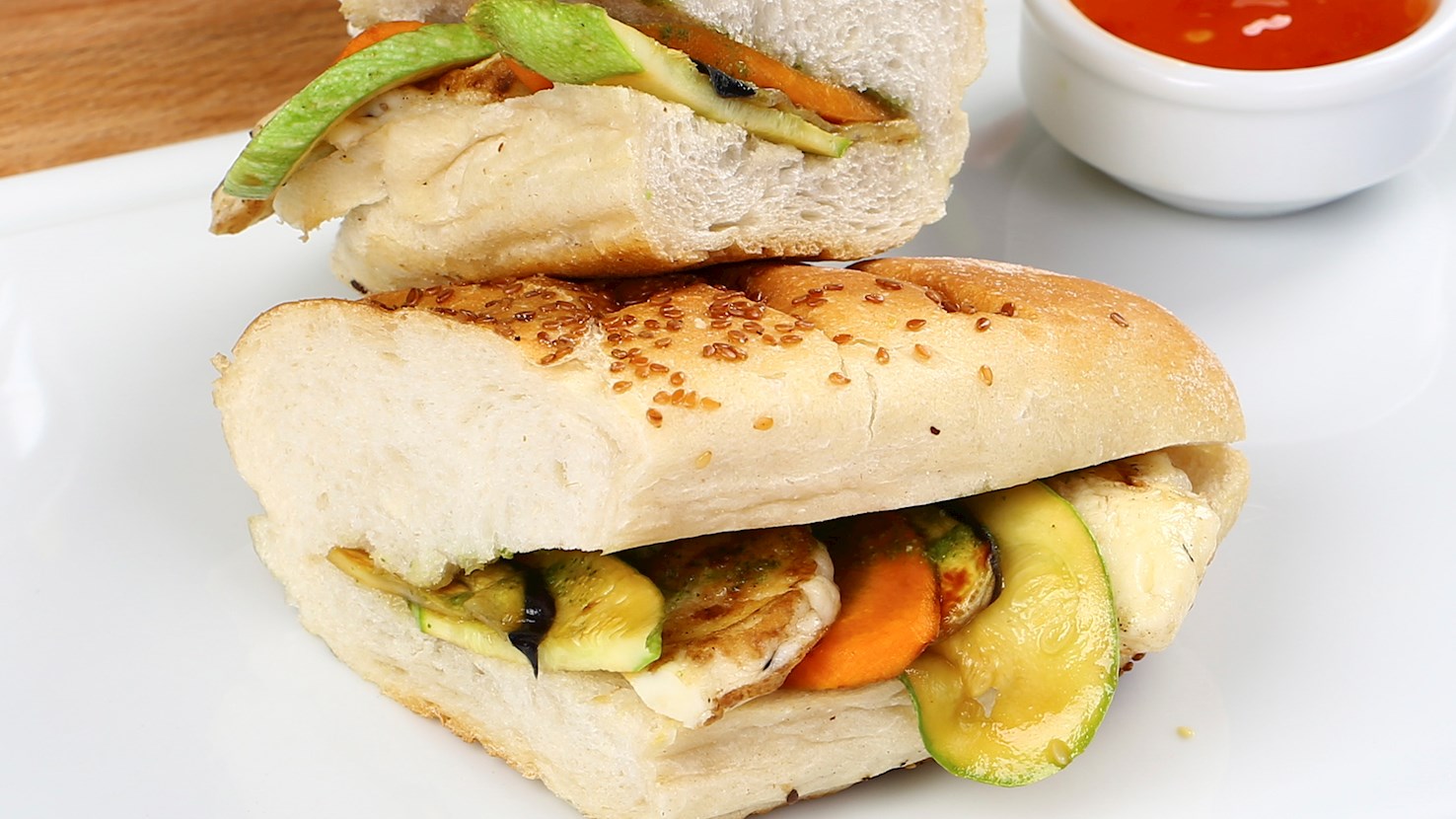
Bocadillo de verduras is a Spanish sandwich made with a hunk of bread that's filled with a variety of vegetables, usually roasted. The sandwich typically consists of a ciabatta bread roll or a Spanish-style baguette (barra de pan) that's been cut in half along the middle and filled with vegetables. Typical vegetables for the sandwich’s filling include zucchinis, peppers, eggplants, carrots, tomatoes, onions, artichokes, salad greens, broccoli, cauliflowers, and peas. The bread is sometimes broiled for added crispiness, while the sandwich's filling may also be enhanced with other ingredients such as queso de cabra (goat cheese) or queso fresco (fresh cheese), slices of salami, mushrooms, or eggs. This bocadillo sandwich variety makes for an excellent, filling snack, and it can be savored at numerous tapas bars in the country.
Spaghetti jaffle is a traditional sandwich that's also quite popular in Japan. The sandwich usually consists of spaghetti, a bread roll or sliced bread, butter, grated cheese, and a sauce (often tomatoes and onions). The spaghetti are cooked until al dente, or you can just use leftover spaghetti. The pasta is cooked with the sauce. The bread is split, buttered, and each slice is topped with the spaghetti, sauce, and grated cheese. The slices are joined into a sandwich that is often cooked until the bread is well toasted, although it can also be served cold. In Tokyo, the sandwich is typically made with a meat sauce and a sliced French roll.
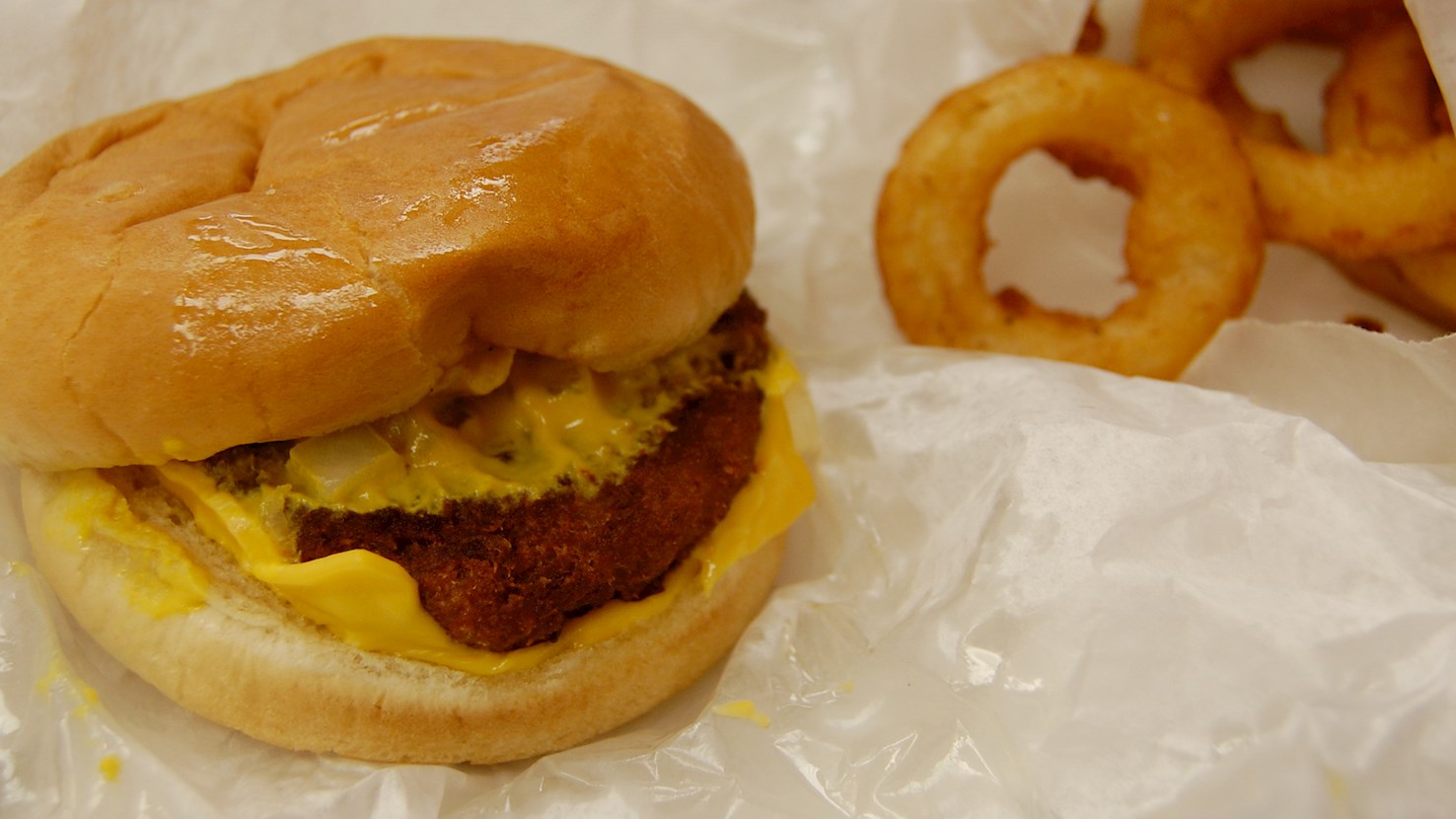
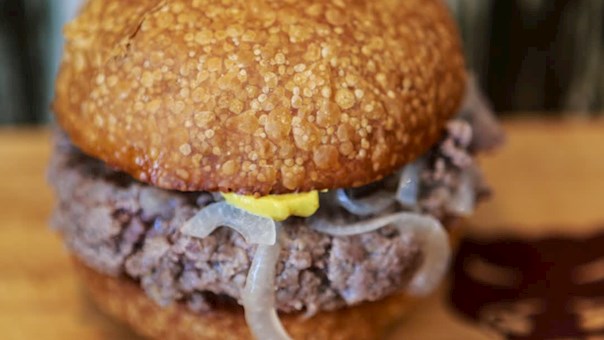
Slugburger is an American burger variety with origins in Corinth, Mississippi. Despite its unusual name, it is not made with slugs, but gets its name from the Depression-era practice of combining ground meat with fillers such as potato flour or soybeans. Slugburger was first named Weeksburger, after its inventor, John Weeks. The burgers originally cost a nickel, and nickels were called slugs at the time, so the name slugburger has remained unchanged until today. Meat patties are typically fried in canola oil and served topped with pickles, mustard, and onions on a small hamburger bun. Today, slugburgers are still popular in the Mississippi area, and there is an annual Slugburger Festival held in Corinth since 1988.
TasteAtlas food rankings are based on the ratings of the TasteAtlas audience, with a series of mechanisms that recognize real users and that ignore bot,
nationalist or local patriotic ratings, and give additional value to the ratings of users that the system recognizes as knowledgeable.
For the “100 Worst Rated Sandwiches and Wraps in the World” list until July 16, 2026, 39,918 ratings were recorded, of which 27,772 were recognized by the system as legitimate.
TasteAtlas Rankings should not be seen as the final global conclusion about food. Their purpose is to promote excellent local foods,
instill pride in traditional dishes, and arouse curiosity about dishes you haven’t tried.