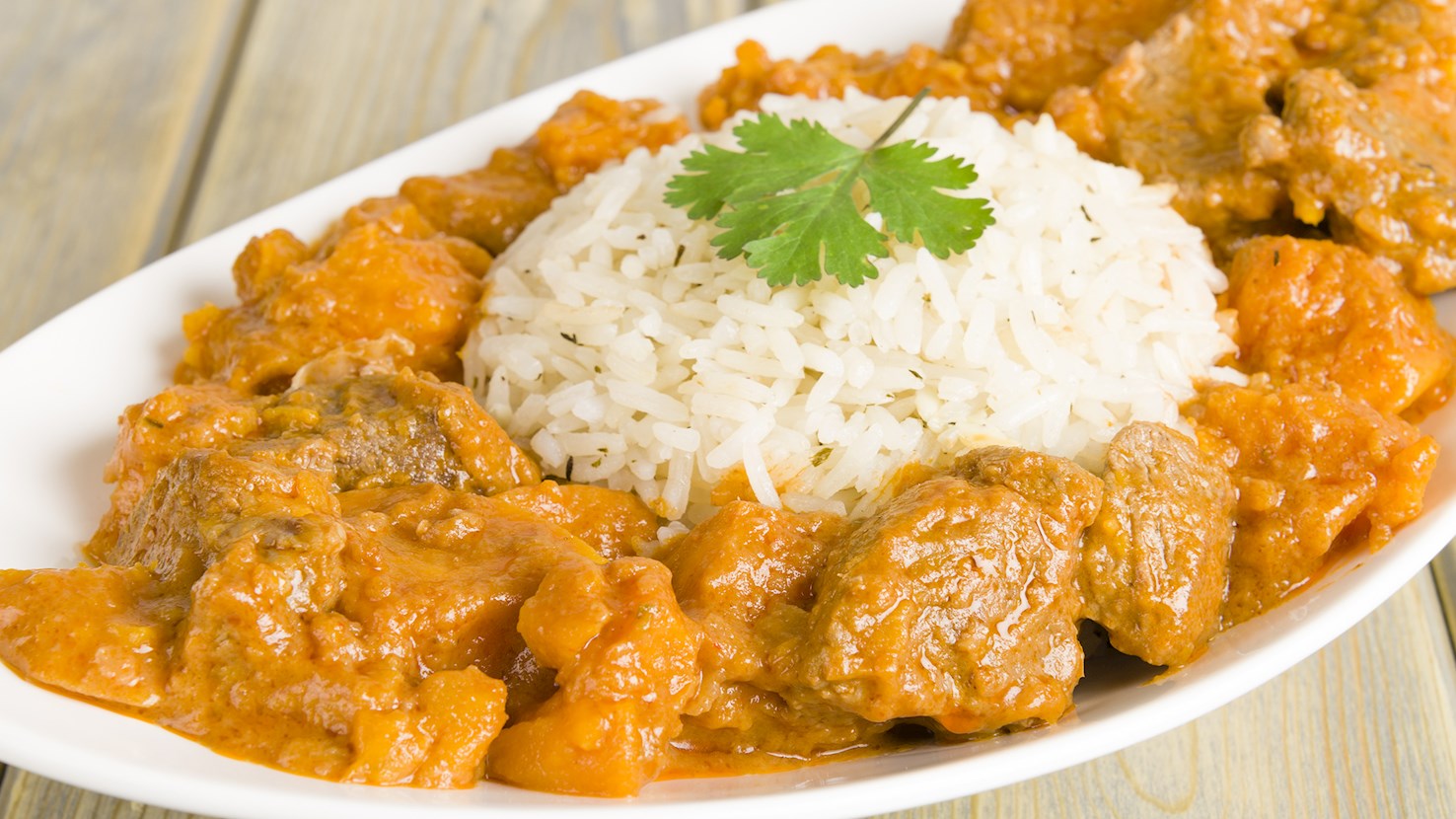
Sauce d’arachide is a West and Central African peanut-based sauce prepared by simmering ground peanuts or peanut paste with tomatoes, onions, peppers, and seasonings until it forms a thick, savory stew. It is eaten across Francophone West Africa, including Senegal, Mali, Côte d’Ivoire, Guinea, Burkina Faso, and Benin, as well as in parts of Cameroon and Congo. The sauce serves as a base for meat, fish, or vegetables and is commonly paired with rice, millet couscous, fufu, or other local starches. Its defining ingredient is the peanut, which was introduced to West Africa from South America centuries ago and became widely integrated into the region’s cooking due to its adaptability to local agriculture and its high nutritional value. The development of sauce d’arachide is closely tied to the rise of peanut cultivation in the Sahel and coastal regions during the early modern period, when peanuts became one of the region’s most significant crops. Communities adapted existing stew-making techniques to incorporate peanut paste, creating sauces that could simmer for long periods and accommodate a variety of local proteins and vegetables. Preparation begins by sautéing onions, tomatoes, and chili peppers, followed by the addition of peanut paste or finely ground peanuts. Water or broth is added gradually to create a smooth mixture that thickens as it simmers. Meat such as beef, lamb, or chicken is often added early in the cooking process so it becomes tender within the sauce. Smoked fish or dried fish are used in coastal and riverine regions, while vegetarian versions may include okra, eggplant, cabbage, or leafy greens. The sauce simmers until the peanut base releases its natural oils and the flavors meld into a rich, cohesive stew. Seasonings vary but commonly include garlic, ginger, and local spice blends. Some versions remain thick and dense, while others are looser and brothier depending on regional preference. Sauce d’arachide is eaten throughout West and Central Africa in homes, street-food settings, and communal gatherings. It is most often served with rice, millet couscous, attiéké, tô, fufu, or boiled yam, depending on regional staples. It pairs well with beverages such as bissap, ginger juice, palm wine, or light beer, which balance the richness of the peanut base. The sauce remains a central component of meals in many West African households and continues to adapt to local ingredients and cooking practices.
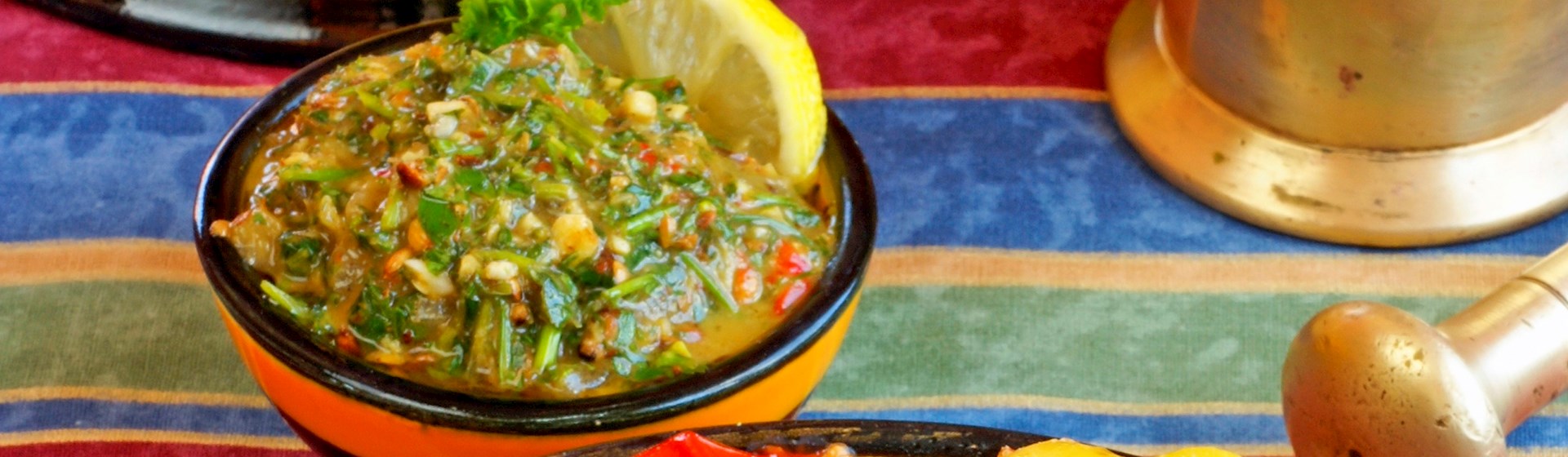
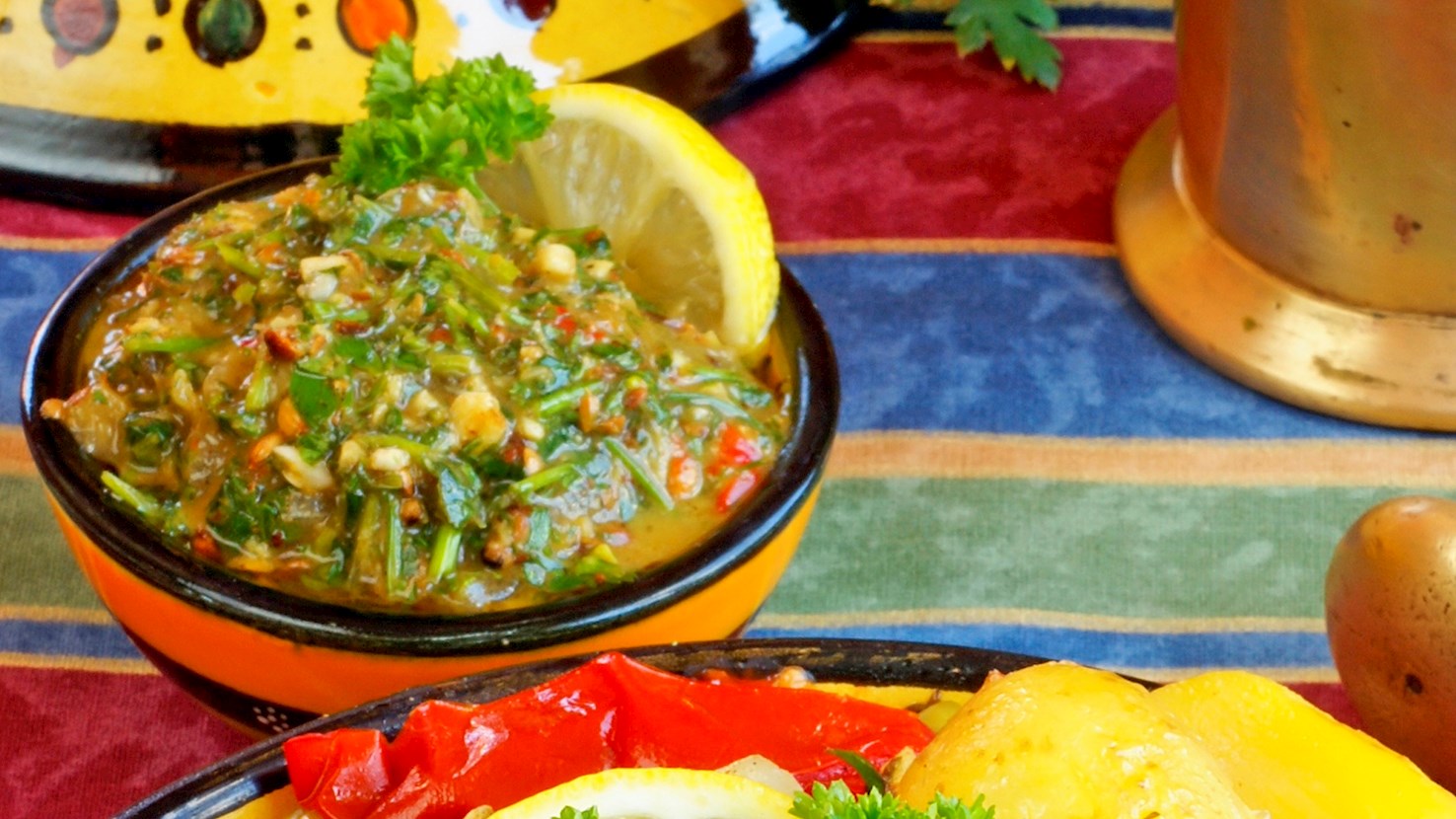
Chermoula is a North African marinade consisting of lemon juice, olive oil, coriander, parsley, garlic, cumin, paprika, chili peppers, and salt. The final result is a rough-textured paste that is traditionally used with fish or seafood dishes. Although it is mostly used to give flavor to fish, chermoula might also be used on meat and vegetables, as a dipping sauce, or as a dressing for salads.
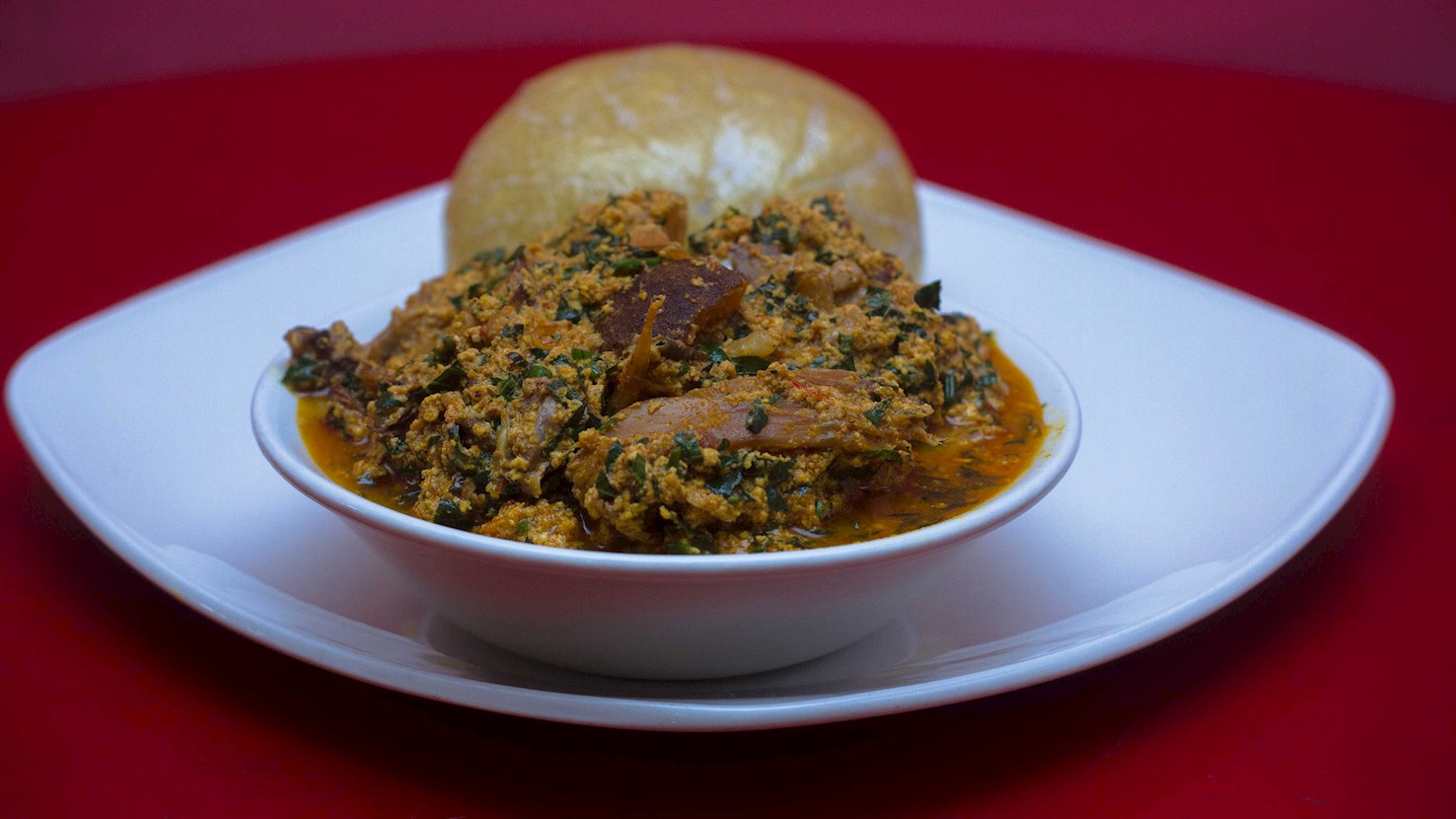
Egusi is a flavorful soup or sauce that is popular throughout West and Central Africa (most noteably Nigeria and Central African Republic) consisting of onions, tomatoes, hot chili peppers, and oil. It is traditionally thickened with flour that is made from seeds of gourds, pumpkins, melons, and squashes. The egusi is typically seasoned with salt, black pepper, and cayenne pepper. When the soup or sauce develops a smooth consistency, it is then usually served with boiled vegetables, rice, or a variety of grilled fish and meat dishes.
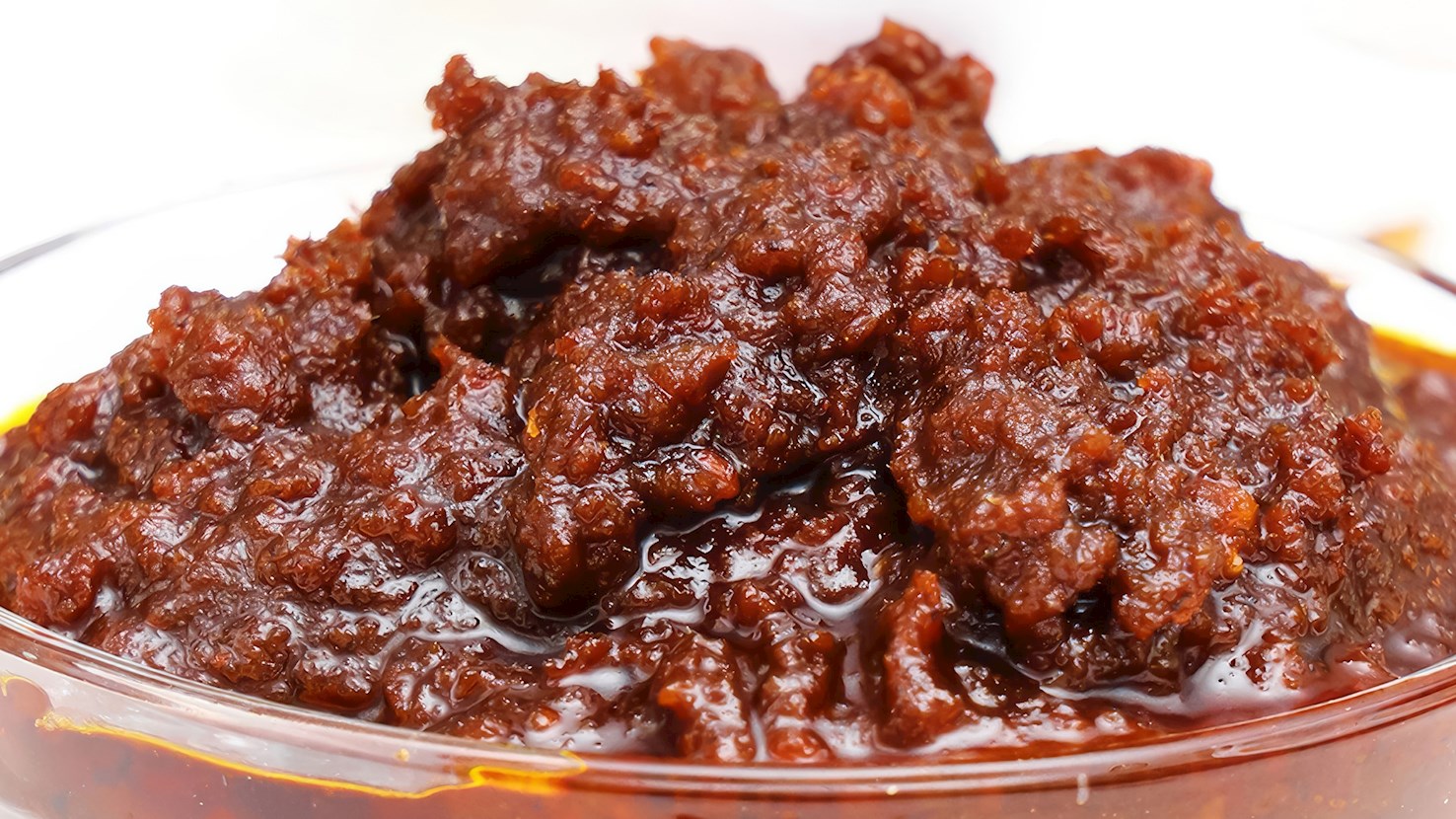
Shito sauce is a popular Ghanaian hot chili sauce made from a blend of dried fish, dried shrimp, onions, garlic, tomatoes, and various spices. It has a rich, spicy, and umami-packed flavor, and its name “shito” comes from the word for "pepper" in the Ga language, spoken by the Ga people of Ghana. The key ingredients include dried fish and dried shrimp, which give shito its distinctive umami flavor, as well as onions, garlic, tomatoes, hot peppers like scotch bonnet, and a variety of spices such as black pepper and ginger. The sauce is cooked in a generous amount of oil, which helps preserve it for a long time. The ingredients are blended or finely chopped and then slowly cooked in oil until they develop a thick, rich consistency. This slow cooking process helps to deepen the flavors and reduce moisture, giving shito its concentrated, robust taste. Shito is often served as a condiment alongside rice dishes, grilled meats, fried plantains, and yams. It can also be used as a dip for fried snacks, spread on bread, or mixed into stews and soups to add a spicy kick and extra flavor.
TasteAtlas food rankings are based on the ratings of the TasteAtlas audience, with a series of mechanisms that recognize real users and that ignore bot,
nationalist or local patriotic ratings, and give additional value to the ratings of users that the system recognizes as knowledgeable.
For the “4 Worst Rated African Sauces” list until June 16, 2026, 270 ratings were recorded, of which 109 were recognized by the system as legitimate.
TasteAtlas Rankings should not be seen as the final global conclusion about food. Their purpose is to promote excellent local foods,
instill pride in traditional dishes, and arouse curiosity about dishes you haven’t tried.