


shutterstock

15 Worst Rated North American Sauces

Last updated on June 16, 2026
01

Lobster Sauce

2.9 ·

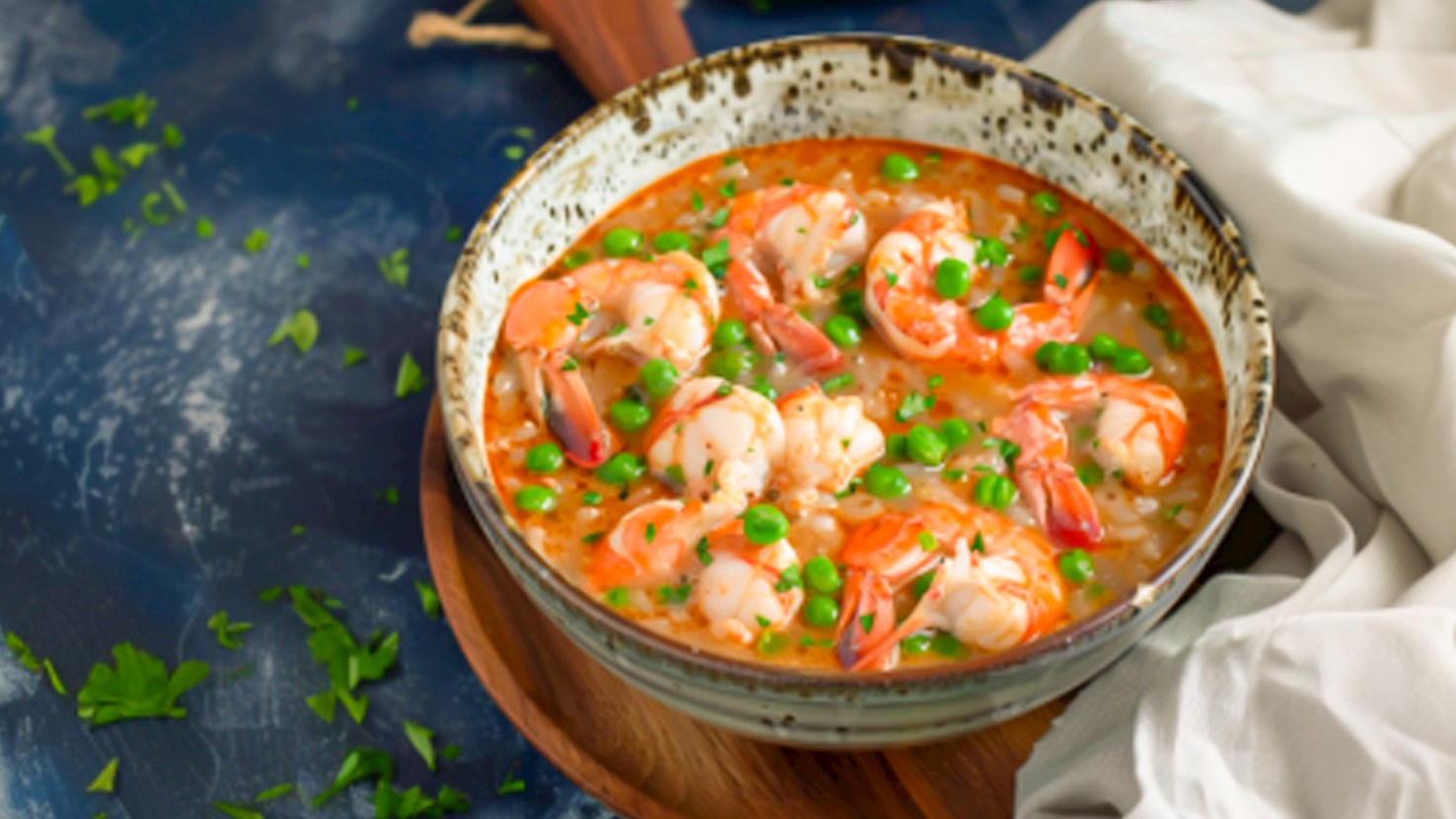
Lobster sauce is a sauce used in American-Chinese and Canadian-Chinese cuisine. It is characterized by a mild flavor and a base of meat stock instead of soy sauce. The sauce has many variations, but it usually contains garlic, ginger, chicken stock, eggs, starch, green onions, and fermented beans, while some recipes add soy sauce and pork mince to the combination. Despite the name, the sauce doesn't contain any lobster as it's a derivation of the dish known as shrimp with lobster sauce, which was invented in North America by Chinese cooks who were inspired by the Cantonese method of preparing lobster, but due to the fact that lobster was too expensive, they opted for shrimps instead.

02

Mole coloradito

3.2 ·

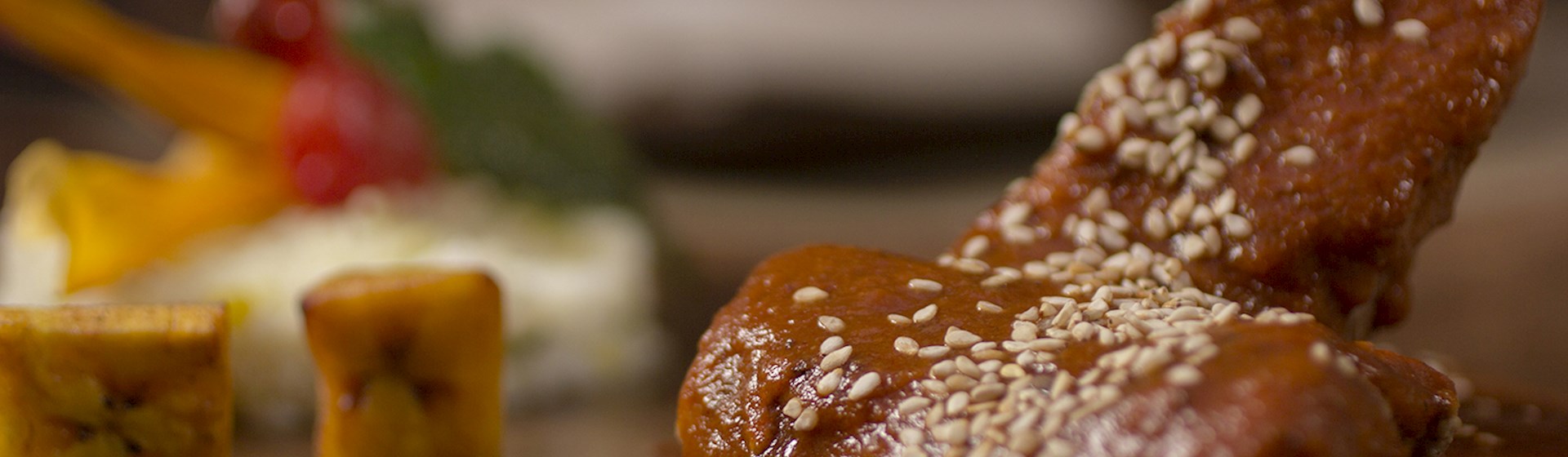
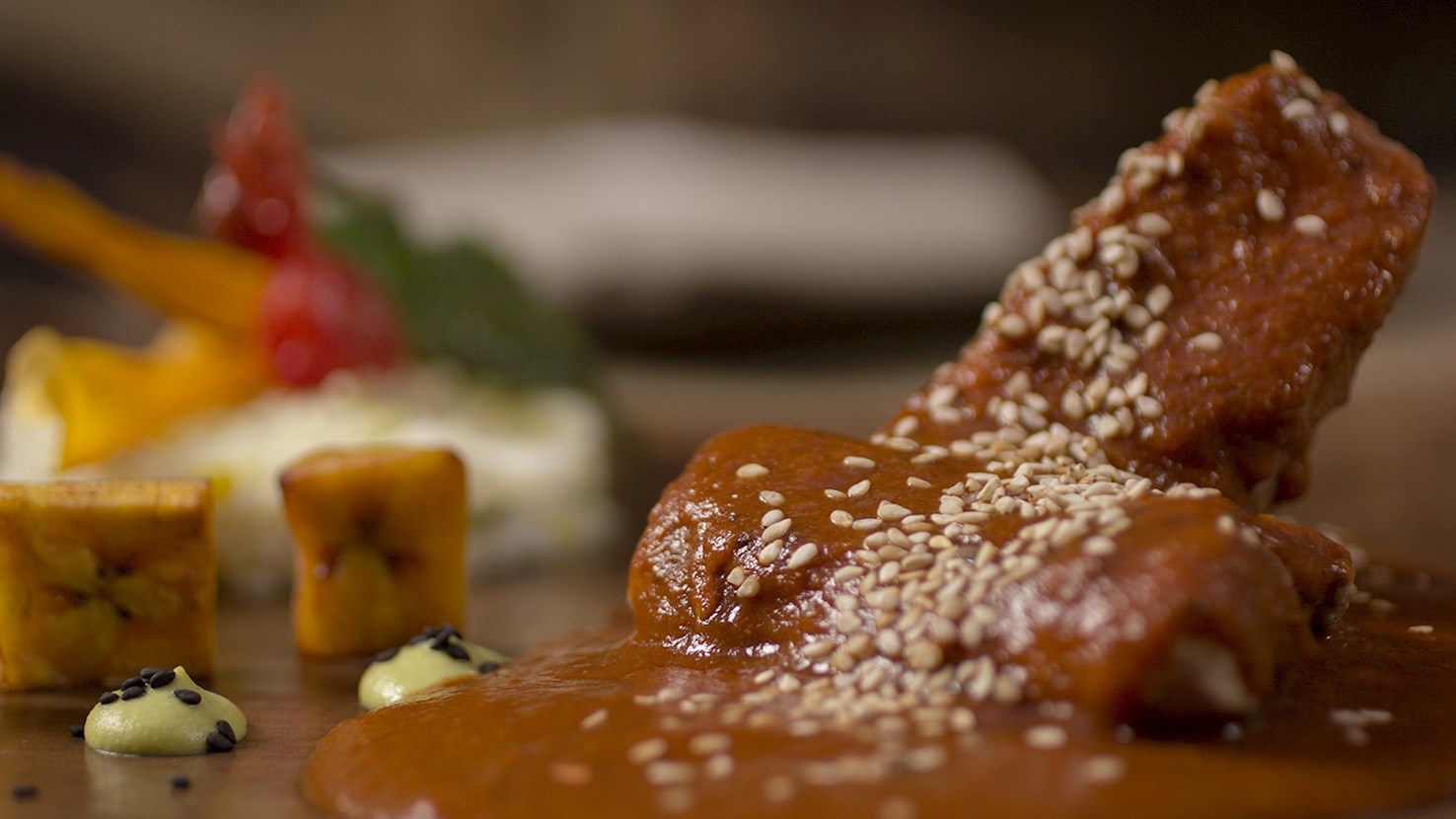
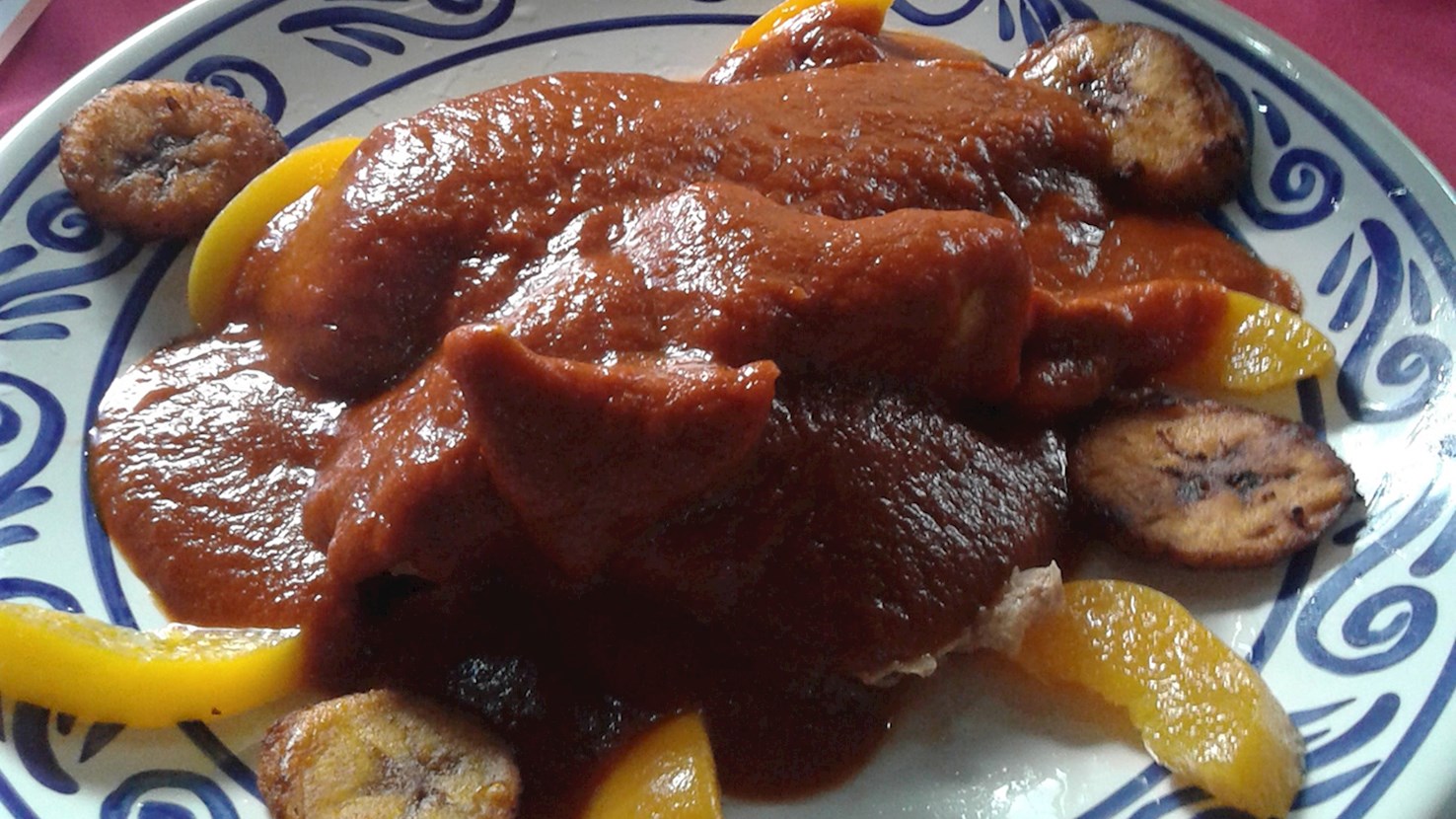
Mole coloradito is a traditional sauce originating from Oaxaca as one of the seven moles of Oaxaca. This mole is usually made with ingredients such as onions, celery, garlic, carrots, chili peppers, thyme, allspice, black peppercorns, cloves, cinnamon, tomatoes, marjoram, bread, raisins, cumin, sesame seeds, mashed sweet plantains, and dark chocolate. Every household in Oaxaca has their own version of the sauce. The ingredients are ground and simmered until the mole becomes thick. Once prepared, mole coloradito should be brick-red in color, with spicy, smoky, tangy, and sweet flavors. This sauce is typically served with poultry.

03

Red-Eye Gravy

3.2 ·

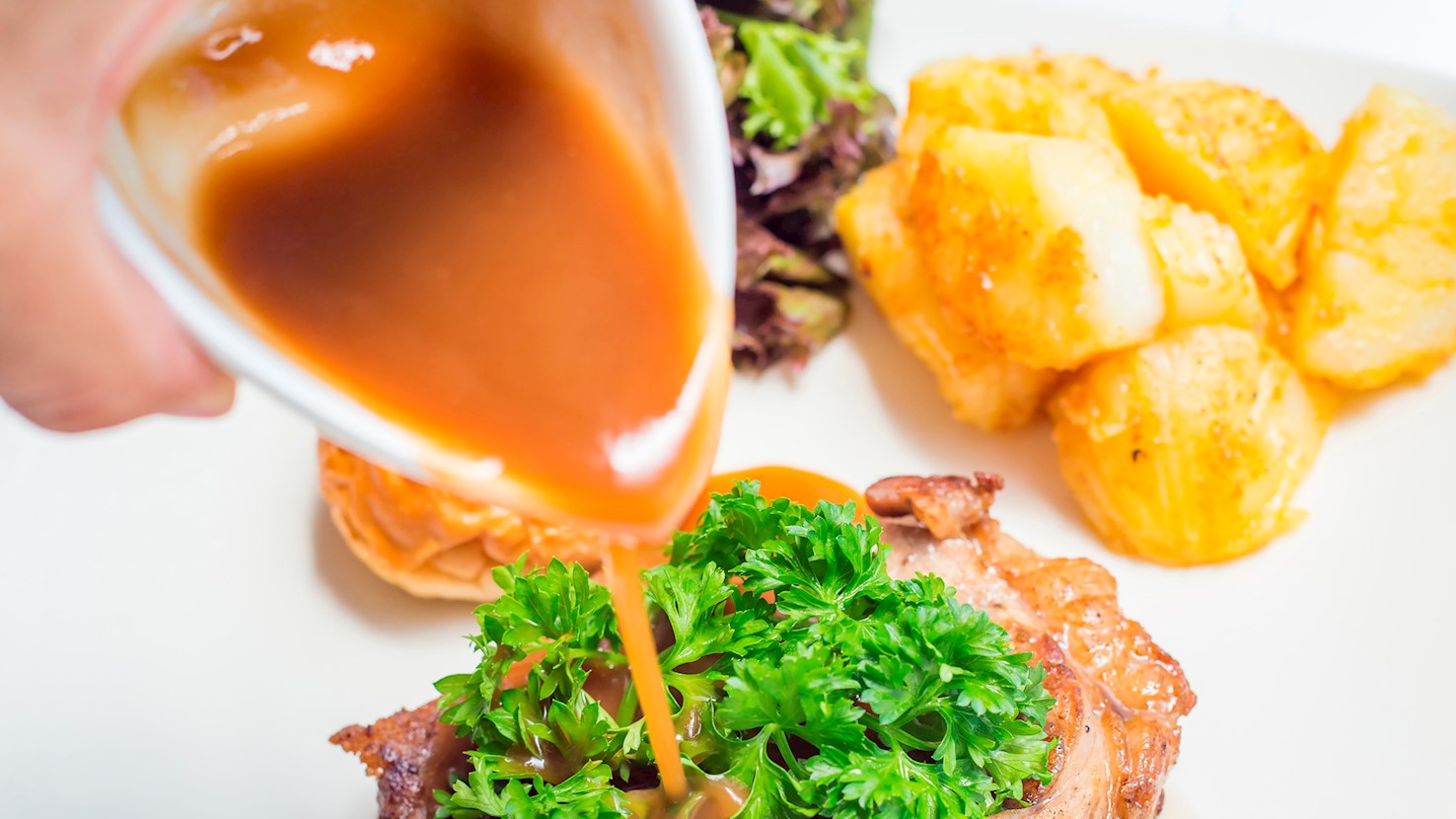
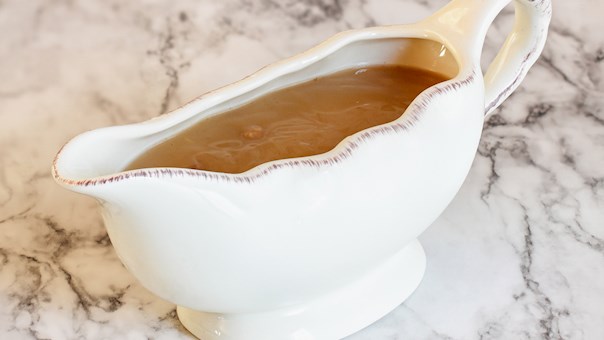
Red-eye gravy is a popular American sauce with a thin consistency, typically consisting of fried country ham drippings combined with brewed coffee or water, although some Southerners claim that the real red-eye is made without coffee. In either case, the gravy is typically served with the ham that was used to make it in the first place. It is sometimes consumed for breakfast with biscuits, along with grits and fried eggs. The gravy got its name after the fact that the ham drippings look like small red eyes. When combined with flour and thickened, red-eye gravy becomes the base for another type of sauce called Sawmill gravy.

04

Steak Sauce

3.3 ·

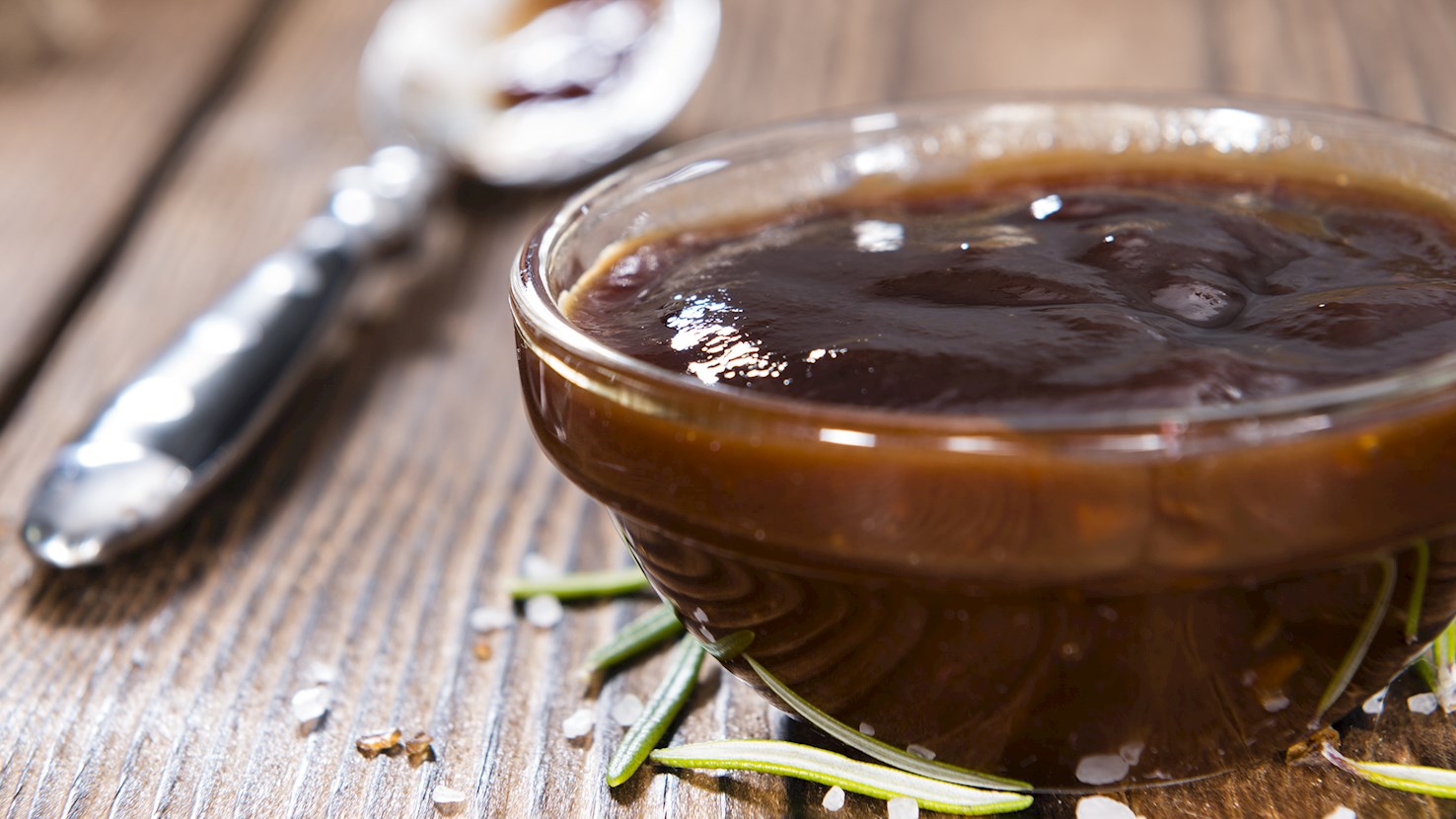
Steak sauce is an American sauce characterized by its dark brown or orange color. It is usually made with tomatoes, vinegar, raisins, and various spices. The sauce has a slightly sweet, tart, and spicy flavor. With such variable ingredients, there are quite a few varieties of this sauce, which is considered to be the best condiment for succulent beef steaks.

05

Mole manchamantel

3.3 ·

Mole manchamantel or tablecloth-stainer mole is a traditional sauce originating from Oaxaca as one of the seven moles of Oaxaca. This mole is usually made with ingredients such as dried ancho chili peppers, garlic, onions, pineapple, tomatoes, apples, pears, chorizo, peanuts, almonds, cloves, black peppercorns, cinnamon, oil, plantains, and chicken broth. Every household in Oaxaca has their own version of the sauce. The ingredients are ground and simmered until the mole becomes thick. Once prepared, mole manchamantel should have sweet, spicy, and fruity flavors. It's often served with roasted chicken, pork, tortillas, rice, or used in tamales. The name tablecloth-stainer mole refers to the fact that any small spill will leave a lasting mark on the tablecloth or your clothes.

06

White Barbecue Sauce

3.4 ·

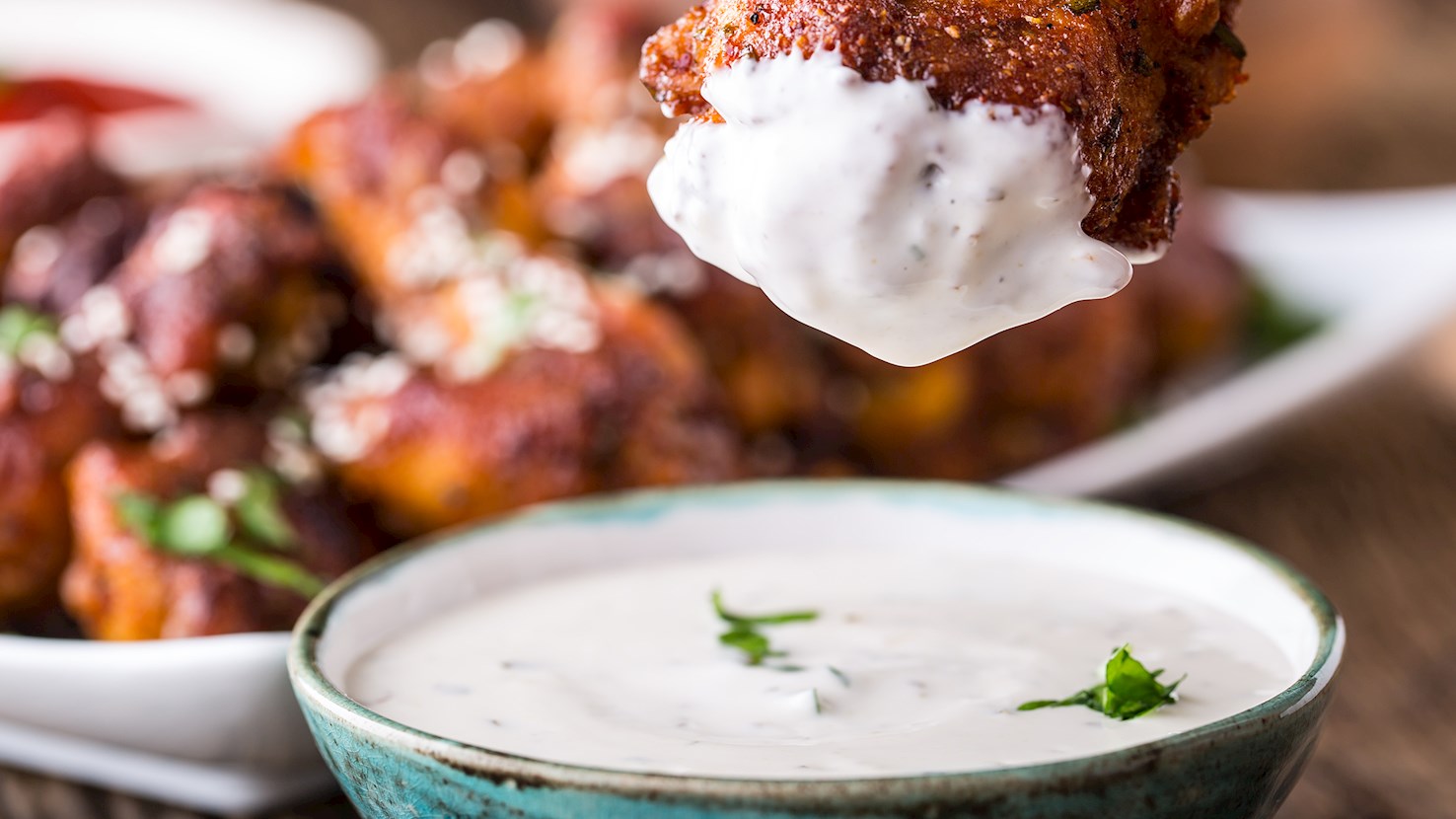
White barbecue sauce is an Alabama specialty, invented in 1925 by Bob Gibson at Big Bob Gibson's Bar-B-Q in Decatur. It is based on mayonnaise with the addition of salt, black pepper, sugar, and vinegar. This tangy sauce is typically used to dress chicken and pork. Unlike other sauce, the baste of white barbecue sauce permeates the meat and gives it flavors that are present in each bite.

07

Mole amarillo

3.4 ·

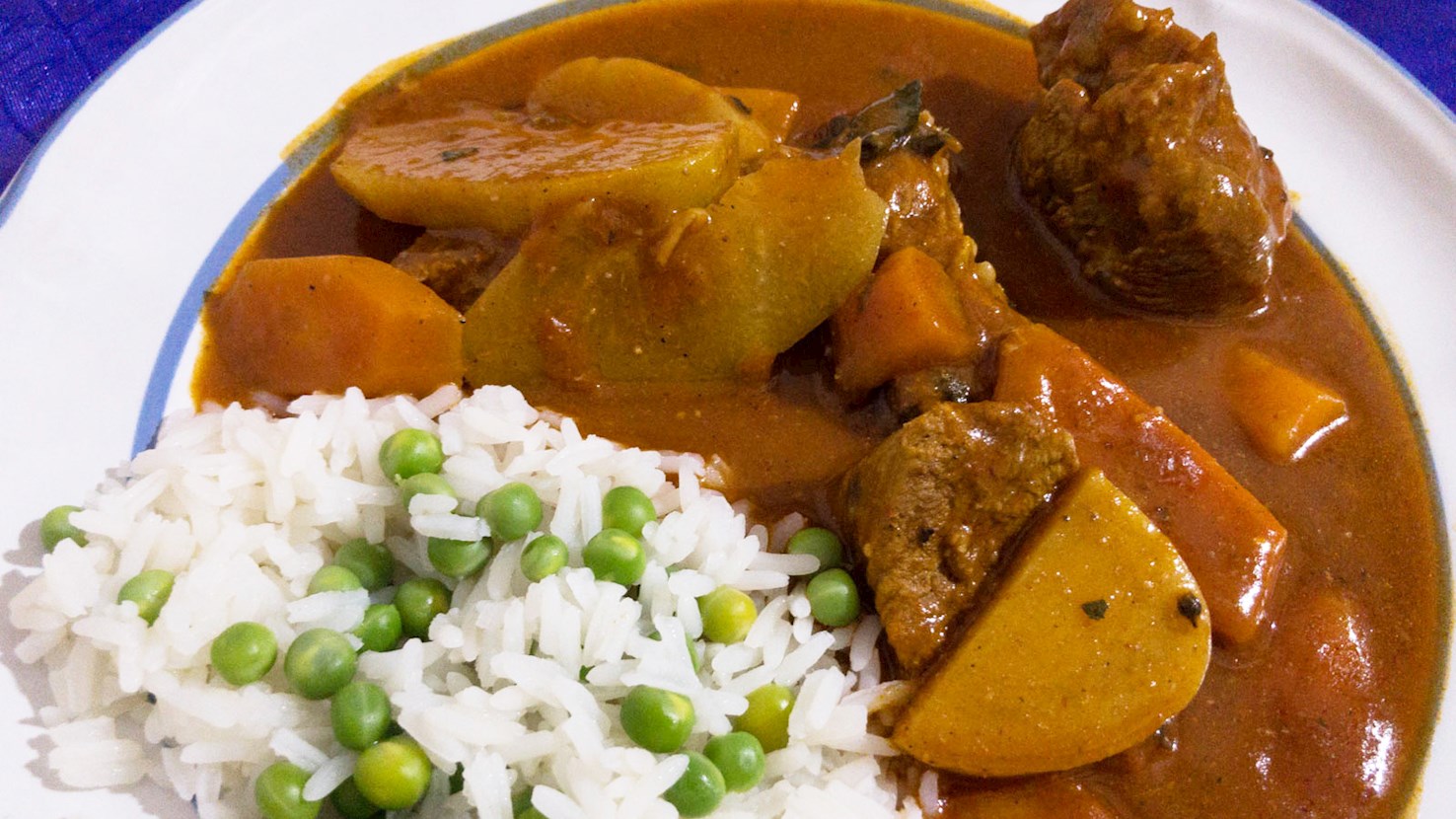
Mole amarillo or yellow mole is a traditional sauce originating from Oaxaca as one of the seven moles of Oaxaca. This mole is usually made with ingredients such as dried chili peppers, annatto seeds, cinnamon, cloves, cumin, oregano, saffron, corn oil, garlic, onions, tomatoes, yellow tomatillos, the licorice-tasting hoja santa leaves, chicken stock, and masa harina or corn flour. Every household in Oaxaca has their own version of the sauce. The ingredients are ground and simmered until the mole becomes thick. Once prepared, mole amarillo should be yellow in color, and it's typically served with potatoes, fish, mussels, chayote (Mexican squash), chicken, empanadas (with shredded chicken), and tamales. It can also be thinned into a broth with potatoes, beef, and green beans.

08

Mole de Queretaro

3.4 ·

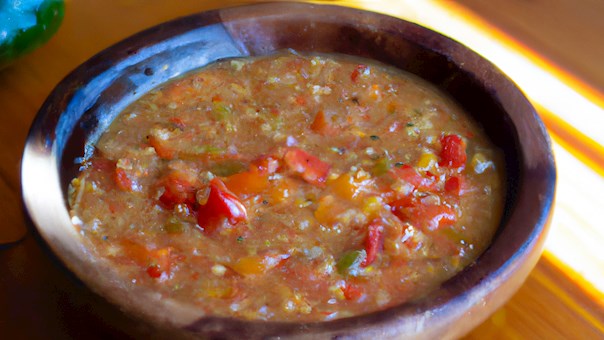
This mole from Queretaro is traditionally made with pasilla and ancho chili peppers as key ingredients. Although there are a few versions, apart from chili peppers, it typically includes toasted tortillas, chicken stock, peanuts, onions, bolillo bread, walnuts, almonds, lard, chocolate, raisins, and dry-roasted tomatoes. It is enriched with a wide array of spices such as cumin, cloves, black pepper, allspice, and marjoram. Since Queretan mole is quite thick, it is usually spooned over chicken or turkey. When served, it is recommended to garnish this tasty mole with chopped coriander and nuts.

Best restaurants
09

Fry Sauce

3.5 ·

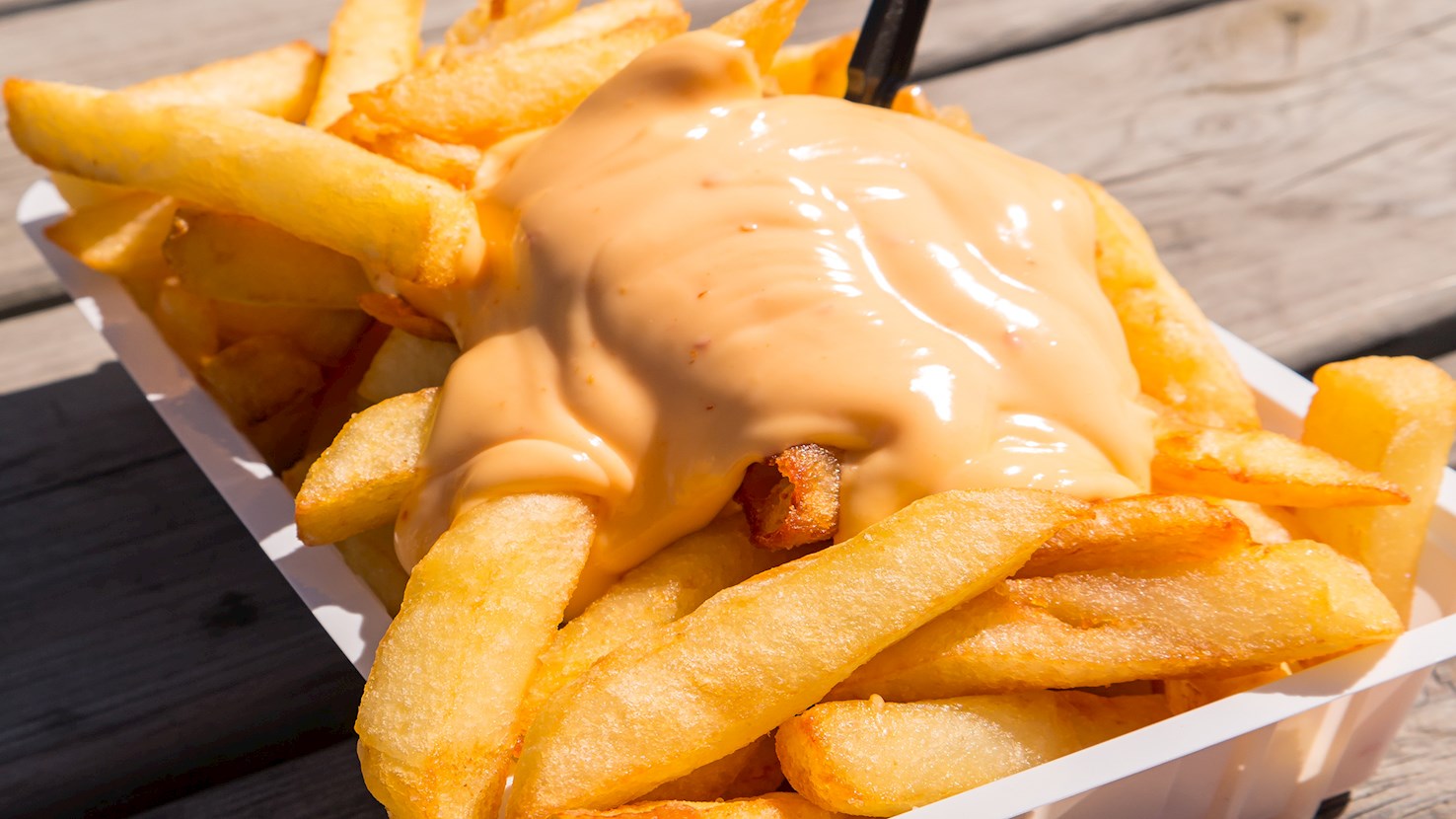
Originating from Salt Lake City, Utah, fry sauce consists of a simple combination of equal parts ketchup and mayonnaise or one part ketchup and two parts mayonnaise. The sauce has a thick, smooth consistency and is characterized by its pink color. Originally, it was invented in the 1950s by Don Carlos Edwards, a chef who first served it in his restaurant called Don Carlos' Barbecue in Salt Lake City. Today, fry sauce is typically used as a dip for french fries or as a condiment for burgers, and some people add extra ingredients to the sauce such as garlic and various spices.

10

Mole blanco

3.6 ·

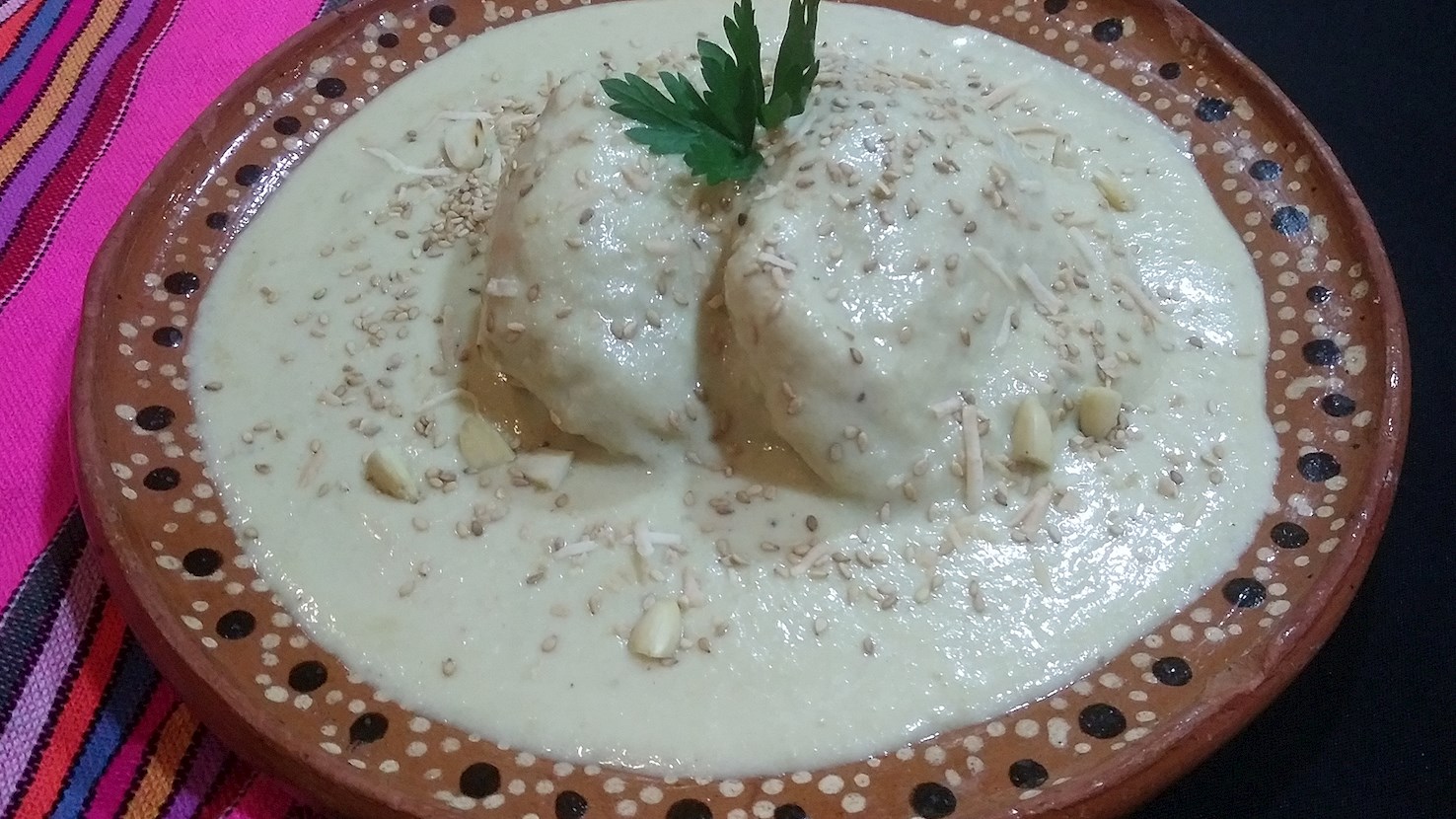
Mole blanco is a rare type of mole that is prepared for special events such as Easter or Christmas. Thick, nutty, and extremely creamy, the sauce consists of almonds, peanuts, pine nuts, Spanish almonds, garlic, onion, habanero peppers, and chicken broth. Its richness is a direct result of the blend of white pine nuts, almonds, peanuts, and coconut oil. Traditionally, mole blanco is presented with pípí or chitapí, an edible flower growing on trees in Mixtec, Oaxaca. The sauce can be served with stuffed chile peppers, rabbit, or chicken dishes. In the past, mole blanco was prepared in a stone molcajete with a tejolote (Mexican mortar and pestle), but today's cooks are more likely to use a blender.

Read more
View all
View map
About this ranking

TasteAtlas food rankings are based on the ratings of the TasteAtlas audience, with a series of mechanisms that recognize real users and that ignore bot, nationalist or local patriotic ratings, and give additional value to the ratings of users that the system recognizes as knowledgeable. For the “15 Worst Rated North American Sauces” list until June 16, 2026, 2,262 ratings were recorded, of which 1,276 were recognized by the system as legitimate. TasteAtlas Rankings should not be seen as the final global conclusion about food. Their purpose is to promote excellent local foods, instill pride in traditional dishes, and arouse curiosity about dishes you haven’t tried.

Similar lists