

shutterstock

7 Worst Rated European Sea Salts

Last updated on May 22, 2026
01

Sel gris (Celtic sea salt)

3.3 ·

Celtic sea salt is an unrefined sea salt sourced from the coastal region of Brittany in France. It is traditionally harvested and is known for its moist texture and light grey color, which it acquires from the clay found in the salt flats of the area. It is considered less processed than other salts and retains a higher moisture content along with trace minerals like magnesium, calcium, and potassium. Although present in small amounts, these minerals contribute to its distinct taste and are thought to offer health benefits, such as aiding digestion and potentially allowing for a reduced sodium intake due to salt's rich flavor​. Celtic Sea Salt also has a different mineral profile compared to other popular salts like Himalayan salt. For instance, it generally has less sodium and more calcium compared to Himalayan salt, which contains more potassium and has a pink color due to iron oxide. The less processed nature and mineral content of Celtic sea salt often leads people to use it in place of other salts to achieve similar flavor enhancement with potentially lower sodium consumption.

02

Paška sol

3.6 ·

Paška sol is a unique type of sea salt harvested on the Croatian island of Pag. The area has a long tradition of organized salt production, and nowadays salty pools cover an area of over 2 million square meters. Paška sol naturally contains all the minerals found in the sea, and it is available on the market in form of fine sea salt, coarse sea salt, and cvijet soli, or flower of salt, especially renowned for its rich, creamy, and slightly sweet taste.

03

Anglesey sea salt

3.6 ·

Halen môn is harvested in the Menai Strait, from the clean, clear seawaters that surround the beautiful island of Anglesey. These crystalline white soft salt flakes are additive free and their high mineral content lends a concentrated salty taste without a single note of bitterness. Although most of Anglesey salt is packaged and sold in its basic form, there are also other varieties like flavored salts blended with either vanilla, celery seeds or organic spices, and a variety of salt flakes smoked over Welsh oak.

04

Piranska sol

3.6 ·

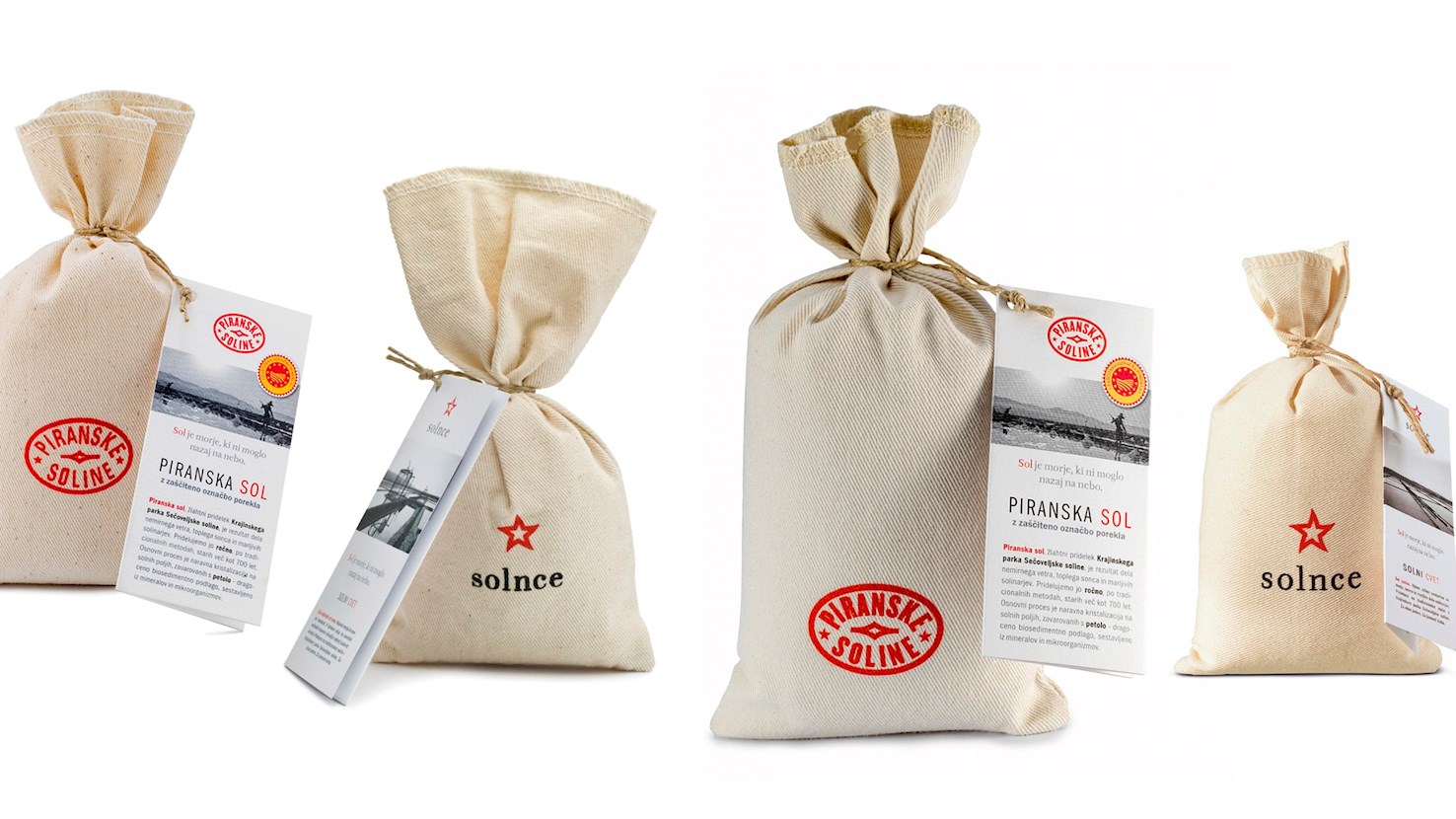
Obtained exclusively from the salt pans of Secovlje Salina Nature Park and Strunjan Nature Reserve, Piranska sol is produced on a natural base of algae and minerals known as petola, which is cultivated to prevent sea mud from mixing with the salt. This significantly improves its quality, making it purer and whiter. Due to a considerably high percentage of salinity in the Gulf of Trieste together with favorable climate conditions, here on the Slovenian coast, Piran salt is traditionally produced by hand, using the same salt panning methods and tools that have been in use for over the last 700 years. Piran salt contains no additives, and since it is neither refined or rinsed, it maintains a naturally balanced composition. A unique work of nature, Piran salt is mild in flavor and varies in subtle undertones of a distinct sea aroma.

05

Ninska sol (Nin salt)

3.6 ·

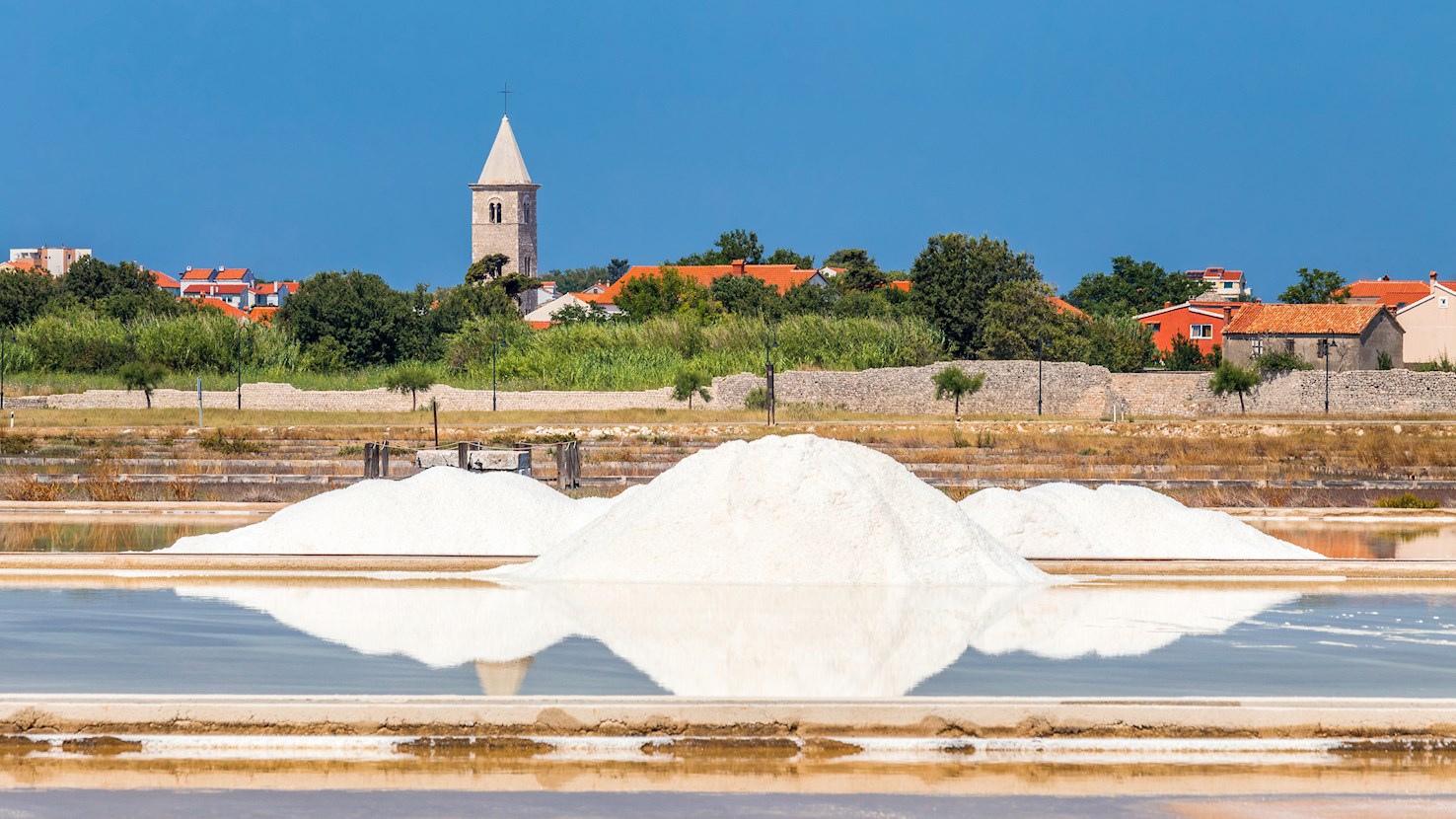
Ninska sol is a type of sea salt obtained from salt fields in the area of Nin. This natural and organic salt is the final product of a unique combination of warm and sunny climate, clean waters of the Adriatic Sea, the winds blowing from the Velebit Mountain, and the diverse animal and herbal life in the area of production. Seawater from the Adriatic Sea enters the open pools during springtime, and with the aid of the warm and sunny weather, typical of spring and summer seasons, it goes through a stage of evaporation, leaving sea salt at the bottom of the pools. Once crystallized, the salt is harvested manually, as it has been done for over 1500 years, during spring, summer, and early autumn. Sea salt produced by Nin Saltworks is unprocessed, biodynamic, and mineral-rich, and it is available as coarse crystal and fine salt, flower of salt, non-iodized salt, and therapeutic salt. Ninska sol can be purchased online, and it is also exported to Japan, Europe, and the USA.

06

Cornish sea salt

3.8 ·

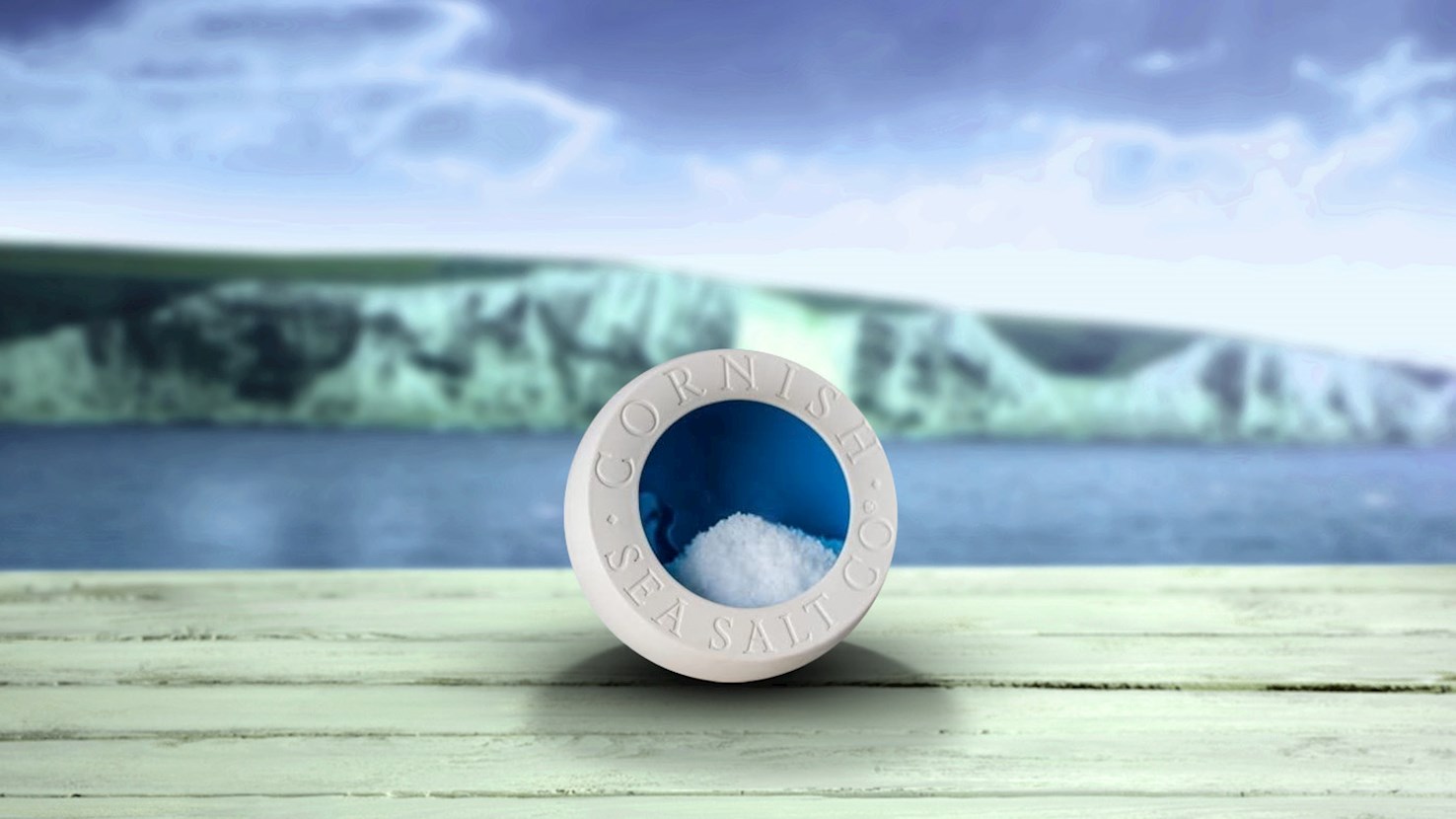
Cornish sea salt is a prized natural salt originating from Cornwall. The original founder, Tony Fraser found a cove on the coast of Cornwall and set up the production methods to harvest the salt from open waters. This sea salt contains serpentine and gabbro, minerals that are rich in magnesium and calcium. Nowadays, there is a wide range of sea salts and blends, all hand-harvested, crystallized, and with different textures. The flavor of Cornish sea salt is often described as smooth.

07

Sale Marino di Trapani

3.8 ·

Produced in the Sicilian province of Trapani where salt processing dates back to the Phoenician era, Sale Marino di Trapani refers to hand-harvested sea salt obtained through evaporation of water within the Isole Egadi Marine Reserve, namely in the ancient salt pans of Trapani and Paceco Natural Reserve. An entirely natural product, Trapani salt is produced without the use of additives, bleaches or preservatives. It is particularly pure, rich in magnesium, extremely soluble and therefore highly sought after and widely used in the canning industry. Trapani salt is available as whole salt, fine or coarse table salt, seasoned salt and fleur de sel.

Read more
View all
View map
About this ranking

TasteAtlas food rankings are based on the ratings of the TasteAtlas audience, with a series of mechanisms that recognize real users and that ignore bot, nationalist or local patriotic ratings, and give additional value to the ratings of users that the system recognizes as knowledgeable. For the “7 Worst Rated European Sea Salts” list until May 22, 2026, 359 ratings were recorded, of which 269 were recognized by the system as legitimate. TasteAtlas Rankings should not be seen as the final global conclusion about food. Their purpose is to promote excellent local foods, instill pride in traditional dishes, and arouse curiosity about dishes you haven’t tried.

Similar lists