

shutterstock

33 Worst Rated Italian Seafood Dishes

Last updated on June 16, 2026
01

Moeche

2.9 ·

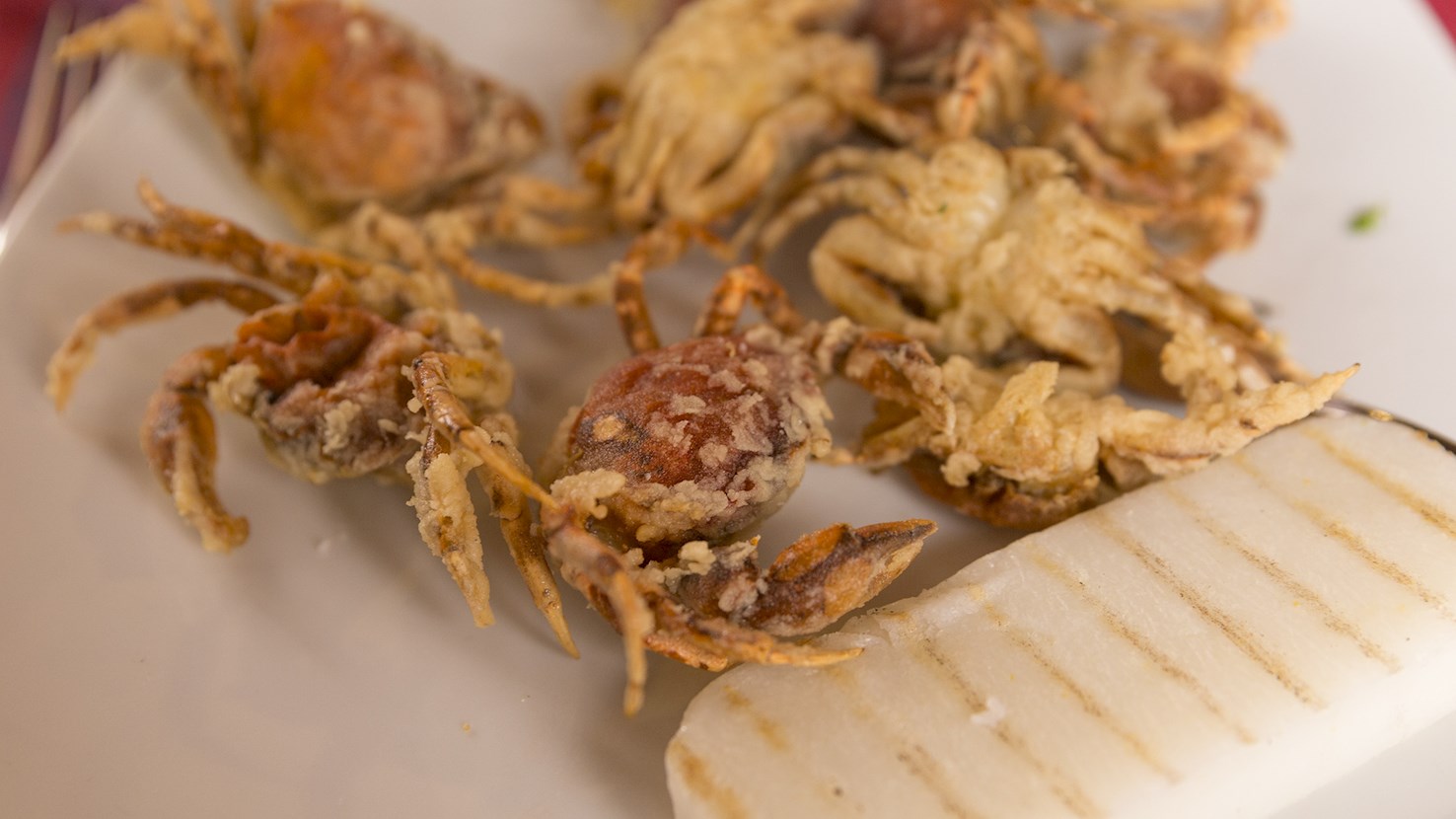
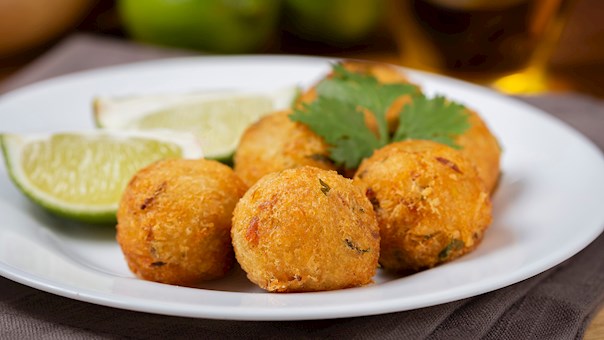
Moeche or moleche is a traditional dish hailing from Venice. This seasonal dish consists of soft shelled crabs – both males and females shed their old shells in the spring, but only the males moult in the fall. There's only a few hours from when the crabs shed their hard shells and before the new shell hardens when it contacts the water. Enter the molecanti, local moeche fishermen who are experts at harvesting these crabs and can identify which crabs are about to molt and which not. The crabs are washed, dipped in eggs and flour, then fried until golden brown. They are traditionally served with a lemon wedge and polenta on the side. For the best experience, stroll down the Rialto market and grab the moeche in one hand and a glass of prosecco in the other.

02

Spaghetti al cartoccio

3 ·

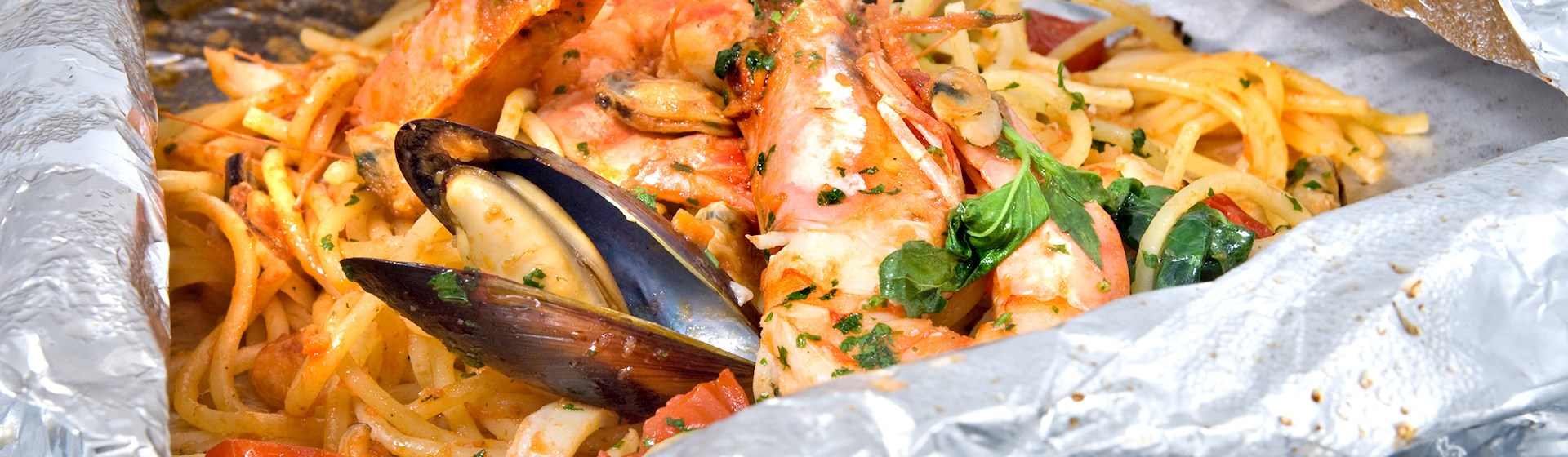
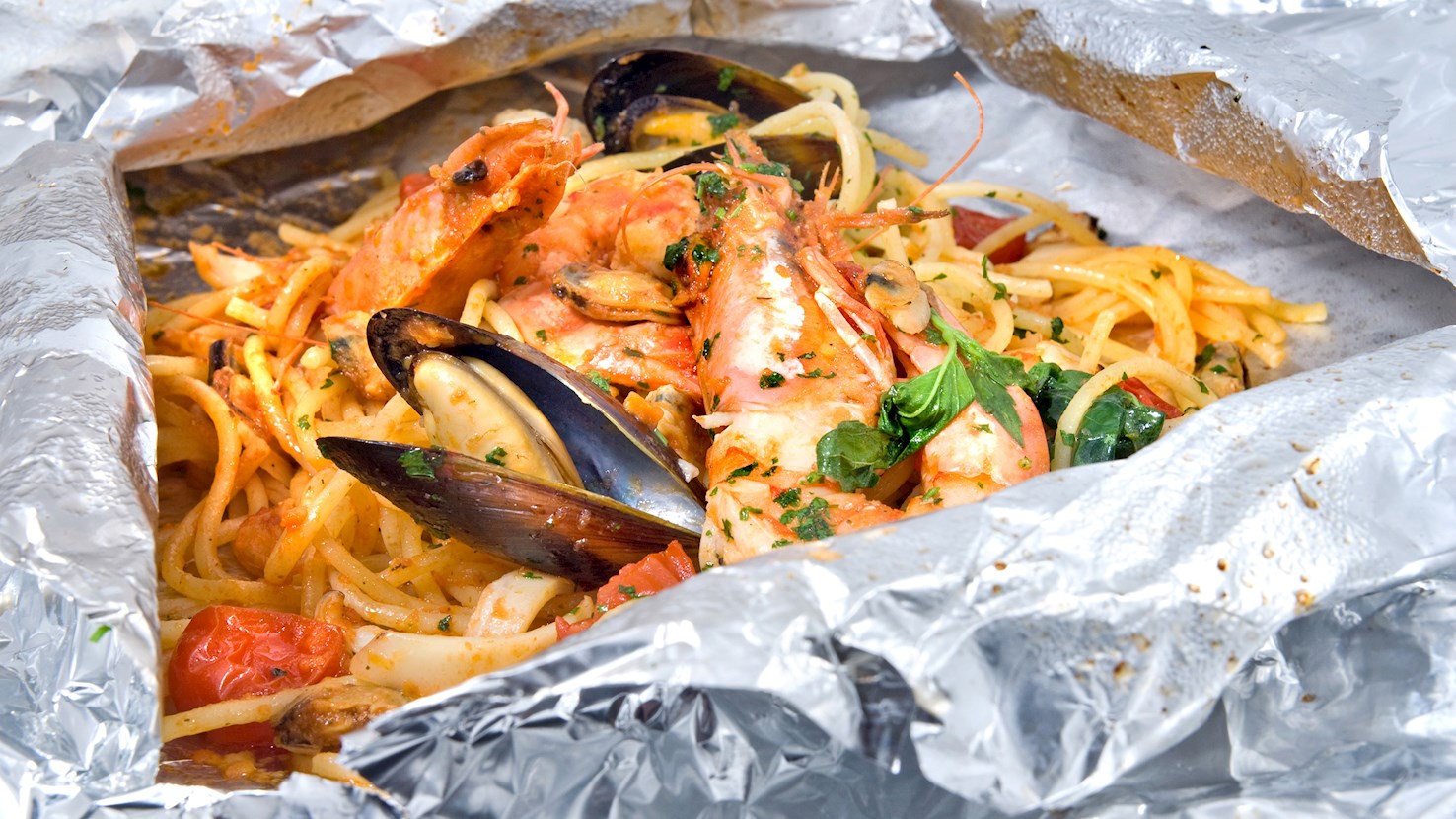
Spaghetti al cartoccio is a traditional dish hailing from Abruzzo. The dish is typical of Chieti, and it's made with a special method called al cartoccio, where the ingredients are wrapped and baked in foil. It's made with olive oil, garlic, clams, squid, shrimp, prawns, tomatoes, white wine, parsley, and spaghetti. The wine used in the dish should, ideally, be Trebbiano d'Abruzzo. The seafood is cooked with garlic, and the rest of the ingredients are added when the liquid from the seafood has evaporated. The pasta is tossed with the sauce, and the combination is wrapped in foil, then baked until the pasta is al dente.

03

Brodetto

3 ·

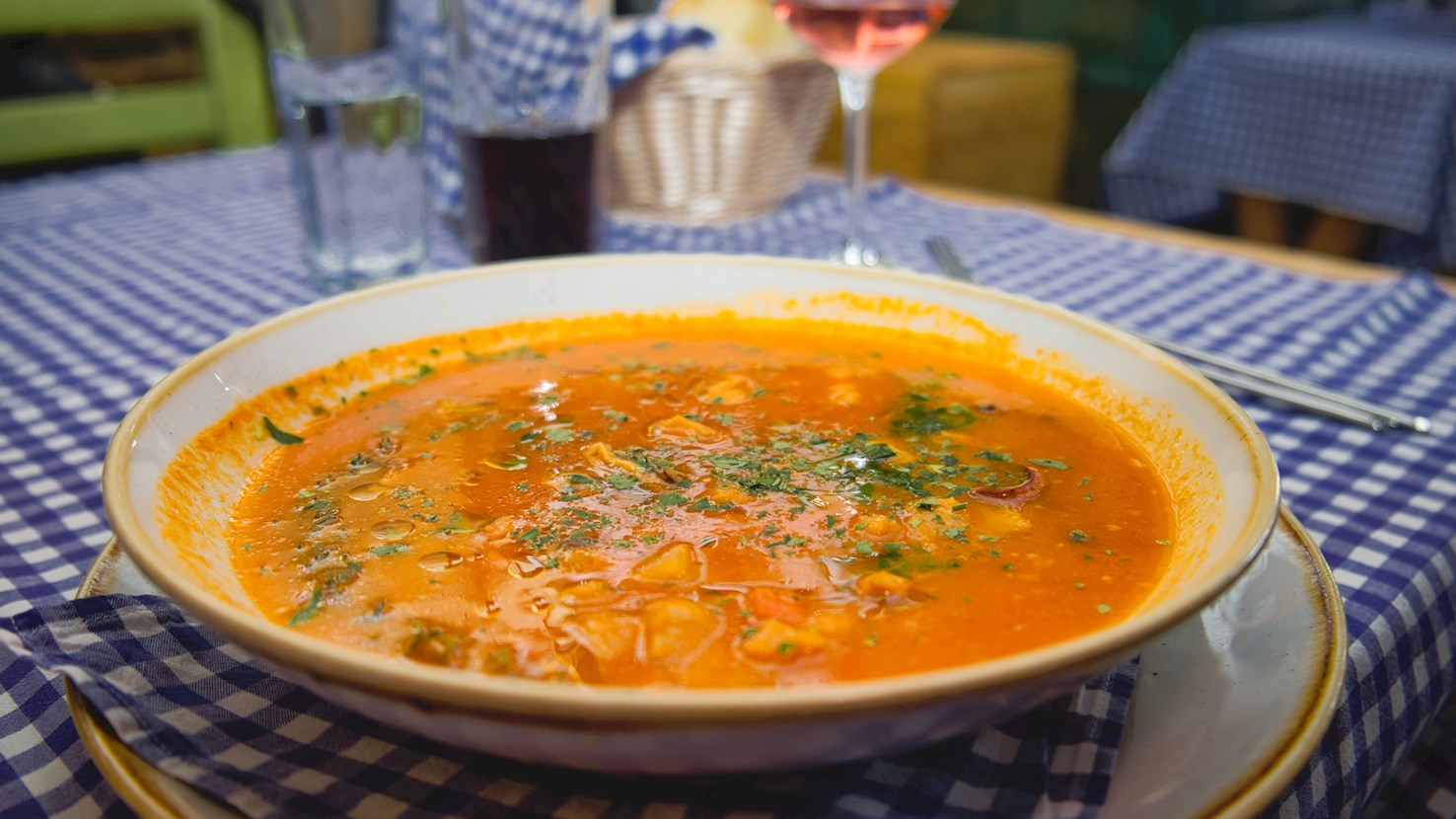
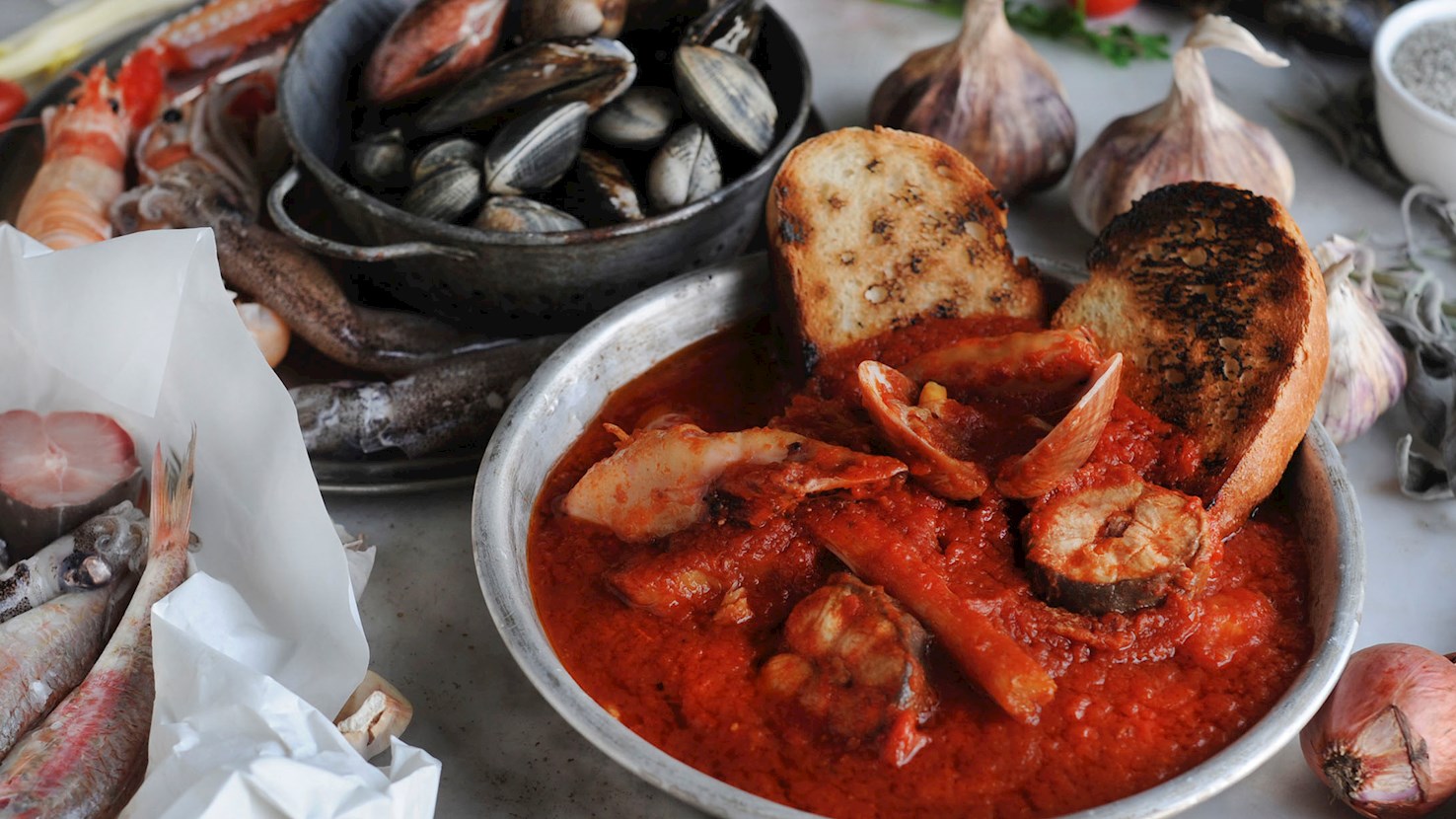
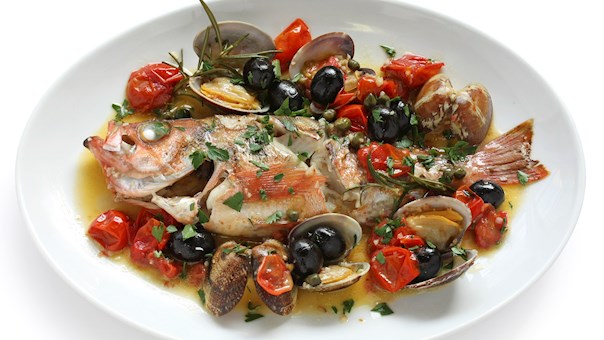
Brodetto, boreto or broéto is a tomato-based seafood stew prepared in many regions along the Italian coast. This comforting dish was traditionally prepared by fishermen with the catch they could not sell, so it is no surprise that the key ingredient of every local version of boreto is a fish, crustacean, or squid most commonly caught in the area. Flavored with garlic, rosemary, onions, bay leaves, salt, and pepper, boreto is usually served with polenta, although a simple slice of bread to soak up the delicious sauce is an even simpler, yet equally satisfying accompaniment.

04

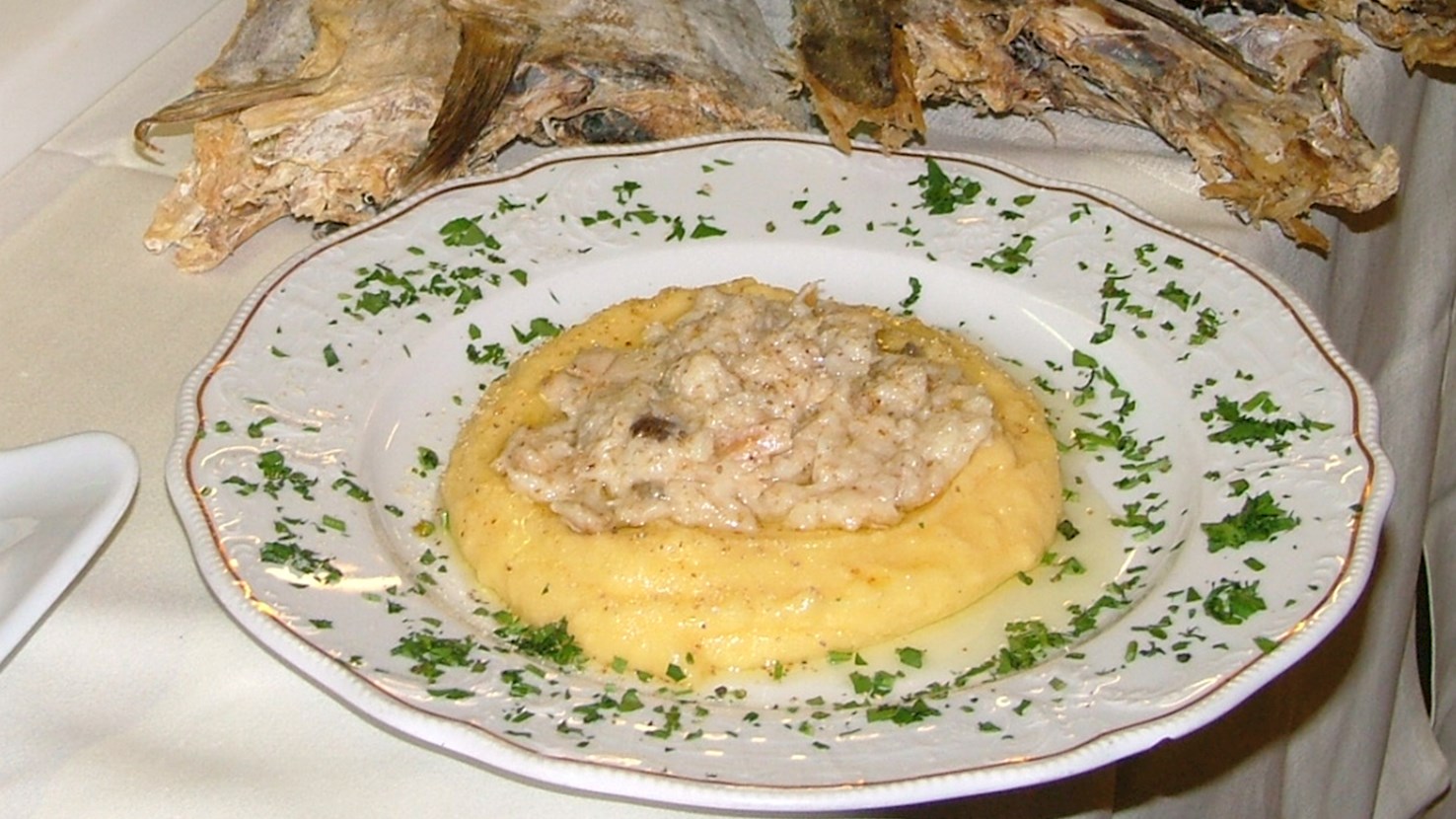
Baccalà alla Vicentina

3.1 ·

The famed signature dish of Vicenza, baccalà alla Vicentina is made with stoccafisso (lit. stockfish), which refers to a cod that is not salted but air-dried until almost rock-hard, and requires several days of soaking before being cooked. Stockfish was first introduced to the region back in 1432 by Pietro Querini, a Venetian merchant whose ship wrecked off the coast of Norway. The crew was saved, reaching the island of Røst where stockfish was very common, so the merchants brought some of this peculiar dried fish back home to Vicenza. The Venetians embraced this new ingredient as an alternative to the expensive and easily perishable fresh fish and eventually came up with their own recipe: codfish Vicenza-style, slowly simmered in milk flavored with a savory soffritto base of garlic, onions, and anchovies. Over the long cooking hours, stockfish meat becomes amazingly tender, while milk tends to soften the typical strong taste and aroma of dried cod. Baccalà alla Vicentina is traditionally served over soft polenta and it is recommended to pair it with local white wines such as Soave.

05

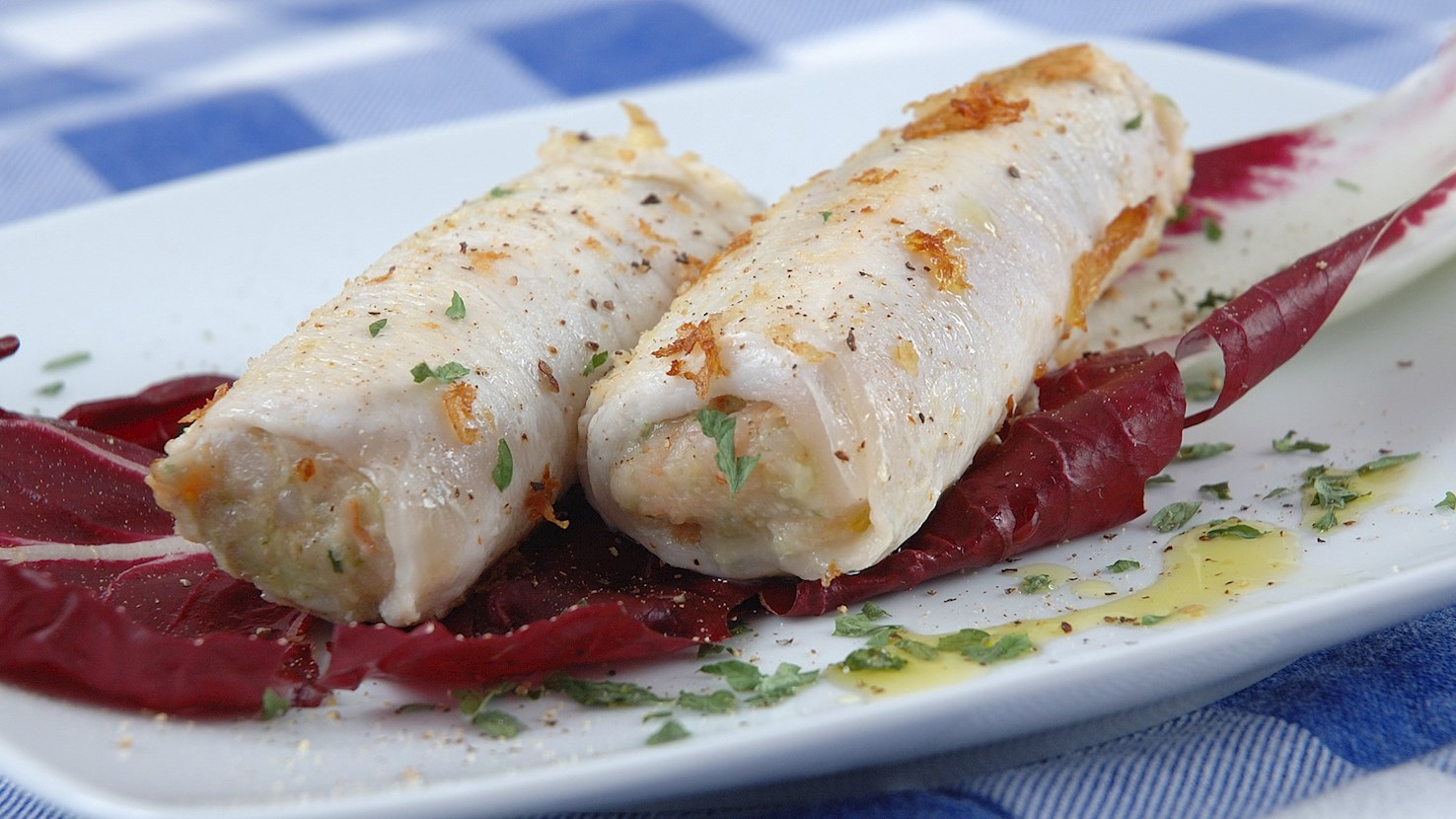
Involtini di pesce spada

3.3 ·

Swordfish rolls are one of the traditional Italian dishes that are mainly associated with Sicily. The dish employs thin swordfish fillets that are stuffed with different combinations of breadcrumbs, lemon zest, capers, garlic, fresh herbs, pine nuts, currants, and occasionally raisins or cheese. The rolls can be grilled or pan-fried and are often paired with a squeeze of lemon juice or the lemon and olive oil-based salmoriglio sauce.

06

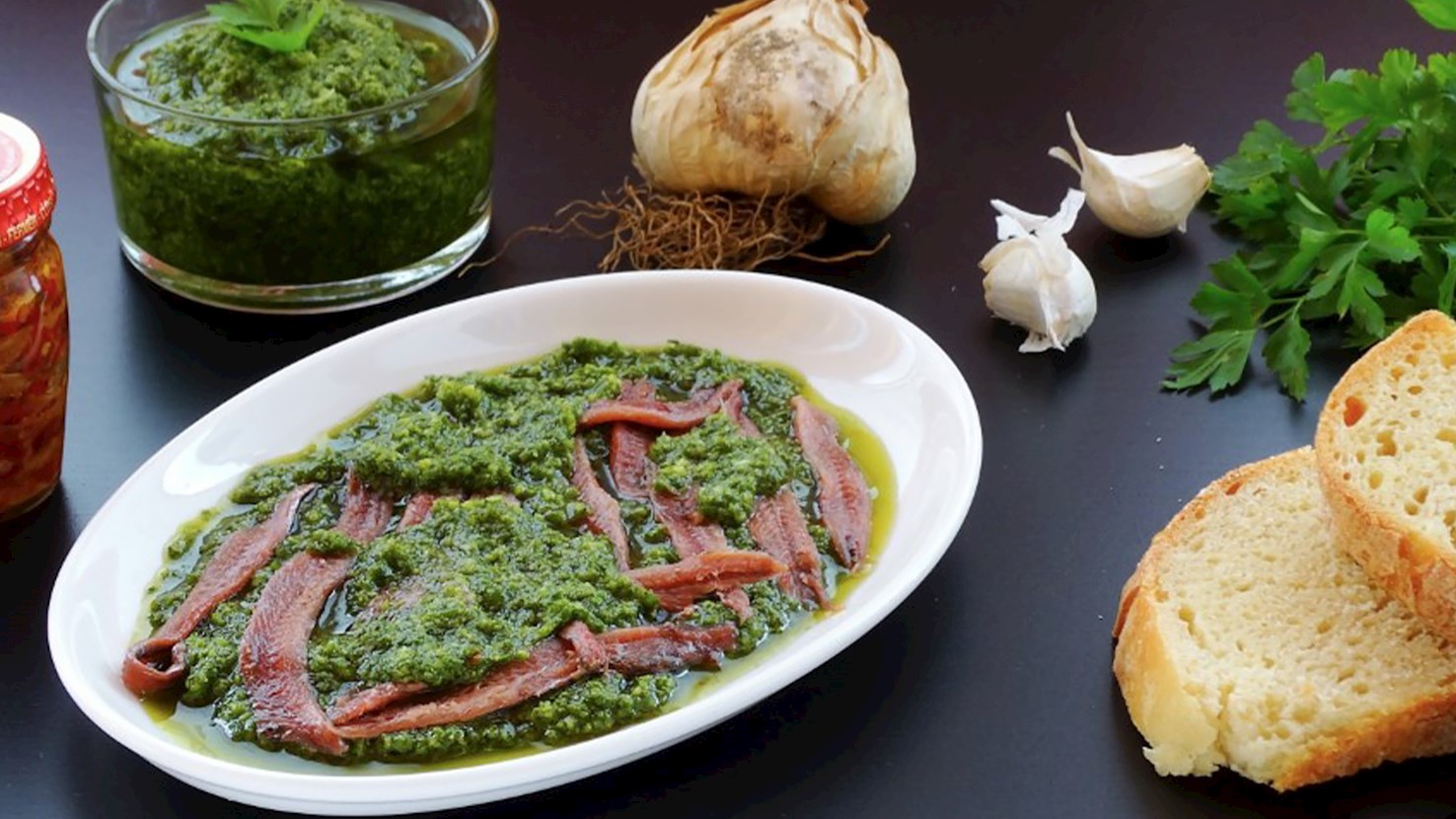
Acciughe al verde

3.3 ·

Acciughe al verde is a traditional dish originating from Piedmont. The dish consists of anchovies in green sauce, or bagnet verde. In order to prepare it, salt-preserved anchovies are first washed and filleted, then topped with a sauce consisting of garlic, parsley, olive oil, white wine vinegar, and sometimes a pinch of hot pepper flakes. In the past, this dish was a part of merenda si noira, a meal eaten by farmers late in the afternoon. Nowadays, acciughe al verde are served as an appetizer with bread and butter in most restaurants, or as an accompaniment to a glass of wine in old taverns.

07

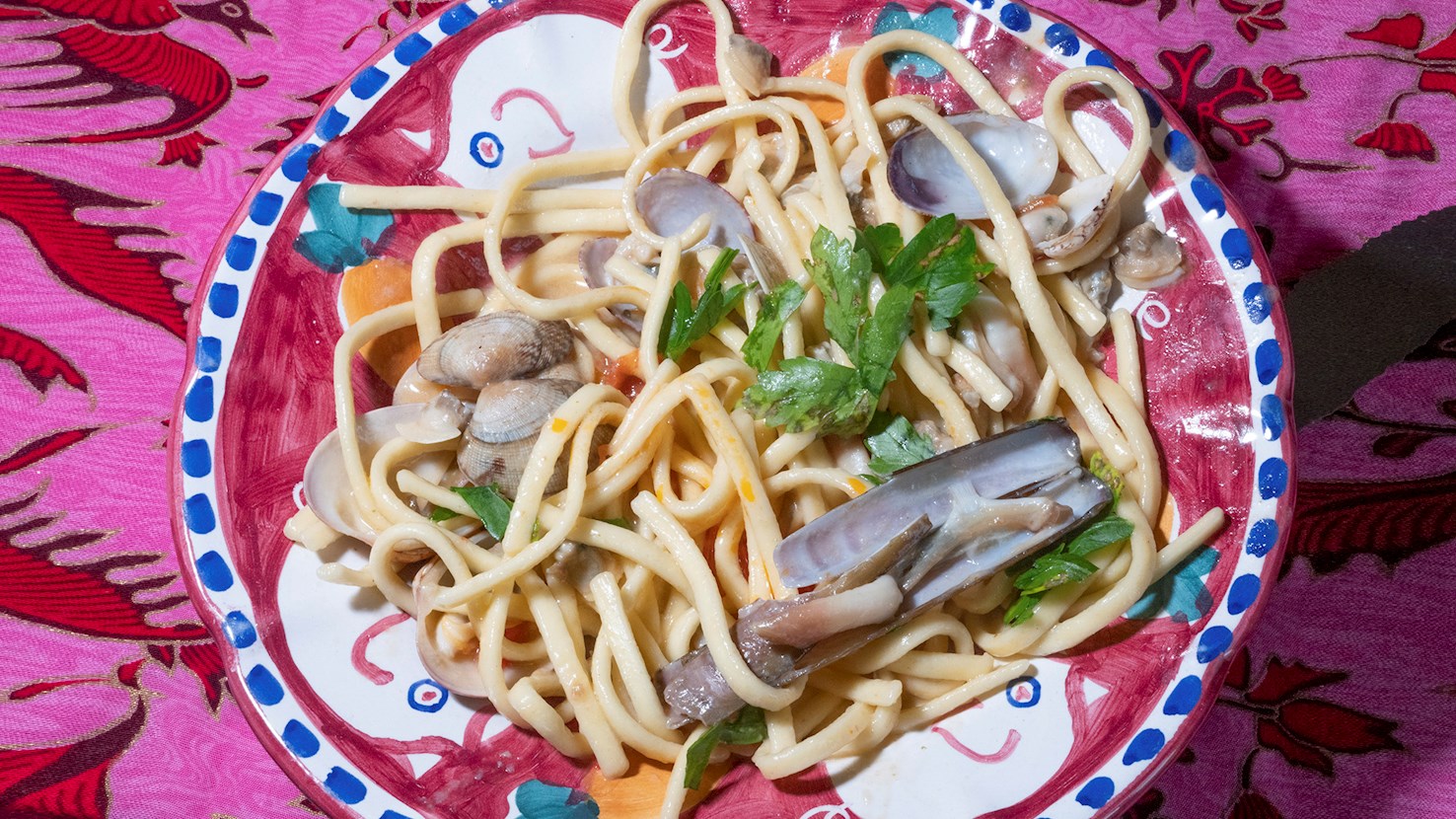
Scialatielli all’Amalfitana

3.3 ·

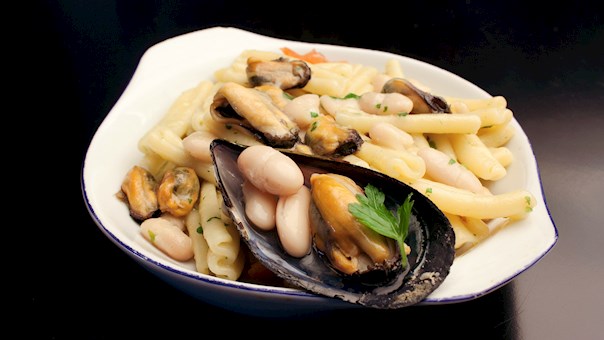
Scialatielli all'amalfitana is a seafood pasta dish prepared with scialatielli, a special pasta variety from the Amalfi region, nowadays popular throughout the coastal area of Campania. Compared to other Italian pasta shapes, scialatelli is a rather recent innovation, created in 1978 by the chef Enrico Cosentino, who has been developing his own pasta variety since the 1960s. He substituted a part of the eggs in the dough with milk, enriched his creation with basil leaves, extra virgin olive oil, and Parmigiano, then shaped the dough in thick, short, linguine-like pasta with a rectangular cross-section. The invention was an instant success and it was even recognized at a local culinary contest. Nowadays, one of the most popular way to enjoy scialatielli is all'amalfitana - served with typical seafood from the Amalfi coast – usually clams, mussels, prawns, and cuttlefish. The dish is best enjoyed warm, decorated with finely chopped parsley.

08

Seppie con i piselli

3.3 ·

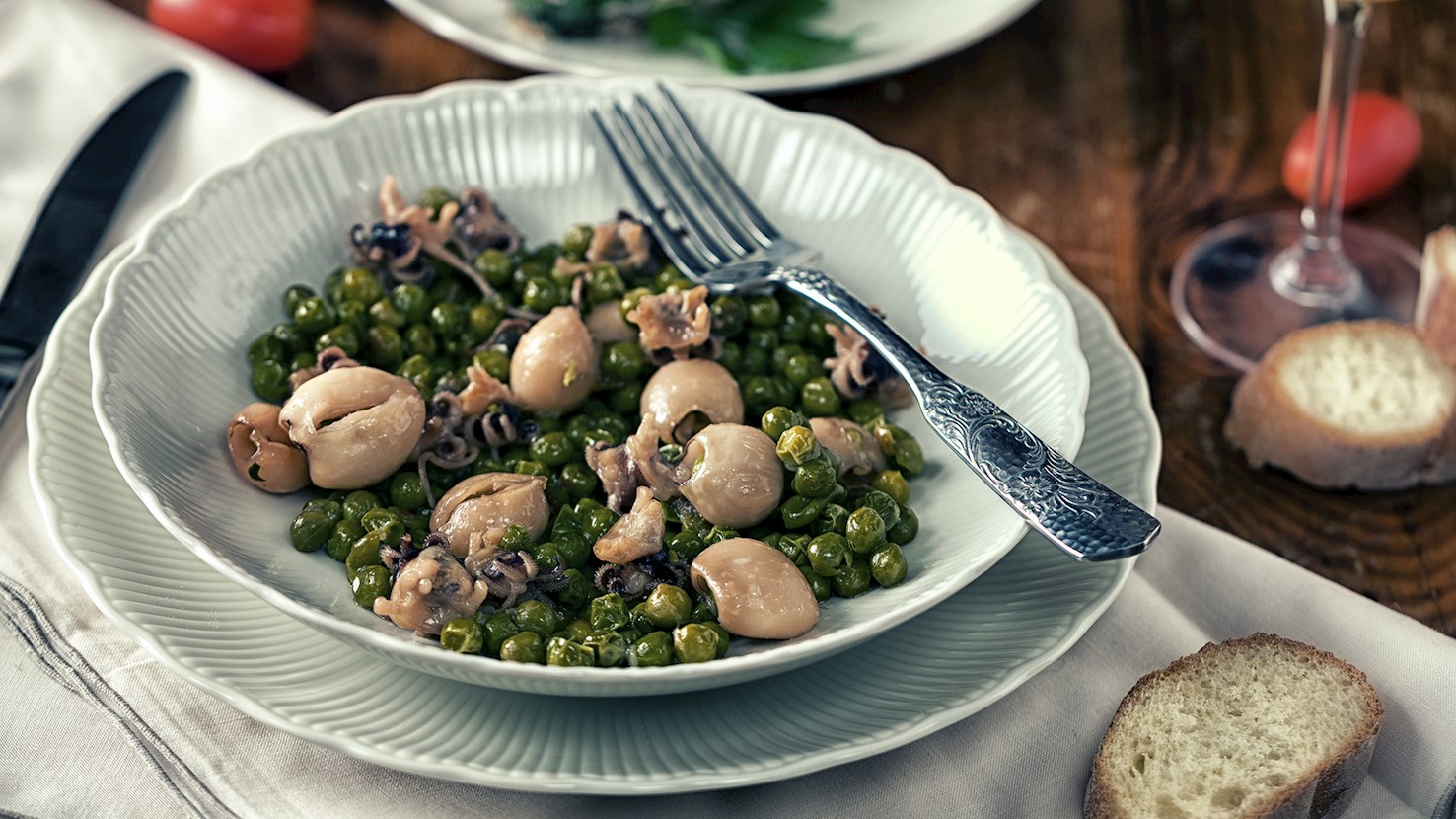
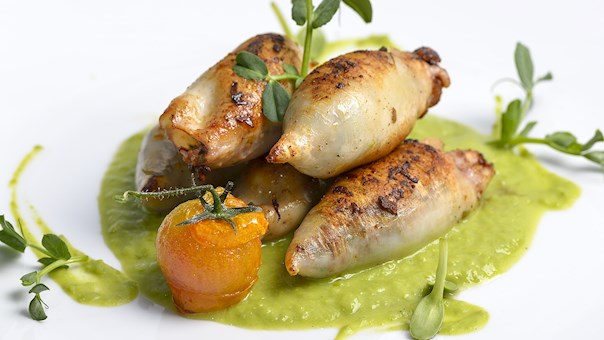
Seppie con i piselli is a traditional dish with unknown origins – some say it comes from Liguria, some from Marche, Romagna, or Lazio. The dish is made with cuttlefish, onions, tomatoes (which are omitted in some versions), peas, white wine, and olive oil. The onions are sautéed in olive oil, and the cuttlefish pieces are then added along with white wine. When the wine evaporates, the tomatoes are added and the dish is slowly simmered until the cuttlefish is tender. The peas are added near the end of cooking, and seppie con i piselli are usually served with crusty bread on the side for mopping up the flavorful juices.

09

Pasta e alici

3.4 ·

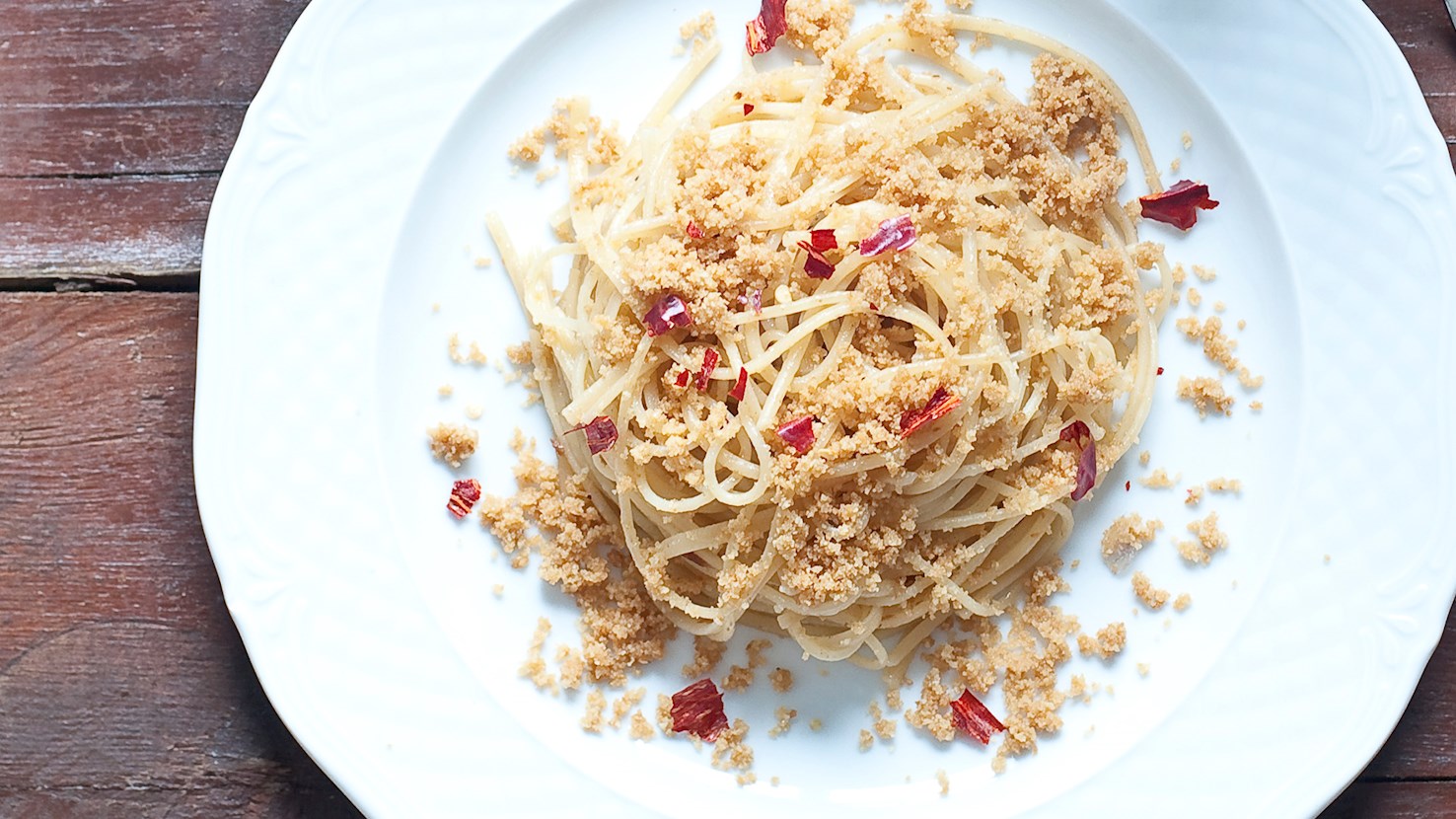
Also known as pasta con la mollica alla Calabrese, or in dialect, pasta ca muddicata, this traditional pasta dish called pasta e alici is made with anchovies and toasted breadcrumbs as one of the most traditional dishes of the region. Simple and quick to make, this is a typical cucina povera dish – extremely delicious and filling, although it consists of only a few basic ingredients. Crispy toasted breadcrumbs, pepperoncini, olive oil, chopped tomatoes, and anchovies, tossed over al dente cooked pasta create a dish full of strong, yet well-combined flavors - raisins, pine nuts, or a sprinkle of grated lemon zest can be added for an additional kick. In Calabria, this delicious dish was especially beloved around Christmas, when tradition requires eating di magro, meaning fish-based dishes. Those who couldn't afford the fish often prepared pasta e alici, respecting the tradition in the process, and enjoying a filling meal at the same time.

10

Cacciucco

3.4 ·

Tuscan fish stew has a history that stretches back to at least 500 years ago, and was most likely invented by the frugal fishermen of Livorno who would prepare it with whatever was left in the bottom of their boats after selling more valuable fish at the market. Traditionally, cacciucco is said to have five different types of fish and seafood in it — one for each "C" in its name — octopus and squid or cattlefish go in first, while the tender-fleshed fish, mussels, and prawns are added toward the end of cooking. The stew is flavored with tomatoes, white wine, olive oil, lots of garlic, fresh sage, and dried red chili peppers. For a more substantial meal, cacciucco is most often served over toasted, garlic-rubbed bread like pane campagnolo, a Tuscan favorite.

Read more
View all
View map
About this ranking

TasteAtlas food rankings are based on the ratings of the TasteAtlas audience, with a series of mechanisms that recognize real users and that ignore bot, nationalist or local patriotic ratings, and give additional value to the ratings of users that the system recognizes as knowledgeable. For the “33 Worst Rated Italian Seafood Dishes” list until June 16, 2026, 2,806 ratings were recorded, of which 2,152 were recognized by the system as legitimate. TasteAtlas Rankings should not be seen as the final global conclusion about food. Their purpose is to promote excellent local foods, instill pride in traditional dishes, and arouse curiosity about dishes you haven’t tried.

Similar lists