



shutterstock

29 Worst Rated Spanish Seafood Dishes

Last updated on June 16, 2026
01

Truchas a la Navarra

1.8 ·

Truchas a la Navarra is a traditional fish dish originating from Navarre. The dish is made with a combination of trout, jamón serrano, flour, lemon, parsley, olive oil, and salt. The trout is seasoned with salt, dredged in flour, and fried in olive oil until golden and just cooked through. It is then stuffed with sautéed jamón serrano pieces and lemon juice is squeezed over the fish. Before serving, this Navarra-style trout is typically dusted with chopped jamón and parsley.

02

Angulas a la cazuela

2.2 ·

Angulas a la cazuela is a traditional dish originating from the Basque Country. The dish is usually made with a combination of rare and expensive angulas (baby eels), garlic, hot pepper flakes, olive oil, and salt. The garlic and pepper flakes are sautéed in olive oil in a cazuela (shallow earthenware pot). The angulas are then added to the cazuela, seasoned, and cooked until they become hot and sizzling. The dish is served straight out of the cazuela and it's traditionally eaten with a wooden fork.

03

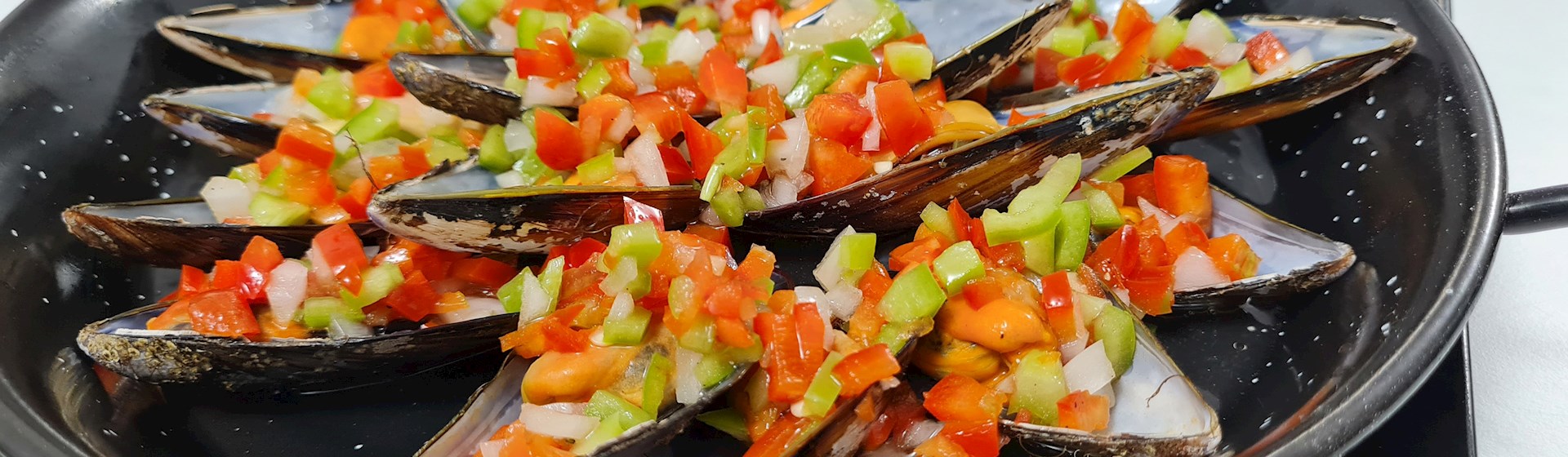
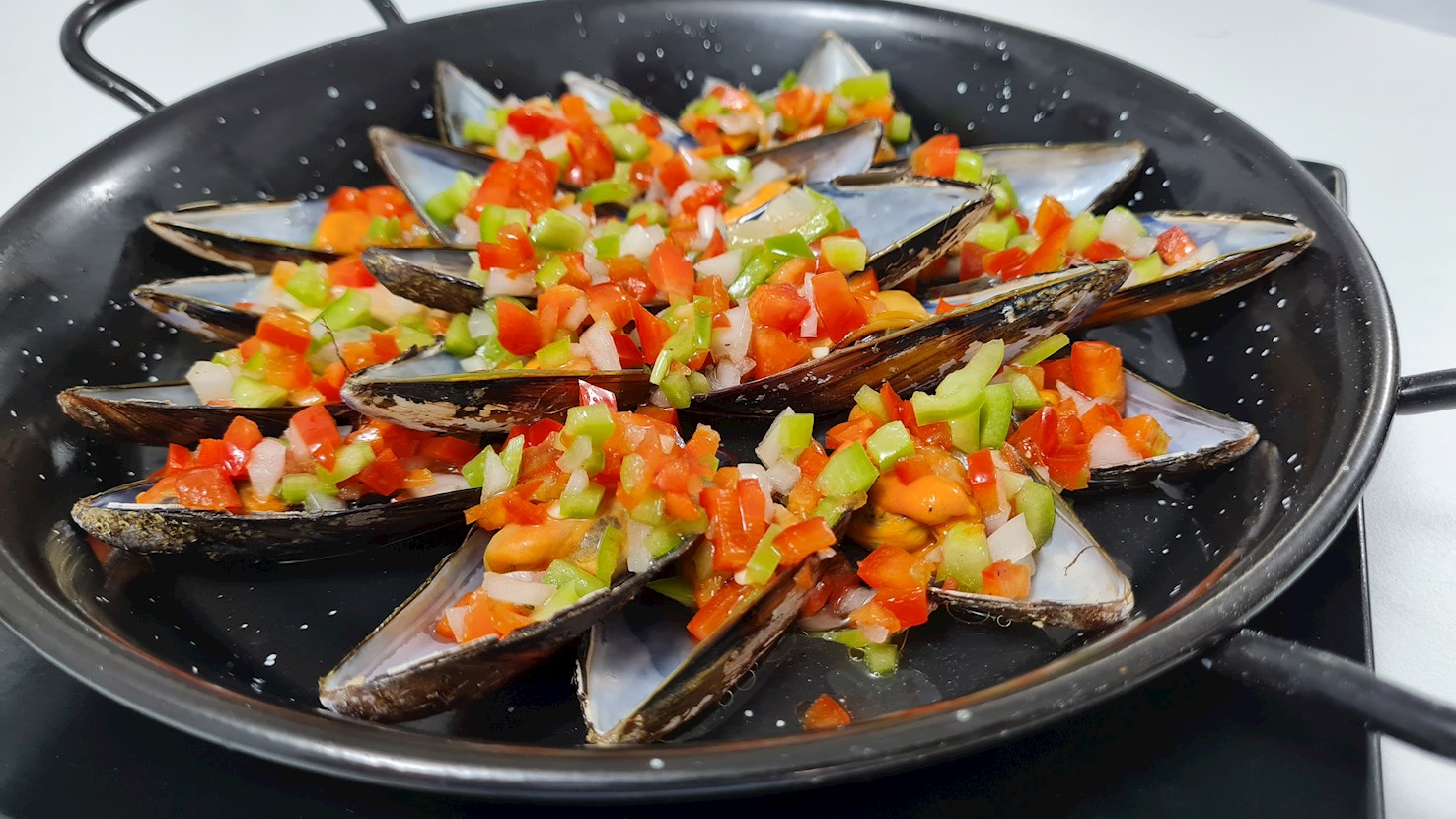
Mejillones a la vinagreta

2.6 ·

Mejillones a la vinagreta is a traditional dish originating from Galicia. It's made with a combination of local mussels, red wine vinegar, olive oil, green and red bell peppers, onions, and salt. The mussels are steamed until the shells open, drained, and cooled. The empty part of each mussel is discarded. The olive oil is whisked with vinegar, and the combination is then seasoned with salt and mixed with onions and bell peppers. The mussels are arranged on a platter and a spoonful of the pepper mixture is placed into each shell. It's recommended to refrigerate the dish for half an hour before serving and pair it with a cold beer on the side.

04

Cloïsses amb vi blanc (Clams in White Wine)

3.0 ·

Cloïsses amb vi blanc is a traditional clam dish originating from Catalonia. The dish is usually made with a combination of clams, garlic, white wine, olive oil, parsley, salt, and pepper. The garlic is finely chopped and fried in olive oil until golden brown. The clams and wine are added to the pot, and the mixture is brought to a boil. The dish is covered and cooked over medium-low heat until the clams open. They're seasoned with salt and pepper, sprinkled with parsley, and then served in bowls with crusty bread on the side.

05

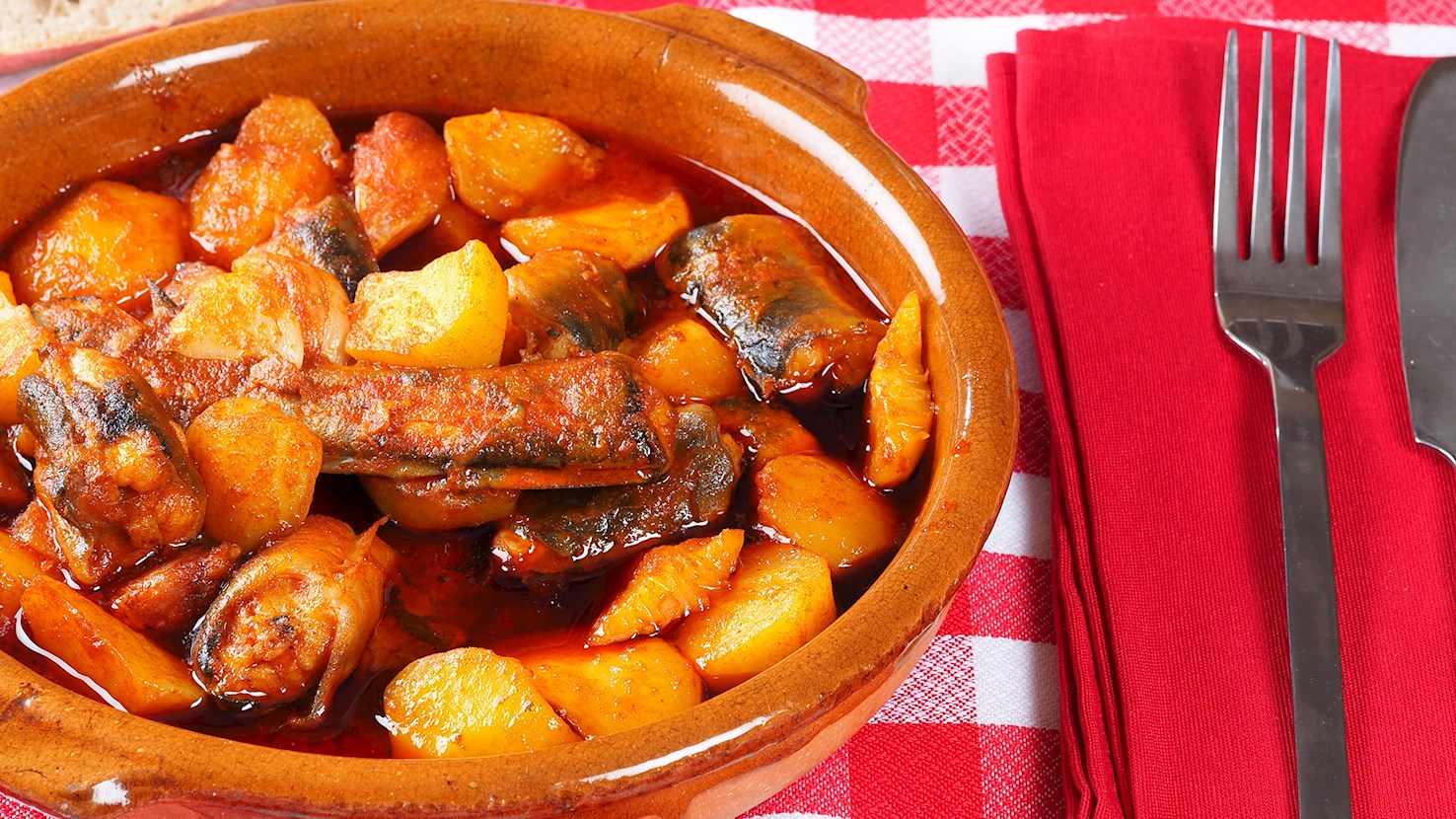
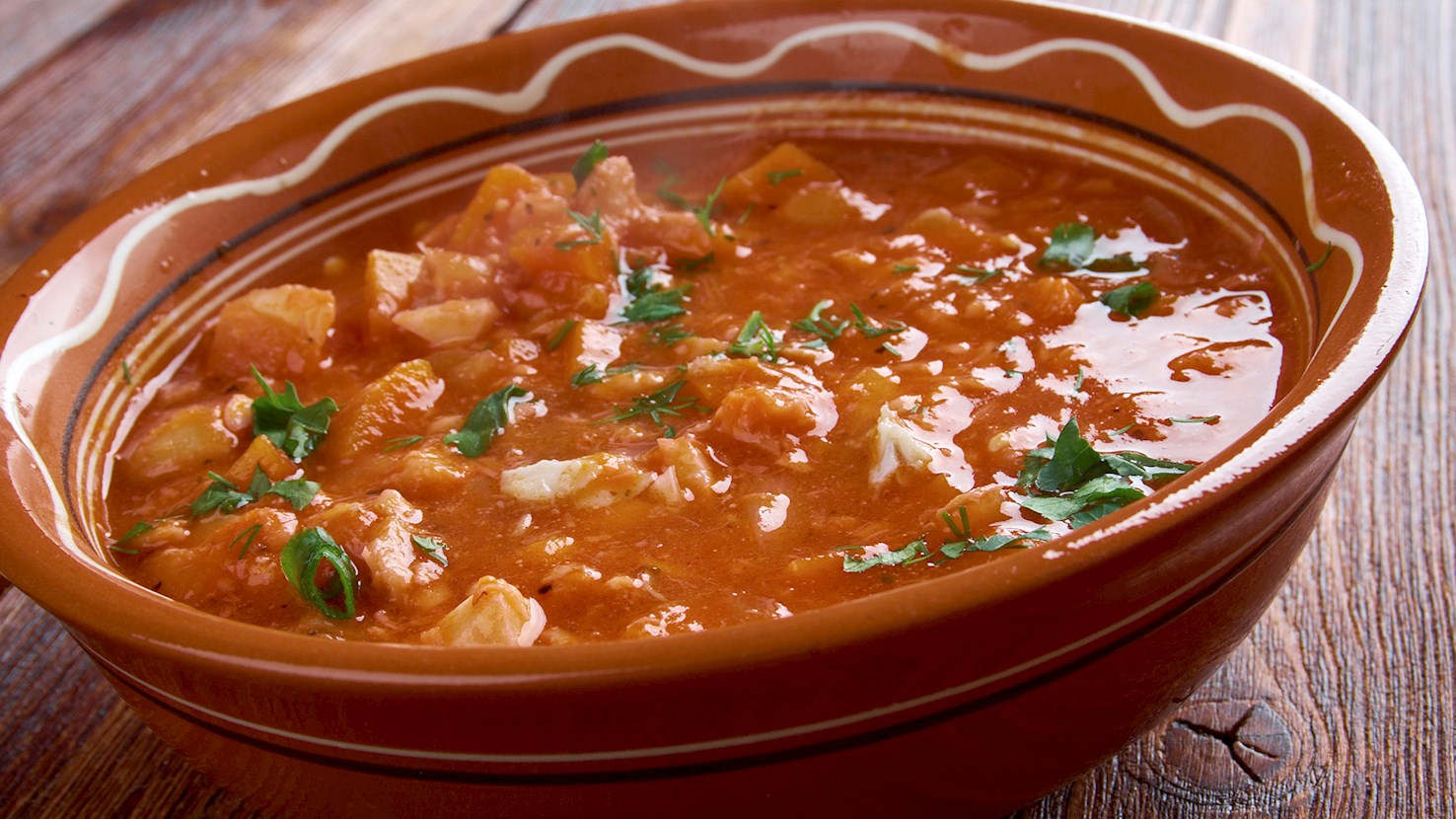
All i pebre

3.0 ·

All i pebre is a traditional signature dish of Valencia and the surrounding area, although its origin is in the Albufera wetlands near the city. The name of the dish means garlic and pepper, referring to the sauce, a key component of the dish. Other ingredients include eel and potatoes, but the eel can be replaced with other types of fish, while the potatoes are often replaced with bread. However, the spicy sauce consisting of olive oil, garlic, and paprika is essential. The dish is often prepared in an earthenware bowl, and once done, it's served with bread on the side, which is used for dipping.

06

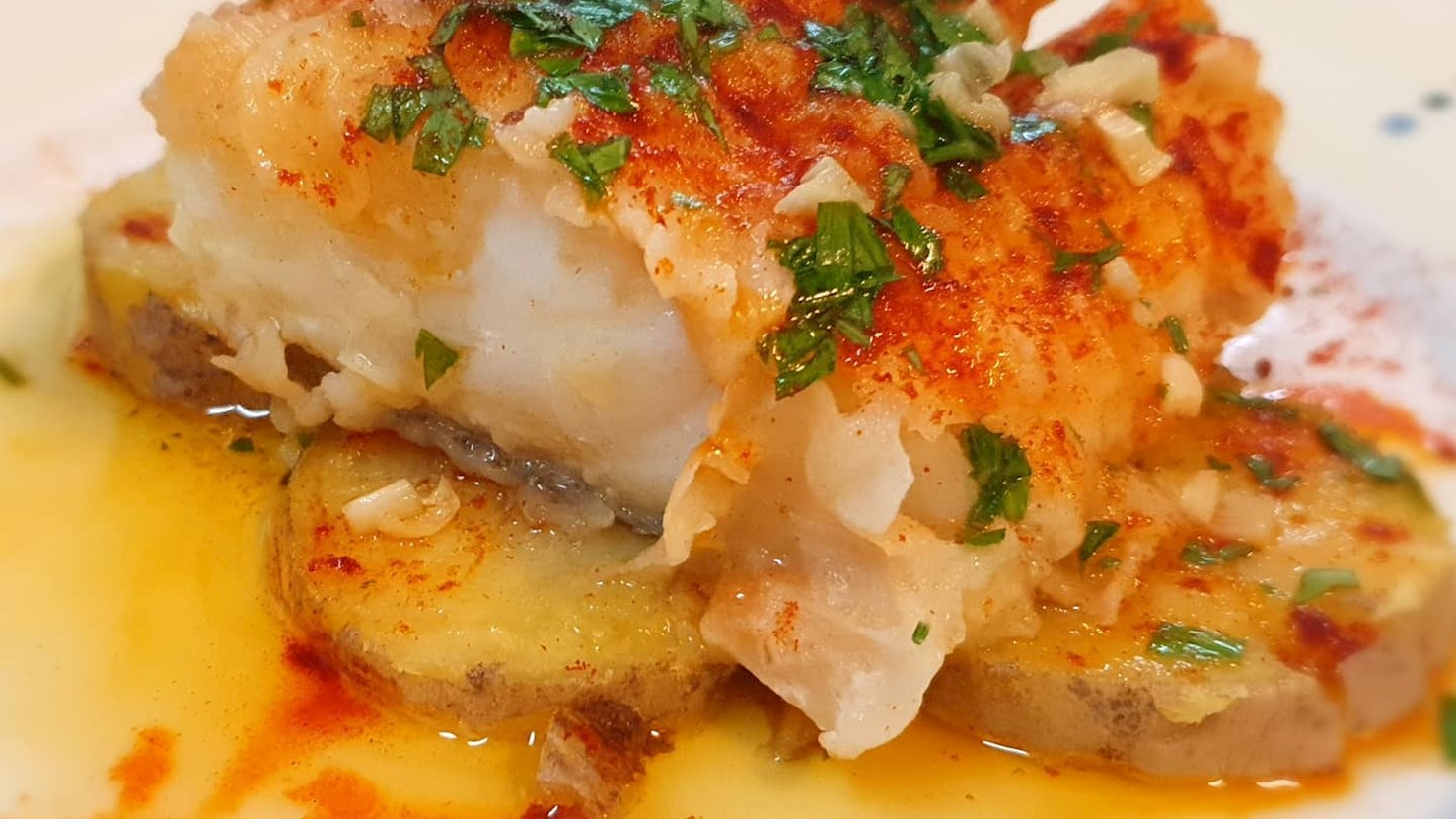
Bacallà a la llauna

3.1 ·

Bacallà a la llauna is a traditional fish dish originating from Barcelona and dating back to the 19th century. The dish is made with a combination of salt cod, flour, garlic, paprika or pimentón, parsley, and olive oil. The salt cod is desalted, drained, dried, and the fillets are then dredged in flour and fried in olive oil until golden and not falling apart. The garlic is sautéed in oil, and the paprika or pimentón is then fried in the same oil. Both are spooned over the fish and the dish is placed in a llauna – a rectangular pan with low and straight sides (alternatively, use a roasting pan or a rimmed baking sheet). The dish is baked for a few minutes and then served immediately with chopped parsley and the garlicky sauce spooned over it.

07

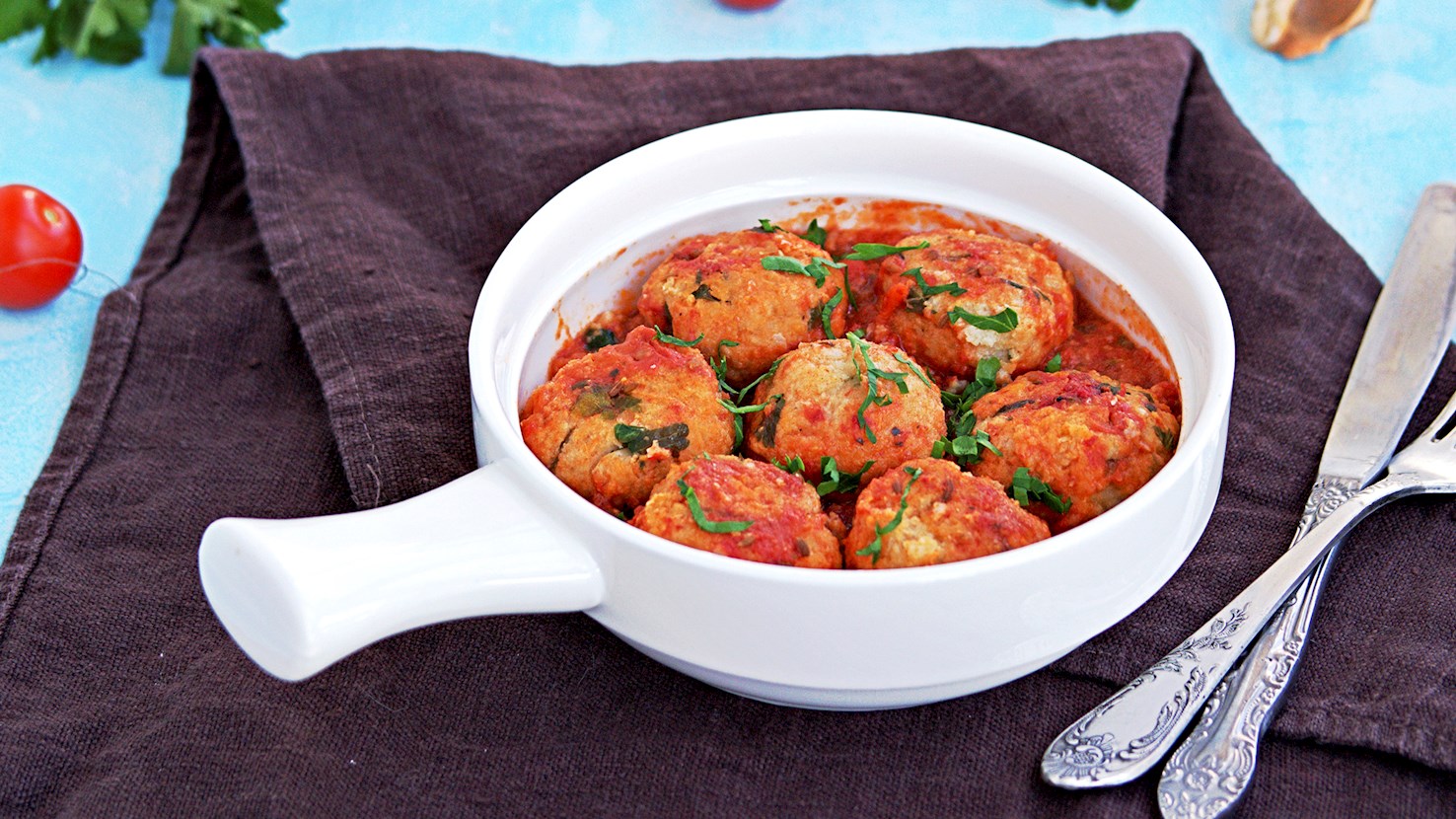
Albóndigas de bacalao

3.3 ·

Albóndigas de bacalao are Spanish cod meatballs, especially popular in the cuisine of Aragon. The meatballs are made with a combination of potatoes, cod, garlic, eggs, parsley, flour, and tomatoes. The potatoes are cooked with their skins on, and when done, they're mashed with cod into meatballs along with garlic, parsley, and eggs. The meatballs are rolled in flour, then fried before being combined with a simple tomato sauce. It's recommended to serve the dish with freshly made bread or crispy croutons.

08

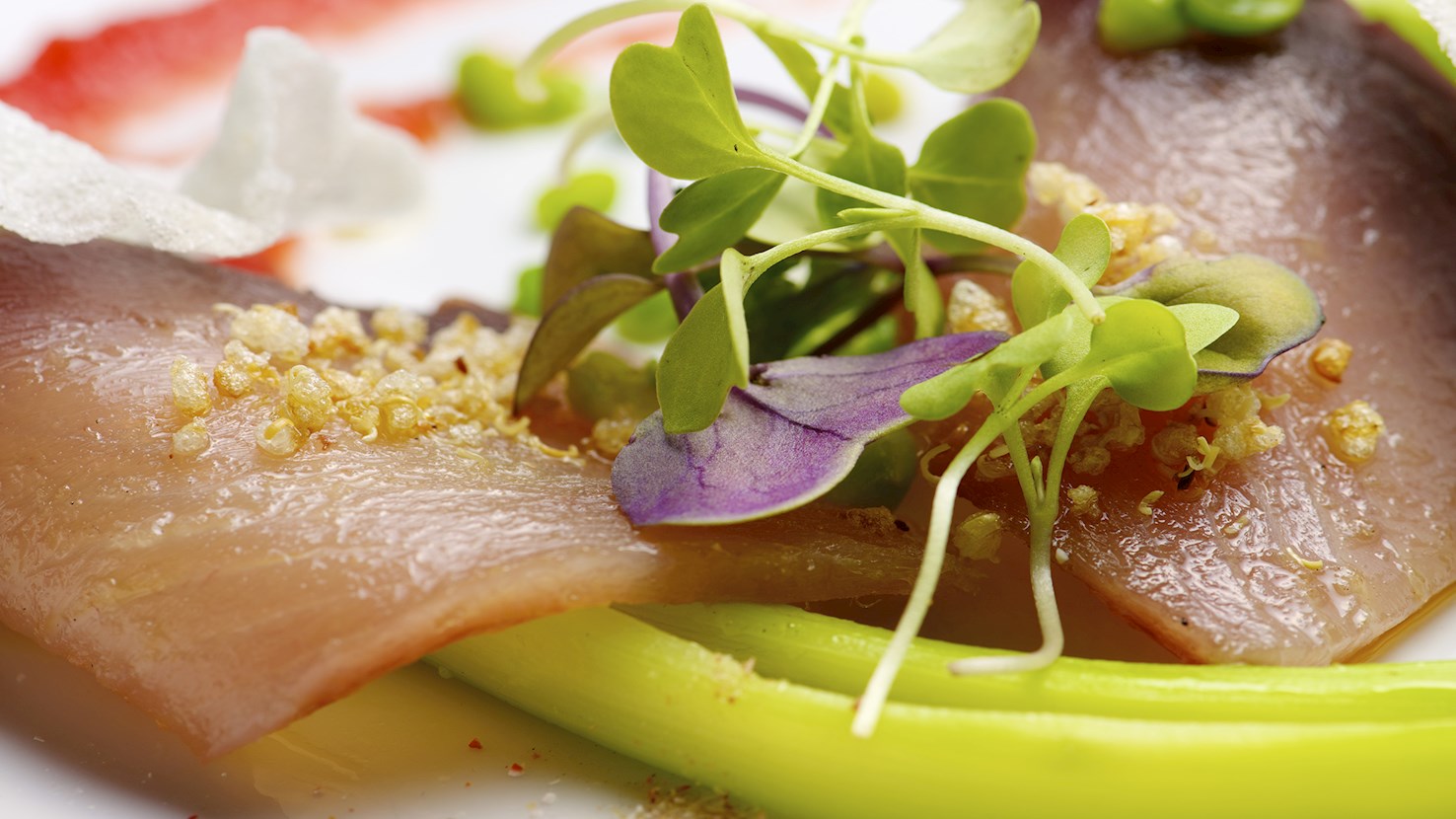
Mojama

3.4 ·

Mojama is a Spanish delicacy consisting of cured, wind-dried tuna fillets. It is traditionally dried for at least three weeks until the fillets shrink and darken to a reddish-brown color. The meat is usually served as an appetizer or a snack, but it can also be added to salads or paired with anchovies, bread, and olives, although purists insist that only oil should be added to the fillets, as anything else takes away the distinctive flavors of mojama.

09

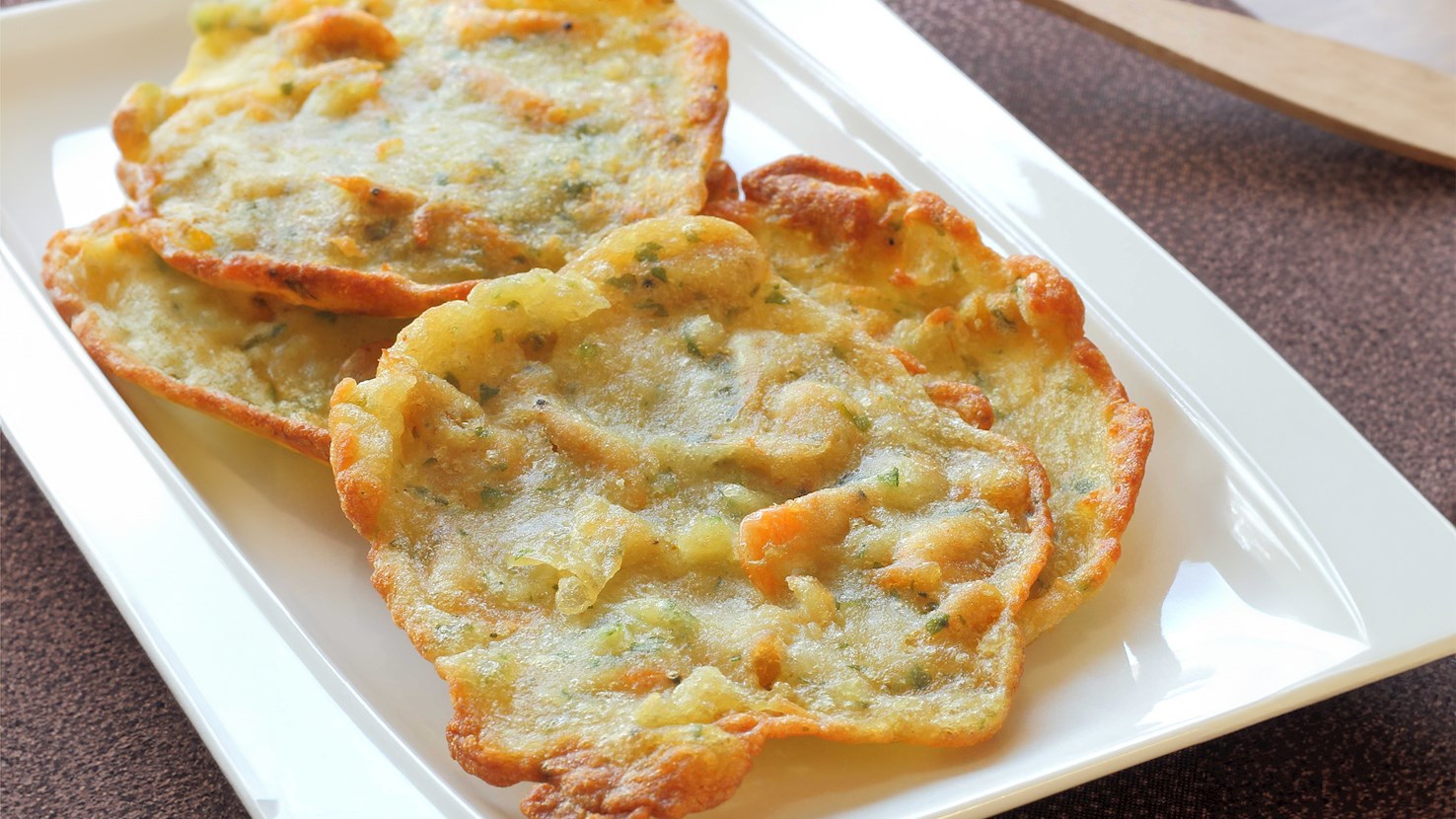
Tortillitas de camarones

3.4 ·

Tortillitas de camarones are a traditional Spanish dish particularly popular in the province of Cadiz and especially associated with the city of San Fernando. These are fritters made with a batter of chickpea flour (though sometimes a mix of wheat and chickpea flour is used), water, fresh shrimp, onion, and parsley. The mixture is fried in olive oil until crisp. The shrimp used in this dish are often tiny, and they are used whole, including the shell. The result is a thin, crispy pancake loaded with small shrimps, traditionally served as a tapa. It's a simple dish, but it's packed with flavor and has a unique texture due to the crispness of the pancake combined with the shrimp. It's a typical dish you might find in fried fish shops or freidurias throughout Andalusia, particularly in coastal towns and cities.

10

Ajoarriero

3.4 ·

Ajoarriero is a traditional dish originating from the Basque Country and Navarre. It consists of shredded salt cod that's combined with chopped ingredients such as tomatoes, garlic, onions, red and green peppers, hot peppers, and potatoes. In the past, the dish was cooked in a clay pot over a fire, and the preparation was a communal affair in which the amount of garlic depended on the number of diners. In some regions, people added crab or beaten eggs to the dish. Nowadays, ajoarriero is traditionally served in an earthenware dish, and it's often garnished with parsley on top.

Read more
View all
View map
About this ranking

TasteAtlas food rankings are based on the ratings of the TasteAtlas audience, with a series of mechanisms that recognize real users and that ignore bot, nationalist or local patriotic ratings, and give additional value to the ratings of users that the system recognizes as knowledgeable. For the “29 Worst Rated Spanish Seafood Dishes” list until June 16, 2026, 3,420 ratings were recorded, of which 2,735 were recognized by the system as legitimate. TasteAtlas Rankings should not be seen as the final global conclusion about food. Their purpose is to promote excellent local foods, instill pride in traditional dishes, and arouse curiosity about dishes you haven’t tried.

Similar lists