



shutterstock

74 Worst Rated European Semi-hard Cheeses

Last updated on May 22, 2026
01

Queijo Mestiço de Tolosa

2.7 ·

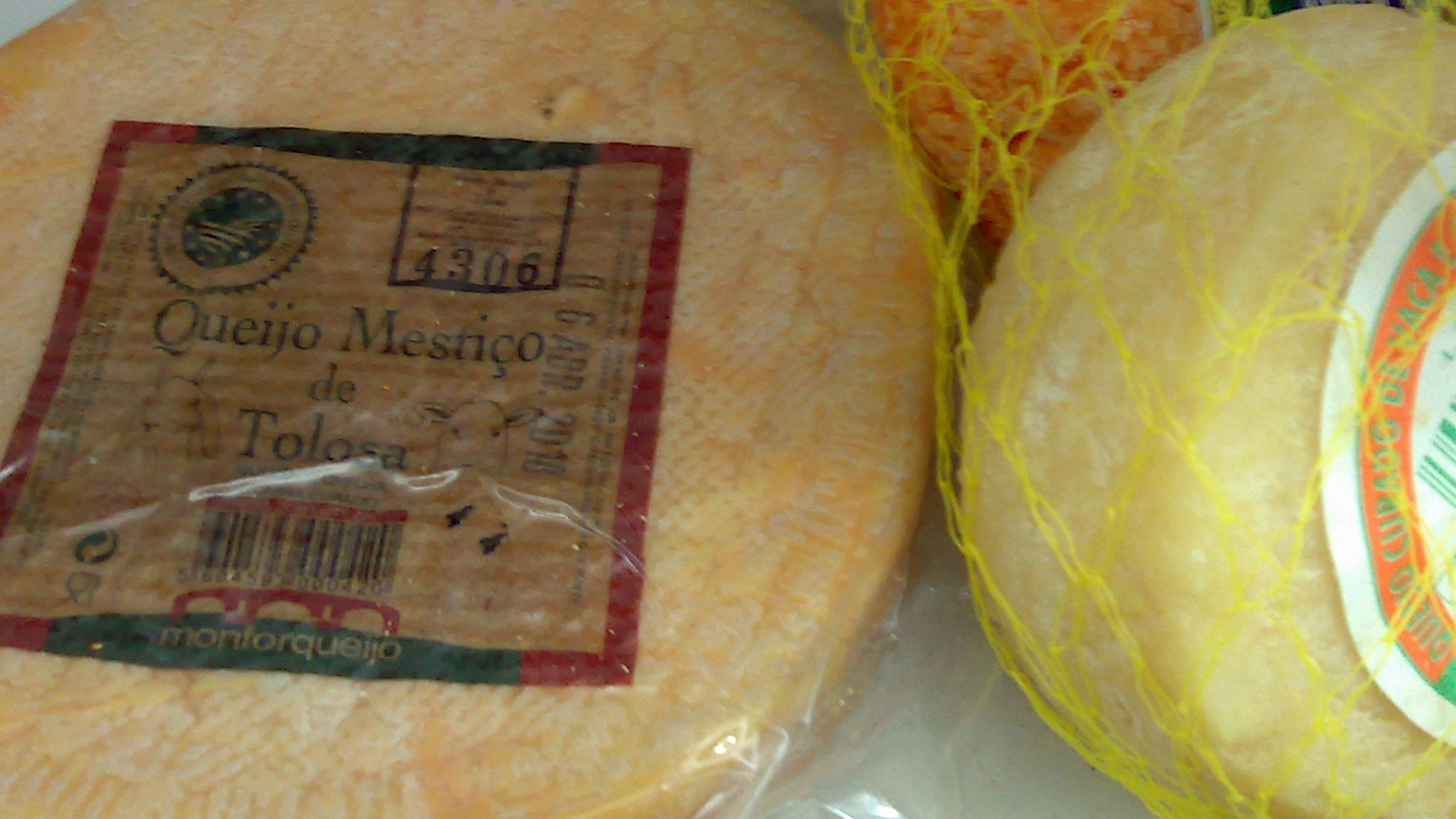
This hard cheese is made from various combinations of sheep and goat milk, usually in the proportions of 20-80% or 40-60%. The milk for this cheese is taken from traditionally-fed sheep and goats raised in the Tolosa region. First, the milk is heated and curdled using animal rennet or plant extract. The curd is then molded into cheeses, which are salted and left to mature for a few weeks, resulting in a cheese with a rough, thin, firm yellow-orange crust and a semi-hard, ivory-colored interior. The flavor is sharp and piquant, and the cheese has a medium to high moisture content. This cheese is usually served as an appetizer or a snack before dinner accompanied by good local wines.

02

Nøkkelost

3 ·

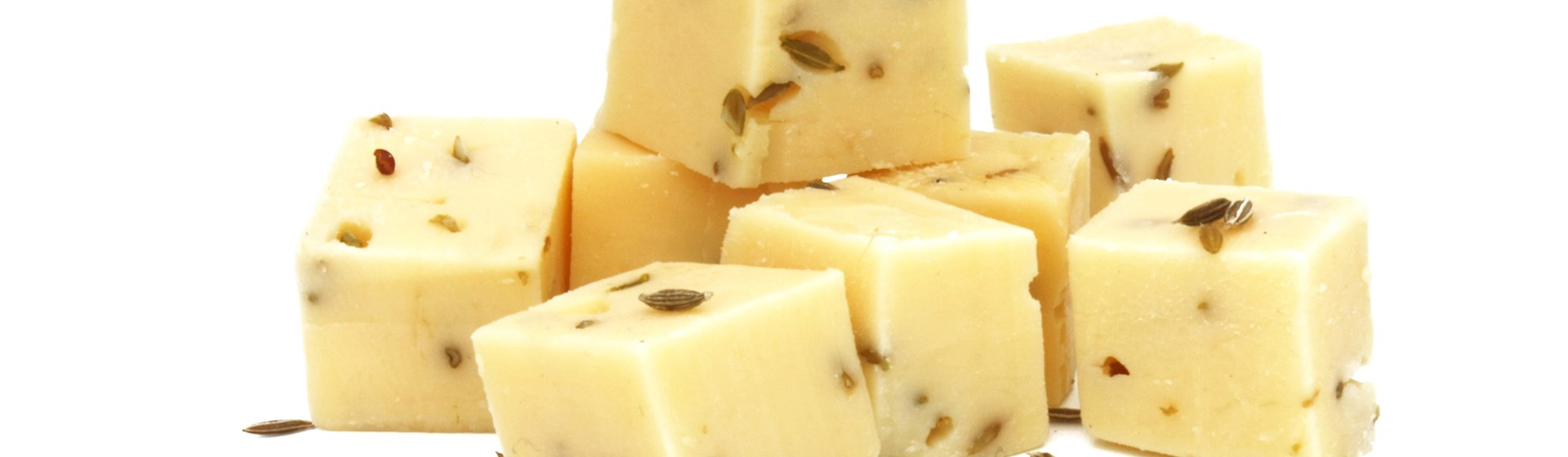
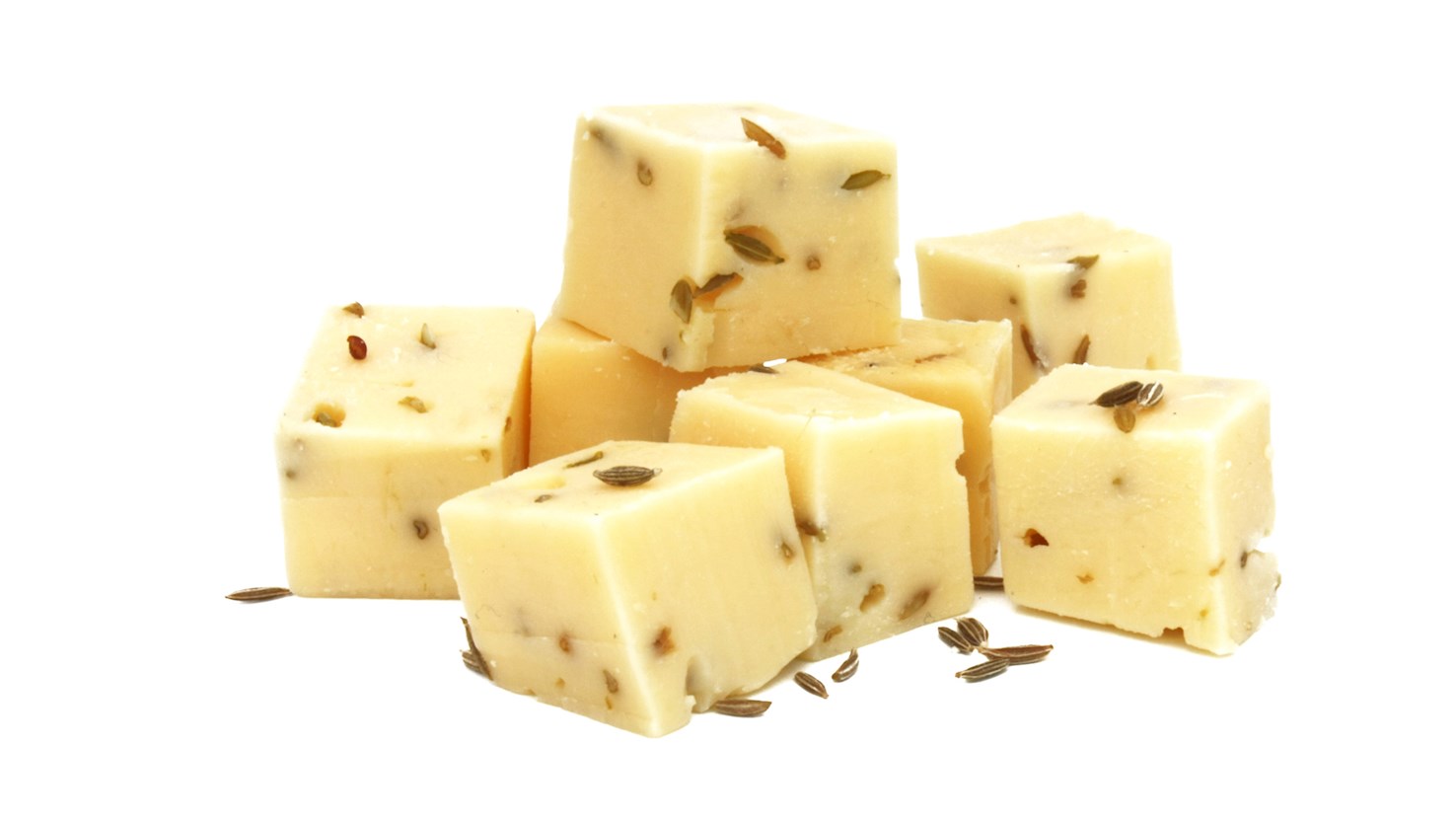
Nøkkelost is a traditional semi-hard cheese made from cow's milk. Also known as Kuminost, the cheese matures for 3 months and it's flavored with cumin, cloves, and caraway. It has a natural rind and a creamy texture, while the flavors are spicy, tangy, and nutty. It is recommended to melt Nøkkelost over meat or potatoes and pair it with a glass of red wine on the side.

03

Queijo Terrincho

3 ·

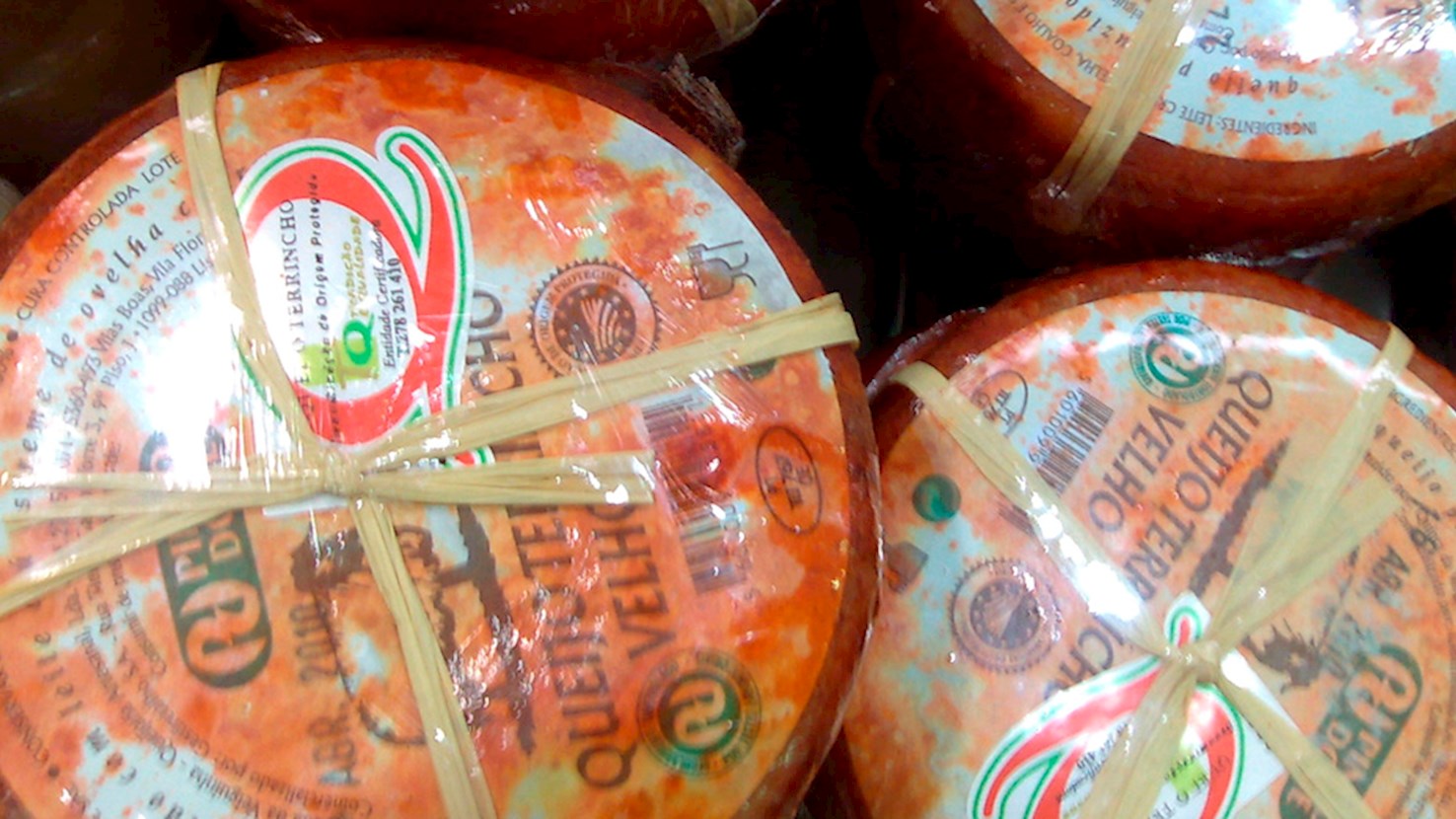
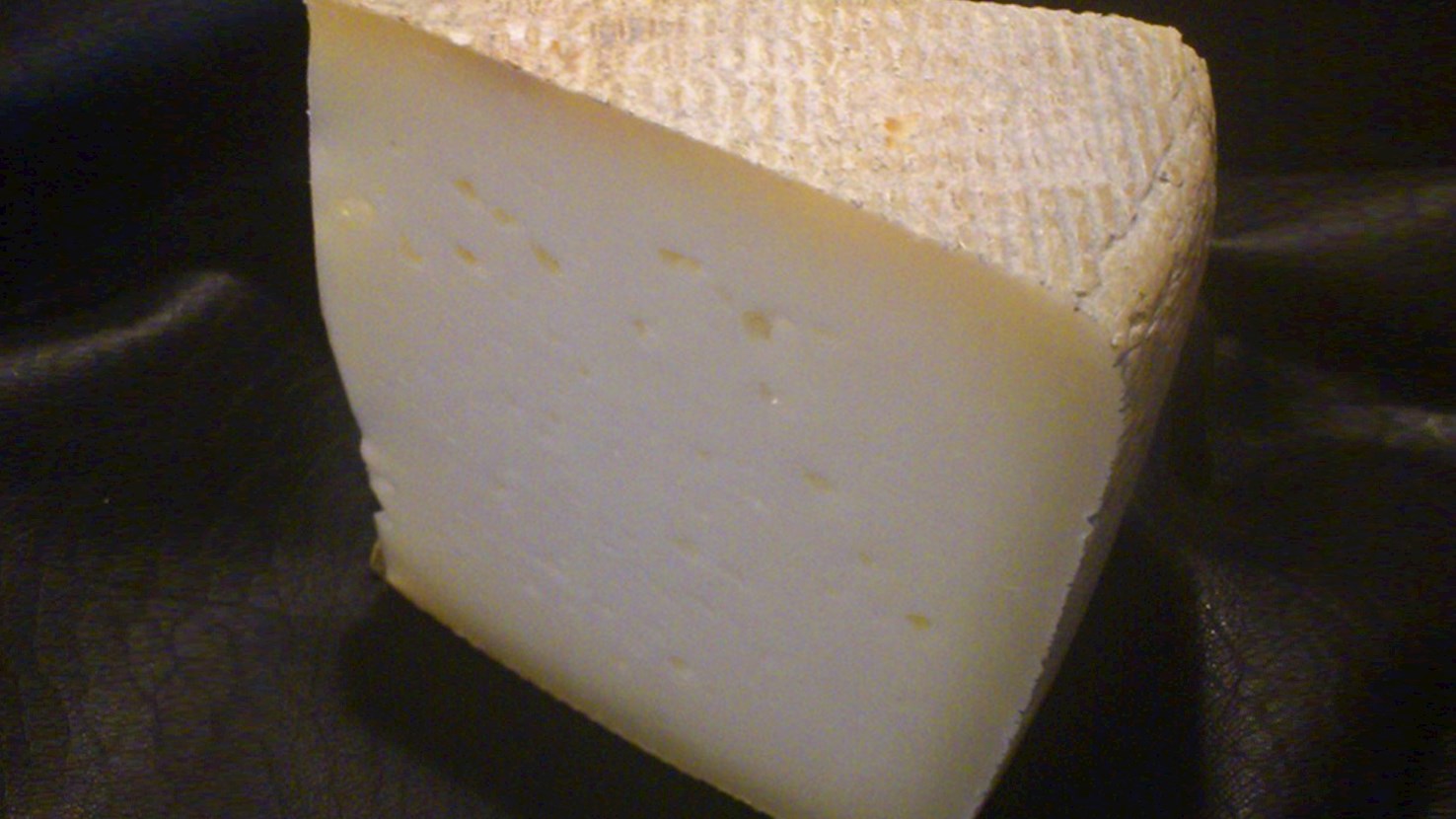
Terrincho cheese is a ripe, semi-hard cheese made from the milk of the Churra da Terra Quente breed of sheep, which graze on the grasslands and marshes of Terra Quente in the municipalities of Bragança, Vila Real, Viseu, and Guarda. This breed of sheep, colloquially referred to as terrincho, has spread to such an extent that it now accounts for 98% of the sheep population in the region. To produce the cheese, the milk is filtered, heated, and curdled with animal rennet. The curd is then shaped into cheeses and salted again before being left to mature. The cheese is medium-hard, compact, and white in color with a malleable, smooth rind. The flavor is sweet and clean, making it perfect as a snack, appetizer, or dessert. It goes well with traditional regional lamb dishes, homemade bread, and local red wine.

04

Klenovecký Syrec

3 ·

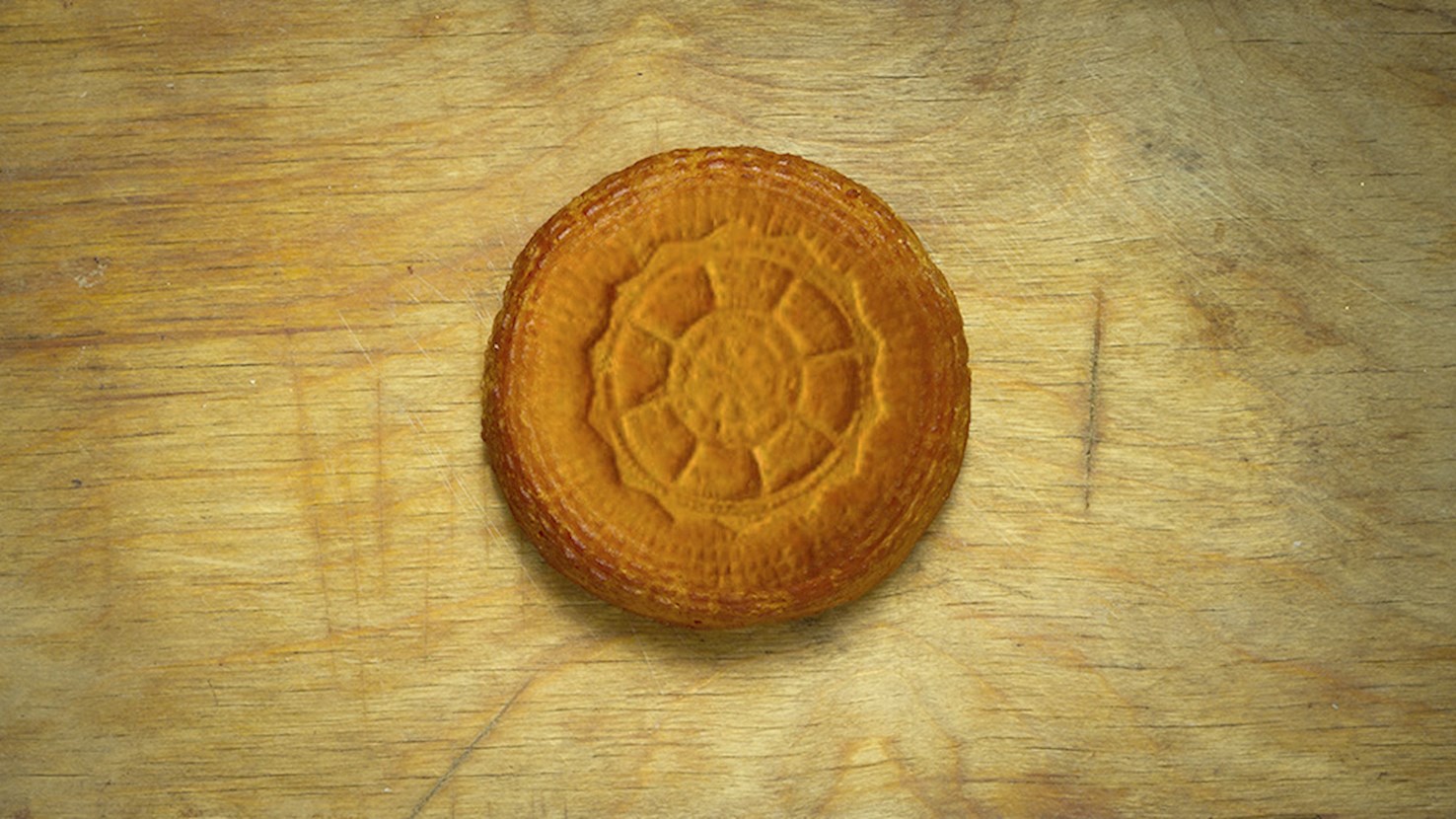
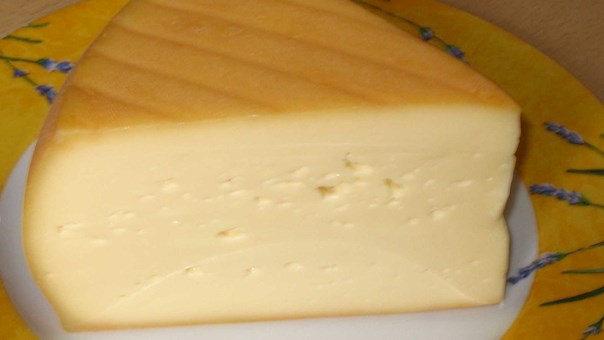
Klenovecký syrec is a semi-hard cheese made from unpasteurized sheep's or cow's high-quality milk, produced in the mountainous Gemer-Malohont region in the Slovak Republic since 1850. The cheese can be either smoked or unsmoked and can be made in shepherd's huts, on a farm or at dairies using the industrial process. On the exterior, particularly on the surface, it has an embossed four-leaf clover for decoration, and its soft rind can be colored green using wood ash. The cheese must weigh between one and four kilograms. On the interior, it is white to pale yellow, with a soft, elastic texture with tiny holes that appear once the cheese is sliced. The flavour is pleasant, slightly acidic and salty, and smoky in smoked varieties. The cheese is so popular in the region today that it is displayed as a delicacy at a well-known regional event in Klenovec called Klenovecká Rontouka.

05

Bastardo del Grappa

3 ·

Bastardo del Grappa is a traditional cheese made from cow’s milk from two milkings – one from the evening, and the other from the following morning. In the past, it was produced from mixed milk, hence the word bastardo in the name. It is produced in the area of Monte Grappa in Veneto, hence the name. The cheese matures from 120 to 180 days and is characterized by its thick and rough rind, while small holes are scattered throughout its pale yellow interior. The flavor of Bastardo del Grappa is intense, pleasant, and never spicy. It is recommended to pair the cheese with apples, berries, pears, pear mostarda, young red wines, and medium-bodied white wines.

06

Tyrozouli

3.1 ·

Tyrozouli is a Greek cheese produced in the mountains of western Crete. It is made from sheep’s or goat’s milk which is curdled with fig sap. The cheese is typically consumed fresh, when its texture is very soft, but it can also be matured in olive oil, when its texture becomes hard.

07

Samsø

3.1 ·

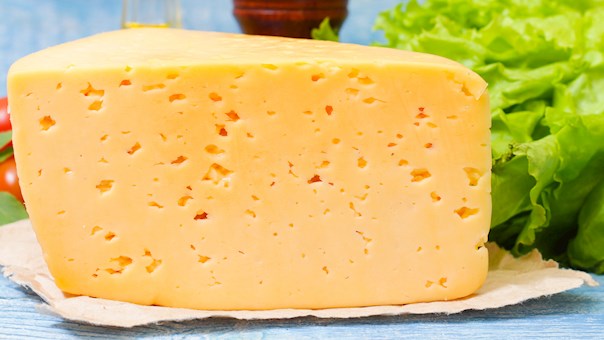
Named after its place of origin, Samsø is a Danish semi-hard cheese made from pasteurized cow’s milk. The cheese was invented in the early 19th century. Its texture is supple and elastic, while the body is filled with irregular eyes. The flavors are gentle, nutty, sour, and sweet. Although it was produced in circular shape with waxy rind in the past, nowadays almost every Samsø is made rindless in rectangular blocks. The cheese melts well, making it ideal for gratins, pizza, or sandwiches.

08

Ädelost

3.2 ·

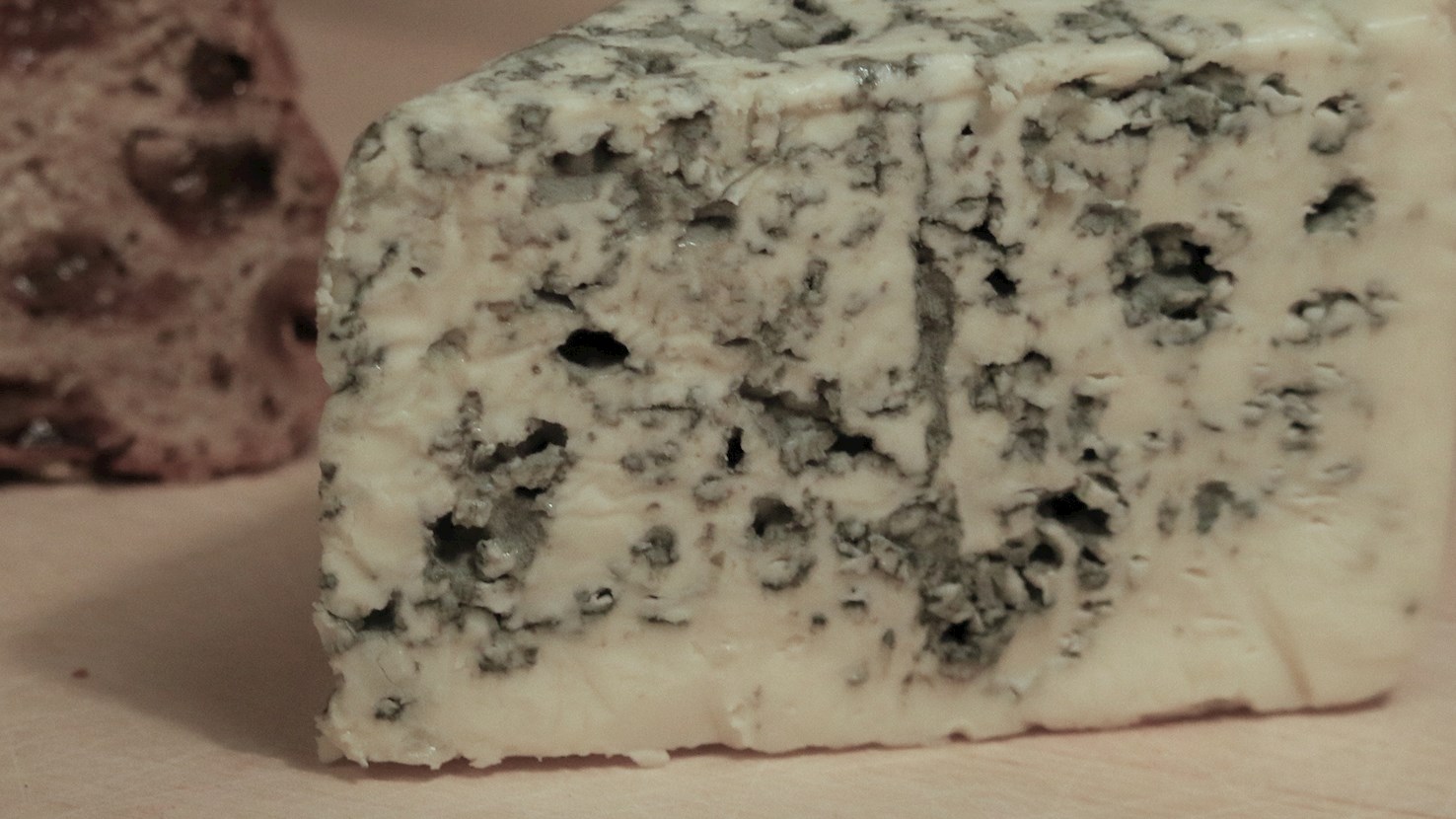
Ädelost is a Swedish blue cheese that was originally created as an alternative to the imported French blue cheeses. The cheese is made from cow's milk and it ages for 8-12 weeks. It has a thin, pale rind that's dusted with specks of grey, white, and blue mold. The interior is creamy in texture and pale in color, scattered with blue-grey pockets and broken veins. The flavors are sharp, spicy, salty, and tangy. Ädelost is usually crumbled over salads or used as a table cheese, but it can also be combined with balsamic vinegar and olive oil to create a piquant salad dressing. It's recommended to pair it with a glass of hoppy beer or local schnapps.

09

Cotswold

3.2 ·

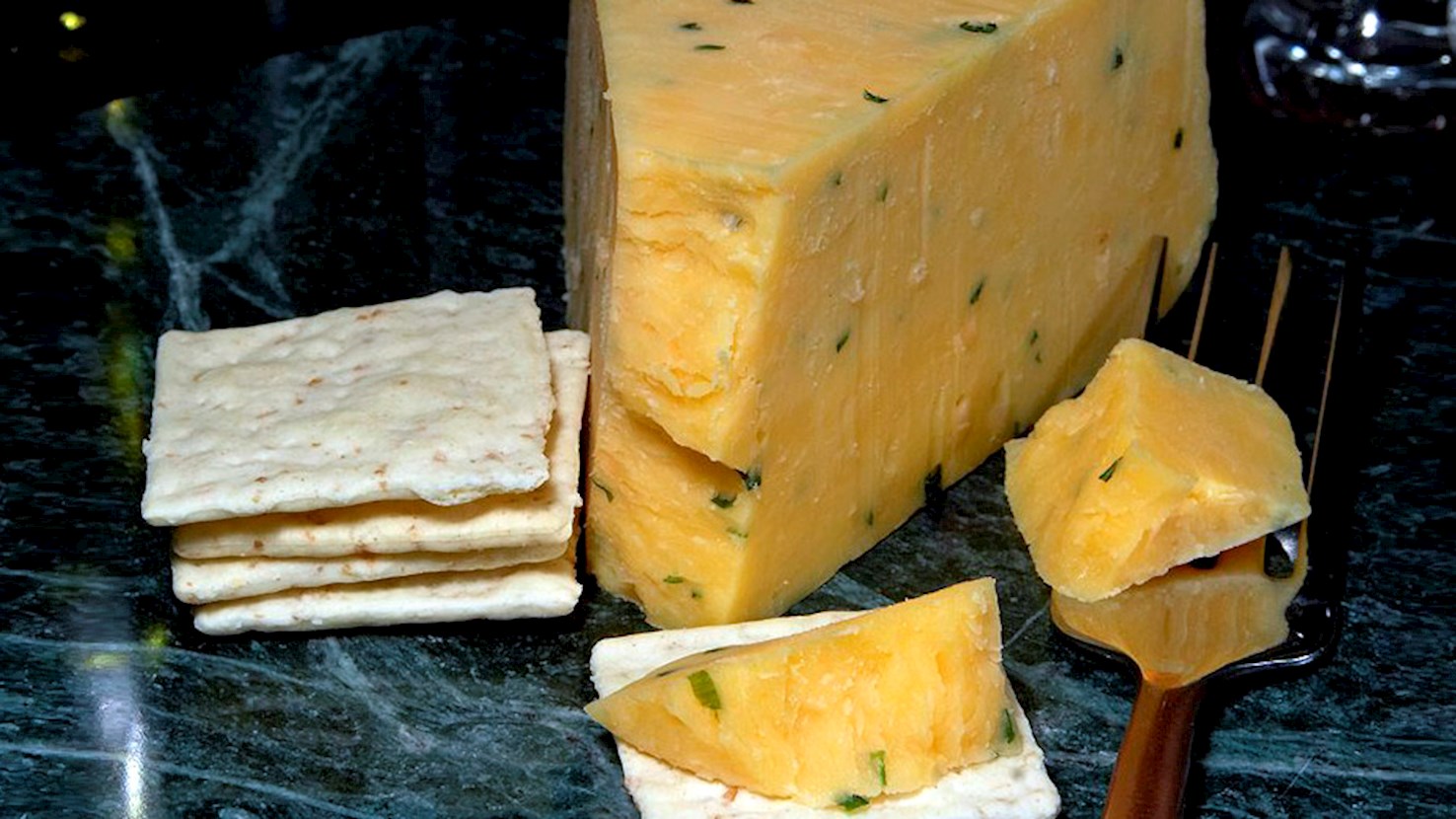
Cotswold is a variation of Double Gloucester, originating from Gloucestershire County. The cheese is made with cow's milk, and it's enriched with onions and chives. The color of this cheese varies from golden yellow to orange, and its texture is firm, dense, and crumbly. Cotswold's flavor is sweet, buttery, and tangy, while onions and chives provide it with an extra layer of flavor. Cotswold is also known as pub cheese in England, so it is recommended to pair it with a cold beer on the side.

10

Accasciato

3.2 ·

Accasciato is a semi-hard Italian cheese made from sheep’s milk or a combination of sheep’s and cow’s milk. It has a firm texture and a fresh aroma, while its flavor is best described as sweet. Although it can be consumed fresh, the cheese is typically matured anywhere from 40 to 60 days. During the maturation period, it develops a soft, pale yellow rind. Accasciato is known as slumped cheese because it crumbles once it gets removed from the molds.

Read more
View all
View map
About this ranking

TasteAtlas food rankings are based on the ratings of the TasteAtlas audience, with a series of mechanisms that recognize real users and that ignore bot, nationalist or local patriotic ratings, and give additional value to the ratings of users that the system recognizes as knowledgeable. For the “74 Worst Rated European Semi-hard Cheeses” list until May 22, 2026, 10,607 ratings were recorded, of which 7,310 were recognized by the system as legitimate. TasteAtlas Rankings should not be seen as the final global conclusion about food. Their purpose is to promote excellent local foods, instill pride in traditional dishes, and arouse curiosity about dishes you haven’t tried.

Similar lists